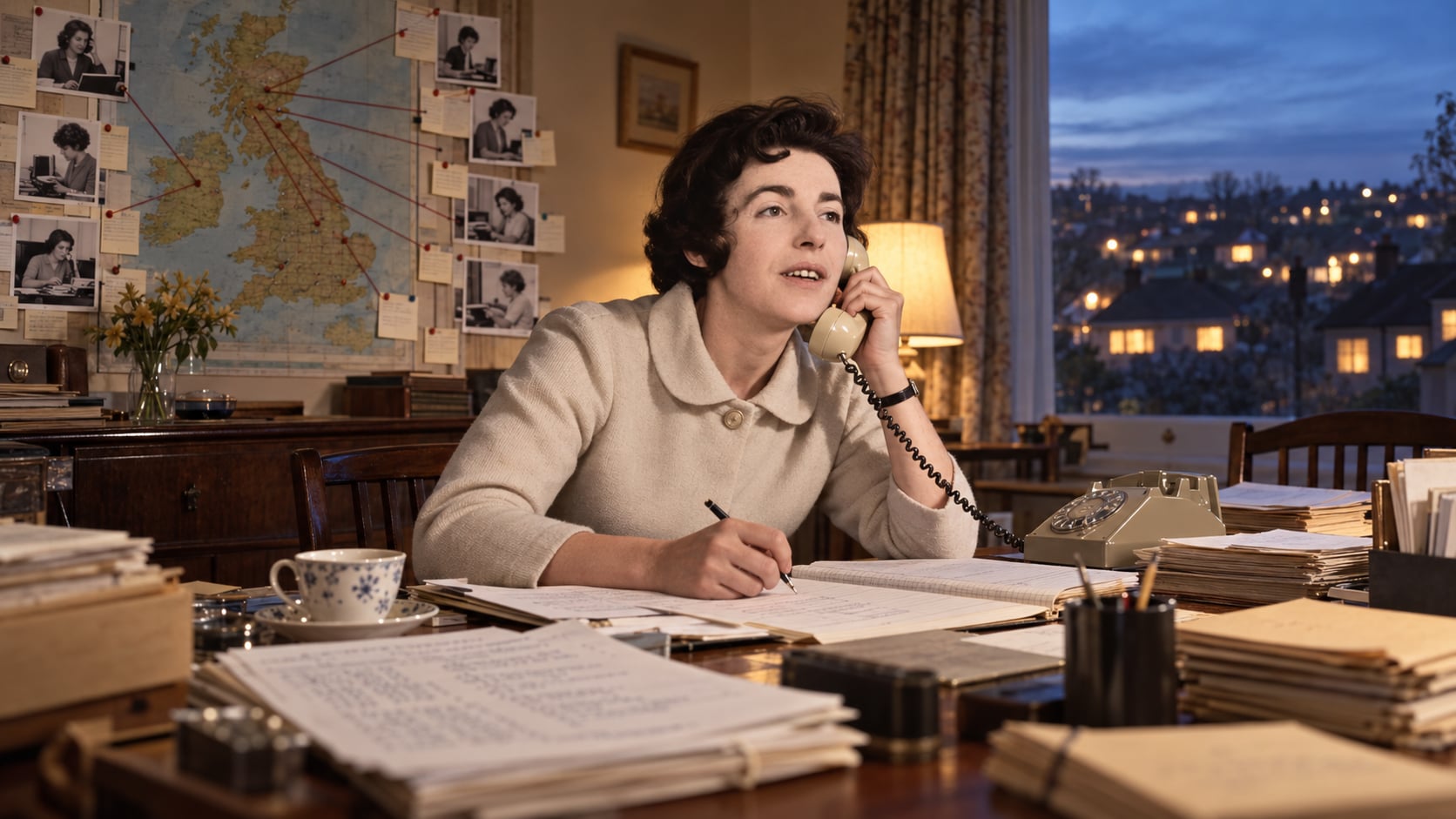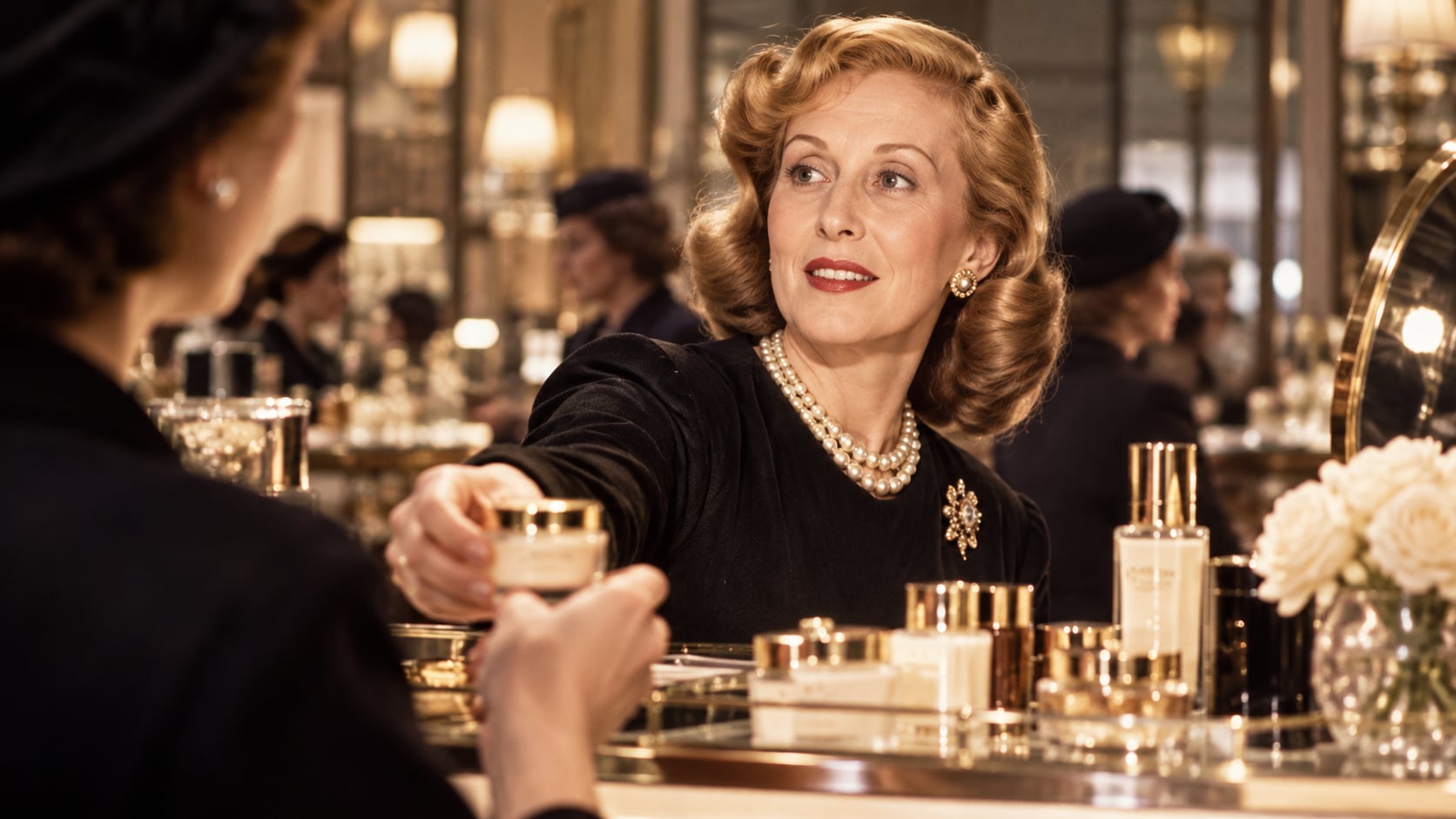
- She was born in Queens to a hardware-store family, not the European aristocracy she later let people assume.
- A single department-store order, worth about $14,000 today, is the moment a kitchen operation became a real business.
- The company she started now operates in roughly 150 countries, and most of its leaders are women.

Who was she—and what was she like before anyone cared?
Josephine Esther Mentzer was born July 1, 1908, in Corona, Queens, to Rose Schotz, a Hungarian Jewish immigrant, and Max Mentzer, a Czech-Jewish shopkeeper. Before anyone had heard of her she was a girl working in her father's hardware store and attending Newtown High School in Elmhurst.
What did her life look like before her trek began?
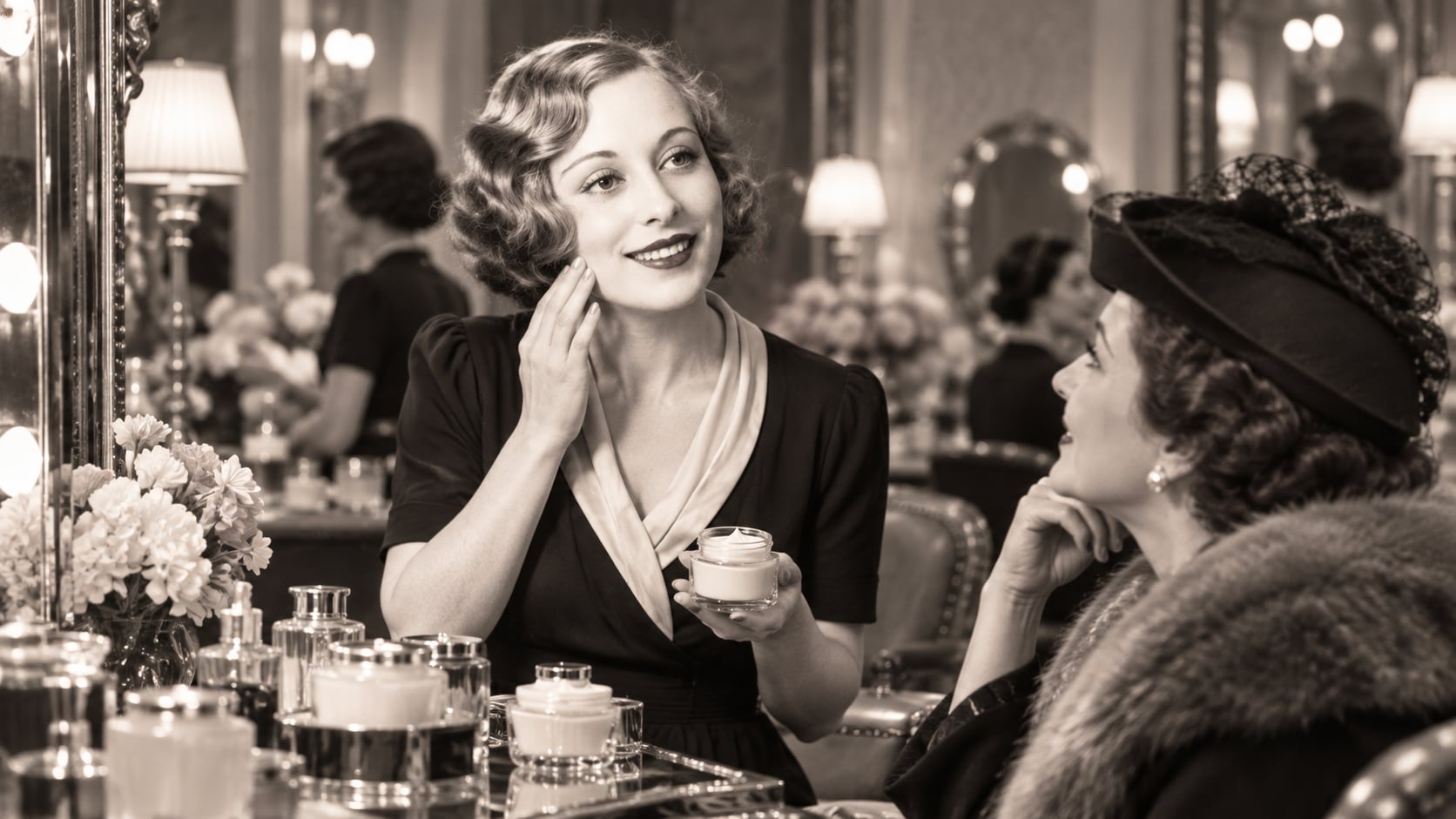
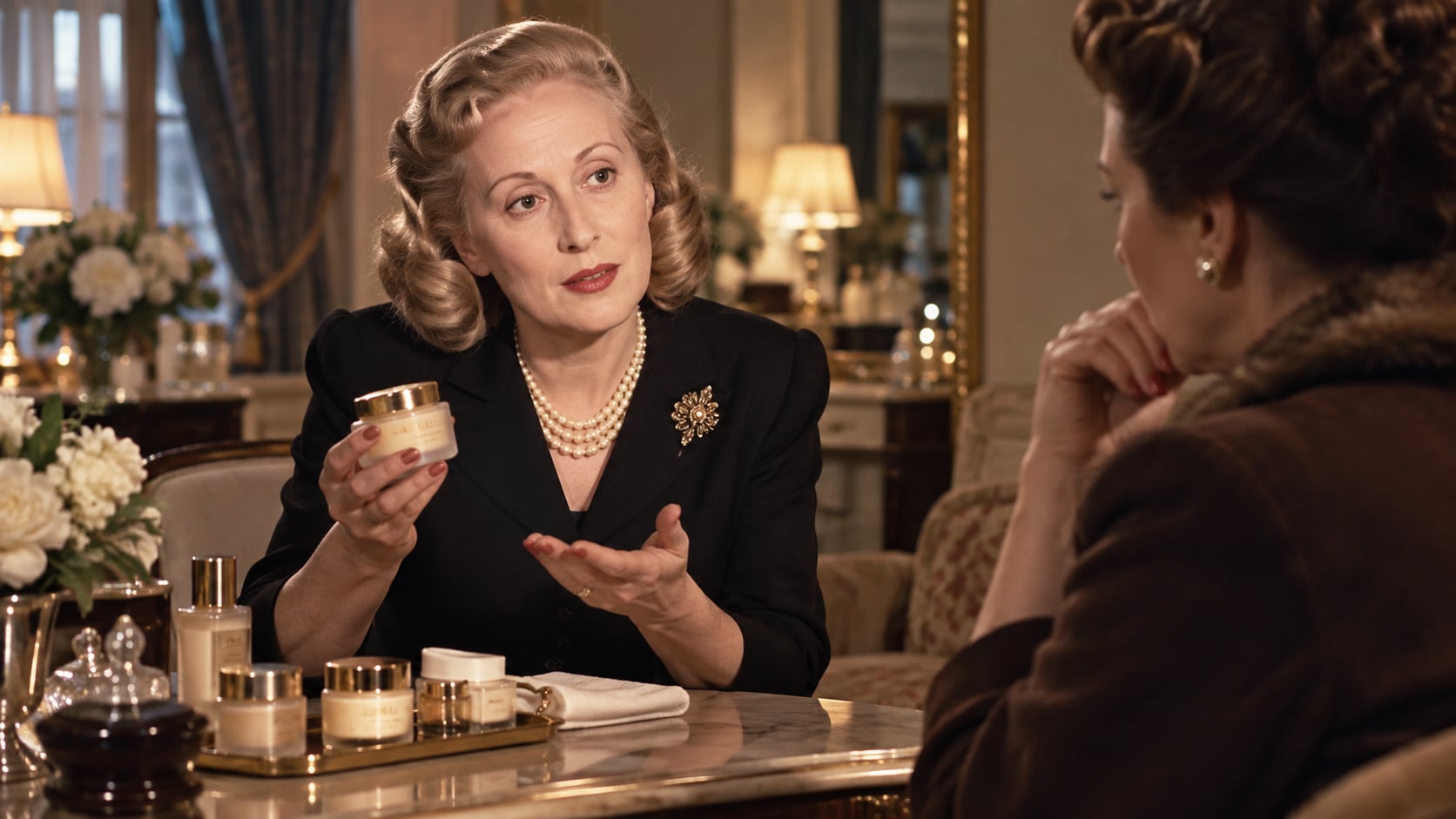
An apprentice to her uncle. Dr. John Schotz ran New Way Laboratories and made face creams; she learned formulation and skin treatment from him, then started selling his Super Rich All-Purpose Cream and Six-In-One cold cream into beauty shops and resorts. Her break came at the Florence Morris salon, where the owner asked what she used on her own skin—the sale started with her face rather than her pitch.
What did she see that other people didn't?
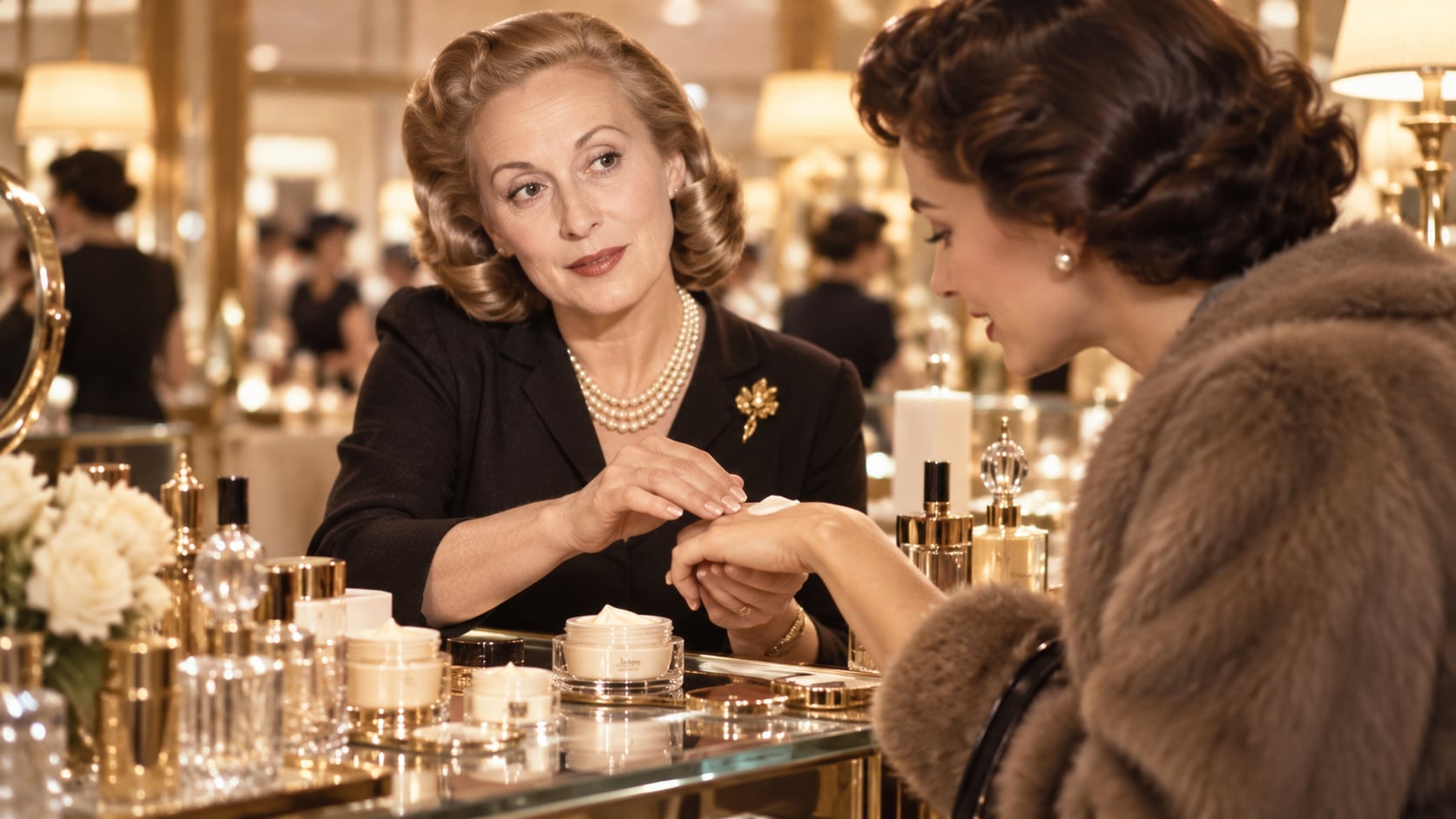
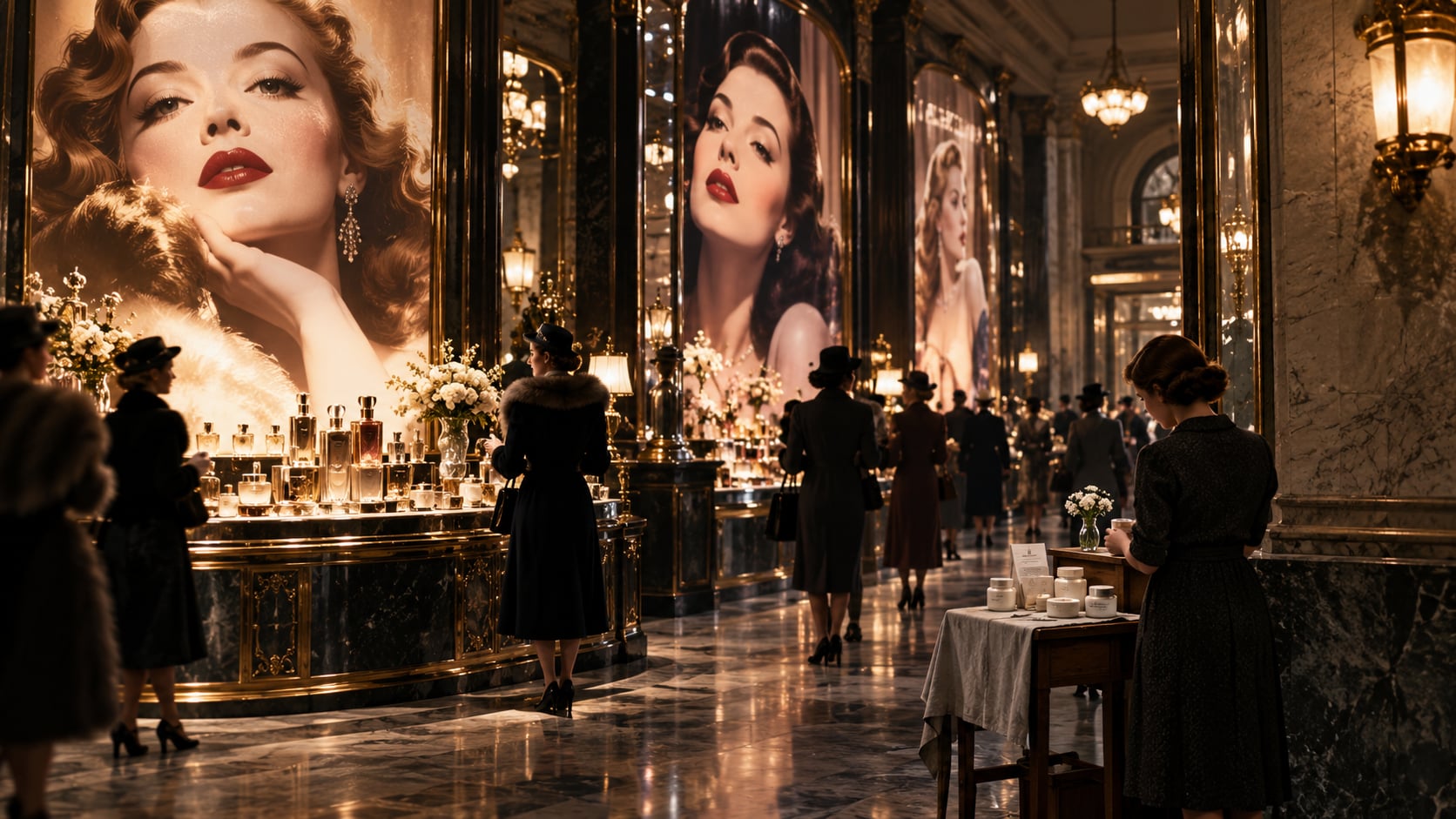
That the counter was the advertisement. Cosmetics were sold on claims printed elsewhere; she worked out that a woman who felt the cream on her own hand had already been persuaded, and that the demonstration was worth more than the copy. Everything she's famous for inventing is a version of that single observation.
What problem became her obsession?
She had no money for advertising. An unknown brand in a category built on aspiration needed a budget she didn't have, and the established houses already did. The conventional answer is to save until you can afford attention; she didn't have years to wait.
Why did this matter personally to her?
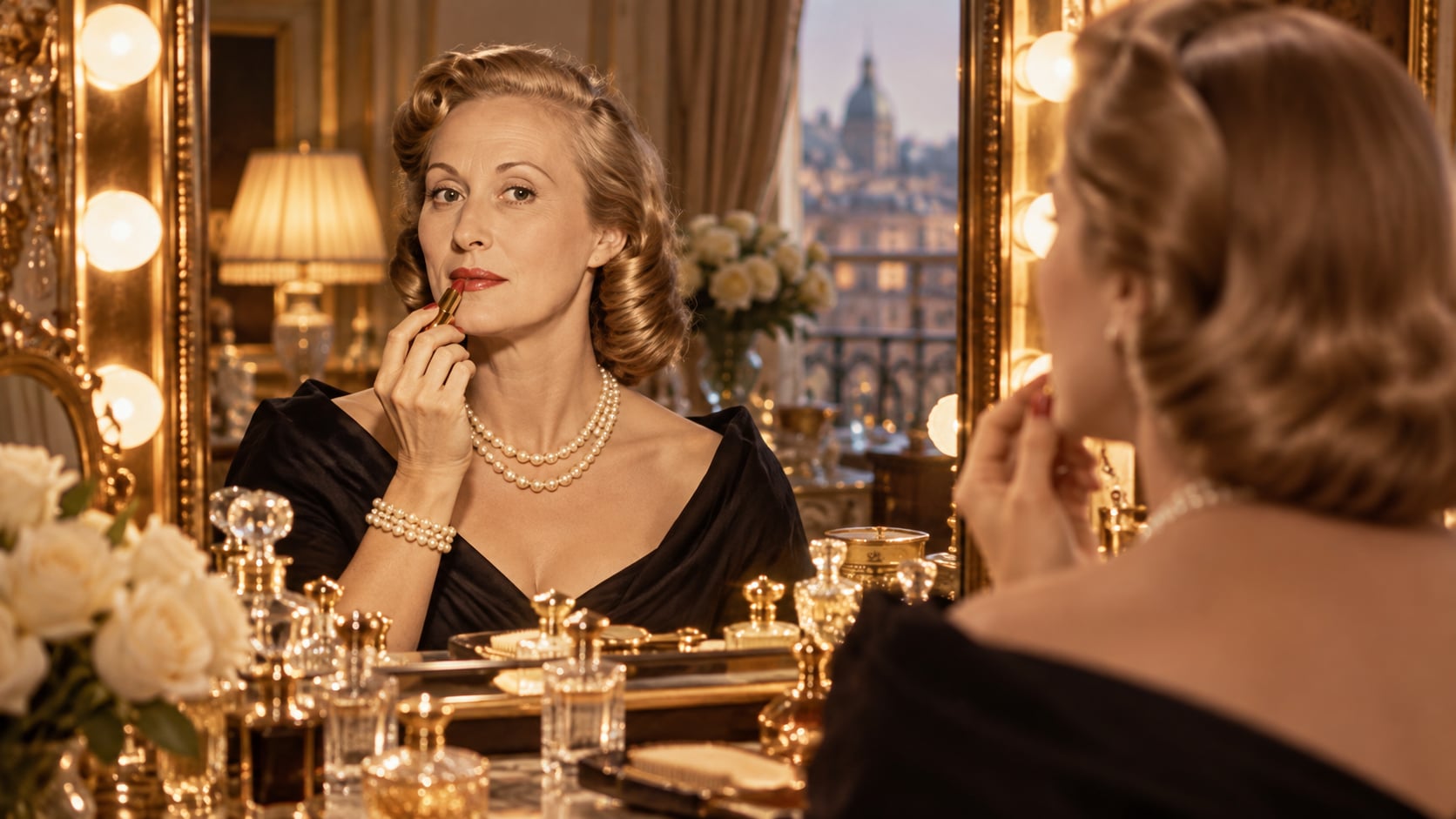
She built a European past she didn't have. The daughter of a Queens hardware-store keeper spent decades presenting herself as continental gentility to a clientele who wanted to believe in it. The invention wasn't incidental to the business: she was selling an idea of a life, and she tested it on herself before she ever sold it to a customer.
Where did the first money come from?
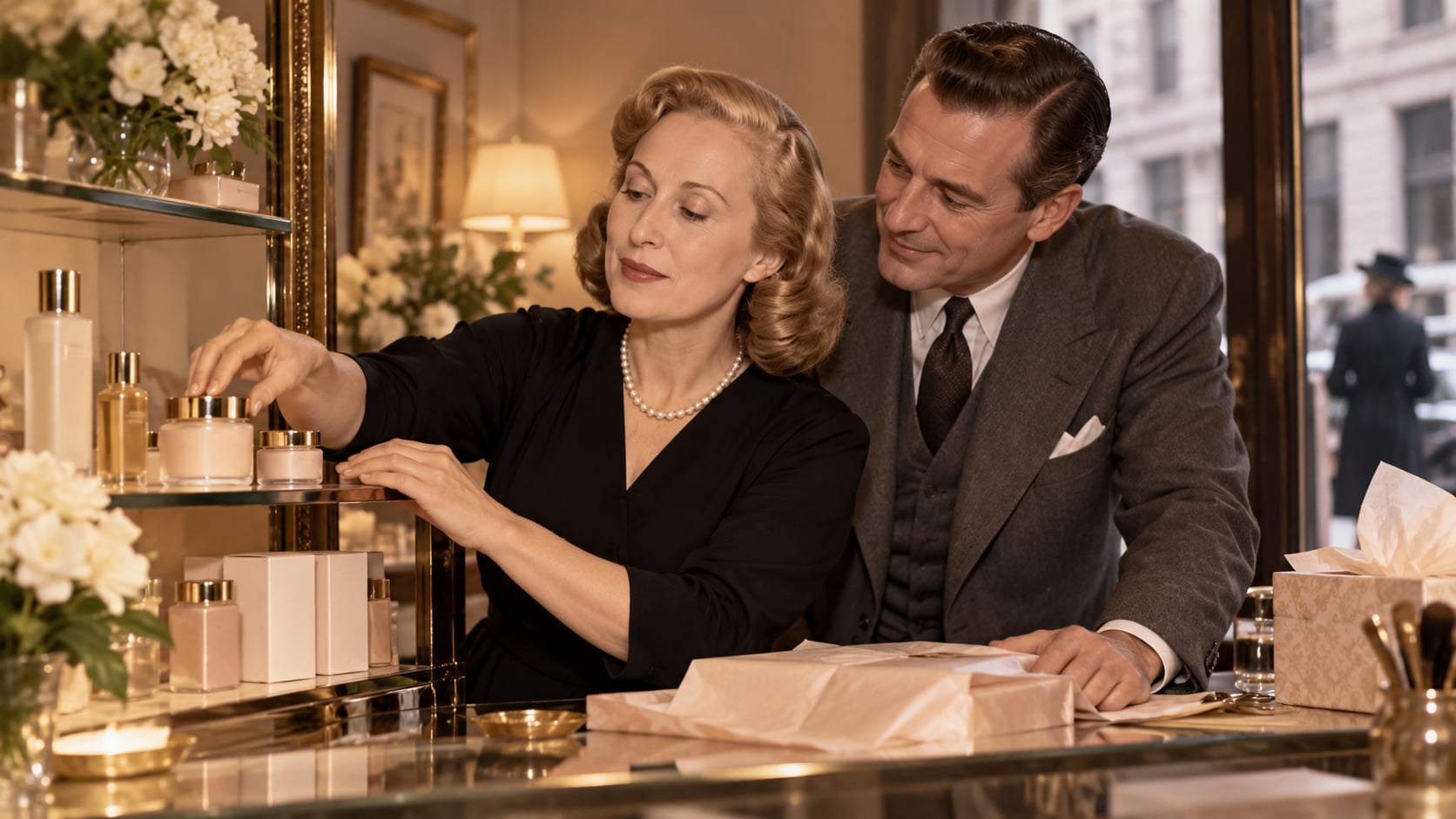
Her own skill, mixed in small batches. In 1946 she and her husband Joseph launched Estée Lauder Cosmetics at 501 Madison Avenue with four products she made herself—no outside investors, no bank loan, just formulas she'd spent years learning from her uncle. She'd divorced Joseph in 1939 and remarried him in 1942, so the business was built on a marriage she'd already ended once and chosen again.
What made the economics work?
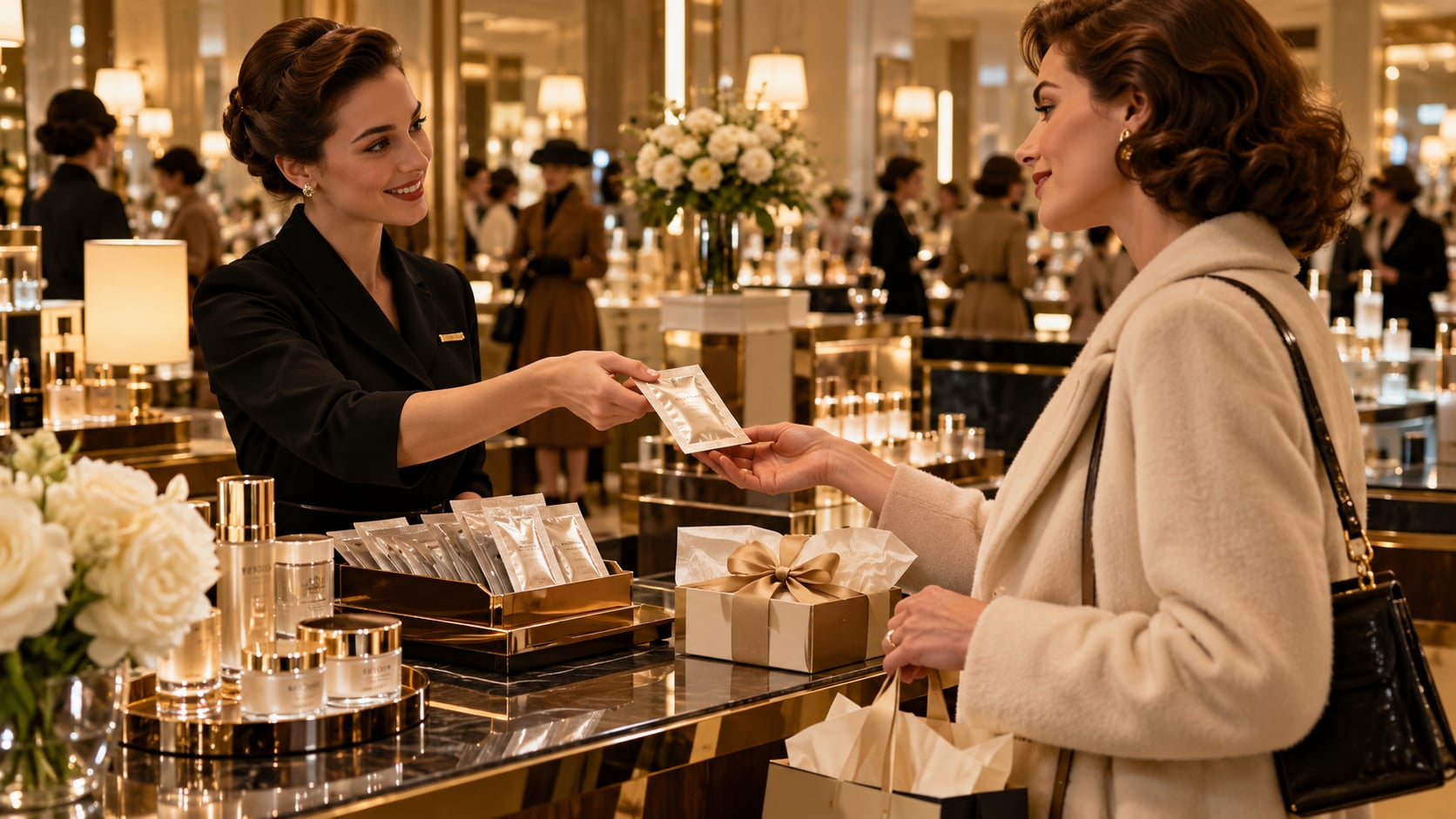
Give the product away and let it sell the next one. With no advertising budget to spend, she spent on samples instead: free sachets, and the gift with purchase, a tactic she pioneered. It converted marketing spend into a product cost she could control, and put the demonstration in the customer's own bathroom rather than in a claim she had to believe.
What was the decision or moment after which nothing was the same?
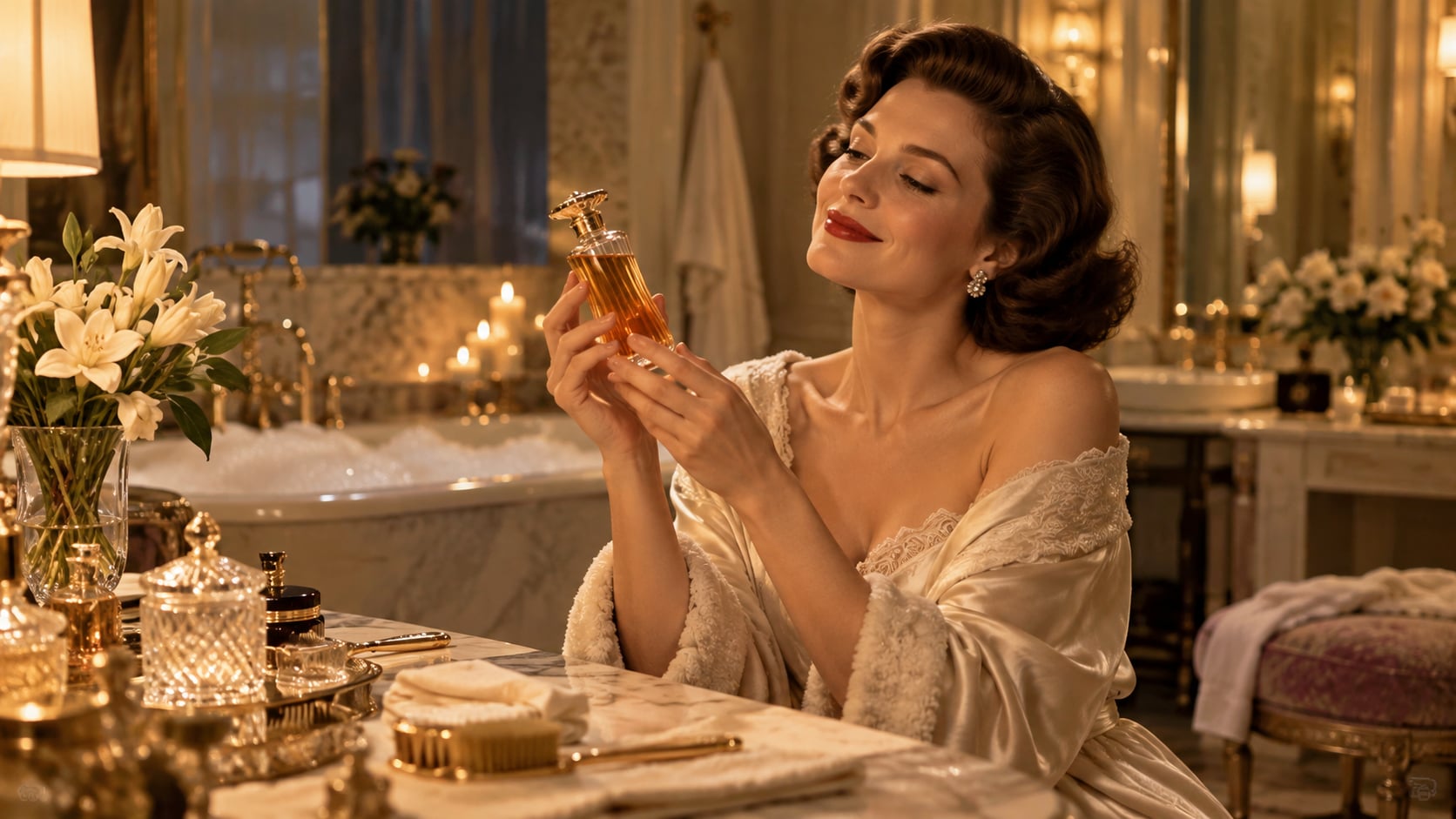
Youth-Dew, 1953. Fine fragrance in America was something a woman waited to be given, which made the real customer her husband. Her company made a bath oil that doubled as a skin perfume1, priced so a woman would buy it for herself without an occasion, and shifted the purchase decision to the person who actually wanted it. It sold 50,000 bottles in its first year; by 1984, cumulative sales had passed 150 million.
What nearly killed it?
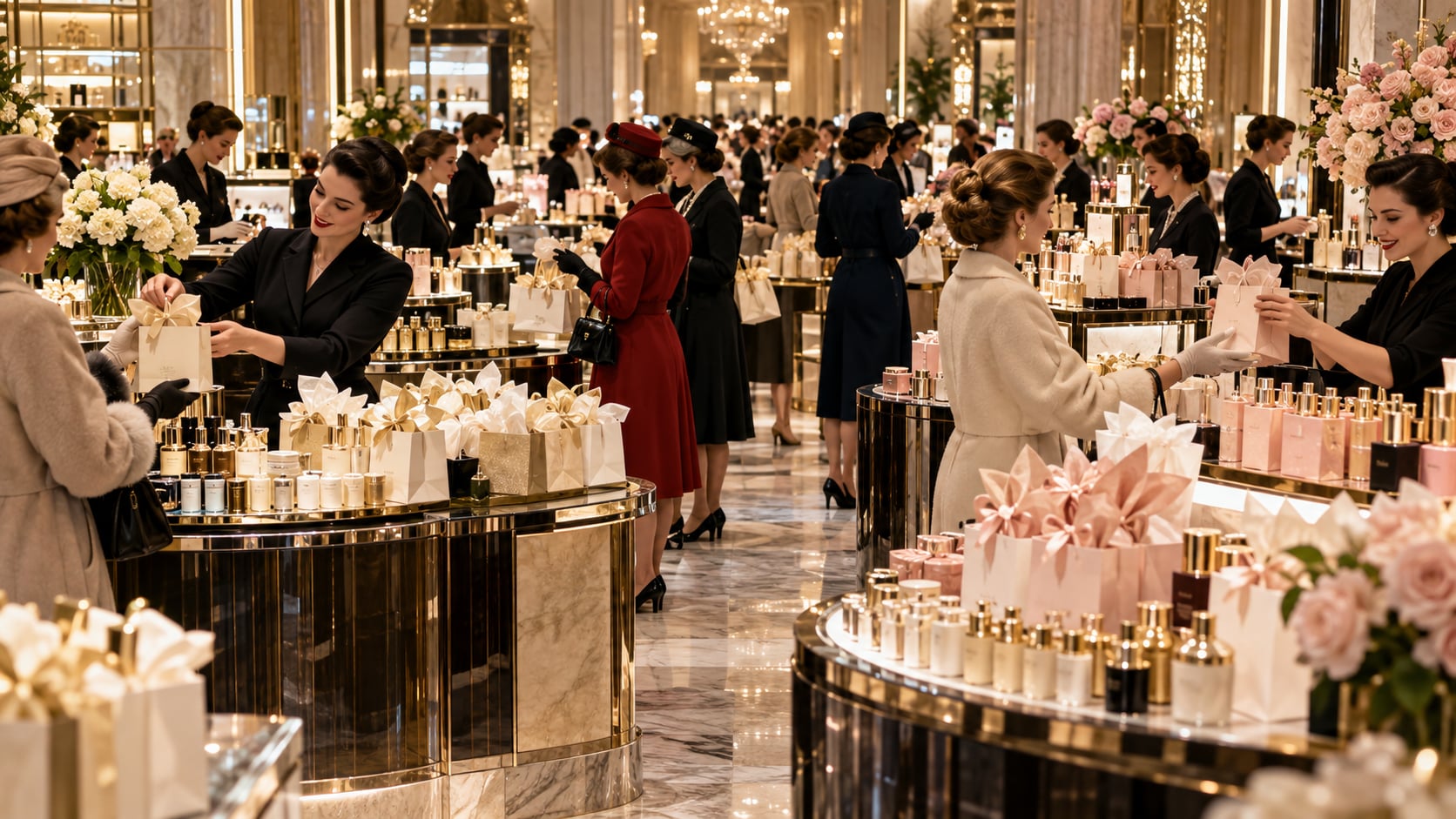
The years before Saks. She spent the late 1940s selling into salons and hotels by hand, one counter at a time, with no distribution and no name. The 1947 Saks Fifth Avenue order2 (worth more than $14,000 in today's money) is the moment it became a business rather than a very determined woman with jars, won by persuading a department store to try what no advertising had prepared its customers for.
What happened that she couldn't have planned for?
That the giveaway would become an industry standard she couldn't own. Gift-with-purchase was copied by every competitor within her lifetime and is now simply how the category works, which means her single most influential invention produced no lasting advantage for her own firm—only for the customer, and for the department-store counter as a retail format.
What showed that she was human after all?
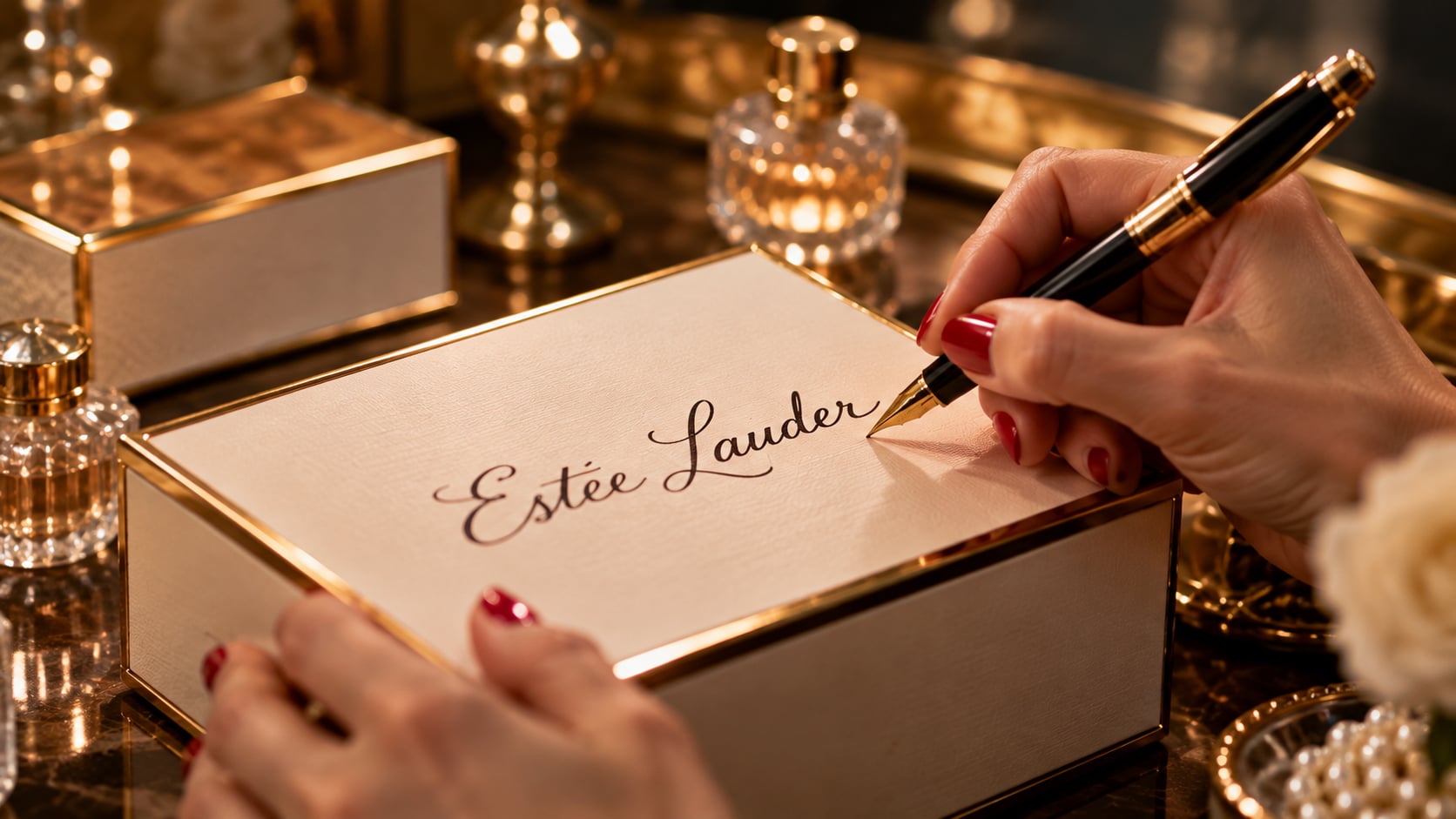
She edited her own name twice. Estée had been a Hungarian pet name since her infancy (unaccented, at first); Lauter became Lauder around her 1930 marriage; and at some point afterward, she added the accent herself, turning an inherited nickname into something that read as French. None of it was exactly a lie (every piece was already hers); it was just rearranged to mean something different.
What was the change she brought about?
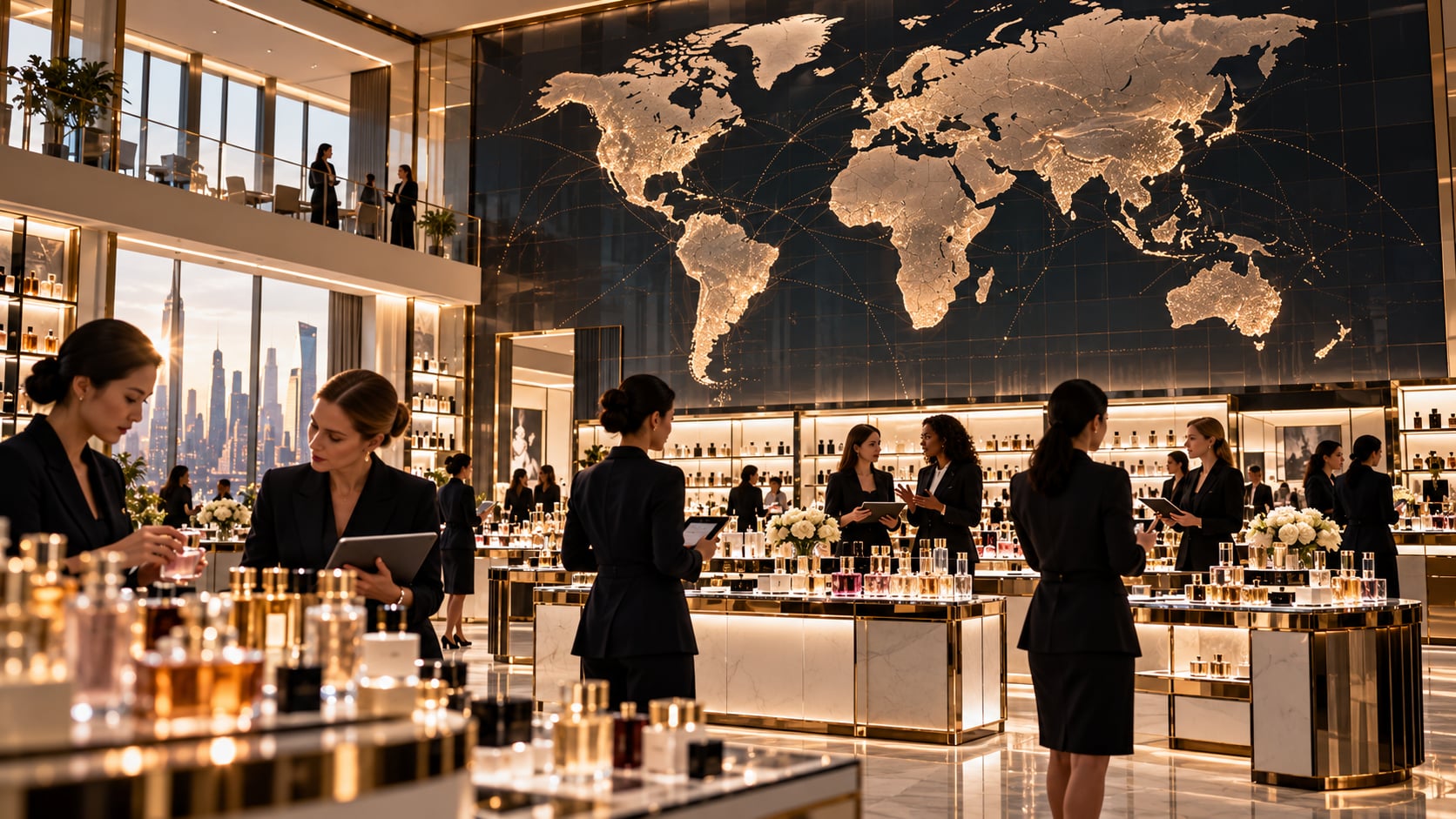
Decades after her death, the company she started operates in roughly 150 countries and territories, employing about 57,000 people worldwide3—80 percent of them women, who also hold 61 percent of its vice-president-and-above roles. It got there partly by building categories that didn't exist when she began: a men's grooming line4 launched the same decade as a dermatologist-made skincare brand5, both still running today.
What did she believe that most reasonable people around her did not?
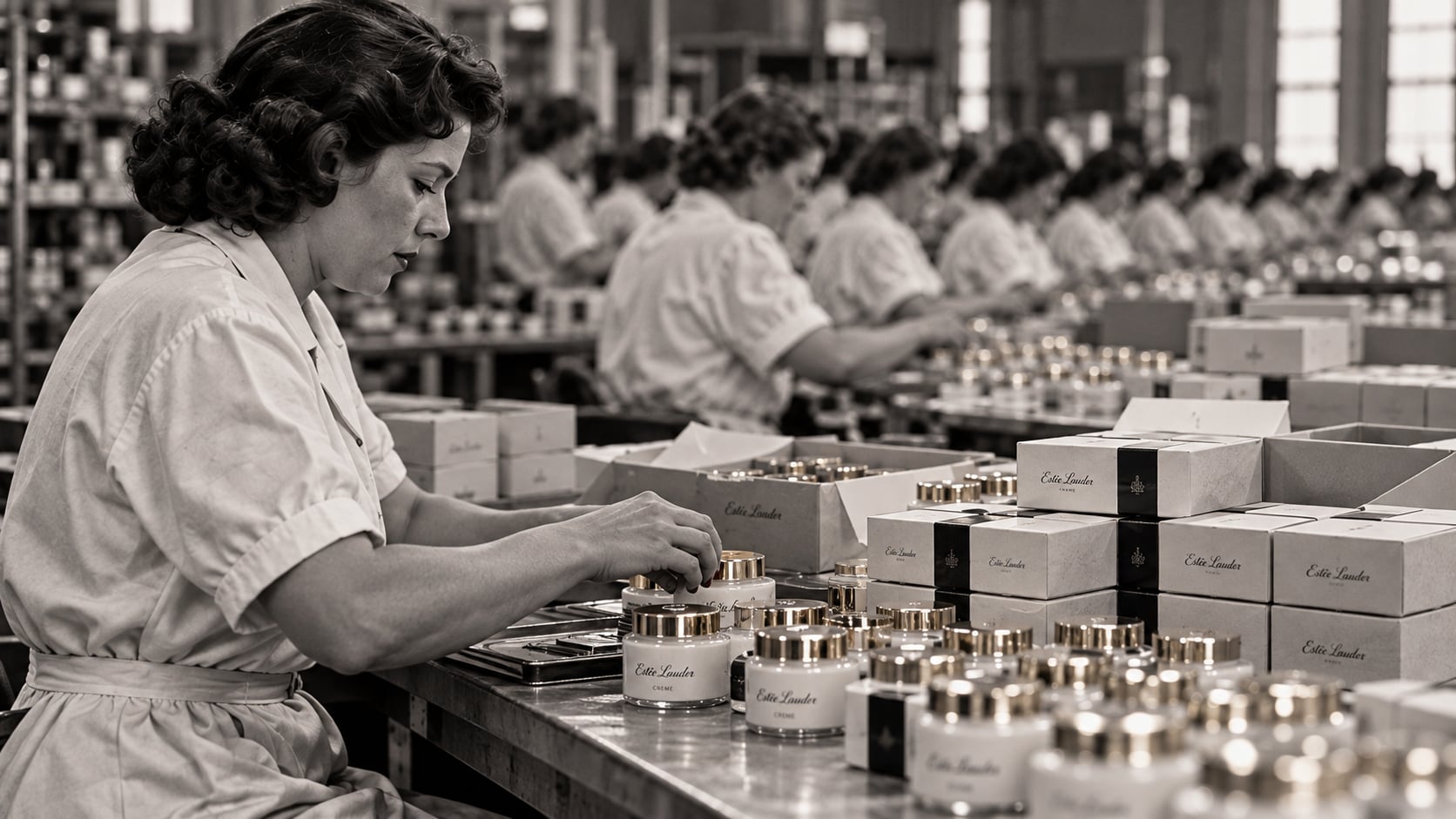
That you should hand your product to people who haven't paid for it. In a business built on selling scarcity and aspiration, giving stock away looked like devaluing it; to a competitor with an actual advertising budget, it looked like an admission of poverty. She did it because it was the only lever available to her, and it outperformed the budget she never had.
What did her trek cost her?
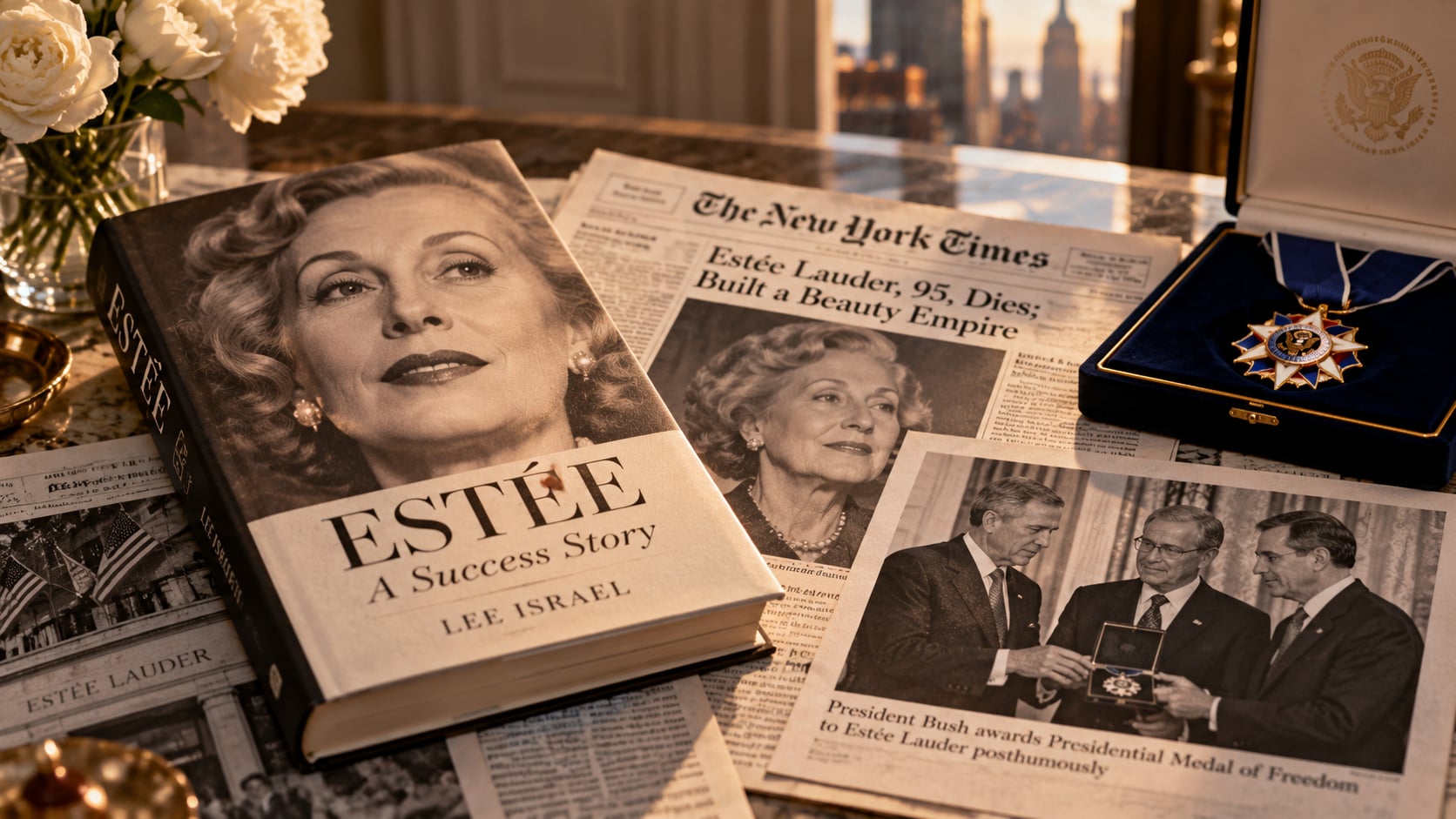
A biography she couldn't control. In 1985, Lee Israel published the documented account of her invented origins6: the Queens childhood, the constructed continental persona, undercutting the story she'd maintained for decades. Her own New York Times obituary put it plainly—a New Yorker, not an aristocrat at all. She was ninety-five when she died on April 24, 2004, in Manhattan; two months later, President Bush awarded her a posthumous Presidential Medal of Freedom7, accepted by her sons on her behalf. Leonard and Ronald went on to run and represent the company; the name on the building, assembled, accented, invented, is now on a public one.
What's the takeaway?
When you can't buy attention, spend on the demonstration instead. Lauder's samples and gifts converted an advertising budget she didn't have into a product cost she could control, and put the proof in the customer's hands rather than in a claim they had to take on faith.
Timeline
-
1908-07-01—Born Josephine Esther Mentzer in Corona, Queens.
-
1920s—Works in her father's hardware store; learns cosmetics formulation from her uncle, Dr. John Schotz, at New Way Laboratories.
-
1930-01-15—Marries Joseph Lauter; the surname becomes Lauder.
-
1933-03-19—Son Leonard born.
-
1939—Divorces Joseph.
-
1942—Remarries Joseph.
-
1944—Son Ronald born.
-
1946—Founds Estée Lauder Cosmetics at 501 Madison Avenue with four products.
-
1947—Wins the Saks Fifth Avenue order that makes it a business.
-
1953—Launches Youth-Dew, a bath oil doubling as perfume; 50,000 bottles sold in the first year.
-
1960—Harrods becomes the first overseas account.
-
1963—Aramis launches, pioneering men's prestige grooming.
-
1967—A Vogue article on dermatologist-designed skincare sets Clinique in motion.
-
1968—Clinique launches.
-
1978-01-16—Made a Chevalier of the Legion of Honour by France.
-
1983—Joseph Lauder dies.
-
1985—Lee Israel's biography dismantles her account of aristocratic European origins.
-
1994—Takes a majority stake in M.A.C, completed 1998.
-
1995-11-17—The company goes public on the New York Stock Exchange; La Mer and Bobbi Brown acquired the same year.
-
1997—Acquires Aveda.
-
1998—The only woman on Time's list of the century's twenty business geniuses.
-
1999—Acquires Jo Malone London.
-
2004-04-24—Dies in Manhattan, aged ninety-five.
-
2004-06—Awarded a posthumous Presidential Medal of Freedom.
Side notes
-
The nose behind Youth-Dew—The scent was composed by Josephine Catapano, a staff perfumer whose decades-long career later earned her the Cosmetic Career Women's Award in 1980 and the American Society of Perfumers' Lifetime Achievement Award in 1993. Learn more ↩
-
What the Saks order actually was—The order itself was modest: about $800 against a store's total buying budget. It sold out within two days; Estée spent what she had on more inventory and delivered the next batch to Saks herself. Learn more ↩
-
The current numbers—The Estée Lauder Companies reported $14.32bn in net sales for fiscal year 2025, selling more than 20 brands through affiliate offices in over 50 countries and regions. Learn more ↩
-
Aramis—Launched in 1963, Aramis was the first prestige men's fragrance sold in American department stores, and the company credits it with creating the structured men's grooming category from a "master plan" of twenty products. Learn more ↩
-
How Clinique actually started—Vogue editor Carol Phillips built a 1967 feature, "Can Great Skin Be Created?", around dermatologist Norman Orentreich's three-step skincare method; the article caught Leonard Lauder's attention, and Clinique launched the following year as the first prestige brand developed by a dermatologist. Learn more ↩
-
The biographer's second act—Lee Israel's book on Lauder sold poorly and helped push her into debt; in the early 1990s she began forging letters from dead writers like Dorothy Parker and Noël Coward, a scheme later recounted in her memoir and the film Can You Ever Forgive Me? Learn more ↩
-
The citation—Presenting the medal to her sons, President Bush said she had built her company "not by dreaming, or hoping for it, but by working for it," calling hers "one of the most famous American names in the world." Learn more ↩