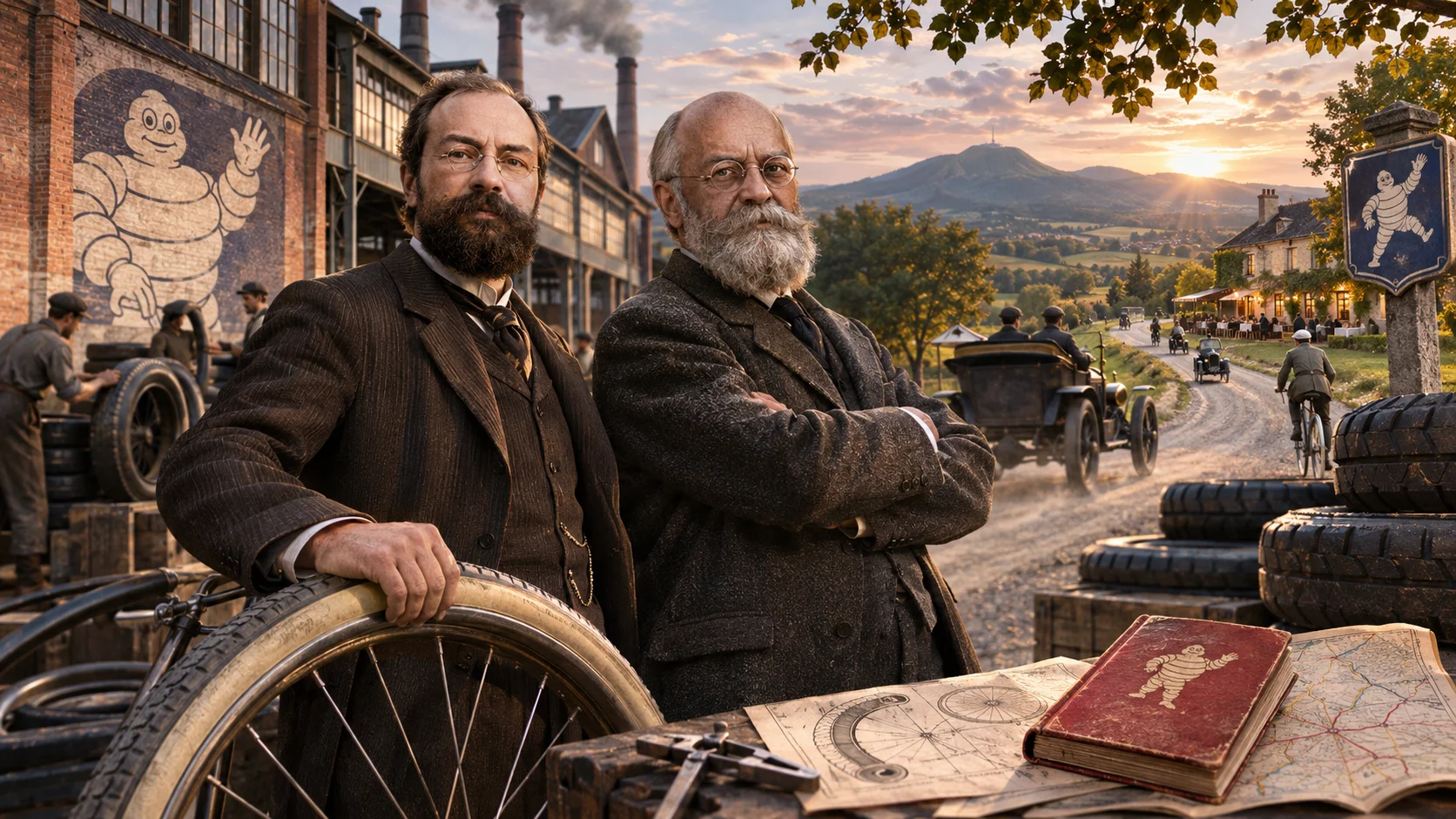
- One was an engineer, the other a painter, when the family business needed them.
- Their detachable bicycle tire spared riders hours of waiting for glue to dry.
- In 1920 they began charging for their guide after finding copies propping up a workbench.
Who were they—and what were they like before everyone noticed?
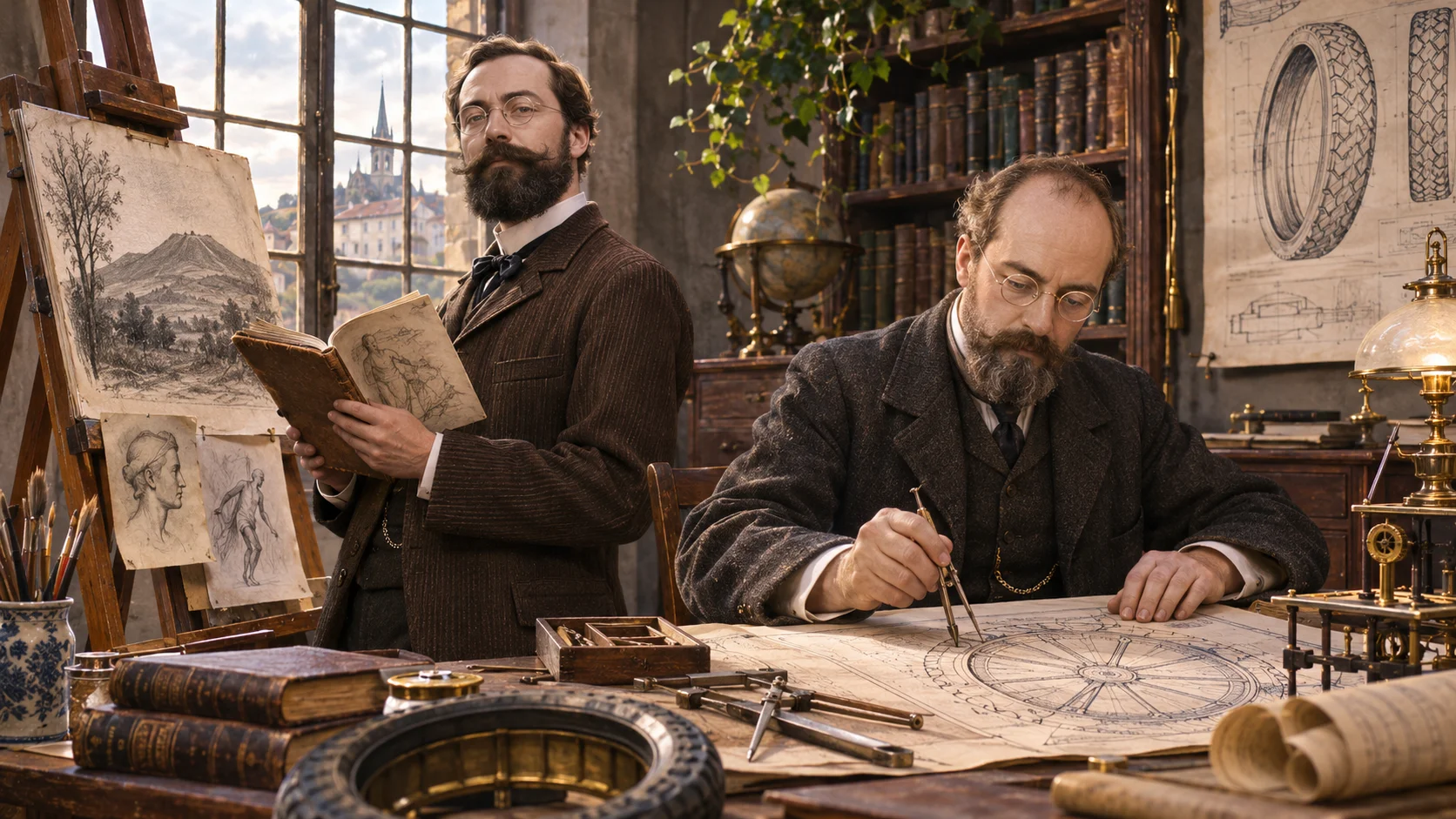
André Michelin was born on January 16, 1853, in Paris, and his younger brother, Édouard, was born on June 23, 1859, in Clermont-Ferrand, in central France. Their mother's family owned a business in Clermont-Ferrand that had been founded in 1832 to make farm equipment and rubber goods. Before anyone had heard of them, they were two brothers headed in very different directions, one toward engineering and the other toward art.
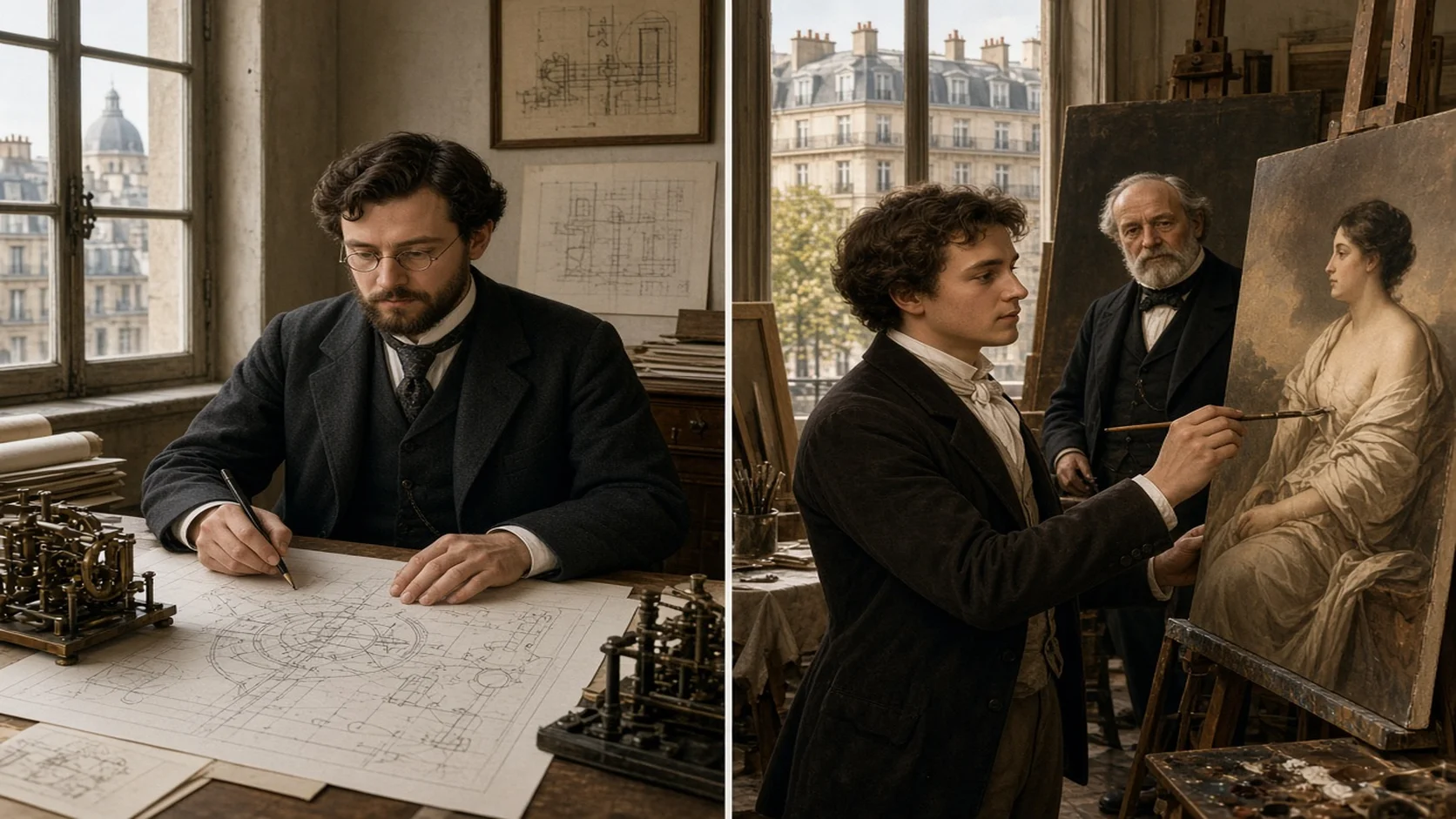
What did their lives look like before their trek began?
Separate careers in Paris. André studied at the École Centrale, one of France's top engineering schools, and went on to run his own metalworking business in Paris. Édouard studied painting at the École des Beaux-Arts, the country's leading art school, under the academic painter William Bouguereau, and hoped to make a career as an artist.
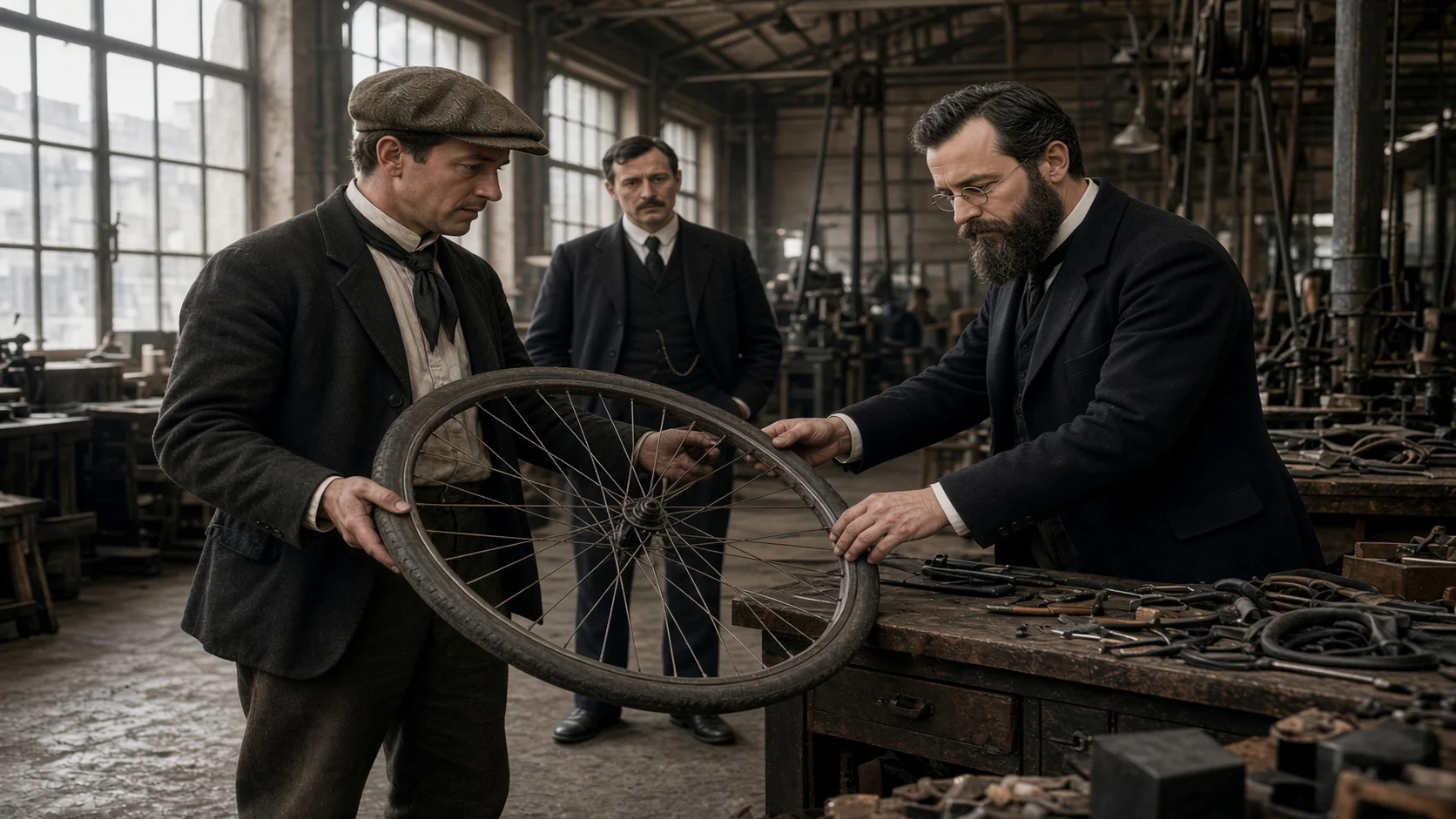
What did they see that other people didn't?
That a tire anyone could fix would change cycling. According to the company's history, in 1889 a cyclist brought his bike to their factory with a punctured air-filled tire glued to the rim. It took about three hours to remove and repair, and then the glue had to dry overnight. Édouard tested the bike the next morning, and the tire soon failed again. He set out to design one that a rider could take off and repair without glue, and in 1891 he patented a detachable bicycle tire.
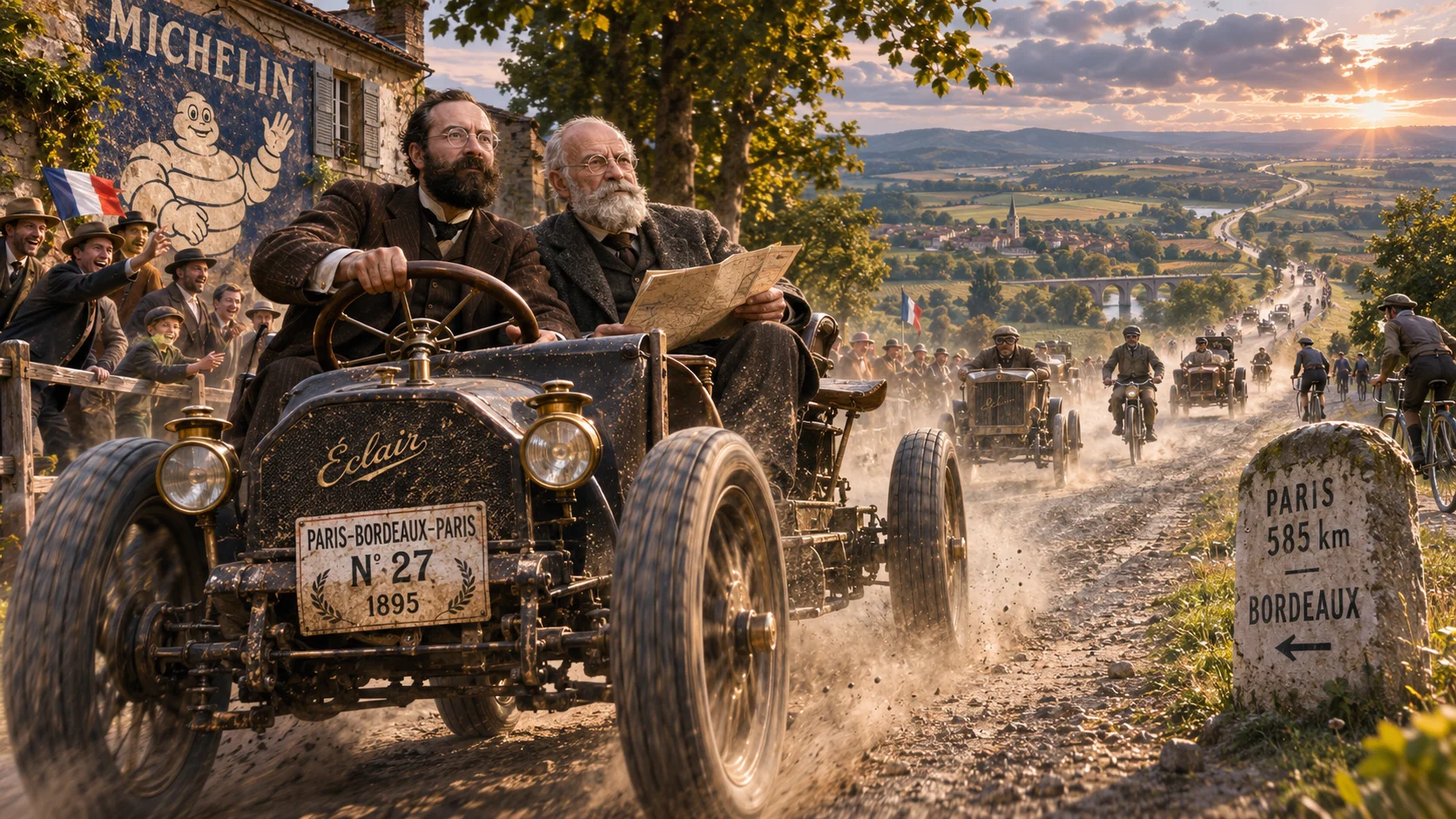
What problem became their obsession?
Getting people to travel more. Tires wear out only when people use them, and in the 1890s cars were rare and roads were poorly marked. The brothers set out to give people reasons to ride and drive farther. In 1895 they entered the Éclair, a Peugeot they had modified, in the Paris–Bordeaux–Paris race on air-filled tires, and by 1896 about 300 Paris taxis were running on Michelin tires1.
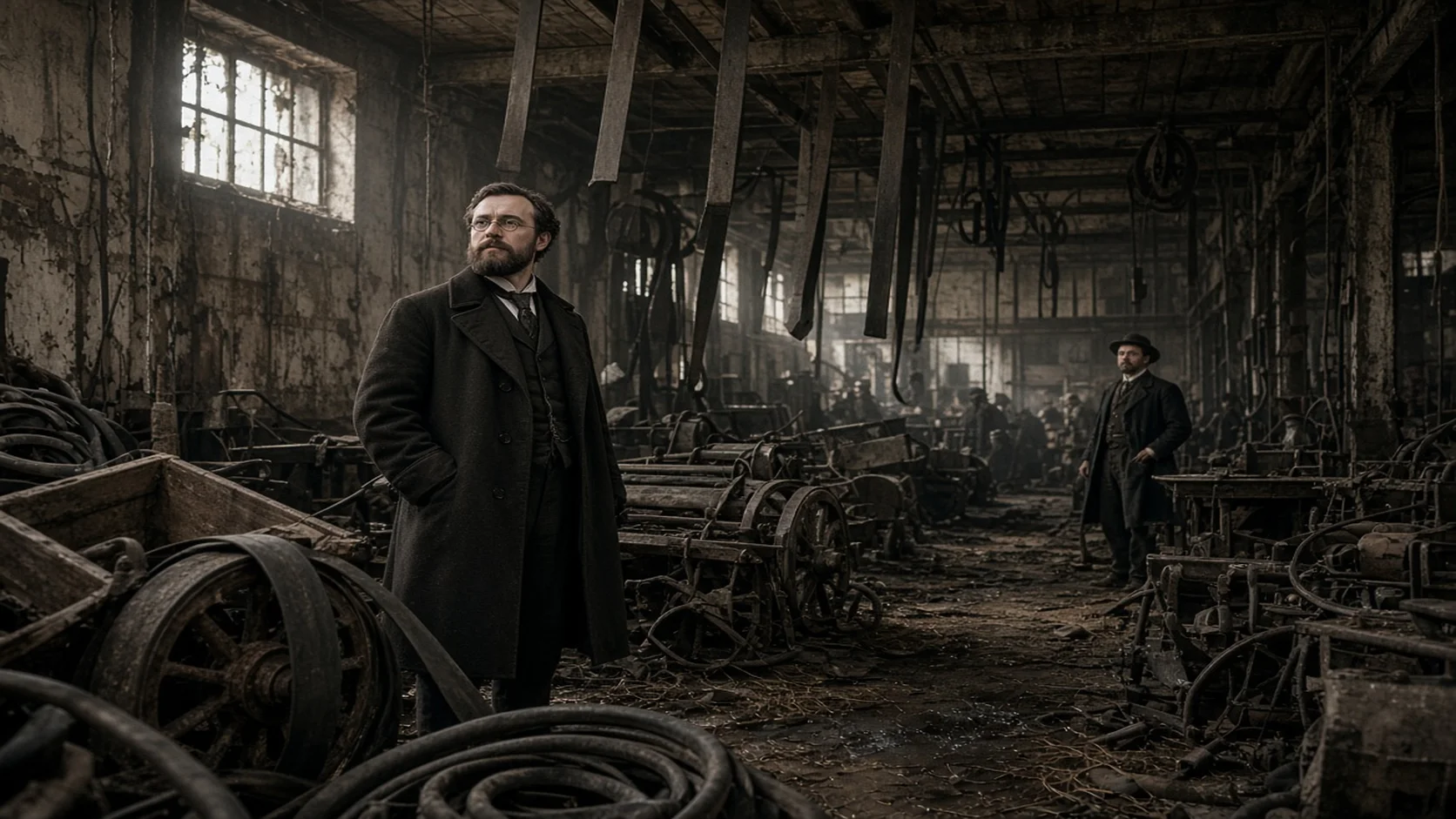
Why did this matter personally to them?
It was the family business, and it was in trouble. The firm their mother's relatives had built had suffered from years of neglect. In 1886 André, then 33 and still running his business in Paris, became the firm's temporary co-manager. In 1889, with the family pressing him, Édouard gave up painting and moved to Clermont-Ferrand to run it. Neither brother had worked with rubber before.
Where did the first money come from?
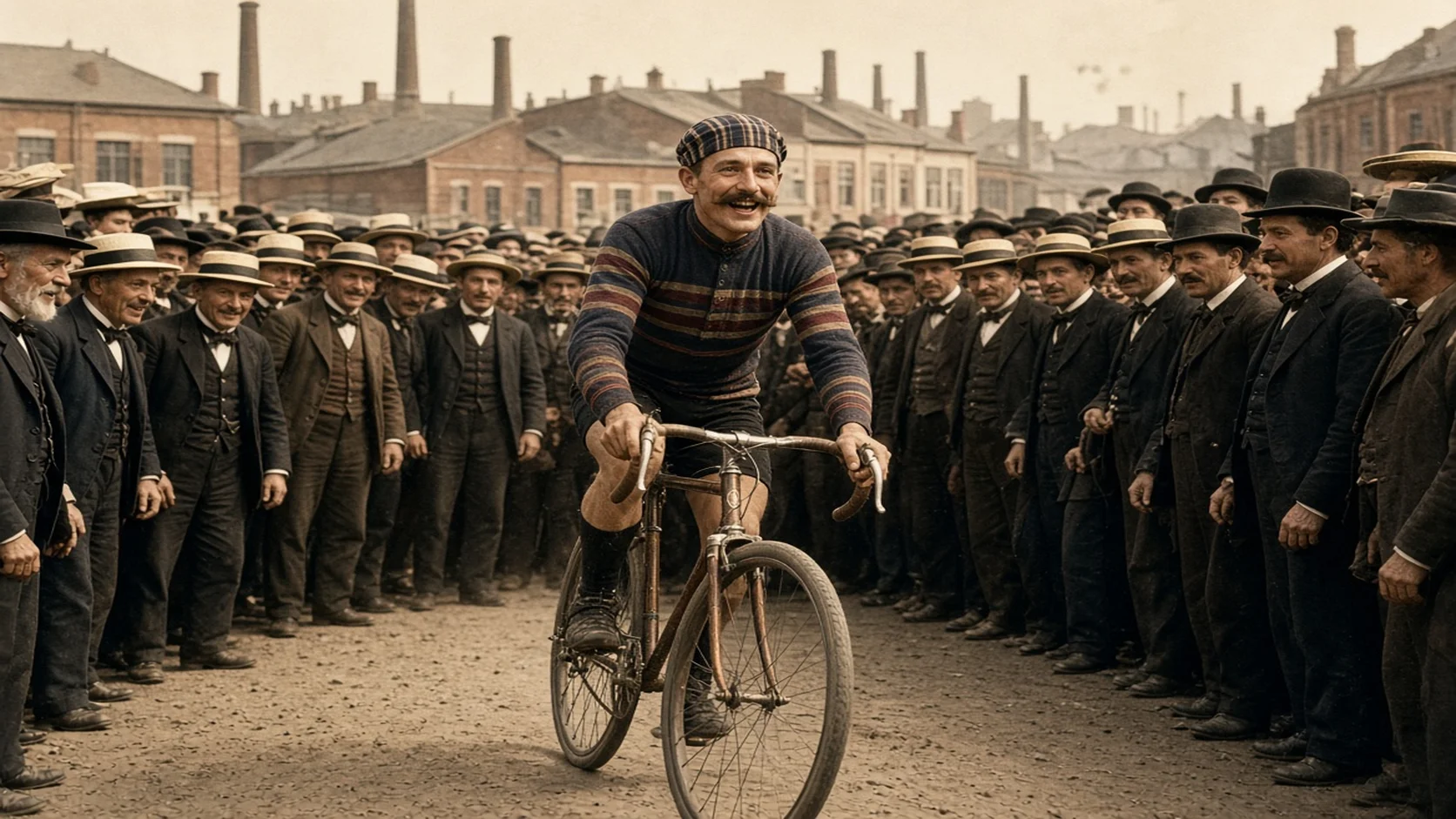
From the family firm they inherited. In 1889 they renamed it Michelin & Cie, with Édouard running the factory in Clermont-Ferrand and André as his partner in the business2. Their first big break came in September 1891, when Charles Terront won the first Paris–Brest–Paris bicycle race on Michelin's detachable tires.
What made the economics work?
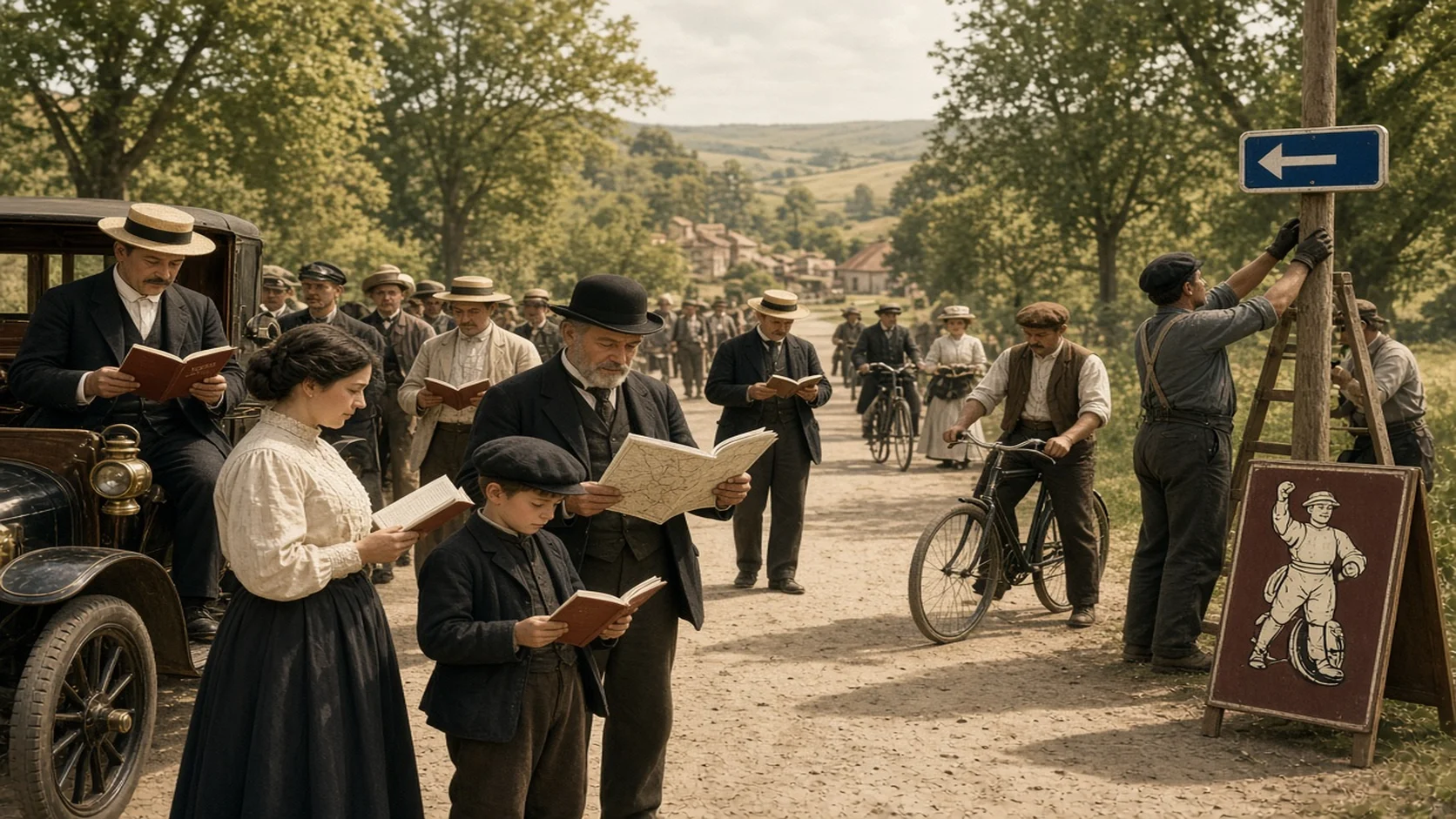
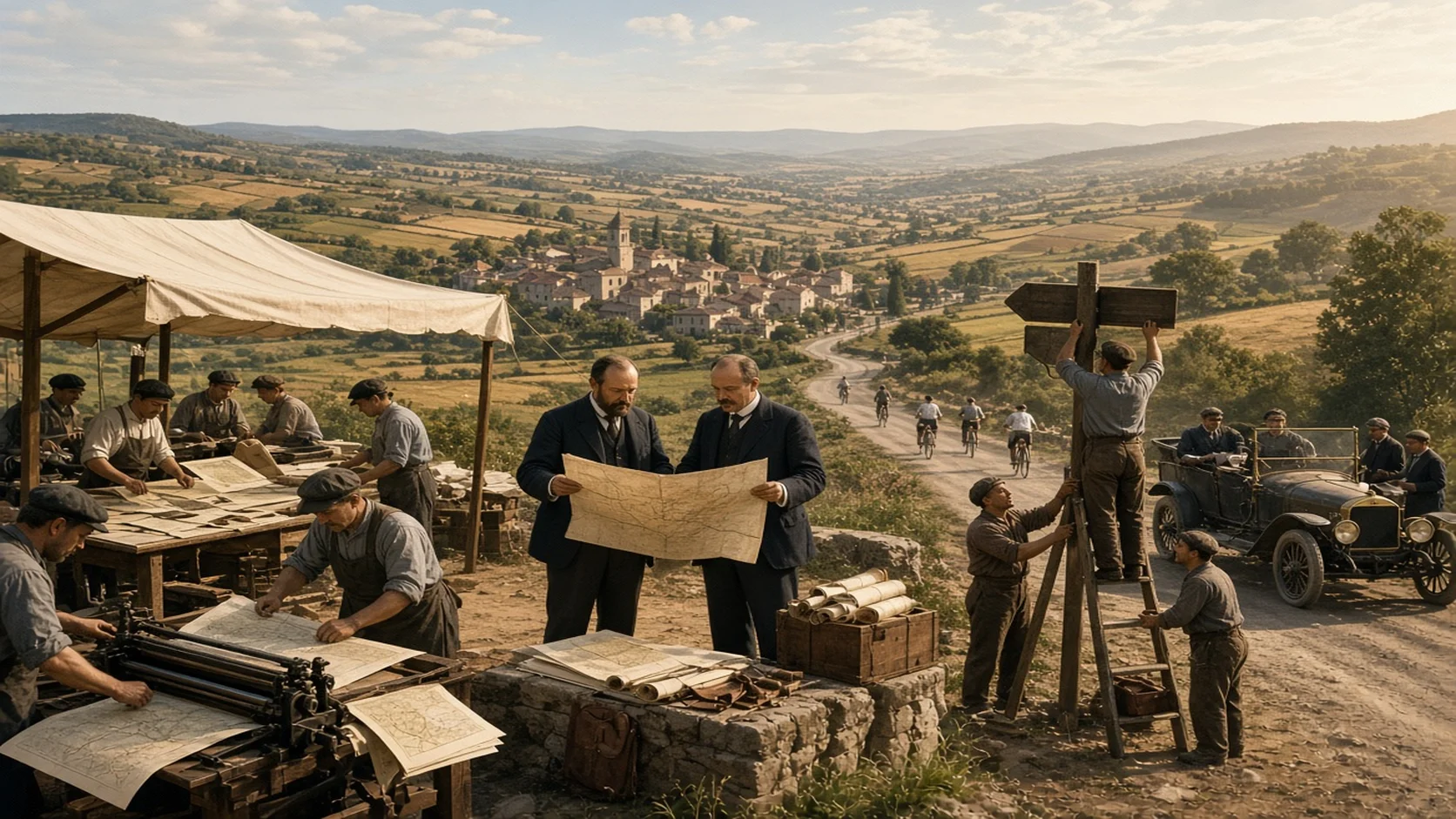
Giving things away. In 1900 the brothers published the first Michelin Guide, a free book of maps, tire-repair instructions, and listings of mechanics, hotels, and gas stations, and they distributed nearly 35,000 copies. The more people drove, the more tires they wore out and replaced. Starting in 1910, Michelin also put up road signs across France, and through 1970 it made about 300,000 of them3.
What was the decision or moment after which nothing was the same?
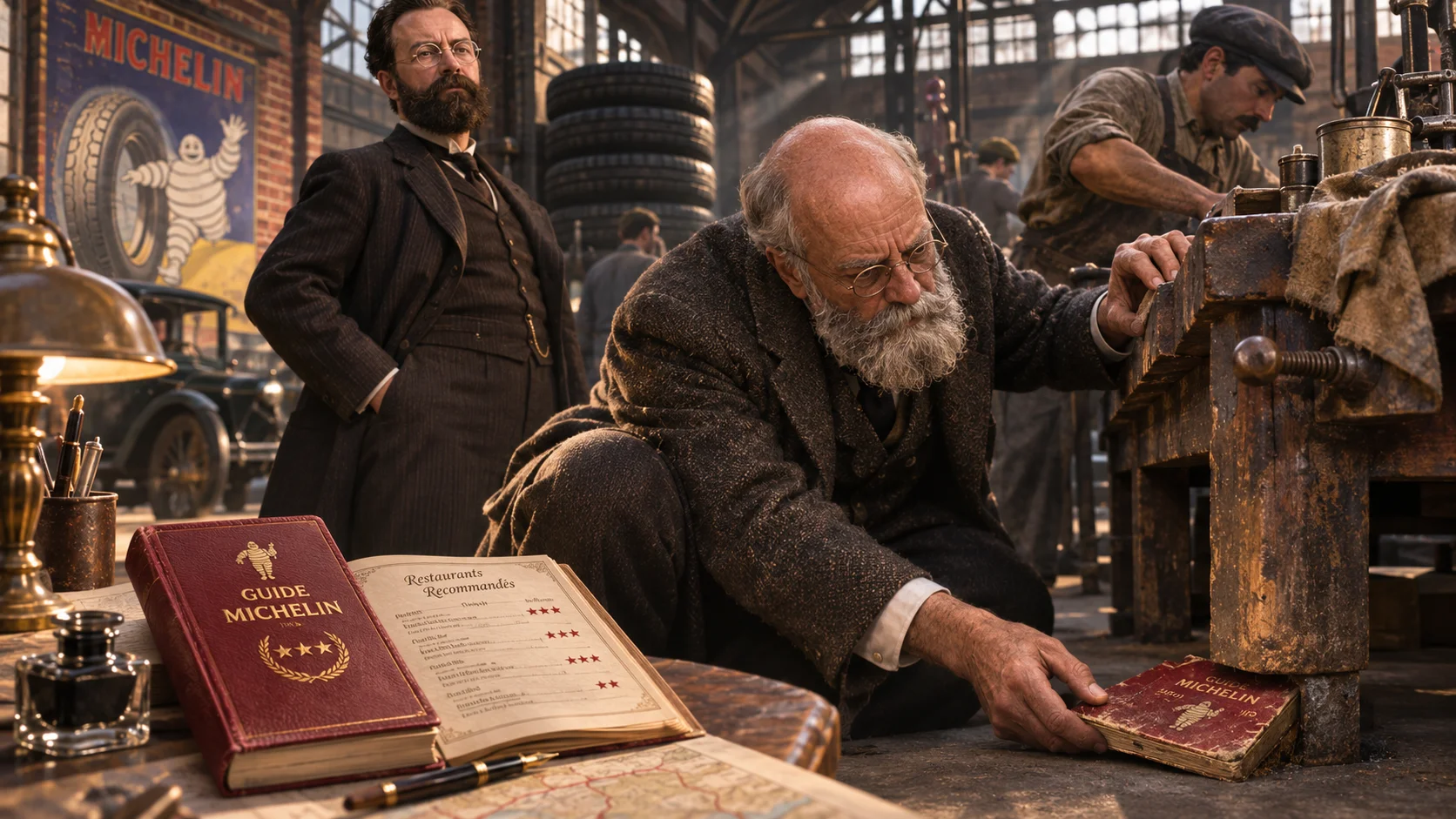
Putting a price on the guide. According to Michelin, André was visiting a tire dealer when he saw copies of the free guide being used to prop up a workbench. Believing that "man only truly respects what he pays for," the brothers relaunched it in 1920 at 7 francs, roughly $8 in today's money, and dropped paid advertising. In 1926 the guide began awarding a star to the best restaurants, and in 1931 it introduced the three-star system and its famous red cover4.
What nearly killed it?
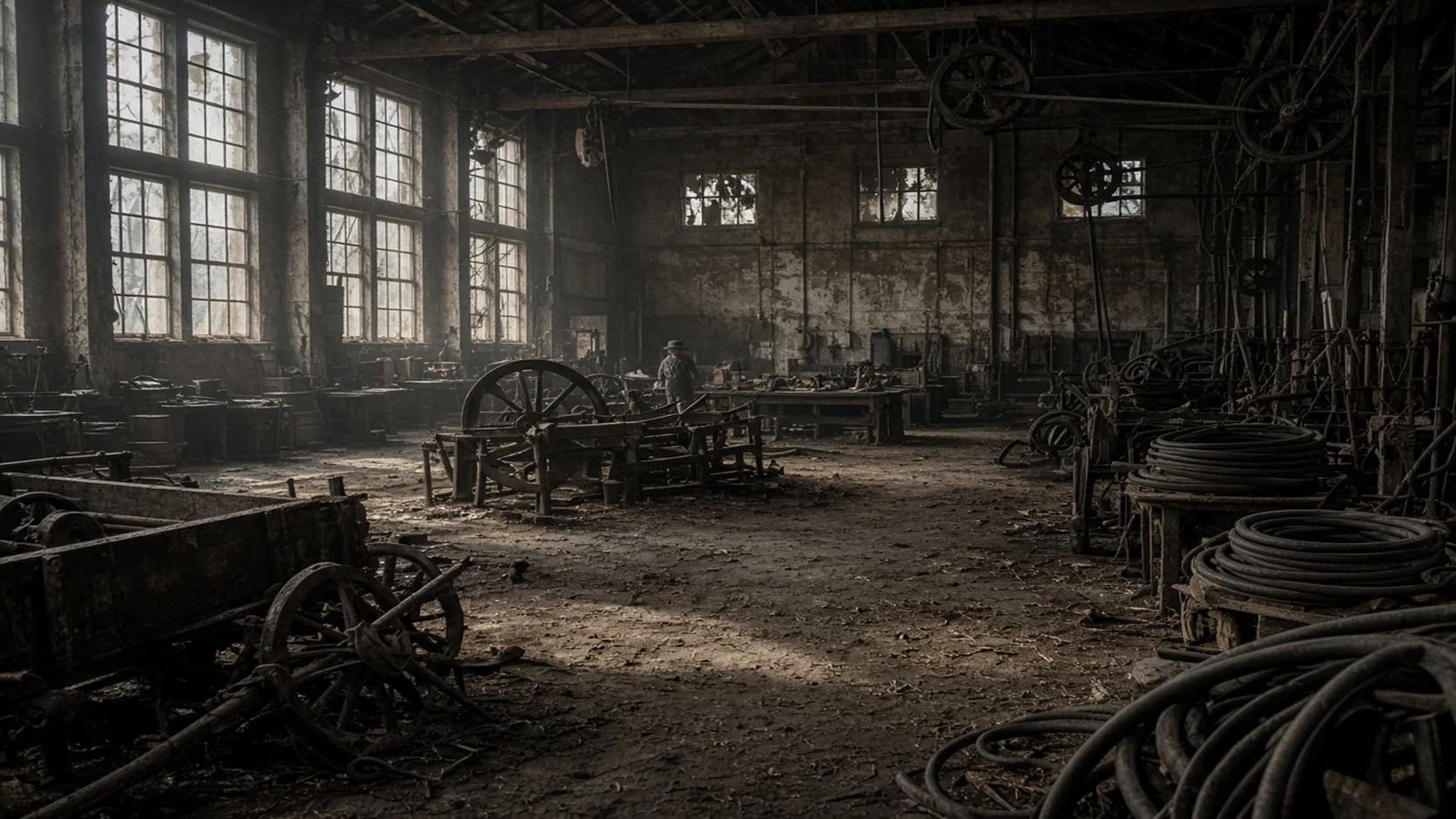
Decline before they arrived. When André arrived in 1886, the family firm had been neglected for years and was making little more than farm equipment, drive belts, and hoses. Michelin had about 50 employees in 1889. The brothers had to rebuild it around a product it didn't yet make.
What happened that they couldn't have planned for?
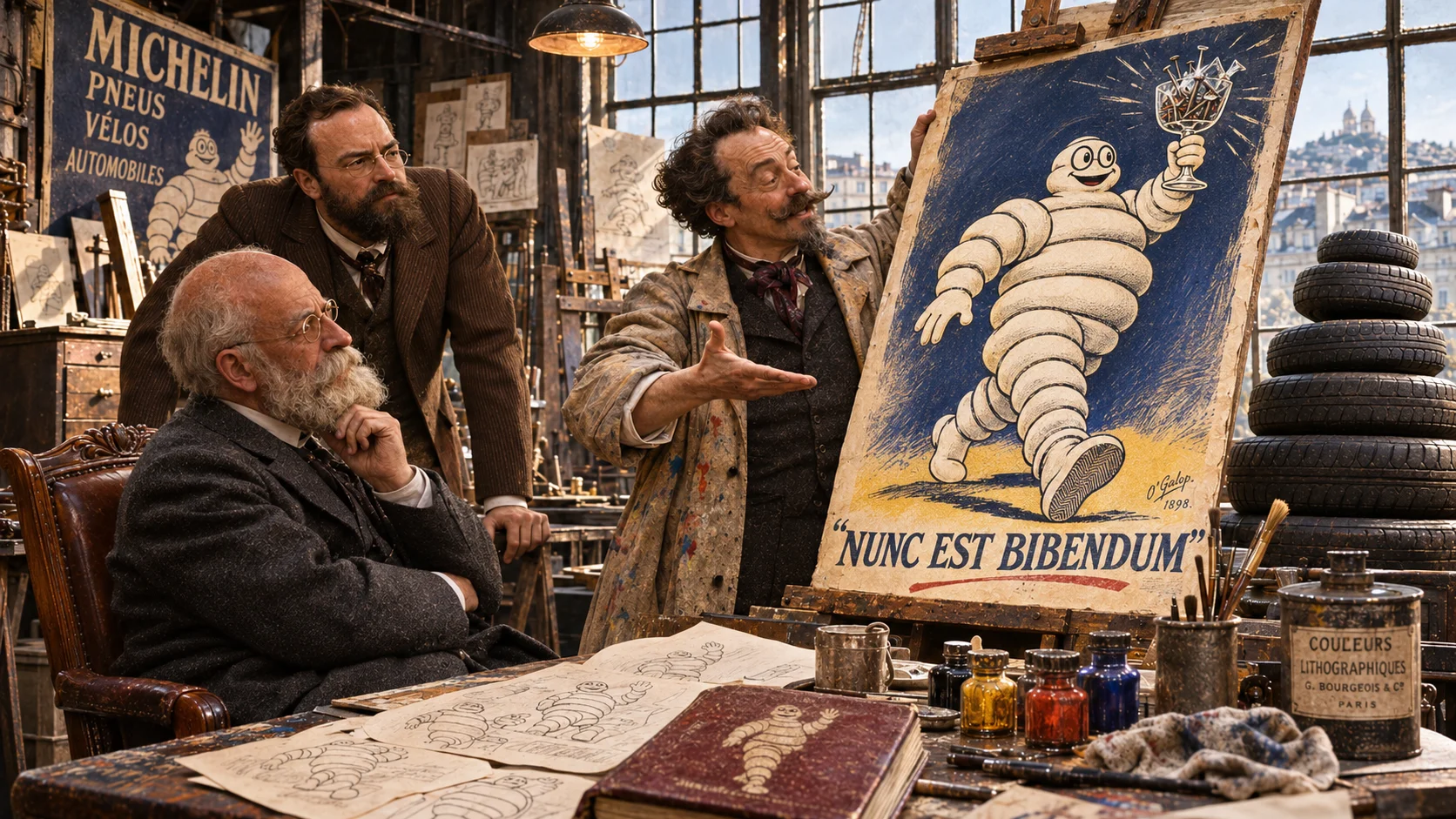
A mascot made from a stack of tires. According to company legend, at an 1894 exhibition in Lyon, Édouard looked at a pile of tires and said that with arms, it would make a man. In 1898 the cartoonist Marius Rossillon, known as O'Galop, showed André a poster a Munich brewery had rejected, featuring a large figure raising a glass. André suggested making the figure out of tires, and the result was Bibendum, the Michelin Man, toasting with a glass full of nails and broken glass under the Latin line Nunc est bibendum, "Now is the time to drink5."
What showed that they were human after all?
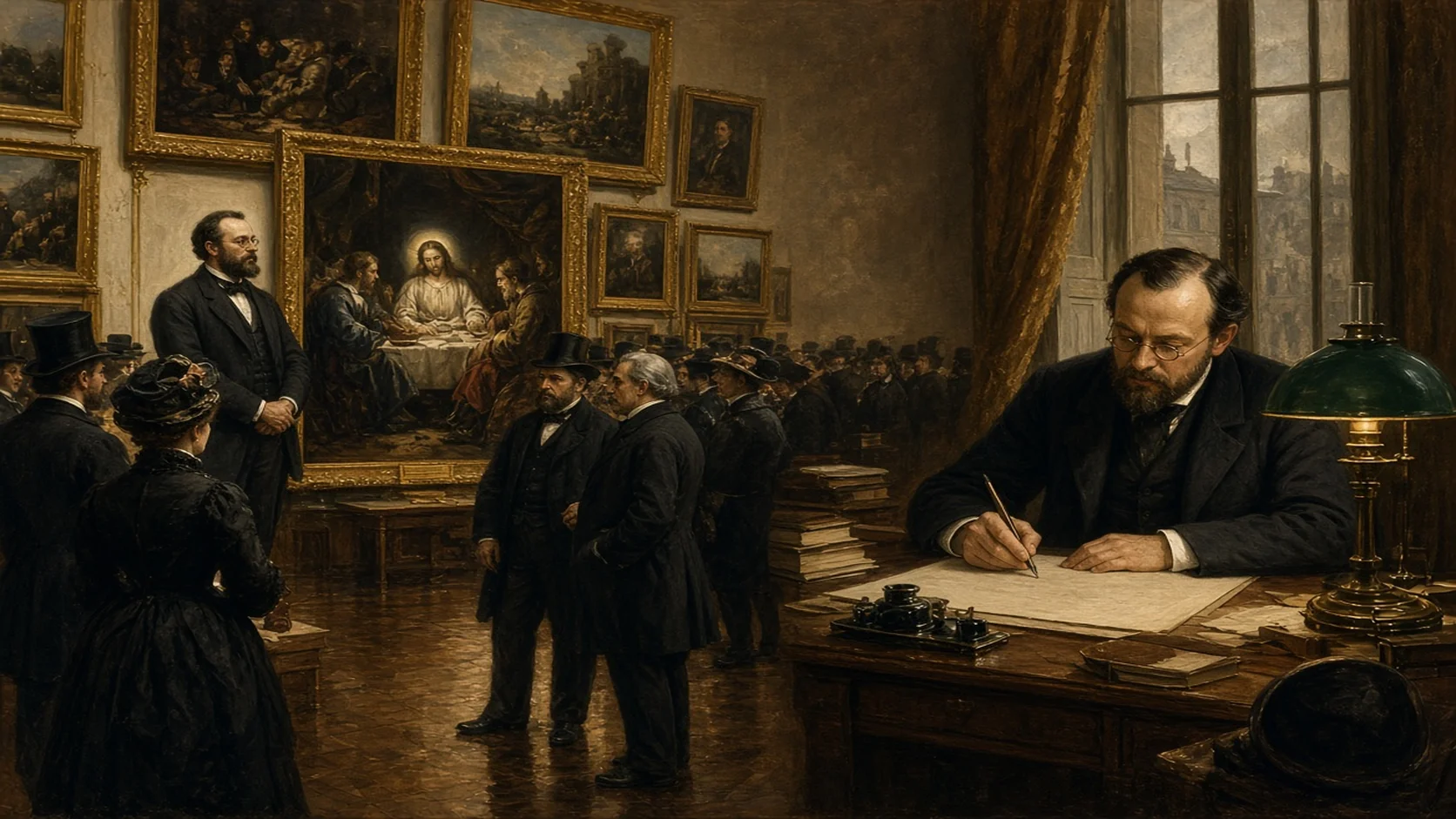
Édouard took his art seriously, and his teacher didn't flatter him. Bouguereau reportedly said of him, "He paints like a pig, but he draws like a master." In 1885 he showed a painting, Les pèlerins d'Emmaüs, at the Salon of French Artists in Paris. Four years later he left for the factory in Clermont-Ferrand.
André had a salesman's nerve. In the preface to the first guide, in 1900, he wrote, "This work appears with the century, and it will last as long as it does." The guide is still published 126 years later.
What was the change they brought about?
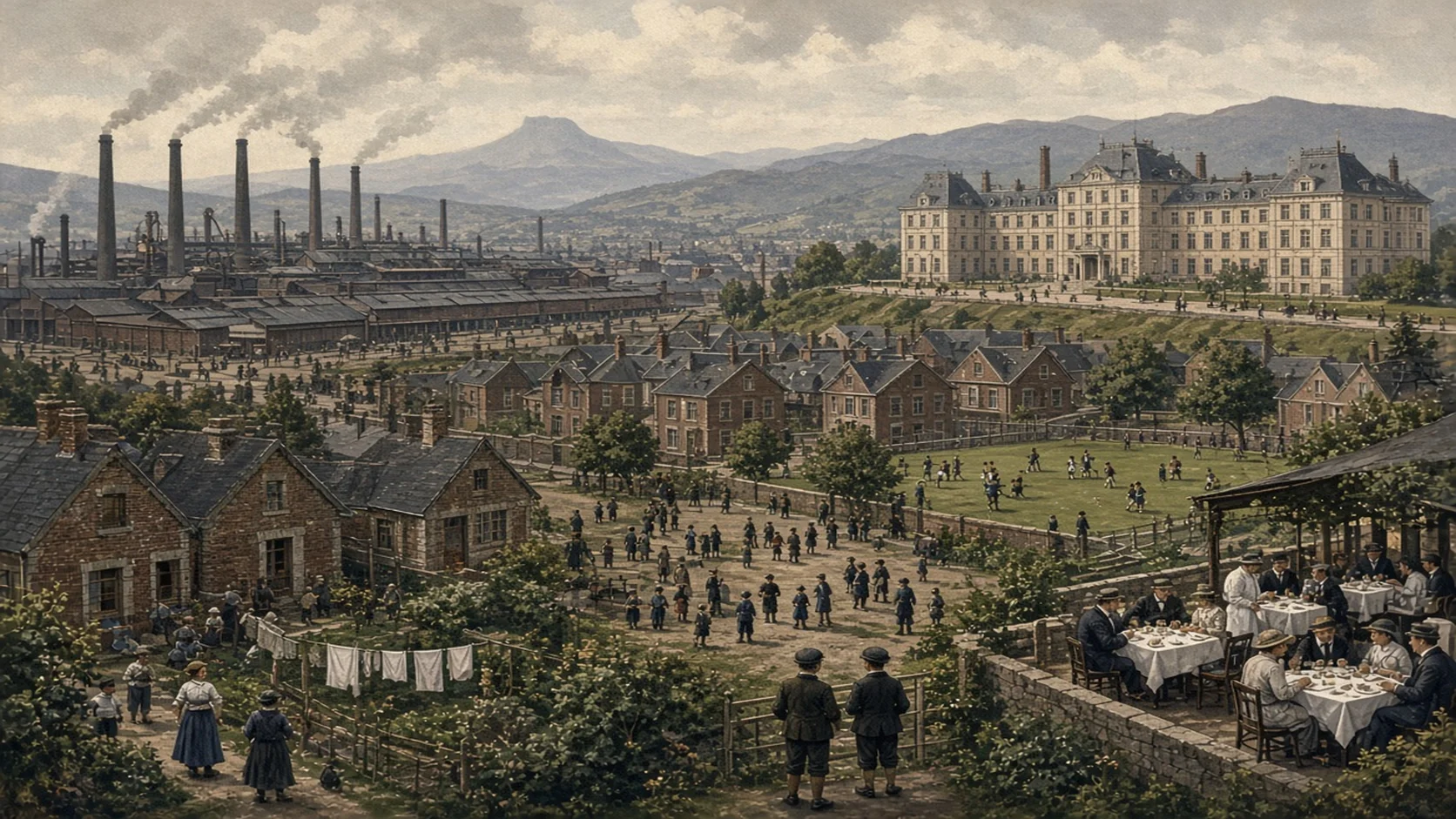
They made driving easier and turned a tire company into a guide to France. Michelin built company housing, schools, and sports clubs in Clermont-Ferrand, and by 1926 it employed 18,000 people6. During the First World War, the company built military aircraft and turned a factory building into a 320-bed hospital that treated nearly 3,000 wounded soldiers. The Michelin Guide went on to rate restaurants around the world, and its three stars became the most famous honor in fine dining.
What did they believe that most reasonable people around them did not?
That the best way to sell tires was to make people want to travel. Along with improving the tire itself, they spent money on maps, guides, road signs, and races that had little to do with rubber. Every trip those things encouraged meant more wear on tires, and more customers coming back for new ones.
What did their trek cost them?
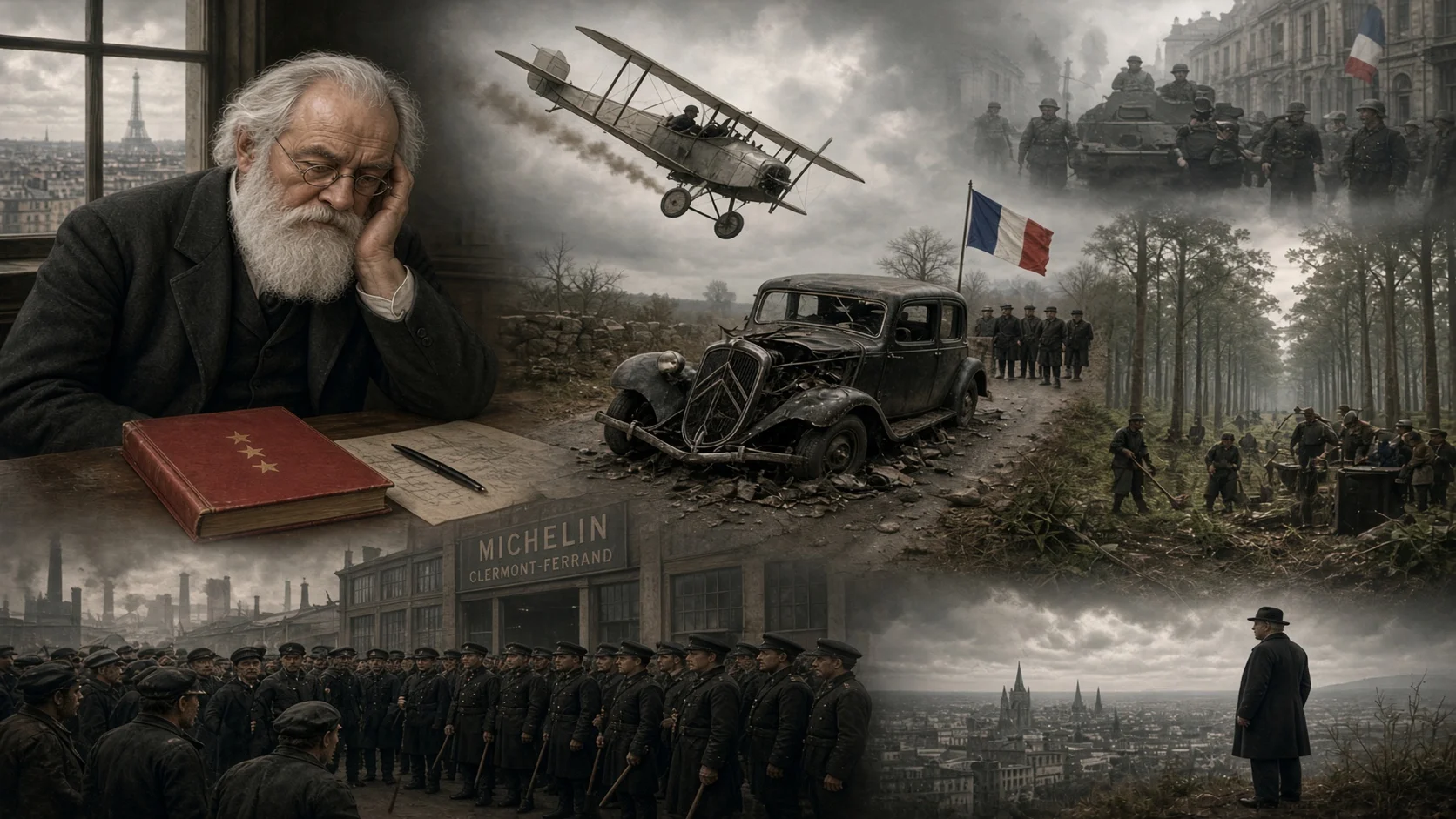
André didn't live to see the guide's star system take hold. He died in Paris on April 4, 1931, at 78, the year the three-star system began. Édouard lost two of his sons. Étienne, a test pilot, died in a plane crash in 1932, and Pierre, who ran Citroën after Michelin took over the bankrupt automaker in 1934, died after a road accident in 1937.
The company's record was also darker than its friendly mascot. During strikes in 1920, Édouard formed a company "civic guard" of about 200 men, armed with batons and trained in shooting and street fighting, which went on to target union leaders between the wars. Police records and later historians have tied Pierre to funding for the Cagoule, a far-right terrorist group broken up in 1938. In Vietnam, a workers' revolt at Michelin's Phú Riềng rubber plantation was violently put down in 1930. The family also suffered under the Nazis. André's son Marcel died at the Buchenwald concentration camp in January 19457. Édouard died in Orcines, near Clermont-Ferrand, on August 25, 1940, two months after Germany's invasion of France.
What's the takeaway?
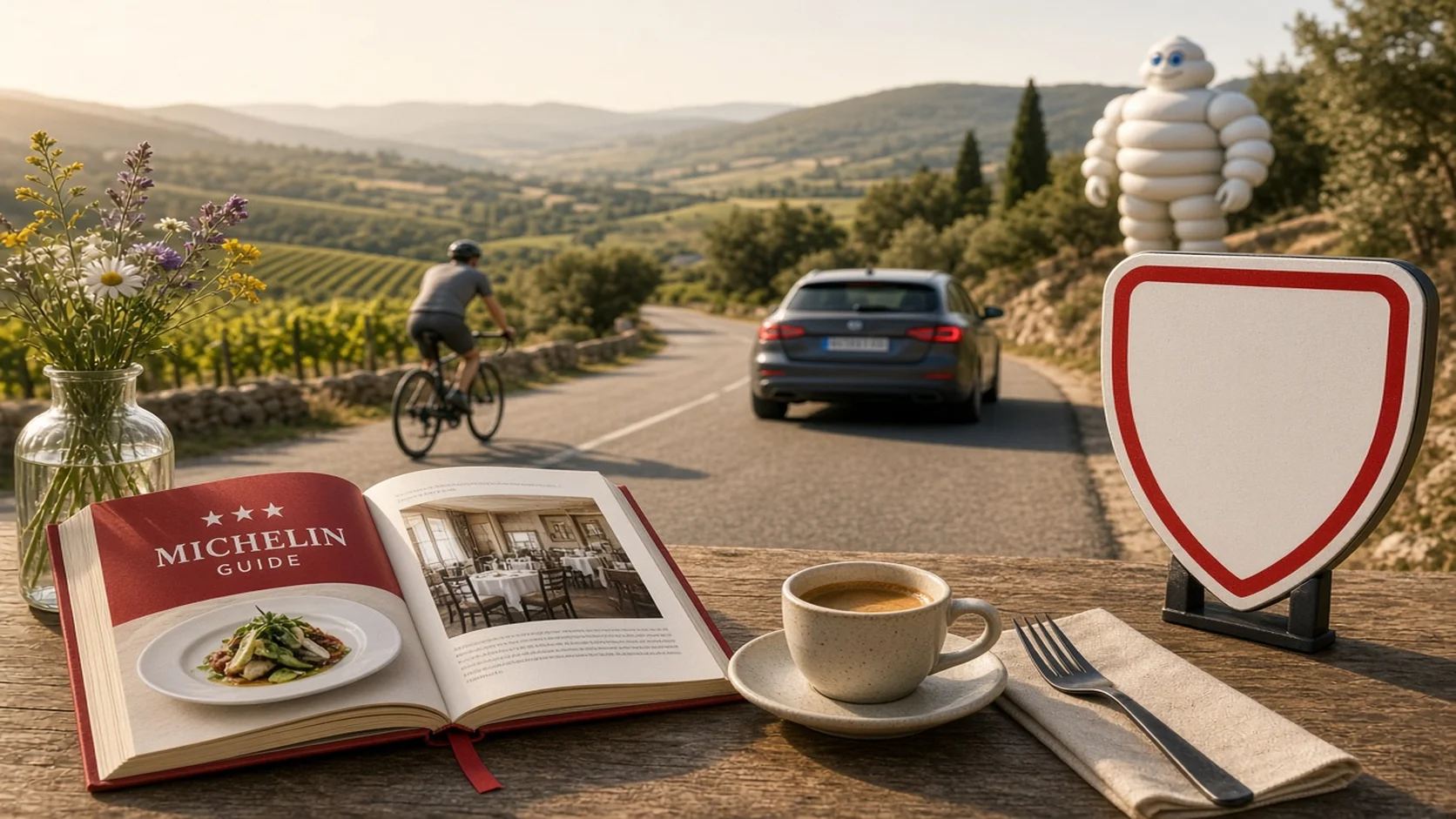
Think about what makes people need your product, and invest in that. The Michelin brothers made a better tire, but their bigger idea was to give people more reasons to travel. A free guide, a road sign, and a cartoon mascot all brought customers back for tires, and one of those giveaways became the most famous name in fine dining.
Timeline
-
1832—The business that becomes Michelin is founded in Clermont-Ferrand.
-
1853-01-16—André Michelin is born in Paris.
-
1859-06-23—Édouard Michelin is born in Clermont-Ferrand.
-
1886—André becomes co-manager of the family firm.
-
1889—The brothers rename it Michelin & Cie.
-
1891—Édouard patents the detachable bicycle tire; Charles Terront wins Paris–Brest–Paris on Michelin tires.
-
1895—The brothers race their car, the Éclair, in Paris–Bordeaux–Paris.
-
1898—O'Galop's first Bibendum poster appears.
-
1900—The first Michelin Guide is published and given away free.
-
1910—Michelin begins putting up road signs.
-
1920—The guide is relaunched at 7 francs, without paid ads.
-
1926—The guide awards its first restaurant stars.
-
1931—The three-star system begins; André dies on April 4.
-
1934—Michelin takes over Citroën.
-
1940-08-25—Édouard dies in Orcines.
Side notes
-
Why he's white—Early tires were off-white. Carbon black, which made them black, wasn't added until 1912, after Bibendum's look was already set. Learn more ↩
-
Brake pads first—The Michelin name first appeared in 1889 on a rubber brake pad, before the company made tires. Learn more ↩
-
"Merci"—Many early Michelin signs asked drivers entering a village to slow down, and thanked them on the way out. Learn more ↩
-
Worth a special journey—By 1936 the guide defined three stars as "exceptional cuisine, worth a special journey." Its inspectors still dine anonymously and pay for their meals. Learn more ↩
-
The name—Michelin says the race driver Léon Théry gave Bibendum his name when he saw the poster and shouted, "Voilà Bibendum, vive Bibendum!" Learn more ↩
-
School days—By 1940, Michelin ran 21 primary schools in Clermont-Ferrand with 4,800 students. Learn more ↩
-
The hidden side—French historian Éric Panthou has documented the company's labor and colonial record, including conditions on its Vietnamese plantations. Learn more ↩