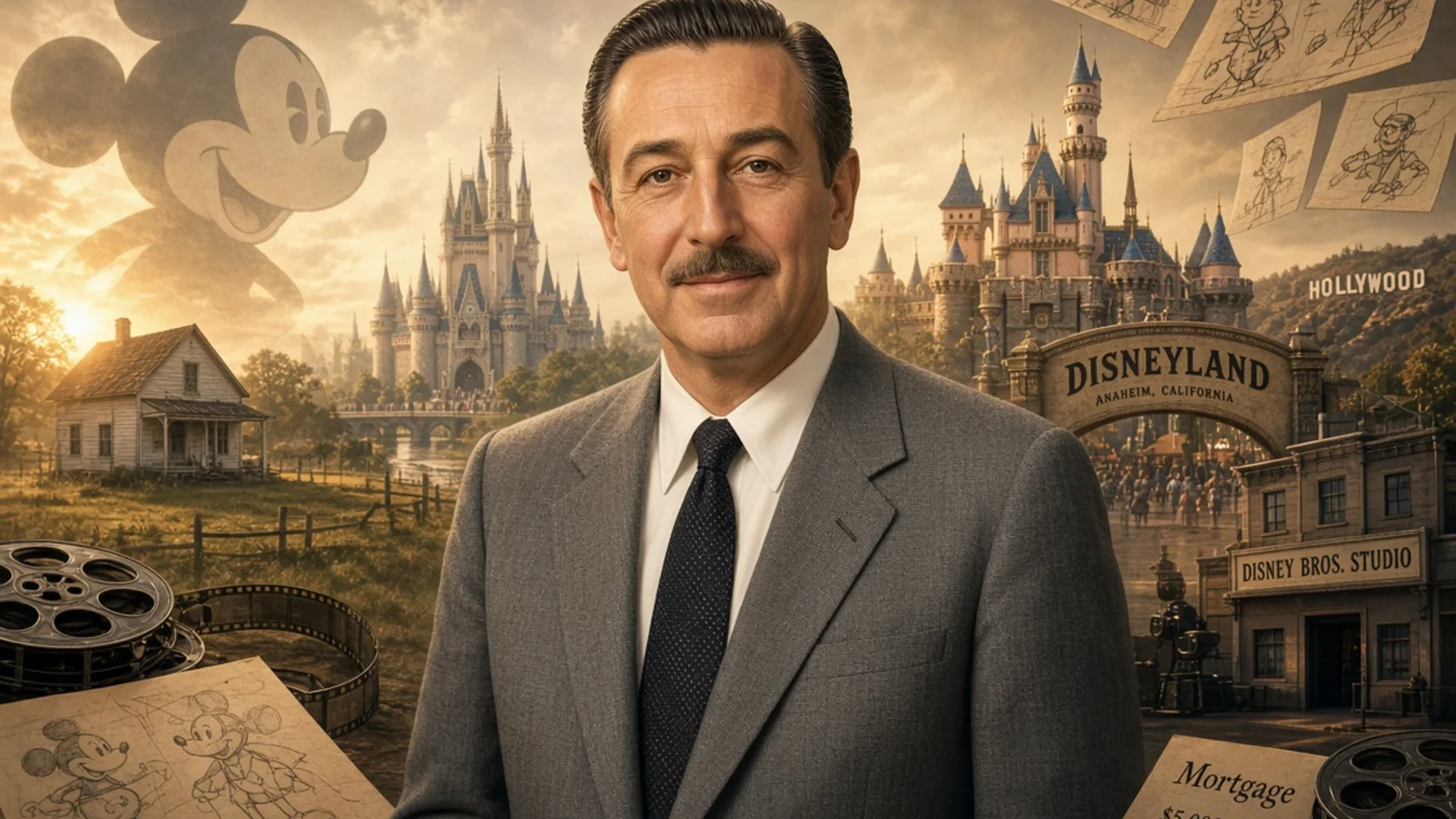
- He forged his birth certificate at 16 to drive Red Cross ambulances.
- A contract he didn't control cost him his first hit character, a rabbit.
- Disneyland opened in 1955 on 160 acres of Anaheim orange and walnut groves.
Who was he—and what was he like before everyone noticed?
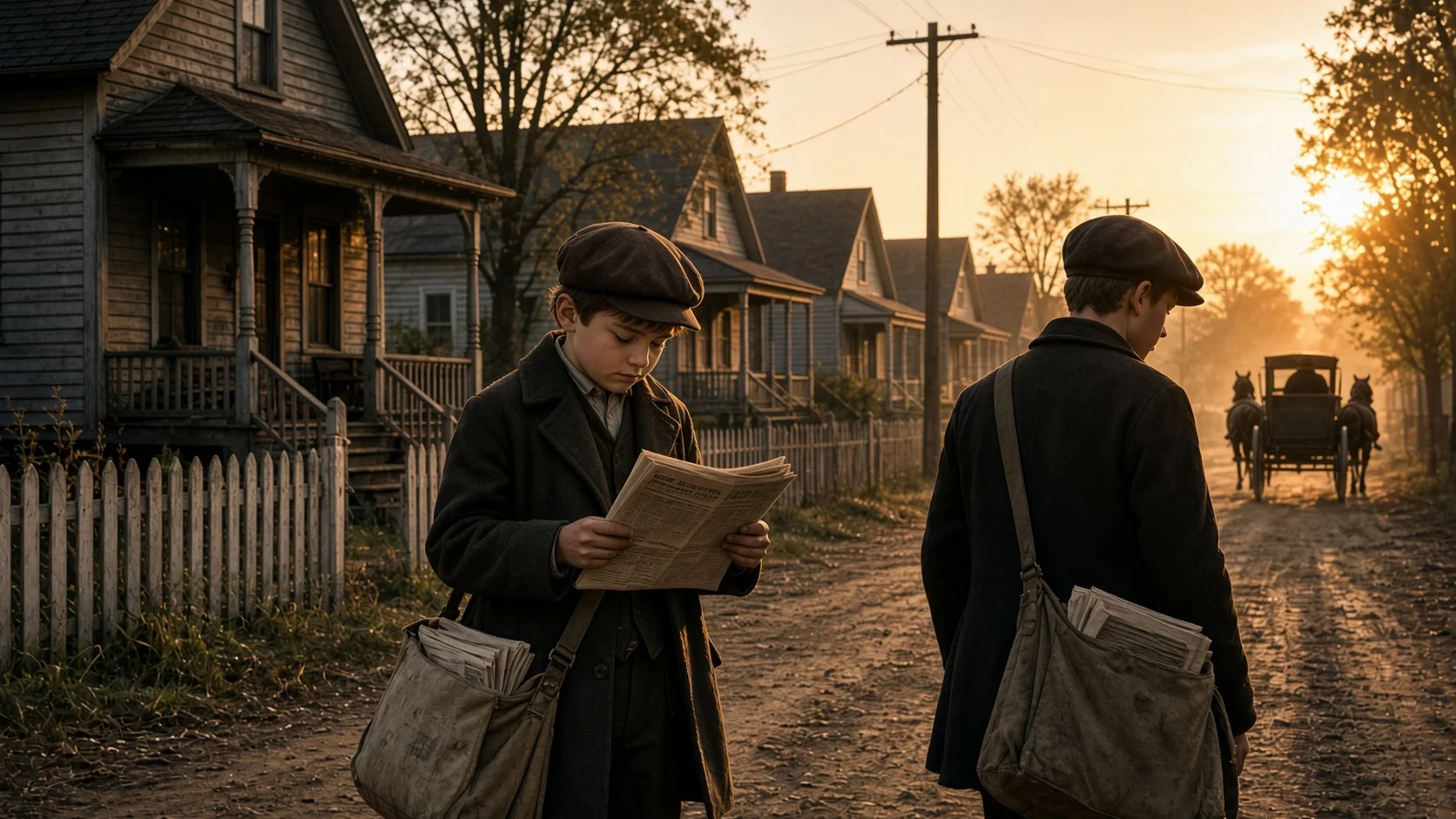
Walter Elias Disney was born on December 5, 1901, in Chicago, the fourth son of Elias Disney and Flora Call Disney. In 1906 the family moved to a farm in Marceline, Missouri, where a retired doctor paid him to draw his horse, and five years later they moved to Kansas City. Before anyone had heard of him he was a paperboy who, with his older brother Roy, delivered newspapers for more than six years, getting up at 4:30 in the morning, and spent his Saturdays taking classes at the Kansas City Art Institute.
What did his life look like before his trek began?
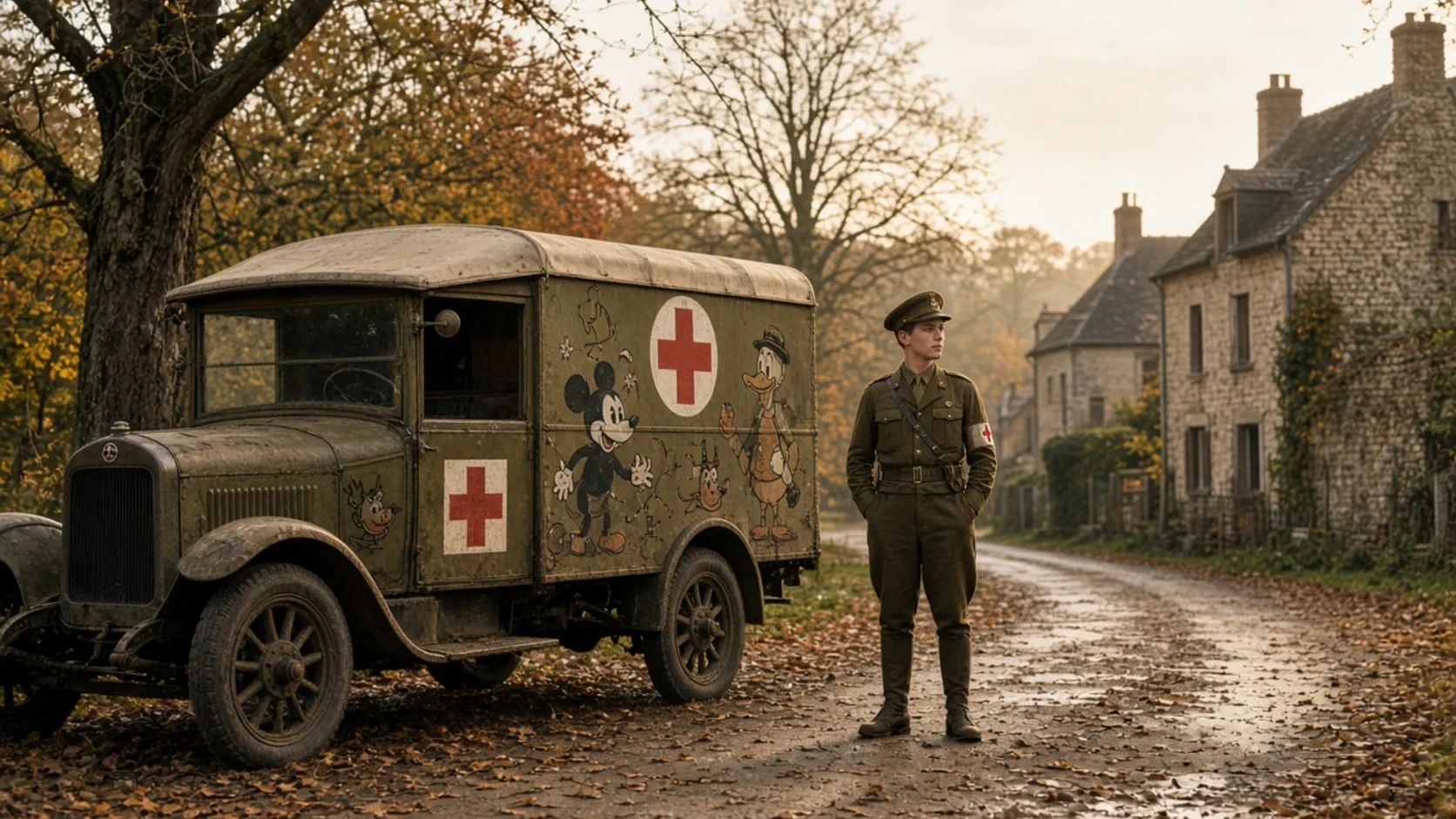
A string of small starts. In 1918, rejected by the Army as too young, he forged his birth certificate and joined the Red Cross as an ambulance driver. He reached France in November, just after the armistice, and decorated his ambulance with cartoons. Back in Kansas City in 1919, he worked as an apprentice commercial artist, where he met the animator Ub Iwerks, and then made cutout animated ads for the Kansas City Film Ad Company. That job convinced him that drawn animation had far more potential.
What did he see that other people didn't?
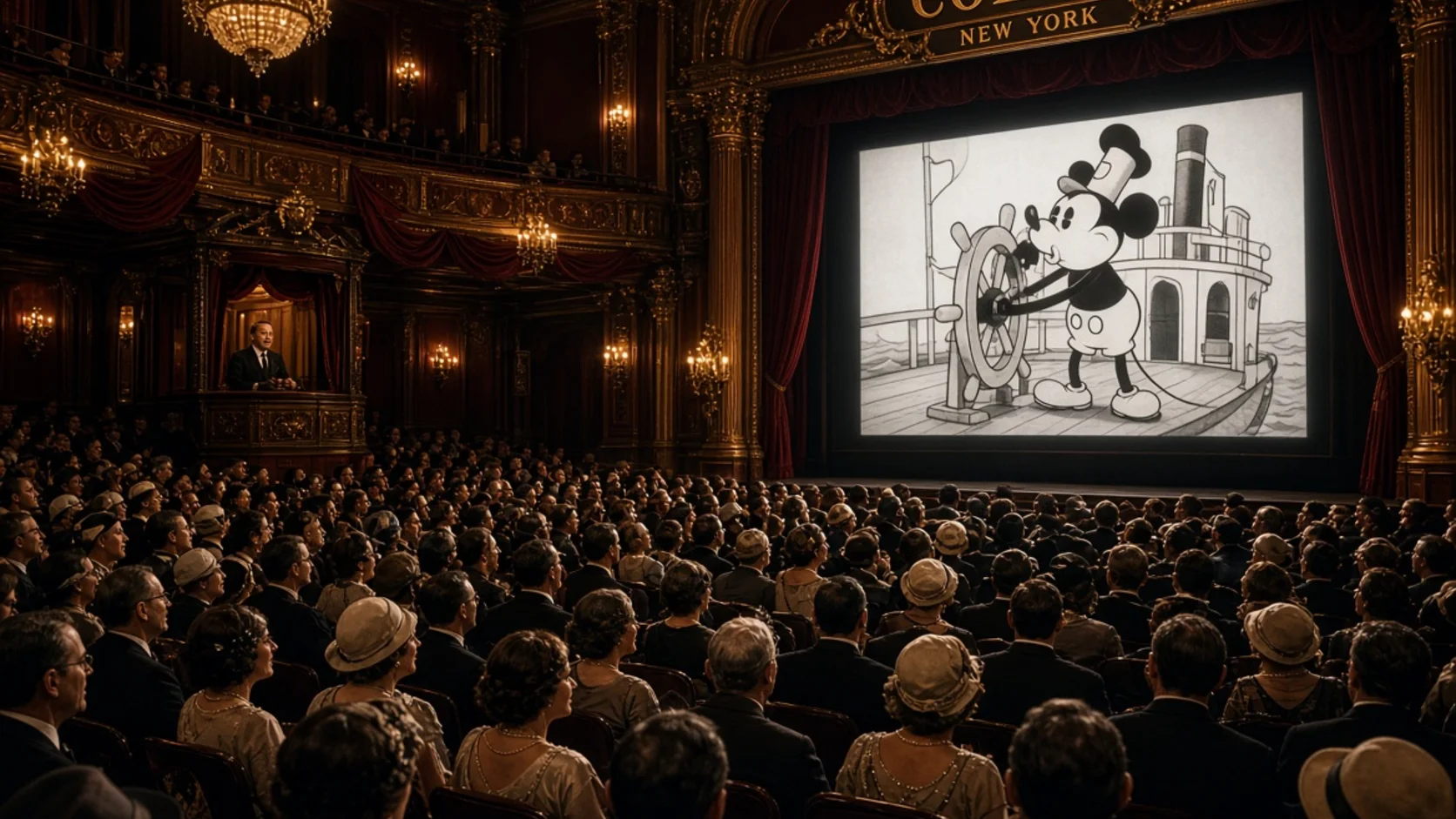
That sound could bring cartoons to life. On November 18, 1928, Steamboat Willie premiered at the Colony Theatre in New York with sound matched to the action on screen, and audiences watched Mickey Mouse whistle and play music in time with the pictures. It was a major breakthrough for animation, and Disney himself supplied Mickey's voice until 1947.
What problem became his obsession?
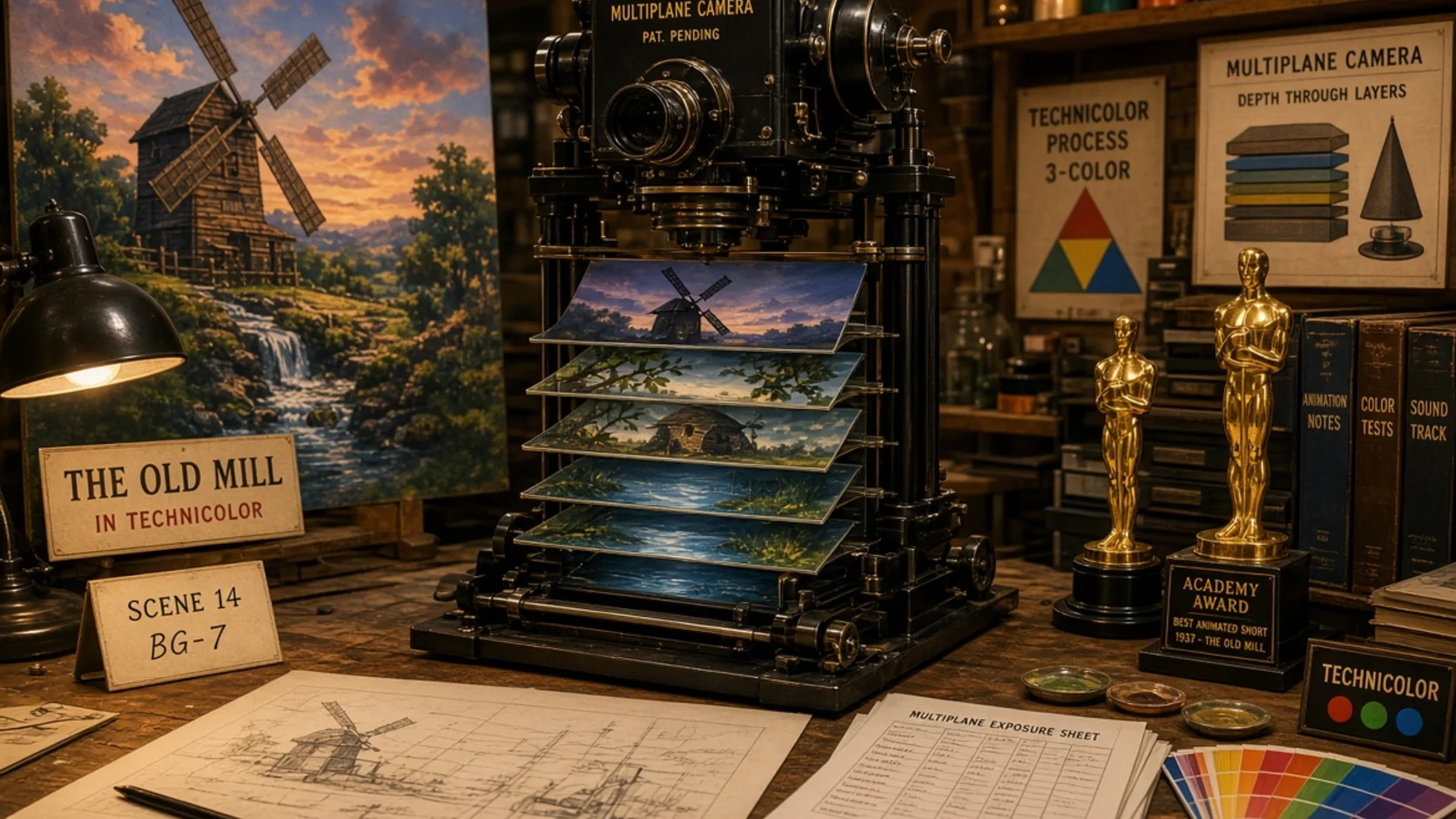
Making animation better than anyone thought it needed to be. In 1932 Flowers and Trees, the first full-color Technicolor cartoon, won the first Academy Award ever given to an animated short, and Disney received an honorary award for creating Mickey Mouse. In 1937 The Old Mill became the first film made with the studio's multiplane camera, which filmed layers of artwork at different depths to create a sense of space. It won an Oscar too.
Why did this matter personally to him?
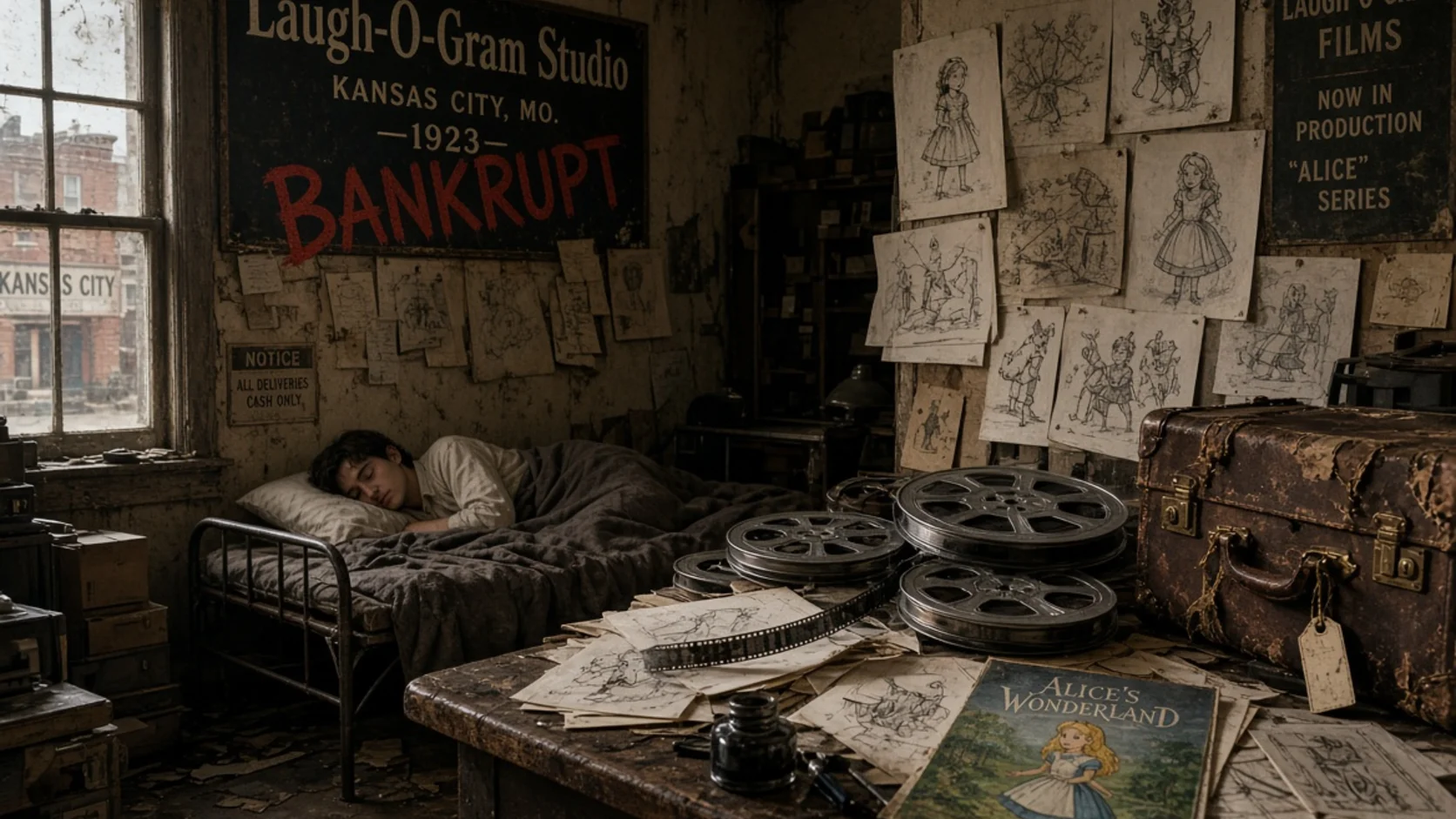
He'd already failed once. In 1921 he started his own studio in Kansas City, Laugh-O-Gram, but a distributor that owed it money went bankrupt1. By late 1922 Disney was sleeping in his office and bathing once a week at the city's Union Station, and in July 1923 the studio went bankrupt. He sold his movie camera to pay for a train ticket to Los Angeles and left with a frayed cardboard suitcase and a reel of his unfinished film, Alice's Wonderland. "I think it's important to have a good hard failure when you're young," he said later.
Where did the first money come from?
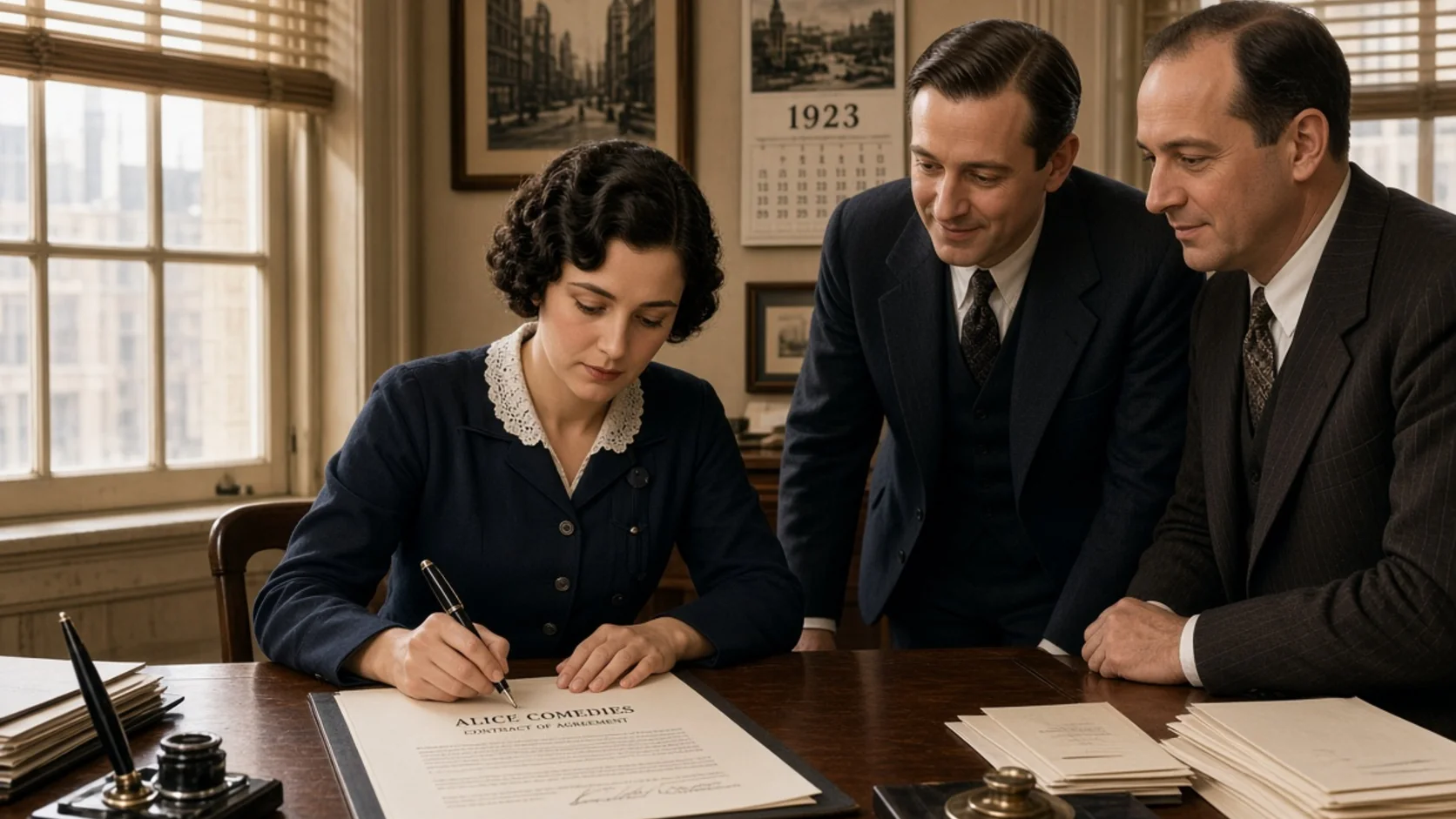
A distributor in New York and his brother in Los Angeles. In October 1923, Margaret Winkler signed him to make a series of short films mixing a live girl with cartoon characters, the Alice Comedies. Roy, who had been recovering from tuberculosis at a veterans' hospital, checked out to help, and the brothers formed the Disney Brothers Studio2. Roy took charge of the business side, and Walt ran the creative work.
What made the economics work?
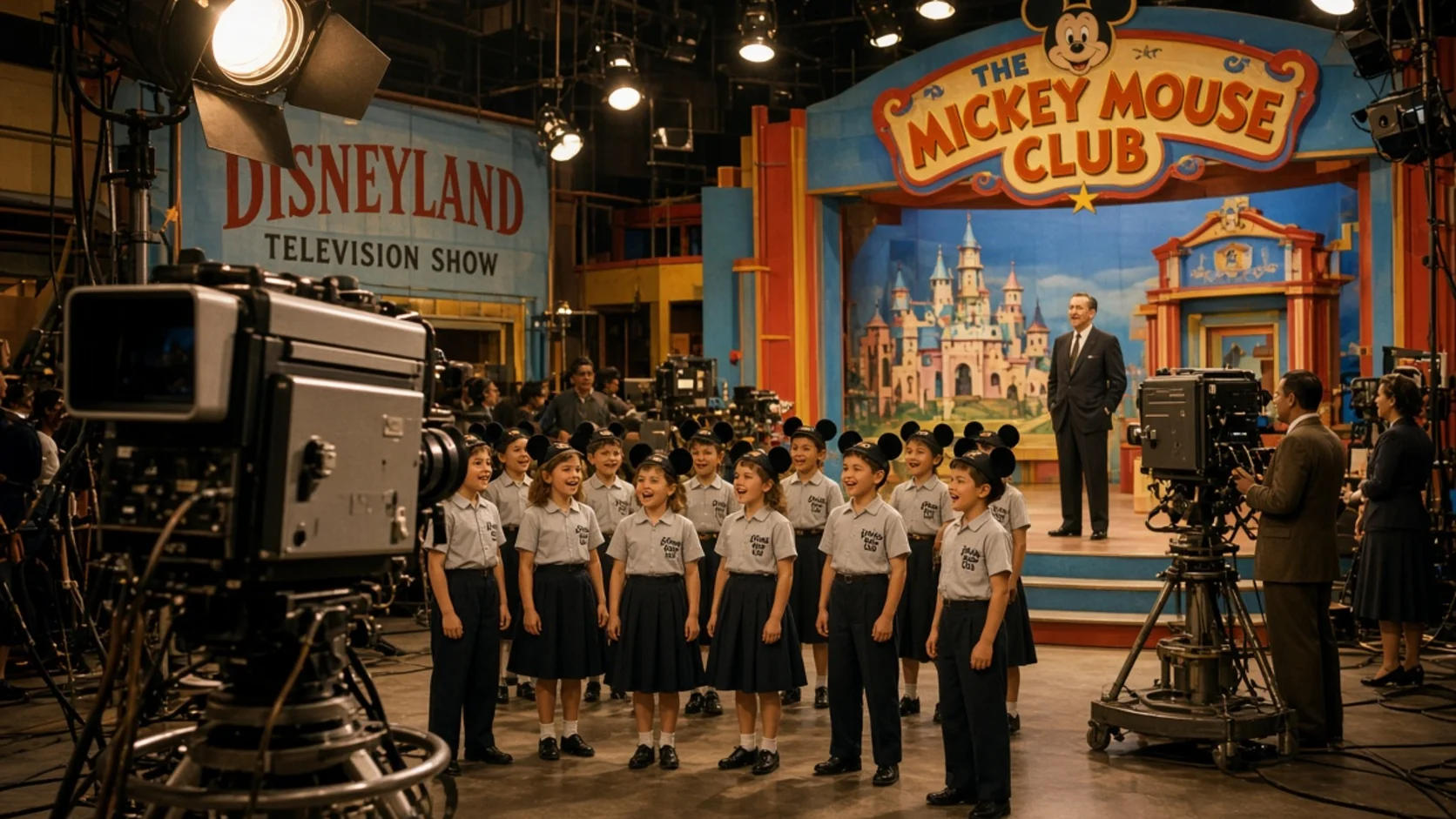
Owning his characters and using television to sell them. After losing his first hit character, Disney's studio kept ownership of Mickey and the characters that followed. In the 1950s, he turned to TV. In 1954 the studio began producing a weekly show for ABC called Disneyland, and in return ABC agreed to put up $5 million toward building the park of the same name. A year later, The Mickey Mouse Club became a daily program for children.
What was the decision or moment after which nothing was the same?
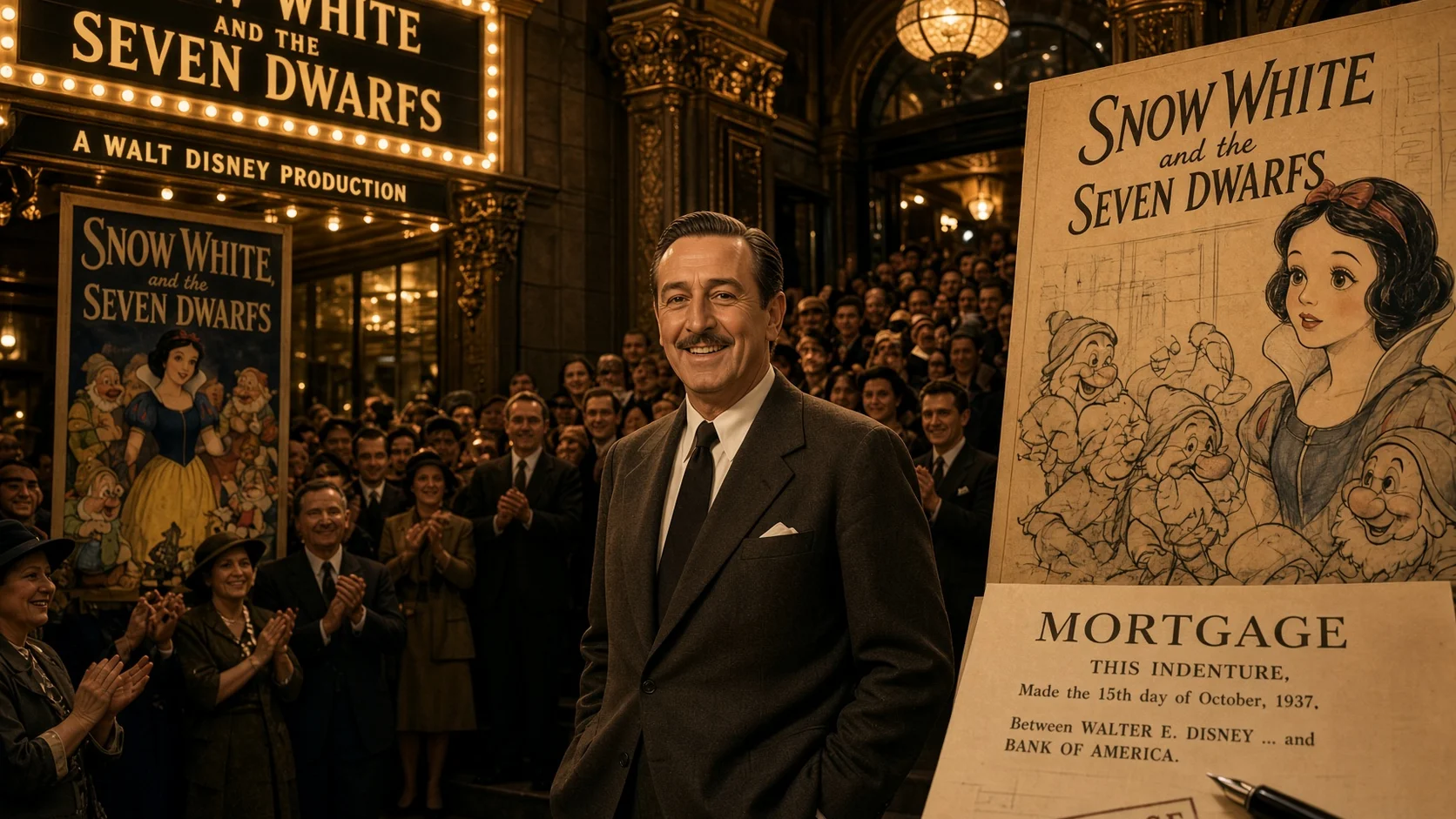
Betting the studio on a feature-length cartoon. In 1934 he began work on Snow White and the Seven Dwarfs. He first estimated it would cost $250,000, and it ended up costing about $1.49 million. People in the industry called it "Disney's Folly," and his wife and brother tried to talk him out of it. He mortgaged his house to help pay for it. When it premiered on December 21, 1937, it became the first animated feature made in the United States, and it was the highest-grossing film of 19383.
What nearly killed it?
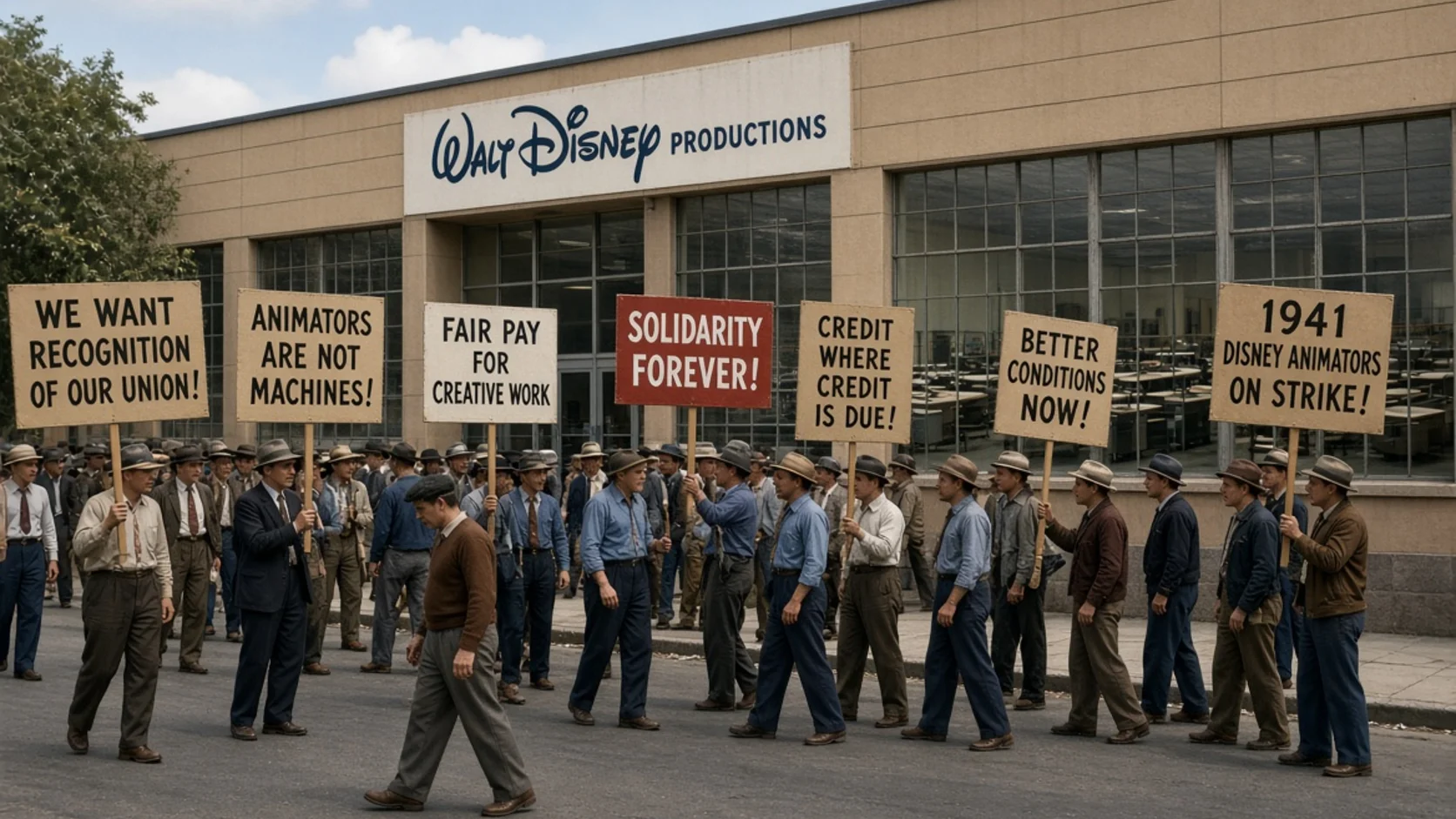
Debt, flops and a strike. In 1940 Pinocchio cost about $2.3 million and grossed less than $2 million, and Fantasia drew mixed reviews and small crowds4. The studio had also built an expensive new home in Burbank. It sold stock to the public for the first time in April 1940 at $25 a share, but within a year the price had fallen to $4, and by early 1941 the company was nearly $3 million in debt. Then, on May 29, 1941, his animators went on strike after he fired union members, and the dispute dragged on through the summer.
What happened that he couldn't have planned for?
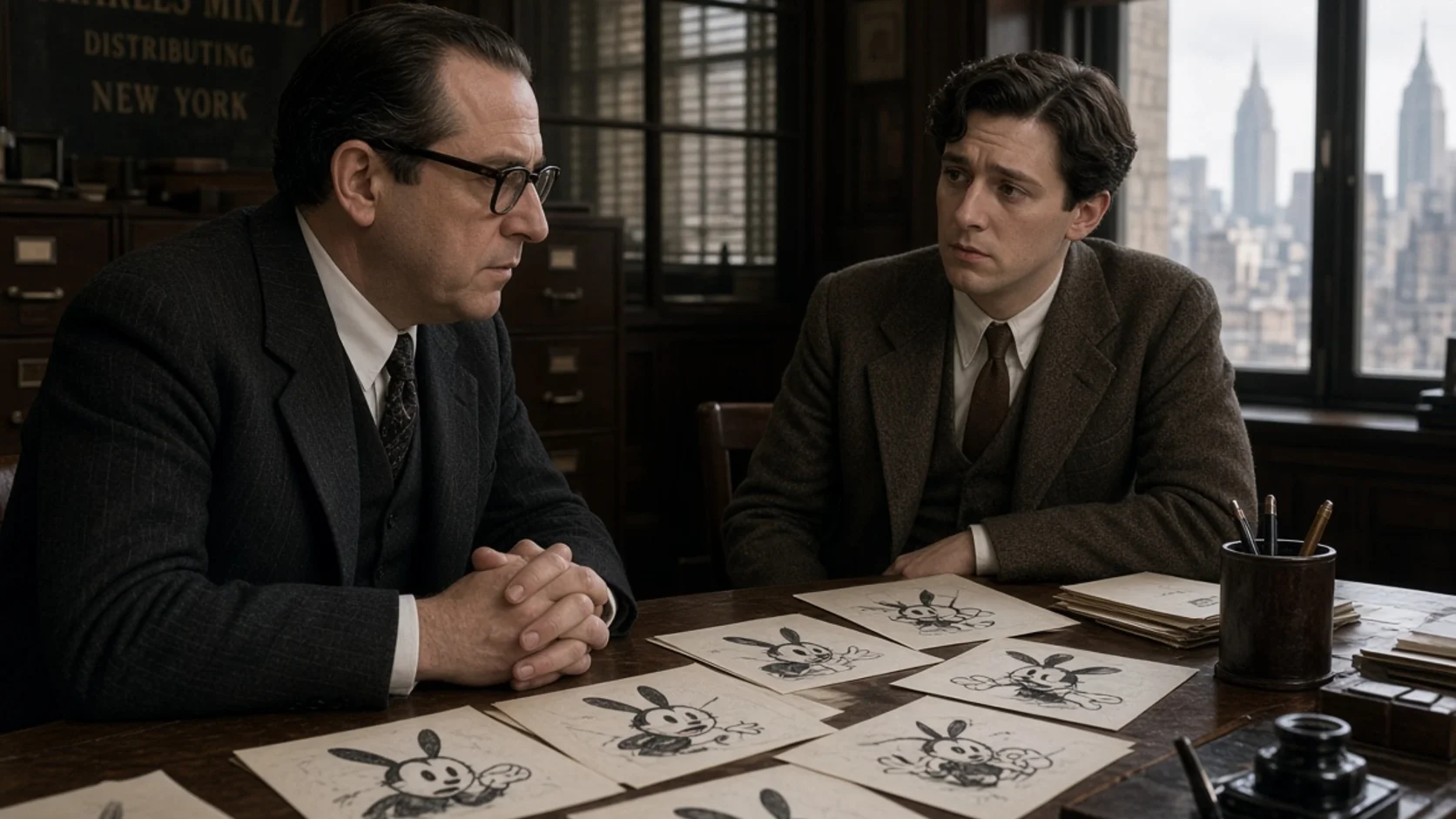
Losing his first star. In 1927 Disney and Iwerks created Oswald the Lucky Rabbit for Universal, and the character was a hit. In February 1928 Disney traveled to New York to negotiate with his distributor, Charles Mintz, who refused to raise his budget and had quietly hired away most of his animators. Because Universal owned Oswald, Disney couldn't take him. He returned to Los Angeles and, with Iwerks, created a replacement: a mouse, which first appeared in a test screening of Plane Crazy in May 19285.
What showed that he was human after all?
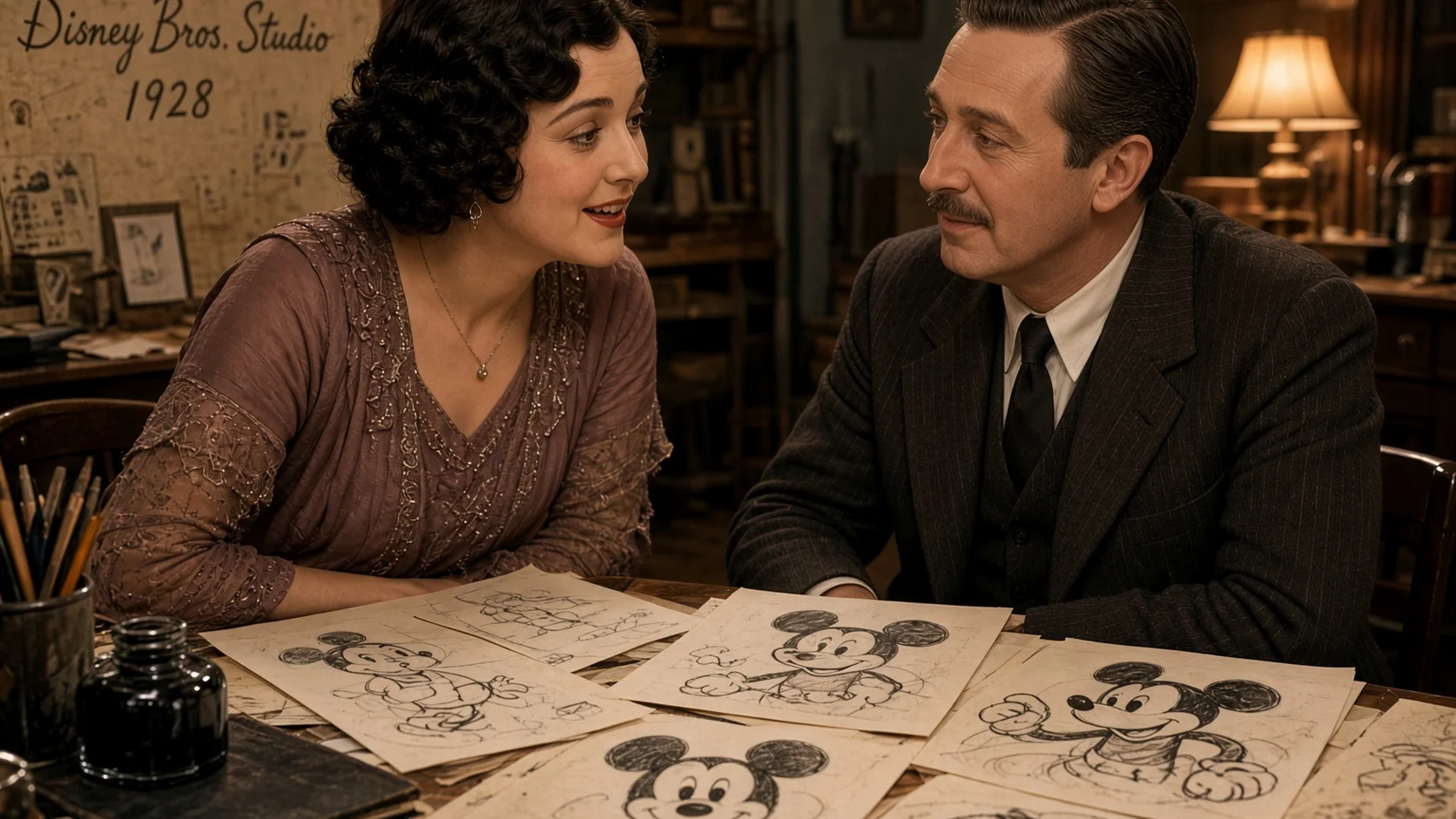
He let his wife name his most famous creation. Disney wanted to call the mouse Mortimer, and Lillian, a former ink artist at his studio whom he married in 1925, talked him into Mickey. Years later he built a miniature railroad around their home in Holmby Hills, with 2,615 feet of track, and named its steam locomotive the Lilly Belle after her. He worked on the trains in a small red barn modeled on one from his childhood farm in Marceline6.
What was the change he brought about?
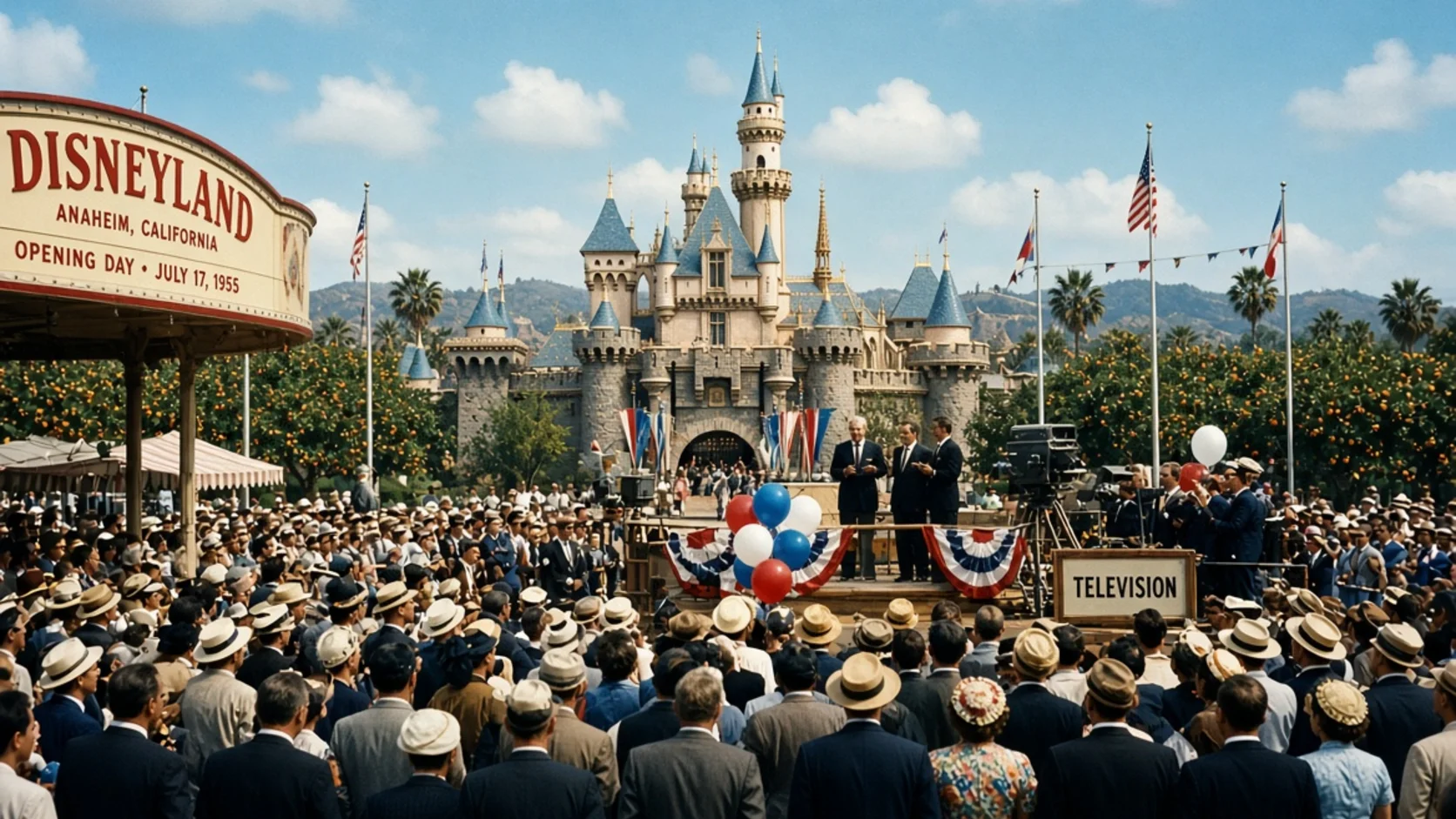
He turned cartoons into a business that reaches nearly every part of entertainment. Disneyland opened with a televised dedication on July 17, 1955, on 160 acres in Anaheim, at a cost of $17 million. Disney won 22 Academy Awards, a record for an individual. In 1965 he announced plans for a second park near Orlando, with a planned community called EPCOT at its center. His company went on to become the Walt Disney Company7.
What did he believe that most reasonable people around him did not?
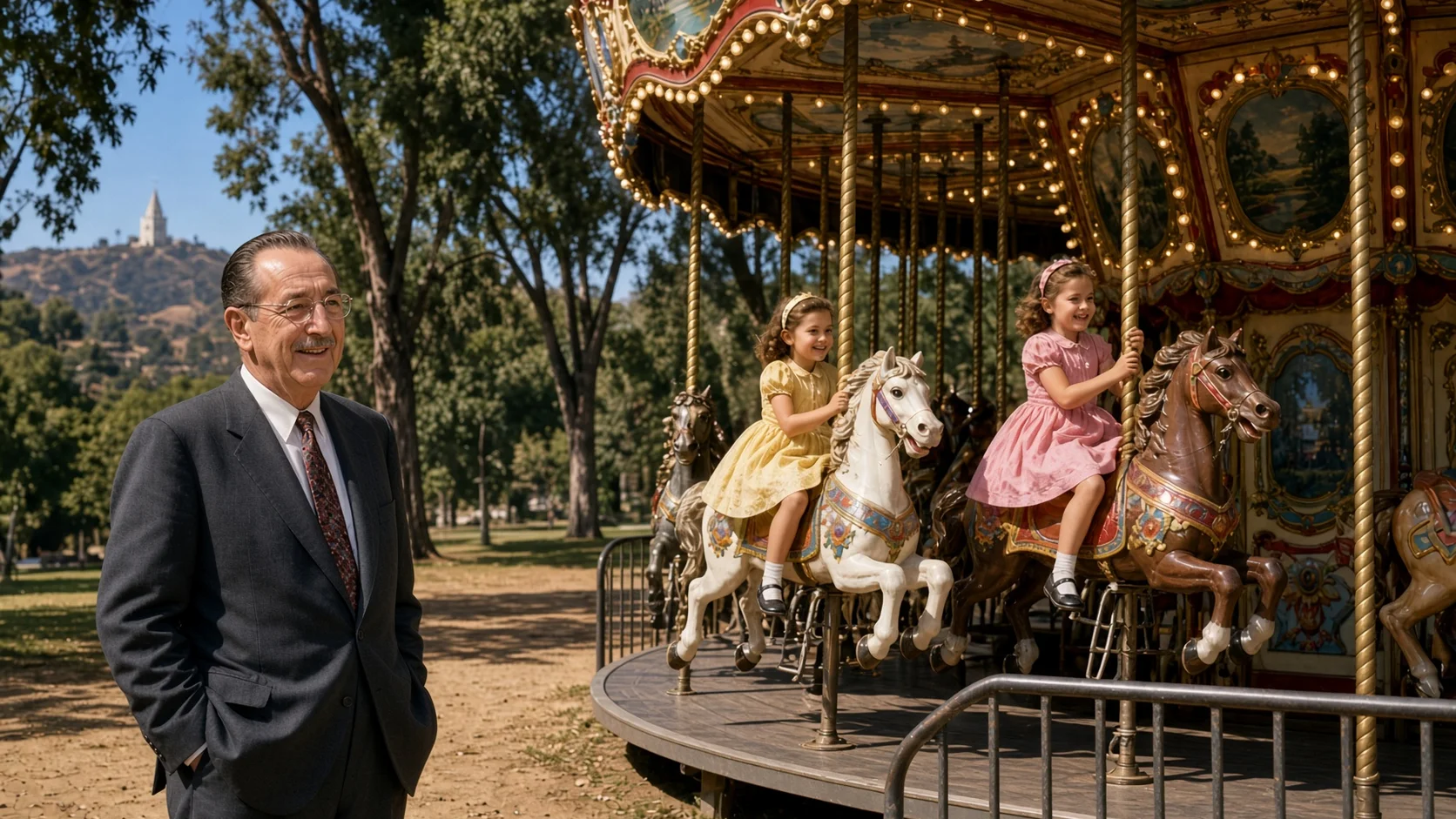
That a theme park was worth risking his own money on. He got the idea for Disneyland while watching his daughters ride a merry-go-round in Los Angeles's Griffith Park, and his first plan was a small site across the street from the studio in Burbank. To fund the design work, he set up his own company, WED Enterprises, named for his initials. In 1952 he sold his vacation home, borrowed $100,000 against his life insurance, and sold the rights to his own name back to Walt Disney Productions to pay for it.
What did his trek cost him?
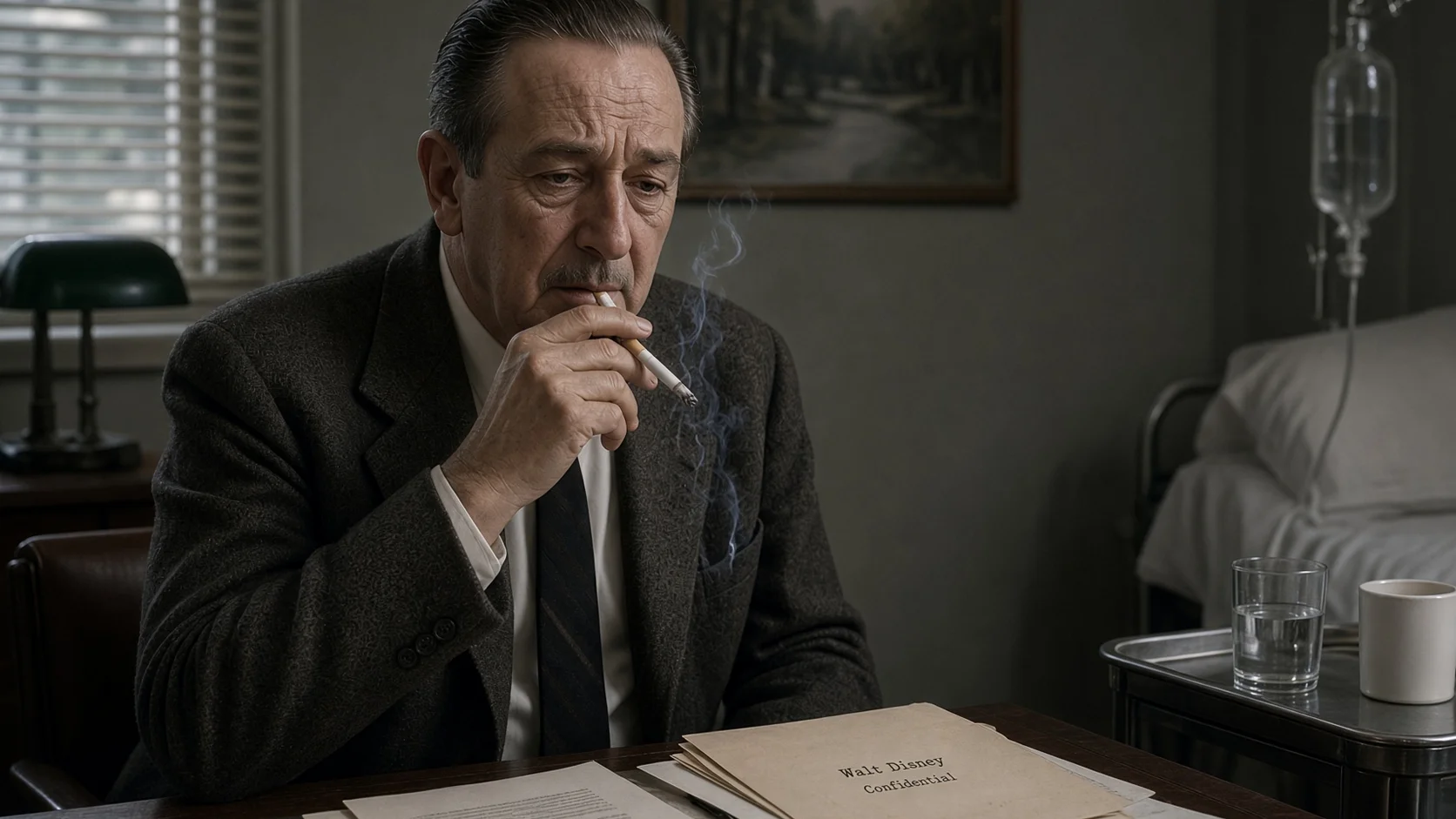
His health, and his bond with many of his artists. In 1931 he had a nervous breakdown, which he blamed on overwork and a fight with a distributor. The 1941 strike left lasting bitterness on both sides. Disney caricatured strikers as clowns in Dumbo and later wrote that the strike "cleaned house at our studio." In 1947 he testified before the House Un-American Activities Committee and named former animators and union organizers as communist agitators. A heavy smoker since the First World War, he once said, "Walt Disney does not smoke. I smoke." He died of lung cancer on December 15, 1966, at 65, five years before Walt Disney World opened.
What's the takeaway?
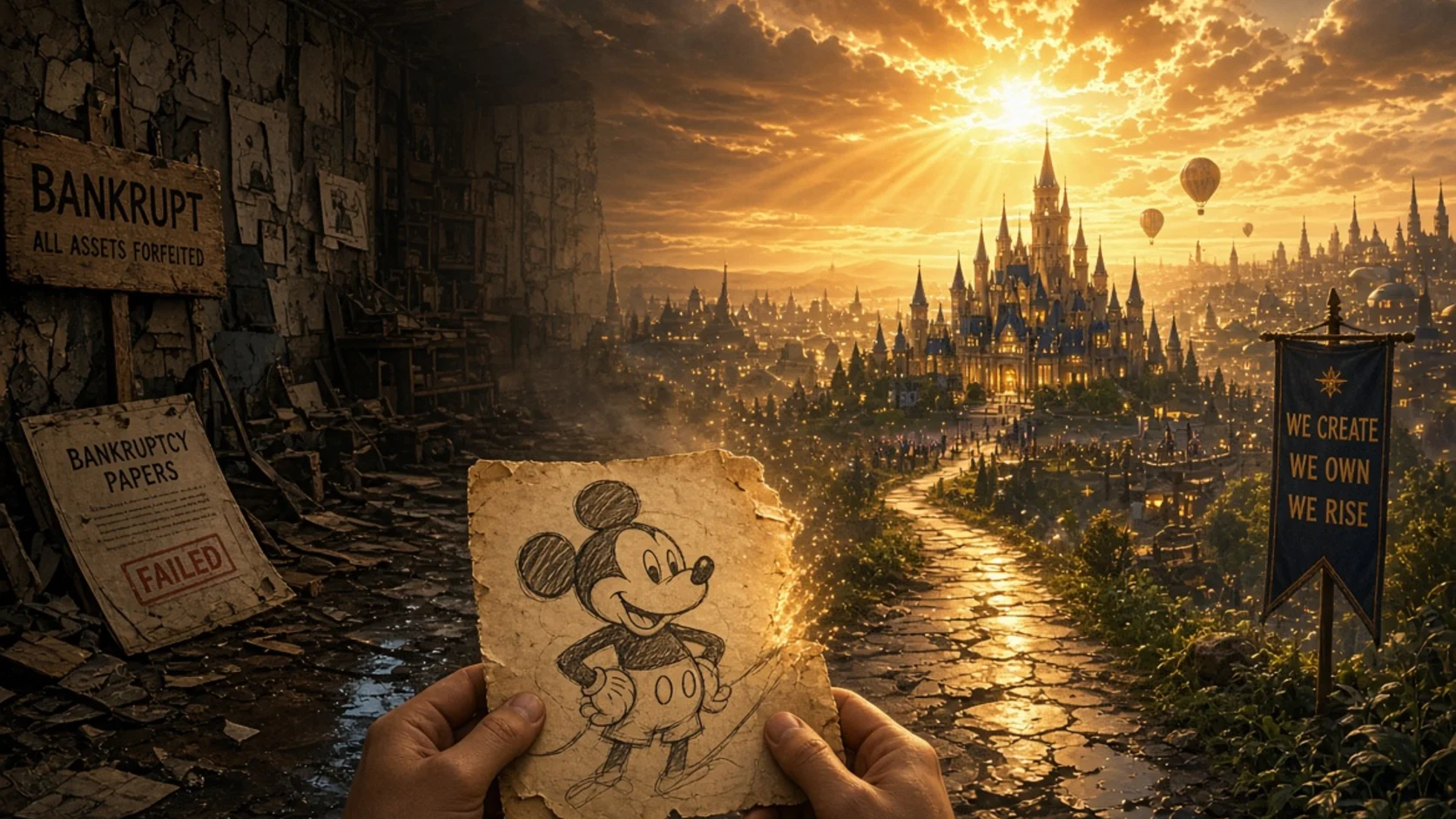
Own what you create, and don't let one failure decide what you're capable of. Disney lost a studio to bankruptcy and a hit character to a contract he didn't control. Both times he started over, and both times he came back with something bigger. He bet his house on a feature film and his life insurance on a park, and the bets built one of the world's most famous companies.
Timeline
-
1901-12-05—Born in Chicago.
-
1906—Family moves to a farm in Marceline, Missouri.
-
1918-09—Joins the Red Cross as an ambulance driver.
-
1921—Starts Laugh-O-Gram in Kansas City.
-
1923-07—Laugh-O-Gram goes bankrupt; he moves to Los Angeles.
-
1923-10—Signs to make the Alice Comedies and forms the Disney Brothers Studio with Roy.
-
1925—Marries Lillian Bounds.
-
1928-02—Loses Oswald the Lucky Rabbit and most of his animators.
-
1928-11-18—Steamboat Willie premieres in New York.
-
1932—Flowers and Trees wins the first Oscar for an animated short.
-
1937-12-21—Snow White and the Seven Dwarfs premieres.
-
1940-04—The studio sells stock to the public for the first time.
-
1941-05-29—Disney's animators go on strike.
-
1955-07-17—Disneyland is dedicated in Anaheim.
-
1965—Announces plans for a park near Orlando.
-
1966-12-15—Dies of lung cancer at 65.
Side notes
-
A $100 down payment—The distributor, Pictorial Clubs, had signed for six cartoons but paid only $100 up front before it went bankrupt. Learn more ↩
-
New shoes—When he arrived, he stayed in his Uncle Robert's small bungalow in Los Angeles. "I came to Hollywood in a new pair of shoes," he said. Learn more ↩
-
Seven little Oscars—Disney received an honorary Academy Award for Snow White: one full-size statuette and seven miniature ones, presented by Shirley Temple. Learn more ↩
-
Too much music—A studio music director wrote that "for most people, the experience of 'Fantasia' is more than they can take without fatigue." Learn more ↩
-
Who drew Mickey—Iwerks drew the early Mickey. As Disney animator Frank Thomas put it, "Ub Iwerks was responsible for the drawing of Mickey, but it was Walt Disney who supplied the soul." Learn more ↩
-
The wild blue yonder—"I never know when Walt's imagination is going to take off into the wild blue yonder," Lillian told McCall's. Learn more ↩
-
The rabbit comes home—In 2006, Disney got Oswald back by releasing the sportscaster Al Michaels from his ABC contract so he could join NBC. Michaels said Oswald was "definitely worth more than a fourth-round draft choice." Learn more ↩