- Orphaned at 12, he started out winding pocket watches as a clerk.
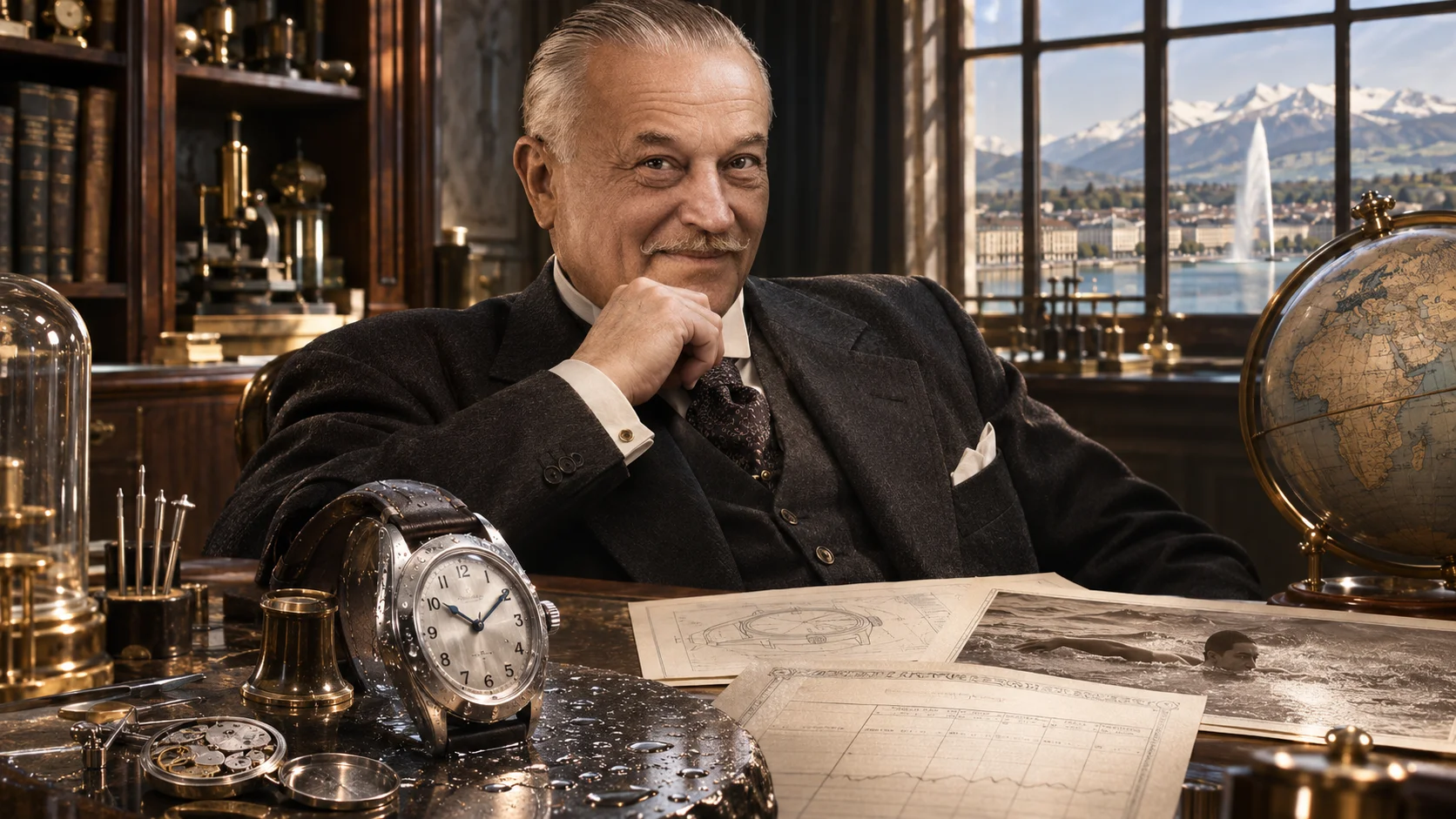
- His 1926 Oyster case was built to keep out water and dust.
- British intelligence files called him "most objectionable" while captured airmen got his watches on credit.
Who was he—and what was he like before everyone noticed?
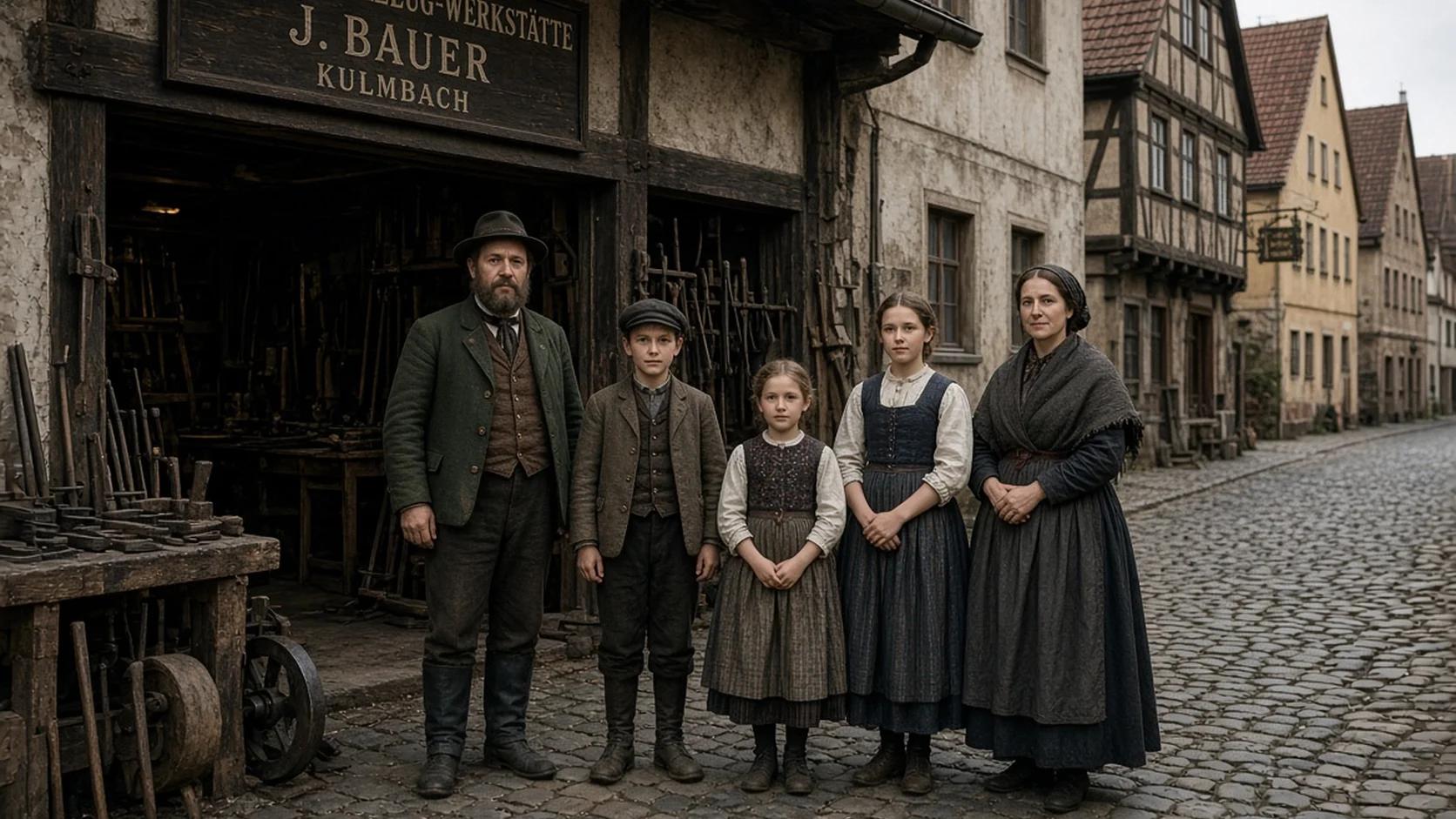
Hans Eberhard Wilhelm Wilsdorf was born on March 22, 1881, in Kulmbach, Bavaria, the second of three children of Anna and Johann Daniel Ferdinand Wilsdorf, who ran an iron tools business. His mother died when he was a boy, and his father died when Hans was 12. His uncles sold the family business and sent the children to boarding schools. Before anyone had heard of him he was an orphan with a gift for mathematics and languages, which made him want to travel and work abroad1.
What did his life look like before his trek began?
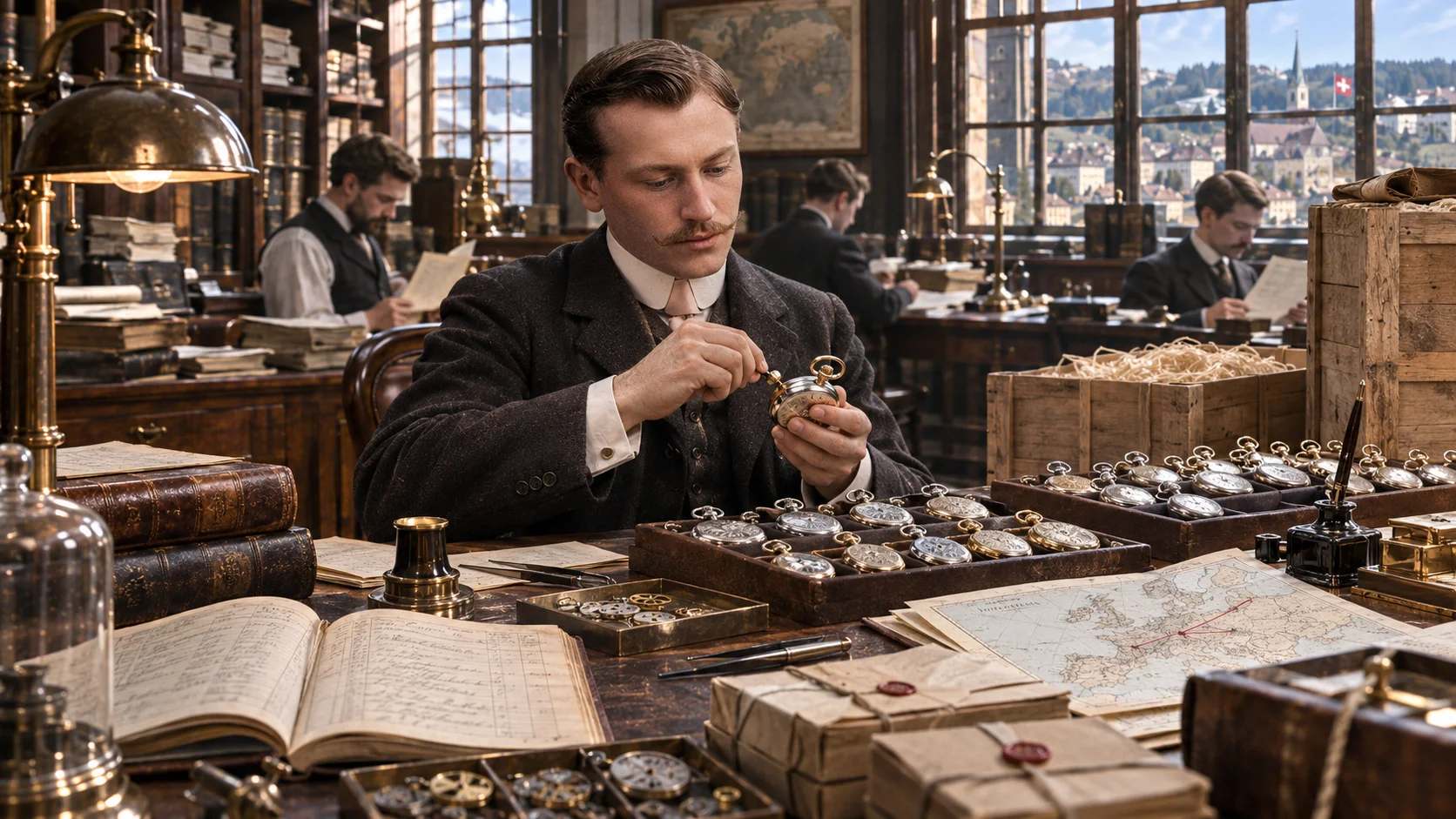
Learning the watch trade from the export side. After an apprenticeship with an international pearl exporter, he moved in 1900 to La Chaux-de-Fonds, a center of Swiss watchmaking, to work as an English-language clerk for the watch exporter Cuno Korten. He earned 80 Swiss francs, roughly $600 in today's money, and part of his job was winding hundreds of pocket watches and checking how well they kept time. A few years later he moved to London, a major center of the watch trade.
What did he see that other people didn't?
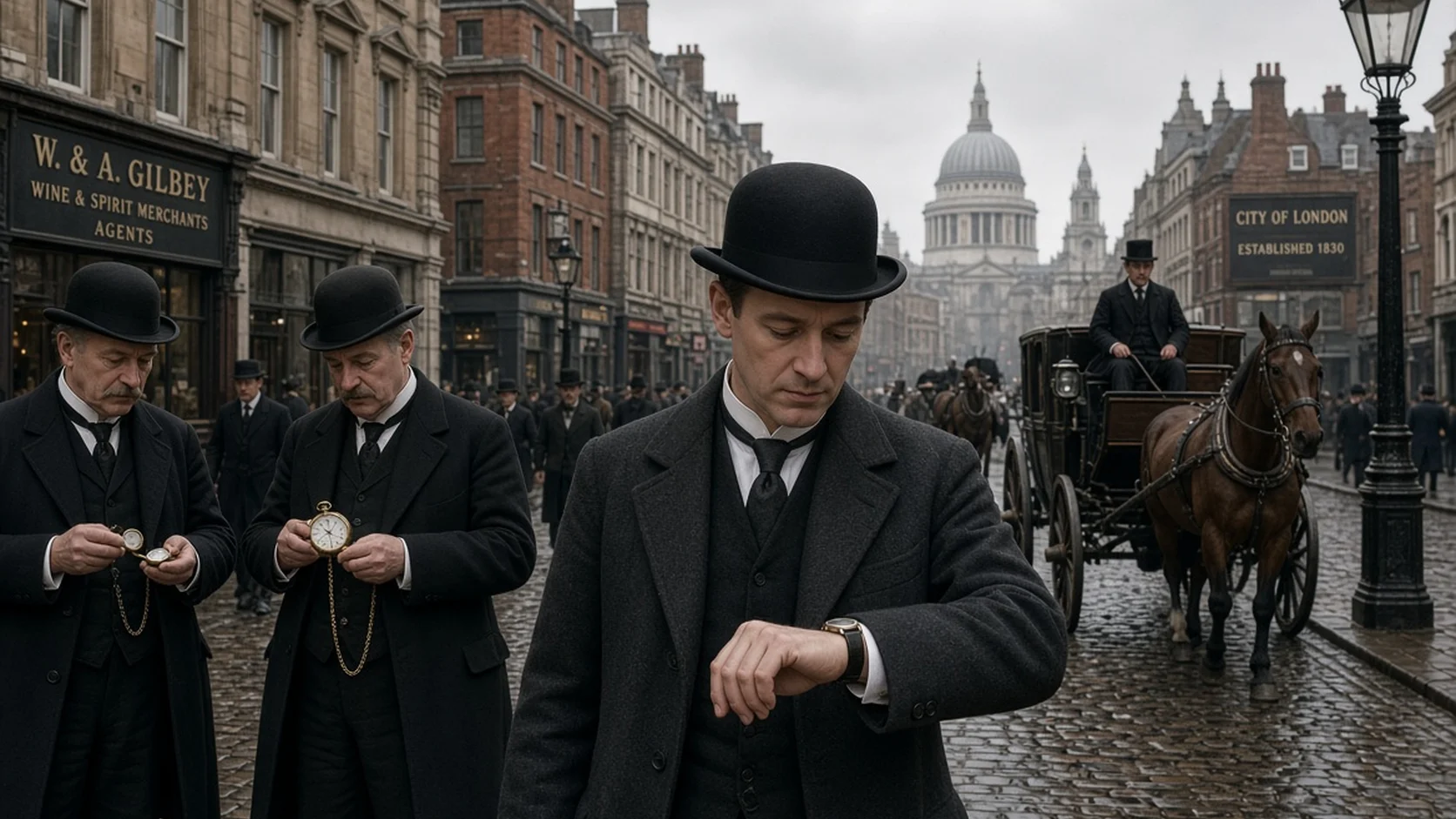
That the watch was about to move from the pocket to the wrist. At the time, men mostly saw wristwatches as fragile and unreliable, more jewelry than instrument. Wilsdorf was convinced they would win out. "Pocket watches will almost completely disappear and wrist watches will replace them definitively!" he wrote in 1914.
What problem became his obsession?
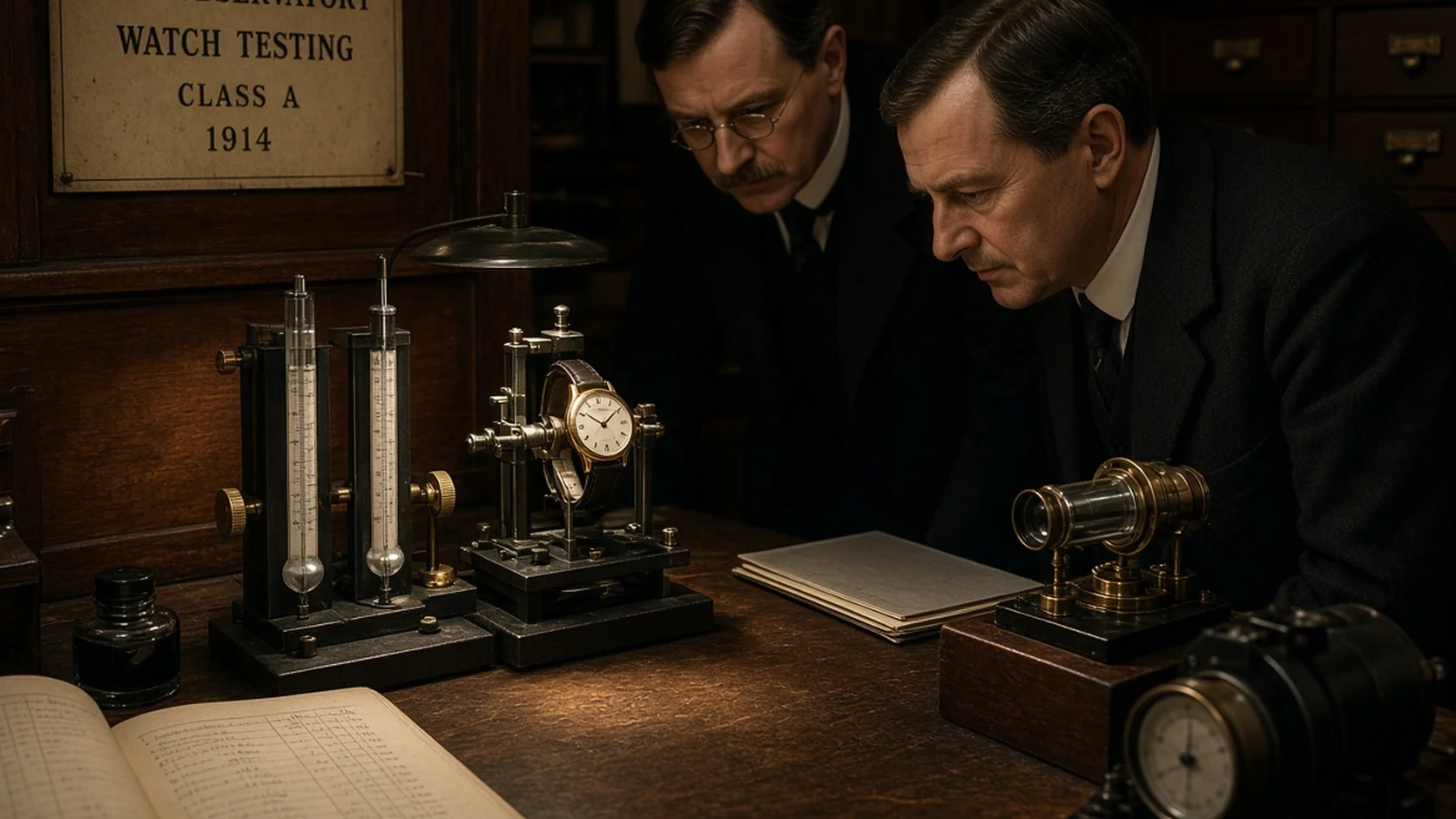
Proving that a small watch could be precise. A wristwatch had to keep time with a much smaller mechanism and survive knocks, sweat and dust. Wilsdorf sent his watches to official testing centers to prove they could. In 1910 one of the company's wristwatches earned a first-class certificate from the watch-rating office in Bienne, Switzerland, which Rolex later promoted as a first. The bigger milestone came on July 14, 1914, when a small gold Rolex earned a Class A certificate, the top grade, from Britain's Kew Observatory after 45 days of testing in five positions and at three temperatures. It was the first time Kew had given that grade to a wristwatch, though Rolex's ads went further and wrongly claimed it had taken first place.
Why did this matter personally to him?
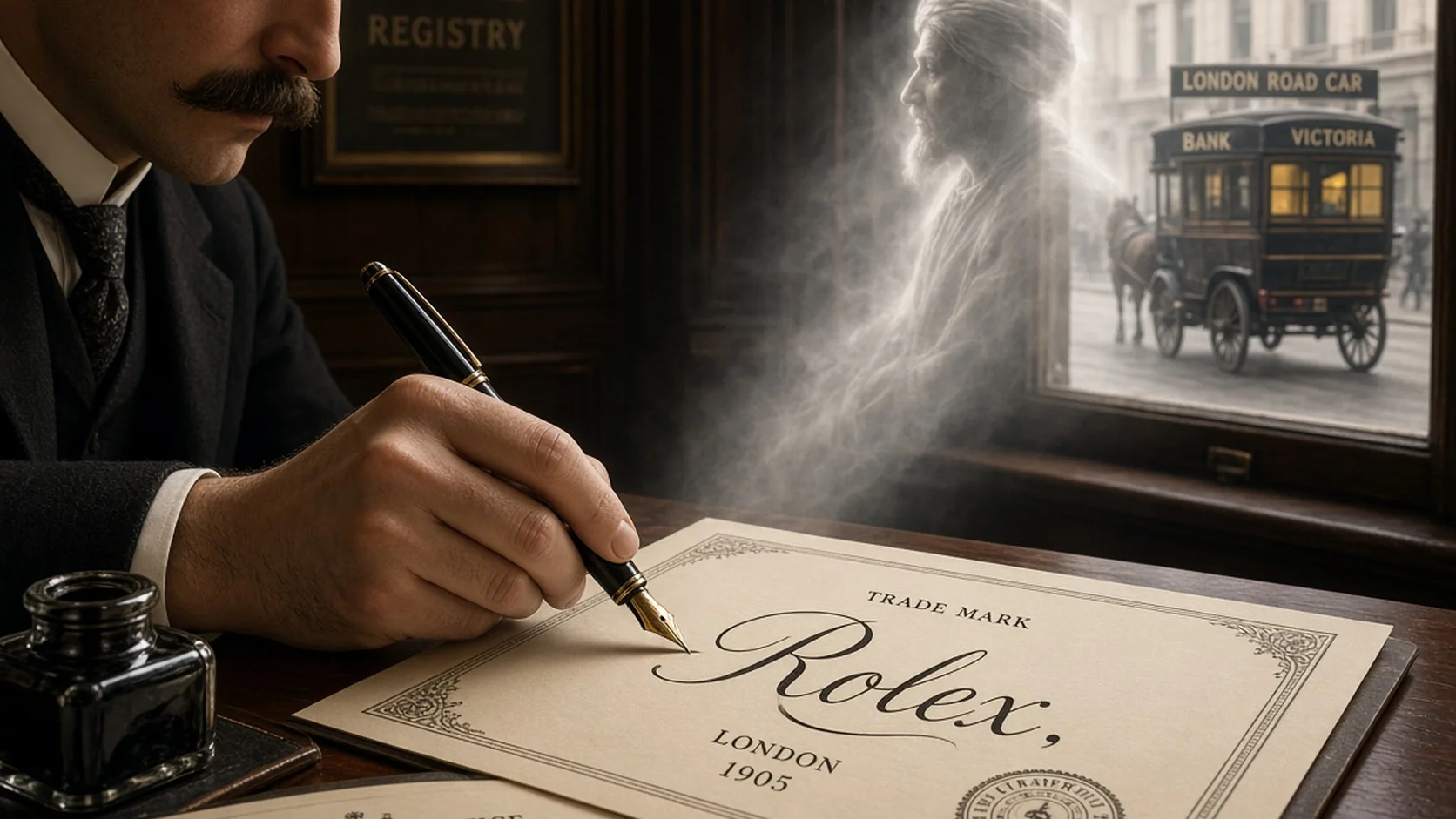
He wanted his own name on the dial. In the early years, his watches were often sold under the names of the jewelers who stocked them. He wanted a brand name that was short, easy to say in any language and good-looking on a watch face. "I tried combining the letters of the alphabet in every possible way," he said. After rejecting about 100 options, he was riding a horse-drawn omnibus through London when, as he told it, "a genie whispered 'Rolex' in my ear." He registered the name in 19082. By 1914 the company had become the Rolex Watch Company, with more than 40 employees.
Where did the first money come from?
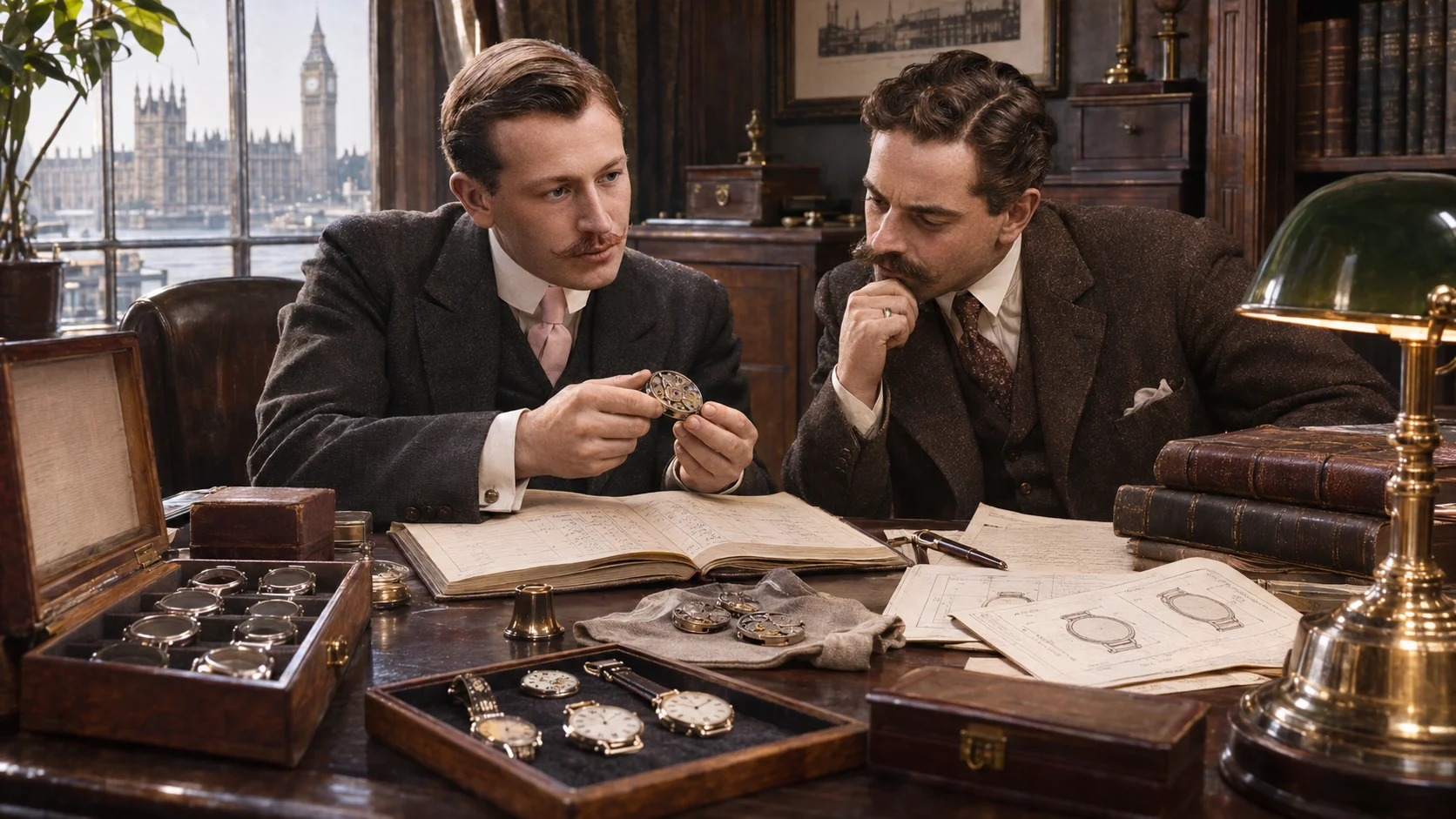
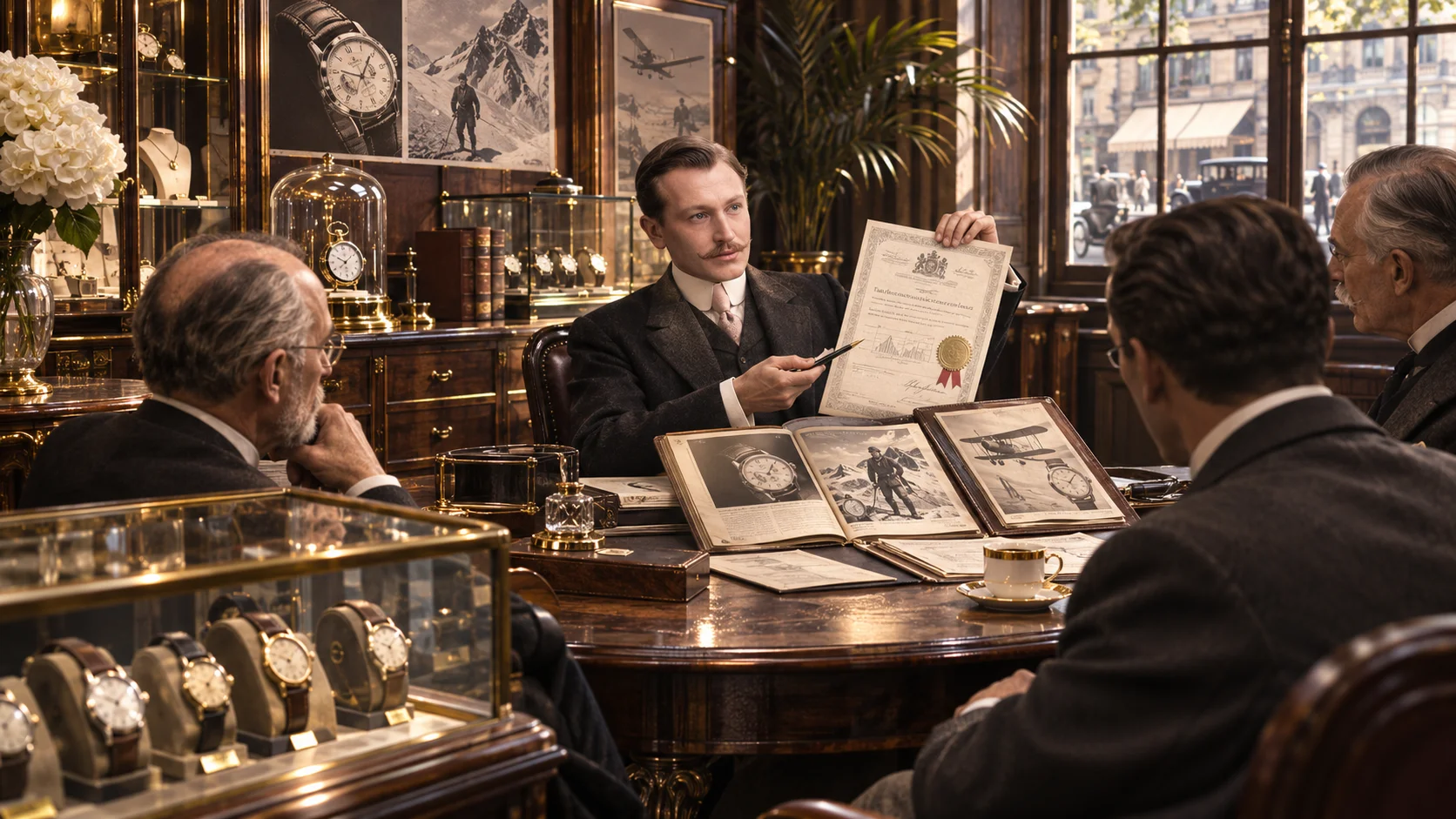
A family partnership. In 1905, Wilsdorf and his brother-in-law, Alfred Davis, founded Wilsdorf & Davis in London. The firm didn't make its own movements, the mechanisms inside a watch. It bought them from Aegler, a Swiss maker in Bienne, put them in cases and sold the finished watches to British jewelers.
What made the economics work?
Marketing as much as manufacturing. Wilsdorf believed that "only great marketing is needed to make a company successful," and he spent his money proving that his watches worked and telling people about it. Every certificate from a testing lab gave jewelers and customers a reason to trust a brand they'd never heard of.
What was the decision or moment after which nothing was the same?
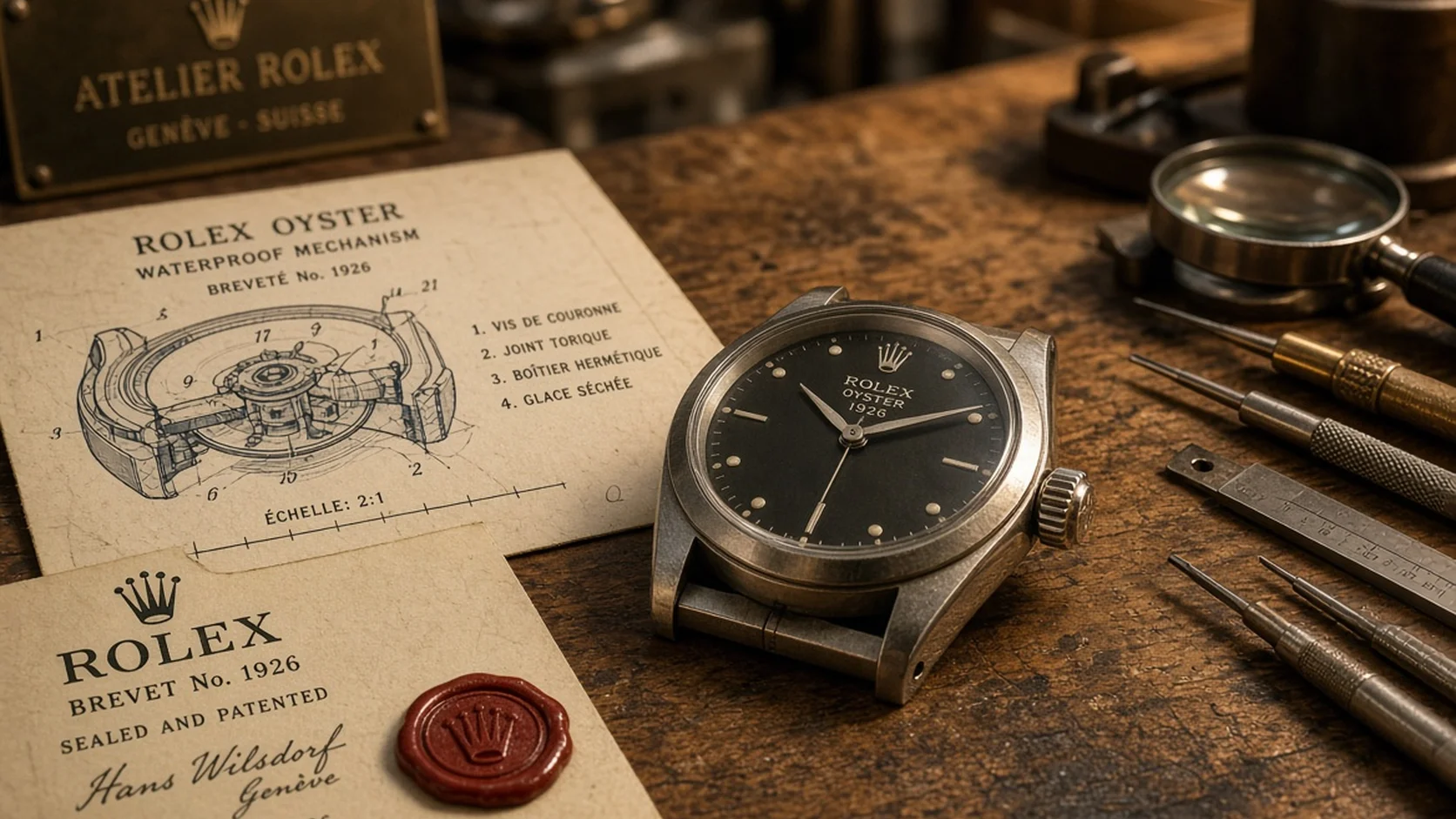
Sealing the case. In 1926 Rolex patented the Oyster, a case designed to keep out water and dust, which the company has long promoted as the first waterproof and dustproof wristwatch3. It became the foundation of nearly everything Rolex made afterward. In 1931 the company added the Perpetual, a self-winding mechanism driven by a rotor that swings as the wearer moves.
What nearly killed it?
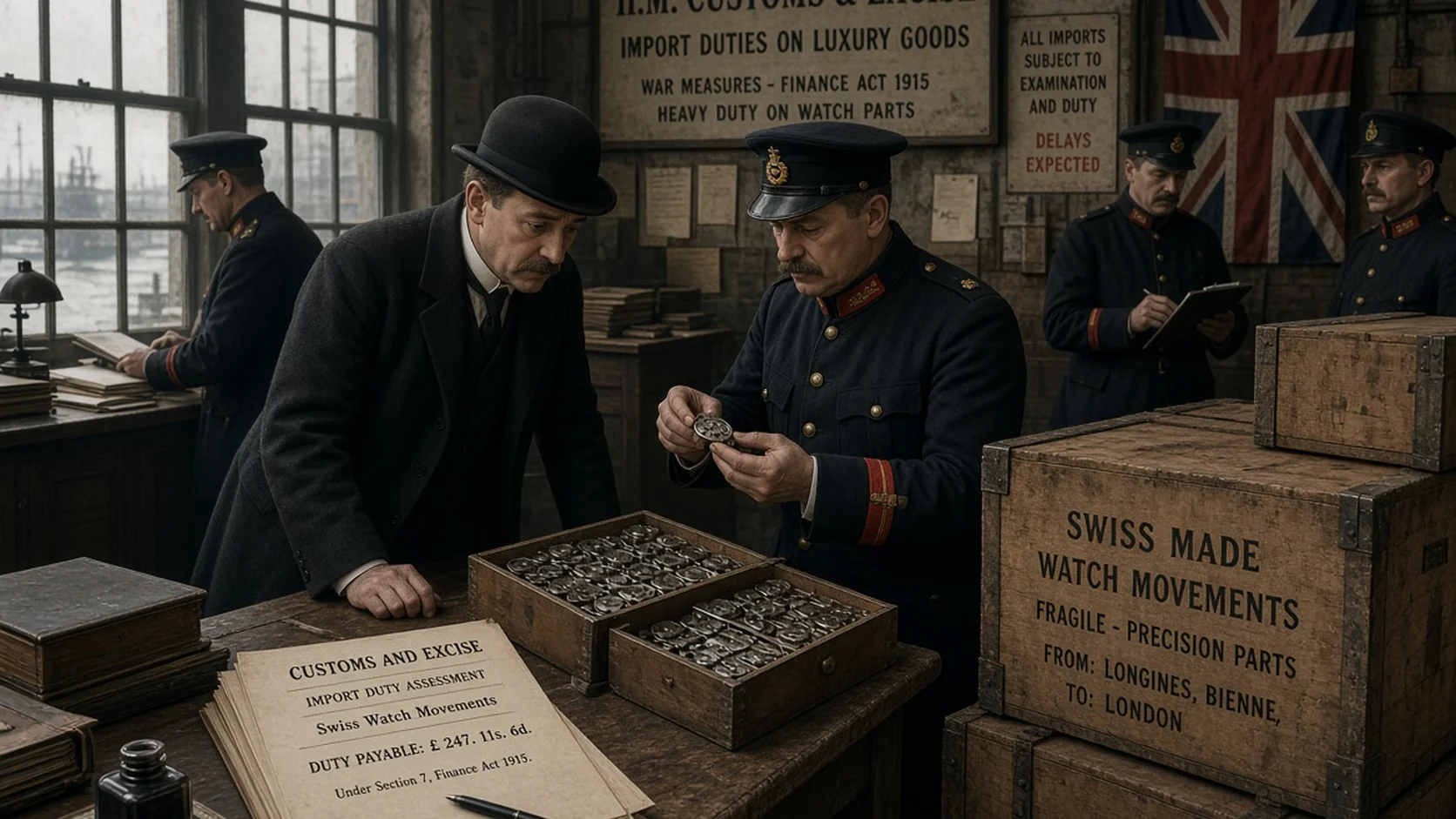
A tax. In 1915, during the First World War, Britain imposed a duty of about 33 percent on imported goods including watch parts, a heavy blow to a London company that relied on Swiss movements and cases. Wilsdorf moved the company's international headquarters to Bienne, Switzerland, that year, and in 1919 he moved it to Geneva, where Rolex has been based ever since.
What happened that he couldn't have planned for?
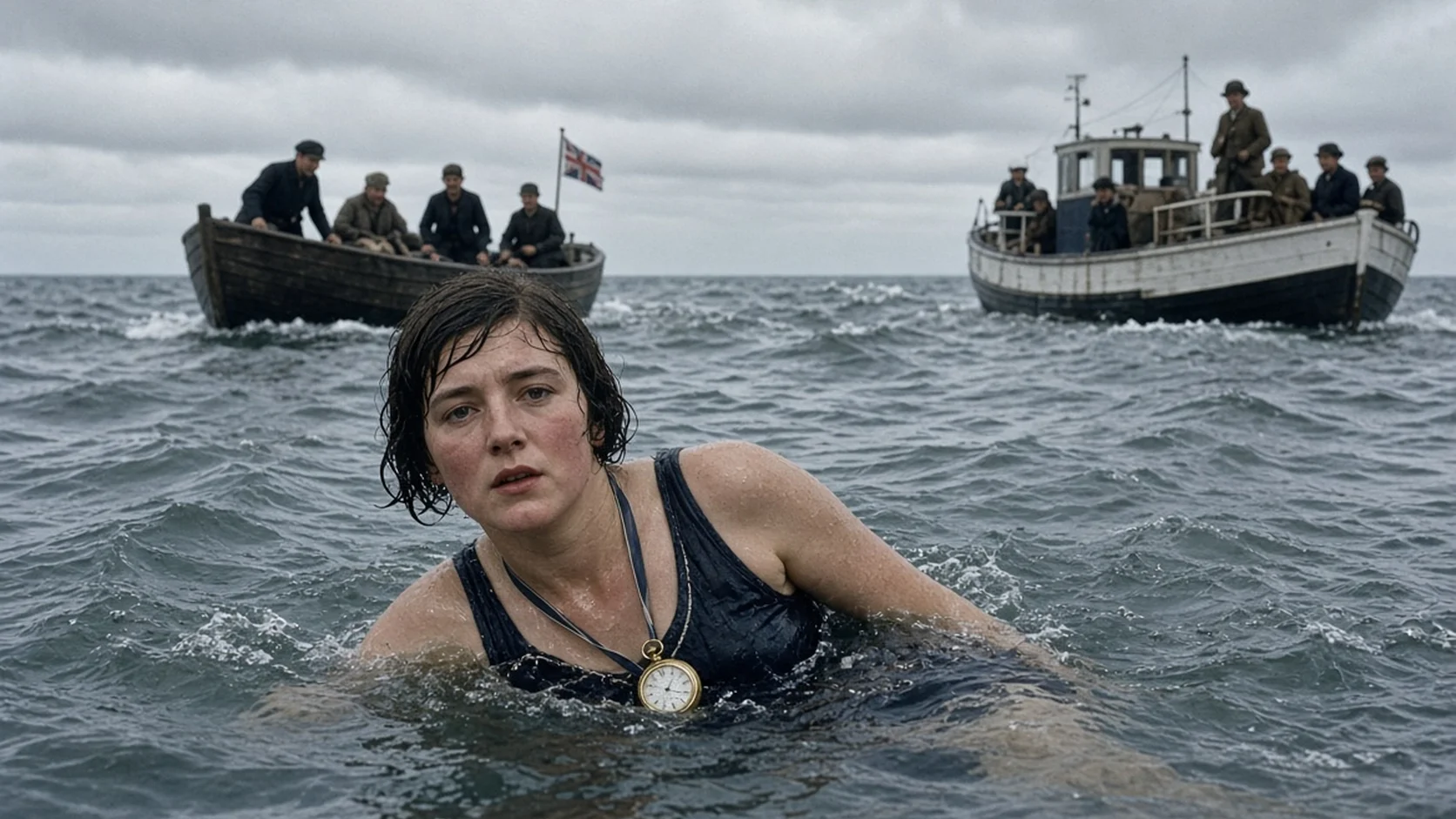
A hoax in the English Channel. On October 7, 1927, a young British swimmer named Mercedes Gleitze swam the Channel in about 15 hours. Days later, another woman falsely claimed a crossing of her own, and the hoax cast doubt on Gleitze's swim4. On October 21 she tried again in what was called the "Vindication Swim." She gave up after about 10 hours in cold water, but The Times reported that a small gold watch she wore on a ribbon had kept good time. Rolex says it was an Oyster, and on November 24, 1927, Wilsdorf took out a full-page ad in the Daily Mail celebrating the watch that had survived the swim.
What showed that he was human after all?
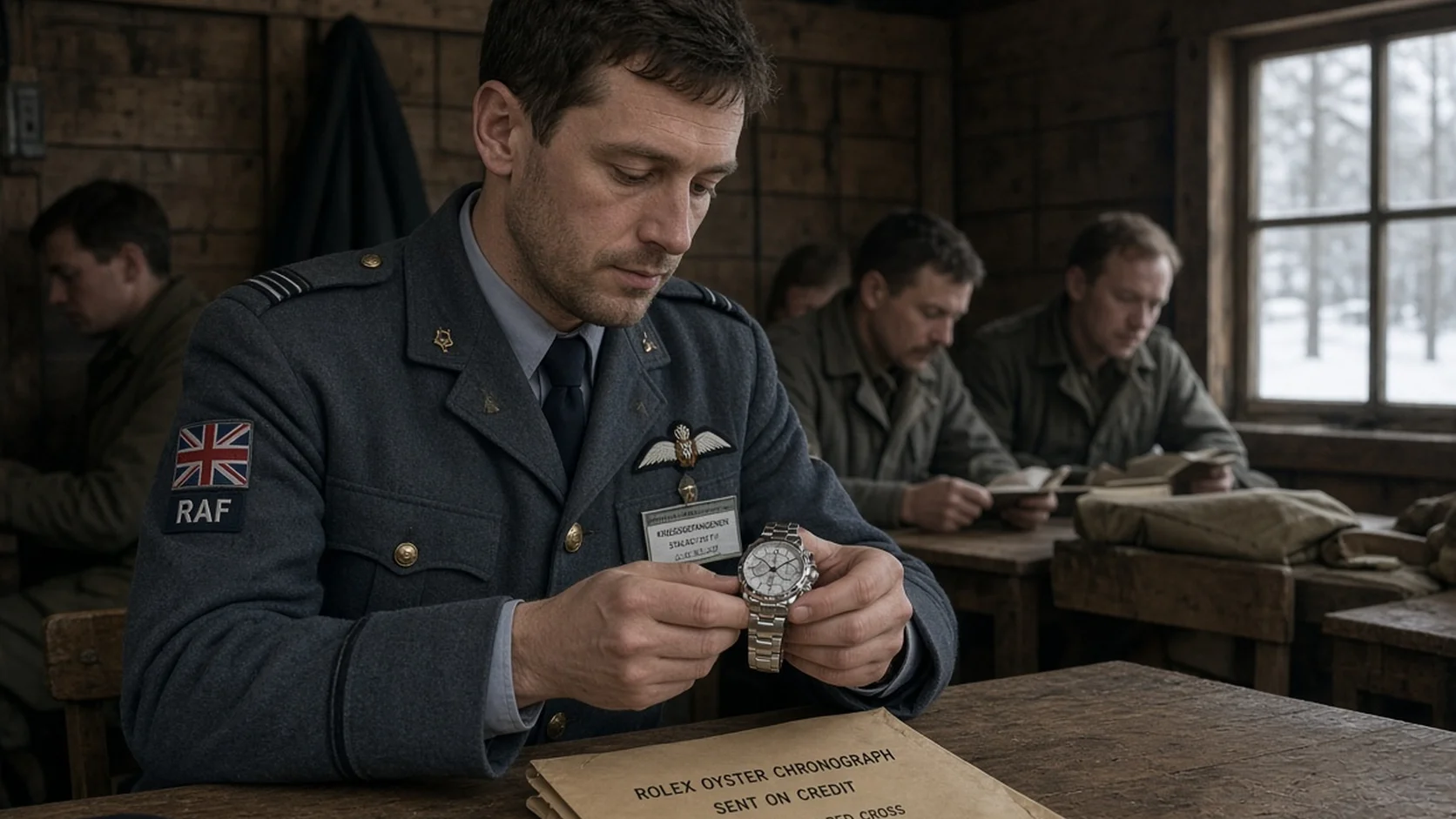
He gave watches on credit to prisoners of war. British airmen who were captured often had their watches confiscated, and Wilsdorf offered to replace them and let them pay after the war. In 1943 Corporal Clive Nutting, a prisoner at Stalag Luft III in Germany who was helping plan what became known as the Great Escape, ordered an Oyster Chronograph priced at 250 Swiss francs, roughly $1,000 in today's money. Wilsdorf told him not to worry about paying until the war was over, and the watch reached the camp that summer5. One historian has argued that the offer was also a shrewd way to win favor in Britain, which banned most Swiss watch imports during the war.
What was the change he brought about?
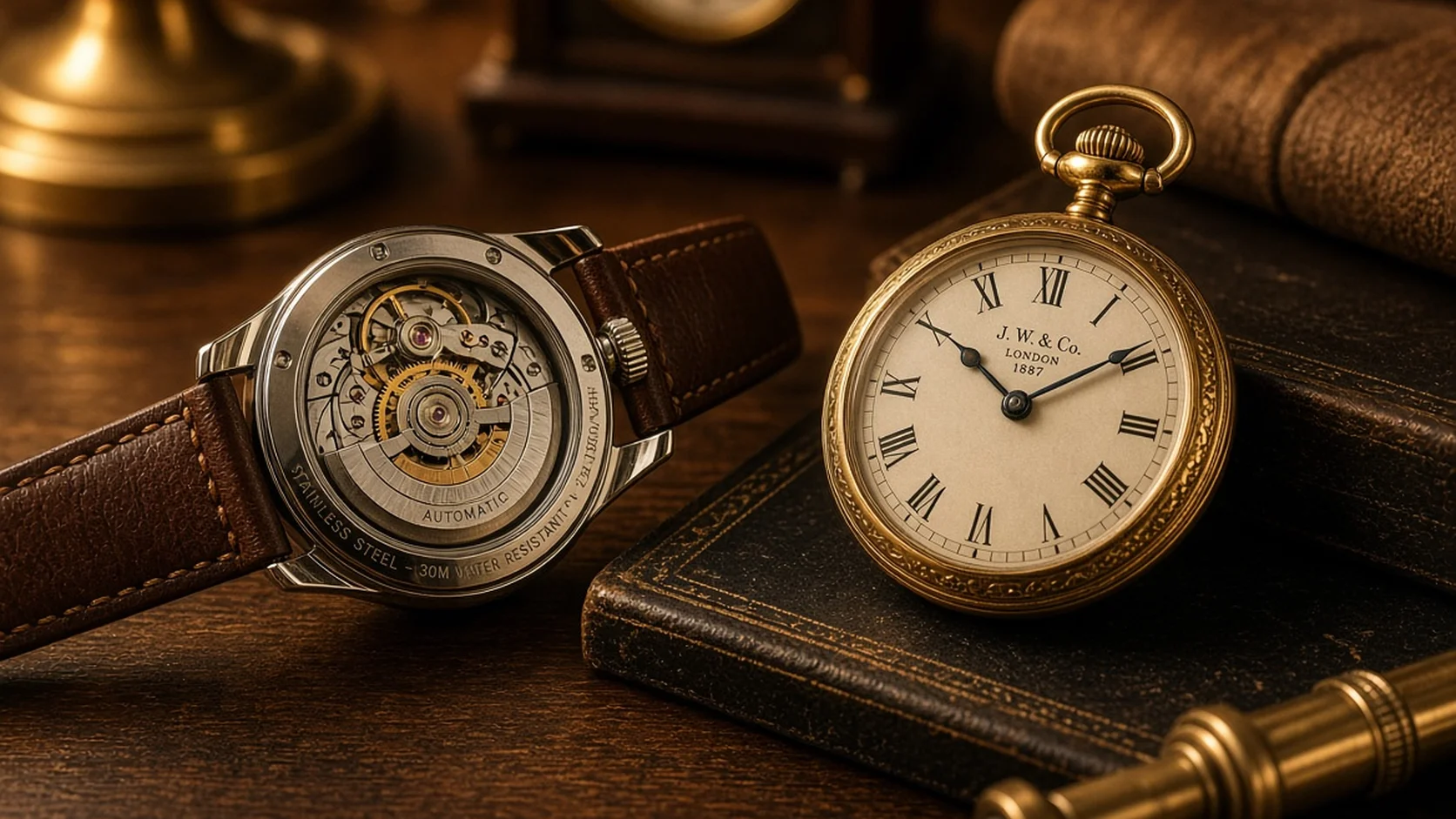
He helped move timekeeping from the pocket to the wrist for good. The waterproof Oyster case and the self-winding Perpetual became the basis of Rolex watches for generations. In 1945 he set up the Hans Wilsdorf Foundation, a charitable foundation that took over his shares when he died and still owns and controls Rolex. The company isn't listed on any stock exchange and still doesn't open its archives to outside researchers.
What did he believe that most reasonable people around him did not?
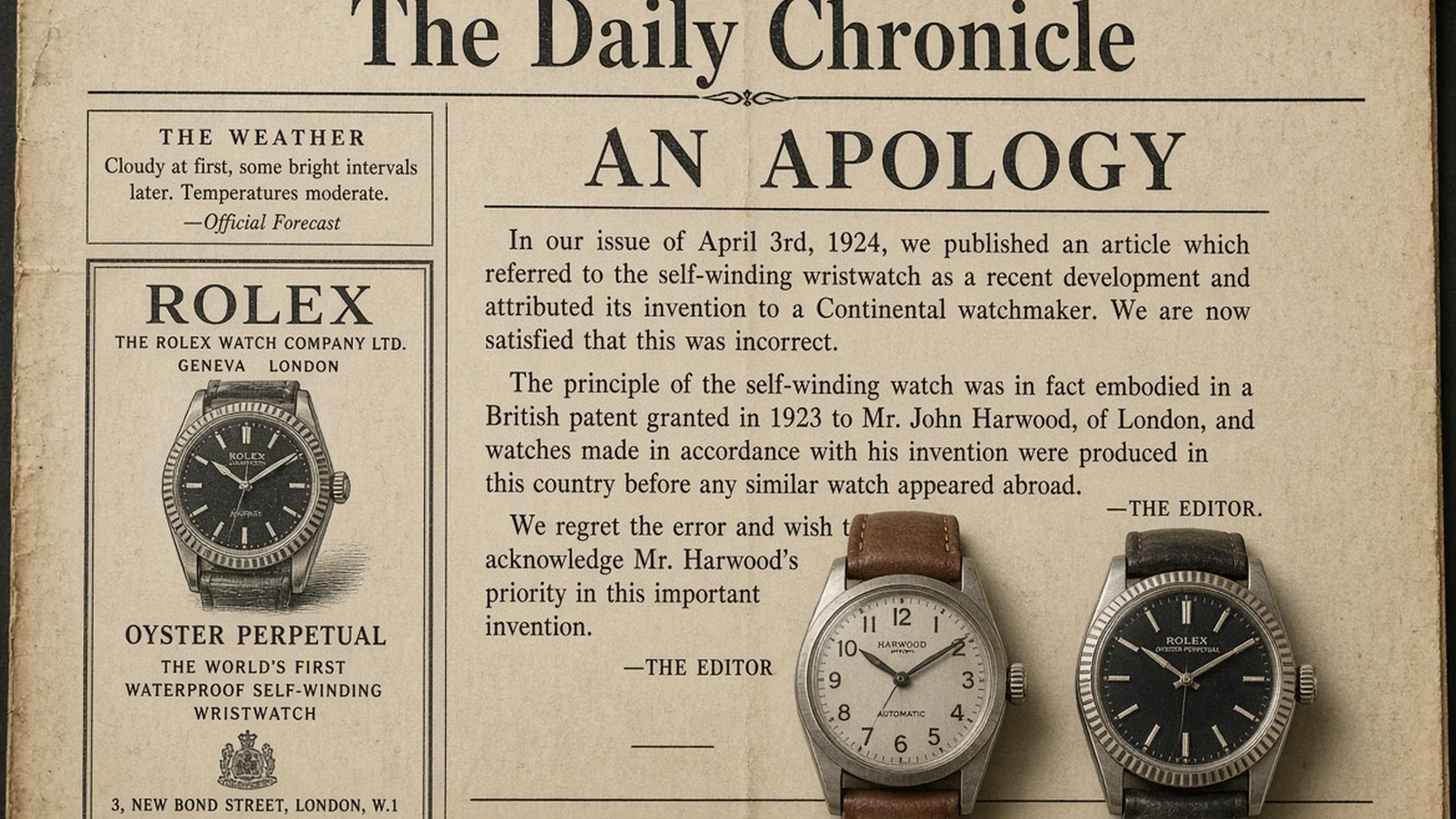
That reputation could be built, and that a watch company didn't need to make its own movements to build one. Rolex kept buying movements from Aegler for decades while Wilsdorf focused on testing and advertising. He also wasn't shy about claiming firsts. When Rolex's ads in the 1950s left out the earlier self-winding wristwatch invented by the English watchmaker John Harwood, Harwood sued, and in 1956 Rolex printed an apology in a London newspaper6.
What did his trek cost him?
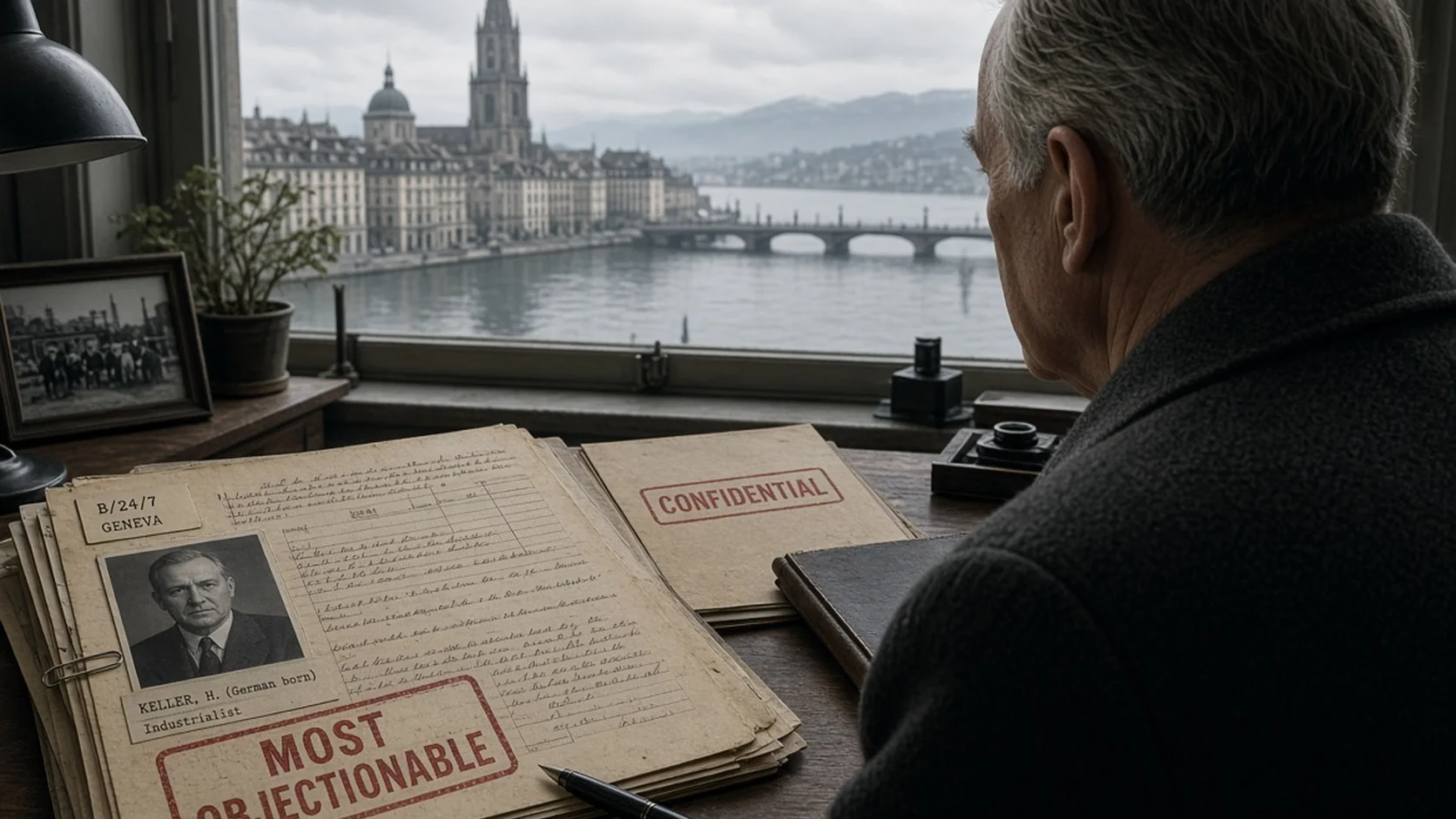
His first wife, and his good name during the war. Florence May Crotty, whom he married in 1911, died in 1944, and he later married Betty Mettler. During the Second World War, British officials grew suspicious of him, a German-born British citizen living in Switzerland. Declassified MI5 files from 1941 to 1943 describe him as "most objectionable" and "suspected of espionage," in part because his brother Karl was said to be linked to Joseph Goebbels' propaganda ministry. A Geneva police report labeled him a "Nazi" but found no pro-Hitler propaganda or suspicious activity, and a 1940 check of his mail turned up nothing. Britain considered blacklisting him in 1941 but decided against it7. Rolex has commissioned the Swiss historian Marc Perrenoud to study his wartime record and has promised to publish the findings. Wilsdorf died in Geneva on July 6, 1960, at 79, and was buried beside both of his wives.
What's the takeaway?
Earn trust with proof, then tell the world about it. Wilsdorf didn't make his own movements, so he set out to show that his watches worked, with lab certificates, a sealed case and customers who put them to the test. He paired that with bold advertising and a name people everywhere could say, and he left the company in the hands of a foundation that still runs it.
Timeline
-
1881-03-22—Born in Kulmbach, Bavaria.
-
1893—Orphaned at 12.
-
1900—Joins the watch exporter Cuno Korten in La Chaux-de-Fonds, Switzerland.
-
1905—Founds Wilsdorf & Davis in London with his brother-in-law, Alfred Davis.
-
1908—Registers the name Rolex.
-
1911—Becomes a British citizen and marries Florence May Crotty.
-
1914-07-14—A Rolex earns a Class A certificate from the Kew Observatory.
-
1915—Moves the company's international headquarters to Bienne, Switzerland.
-
1919—Moves the headquarters to Geneva.
-
1926—Patents the Oyster case.
-
1927-10-21—Mercedes Gleitze makes her "Vindication Swim."
-
1931—Introduces the self-winding Perpetual.
-
1943—Sends an Oyster Chronograph to Corporal Clive Nutting at Stalag Luft III.
-
1944—His wife Florence dies.
-
1945—Establishes the Hans Wilsdorf Foundation.
-
1960-07-06—Dies in Geneva at 79.
Side notes
-
His own story—In 1946 Wilsdorf published a four-volume autobiography, the Rolex Jubilee Vade Mecum. Learn more ↩
-
Other theories—Some say the name mimics the sound of a ticking watch or stands for the French phrase horlogerie exquise, meaning "exquisite watchmaking," but there's no proof Wilsdorf ever said so. Learn more ↩
-
Not quite the first—Other makers had waterproof watches before the Oyster, including Depollier, whose watches were in production by 1918 and were ordered by the US military. Learn more ↩
-
The hoaxer—The false claim came from a swimmer named Mona McLennan, four days after Gleitze's crossing. Learn more ↩
-
Marked "gratis"—Rolex marked Nutting's receipt "gratis," then sent him a final invoice for 15 pounds in 1948, roughly $800 in today's money. Nutting, a shoemaker, made civilian shoes and belts for the escapers. Learn more ↩
-
No museum—Rolex has no company museum and doesn't mark its anniversaries in public. The historian Pierre-Yves Donzé has written that in Rolex's telling, "the hero of the story is always Rolex." Learn more ↩
-
Good for trade—Officials held off on blacklisting him partly because it would have hurt Rolex's trade with the British Empire. Learn more ↩