- His brother-in-law started rival Sanyo in a factory he lent him.
- In 1932 he announced a 250-year plan to his 168 employees.
- He left school at 9, yet his institute later trained two prime ministers.
Who was he—and what was he like before everyone noticed?
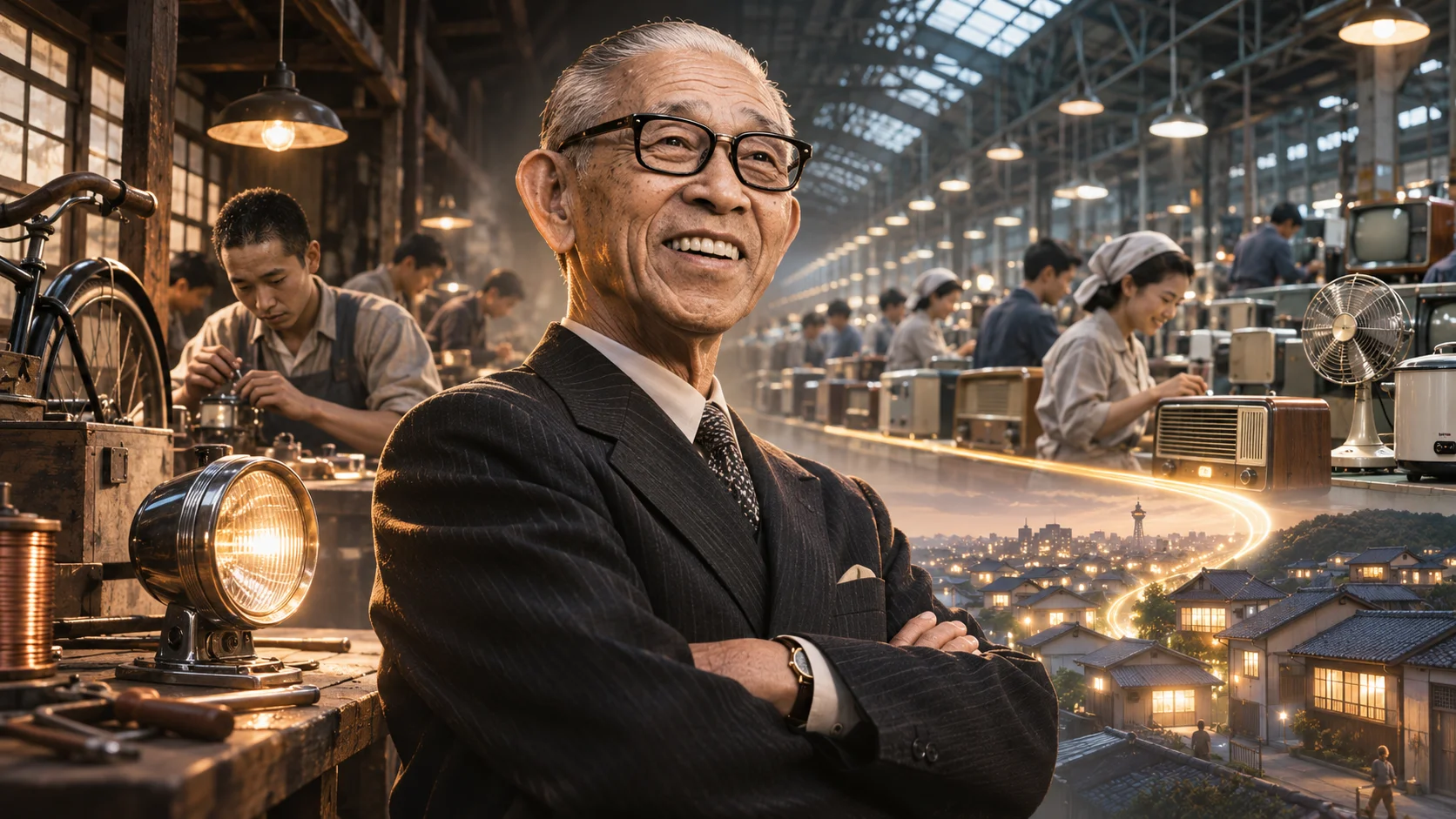
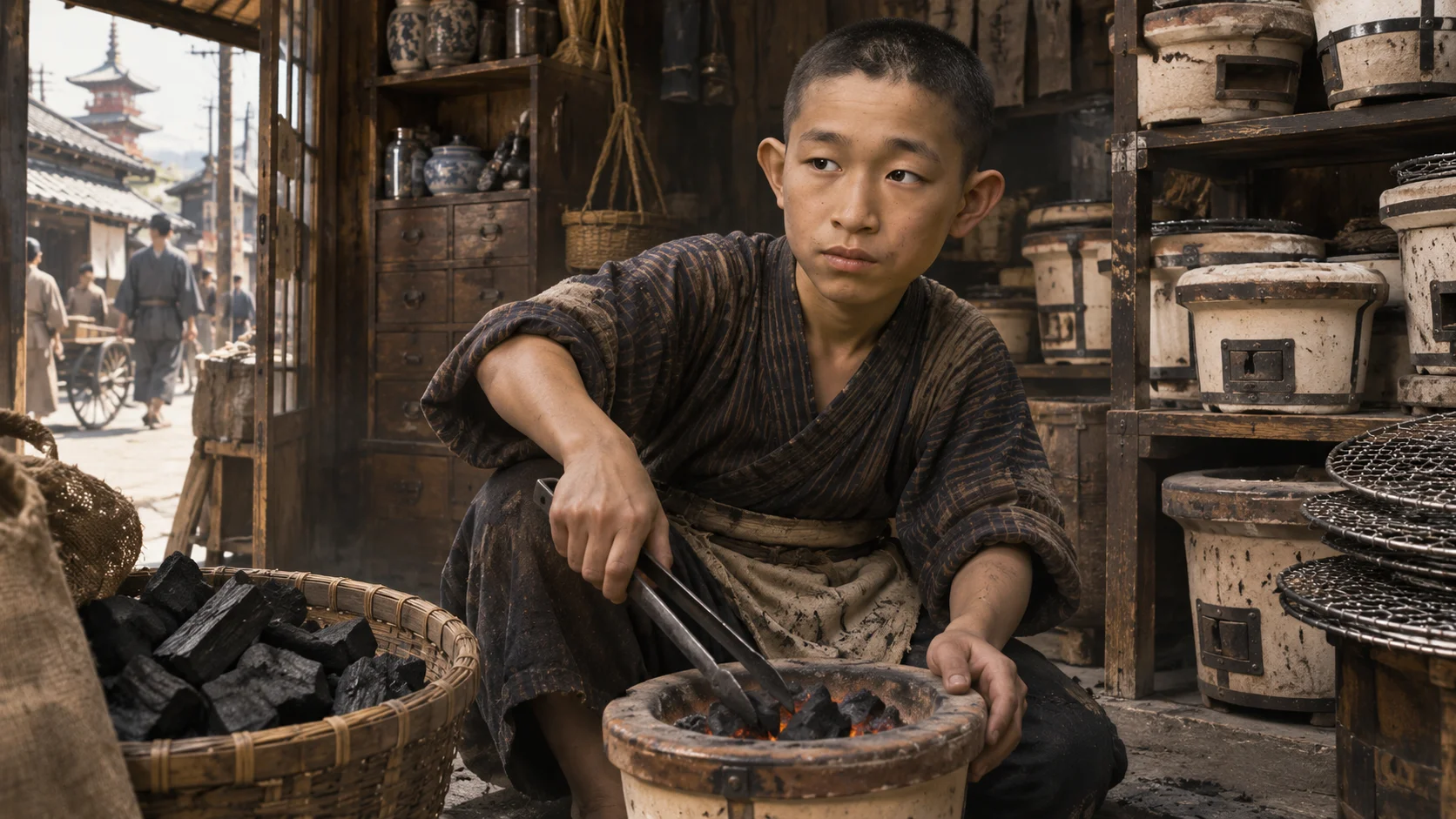
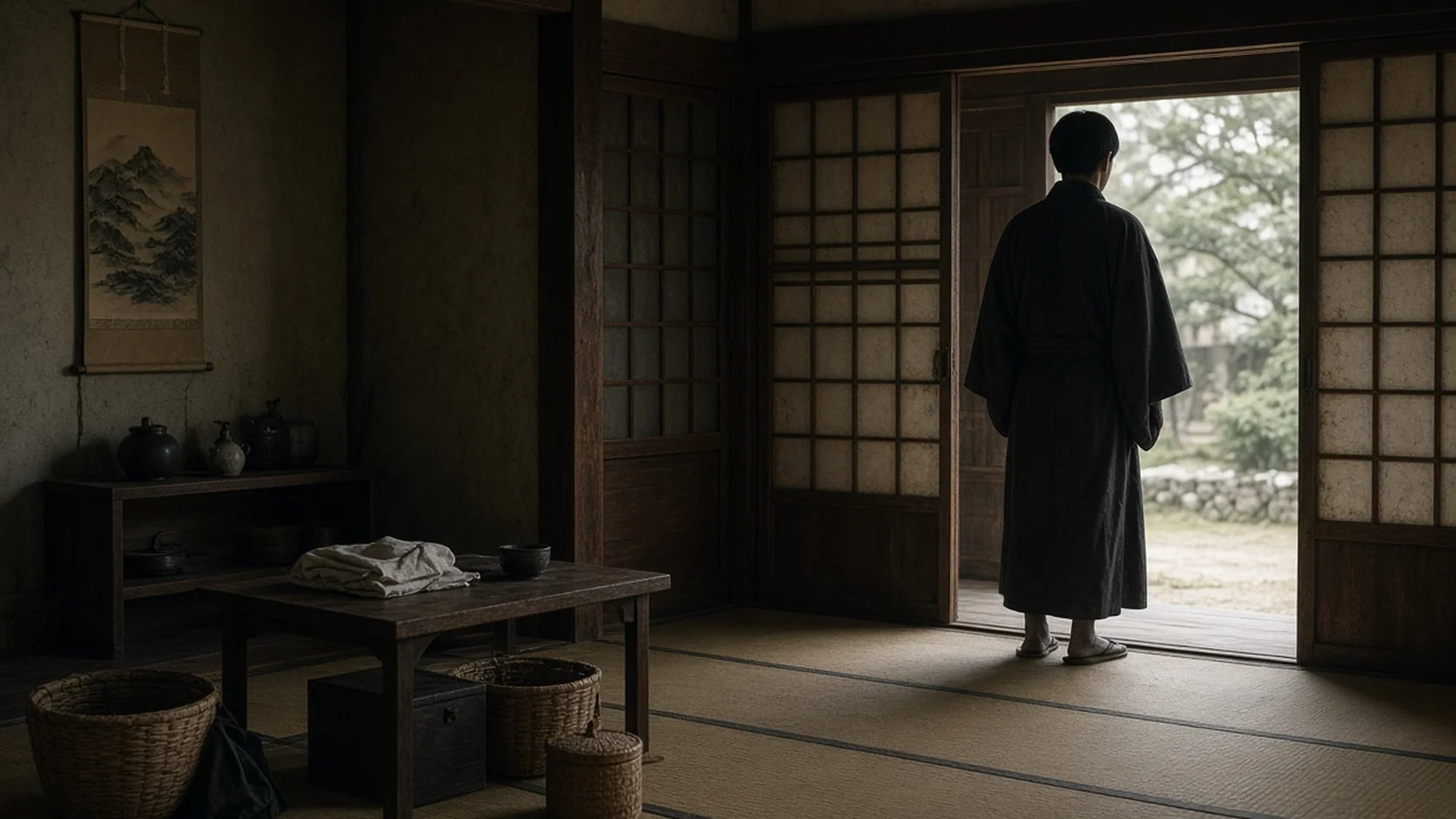
Konosuke Matsushita was born on November 27, 1894, in the village of Wasa in Wakayama Prefecture, Japan, the third son of Masakusu and Tokue Matsushita. His father was a well-off landowner until 1899, when he lost the family's home and farmland speculating on rice, and the family moved to Wakayama City. Before anyone had heard of him he was a 9-year-old who left school after the fourth grade to work as an apprentice at a shop in Osaka that sold hibachi, charcoal braziers used for heating and cooking.
What did his life look like before his trek began?
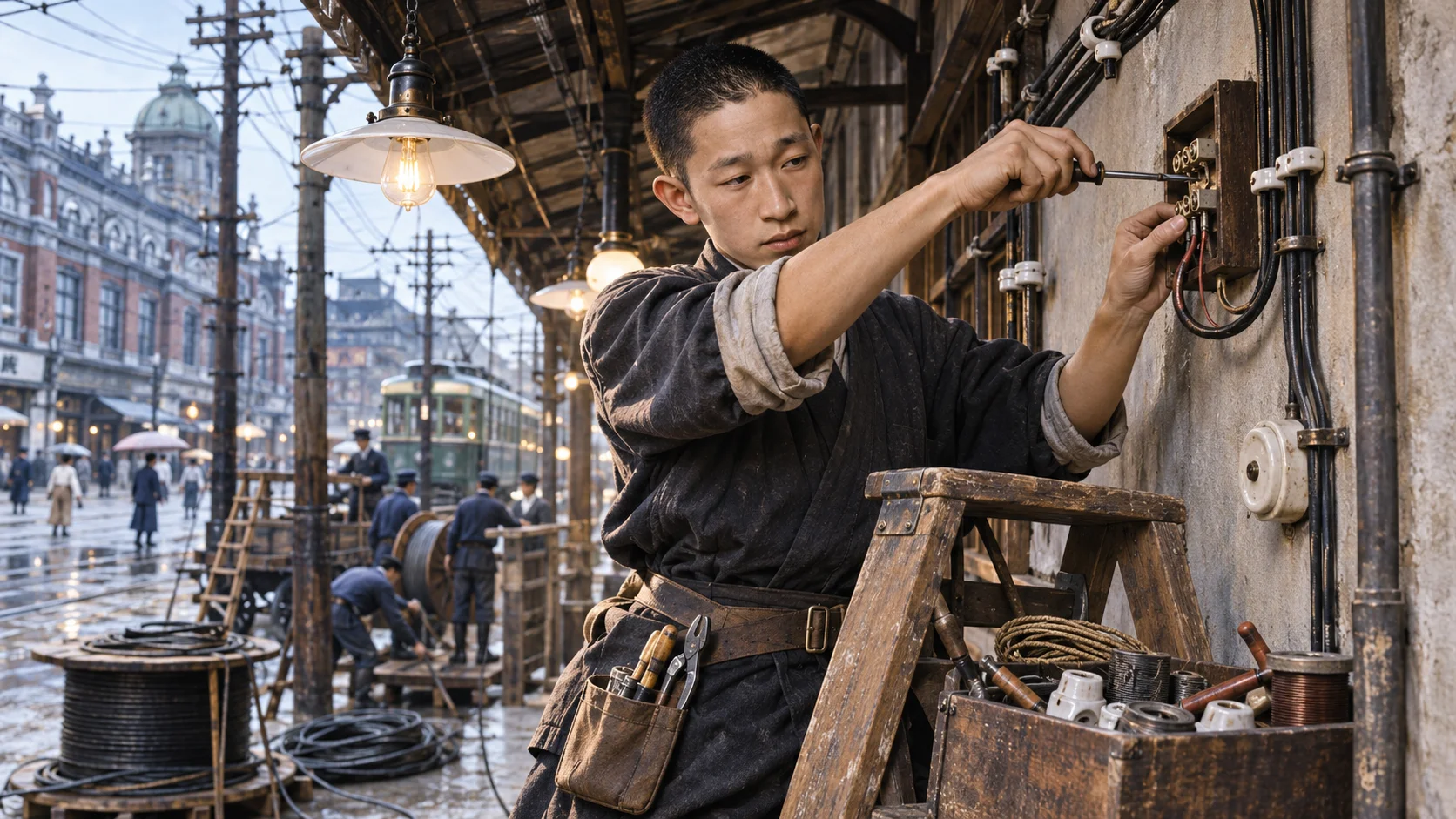
Hard work and early promotions. At 10 he moved to an apprenticeship at the Godai Bicycle Shop, and at 15 he joined the Osaka Electric Light Company as an assistant on wiring jobs. He became the company's youngest installation technician a year later, and by 22 he was its youngest inspector1. In 1915, at 21, he married 19-year-old Mumeno Iue.
What did he see that other people didn't?
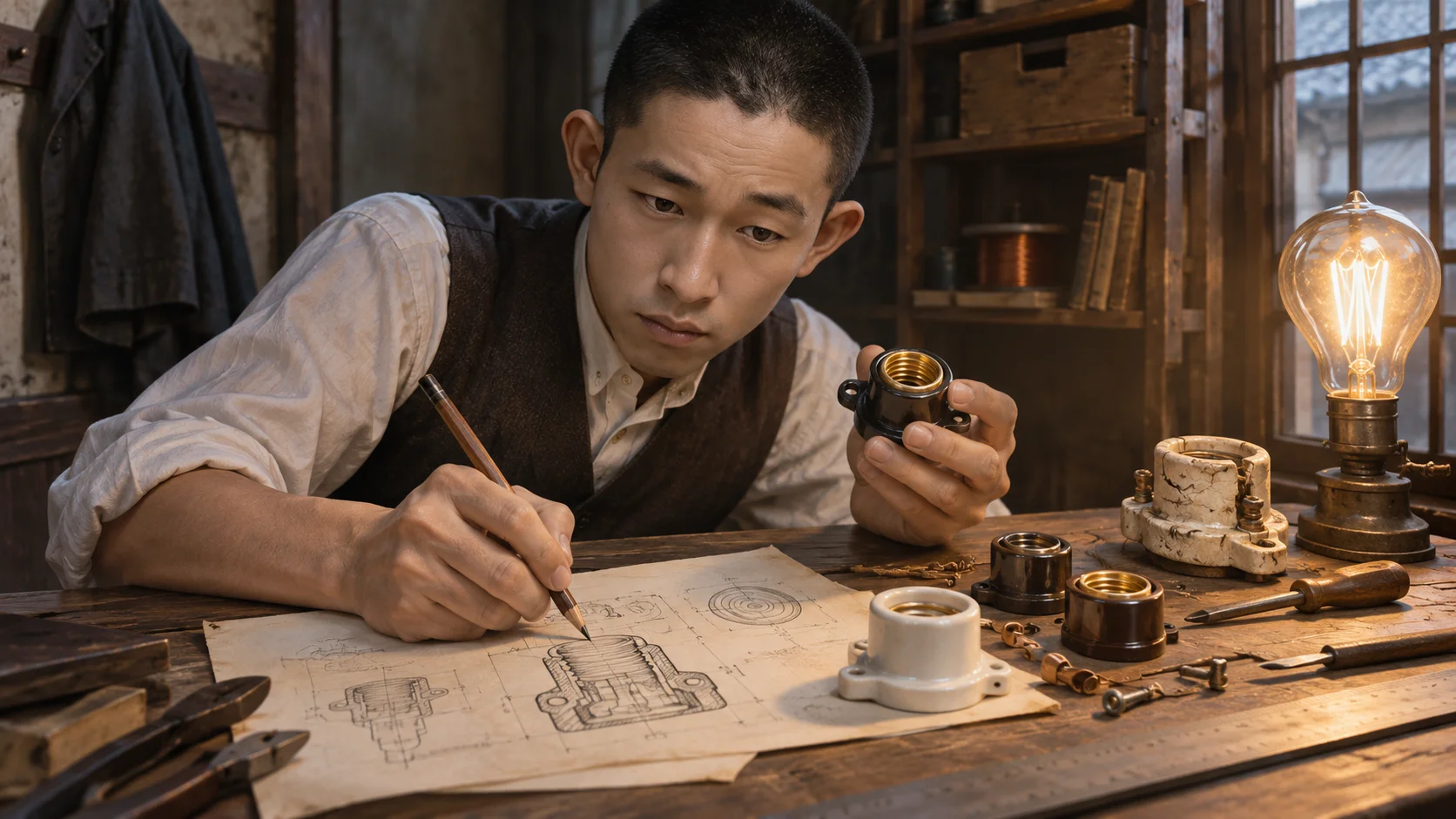
A better light socket. In 1916 he filed an application for an improved socket design he'd worked out himself, but his boss at the power company reportedly dismissed it. In 1917 he quit his secure job as an inspector to make and sell sockets on his own.
What problem became his obsession?
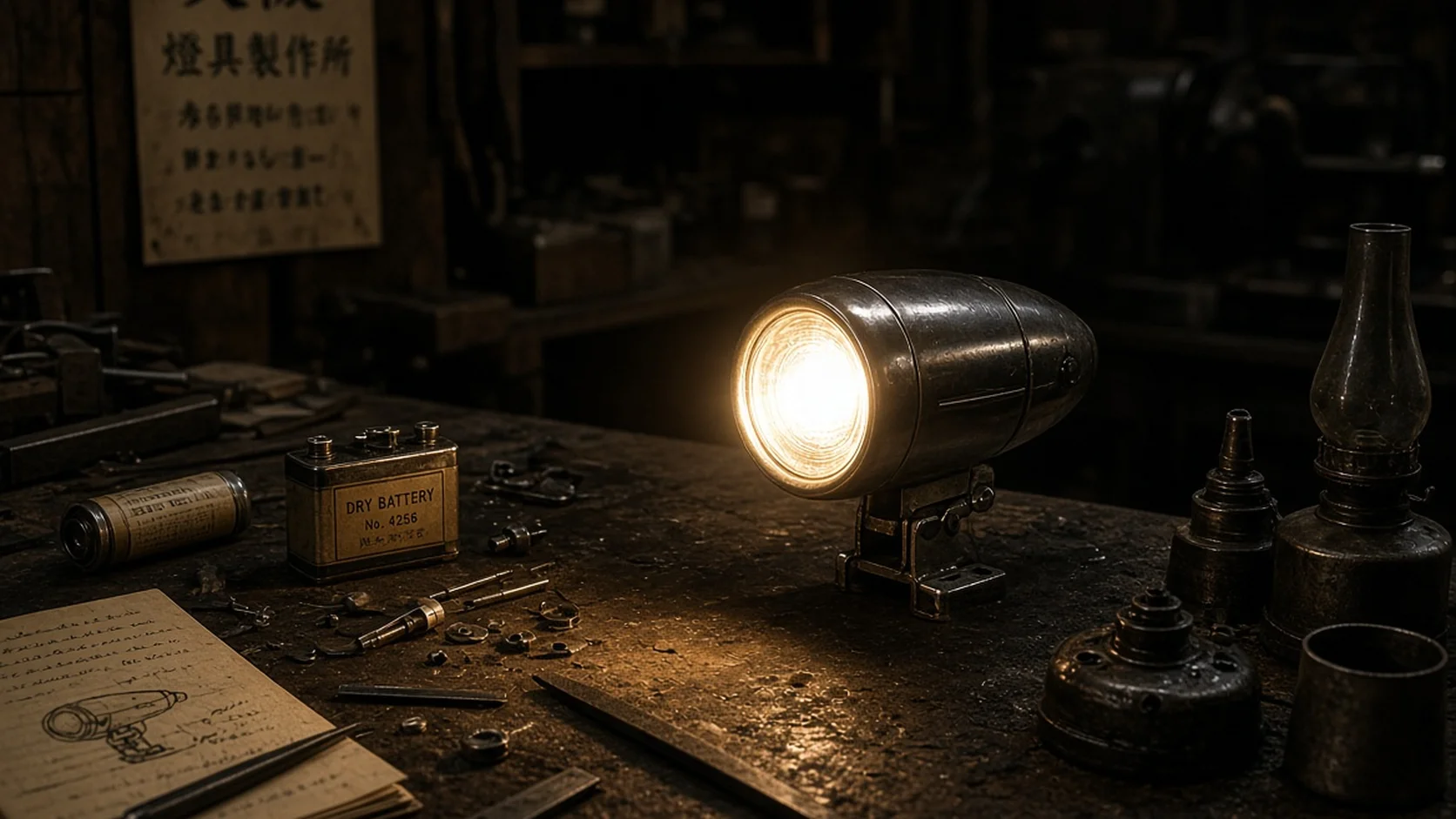
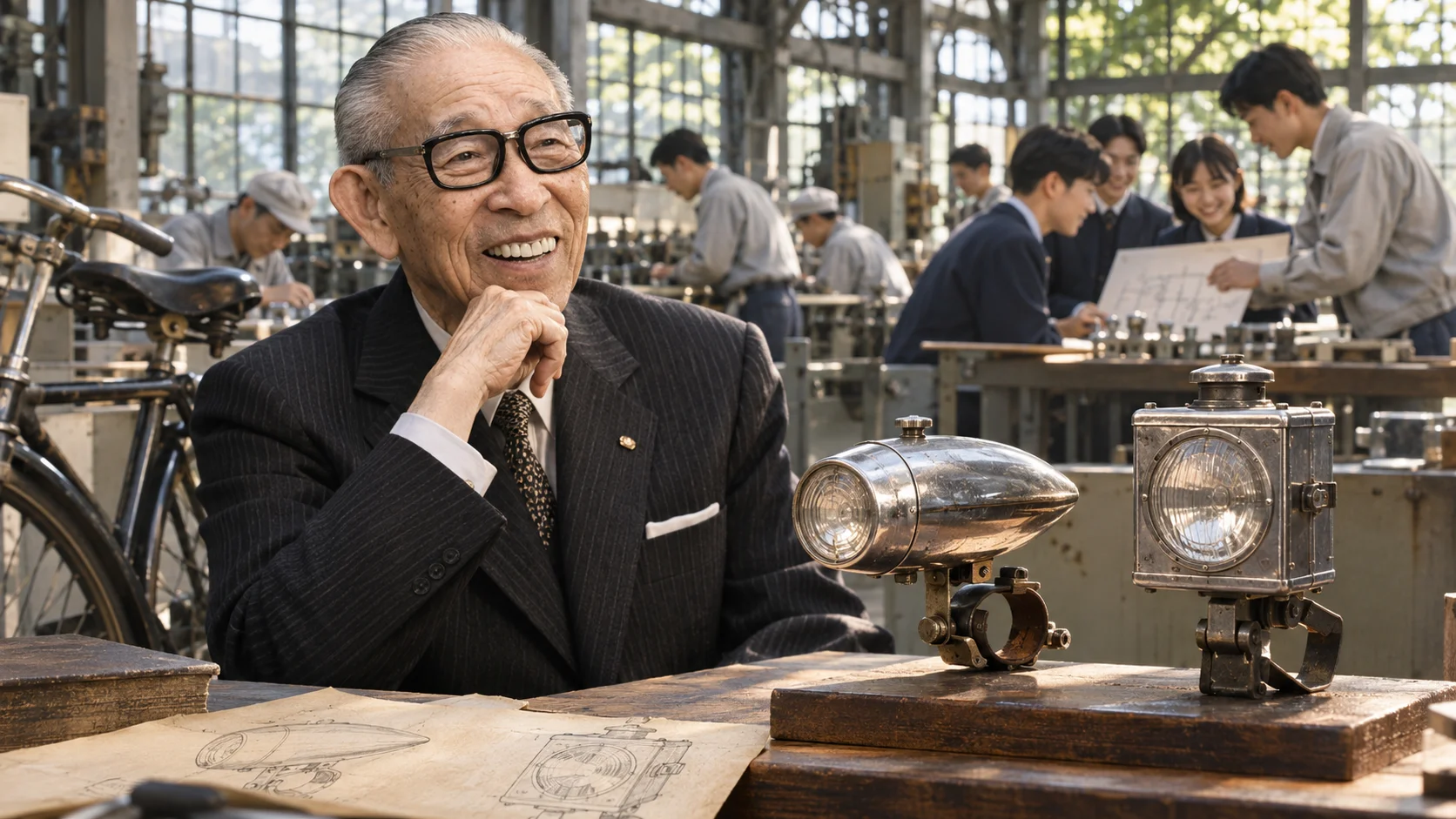
Making products that were clearly better and getting people to believe it. In 1923 he spent six months designing a bullet-shaped, battery-powered bicycle lamp that could run 40 hours on one battery, when existing battery lamps tended to die in about three. Wholesalers doubted his claims and refused to carry it, so he sent samples straight to bicycle shops and invited the owners to test the lamp themselves. Orders poured in, and the wholesalers who had turned him away came back wanting to sell it.
Why did this matter personally to him?
He'd watched his family's security disappear. After his father's rice speculation failed, the losses kept coming. Two of his brothers and a sister died of illness by 1901, his father died in 1906, and his mother died in 1913, when Konosuke was 18. By his early 20s he had lost both parents and three of his siblings, and he had only his own work to rely on.
Where did the first money come from?
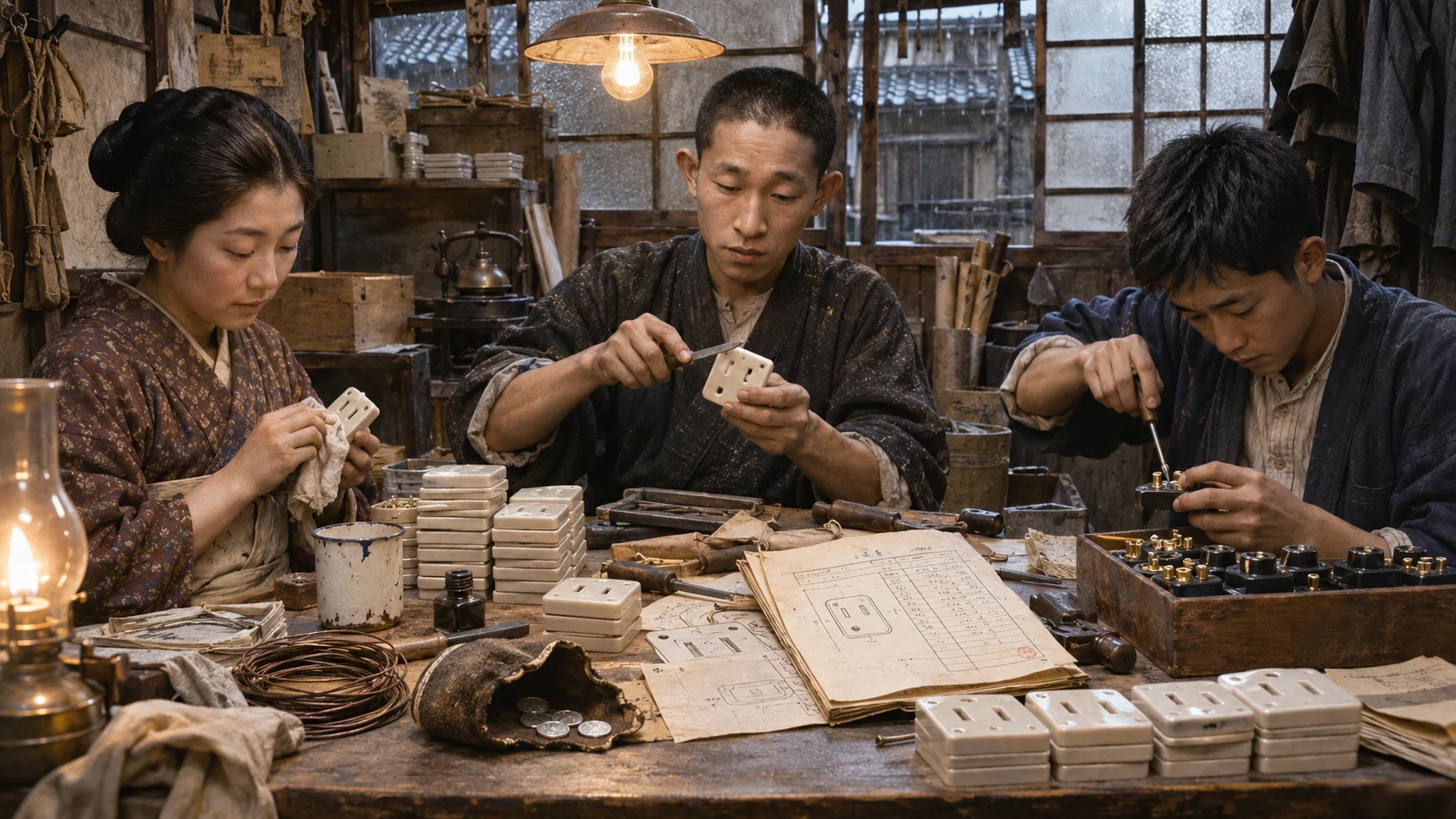
Almost nowhere. In 1917 he started out in a small rented tenement in Osaka with his wife, her brother Toshio Iue and a few assistants, making sockets by hand. Money ran short, most of the assistants left, and the business came close to failing. It was saved by an unexpected order for 1,000 insulator plates for electric fans. On March 7, 1918, he founded Matsushita Electric Housewares Manufacturing Works, the company that became Panasonic.
What made the economics work?
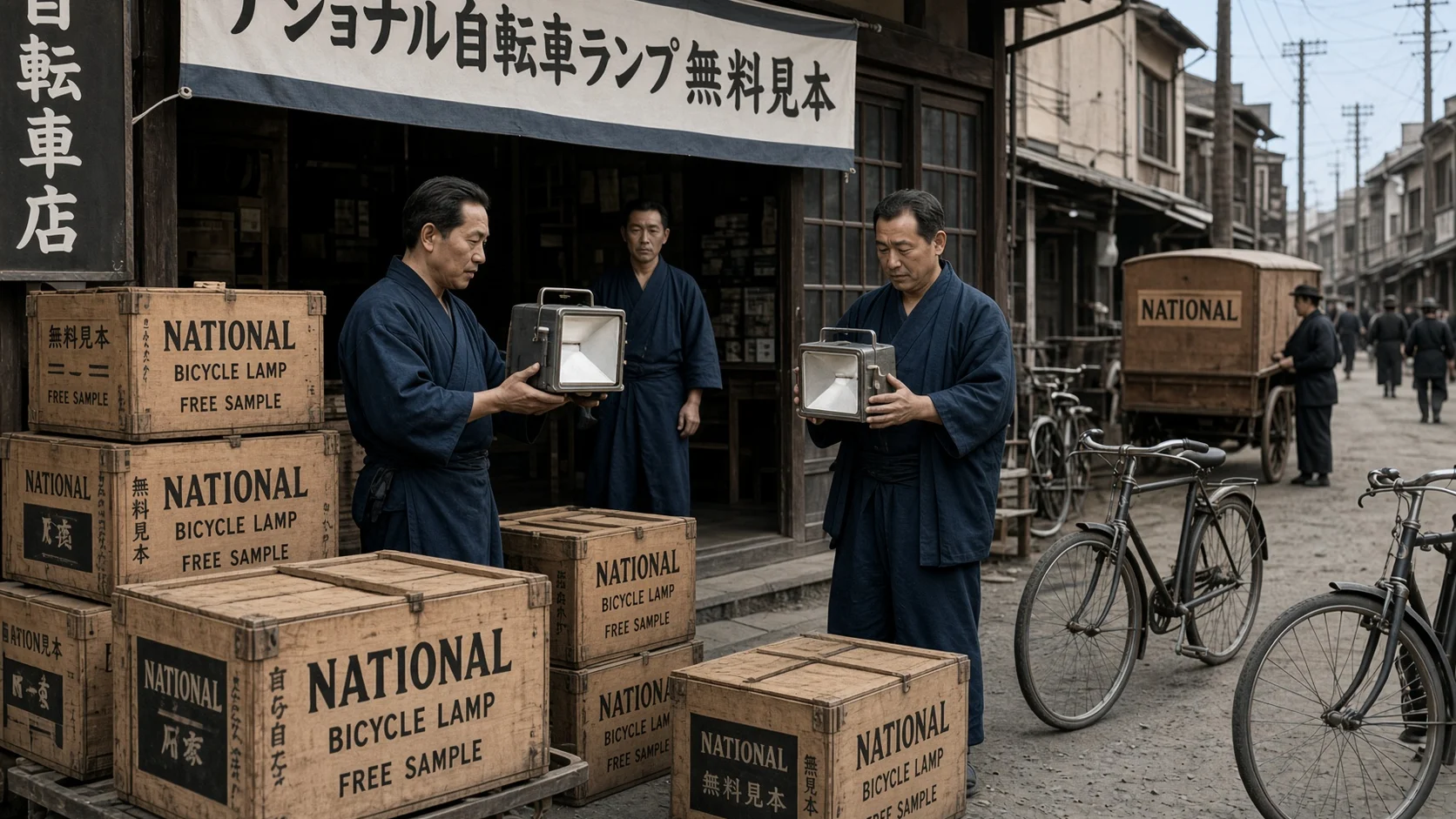
Letting the product prove itself. In 1927 the company introduced a square bicycle lamp under a new brand, National2. To win back the right to sell his lamps himself, Matsushita paid a trading company ¥10,000, roughly $90,000 in today's money, to release him from an earlier sales agreement. That April he delivered 10,000 lamps to stores as free samples with no obligation to buy. Within the year, sales passed 30,000 lamps a month.
What was the decision or moment after which nothing was the same?
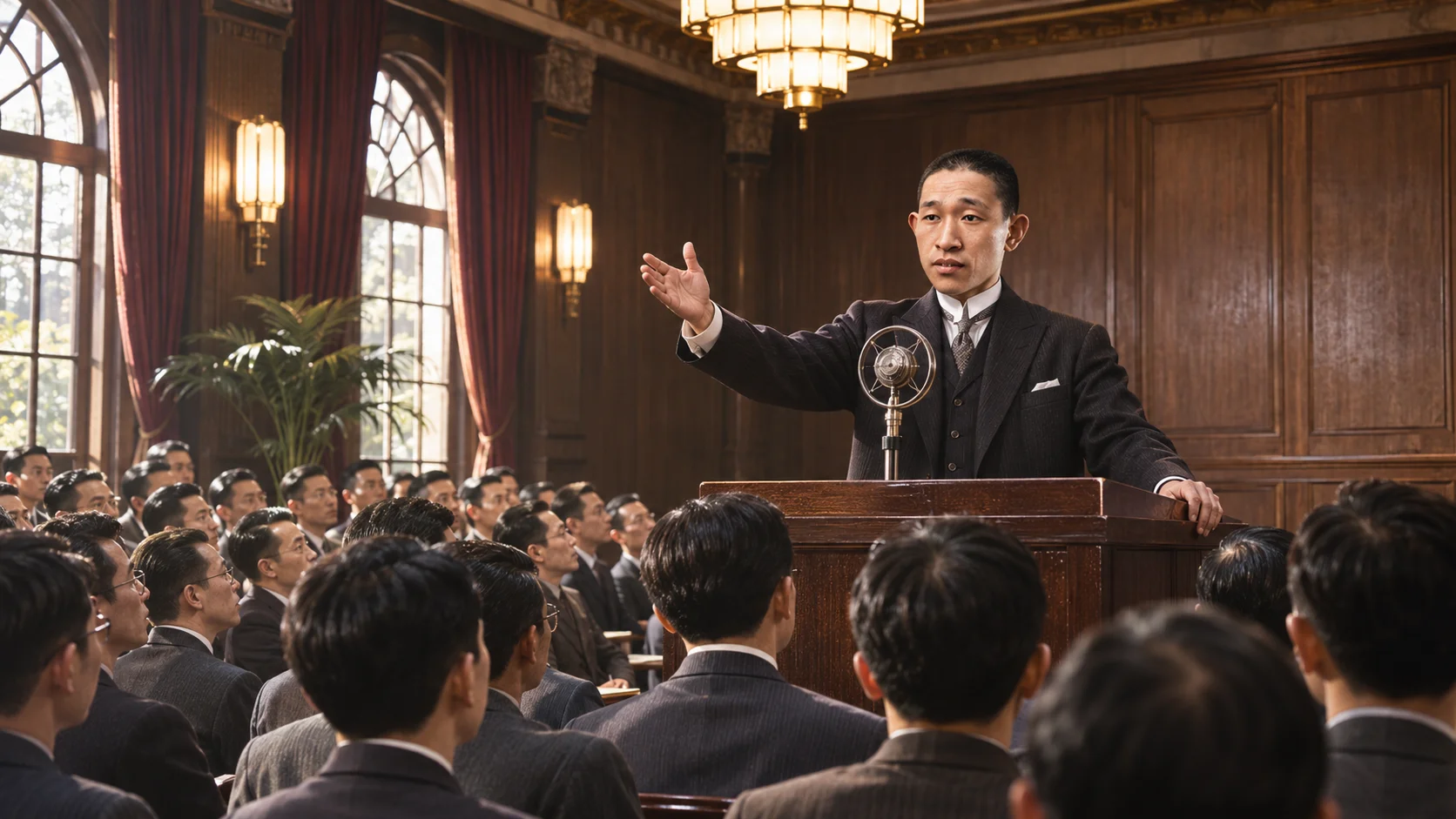
Giving the company a mission. On May 5, 1932, he gathered 168 employees at the Central Electric Club in Osaka and declared that "the mission of a manufacturer is to overcome poverty by producing an abundant supply of goods." He explained it with tap water: "Even though water from a tap is a processed product with a price, no one objects if a passerby drinks from a roadside tap." He laid out a 250-year plan to achieve it, split into 10 periods of 25 years each, and the company still celebrates May 5 as its Foundation Day3.
What nearly killed it?
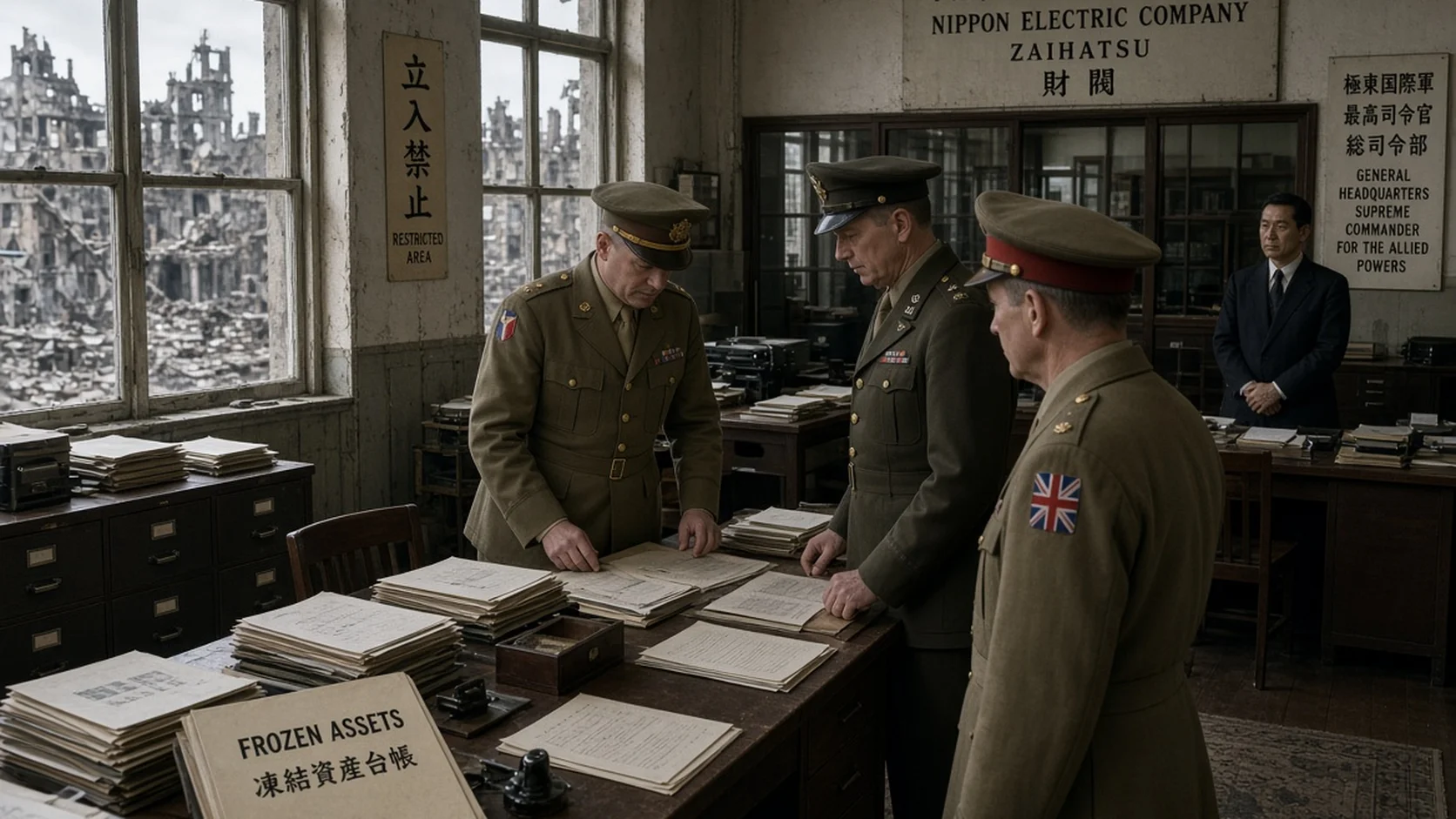
Japan's defeat. In March 1946 the Allied occupation designated the company a "restricted concern," froze its assets and labeled the Matsushita family a zaibatsu, one of the family-run conglomerates the occupation set out to break up. Matsushita was ordered to resign over the company's wartime role, but the company's new labor union, retailers and affiliates petitioned to keep him, and in May 1947 occupation officials let him stay4. Money stayed so tight that wages were paid in installments. By 1949 the company owed ¥1 billion, roughly $37 million in today's money, and the press called it the "King of Tax Arrears." The restrictions weren't lifted until late 1950.
What happened that he couldn't have planned for?
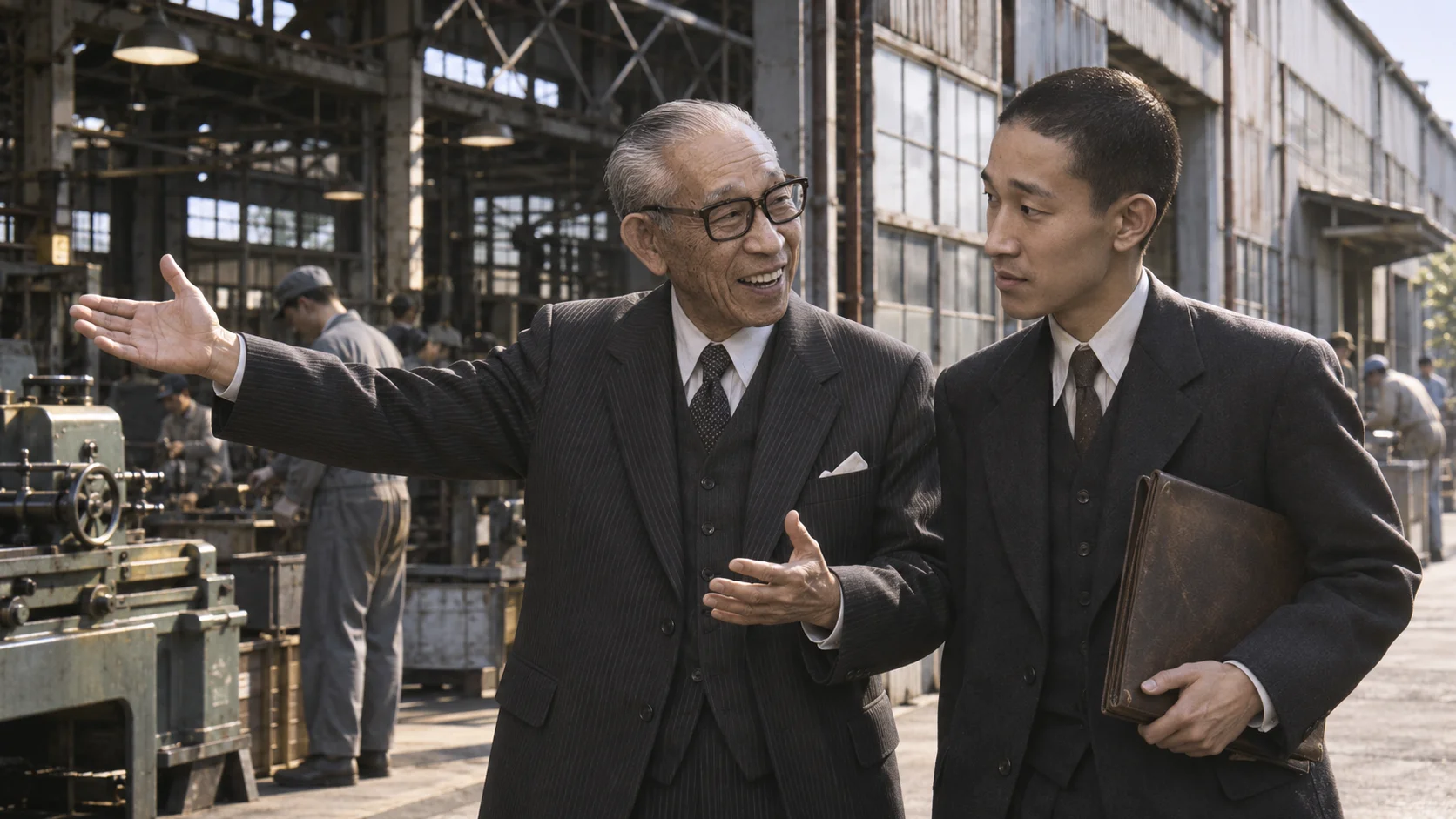
Helping start a rival. In 1947 he lent his brother-in-law, Toshio Iue, who had been with him since the tenement, an unused Matsushita plant to make bicycle lamps. That business became Sanyo Electric, which grew into one of Panasonic's competitors for the next six decades5.
What showed that he was human after all?
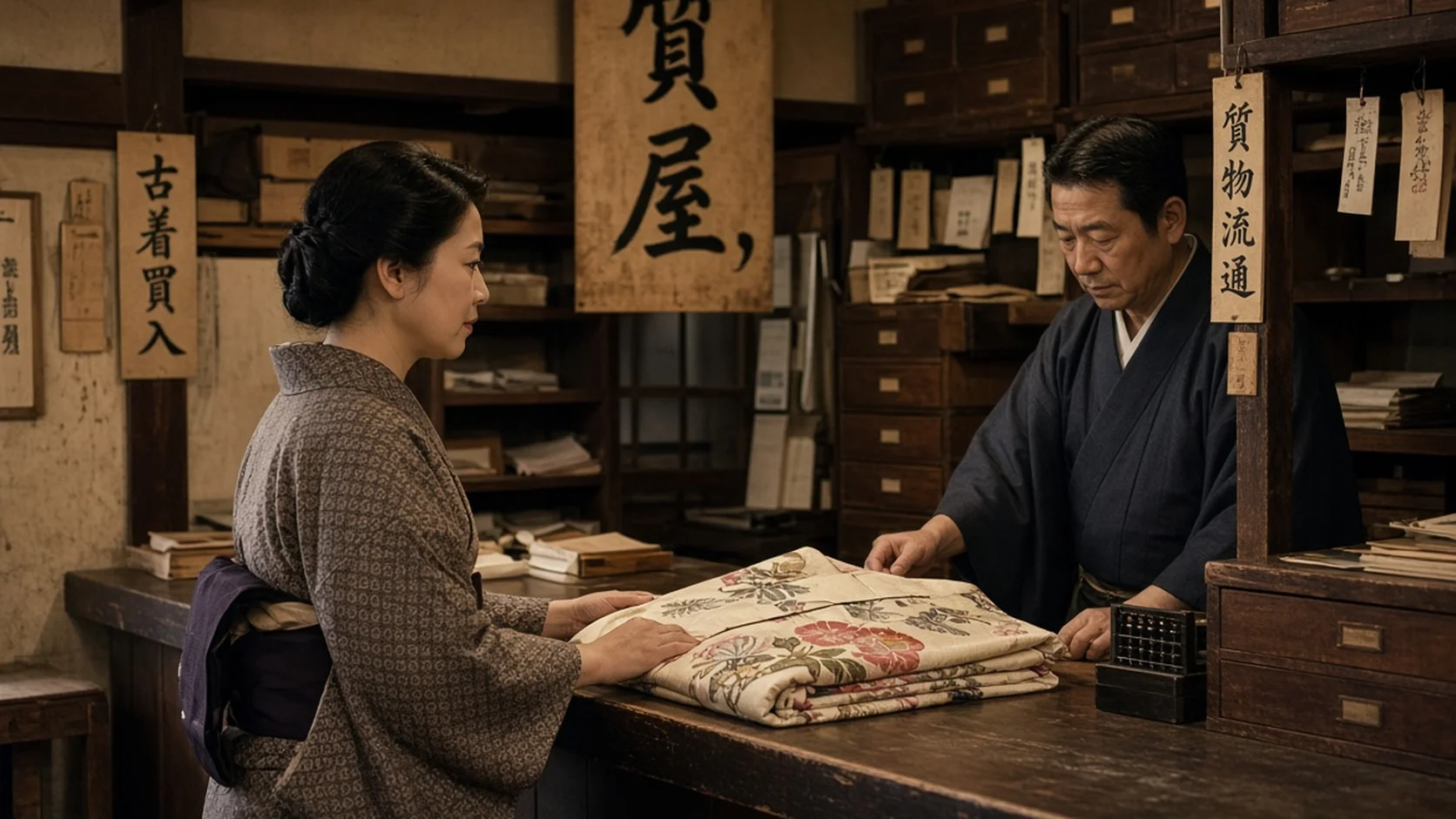
He leaned on his wife. When most of the early assistants quit, Mumeno stayed, and when money ran out, Matsushita pawned her kimono to keep the business going. Years later, when he began building a house in Nishinomiya in 1937, he reportedly wanted it to last 300 years6.
What was the change he brought about?
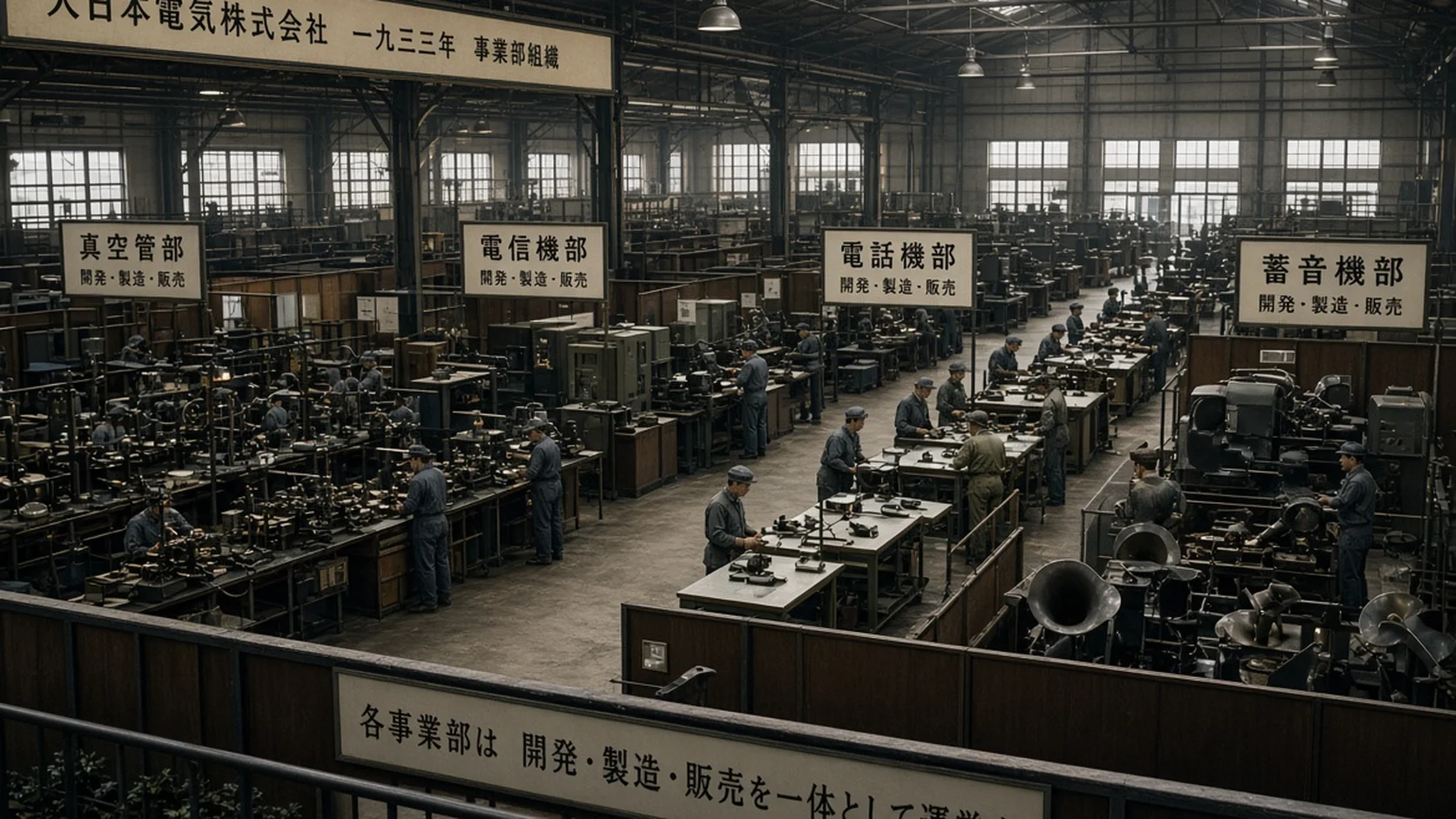
He helped show how a large Japanese company could be organized, and he spent his later years training leaders. In 1933 he split the company into divisions, each responsible for its own development, production, sales and profit. After the war he formed a technical partnership with the Dutch electronics maker Philips in 1952. In 1979, at 84, he founded the Matsushita Institute of Government and Management to train future politicians, and two of its graduates, Yoshihiko Noda and Sanae Takaichi, have become prime minister of Japan7.
What did he believe that most reasonable people around him did not?
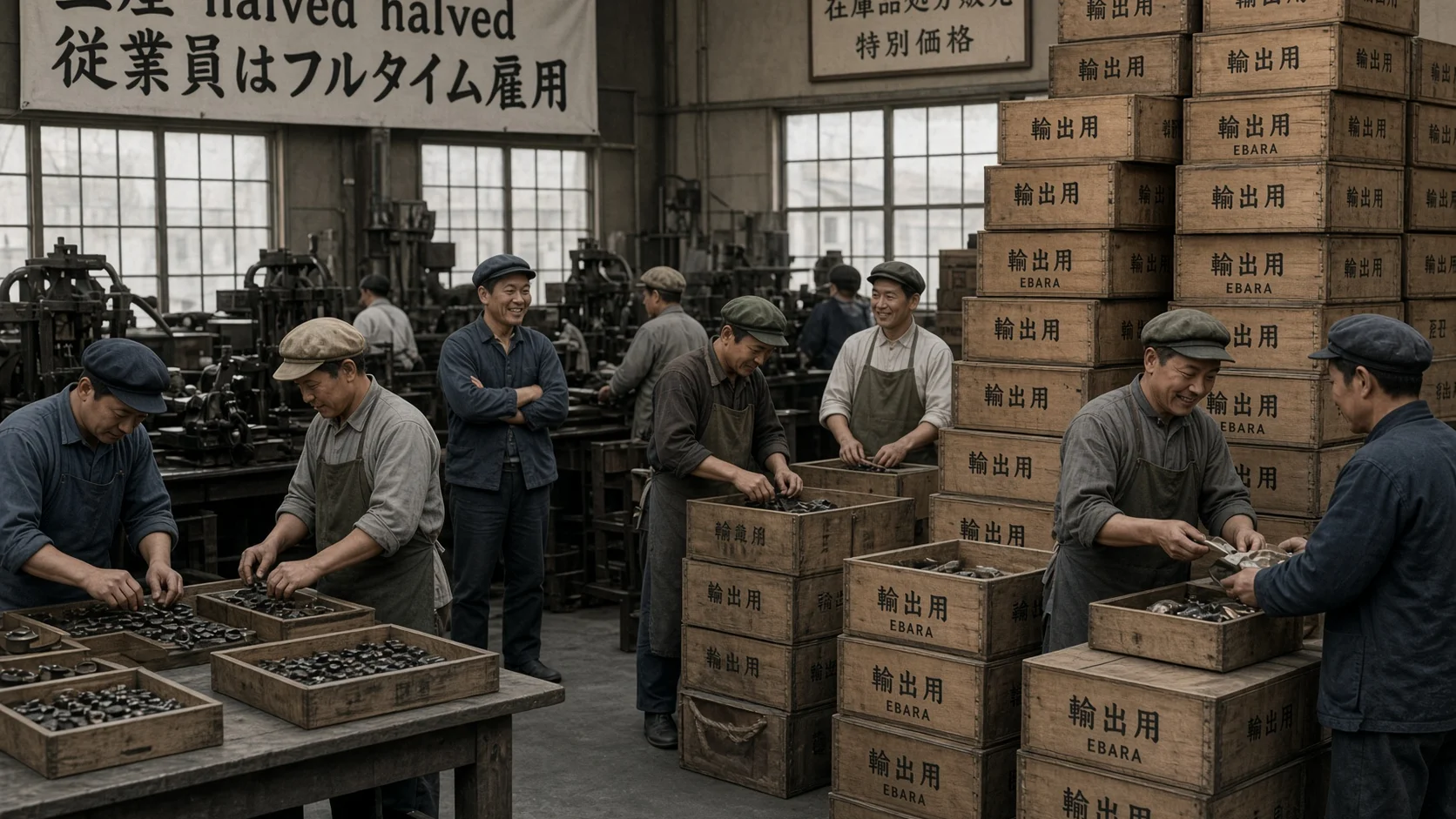
That workers shouldn't pay the price for a downturn. When the Great Depression hit Japan in 1929, he cut production and factory hours in half but kept paying full salaries and didn't dismiss anyone. Employees spent the extra time selling off the company's stockpile of goods. In 1965 the company introduced a five-day workweek.
What did his trek cost him?
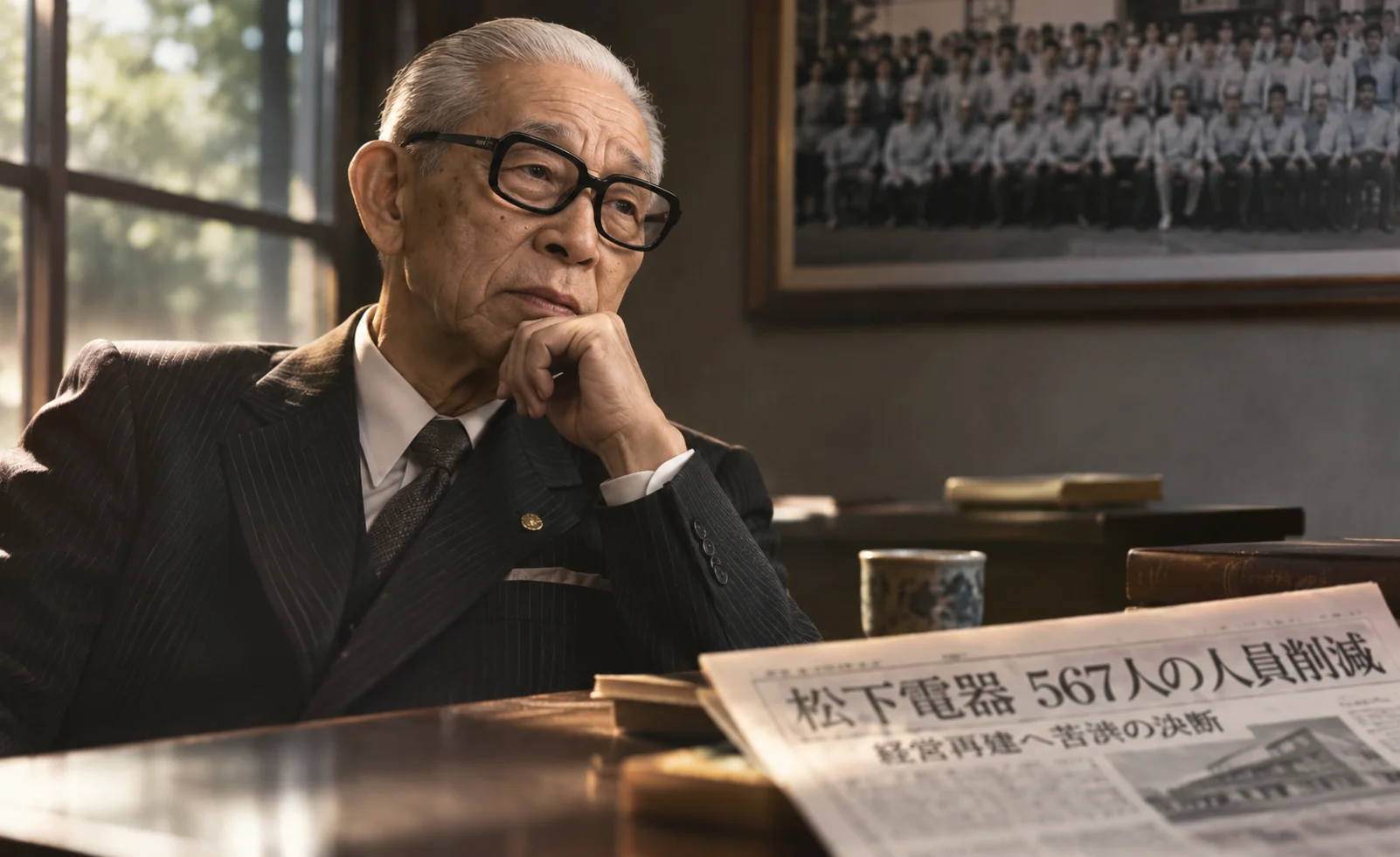
His record of never laying anyone off, and in the end his health. In March 1950, with the company in debt and short of cash, it laid off 567 of its 4,438 employees, the kind of cut he had avoided in 1929. He stepped down as president in 1961 and as chairman in 1973. Chronic lung problems followed him late in life, and he died of pneumonia on April 27, 1989, at 94.
What's the takeaway?
Give people a reason to believe in what you make, and a reason to believe in you. Matsushita let his lamps prove themselves, gave his company a mission bigger than profit and kept paying his workers when times were hard. He didn't always live up to those ideals, but he spent his life trying, and he left behind a company and a school that are still carrying them forward.
Timeline
-
1894-11-27—Born in Wasa, Wakayama Prefecture.
-
1899—His father loses the family's land speculating on rice.
-
1904—Leaves school after the fourth grade to become an apprentice in Osaka.
-
1910—Joins the Osaka Electric Light Company at 15.
-
1915—Marries Mumeno Iue.
-
1917—Quits to make and sell his own sockets.
-
1918-03-07—Founds Matsushita Electric Housewares Manufacturing Works.
-
1923—Designs a bullet-shaped battery-powered bicycle lamp.
-
1927—Launches the National brand and gives away 10,000 lamps.
-
1929—Halves production during the Depression but keeps full pay.
-
1932-05-05—Announces the company's mission and its 250-year plan.
-
1933—Splits the company into divisions.
-
1946—The Allied occupation restricts the company and orders him to resign.
-
1947—Lends Toshio Iue a plant that becomes Sanyo Electric.
-
1950—The restrictions are lifted.
-
1961—Steps down as president.
-
1979—Founds the Matsushita Institute of Government and Management.
-
1989-04-27—Dies at 94.
Side notes
-
Night school—He enrolled at the Kansai Commercial and Industrial School in 1913 but dropped out a year later. Learn more ↩
-
Found in a newspaper—He spotted the English word "international" in a newspaper, looked it up, and settled on "national," a word about a nation's people, because he expected every household to need his lamp. His first ad read, "National Lamps: Buy for Your Assurance, Use for Your Benefit." Learn more ↩
-
An all-day meeting—The ceremony ran from 10 a.m. to 6 p.m., and employees went up on stage one by one to pledge themselves to the mission. Learn more ↩
-
15,000 names—Some accounts say the petition to keep him was signed by 15,000 employees. Learn more ↩
-
Back in the family—Sanyo became a Panasonic subsidiary in December 2009 and was fully folded into the company by 2011. Learn more ↩
-
A Zen master's rebuke—A Zen master, Taiki Tachibana, reportedly told him to his face that his focus on material gain had damaged Japan's compassion. He founded his school for leaders four years later. Learn more ↩
-
The ticket to the top—When Noda became prime minister in 2011, The Japan Times called the institute "the ticket to the top in Japanese politics." Learn more ↩