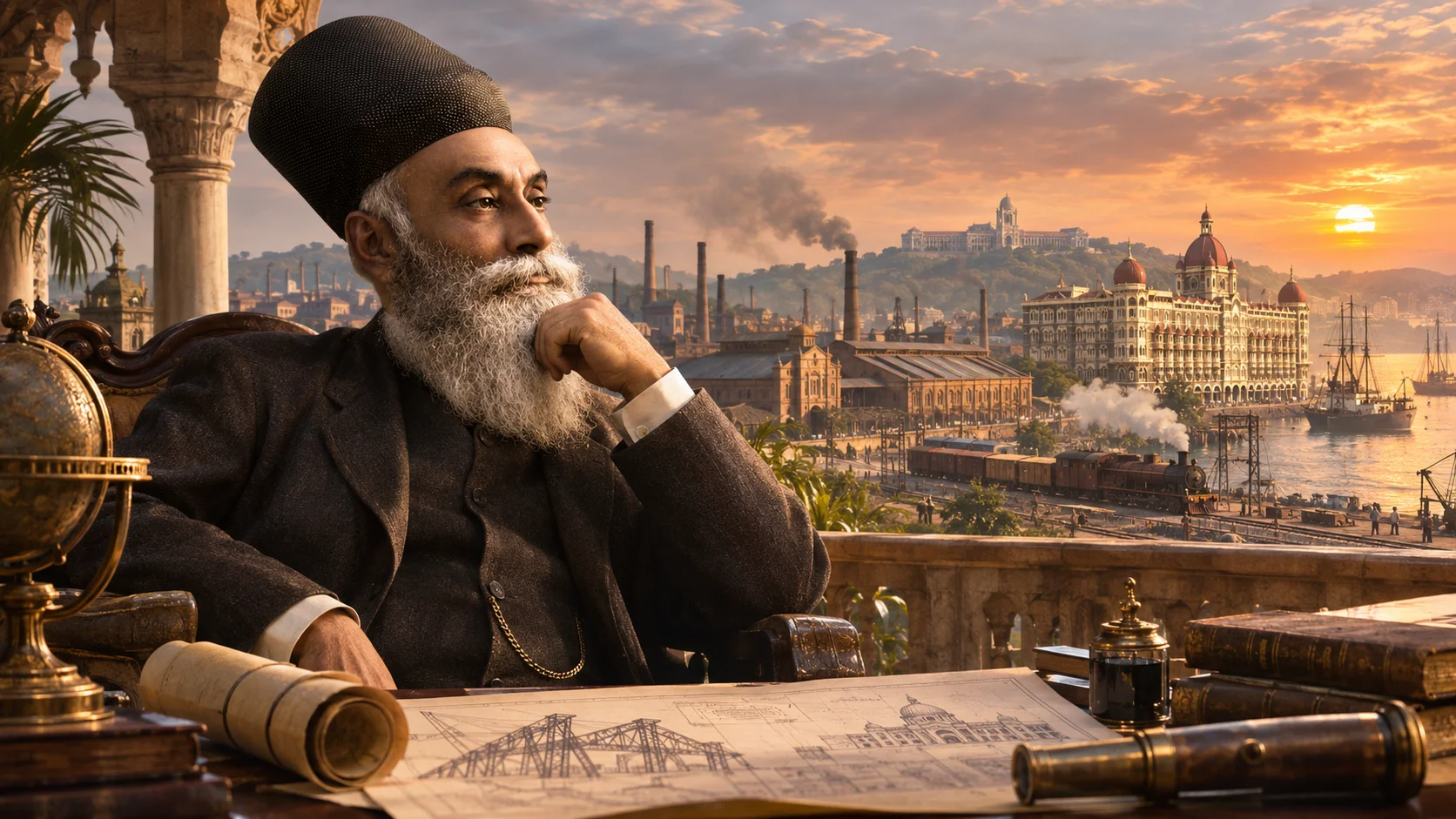
- Born into a family of Parsi priests, he chose a life in trade.
- His Nagpur cotton mill gave workers pensions in 1886, long before laws required them.
- A city in eastern India now carries his name: Jamshedpur.
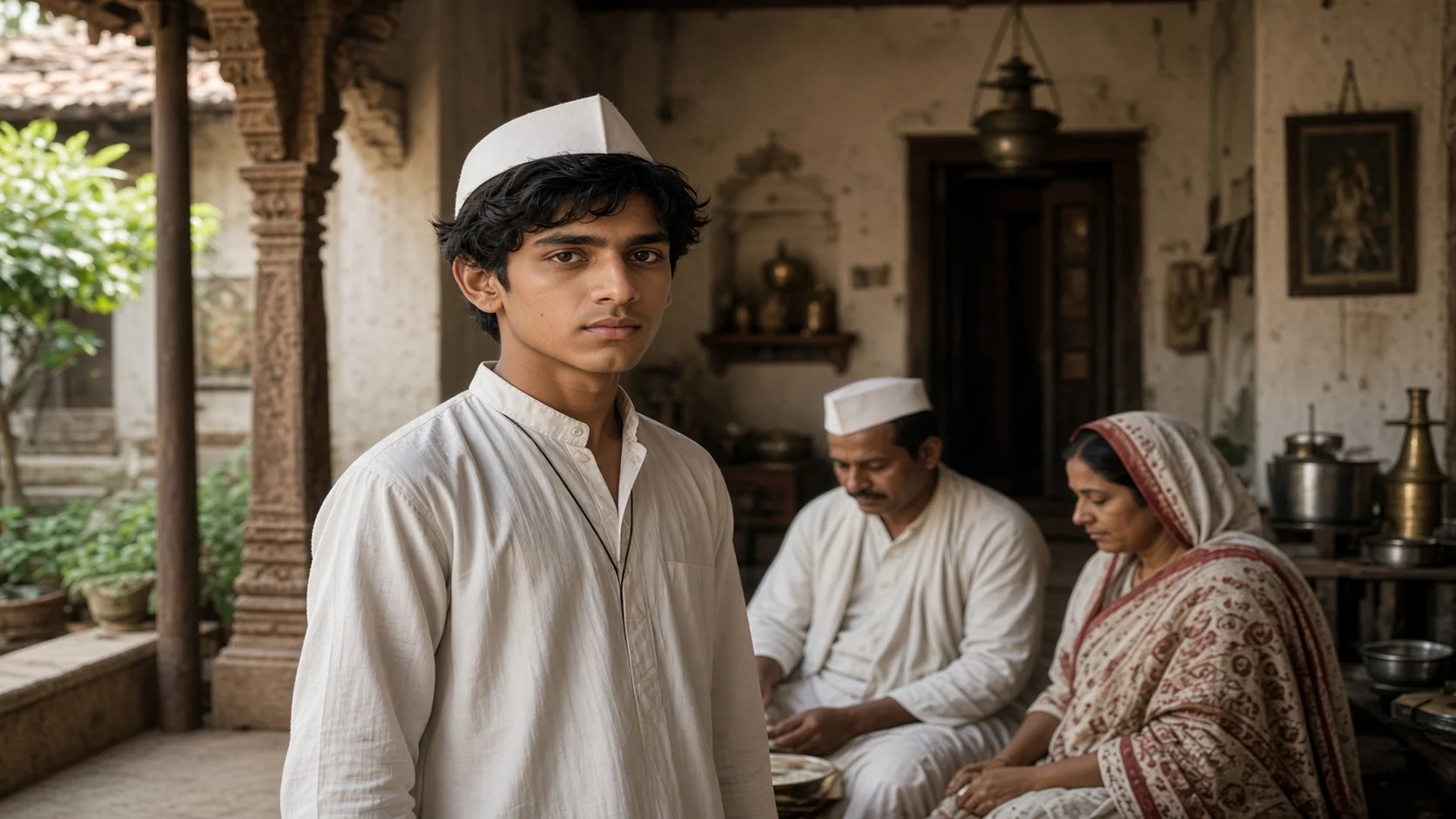
Who was he—and what was he like before everyone noticed?
Jamsetji Nusserwanji Tata was born on March 3, 1839, in Navsari, a town in western India, into a poor but respected family of Zoroastrian priests from India's Parsi community1. His father, Nusserwanji, broke with that tradition to become the family's first businessman. Before anyone had heard of him he was a boy from a priestly family who joined his father in Bombay at 14, enrolled at Elphinstone College, and finished in 1858 as a "Green Scholar," roughly the equivalent of a graduate. He married Hirabai Daboo while he was still a student.
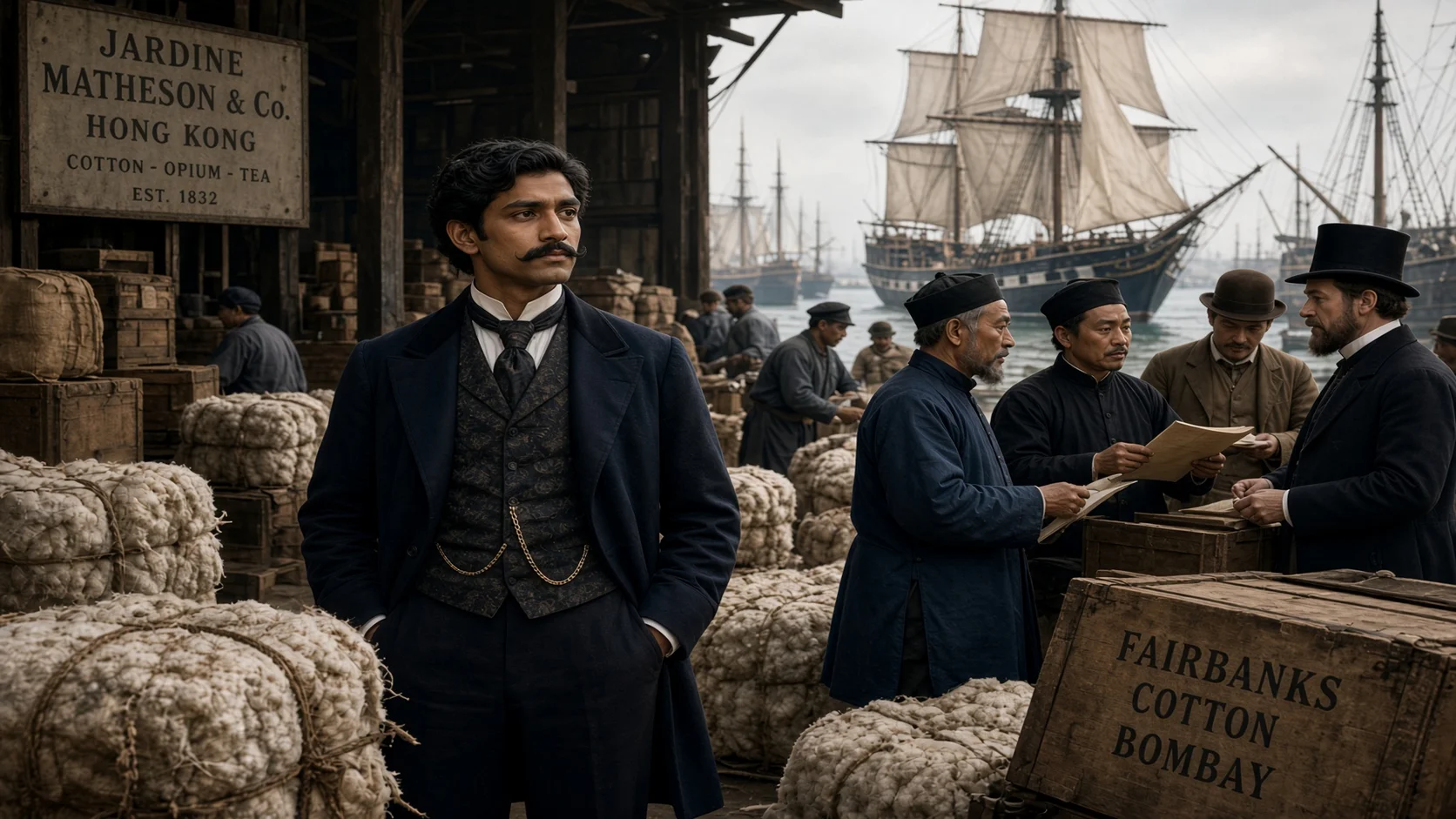
What did his life look like before his trek began?
An apprenticeship on three continents. In 1859 he joined his father's export firm, which traded with China, and was sent to Hong Kong to build the business, opening a second branch in Shanghai a few months later. In 1864 he sailed to London to manage the family's cotton shipments and stayed about four years. He spent much of that time visiting the cotton mills of Lancashire and Manchester, and came home determined to build modern mills in India.
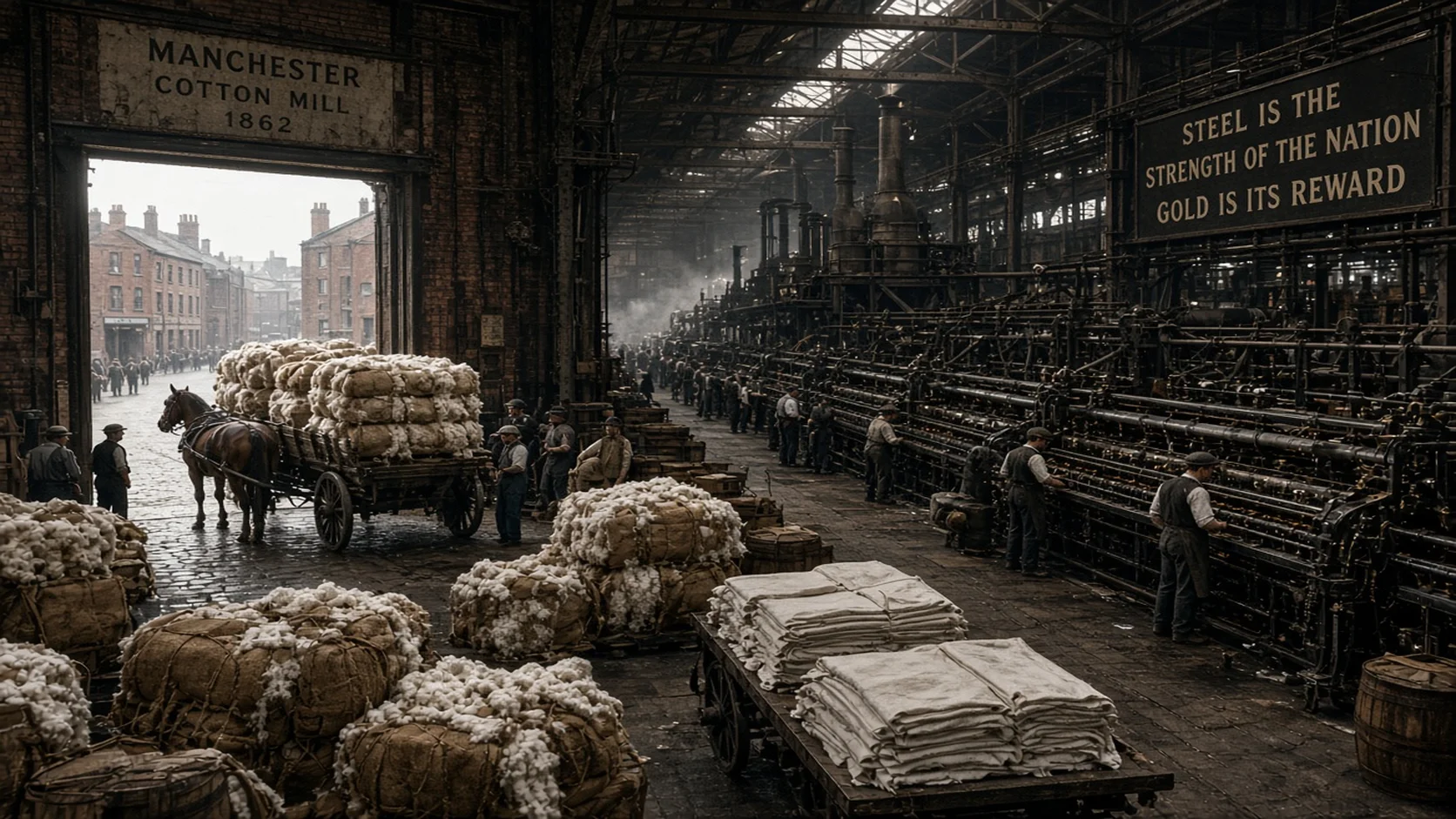
What did he see that other people didn't?
That industry decided which nations were strong. As Tata's own company history tells it, he heard the philosopher Thomas Carlyle tell a Manchester audience in 1864 that "the nation which has the steel will have the gold." India shipped its raw cotton to British mills and bought the finished cloth back, and it imported its iron and steel. Tata believed India could make those things itself.
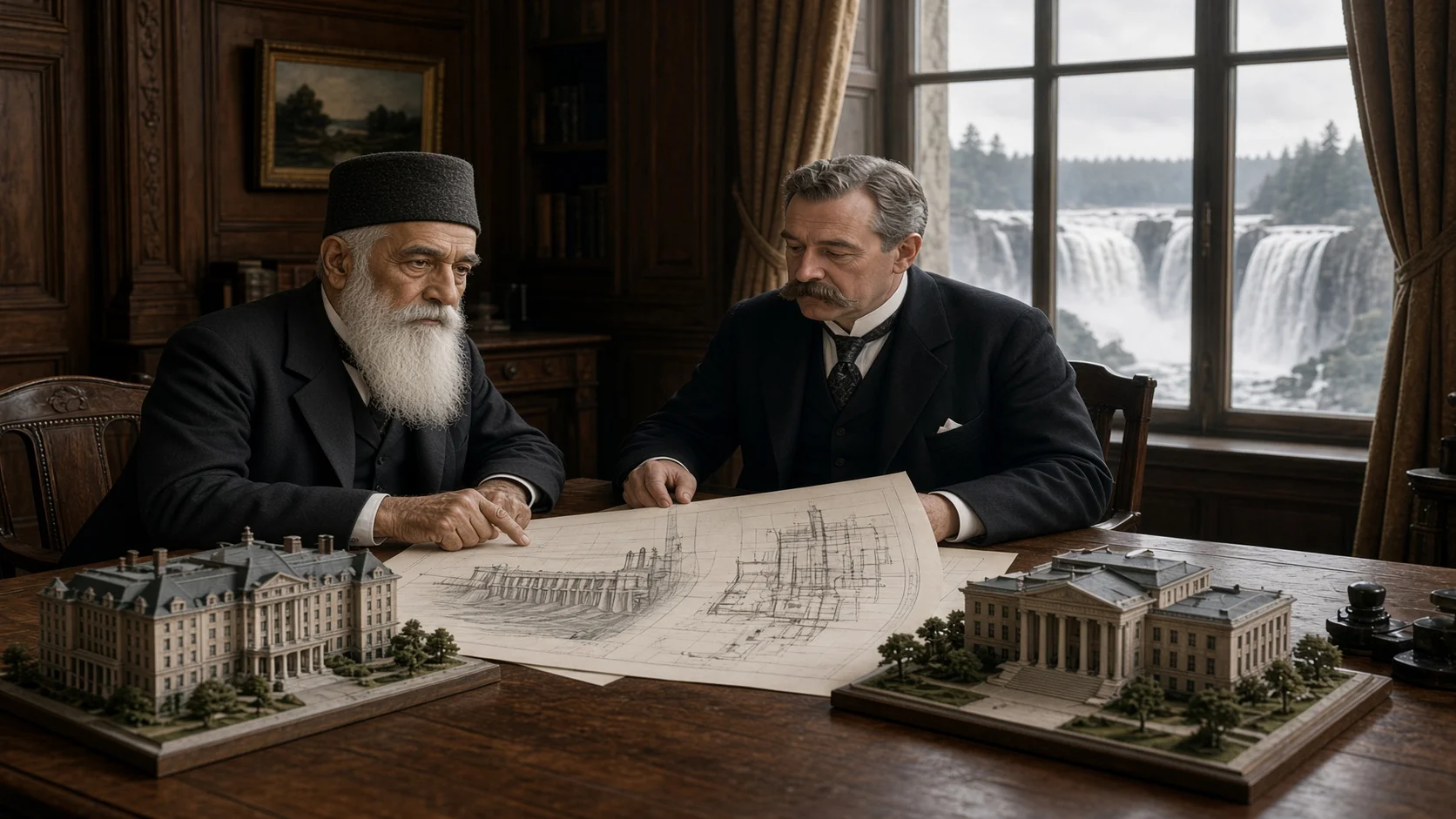
What problem became his obsession?
Giving India the foundations of a modern economy. Over his life he set four big goals: an iron and steel company, a world-class institution for science, a great hotel, and a hydroelectric plant to power Bombay's mills. In 1902, on a trip to the US, he met George Westinghouse, who had helped harness Niagara Falls for electric power, and Charles Perin, the American engineer who would later help find the site for the steel plant.
Why did this matter personally to him?
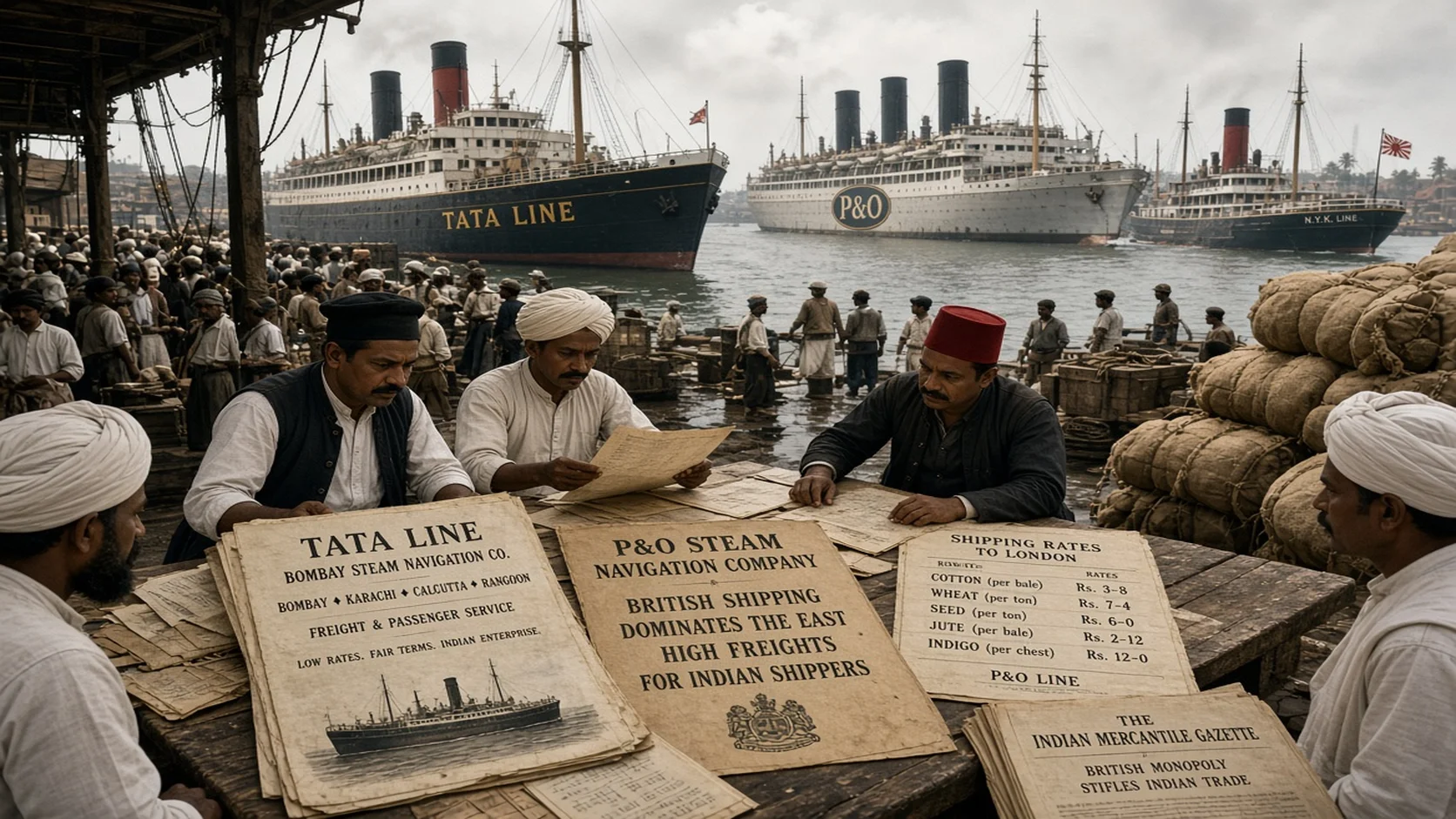
He felt how the system worked against Indian traders. As a cotton exporter, he paid freight rates set by P&O, the British shipping line that dominated the route. In 1893 he teamed up with Japan's largest shipping company, Nippon Yusen Kaisha, to start his own service, the Tata Line, hoping to cut the cost of shipping Indian cotton by more than a third2. P&O responded by slashing its own rate by more than 90 percent for merchants who avoided Tata's ships and spread rumors that one of them was unfit to carry cotton. Indian merchants backed away, and after losing more than 100,000 rupees, roughly $1 million in today's money, Tata shut the line down.
Where did the first money come from?
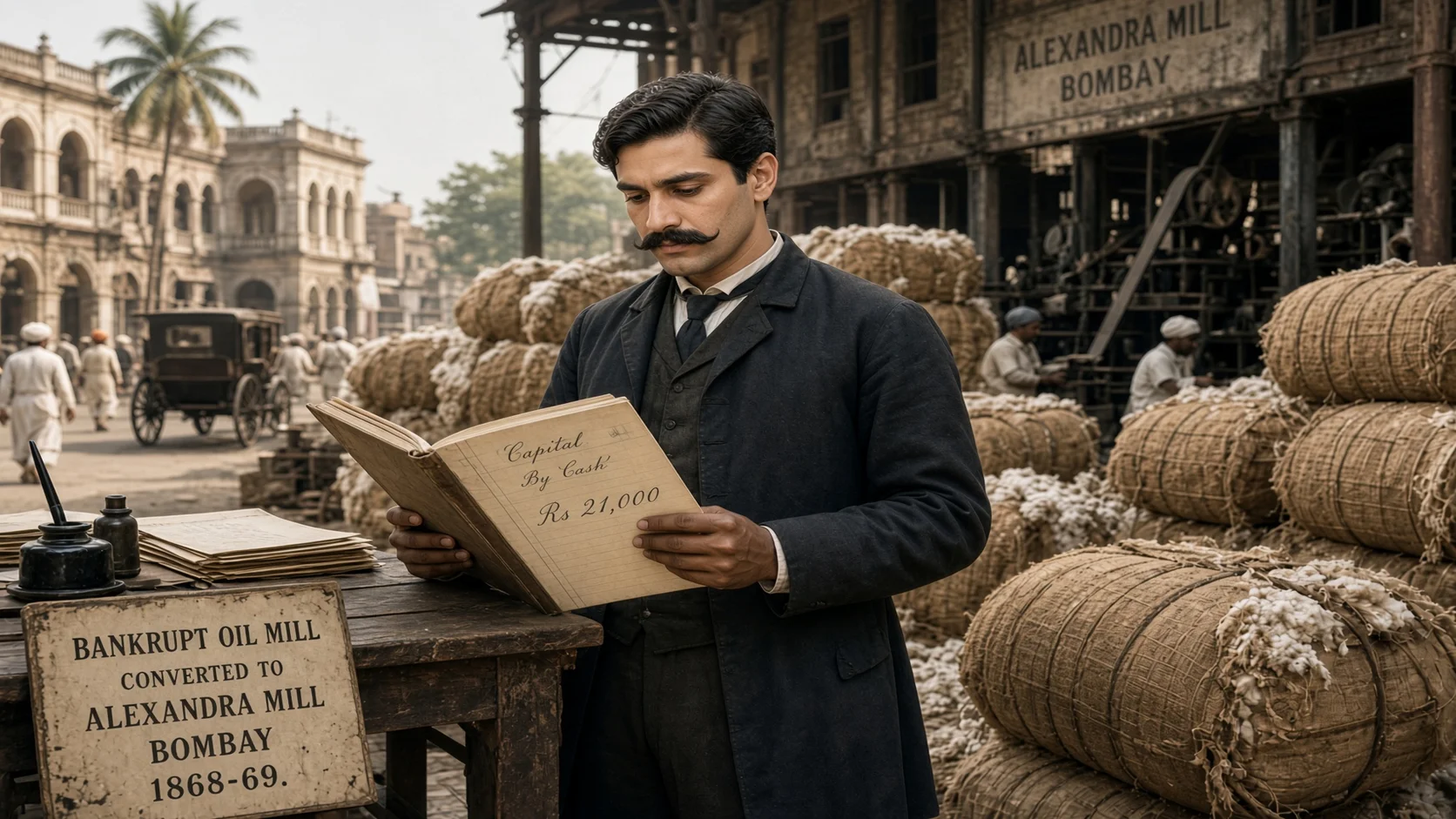
His own trading company. In 1868, at 29, he started it with 21,000 rupees in capital, roughly $240,000 in today's money, the seed of what became the Tata Group. A year later he bought a bankrupt oil mill at Chinchpokli in Bombay, converted it into a cotton mill and named it Alexandra Mill. He sold it two years later to a local cotton merchant for a large profit.
What made the economics work?
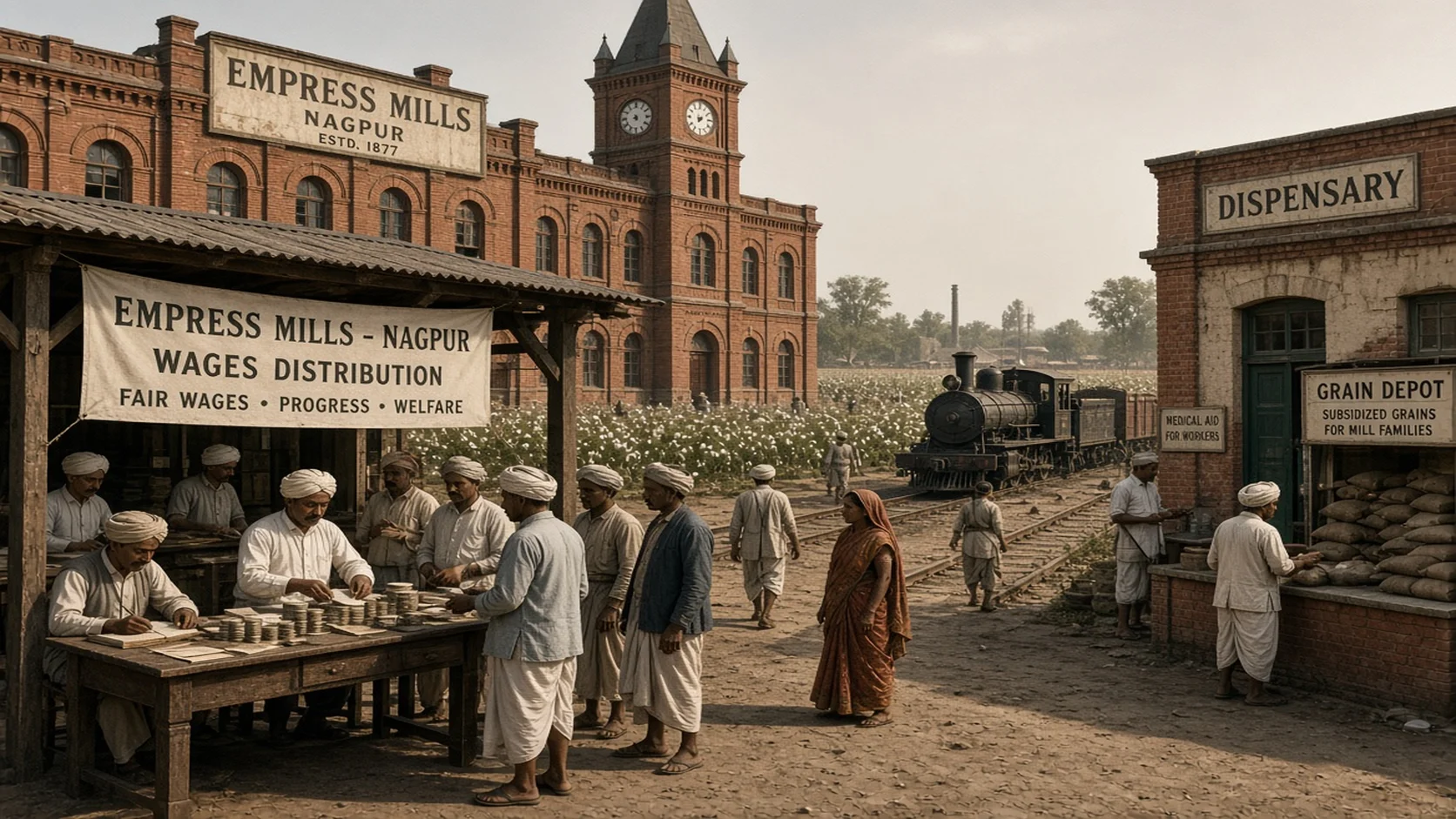
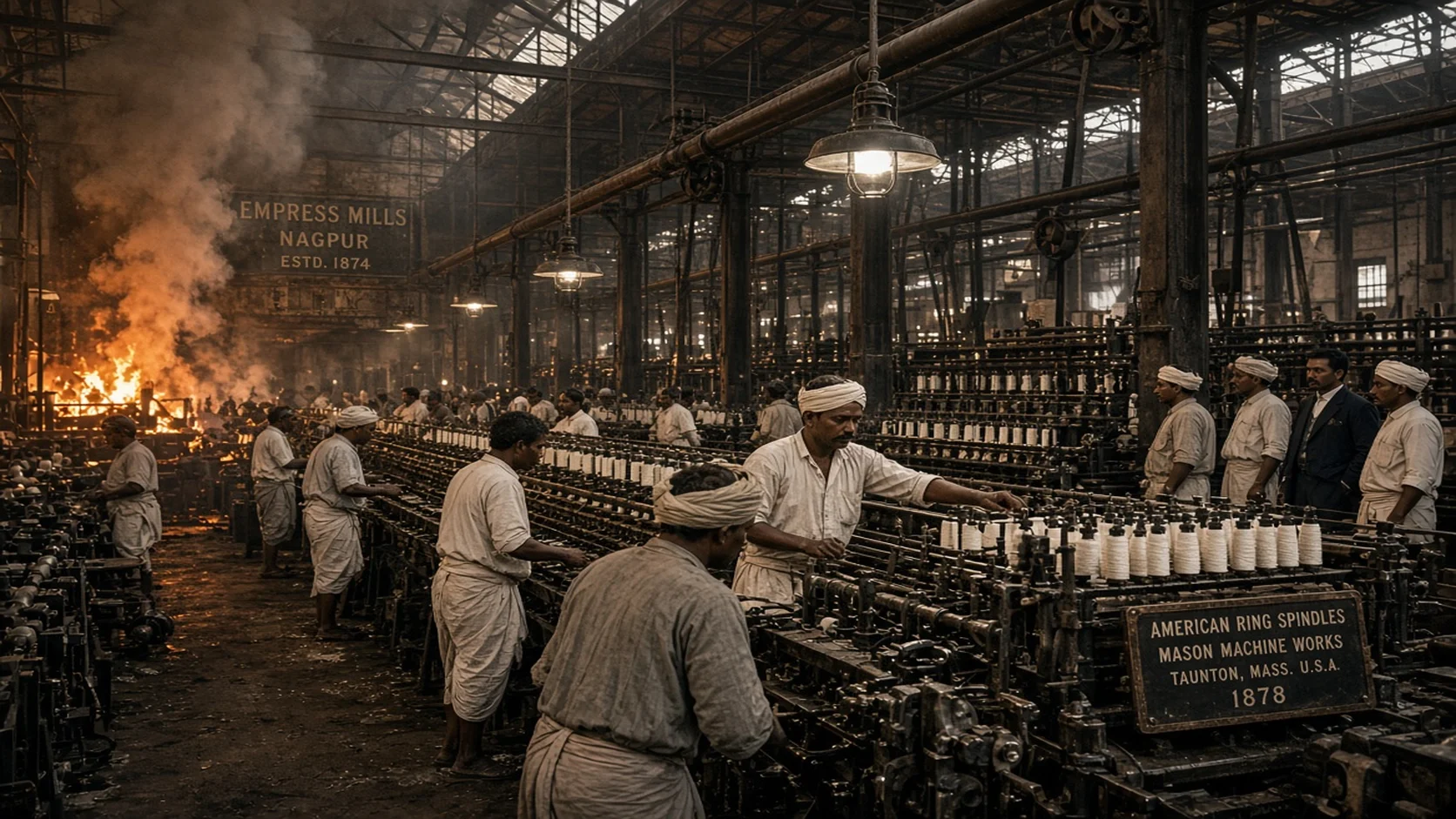
Building where the inputs were. In 1874 he floated the Central India Spinning, Weaving and Manufacturing Company and put its mill in Nagpur, far from Bombay, where nearly every other mill was. Nagpur was close to the cotton fields, had a railway junction, and offered plenty of water, fuel and cheap land. A Marwari financier compared the investment to "taking out earth and putting gold in the ground." The mill opened on January 1, 1877, the day Queen Victoria was proclaimed Empress of India, and he named it Empress Mills. It became known for treating workers well, with a pension fund from 1886, accident compensation from 1895, a dispensary and a grain depot3.
What was the decision or moment after which nothing was the same?
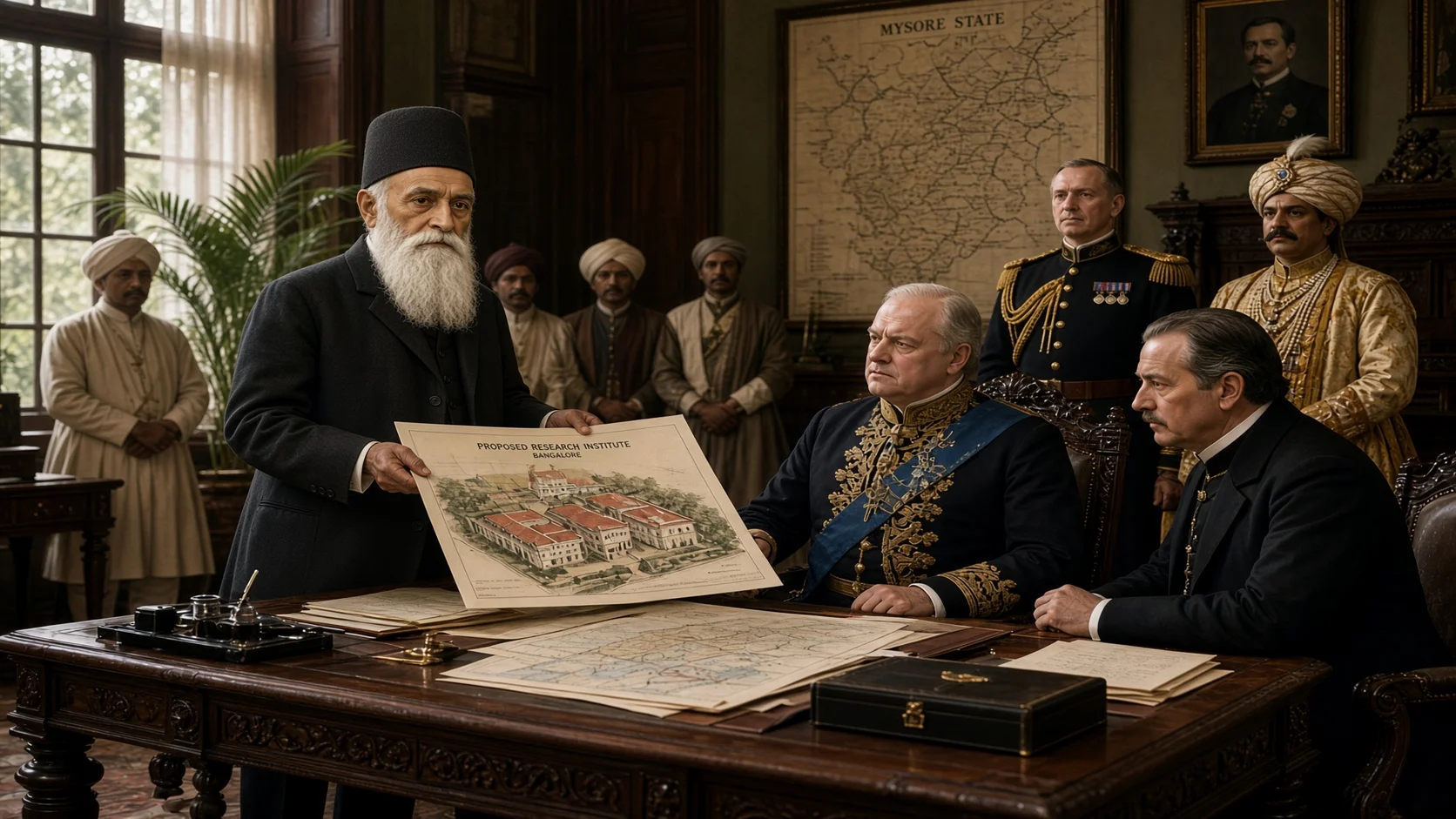
Pledging half his fortune to science. In 1898 he offered 14 buildings and four landed properties in Bombay, worth about 3 million rupees, roughly half his wealth and about $36 million in today's money, to endow an institute where Indians could do advanced research. Lord Curzon, who was about to become viceroy, was unconvinced. "Where are the students to come from?" he asked a delegation that December. The talks dragged on for years, until the Maharaja of Mysore offered 371 acres in Bangalore, plus money for buildings and an annual grant.
What nearly killed it?
Mistakes at his first big mill. Empress Mills got off to a rough start. The cheap English machinery Tata bought turned out to be an expensive mistake, and a fire destroyed the loom shed. The turnaround came when James Brooksby, who worked for Tata, saw ring spindles in use in the US, and Tata backed trials of the faster American machines. They worked, and the mill's dividends climbed to 16 percent.
What happened that he couldn't have planned for?
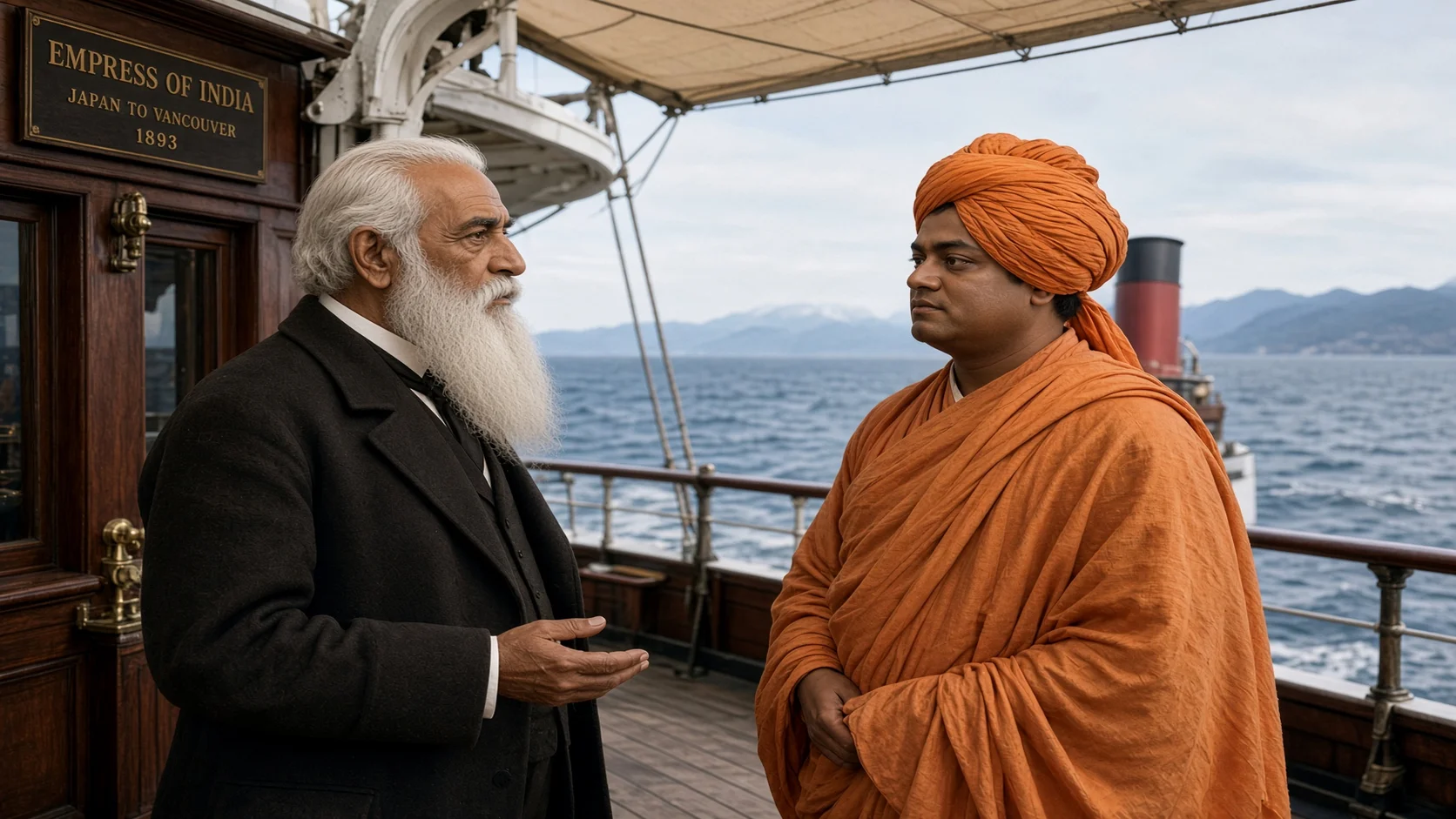
A conversation at sea. In 1893, sailing from Japan to Vancouver aboard the Empress of India on his way to the Chicago World's Fair, he found himself traveling with Swami Vivekananda, the Hindu monk then heading west for the first time. They talked about India's future and how to use its spirit of self-sacrifice. Five years later, Tata wrote to him about his plans for a research institute, recalling him "as a fellow-traveller on your voyage from Japan to Chicago," and asked whether he would help lead the effort4.
What showed that he was human after all?
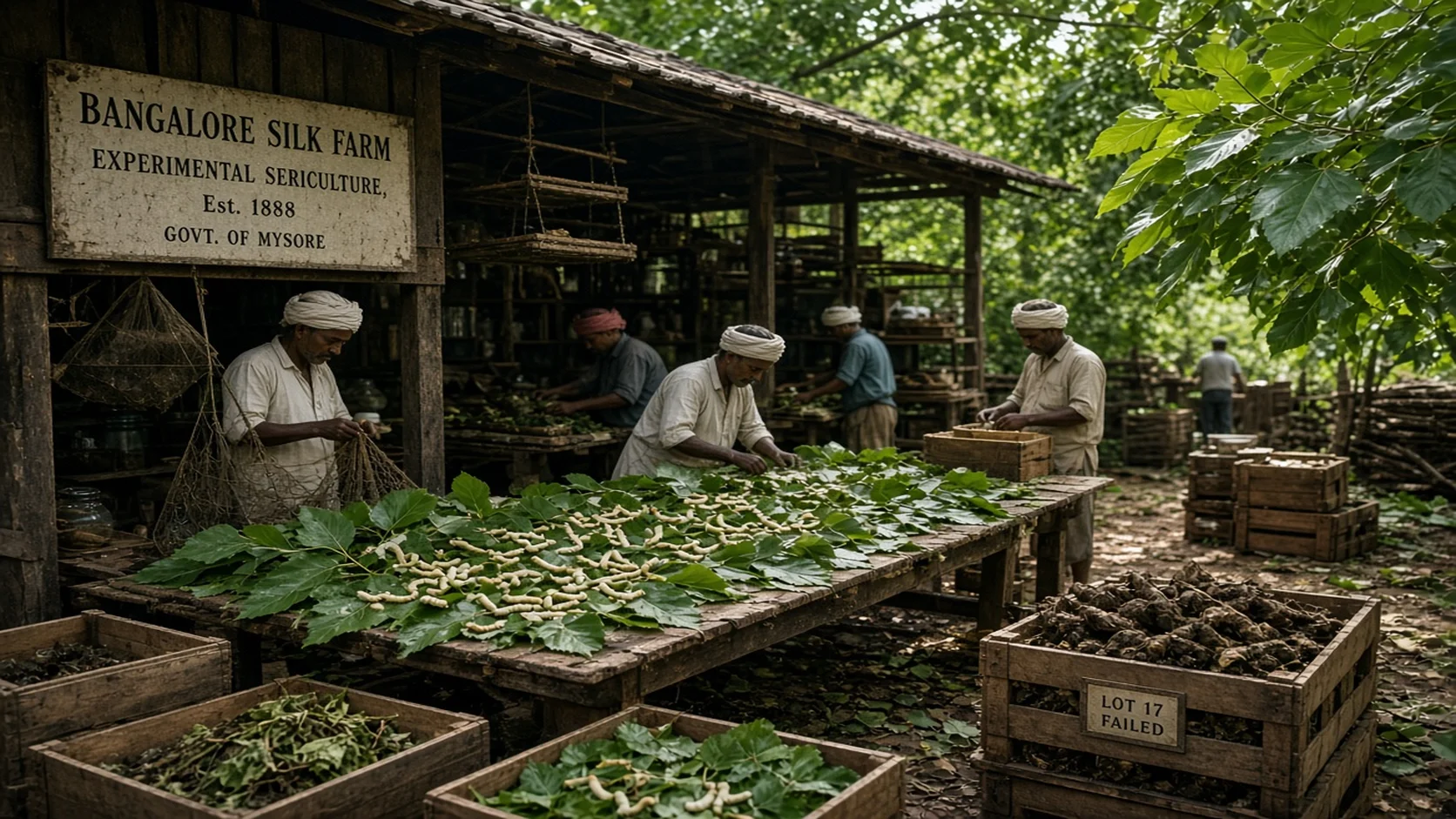
He couldn't stop experimenting. After his 1893 visit to Japan, he decided that silk farming on Japanese lines could work in India, and he paid for a small silk farm near Bangalore where Indians could study mulberry growing, silkworm rearing and silk reeling. He looked into shipping mangoes from Bombay to London and bought an ice-house to keep fish, fruit and meat fresh in Bombay. The ice-house failed for lack of customers.
What was the change he brought about?
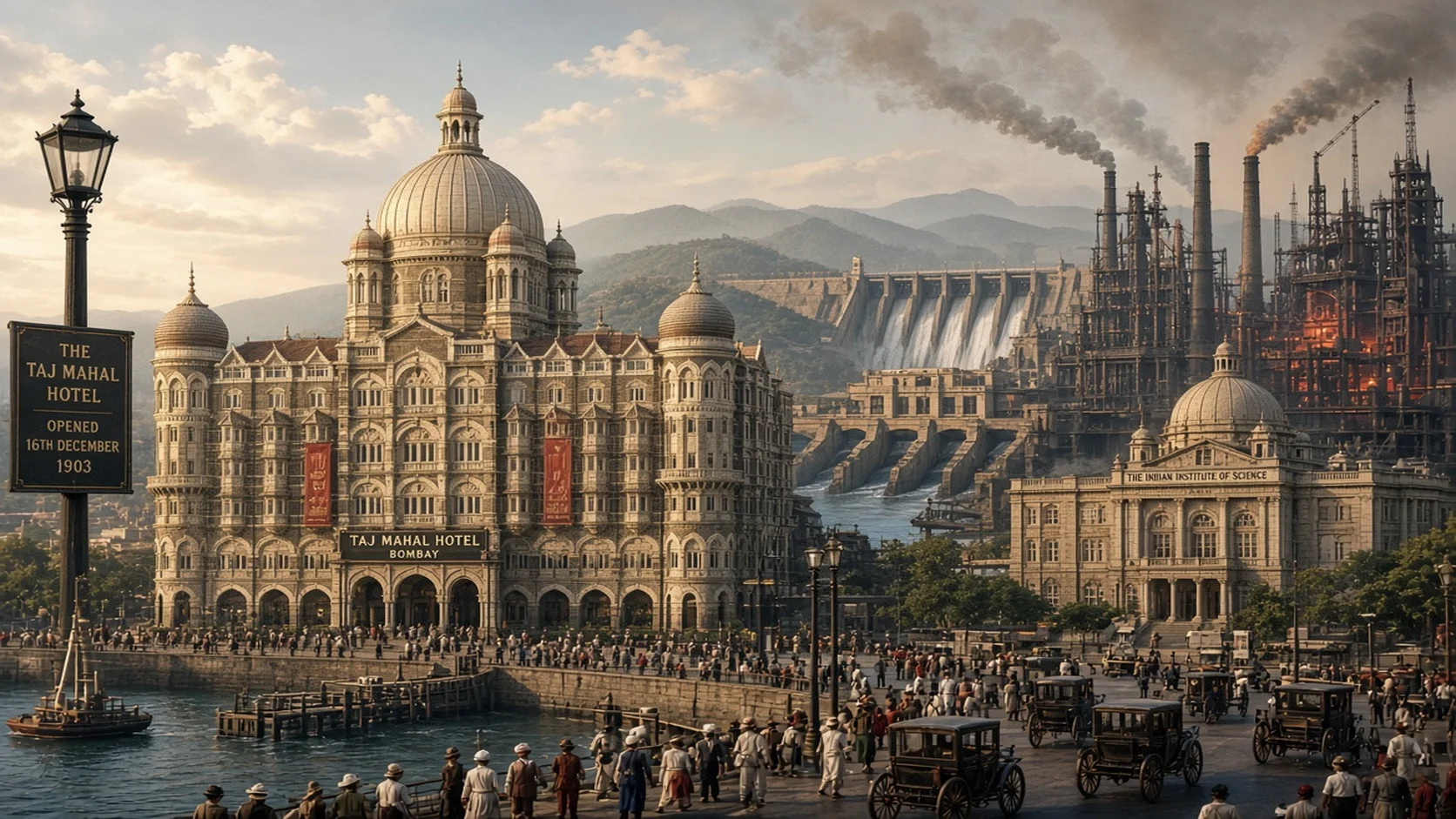
He laid the foundations of Indian industry. Only one of his four big goals was finished in his lifetime: the Taj Mahal Hotel in Bombay, which opened on December 16, 19035. The rest were built by his sons and colleagues. The Tata Iron and Steel Company, now Tata Steel, was founded in 1907. The Indian Institute of Science came into being in 1909 and took its first 24 students in 1911. The hydroelectric company followed in 1910. Jawaharlal Nehru, India's first prime minister, later called him a "One-Man Planning Commission."
What did he believe that most reasonable people around him did not?
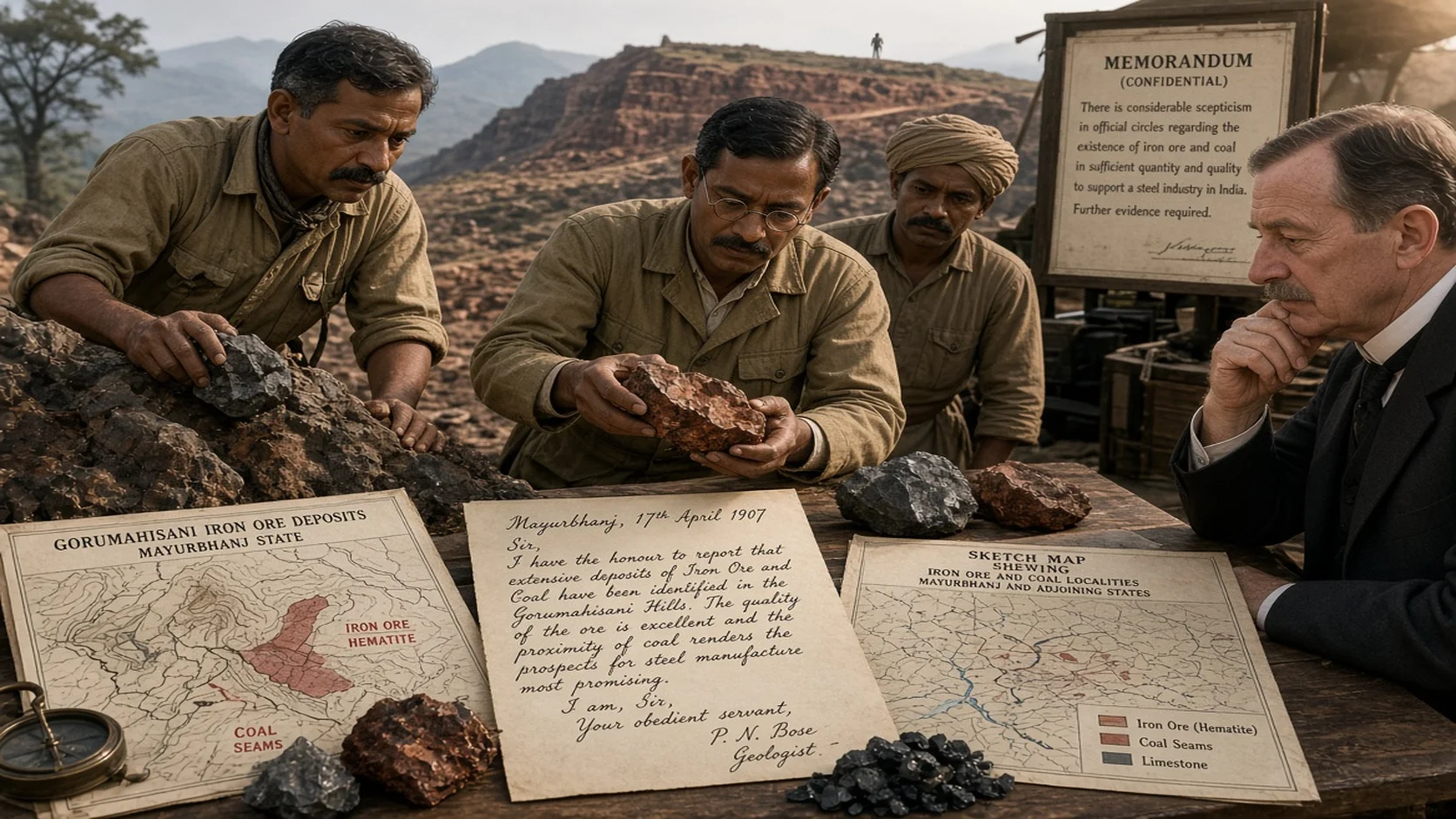
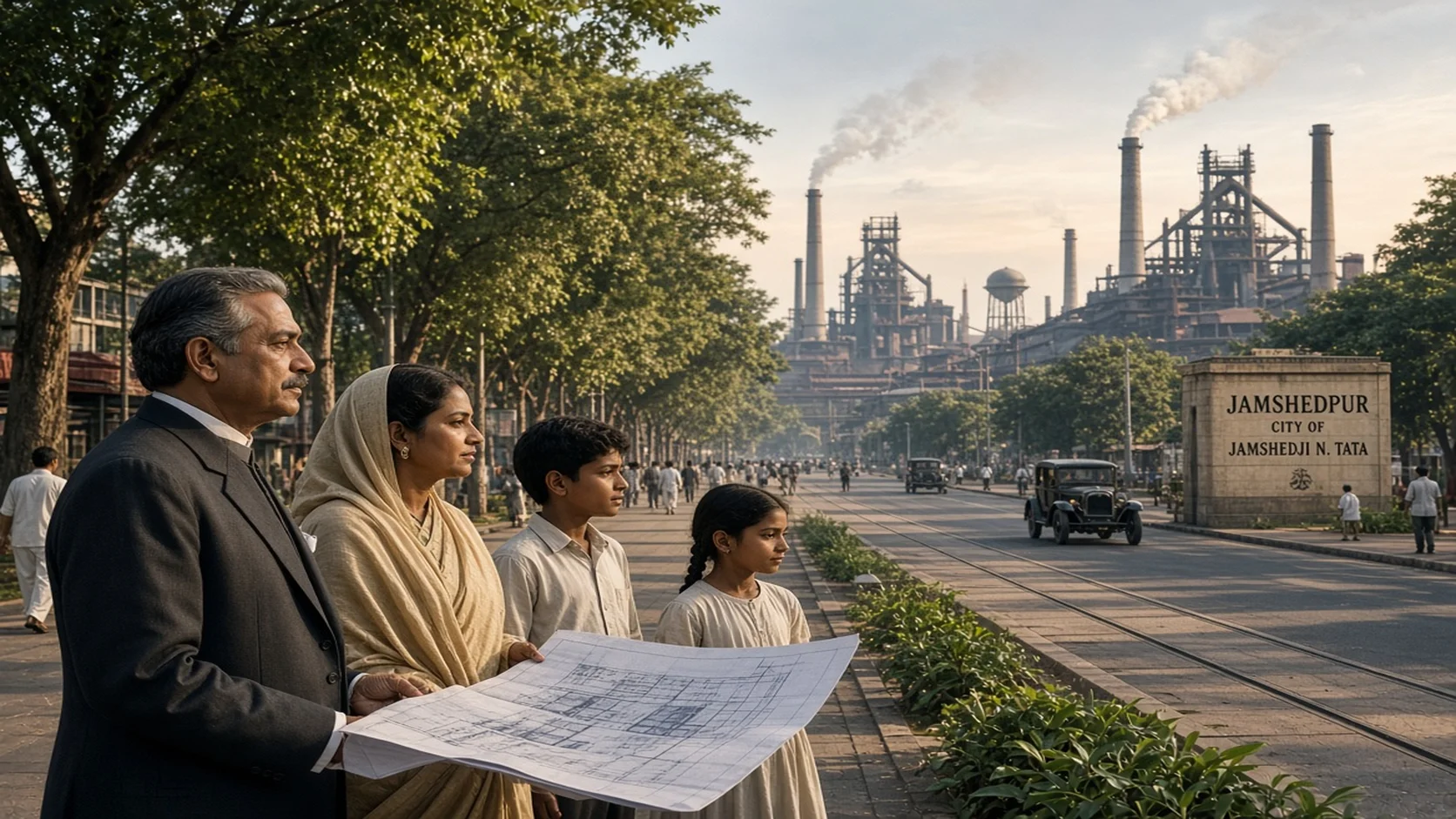
That India could make its own steel. British officials doubted it. Frederick Upcott, the chief commissioner of India's railways, is said to have promised to "eat every pound of steel rail" the Tatas succeeded in making6. Tata kept searching for the right mix of iron ore and coal, and in 1902 he wrote to his son Dorabji describing the town he imagined around a steel plant: "Be sure to lay wide streets planted with shady trees, every other of a quick-growing variety." On February 24, 1904, the geologist Pramatha Nath Bose wrote to him reporting large iron deposits in the Gorumahisani hills of Mayurbhanj, with coal nearby at Jharia.
What did his trek cost him?
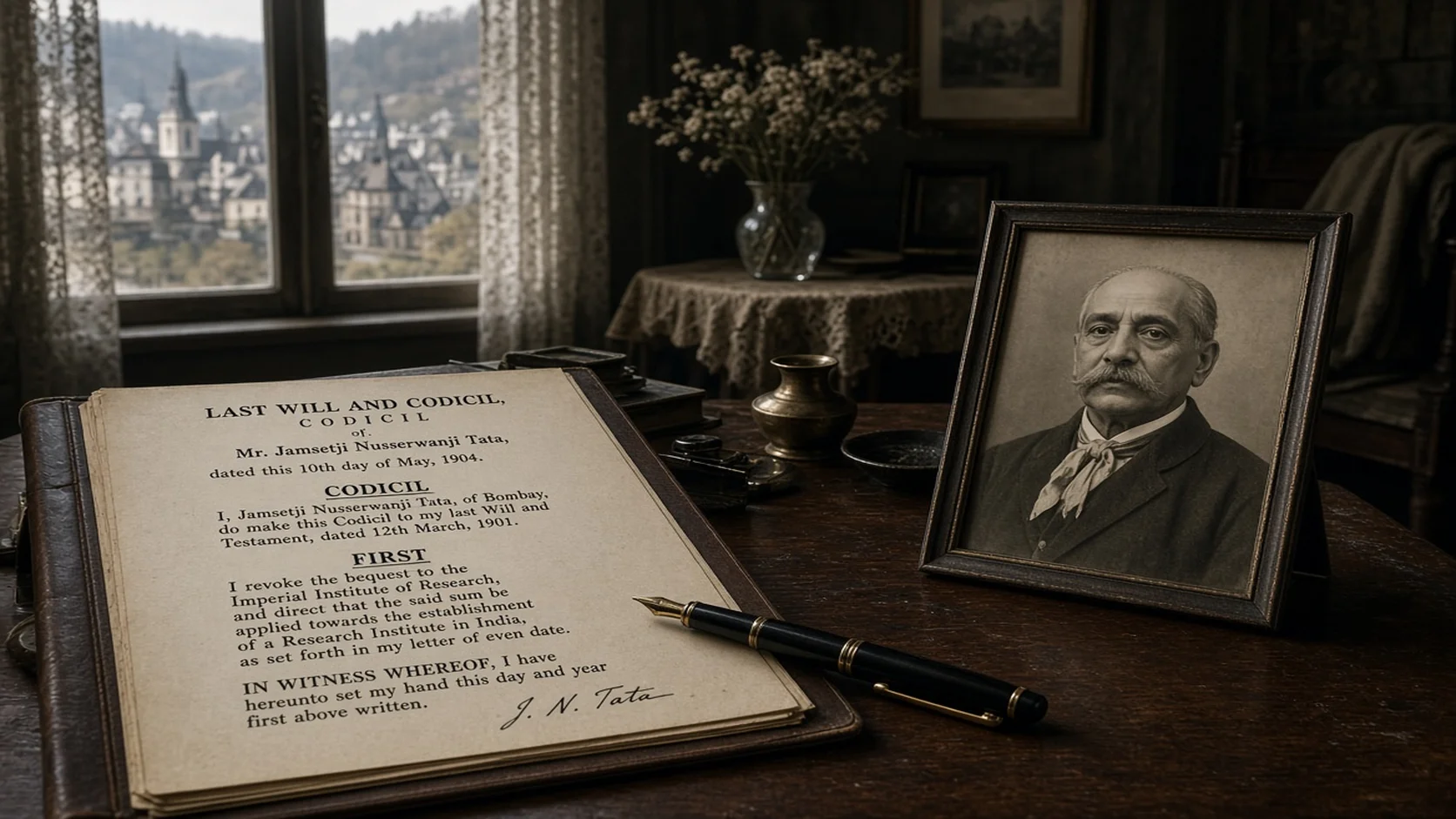
He didn't live to see most of it. Tata fell seriously ill on a business trip to Germany in 1900. His wife, Hirabai, died in 1904, and about two months later, on May 19, 1904, he died at the spa town of Bad Nauheim, Germany, at 65, less than three months after Bose's letter7. He was buried at Brookwood Cemetery in England. Shortly before he died, he added a codicil to his will to keep his offer for the research institute open for the British government to accept after his death.
What's the takeaway?
Plan for what will outlast you. Jamsetji Tata built mills that made money, but his biggest projects were ones he knew he might not live to finish. He committed half his fortune, wrote down his plans in detail and put his promises in his will. His sons and colleagues built the steel plant, the institute and the power company he planned, and the city where the steel plant stands is named for him.
Timeline
-
1839-03-03—Born in Navsari, western India.
-
1858—Finishes his studies at Elphinstone College in Bombay.
-
1859—Joins his father's firm and goes to Hong Kong and Shanghai.
-
1864—Moves to London to manage cotton shipments.
-
1868—Founds his own trading company with 21,000 rupees.
-
1869—Buys a bankrupt oil mill and turns it into Alexandra Mill.
-
1877-01-01—Empress Mills opens in Nagpur.
-
1886—Empress Mills starts a pension fund for workers.
-
1892—Founds the JN Tata Endowment for Indian students studying abroad.
-
1893—Starts the Tata Line and meets Swami Vivekananda at sea.
-
1898—Offers about 3 million rupees to endow a research institute.
-
1903-12-16—The Taj Mahal Hotel opens in Bombay.
-
1904-05-19—Dies at Bad Nauheim, Germany, at 65.
-
1907-08-26—The Tata Iron and Steel Company is registered.
-
1909-05-27—The Indian Institute of Science is established.
-
1912—The first steel is produced at Sakchi.
-
1919—Sakchi is renamed Jamshedpur in his honor.
Side notes
-
A family of firsts—His sister Jerbai's son, Shapurji Saklatvala, became a member of the British Parliament, and his cousin Ratanji Dadabhoy Tata was the father of JRD Tata, who later led the group for more than 50 years. Learn more ↩
-
Two ships—The Tata Line started with the Annie Barrow, chartered from England for 1,050 pounds a month, roughly $200,000 in today's money, and soon added the Lindisfarne. It was the first business to carry the Tata name. Learn more ↩
-
"Swadeshi of Swadeshists"—The economist D.E. Wacha called him that, after the movement to buy Indian-made goods. Tata named one of his Bombay mills Swadeshi Mill years before the movement took off. Learn more ↩
-
The monk's reply—In April 1899 Vivekananda praised the plan in his monthly, Prabuddha Bharata, and argued that the whole country should help fund what one man had started. Learn more ↩
-
A myth at the door—A popular story says he built the Taj after being turned away from a European-only hotel. Historians Sharada Dwivedi and Charles Allen called that "far too petty a reason" for a man like Tata. Learn more ↩
-
The last laugh—In 2007, Tata Steel marked its centenary by buying the Anglo-Dutch steelmaker Corus, which included the old British Steel, for $12.6 billion. Learn more ↩
-
A close call on the site—Around the time of Bose's letter, his son Dorabji had nearly settled on a site in the Dhalli and Rajhara hills, about 140 miles from Nagpur. Learn more ↩