
- At 16 he arrived in California from Ukraine and lived on food stamps.
- A $19 billion sale in 2014 was signed at a welfare office door.
- Today roughly 3 billion people use the messaging app he started.

Who is he—and what was he like before everyone noticed?
Jan Koum was born on February 24, 1976, in Kyiv, then part of the Soviet Union, and grew up in the small town of Fastiv nearby. He was an only child in a Jewish family, and the house had no hot water. "It was so run-down that our school didn't even have an inside bathroom," he recalled. Before anyone had heard of him he was a teenager in a country coming apart, about to be uprooted to the other side of the world.
What did his life look like before his trek began?
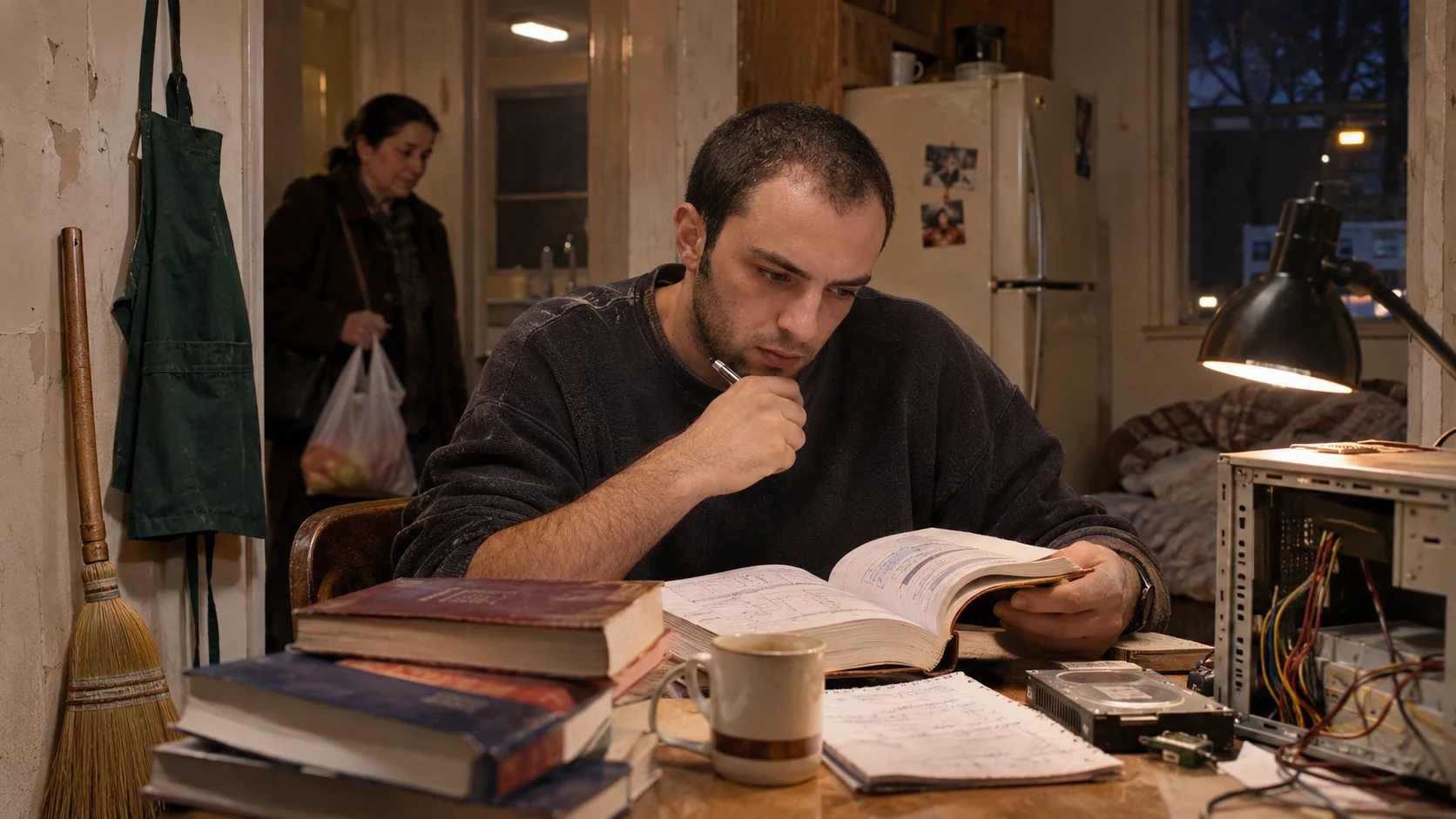
Poor, and self-taught. In 1992, at 16, he moved to Mountain View, California, with his mother and grandmother, and a social support program found them a small two-bedroom apartment. His mother worked as a babysitter, and he swept floors at a grocery store. He didn't have a computer until about 19, so he taught himself networking from manuals1. He joined w00w00, a hacker group whose members included the future founders of Napster, enrolled at San Jose State University, and worked as a security tester at Ernst & Young. There, in 1997, he met Brian Acton, who helped him get a job at Yahoo as an infrastructure engineer. He soon dropped out of college and stayed at Yahoo for about nine years.
What did he see that other people didn't?
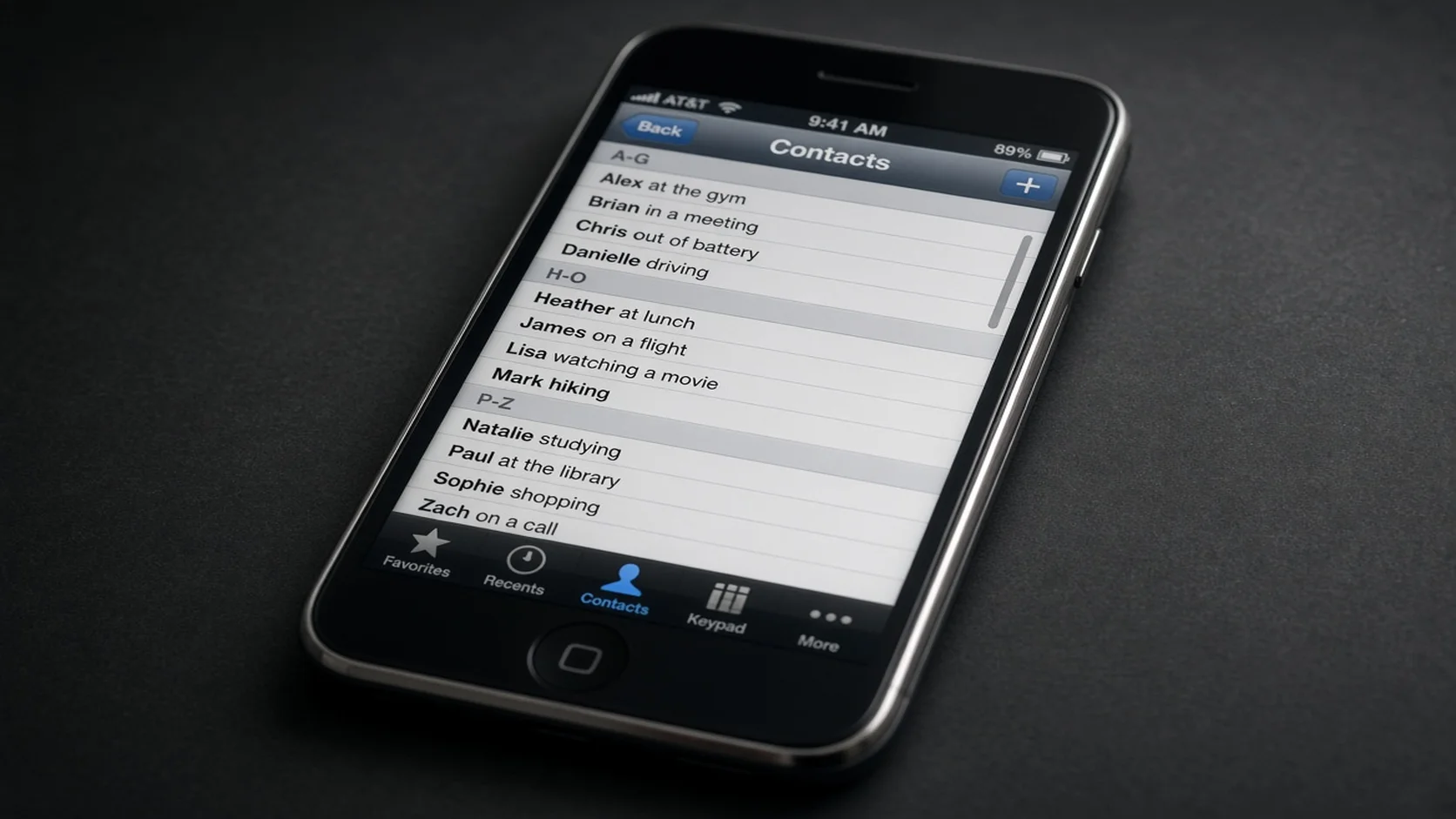
That the iPhone's App Store would create a whole new industry. In January 2009 Koum bought an iPhone, and the App Store was just seven months old. He had an idea for an app that would show a short status next to each name in your phone's contact list, so you could see whether a friend was busy, at the gym or out of battery before you called.

What problem became his obsession?
Keeping messaging simple and free of ads. He and Acton had spent years at Yahoo watching the company chase advertising revenue, and they wanted nothing to do with it. Acton wrote a note that Koum kept on his desk: "No Ads! No Games! No Gimmicks!" In a 2012 blog post, Koum explained why: "Remember, when advertising is involved you the user are the product."

Why did this matter personally to him?
He had grown up being watched. In a 2014 blog post, he wrote that part of the reason his family left was that "we couldn't speak freely without the fear that our communications would be monitored by KGB." He also lost both parents early. His father planned to join them in California but never left Ukraine and died there in 1997. His mother died of cancer in 2000, nine years before WhatsApp existed.
Where did the first money come from?
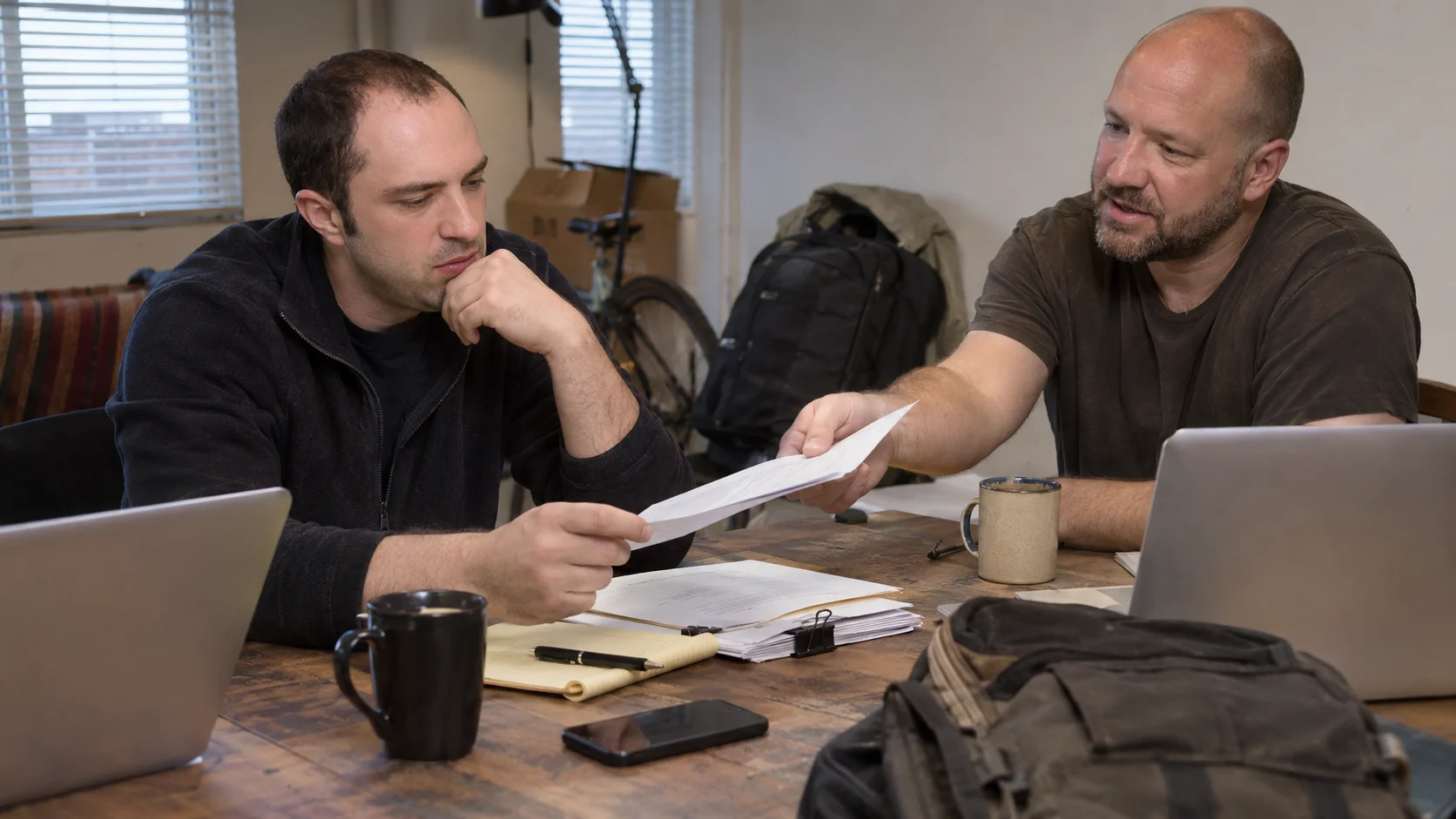
His own savings, then a few friends. Koum and Acton left Yahoo in September 2007 and spent about a year traveling in South America and playing ultimate frisbee. When they got back, they both applied for jobs at Facebook, and both were turned down. Koum incorporated WhatsApp Inc. on February 24, 2009, his 33rd birthday, before the app was finished2. That October, Acton brought in $250,000 in seed money from former Yahoo colleagues and joined as co-founder.

What made the economics work?
A tiny team and a tiny fee. WhatsApp charged users $1 a year after a free period. Sequoia Capital invested about $8 million in 2011 and $50 million more in 2013 at a $1.5 billion valuation3. By early 2014 WhatsApp had about 450 million monthly users and only about 55 employees.

What was the decision or moment after which nothing was the same?
Saying yes to Facebook. Mark Zuckerberg had been courting Koum since 20124, and on February 19, 2014, Facebook announced it would buy WhatsApp for $19 billion: $4 billion in cash, $12 billion in Facebook shares and $3 billion in restricted stock units for WhatsApp's founders and employees. By the time the deal closed in October, it was worth about $22 billion. Koum, Acton and their Sequoia investor, Jim Goetz, drove a few blocks from the office to sign it on the door of the former North County Social Services office in Mountain View, where Koum had once stood in line for food stamps.
What nearly killed it?
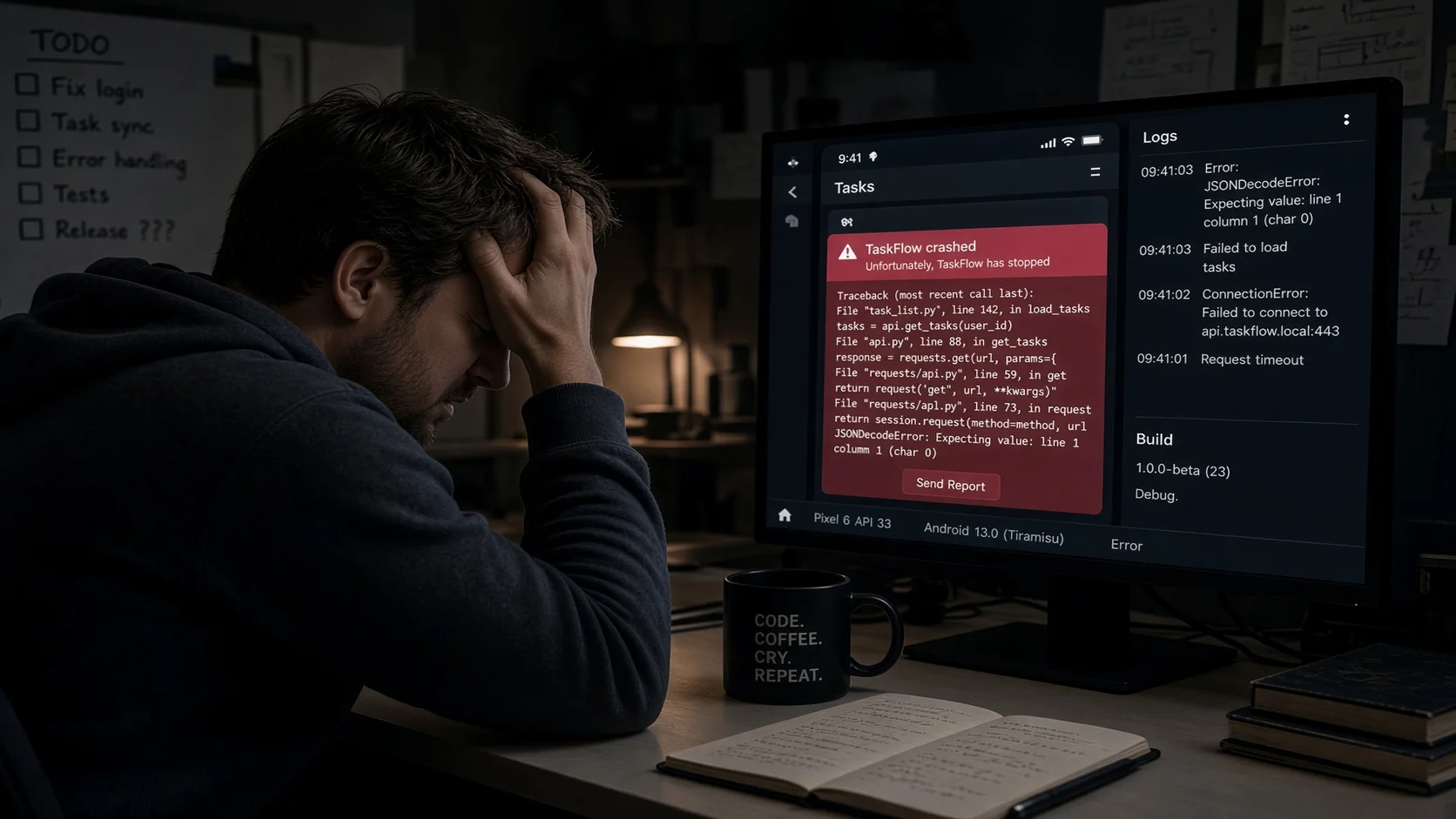
The app itself. The first versions of WhatsApp kept crashing, and almost nobody used them. Koum told Acton he was ready to give up and look for a job. Acton urged him to stick with it for a few more months.
What happened that he couldn't have planned for?
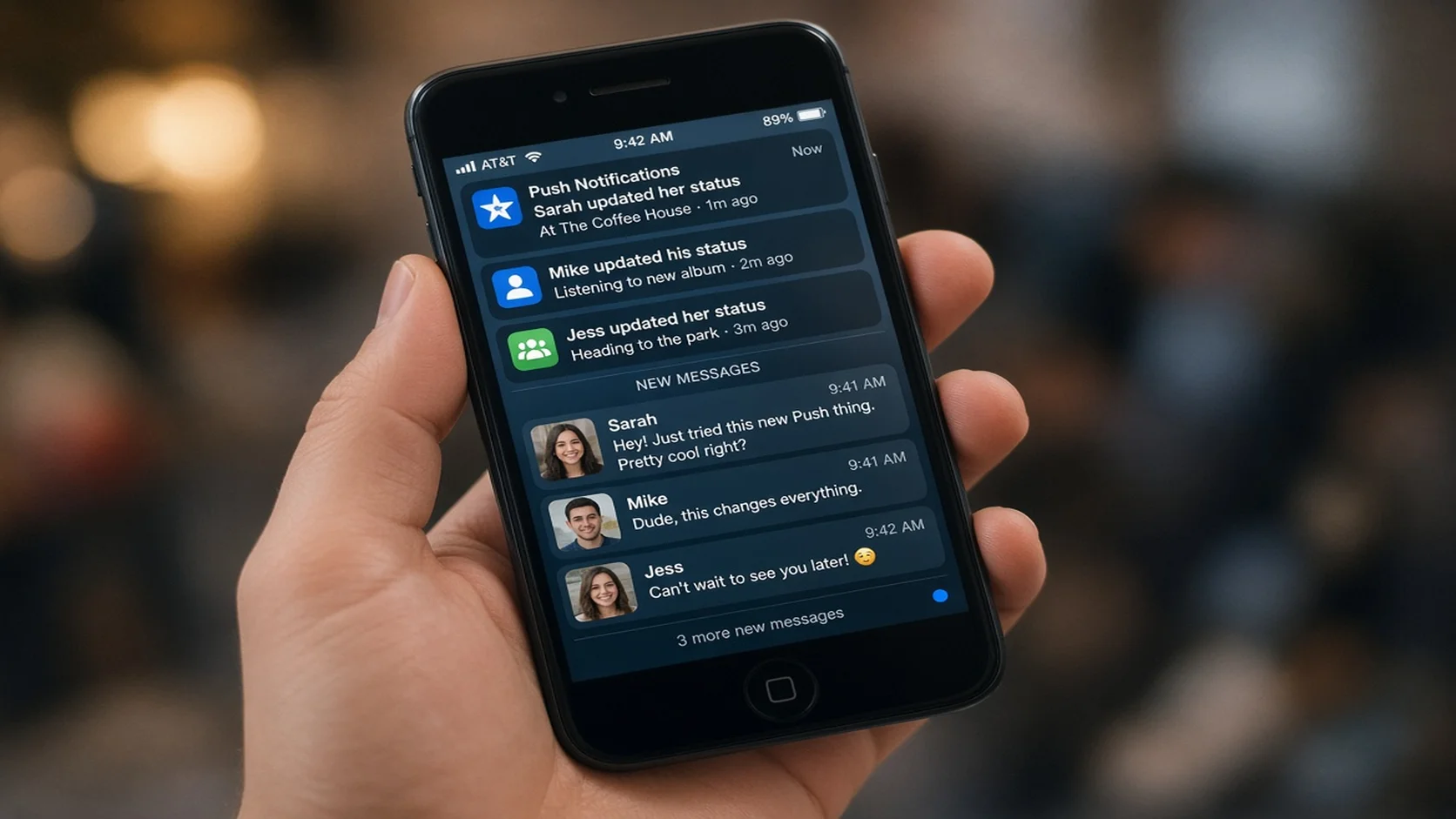
Apple changed the iPhone. In June 2009 Apple added push notifications, which let an app alert people even when it wasn't open. Suddenly every status change in WhatsApp pinged a user's friends, and Koum's Russian-speaking friends in the area started using the status updates to message each other. He rebuilt the app around messaging, and after WhatsApp 2.0 came out that summer, active users jumped to about 250,000.

What showed that he was human after all?
He'd rather be in a garage than a boardroom. When he left Facebook's board in 2018, he said he was taking time off to collect rare air-cooled Porsches, work on his cars and play ultimate frisbee5. He has never liked the word entrepreneur, either. "Next person to call me an entrepreneur is getting punched in the face by my bodyguard," he once tweeted.

What was the change he brought about?
He gave the world a free way to stay in touch across borders. WhatsApp dropped its $1 fee in 2016, and by 2025 about 3 billion people used it every month. In 2026 his family foundation gave $200 million to Shaare Zedek Medical Center in Jerusalem, reportedly the largest gift ever to an Israeli hospital, which will be renamed Koum Shaare Zedek Medical Center6.
What did he believe that most reasonable people around him did not?
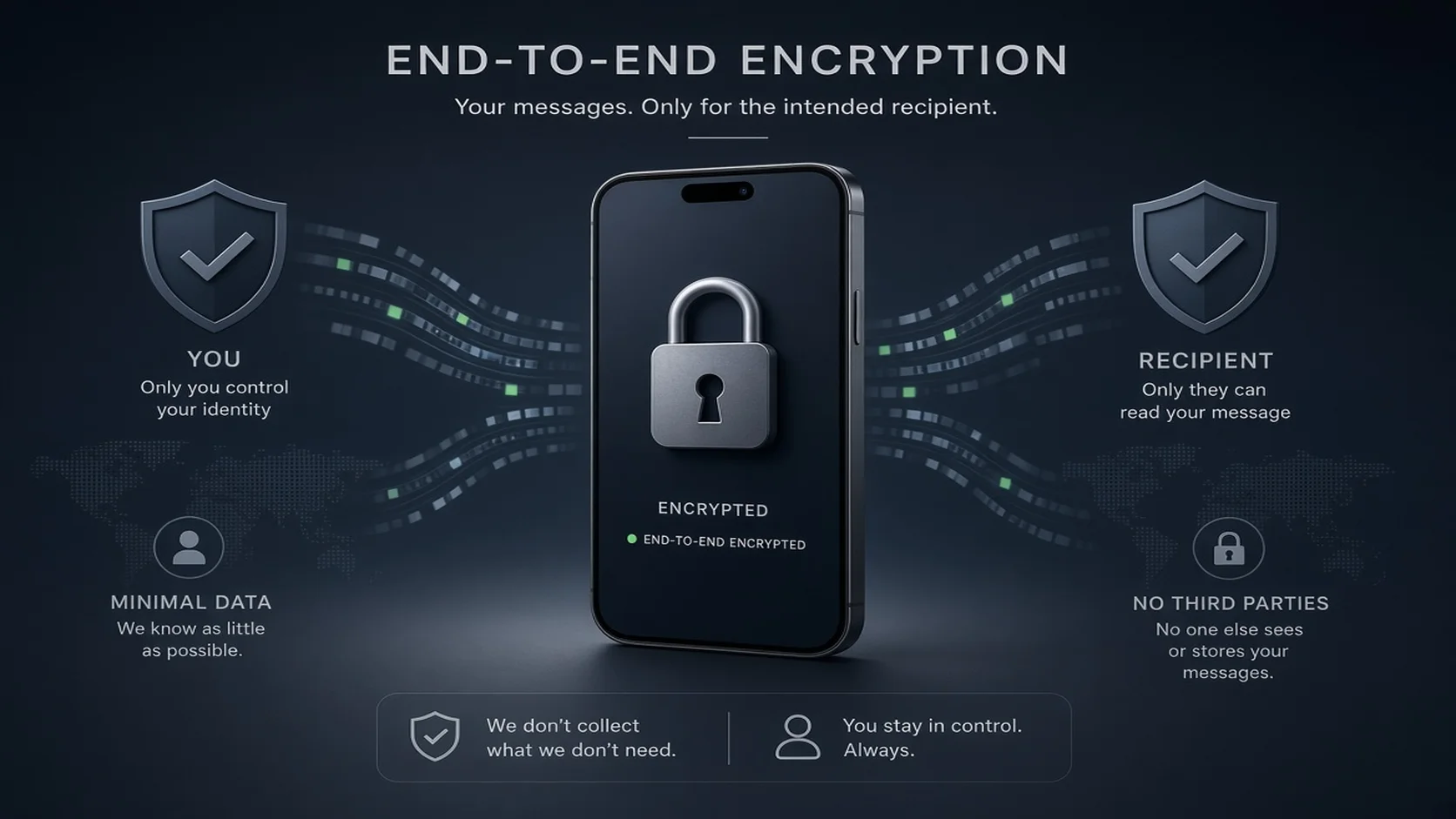
That a messaging company should be unable to read its users' messages. "Respect for your privacy is coded into our DNA," he wrote in March 2014, "and we built WhatsApp around the goal of knowing as little about you as possible." In November 2014 WhatsApp began adding the Signal Protocol, an encryption system developed by Open Whisper Systems, and on April 5, 2016, it announced end-to-end encryption for every message, photo, video and call. In 2015 and 2016, judges in Brazil ordered the app blocked nationwide three times after the company didn't hand over users' messages in criminal cases, and each time higher courts lifted the block within a day7.
What did his trek cost him?
The company he built. After the sale, reports said Koum clashed with Facebook over plans to use WhatsApp's data and to weaken its encryption. Acton left in 2017, and on April 30, 2018, Koum announced he was leaving WhatsApp and Facebook's board. Zuckerberg thanked him for everything he'd taught him "about encryption and its ability to take power from centralized systems and put it back in people's hands." Early reports said Koum was walking away from about $1 billion in unvested stock, but that August it emerged that he had stayed on the payroll in a reduced role, collecting about $450 million in stock as it vested.

What's the takeaway?
Build for the people using your product, and protect what they trust you with. Koum refused ads, kept the app simple and protected what people said on it. A teenager who arrived on food stamps built a product used by billions, and he signed its sale on the door of the office that had once fed his family.
Timeline
-
1976-02-24—Born in Kyiv, Soviet Union.
-
1992—Moves to Mountain View, California, with his mother and grandmother.
-
1997—Meets Brian Acton at Ernst & Young and joins Yahoo; his father dies in Ukraine.
-
2000—His mother dies of cancer.
-
2007-09—Leaves Yahoo with Acton.
-
2009-02-24—Incorporates WhatsApp on his 33rd birthday.
-
2009-06—Apple adds push notifications to the iPhone.
-
2009-10—Acton raises $250,000 in seed money and joins as co-founder.
-
2011—Sequoia Capital invests about $8 million.
-
2014-02-19—Facebook announces it will buy WhatsApp for $19 billion.
-
2014-11—WhatsApp begins adding Signal Protocol encryption.
-
2016-04-05—WhatsApp completes end-to-end encryption.
-
2018-04-30—Announces he is leaving WhatsApp and Facebook's board.
-
2026-05—His foundation gives $200 million to Shaare Zedek Medical Center in Jerusalem.
-
2026-06—His foundation gives $36 million to Milken Community School in Los Angeles.
Side notes
-
Borrowed manuals—Koum bought computer manuals and training guides, learned from them, then returned them. Learn more ↩
-
"What's up"—Koum picked the name almost immediately while talking over the idea with his friend Alex Fishman, because it sounded like "what's up." Learn more ↩
-
A 5,000% return—Sequoia's investment in WhatsApp earned it roughly 50 times its money in the Facebook deal. Learn more ↩
-
Chocolate-covered strawberries—Koum accepted on Valentine's Day 2014 at Zuckerberg's home, where the terms were reportedly worked out over chocolate-covered strawberries. Learn more ↩
-
Ten Porsches—In March 2019 he put 10 Porsches up for auction in Florida, including three air-cooled 911 Carrera RS models, all painted yellow. Learn more ↩
-
A campus, too—In June 2026 his foundation gave $36 million to Milken Community School in Los Angeles, which named its 22-acre campus the Jan Koum Campus. Learn more ↩
-
Four hours—The third block, ordered "indefinitely" in July 2016, lasted only about four hours. Learn more ↩