- His spark-making magneto made early car engines dependable enough to drive.
- Rival employers gave him a nickname that painted him as a socialist.
- Under Hitler, his firm made arms while his inner circle supported the resistance.
Who was he—and what was he like before everyone noticed?
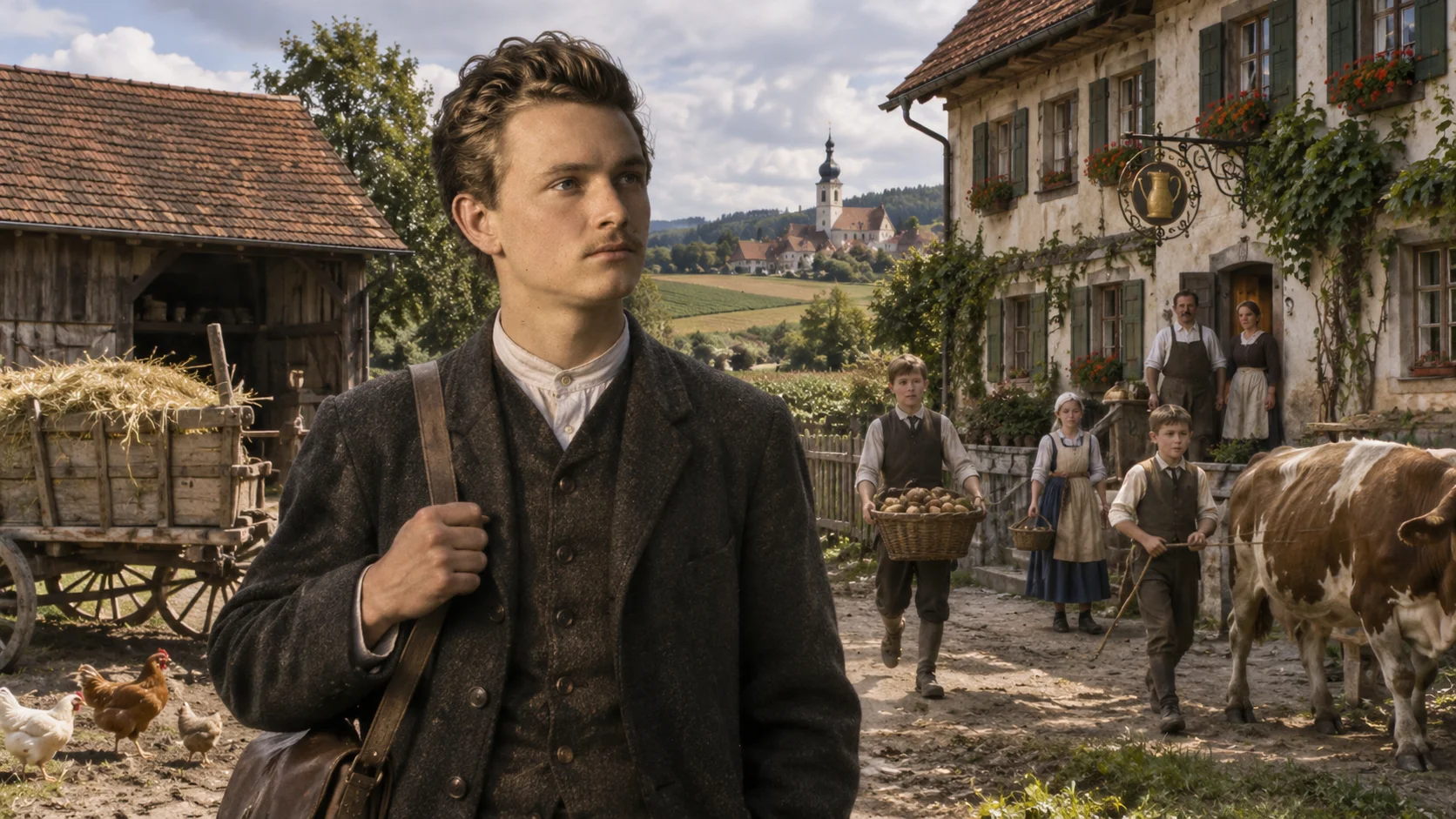
Robert Bosch was born on September 23, 1861, in Albeck, a village near Ulm in southern Germany, the 11th of 12 children. His family were innkeepers and farmers, and his father, Servatius, was a well-off man who valued education1. Before anyone had heard of him he was a farm boy from a large family who passed his exams at a secondary school in Ulm and went off to train as a precision mechanic.
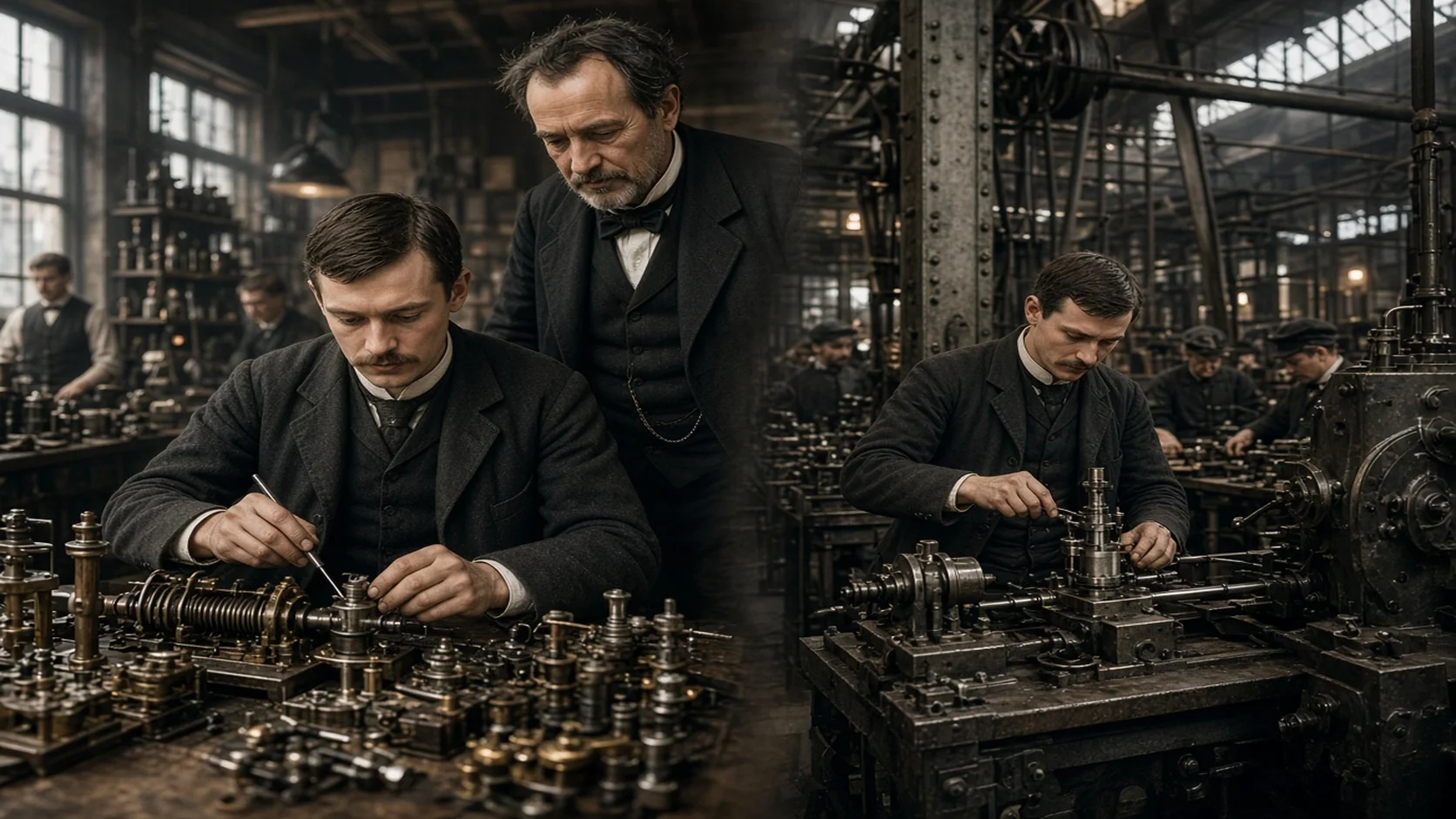
What did his life look like before his trek began?
Years on the move, learning the new trade of electrical engineering. After his apprenticeship he worked as a journeyman, did his military service in Ulm in 1881, and worked for the electrical firm Schuckert in Nuremberg. He sat in on lectures at Stuttgart's technical college, then sailed for New York in 1884 and worked for Thomas Edison and his partner Sigmund Bergmann. In 1885 he moved on to London to work for Siemens Brothers. By the time he went home, he had spent about seven years learning from some of the best electrical companies of the day.
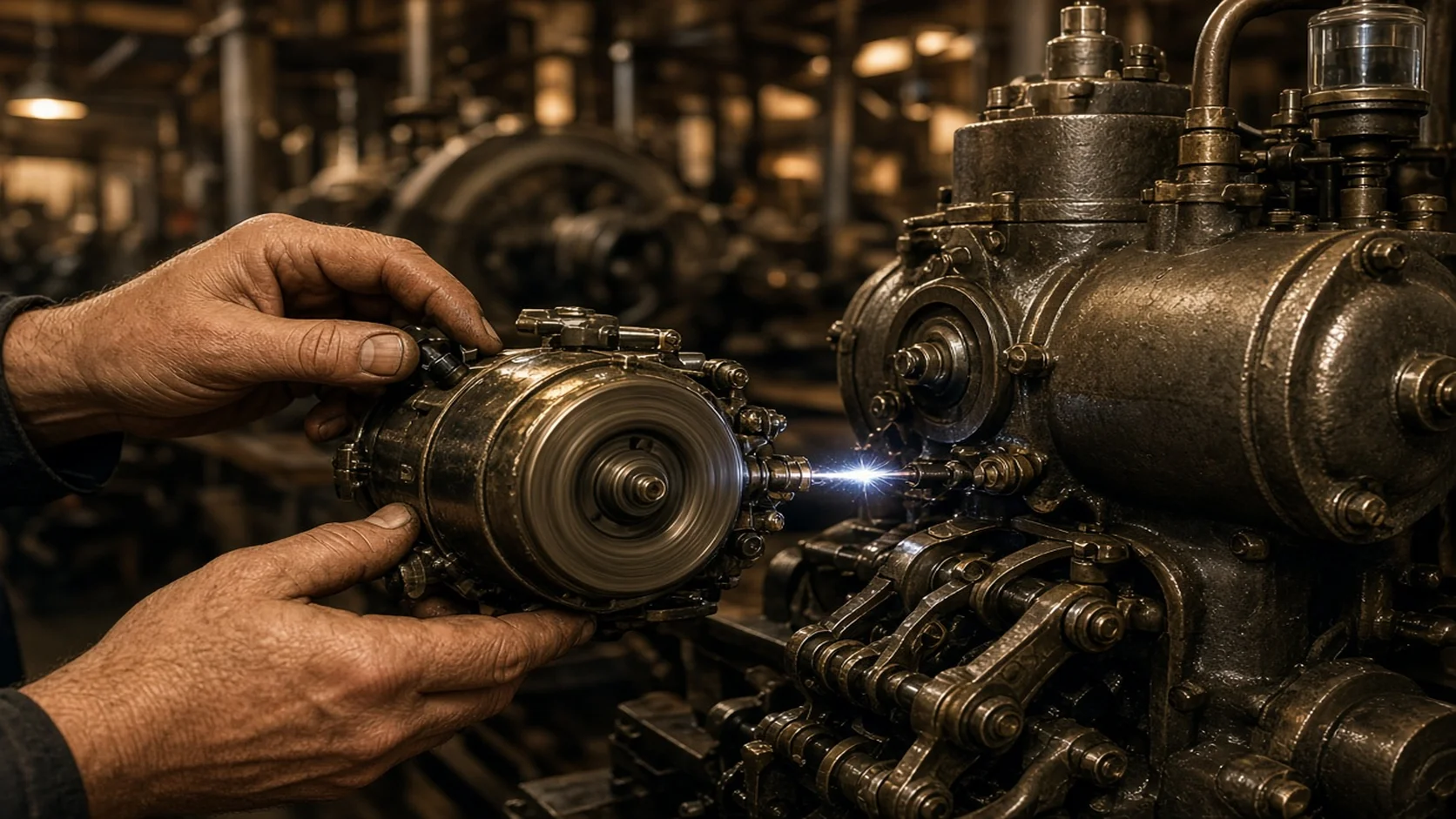
What did he see that other people didn't?
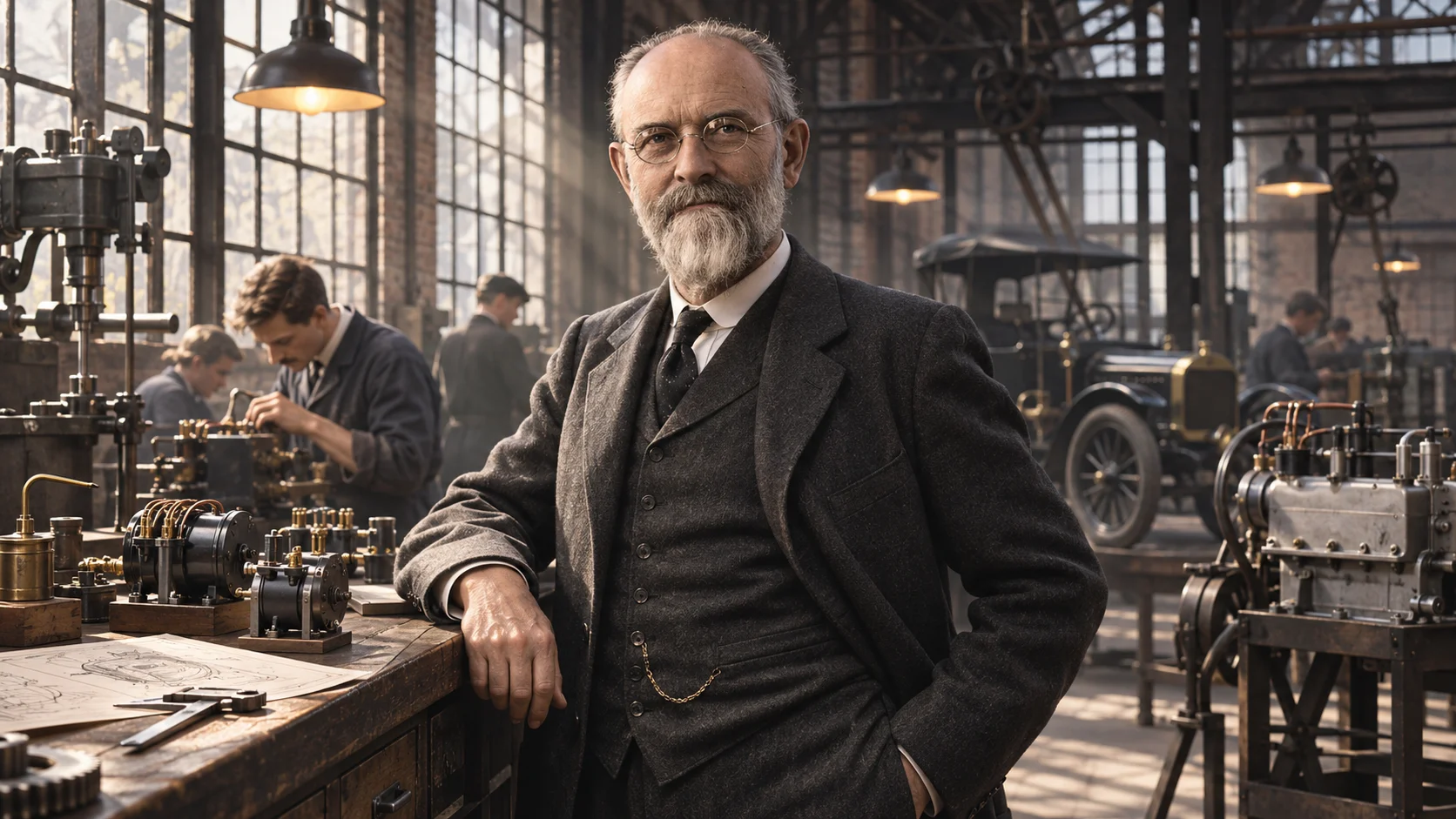
That the new gas engines needed a dependable spark. Internal combustion engines were spreading through factories, and later into the first cars, but getting the fuel to ignite reliably was a constant problem. Bosch saw that a small, precisely made electrical device could solve it. The magneto, which uses a spinning magnet to generate the spark, became the company's key product and its way into the auto industry.
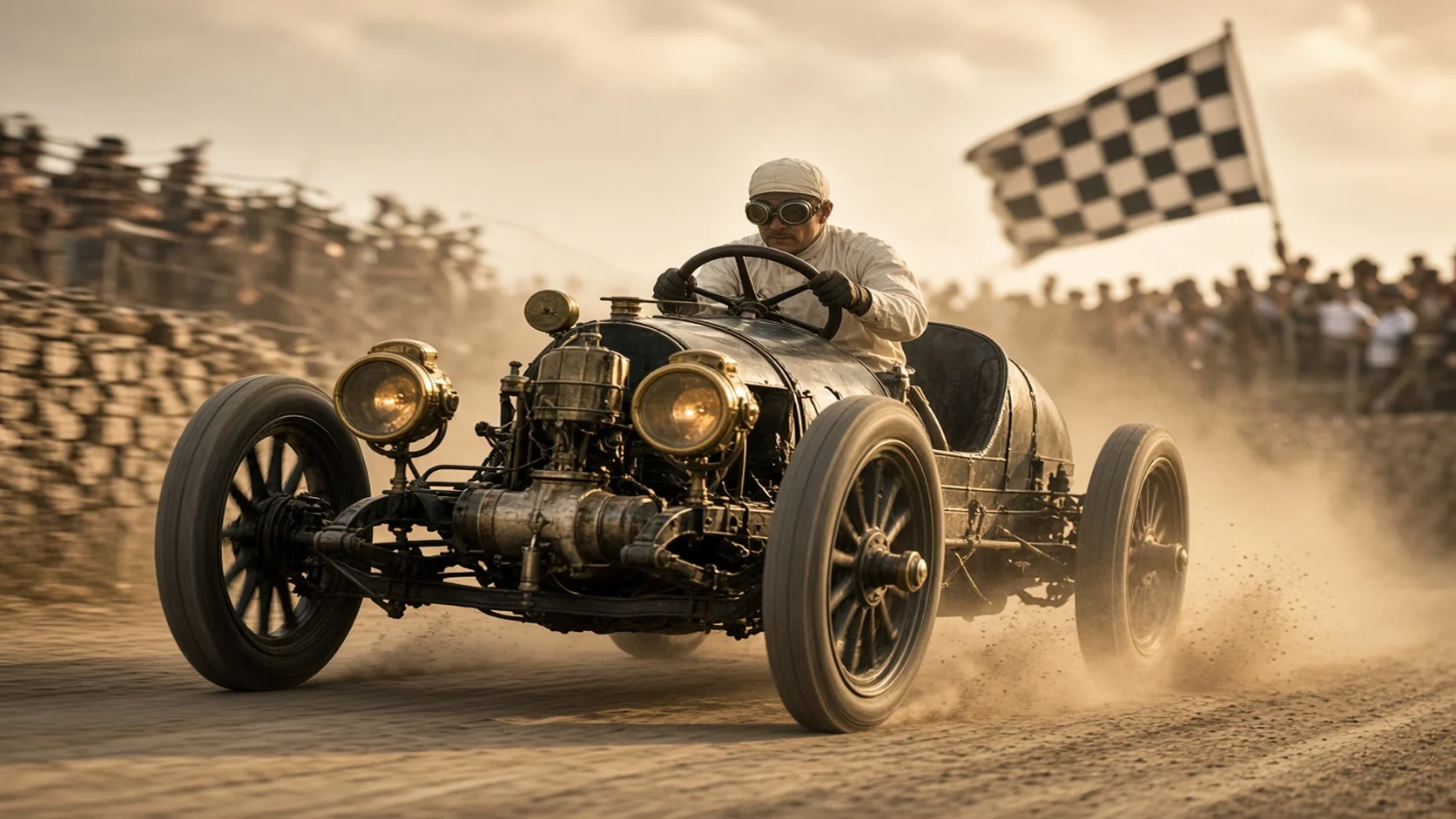
What problem became his obsession?
Making products that would hold up to anyone's scrutiny. Precision was the whole point of a magneto, and Bosch held himself to that standard. "I was always plagued by fears that someone would check my products," he wrote in 1918. The payoff came on the racetrack. In 1901 a Mercedes fitted with a Bosch magneto won a race, showing carmakers what a dependable spark could do.
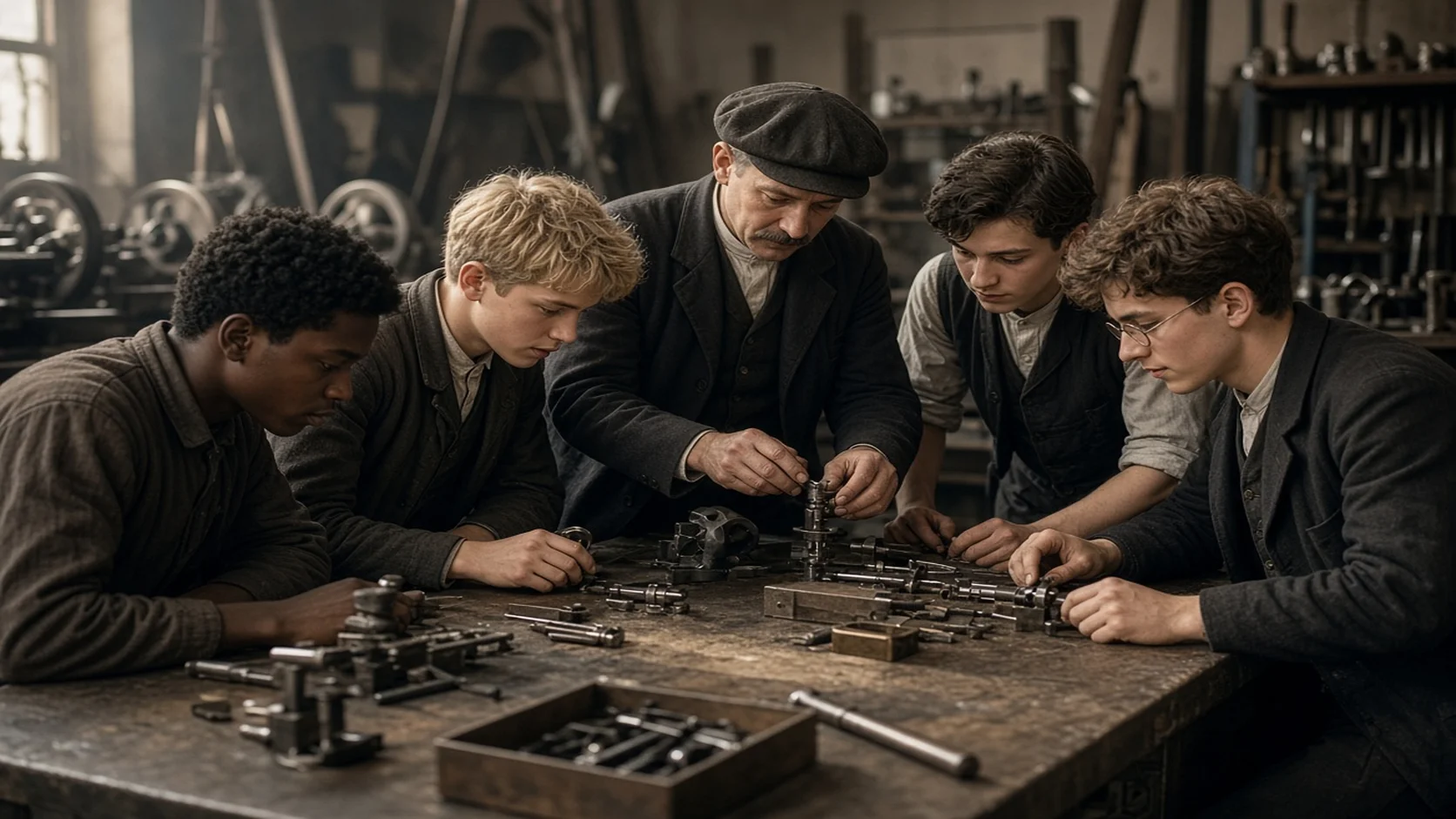
Why did this matter personally to him?
He knew what poor training cost. His own apprenticeship, with a precision mechanic named Wilhelm Maier, left him unhappy with how little he'd been taught2. Years later, as an employer, he became a strong supporter of vocational training, determined that young workers in his shops would learn more than he had.
Where did the first money come from?
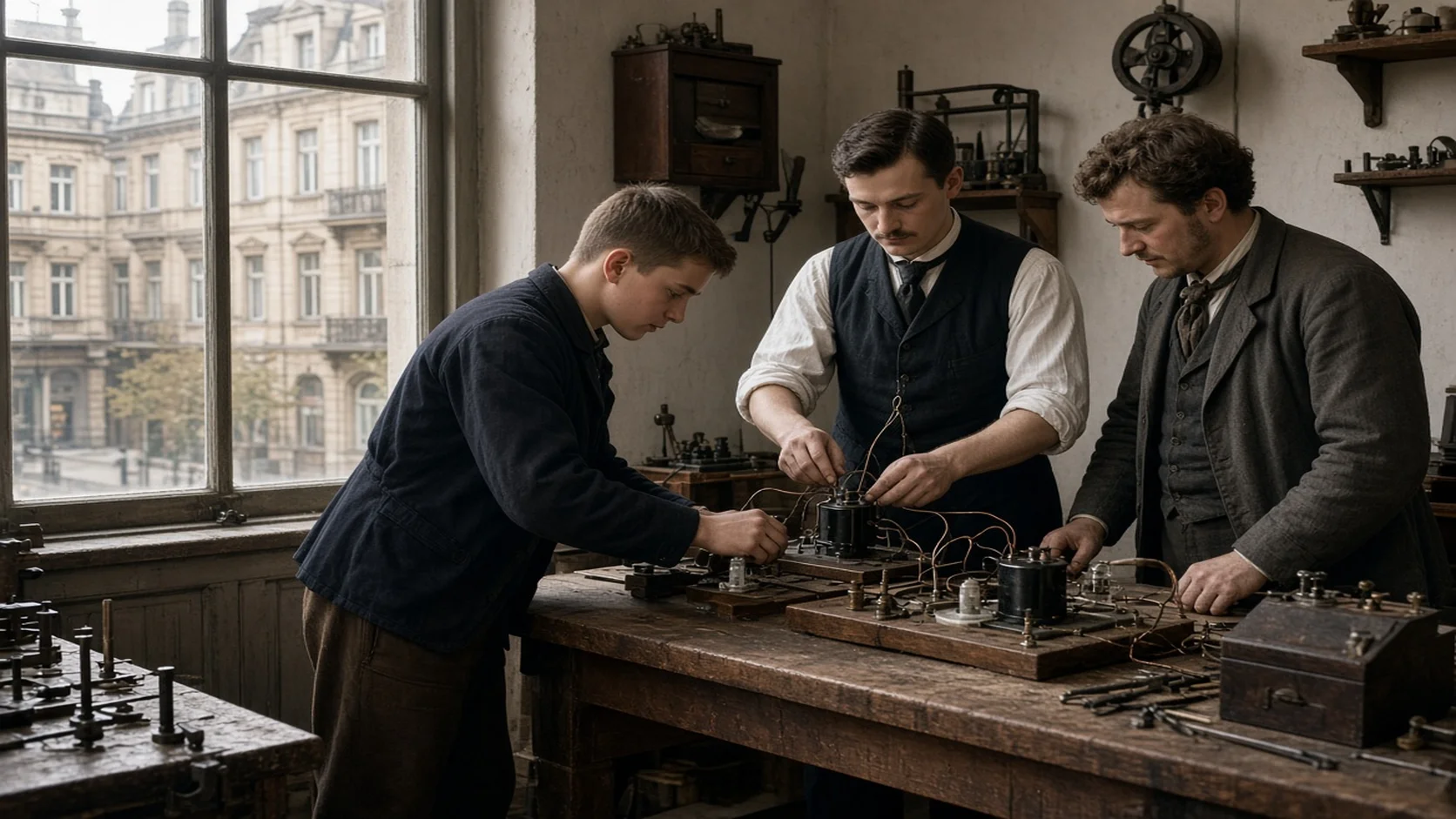
His own savings, and then a bank. On November 15, 1886, at 25, he opened his Workshop for Precision Mechanics and Electrical Engineering in Stuttgart with about 10,000 marks, one journeyman and one apprentice. The early work was installing telephone systems and electric bells. When his savings ran out, a bank loan kept the business alive. By the turn of the century it had about 40 employees.
What made the economics work?
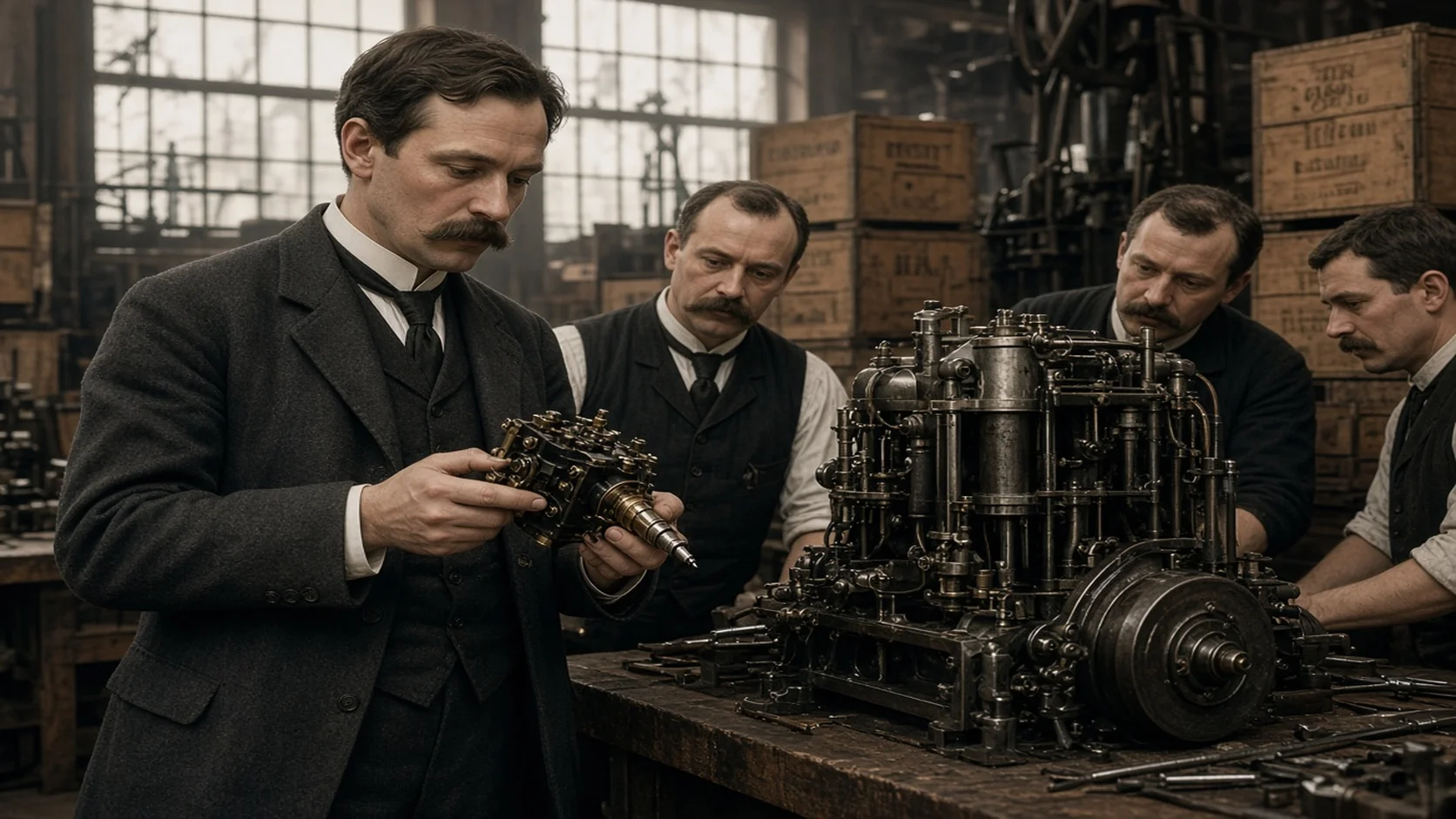
A part every engine needed. In 1887 Bosch built a low-voltage magneto for a customer's stationary engine, and over the next few years he made a few hundred for engine factories. In 1897 he tested one in a motorized three-wheeler to see whether it could work in road vehicles3, and in 1902 his team, led by the engineer Gottlob Honold, introduced a high-voltage magneto with a spark plug. Carmakers across Europe and the US wanted it. Bosch opened sales operations in Britain, France and the US, and by 1913 about 88 percent of sales came from outside Germany.
What was the decision or moment after which nothing was the same?
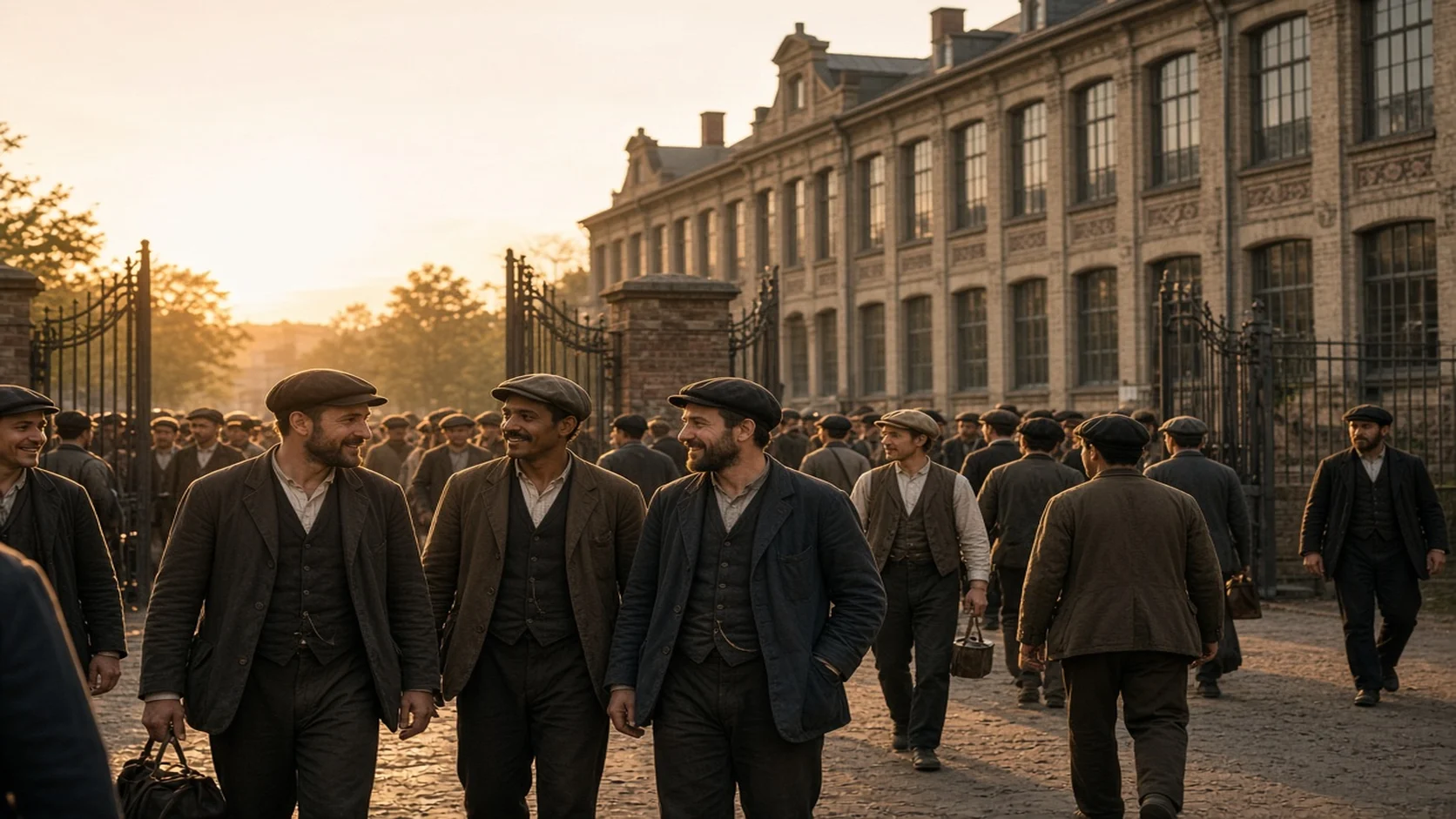
The day he cut the working day. In 1906 Bosch introduced an eight-hour day at his Stuttgart works, one of the first German employers to do so. Germany didn't adopt it nationally until November 1918. He also paid well above the going rate, and rival employers mocked him for it4. Bosch saw it as good business that brought industrial peace and higher output. "I do not pay good wages because I have a lot of money," he said, "but I have a lot of money because I pay good wages."
What nearly killed it?
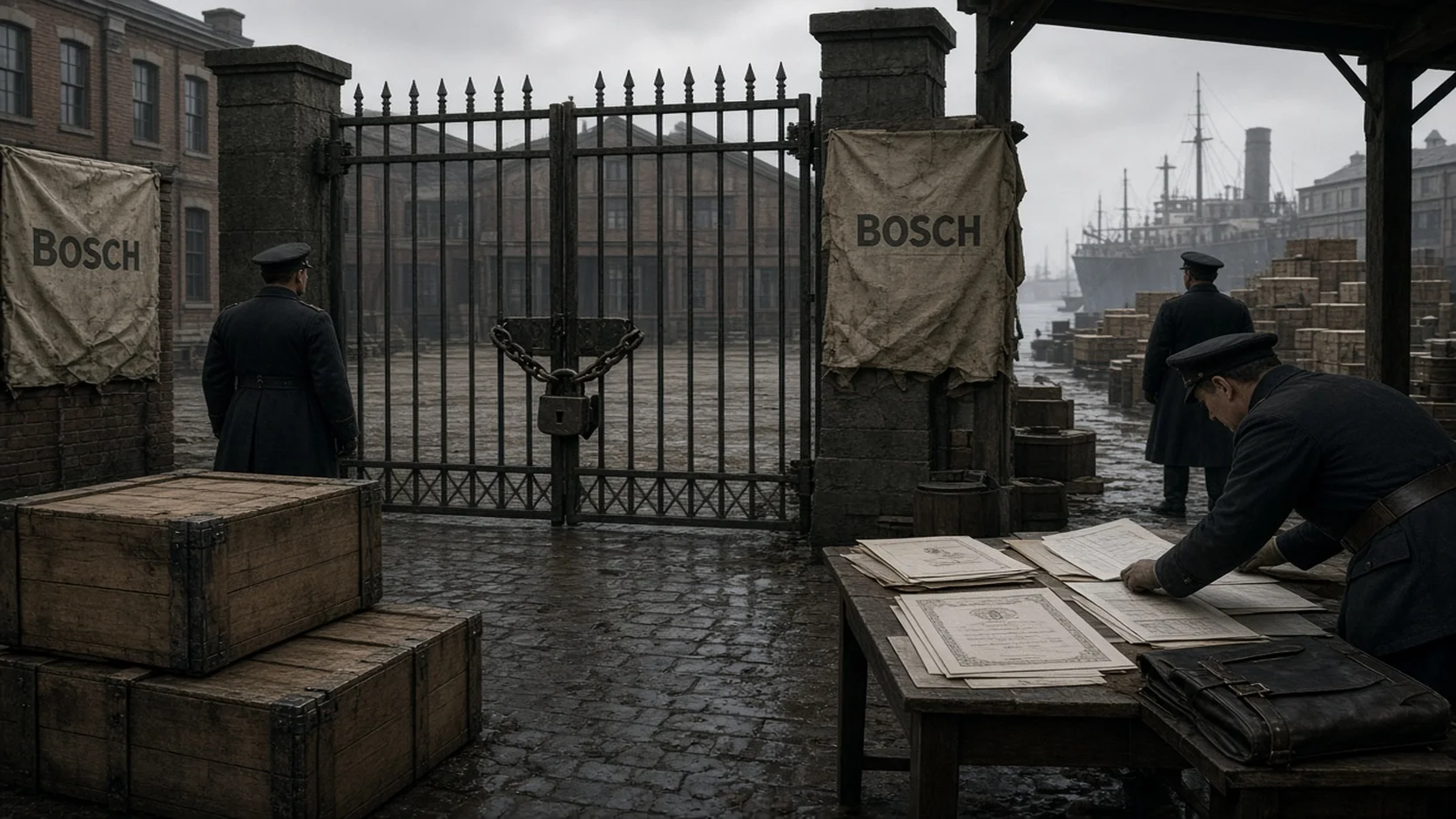
The First World War. The war cut Bosch off from most of the foreign markets that had made the company, and its enemies seized its overseas assets, patents and brand rights. In 1917 the US government took over his American company, and it was sold for $4.5 million, which Time later reported was about $5 million less than it was worth. When Bosch set up a new company in the US in 1921, the buyer of his old one sued, and a court barred him from using his own name on products sold there5.
What happened that he couldn't have planned for?
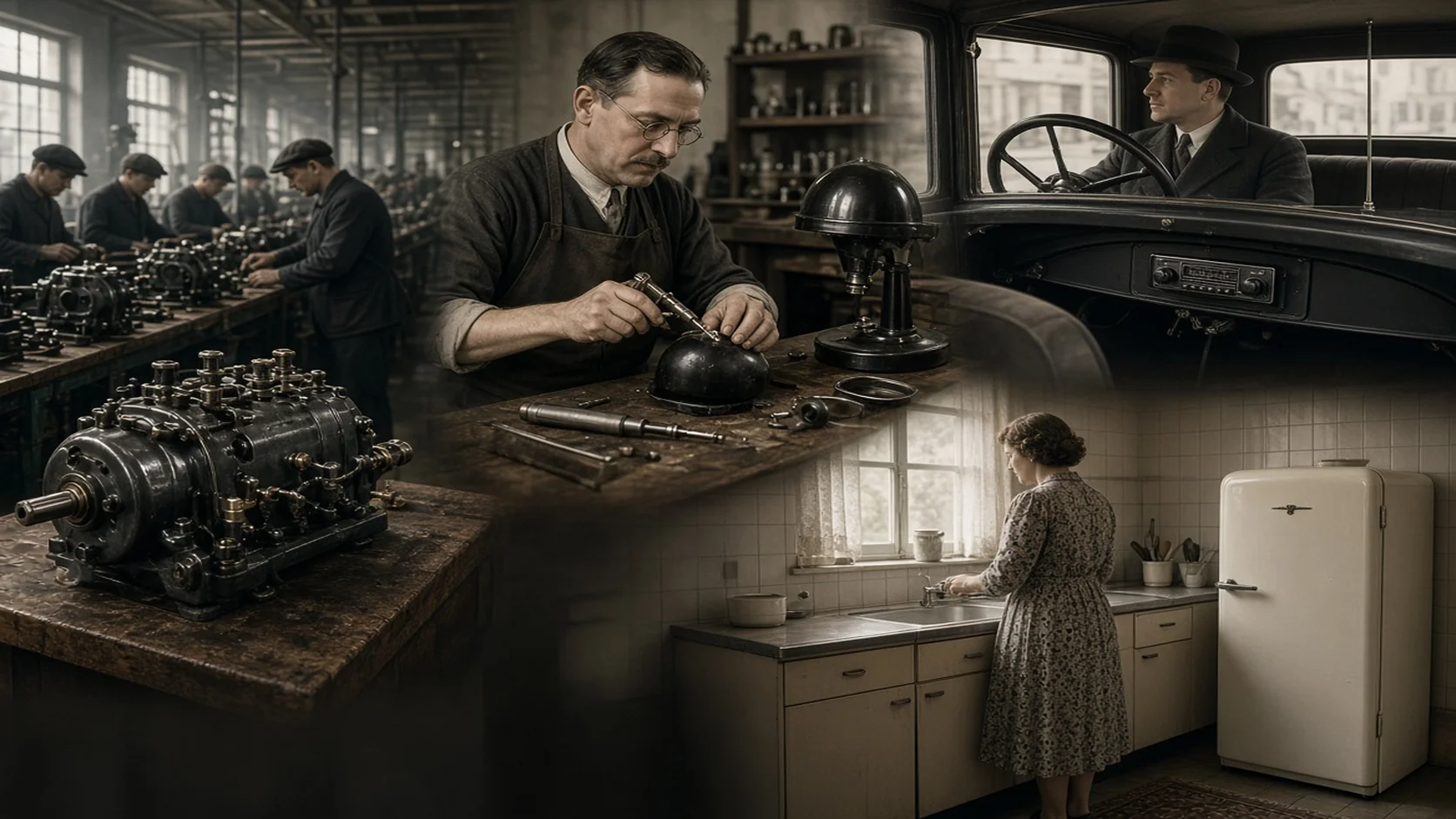
A collapse in car sales. In 1926 a deep crisis hit the German auto industry, and Bosch decided the company couldn't depend on one market. In 1927 its diesel injection pump went into production, and a hair trimmer called the Forfex led to the company's first power tools. In 1932 Bosch and Blaupunkt brought Europe's first car radio to series production, and in 1933 Bosch launched an electric refrigerator meant to be affordable for ordinary households6.

What showed that he was human after all?
He was happiest outdoors. Bosch kept a farm south of Munich, took a keen interest in agriculture, and was a passionate hunter7. He was also a firm believer in homeopathy, a system of alternative medicine based on tiny doses of natural substances, and gave 5.5 million marks to build a homeopathic hospital in Stuttgart. The Robert Bosch Hospital opened in April 1940.

What was the change he brought about?
He left behind a model for a large company owned by a charity. Bosch turned the business into a private limited company in 1937, and his will directed its profits to charitable causes and sketched out how the company should be run. His successors put that plan into effect in 1964, and in 1969 the company holding his estate was renamed the Robert Bosch Stiftung. Today the foundation owns about 94 percent of Robert Bosch GmbH but has no say in how it's run8. The company employs about 413,000 people in roughly 60 countries and had sales of €91 billion in 2025.
What did he believe that most reasonable people around him did not?
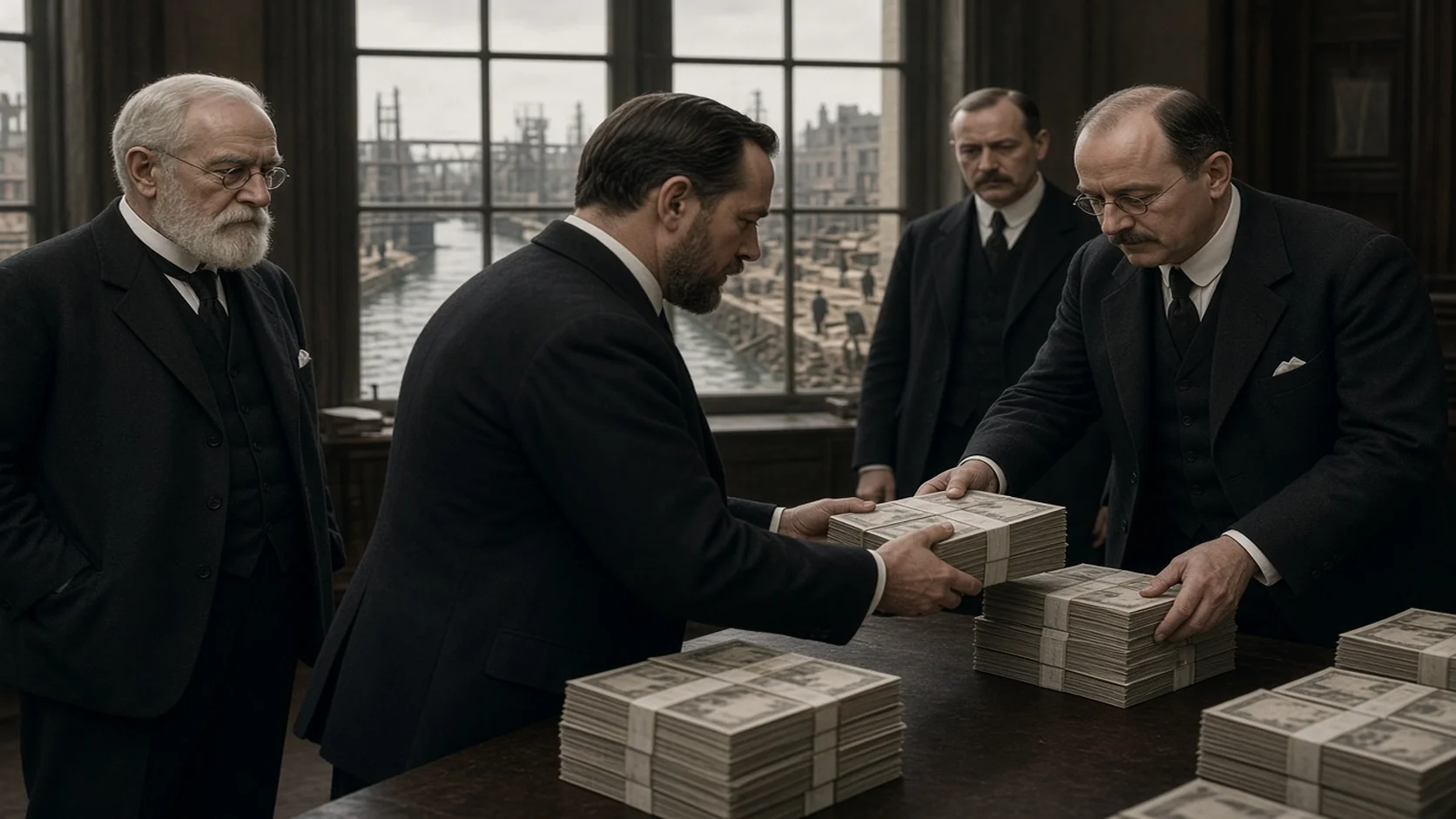
That a businessman shouldn't profit from war, and that trust was worth more than money. During the First World War, Bosch gave most of his armaments profits to charity, and in 1916 alone he gave around 20 million marks to charitable causes, including the Neckar Canal. He supported the League of Nations and worked for reconciliation between Germany and France. "I have always acted according to the principle that I would rather lose money than trust," he said.
What did his trek cost him?
His family life and, at times, his workers' goodwill. His son Robert, from his first marriage, died in 1921 after a long illness, and that marriage ended in divorce in 1926. In 1913 a bitter strike at his works soured his relations with the unions for a time, despite his reputation as a progressive employer.
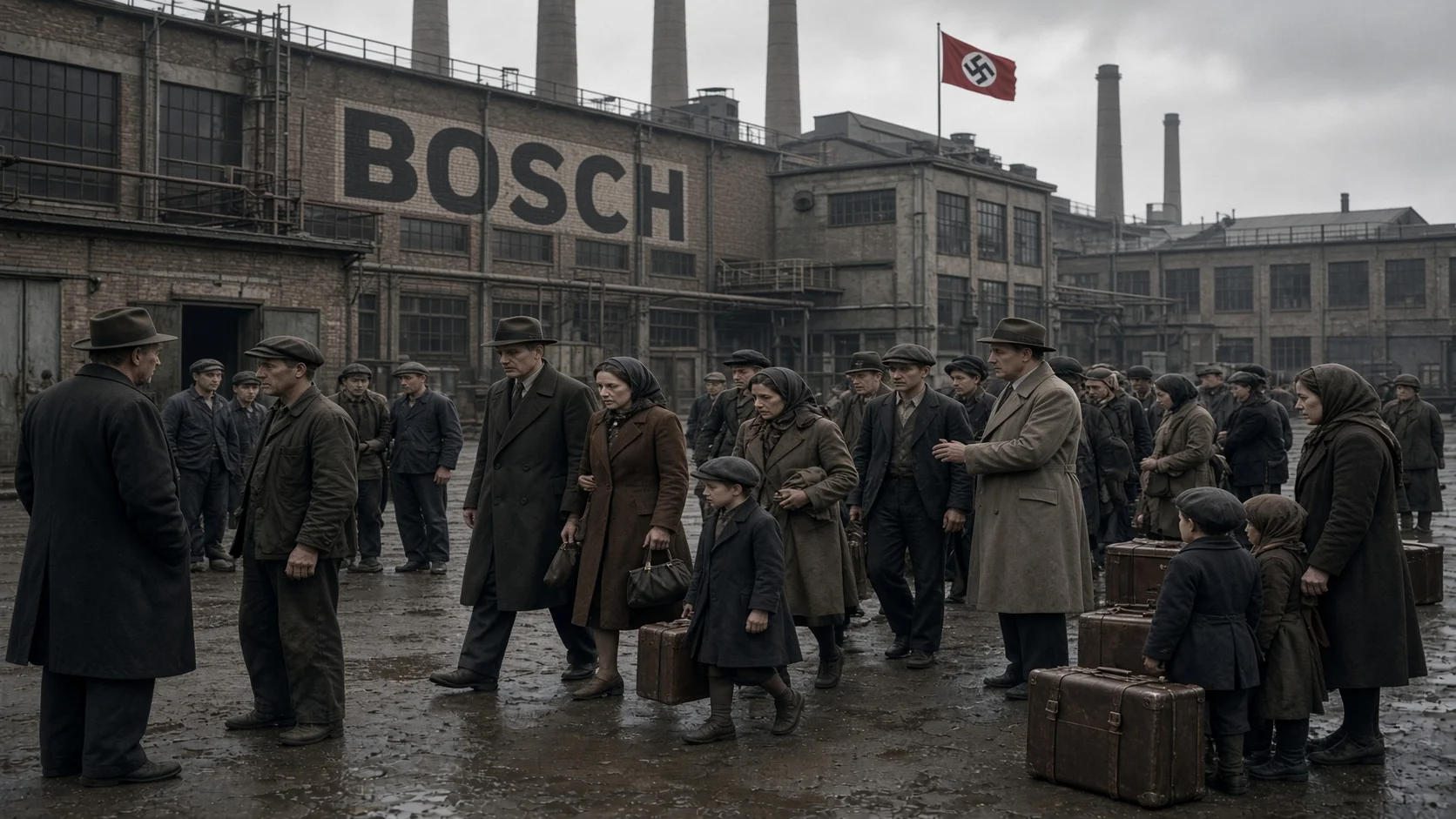
His last years forced him into compromises with a regime he rejected. Bosch was critical of the Nazis and withdrew from public life after 1933, but his company took armaments contracts, and up to 60 percent of its revenue in the 1940s came from the German military. As workers were called up, they were replaced with forced laborers from occupied countries, some of whom lived and worked in inhumane conditions, as the company itself acknowledges. At the same time, Bosch and his managers protected persecuted Jews by employing them, paid for others to emigrate, and in 1937 hired Carl Goerdeler, a central figure in the July 1944 plot against Hitler, as an adviser, giving him cover for trips abroad9. Bosch died in Stuttgart on March 12, 1942, at 80, from complications of an inflamed middle ear.
What's the takeaway?
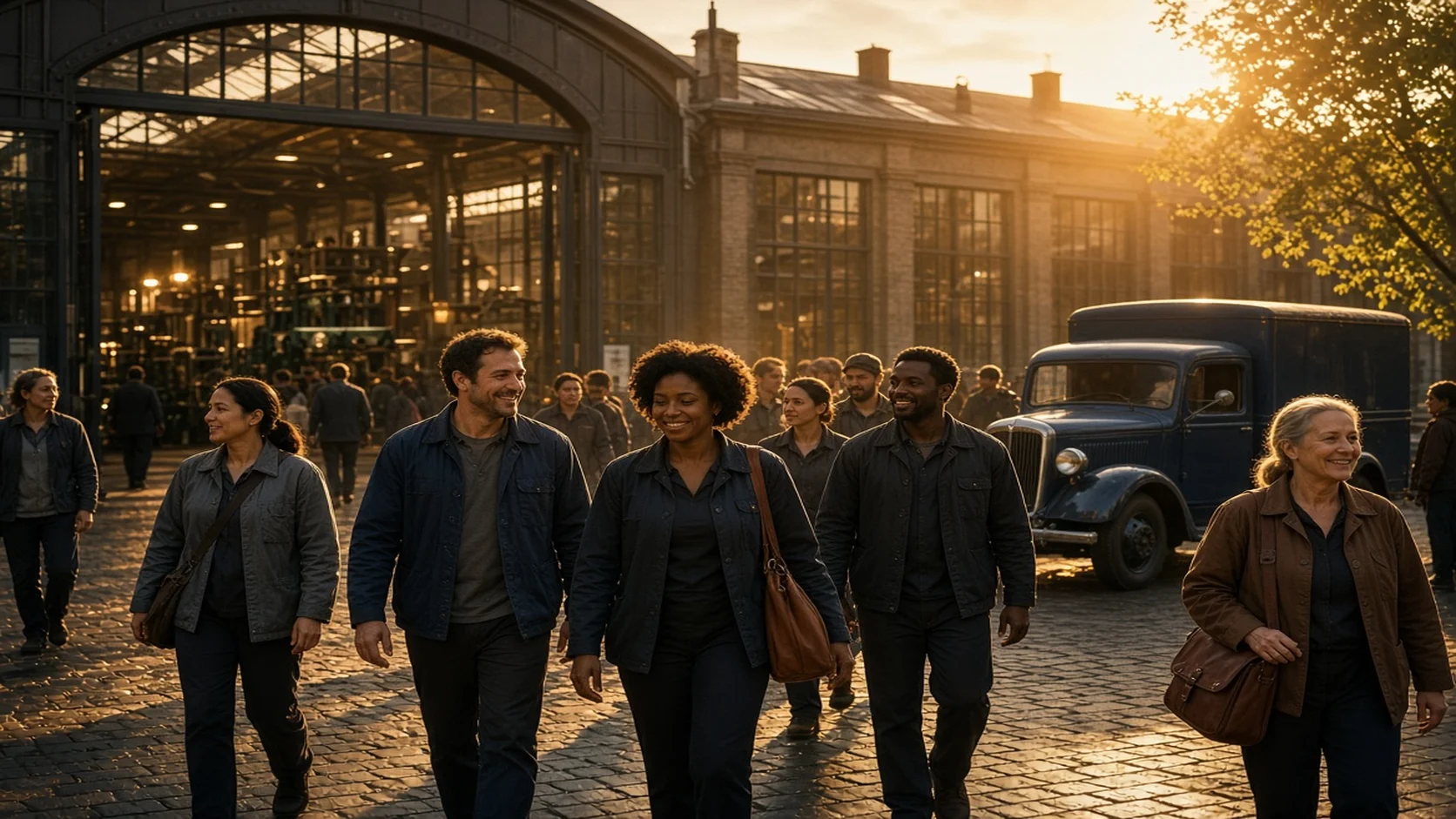
Treat the people who do the work as your best investment. Bosch built a reliable product and paid for reliable people, with shorter hours and higher wages than his rivals thought sensible. He also made sure the profits would outlast him, setting up a company owned by a charity. His story is a reminder that even good principles get tested, and that how a business behaves under pressure becomes part of its founder's legacy.
Timeline
-
1861-09-23—Born in Albeck, near Ulm.
-
1884—Sails to New York and works for Thomas Edison.
-
1885—Works for Siemens Brothers in London.
-
1886-11-15—Opens his workshop in Stuttgart.
-
1887—Builds his first magneto ignition device.
-
1902—Introduces the high-voltage magneto with spark plug.
-
1906—Introduces the eight-hour day.
-
1913—About 88 percent of sales come from outside Germany.
-
1917—The US seizes his American company.
-
1918-11—Germany adopts the eight-hour day nationally.
-
1921—His son Robert dies.
-
1927—Bosch's diesel injection pump goes into production.
-
1937—Converts the company into Robert Bosch GmbH; hires Carl Goerdeler as an adviser.
-
1940-04—The Robert Bosch Hospital opens in Stuttgart.
-
1942-03-12—Dies in Stuttgart at 80.
-
1964—His successors adopt the corporate constitution outlined in his will.
-
1969—The company holding his estate is renamed the Robert Bosch Stiftung.
Side notes
-
A Nobel nephew—His nephew Carl Bosch, who ran the chemical company BASF, shared the 1931 Nobel Prize in Chemistry for developing high-pressure chemical methods. Learn more ↩
-
Covering the premiums—Until 1913, Bosch paid his workers' social insurance contributions himself. Learn more ↩
-
An unwieldy start—Bosch's own history describes the first magneto as an "unwieldy apparatus" that nonetheless became the company's key product. Learn more ↩
-
"Red Bosch"—Rival employers nicknamed him "Red Bosch" for his short hours and high pay. Learn more ↩
-
Splitting the name—A 1929 settlement let the American company use "Bosch" in the US, Canada, Mexico and Cuba, while the German company used "Robert Bosch" there. Learn more ↩
-
Early television—In 1929 Bosch co-founded the television company Fernseh AG with the Scottish TV pioneer John Logie Baird, Zeiss Ikon and Loewe. Learn more ↩
-
Business in the woods—Bosch often invited potential business partners on hunting trips, believing time in nature helped him get to know them. Learn more ↩
-
Who votes—The foundation's voting rights are held by Robert Bosch Industrietreuhand KG, with about 93 percent, while Bosch's descendants hold about 7 percent. Learn more ↩
-
Secret contacts—Bosch and his top manager, Hans Walz, kept secret contacts with prominent Jewish figures, including the rabbi Leo Baeck. Learn more ↩