- He noticed his family took home as much as their 300 employees combined.
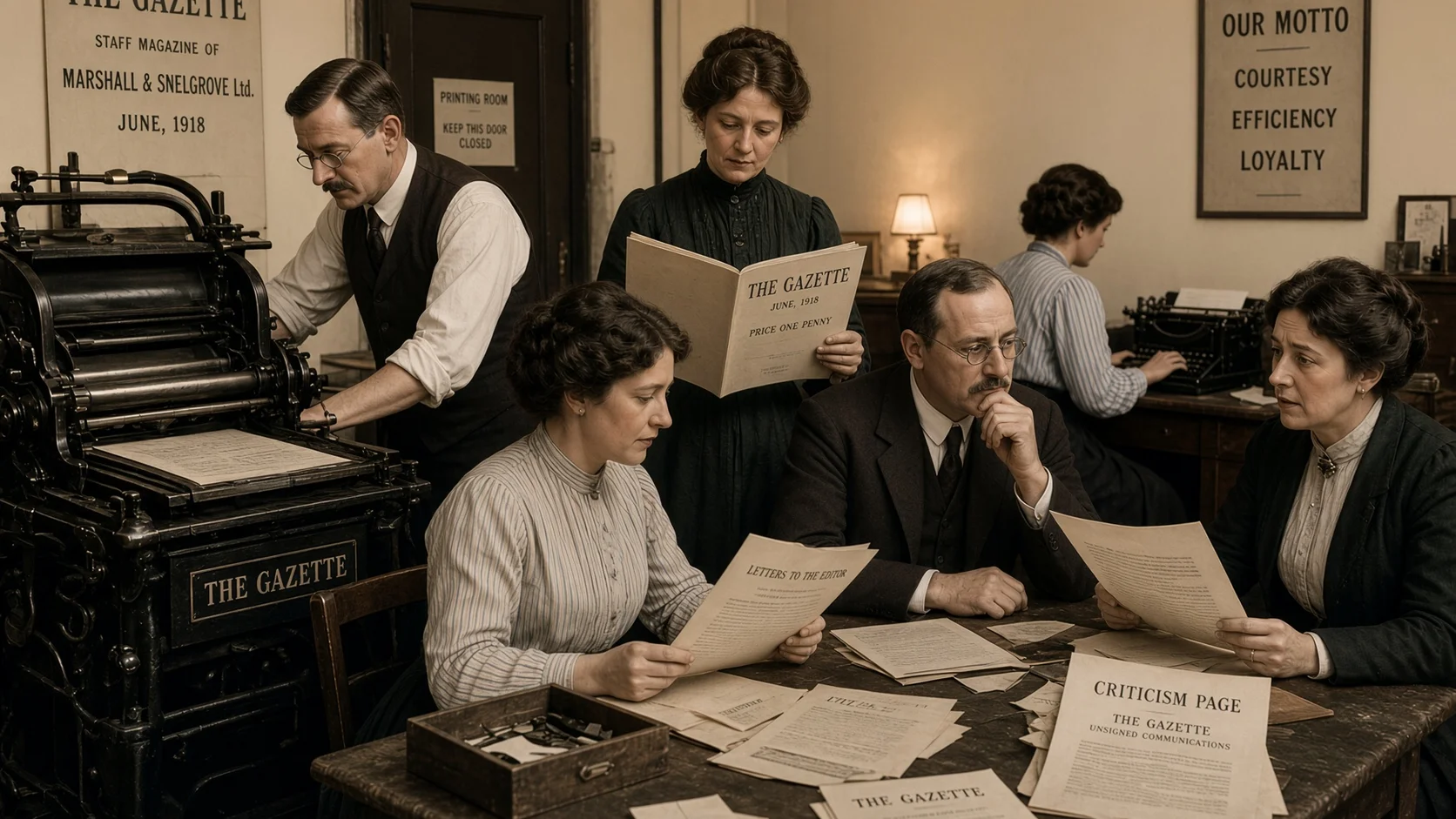
- Starting in 1918, his staff magazine invited unsigned criticism of the people in charge.
- Today about 74,000 employees co-own the business, including the Waitrose grocery chain.
Who was he—and what was he like before everyone noticed?
John Spedan Lewis was born on September 22, 1885, in Marylebone, London, the elder of two sons of John Lewis1. His father had opened a drapery shop, selling fabrics and clothing, on Oxford Street in 1864 and built it into one of London's big department stores. Spedan went to Westminster School and joined the family business at 19. Before anyone had heard of him he was the owner's son, learning the trade inside a shop his father ran entirely his own way.
What did his life look like before his trek began?
Comfortable, and full of arguments. On his 21st birthday in 1906, Spedan received £50,000 and a quarter share of the business, the same gift his younger brother, Oswald, would get. His father kept the real power for himself. The elder Lewis was stubborn by reputation2, and his way of running the shop led to constant clashes with both sons. He never fully retired and refused to give up control of Oxford Street.
What did he see that other people didn't?
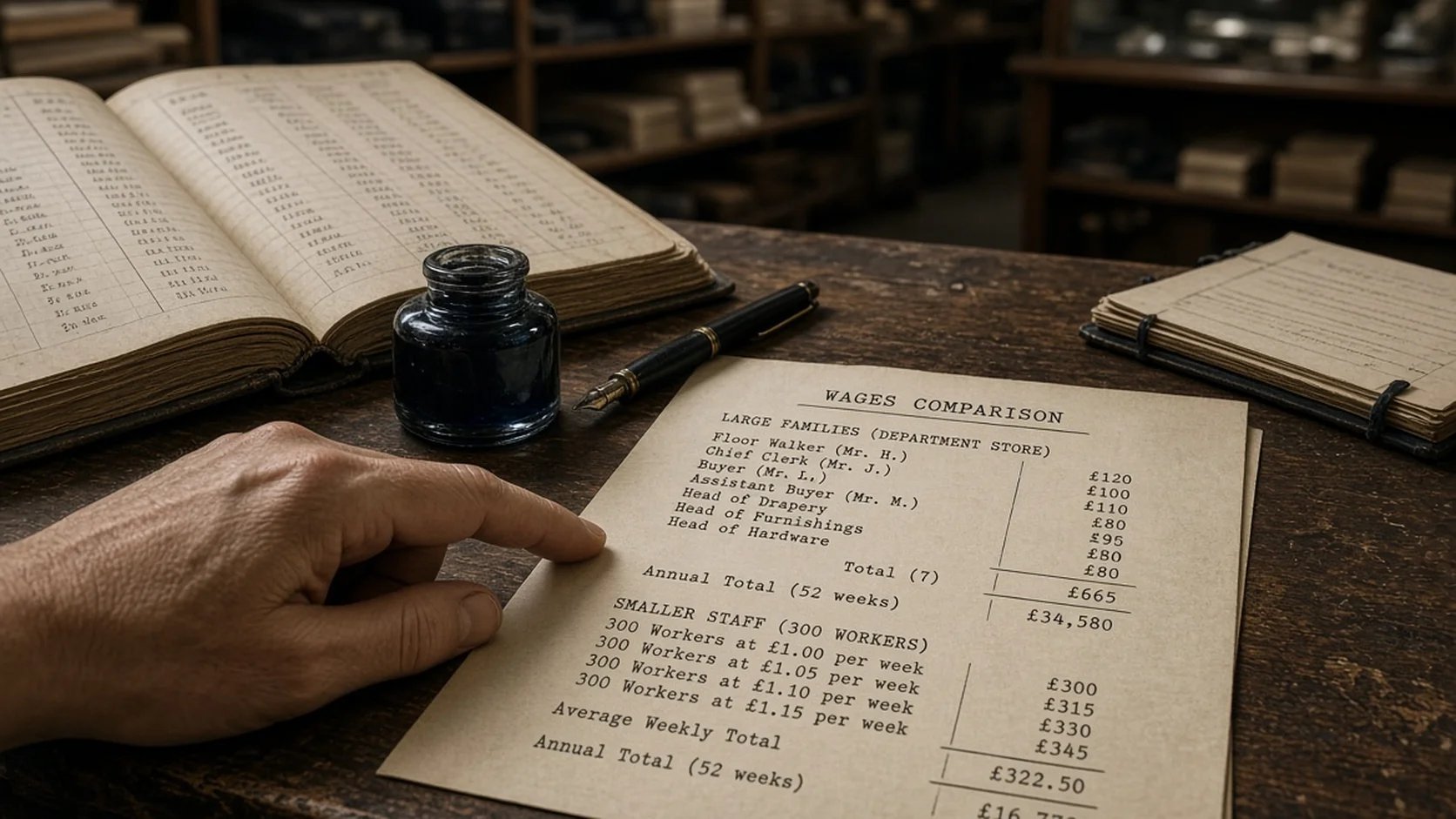
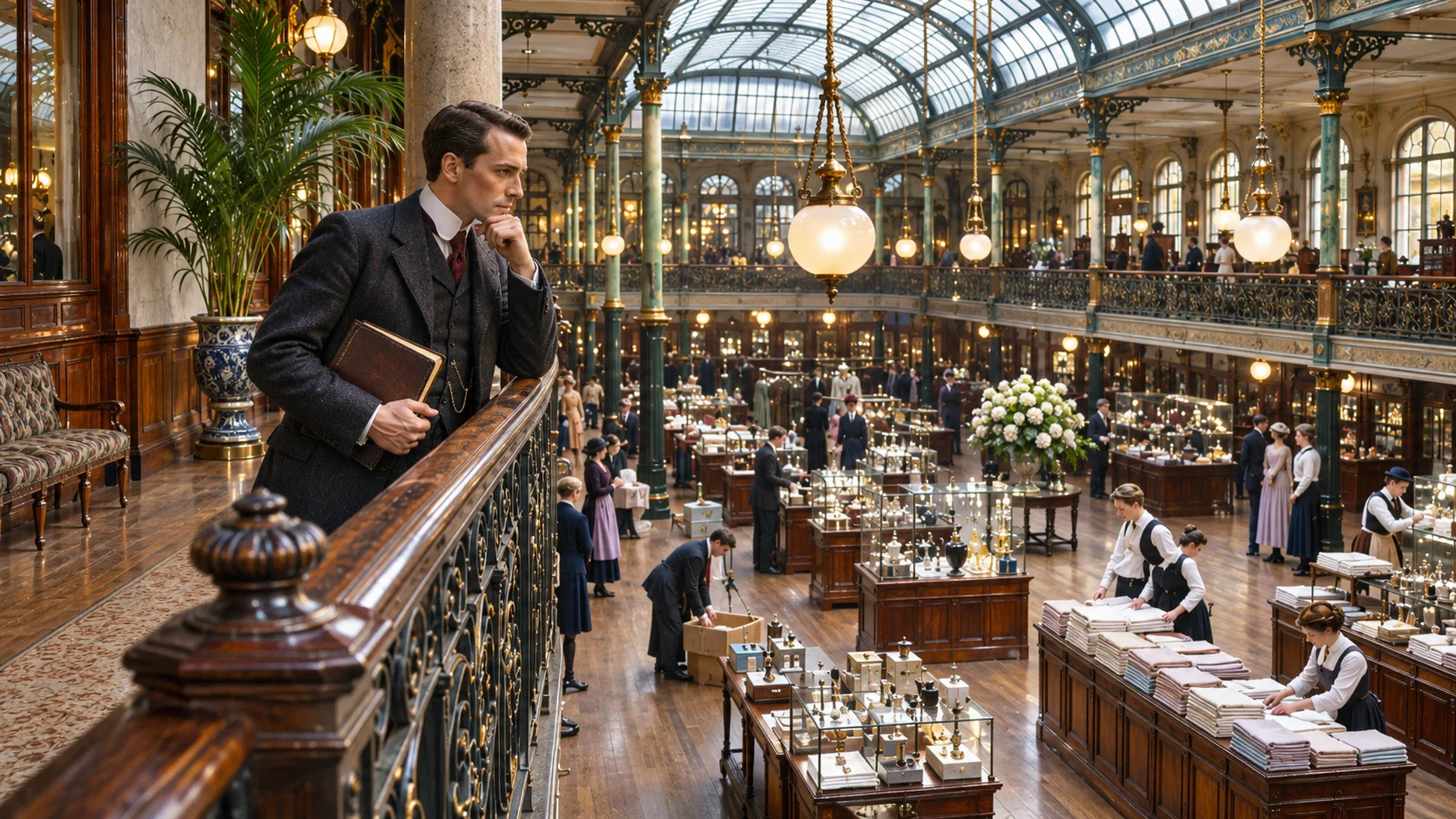
The arithmetic of his own family's pay. Spedan worked out that his father, his brother and he together drew about as much each year as the roughly 300 people who worked for them, who took home about £16,000 between them. Plenty of owners would have seen nothing wrong with that split. Spedan couldn't stop thinking about it.
What problem became his obsession?
How to share a business with the people who worked in it and still have it compete. He wanted the staff to share in the profits, to know how the business was doing, and to have a real say in how it was run. He also knew a store that couldn't hold its own against its rivals on Oxford Street wouldn't have any profits left to share.

Why did this matter personally to him?
He nearly died, and the long recovery gave him time to plan. In 1909, he fell from his horse while riding to work through Regent's Park. He lost a lung and spent about two years away from the business, and his health later kept him out of the First World War. During that recovery he began planning how to turn the family business into "a partnership of all its workers."
Where did the first money come from?
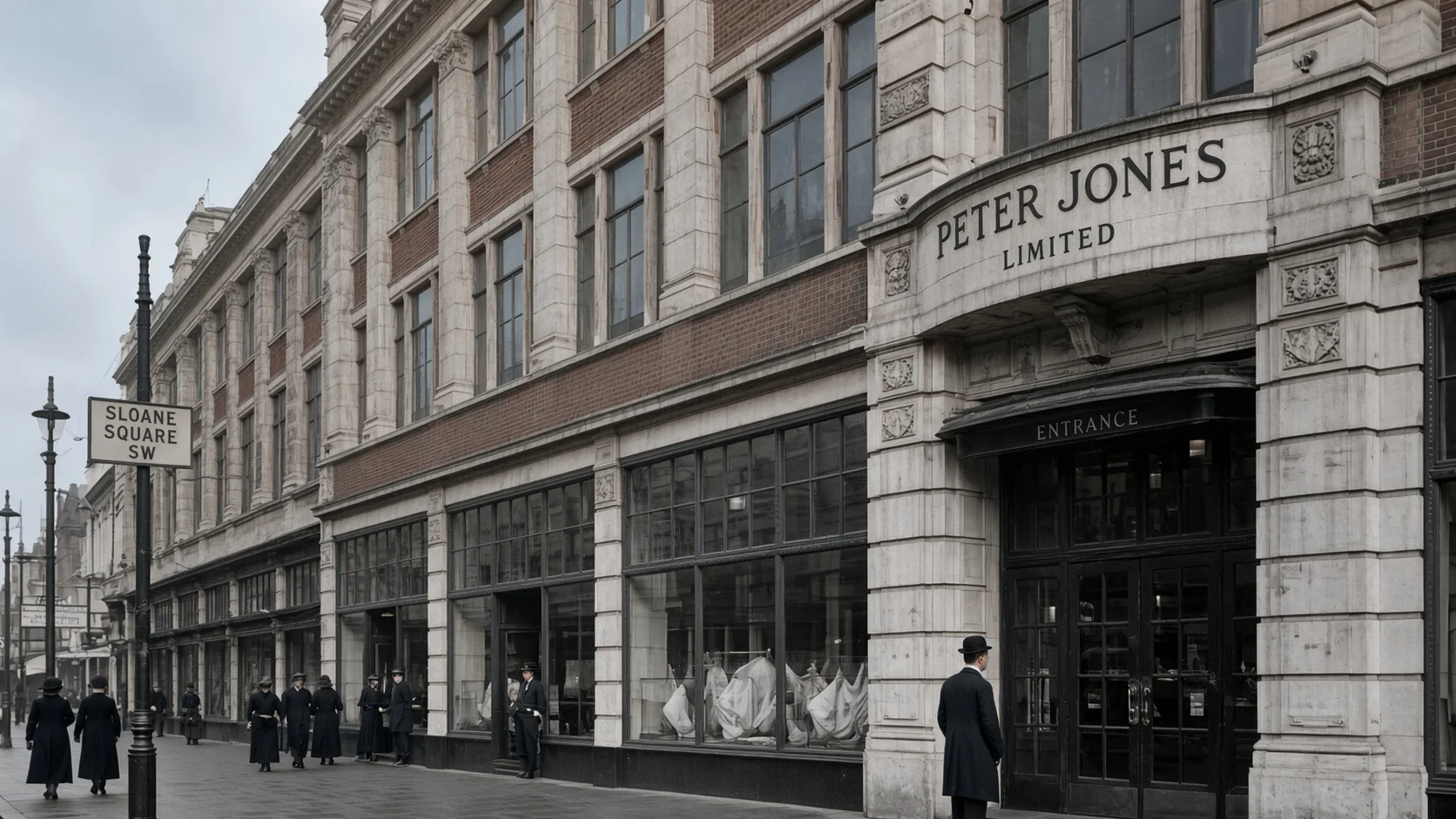
From his father, in a store that was losing money. In 1914, the elder Lewis put him in charge of Peter Jones, a department store in Sloane Square that he'd bought nearly a decade earlier. It was unprofitable and hadn't paid its shareholders a dividend. At first his father let him go there only after he'd finished his day at Oxford Street at 5 p.m. In 1916, after a bitter falling-out, Spedan traded his 25 percent stake in the Oxford Street business for his father's shares in Peter Jones3 and left to run it full time.
What made the economics work?
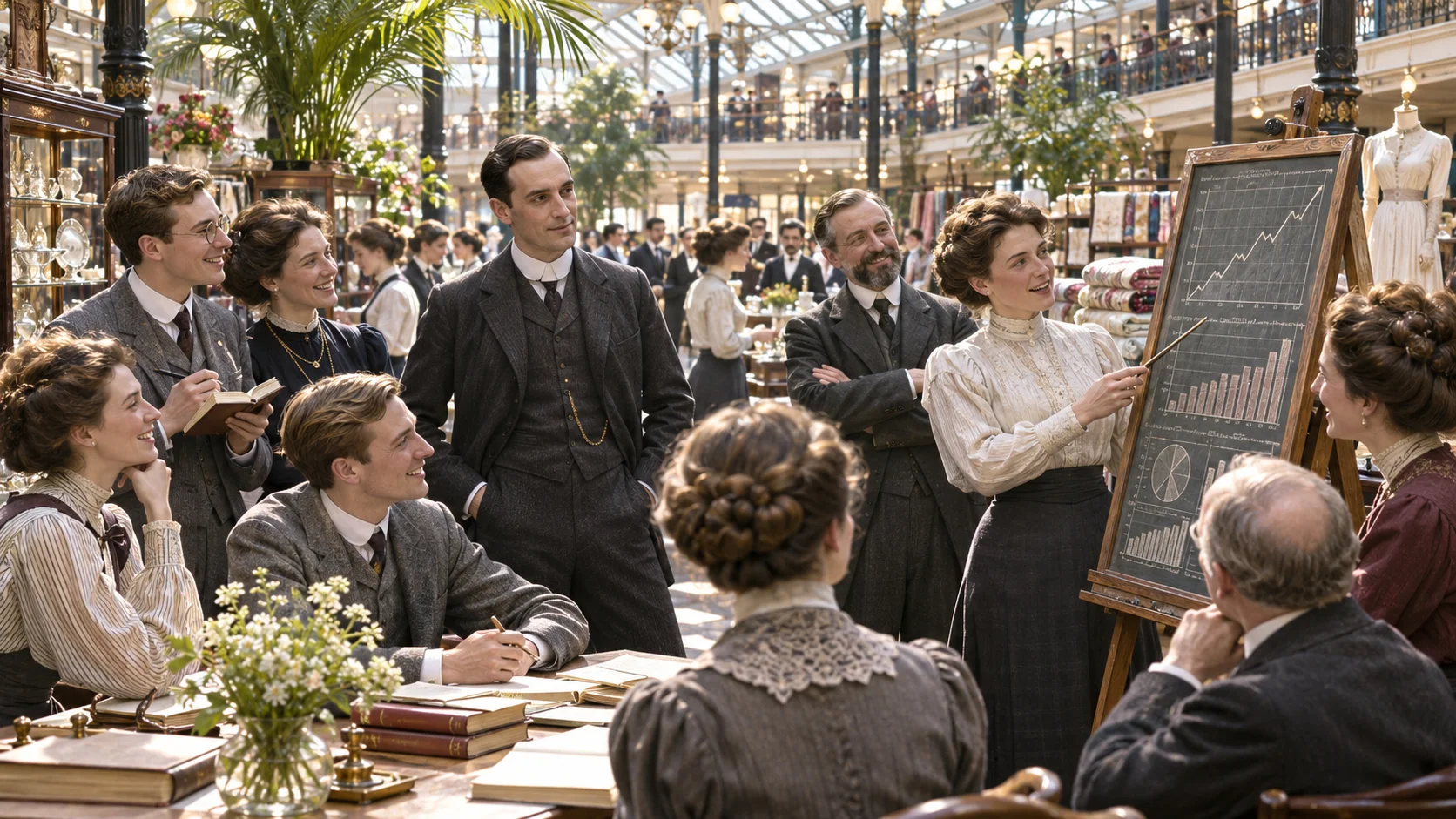
Treating the staff like part owners. At Peter Jones, Spedan replaced sales commission with fixed pay, put the sales figures on display, gave staff a two-week spring holiday, and improved their housing. He hired bright young graduates and women who had lost their wartime jobs when the men came home. In 1919 he set up a staff council, and in 1920 he started sharing profits, giving staff shares in the business worth 15 percent of their salaries. From then on, staff were called Partners4. His bet was that people who shared in the results would work harder to produce them.
What was the decision or moment after which nothing was the same?
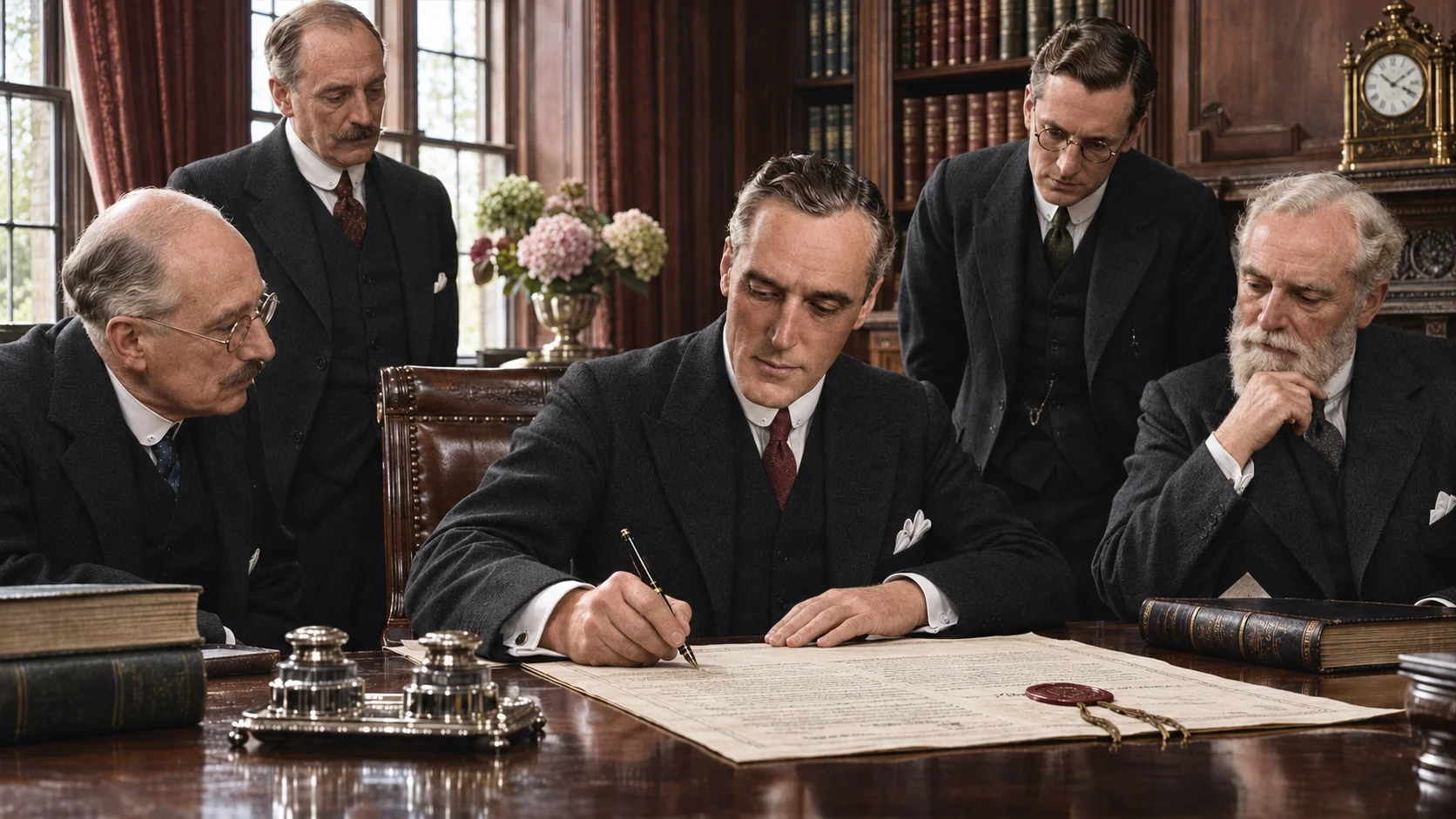
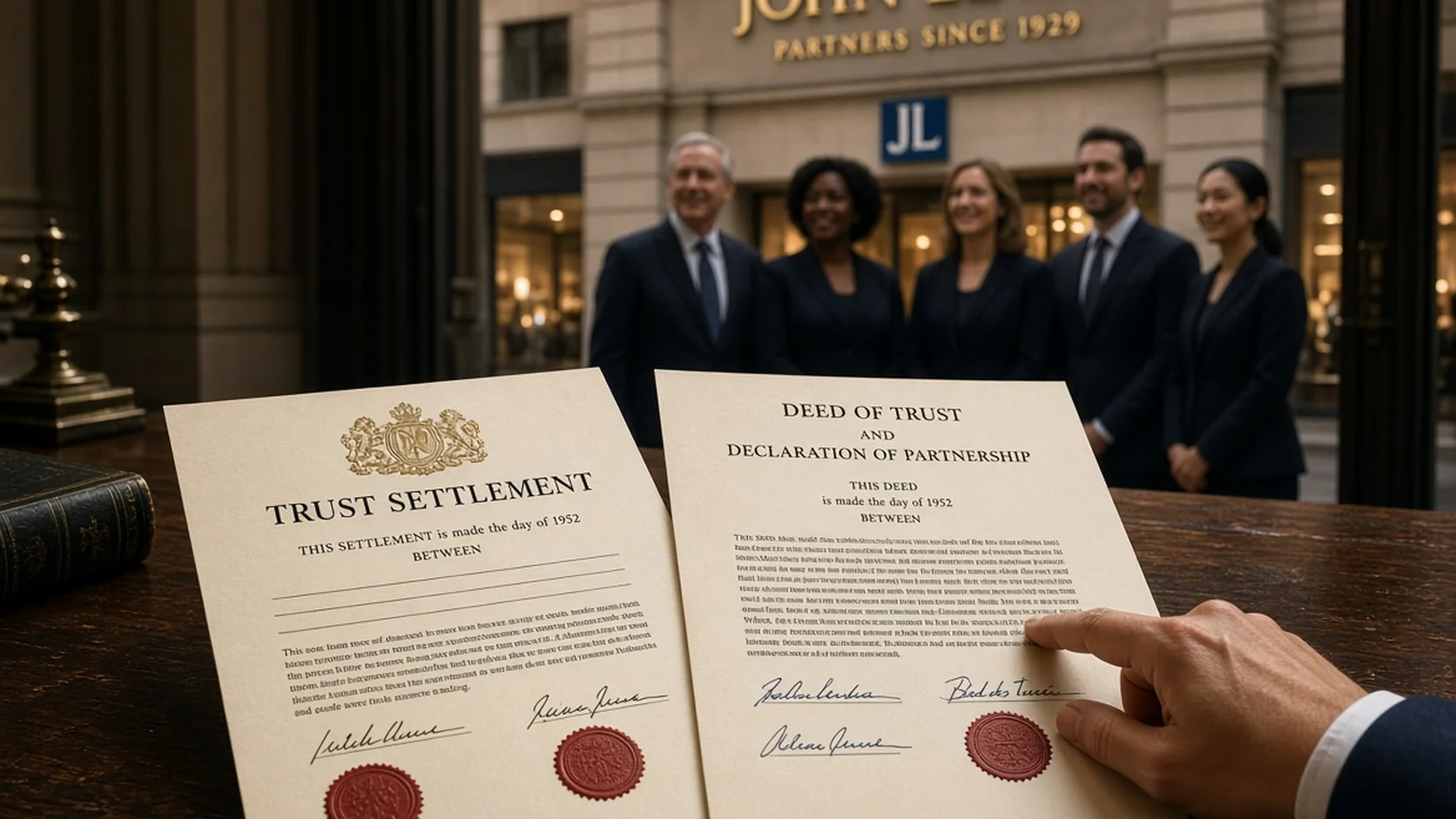
April 18, 1929. His father had died the year before at 92, leaving Spedan in charge of both stores. Less than a year later, he signed the First Trust Settlement, a legal deed that transferred his shares in John Lewis and Peter Jones to trustees, with the profits going to the people who worked there. It created the John Lewis Partnership. In return he took interest-free bonds worth £1 million, about what the business was worth at the time, to be repaid out of profits over 30 years. He kept practical control, but he no longer owned the business outright.
What nearly killed it?
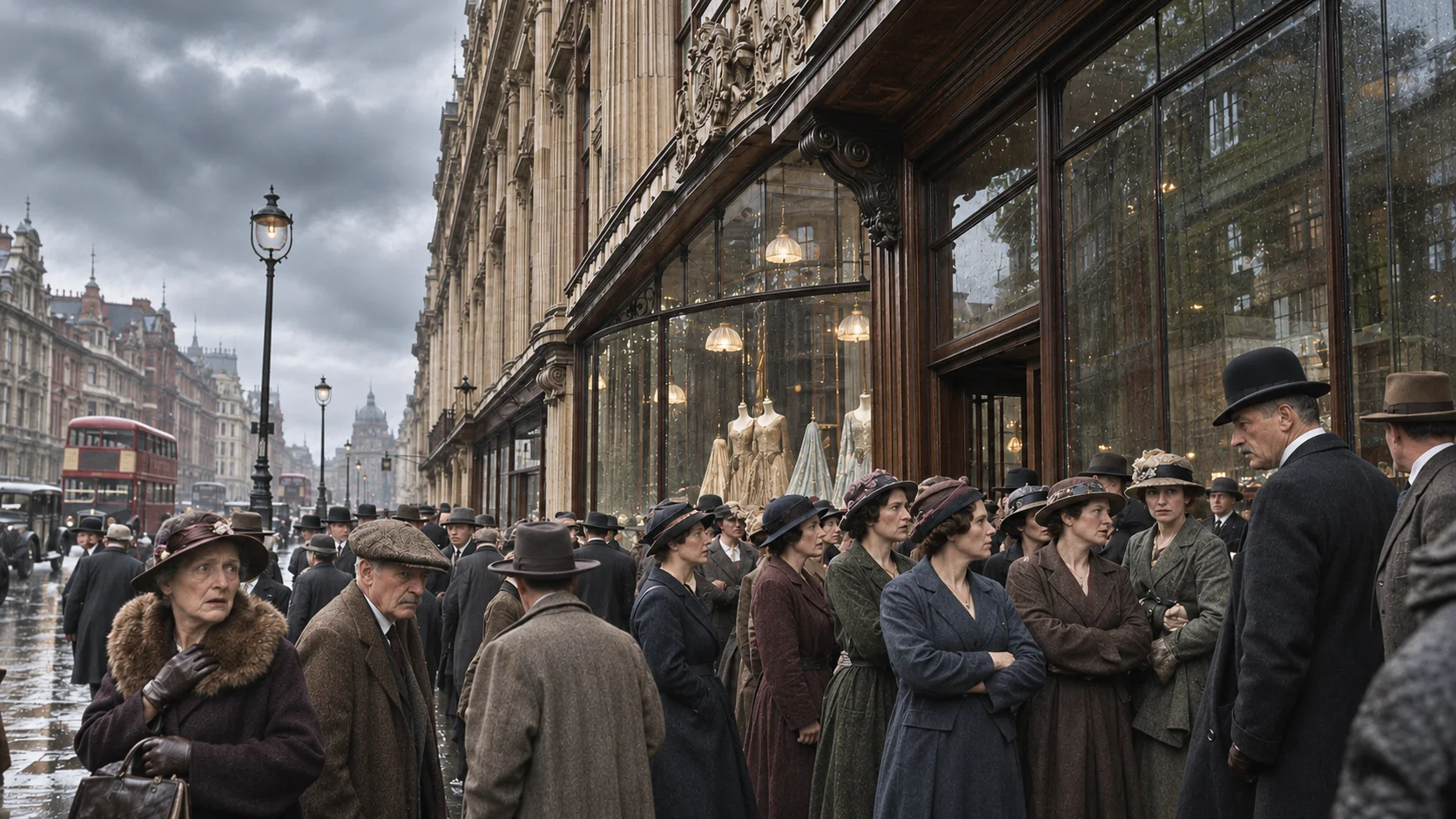
A slump, before the Partnership even existed. The sharp postwar downturn of 1920 nearly forced him to sell Peter Jones, and in the same period staff at his father's Oxford Street store went on strike. The rescue came from his mother, who persuaded her husband to visit Peter Jones in 1922. The old man was surprised by what he found. "The place is a credit to the boy, a very great credit," he wrote to Oswald. He put more cash into Peter Jones and brought Spedan back into Oxford Street with a one-third share. Spedan later bought Oswald's share as well, and his father was never told.

What happened that he couldn't have planned for?
The Blitz. On the night of September 18, 1940, an incendiary oil bomb hit the Oxford Street flagship. The building known as the West House was destroyed, and fire spread to the East House, which burned for about a day and a half. The people sheltering in the store's basement all survived. For years afterward the Partnership's most famous store was partly a bomb site. Rebuilding didn't start until 1955, and the new store opened in 1960.
What showed that he was human after all?
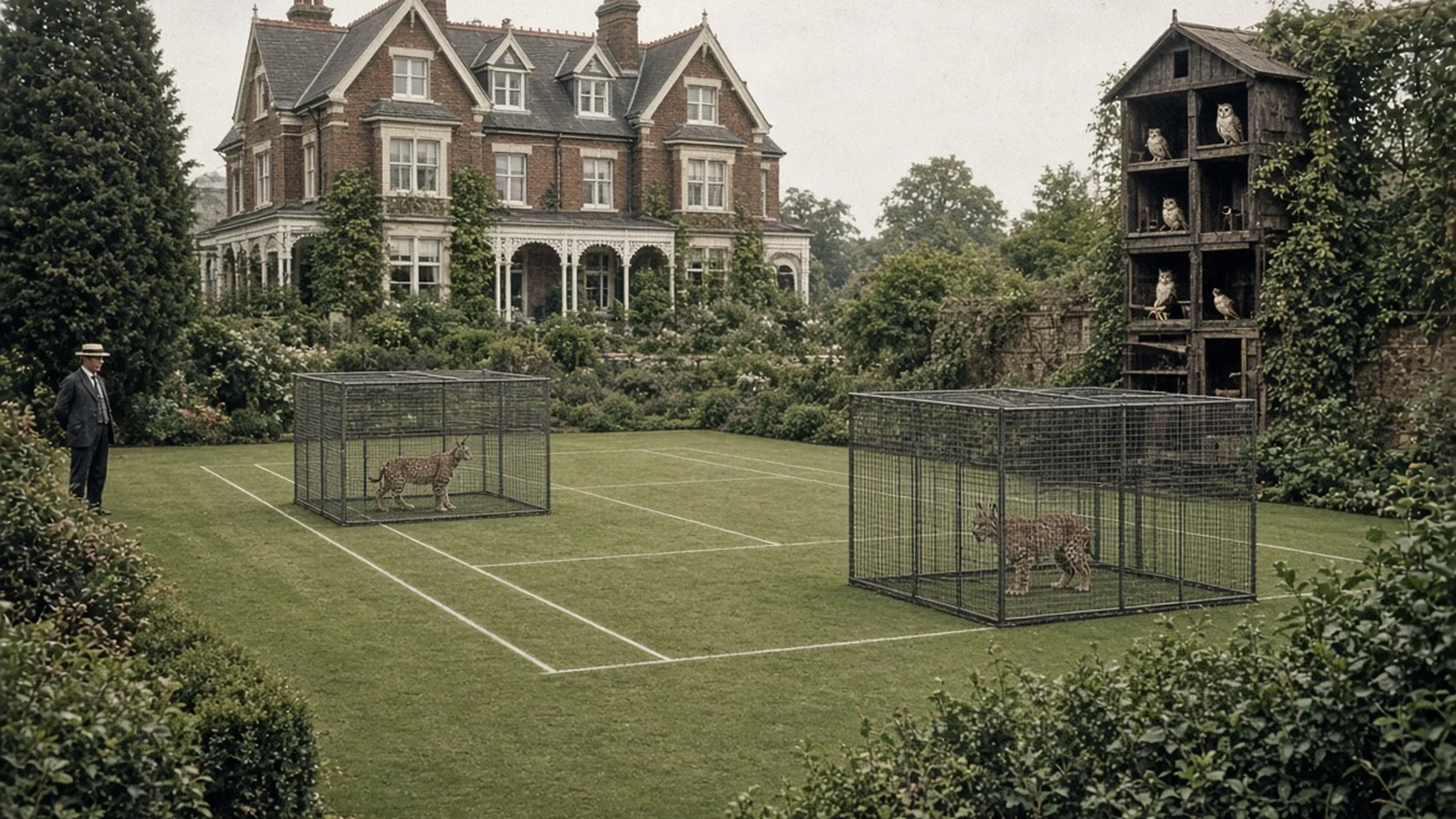
He kept lynxes next to his tennis court. From 1925 to 1929, Spedan lived at North Hall, a large house in Kilburn, London, where he built an owlery for owls and pheasants5 and paid for expeditions to collect rare species, which he bred and gave to zoos. "He had a tennis court made with cages at each end in which he kept lynxes," a colleague remembered. Natural history stayed a lifelong passion, and he was a fellow of the Linnean Society, a scientific society for the study of nature, from 1933 until his death.

What was the change he brought about?
He showed that a large business could be owned by the people who work in it and still last. The Partnership kept growing, adding the Waitrose grocery chain in 19376, and today it has about 74,000 employees and is the UK's largest employee-owned business. The idea has spread well beyond it. By March 2026, about 2,800 UK businesses were employee-owned, and most of them are held through employee ownership trusts, a structure UK tax law has recognized since 2014.
What did he believe that most reasonable people around him did not?
That an owner should give away power along with the profits. From its first issue on March 16, 1918, his staff magazine, The Gazette, accepted signed and unsigned letters. "Honest criticism is good for all of us," he wrote, "and the higher our position the more we are likely to lose for the lack of it." On April 26, 1950, he signed a second deed handing over his remaining shares, worth more than £100,000 at the time. For the first time, Partners elected the trustees themselves. Today the Partnership Council, an elected body of Partners, has the power to remove the chairman.
What did his trek cost him?
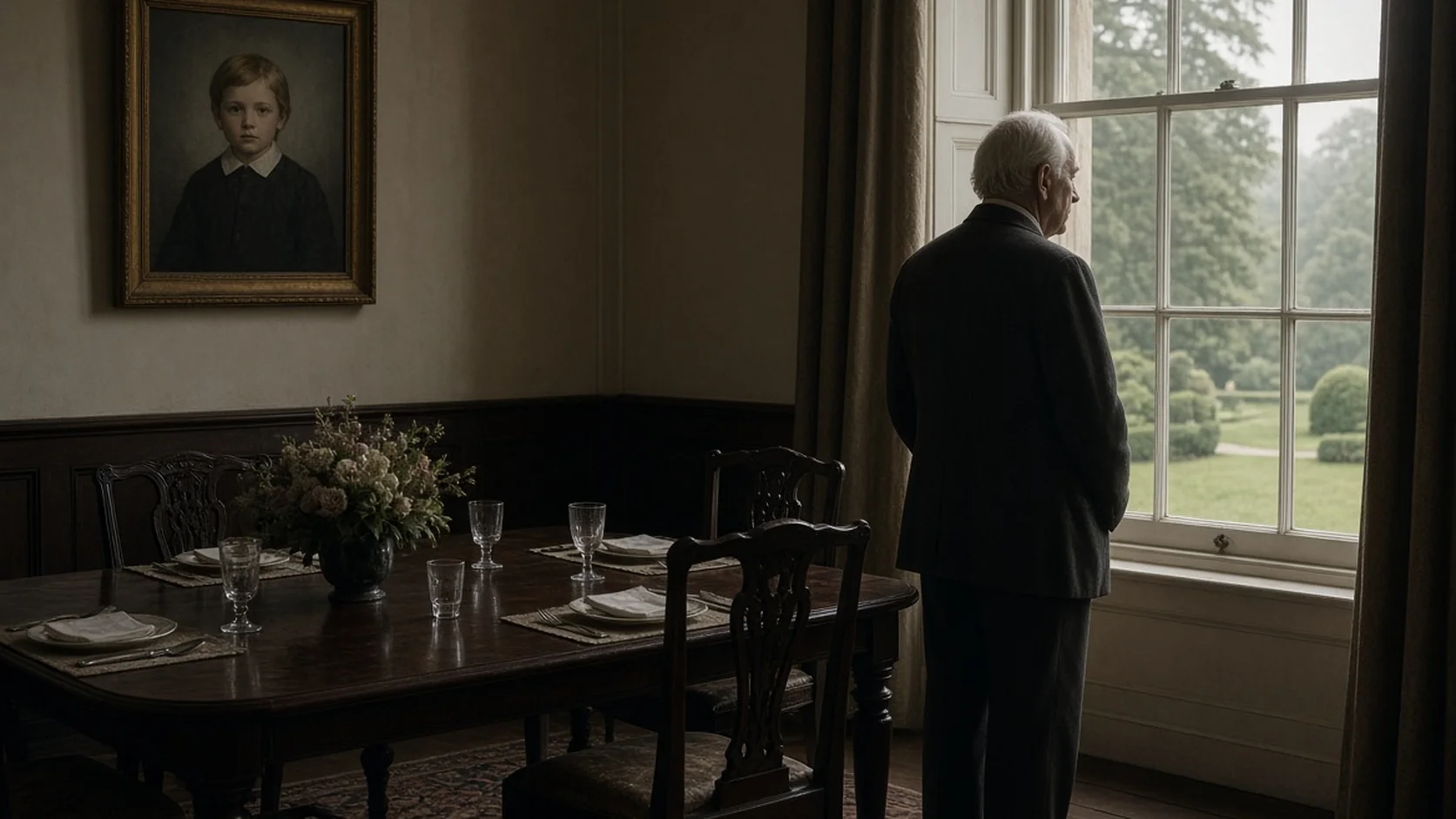
Much of what he loved, and in the end the business itself. His eldest son, John, died in 1932, still a young boy. His wife, Beatrice, an Oxford graduate who joined the business as a buyer in 1922 and married him a year later, served as deputy chairman until her death in 1953. In 1955, Spedan resigned as chairman of the company he had given away, and the Partners knew him from then on as "The Founder." He spent his last years on his Hampshire estate7, died at Longstock Park on February 21, 1963, at 77, and was buried at sea, as he had asked.
What's the takeaway?
When you believe in a fairer way to share what a business earns, write it down where you can't take it back. Spedan Lewis noticed an unfair split at his family's store, spent a long recovery planning something better, and proved it on a failing shop before he had the power to try it everywhere. Then he signed two deeds, 21 years apart, so the Partnership wouldn't depend on his good intentions or on anyone else's.
Timeline
-
1864—John Lewis opens a drapery shop on Oxford Street, London.
-
1885-09-22—John Spedan Lewis is born in Marylebone, London.
-
1906—Receives £50,000 and a quarter share of the business on his 21st birthday.
-
1909—A riding accident in Regent's Park costs him a lung and nearly two years of work.
-
1914—Takes charge of Peter Jones in Sloane Square.
-
1916—Trades his Oxford Street stake for his father's shares in Peter Jones.
-
1918-03-16—Publishes the first issue of The Gazette.
-
1920—Begins sharing profits with staff, who become known as Partners.
-
1922—His father gives him a one-third share of the Oxford Street business.
-
1928—His father dies at 92.
-
1929-04-18—Signs the First Trust Settlement, creating the John Lewis Partnership.
-
1937-10—The Partnership acquires Waitrose and its 10 shops.
-
1940-09-18—A bomb destroys the West House of the Oxford Street store.
-
1950-04-26—Signs the Second Trust Settlement.
-
1955—Resigns as chairman.
-
1963-02-21—Dies at 77 in Hampshire.
Side notes
-
Named for a great-aunt—"Spedan" came from Ann Speed, his father's aunt, who raised the elder John Lewis after he was orphaned as a young boy. Learn more ↩
-
Three weeks in Brixton—In 1903 his father spent three weeks in Brixton prison for contempt of court, part of a long fight with his landlord, Lord Howard de Walden. Learn more ↩
-
Never knowingly undersold—Spedan came up with the store's famous price promise at Peter Jones in 1925. The company dropped it in 2022 and brought it back in 2024. Learn more ↩
-
Holidays for Partners—He later paid for holiday hotels reserved for Partners, including ones in the Lake District and on Brownsea Island in Poole Harbour. Learn more ↩
-
The keeper—A Mr. Gander looked after the birds at North Hall. "The birds can be seen without going through the house," Spedan told staff in the company magazine. Learn more ↩
-
Waite and Rose—Wallace Waite, Arthur Rose and David Taylor opened the first shop in Acton, west London, in 1904. After Taylor left, Waite and Rose formed Waitrose Ltd in 1908. Learn more ↩
-
The farm—He bought the Leckford estate in Hampshire, then 1,800 acres, in 1929. It now covers about 4,000 acres and grows food for Waitrose. Learn more ↩