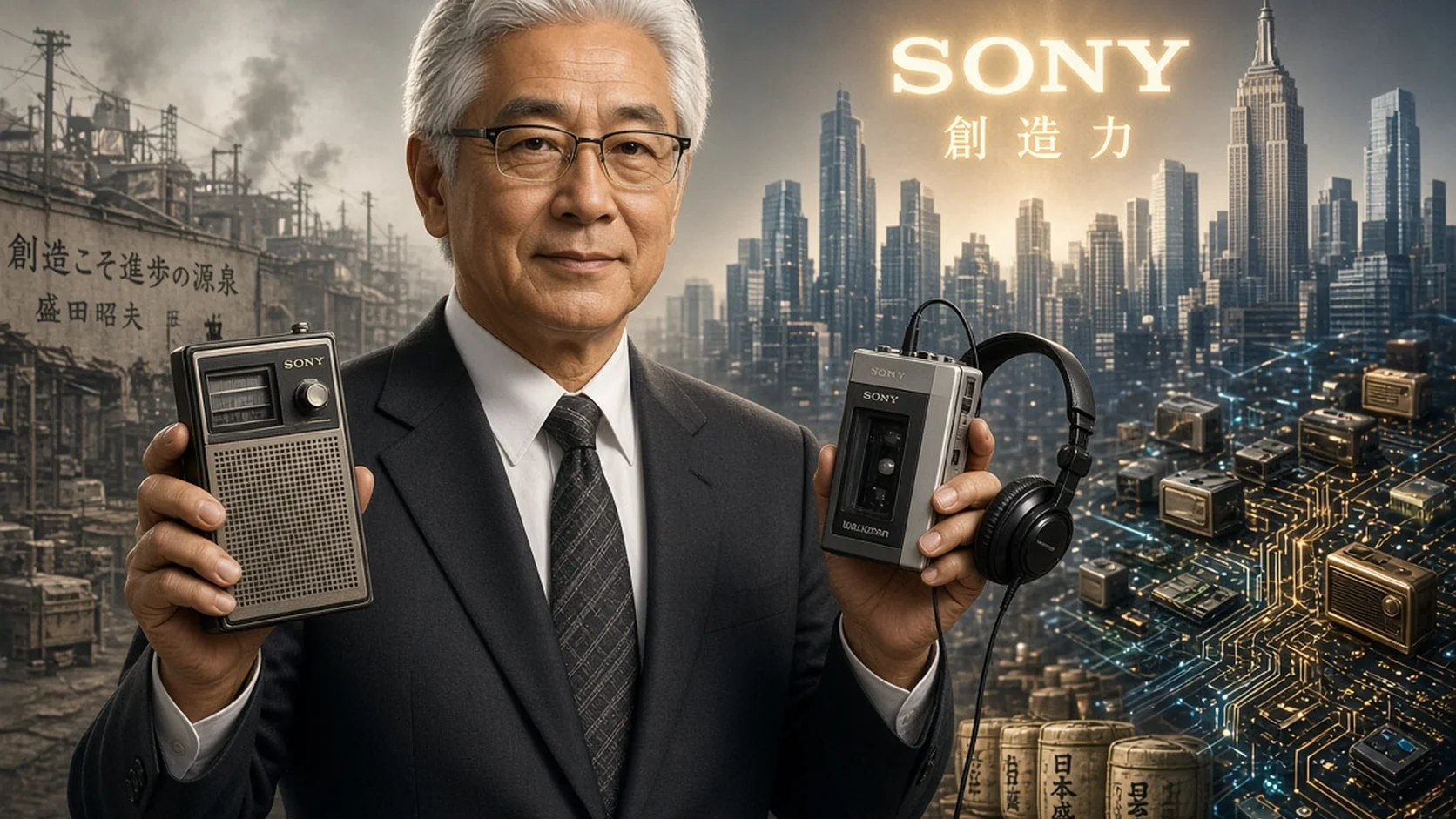
- The heir to 14 generations of sake brewers, he chose physics and electronics.
- He helped turn "Made in Japan" from a punchline into a mark of quality.
- The Walkman he pushed past skeptical engineers in 1979 made music portable.

Who was he—and what was he like before everyone noticed?
Akio Morita was born on January 26, 1921, in Nagoya, Japan, the eldest of four children. His family had made sake, miso and soy sauce in the nearby village of Kosugaya since 1665. Before anyone had heard of him he was the eldest son of an old brewing family who found his calling in mathematics and physics1.
What did his life look like before his trek began?
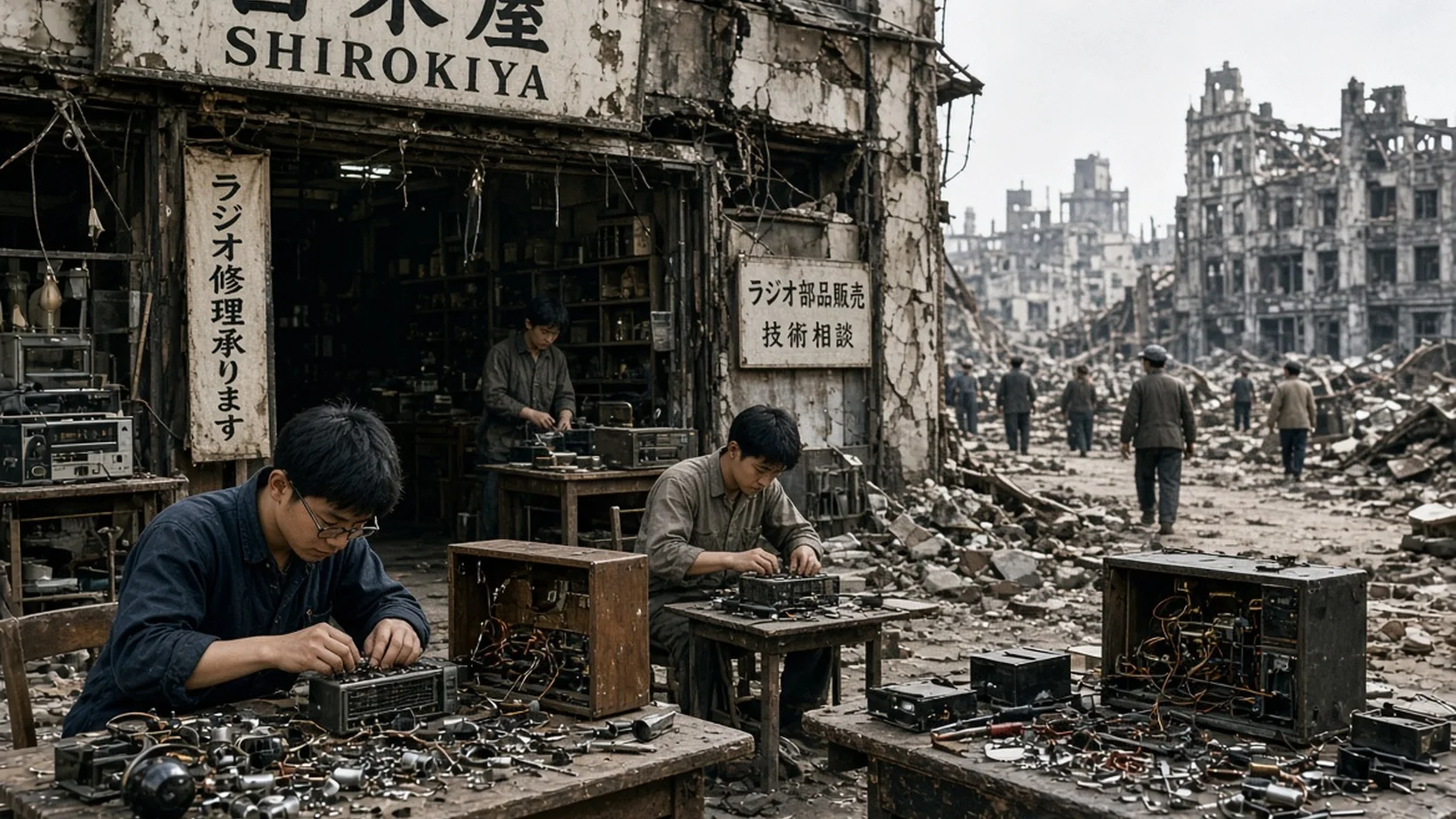
He studied physics at Osaka Imperial University and graduated in 1944, in the middle of the war. Commissioned as a sub-lieutenant in the Imperial Japanese Navy, he was assigned to a wartime research committee working on infrared-guided bombs, where he met an engineer named Masaru Ibuka. In September 1945, a month after Japan's surrender, Ibuka opened a radio repair shop in the burned-out Shirokiya department store in Tokyo. Morita read about it in a newspaper, wrote to Ibuka, and soon joined him.
What did he see that other people didn't?
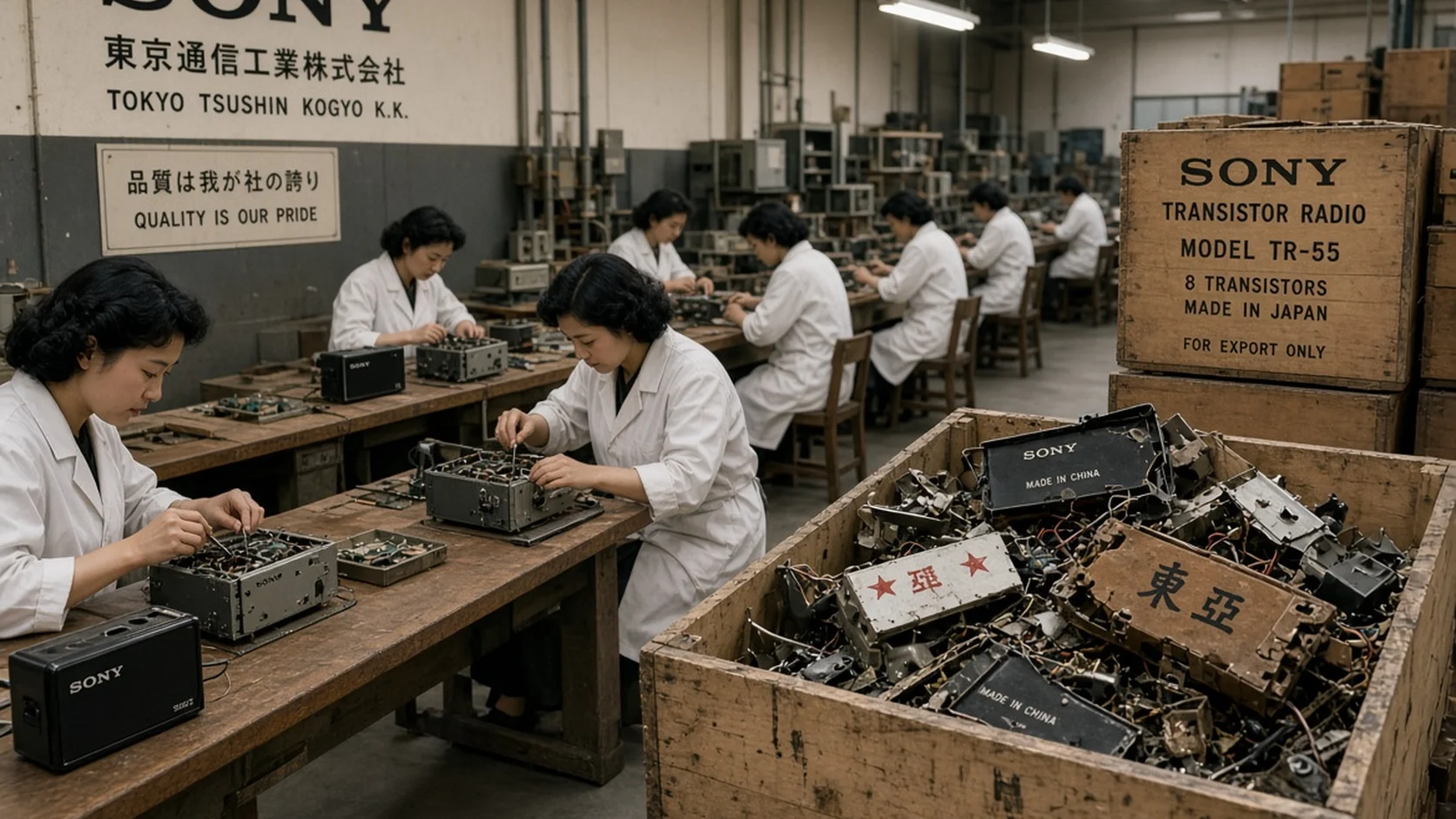
That a Japanese company could build a name people around the world would trust. After the war, "Made in Japan" was a joke in the West, shorthand for cheap goods that broke. Morita wanted Sony's products sold under its own name, and he saw that the company's name, Tokyo Tsushin Kogyo, was too long for foreign customers to say or remember. In 1955 the company began putting a new name on its radios2, and in 1958 it became Sony Corporation.
What problem became his obsession?
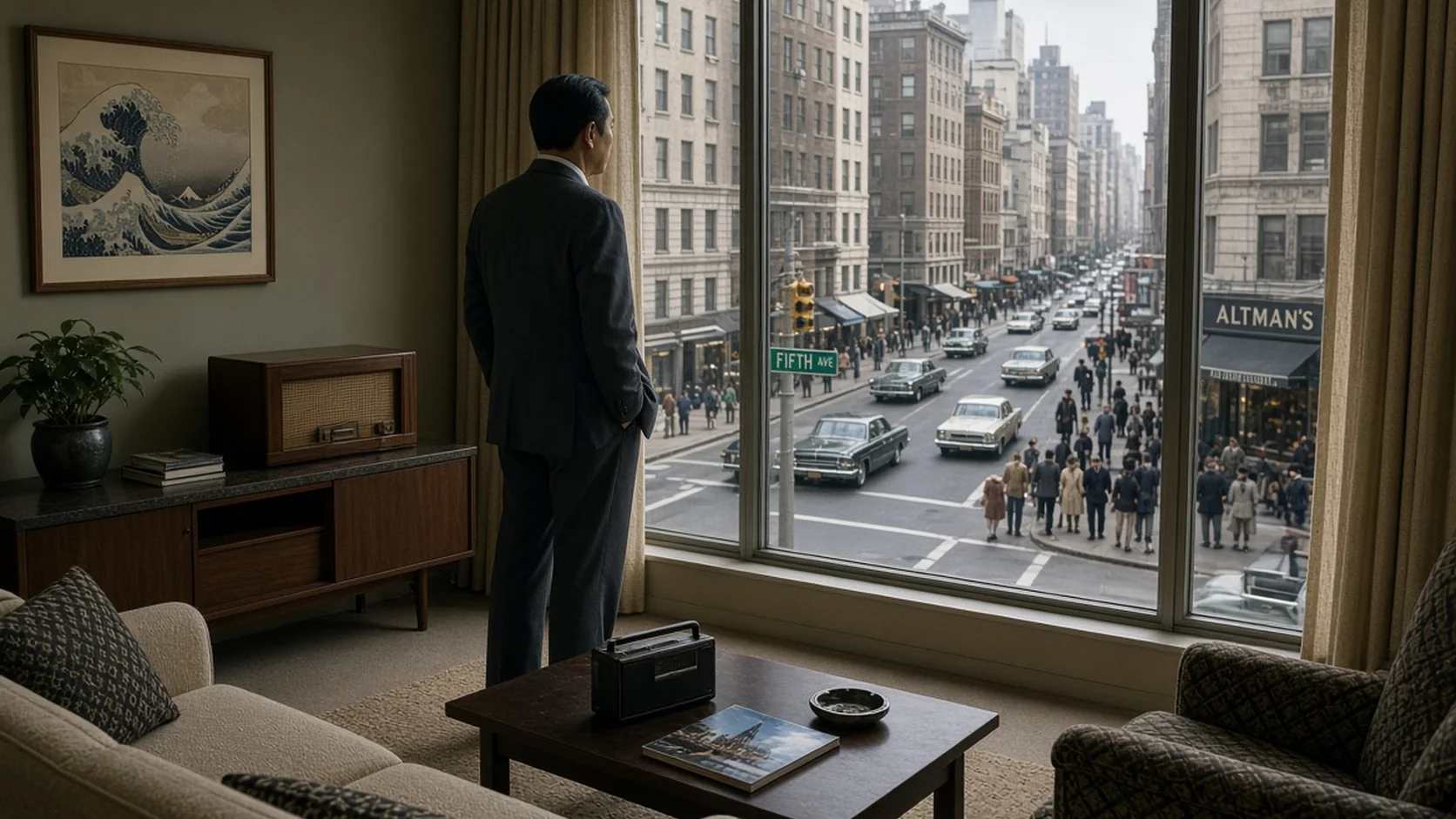
Understanding American customers well enough to sell to them directly. In 1960, after a dispute with its international sales agent, Sony opened its own office in New York, and Morita ran the new American company. In 1963, while he was executive vice president, he moved his whole family to an apartment on Fifth Avenue for 18 months3, a step almost unheard of for a Japanese executive. "To really go into the American market," he said, "I myself had to really know America."

Why did this matter personally to him?
He'd walked away from his inheritance to do it. His father, Kyuzaemon, had trained him from childhood to become the next head of a family business that had passed down for 14 generations. Choosing electronics meant breaking that line. If the new company failed, he'd have given up a secure future at home for nothing.
Where did the first money come from?
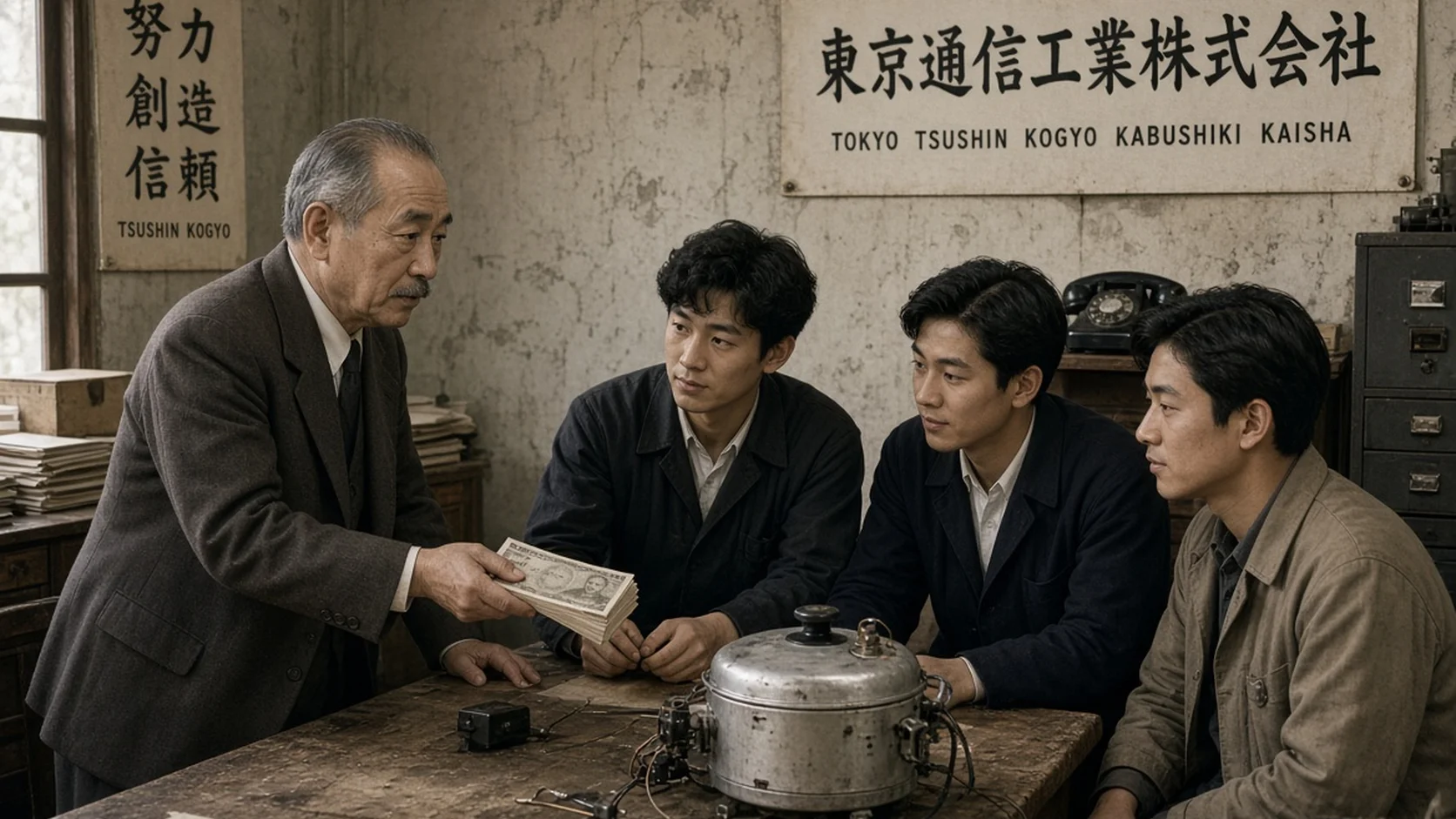
From his father. When Ibuka and Morita formally founded Tokyo Tsushin Kogyo, or Tokyo Telecommunications Engineering Corporation, in May 1946, the company had about 20 employees and ¥190,000 in capital, and Morita's father provided the funding. The first consumer product was an electric rice cooker, and it failed. In its first year the company made a profit of about $300 on sales of less than $7,000.
What made the economics work?
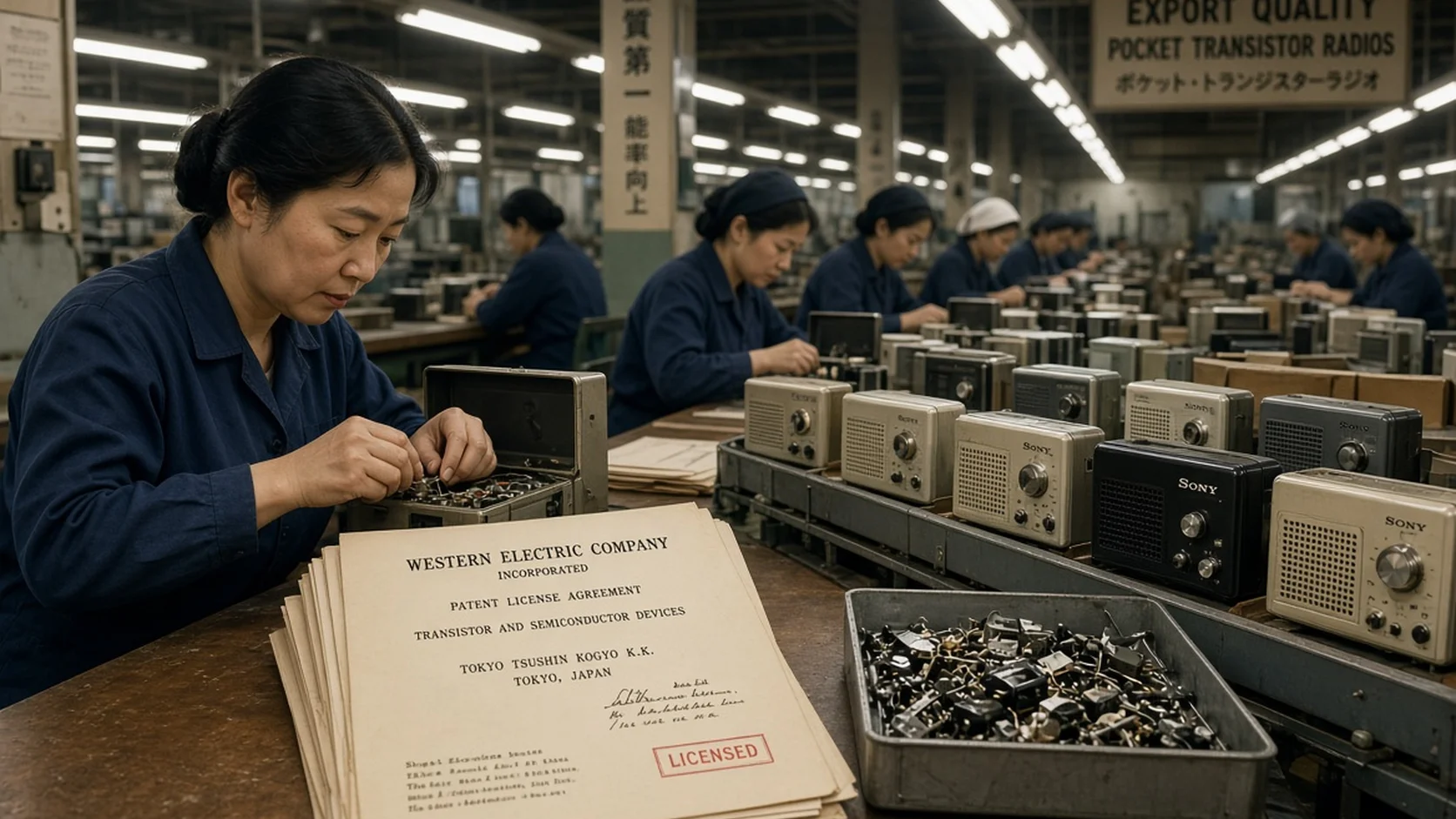
A small device that could be made in volume. In the early 1950s the company paid Western Electric $25,000 for a license to its transistor patents, and in 1955 it began mass-producing transistor radios and sold shares to the public for the first time. Two years later it released the first fully transistorized pocket radio4. Small, affordable radios that people could carry everywhere gave the company a product it could sell around the world.
What was the decision or moment after which nothing was the same?
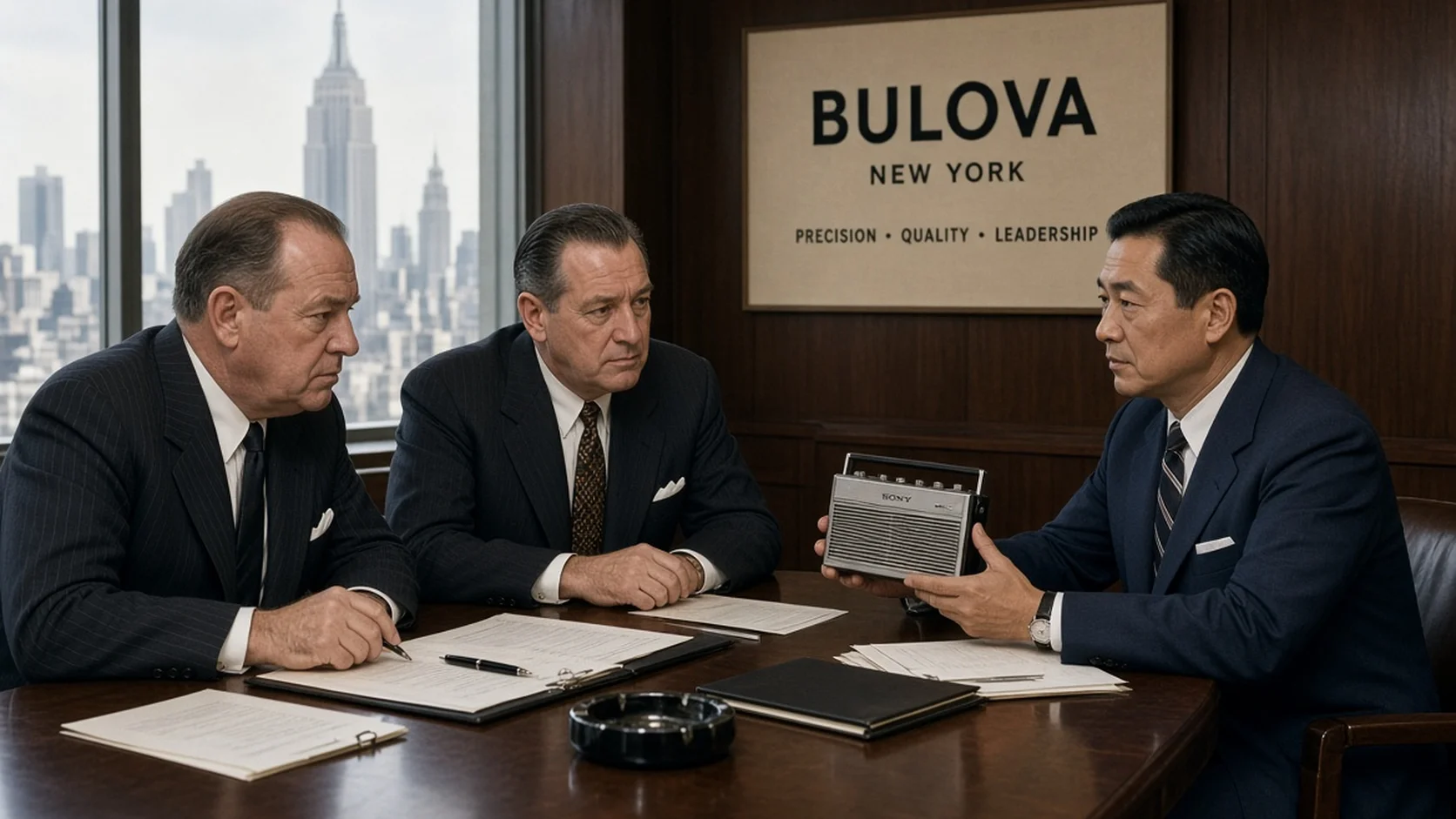
A meeting in New York in 1955. Morita had brought samples of the company's transistor radio to find American distributors, and the Bulova watch company offered to order 100,000 of them. The condition was that they carry Bulova's name. By Morita's own account, the order was worth more than the company's entire capitalization, and Ibuka and the team in Tokyo told him to take it. When the buyer pointed out that Bulova's name had taken 50 years to build, Morita answered, "In fifty years' time we will have made the name Sony as famous as yours. So it's no, thank you." He later called it the best business decision he ever made.
What nearly killed it?
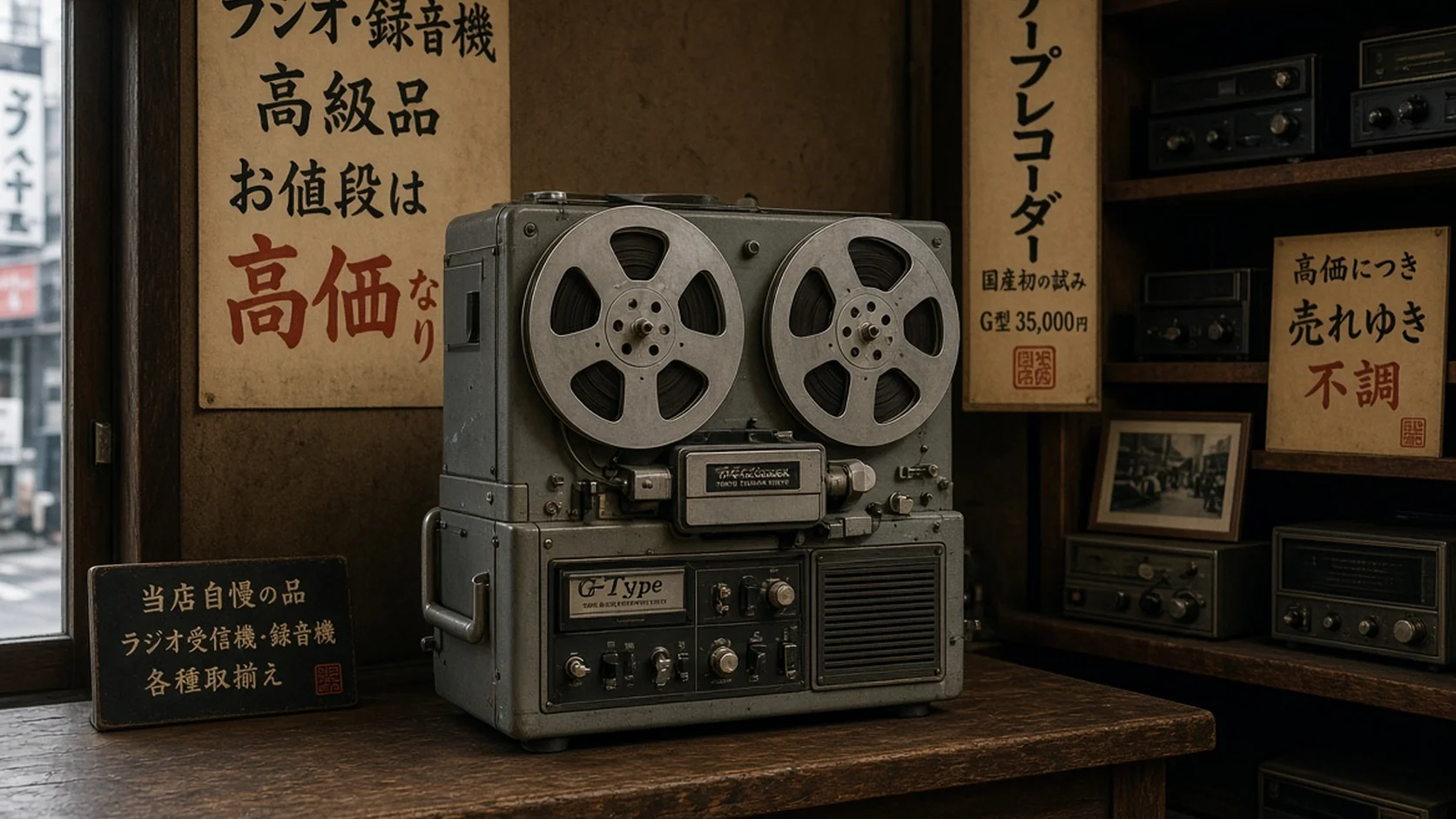
A product nobody would buy. In 1950 the company released Japan's first tape recorder, the G-type. It weighed about 35 kilograms, or 77 pounds, and cost about $450, a high price at the time, and it sold poorly. Sales picked up only after the company translated an American booklet on the many uses of tape recorders5 and found buyers in institutions. In 1951 it released a smaller, cheaper model that went into many schools and classrooms.
What happened that he couldn't have planned for?
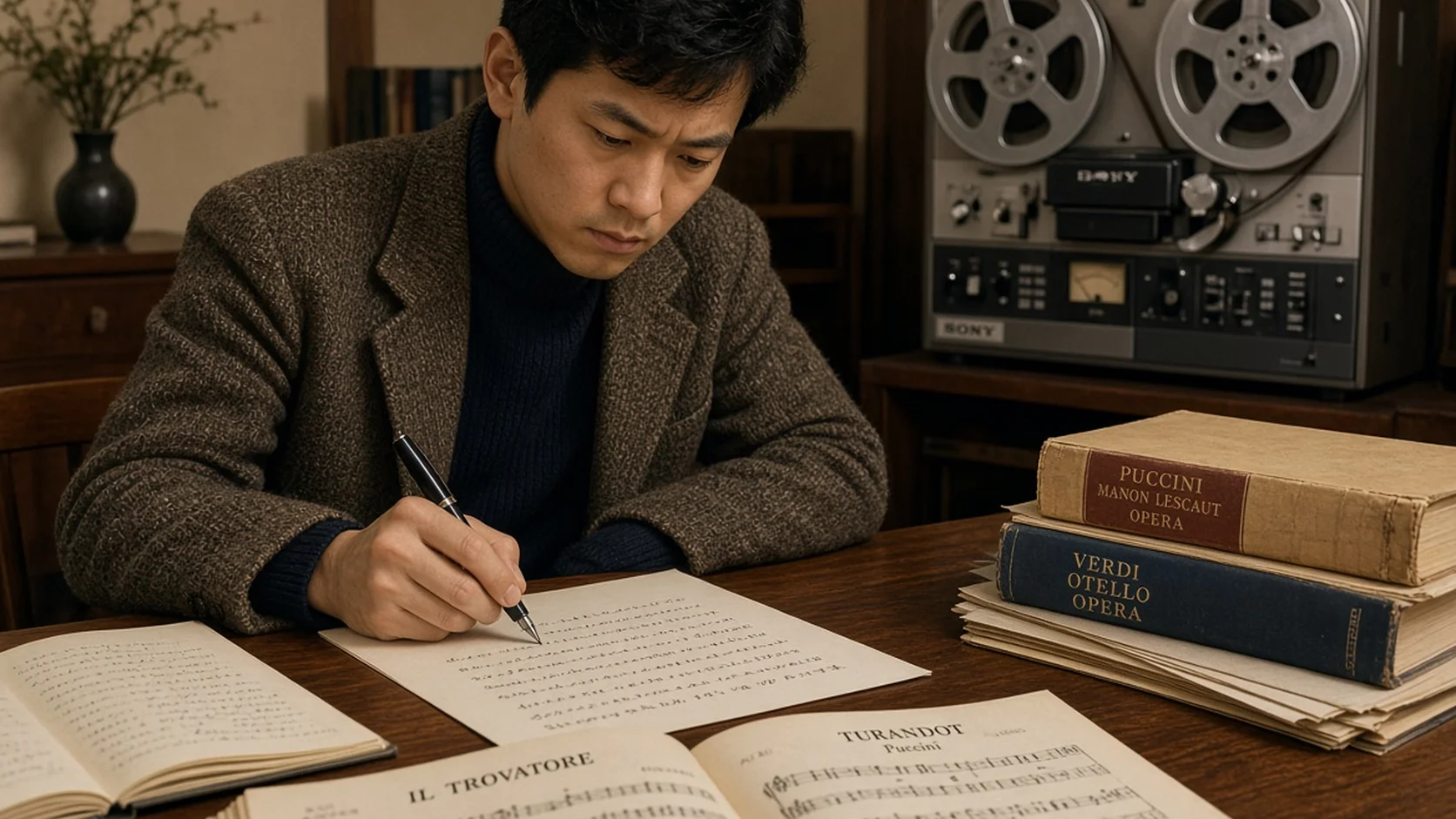
A complaint letter that delivered his successor. A young musician named Norio Ohga, who hoped to become an opera singer, wrote the company a sharply critical letter listing the tape recorder's many failings. The letter caught the attention of Ibuka and Morita, who hired him as a part-time consultant. Ohga became an executive director in 1964 at 34, president of Sony in 1982, and in 1989 succeeded Morita as chief executive6.
What showed that he was human after all?
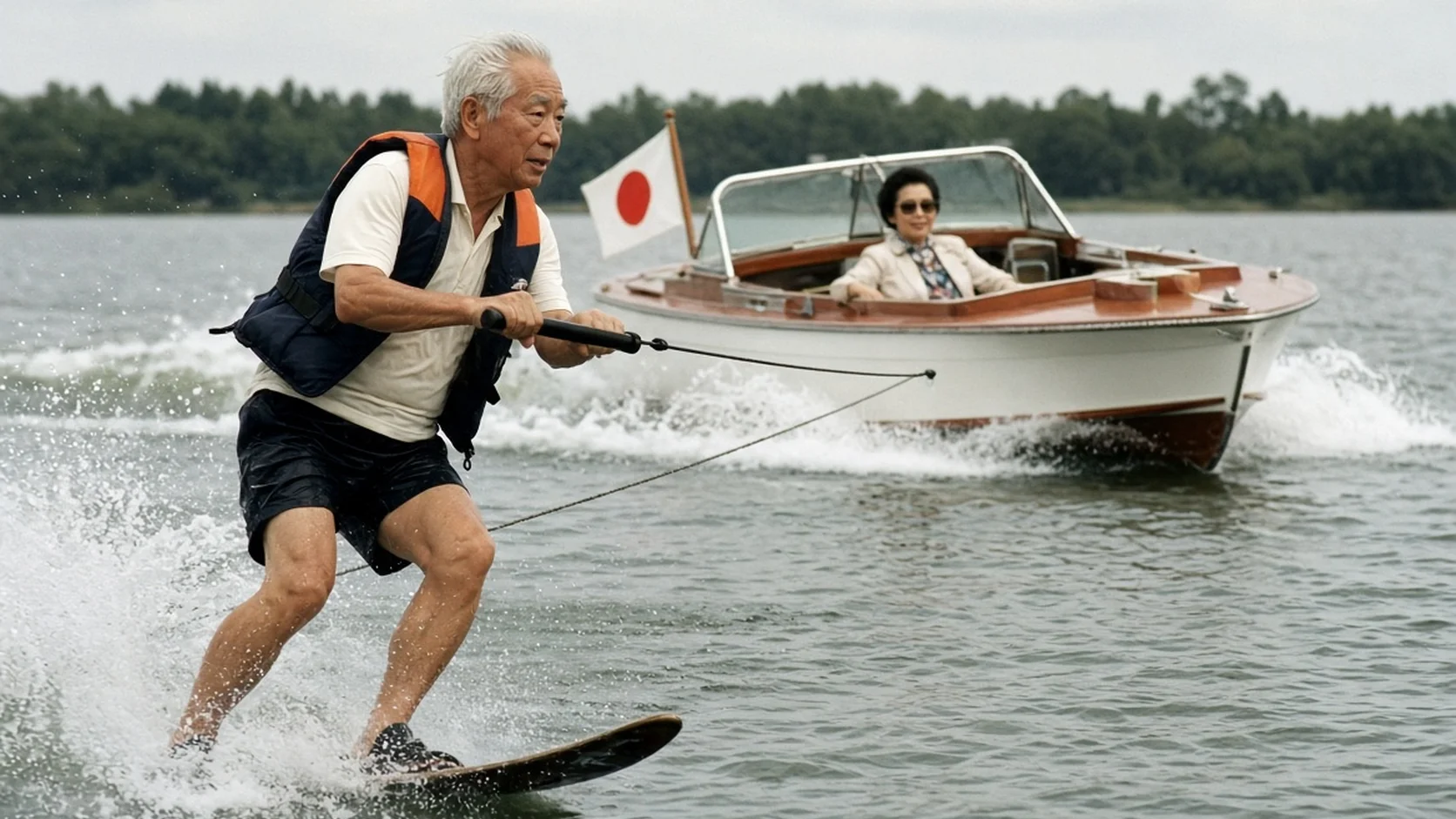
He couldn't sit still, even on vacation. The business writer Kenichi Ohmae described him as both a workaholic and a "playaholic." He took up windsurfing, scuba diving and skiing in his 60s, and at 72 he was still playing tennis at 7 a.m. every Tuesday. He loved water-skiing so much that he built a water-resistant microphone on a handle, wired to a speaker on the boat, so he could give instructions to his wife, Yoshiko, while water-skiing7.
What was the change he brought about?
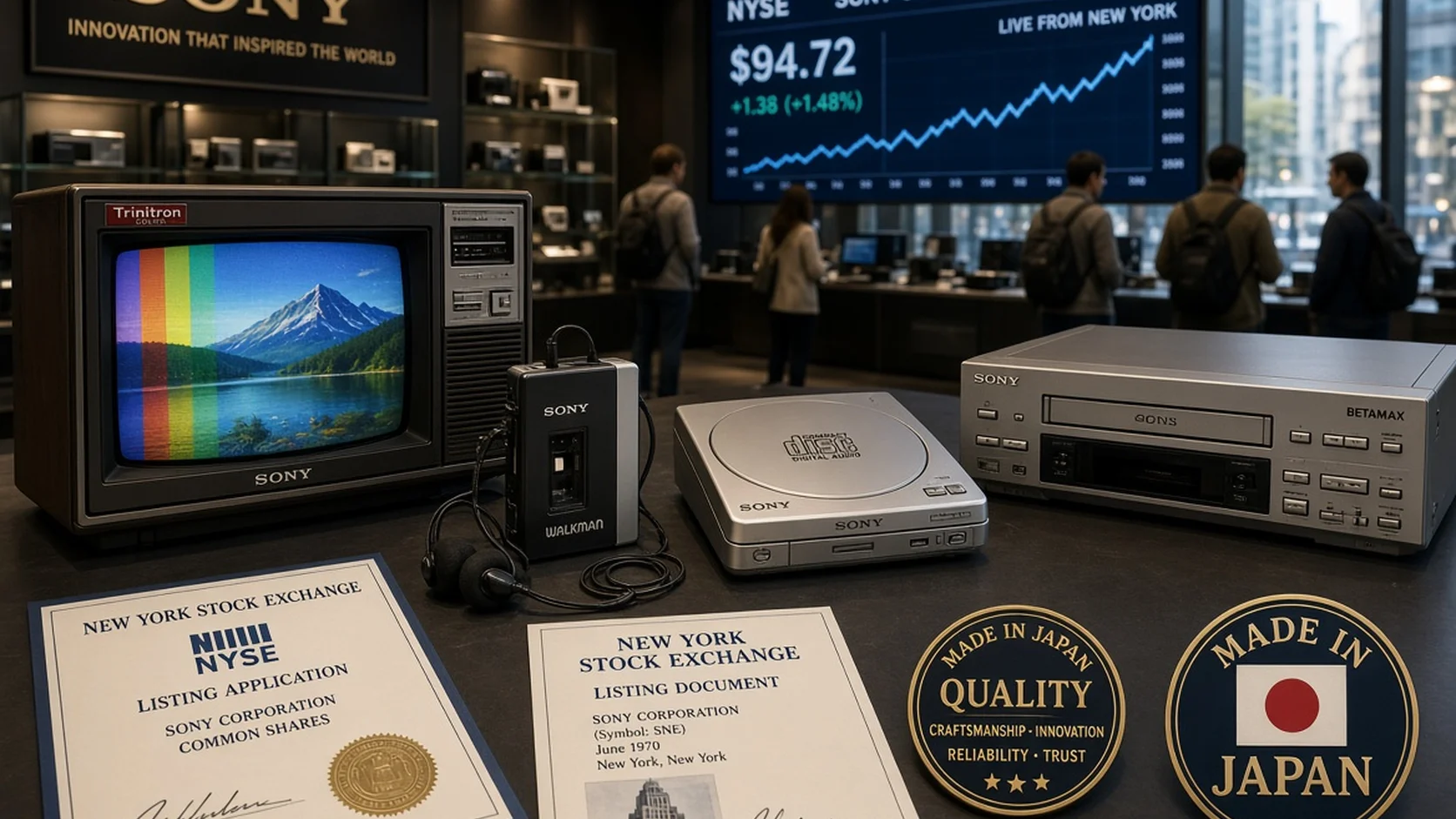
He helped make Japanese electronics something the world wanted. Sony went on to introduce the Trinitron color television in 1968, the Betamax video recorder in 1975, the Walkman in 1979 and the first compact disc player in 1982. "Made in Japan" went from a joke to a mark of quality, and Sony's name became known around the world. In 1970 it became the first Japanese company listed on the New York Stock Exchange.
What did he believe that most reasonable people around him did not?
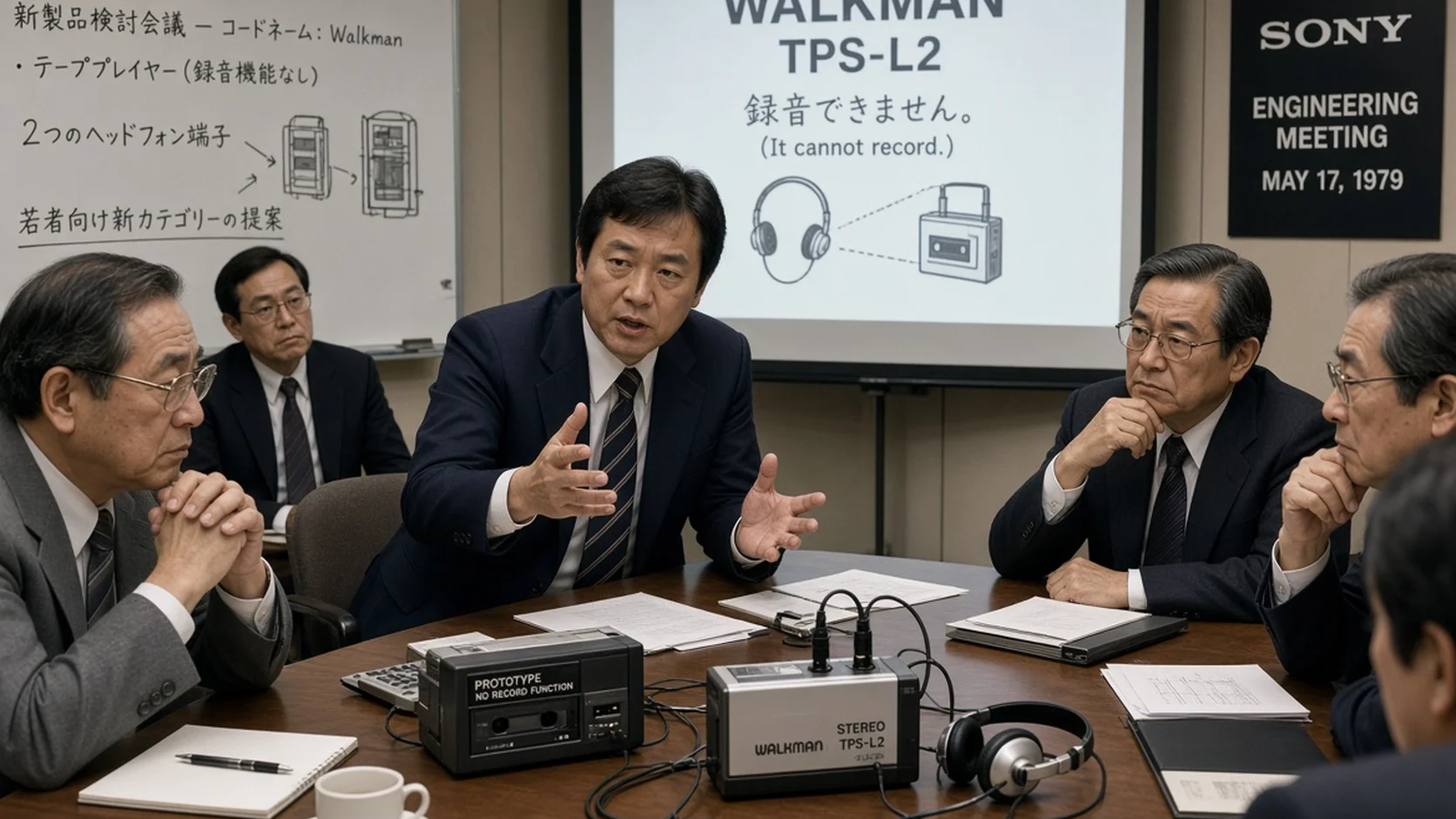
That customers can't tell you what they want until they see it. "We don't believe in market research for a new product unknown to the public," he said. "So we never do any." When Ibuka asked for a portable cassette player to use on long flights, Sony's engineers and executives thought a tape player that couldn't record was ludicrous. "Everybody gave me a hard time," Morita said. He pushed the Walkman through anyway, and when American and European sales under different local names disappointed, he insisted on one name everywhere8.
What did his trek cost him?
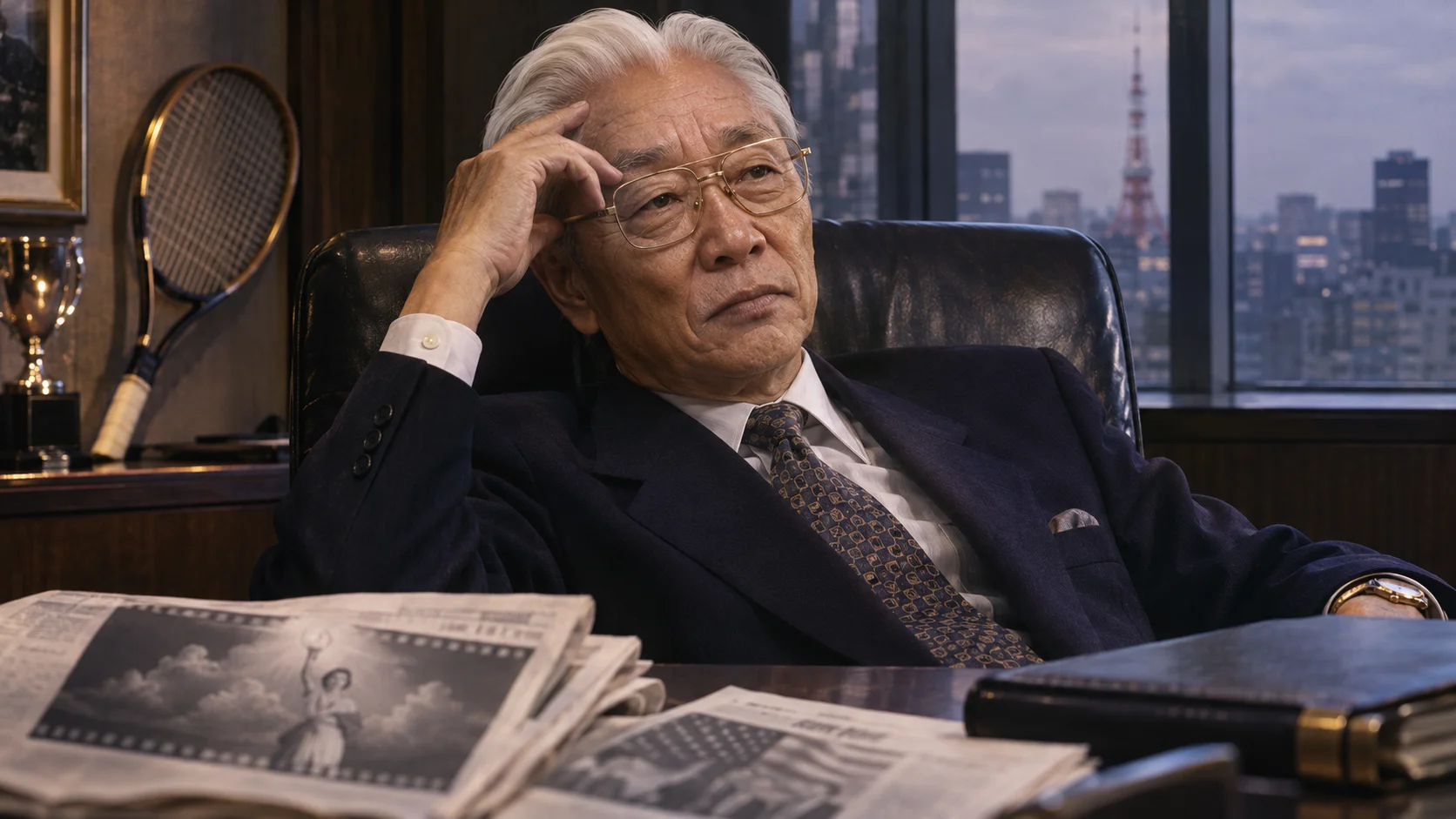
His reputation in America, and finally his health. In 1989 Sony bought Columbia Pictures from Coca-Cola for $3.4 billion plus $1.4 billion in debt, and the deal drew criticism in the US over a Japanese company buying a Hollywood studio. The same year, Morita co-wrote The Japan That Can Say No with the nationalist politician Shintaro Ishihara, and he later refused to authorize an English translation. On November 30, 1993, he suffered a cerebral hemorrhage while playing tennis, which left him nearly paralyzed on his left side. A year later, Sony announced a ¥265 billion ($2.7 billion) write-off on Columbia, and the next day Morita stepped down as chairman. He died of pneumonia in Tokyo on October 3, 1999, at 78.
What's the takeaway?
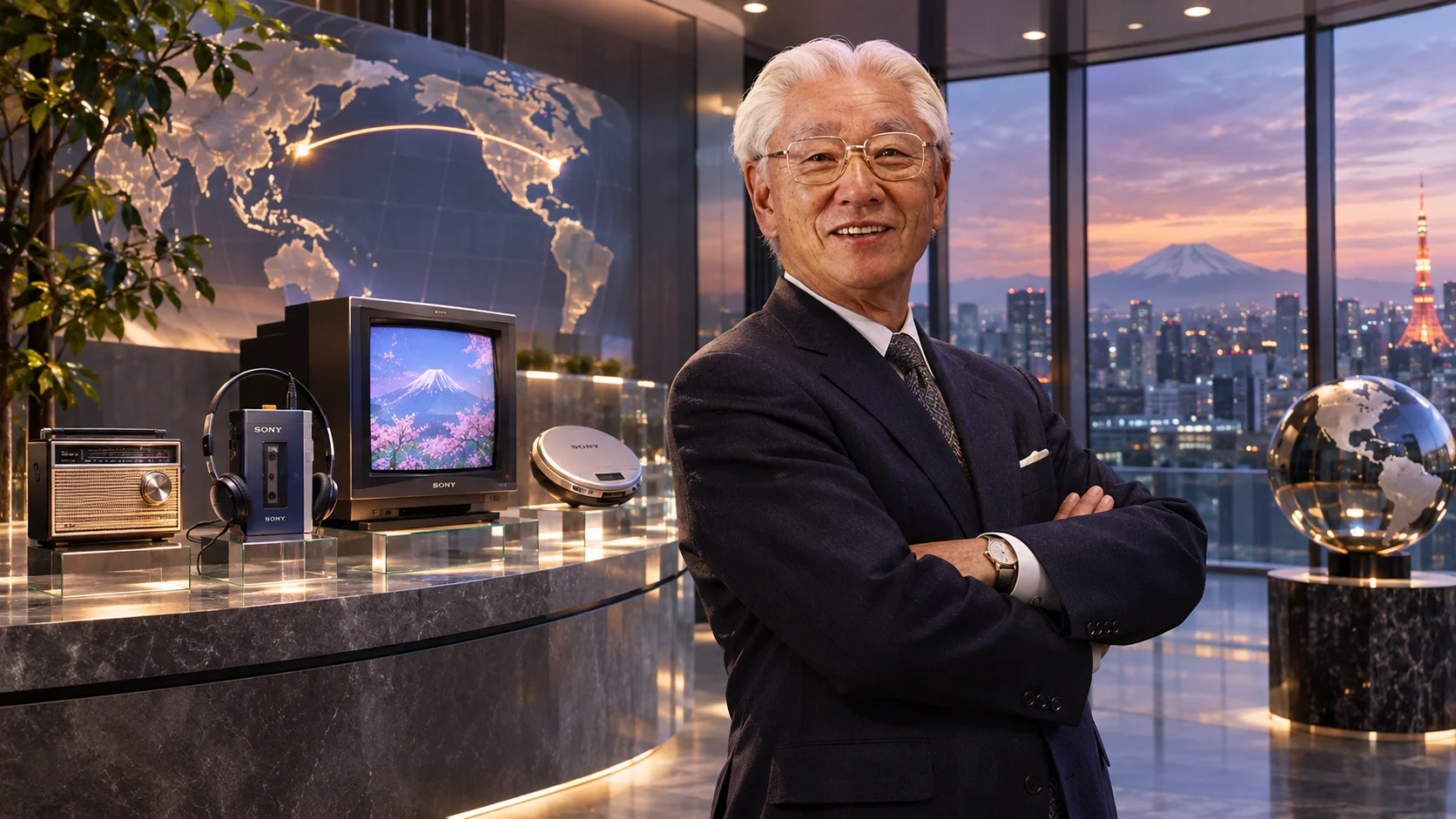
Protect the name you're building, even when someone offers you a shortcut. Morita turned down a big order that would have made Sony an anonymous supplier, and he spent the next 30 years making the name worth the wait. He moved his family across the Pacific to learn his customers, ignored market research when it couldn't see the future, and helped change what the world thought "Made in Japan" meant.
Timeline
-
1921-01-26—Born in Nagoya, Japan, the eldest son of a family of sake brewers.
-
1944—Graduates in physics from Osaka Imperial University and joins the navy, where he meets Masaru Ibuka.
-
1946-05—Co-founds Tokyo Tsushin Kogyo with Ibuka, with ¥190,000 from his father.
-
1950—Releases Japan's first tape recorder.
-
1955—Turns down Bulova's order for 100,000 radios; the company begins mass-producing transistor radios.
-
1957—Releases the first fully transistorized pocket radio.
-
1958—Renames the company Sony Corporation.
-
1960—Founds Sony Corporation of America.
-
1963—Moves his family to New York.
-
1971—Becomes president of Sony.
-
1976—Becomes chairman.
-
1979-07-01—The Walkman goes on sale in Japan.
-
1989—Sony buys Columbia Pictures.
-
1993-11-30—Suffers a stroke while playing tennis.
-
1994-11-25—Steps down as chairman.
-
1999-10-03—Dies in Tokyo at 78.
Side notes
-
Never mind the grades—In 1966 Morita published a book titled Never Mind School Records, arguing that school records don't determine success. Learn more ↩
-
Sound and sonny—The name combines the Latin sonus, meaning sound, with "sonny," slang for a young boy. Sony says it was meant to suggest a small group of energetic young people. Learn more ↩
-
Summer camp—The Moritas' two sons didn't speak English when the family arrived in New York, so they were sent to an American summer camp. Learn more ↩
-
Bigger pockets—The pocket radio was a little too big for most shirt pockets, so Sony's salesmen wore shirts with enlarged pockets to show it off. Learn more ↩
-
Nine hundred ninety-nine uses—The translated booklet was titled Nine Hundred and Ninety-Nine Uses of the Tape Recorder. Tokyo's Academy of Art was among the buyers that followed. Learn more ↩
-
The CD's champion—Ohga, who graduated from Tokyo's national university of fine arts and music in 1953, is credited with helping make the compact disc a commercial success. Learn more ↩
-
Sheepskin slippers—When the actor Robert Wagner visited the Moritas in New York, he had them stand on paper to trace their feet, then sent them sheepskin slippers. Yoshiko was still wearing them decades later. Learn more ↩
-
Two headphone jacks—Yoshiko found the first Walkman isolating, and Morita didn't want Sony selling a rude product, so it got a second headphone jack. Only 3,000 sold in the first month. Learn more ↩