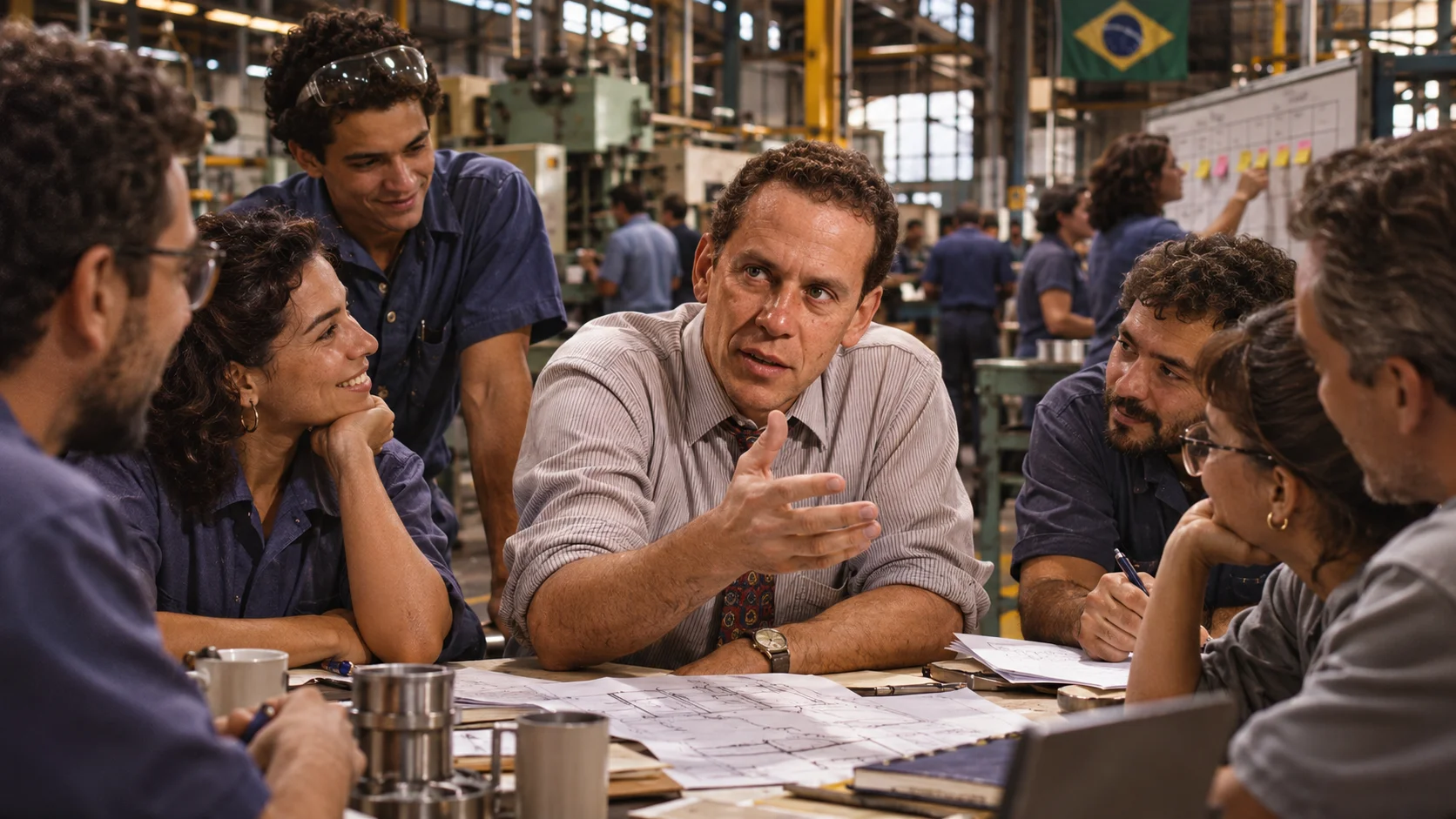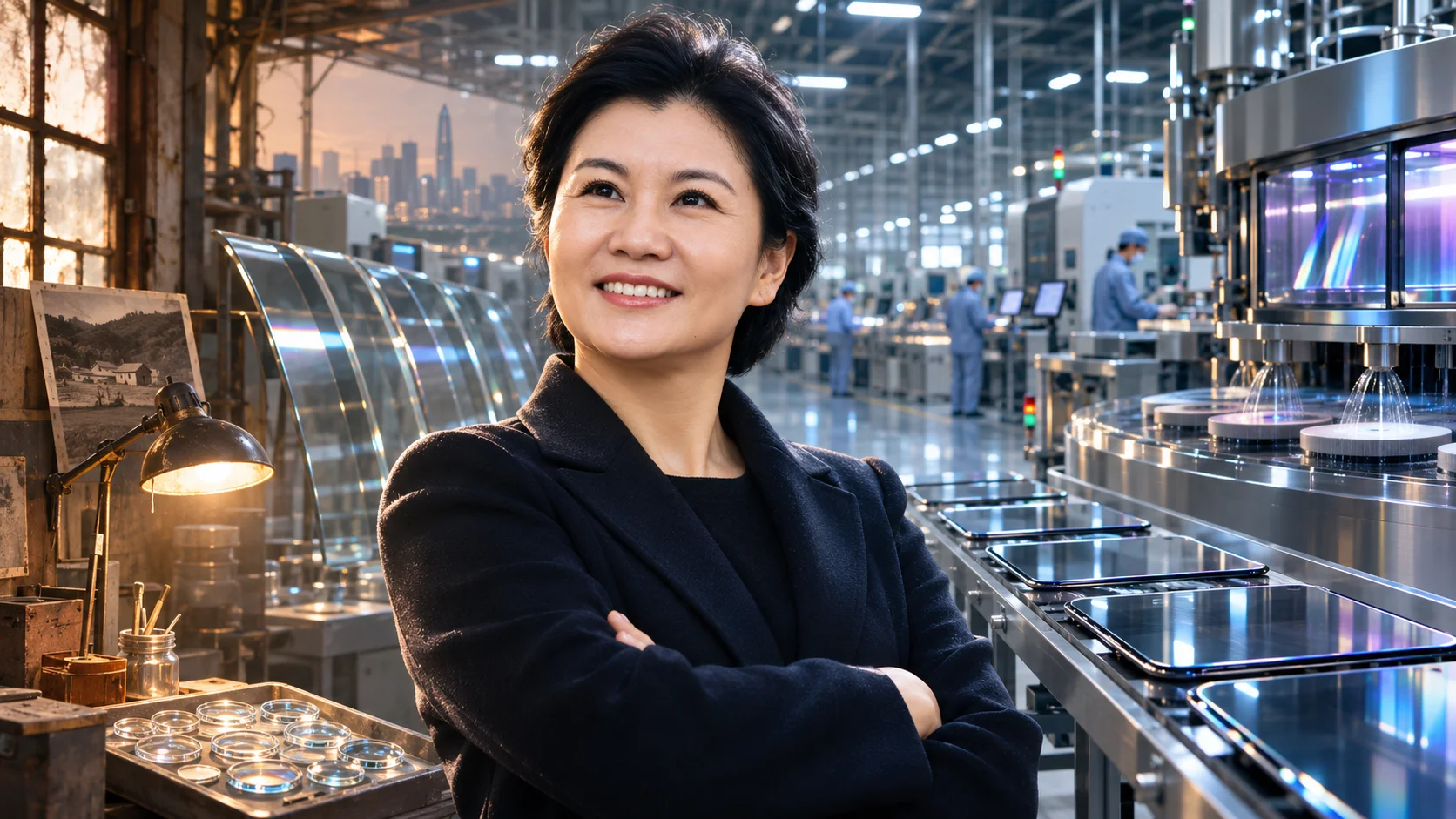
- She left school at 16 and made watch parts for about $1 a day.
- By 2017 her factories employed about 90,000 people across 32 sites.
- Her fortune of about 127 billion yuan topped Hurun's 2026 list of Chinese women.

Who is she—and what was she like before everyone noticed?
Zhou Qunfei was born in 1970 in Xiangxiang, a farming area of Hunan province, the youngest of three children in a poor family. Her mother died when she was 5. Her father, a former soldier, had lost a finger and most of his sight in an industrial accident in the 1960s, and he supported the family by making bamboo baskets and chairs and repairing bicycles1. Before anyone had heard of her she was a village girl who did well at school, the only one of the three children to go on to secondary school.

What did her life look like before her trek began?
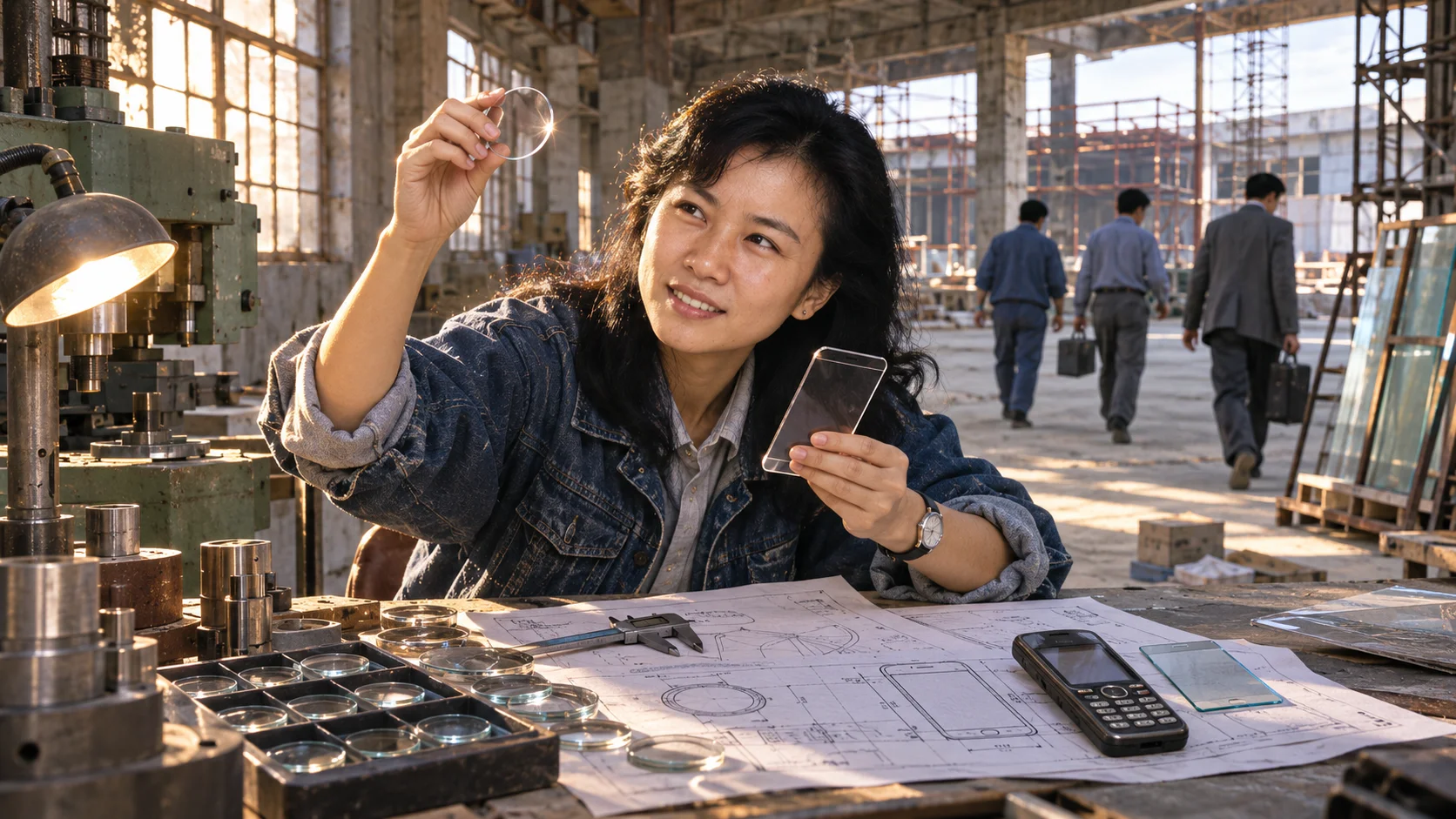
Long days on a factory floor. At 16 she dropped out of school and moved to Guangdong province to live with her uncle's family, and she went to work in Shenzhen, then a fast-growing factory town next to Hong Kong. Her job was making watch lenses for about $1 a day. She picked employers near Shenzhen University so she could take part-time classes after shifts that ran 16 hours or more, and she earned certificates in accounting, computer operations and customs processing, plus a license to drive commercial vehicles.
What did she see that other people didn't?
Openings that other people were walking away from. In 1990, at 20, she offered to take over a factory expansion project that its owner was ready to abandon. A decade later she saw that the skills her team had built polishing and printing watch glass could work on the screens of mobile phones. In 2001 she won a contract from the Chinese electronics maker TCL to supply phone screens, her first big break in the phone business.
What problem became her obsession?
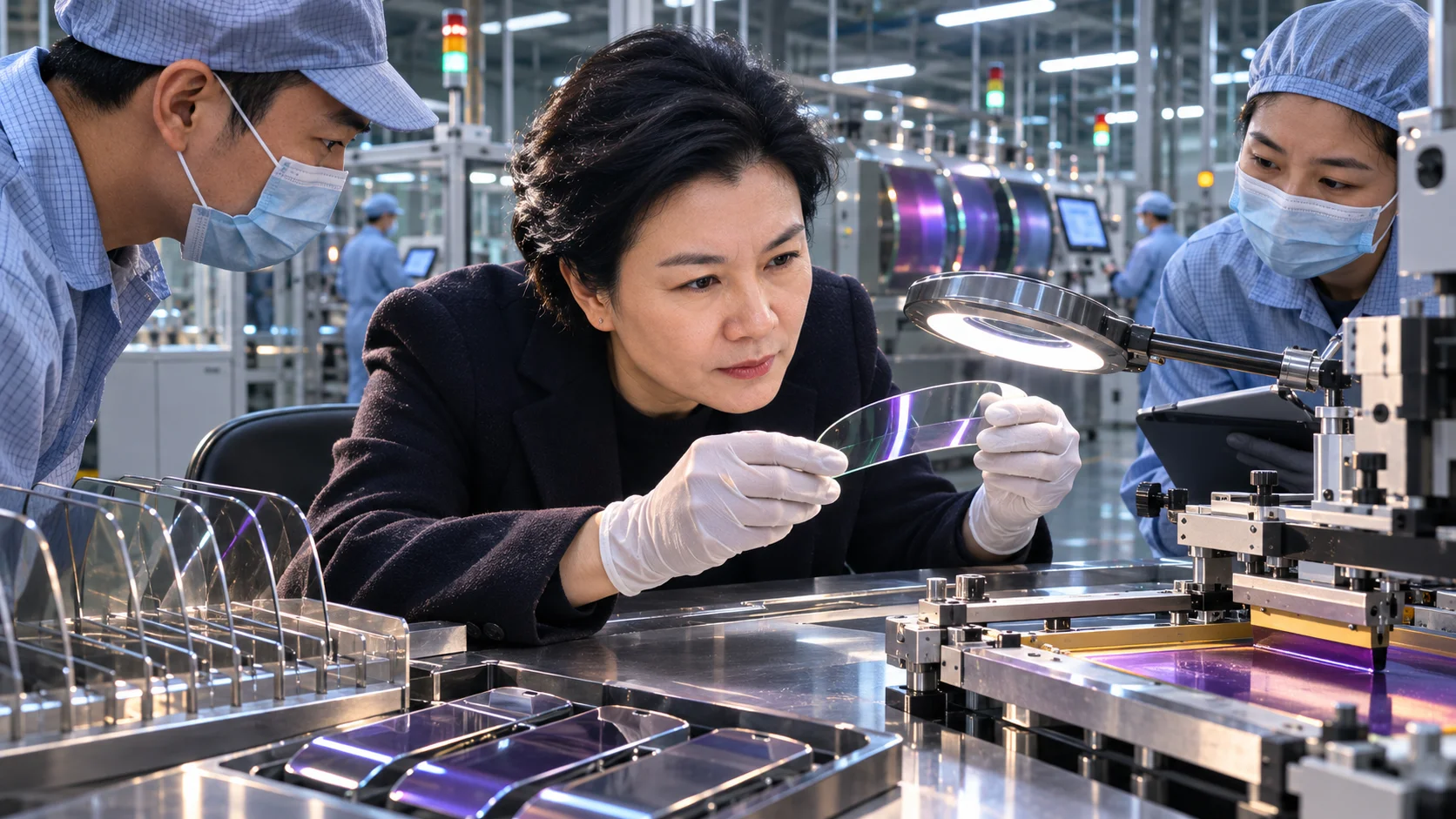
Getting the process right, down to the smallest step. Making glass for phones meant cutting, polishing, coating and printing each piece to tight tolerances, millions of times over. Zhou taught herself advanced screen printing and the printing of curved glass, and she stayed close to the factory floor long after she could have left it. "She'll sometimes sit down and work as an operator to see if there's anything wrong with the process," a general manager, James Zhao, told The New York Times.

Why did this matter personally to her?
She knew she was starting from behind. "I had a different drive from others because they all came from downtown areas and had money, but I didn't have any," she said in a 2015 interview. Her cousin Zhou Xinyi described her with a term from their home dialect: a person "who dares to do what others are afraid to do2."
Where did the first money come from?
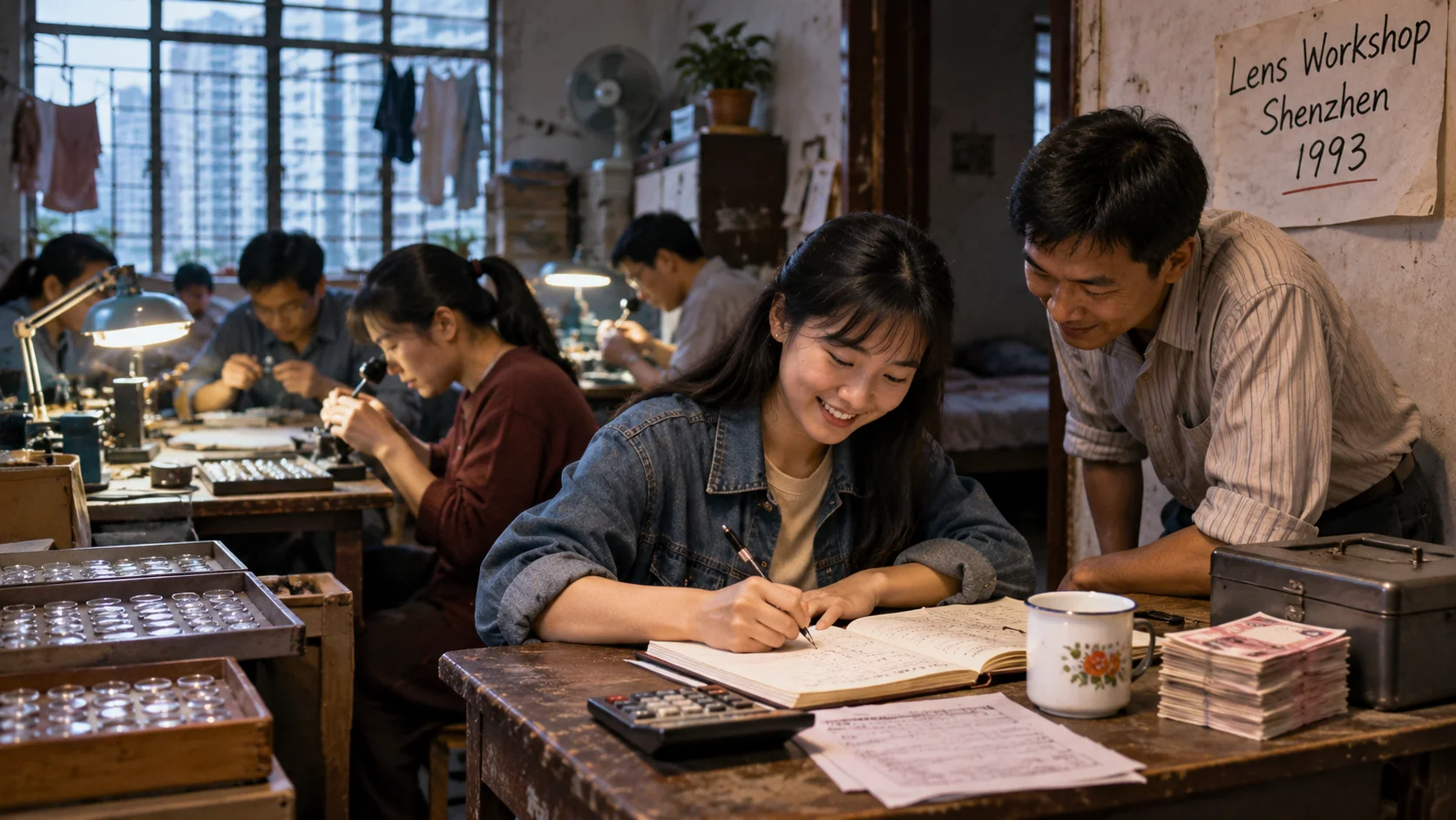
Her own savings. In 1993, at 22, after the factory where she'd been working folded, she used about HK$20,000, roughly $3,000, to start her own workshop, with encouragement from a cousin. Her brother, her sister, their spouses and two cousins went to work alongside her in a three-bedroom apartment in Shenzhen, making lenses for watches.
What made the economics work?
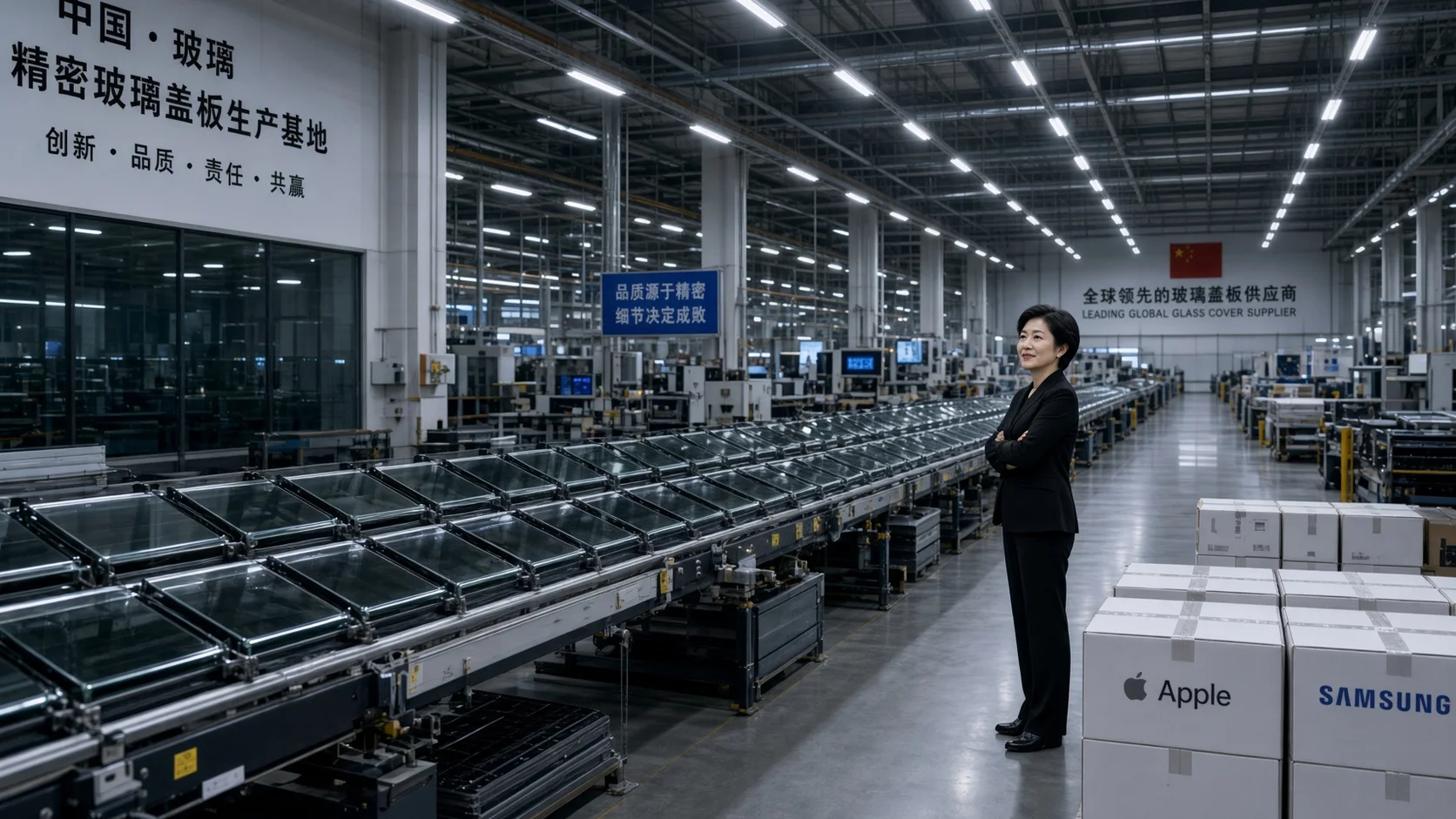
Big customers buying in huge volumes. After TCL and Motorola came orders from HTC, Nokia and Samsung, and Apple and Samsung eventually accounted for nearly three quarters of revenue. To build the plants those customers needed, Zhou put her own apartment up as collateral for bank loans. Within five years of that expansion, she had plants under construction in three cities, and by 2015 her factories were expected to make more than a billion glass screens a year3.

What was the decision or moment after which nothing was the same?
A phone call from Motorola in 2003. The company was developing the Razr V3, a thin flip phone, and wanted a glass screen for it. Zhou remembered the question this way: "Just answer yes or no, and if the answer's yes, we'll help you set up the process." She had a watch-lens business and no experience making glass for phones at that scale. "I said yes," she said. That same year she founded Lens Technology4.

What nearly killed it?
A trade war. In 2018, as the US raised tariffs on Chinese goods and investors sold off Apple's suppliers, Lens shares fell 62 percent. Zhou lost about two thirds of her fortune, roughly $6.6 billion, the biggest percentage drop among China's top billionaires on the Bloomberg index that year5.
What happened that she couldn't have planned for?
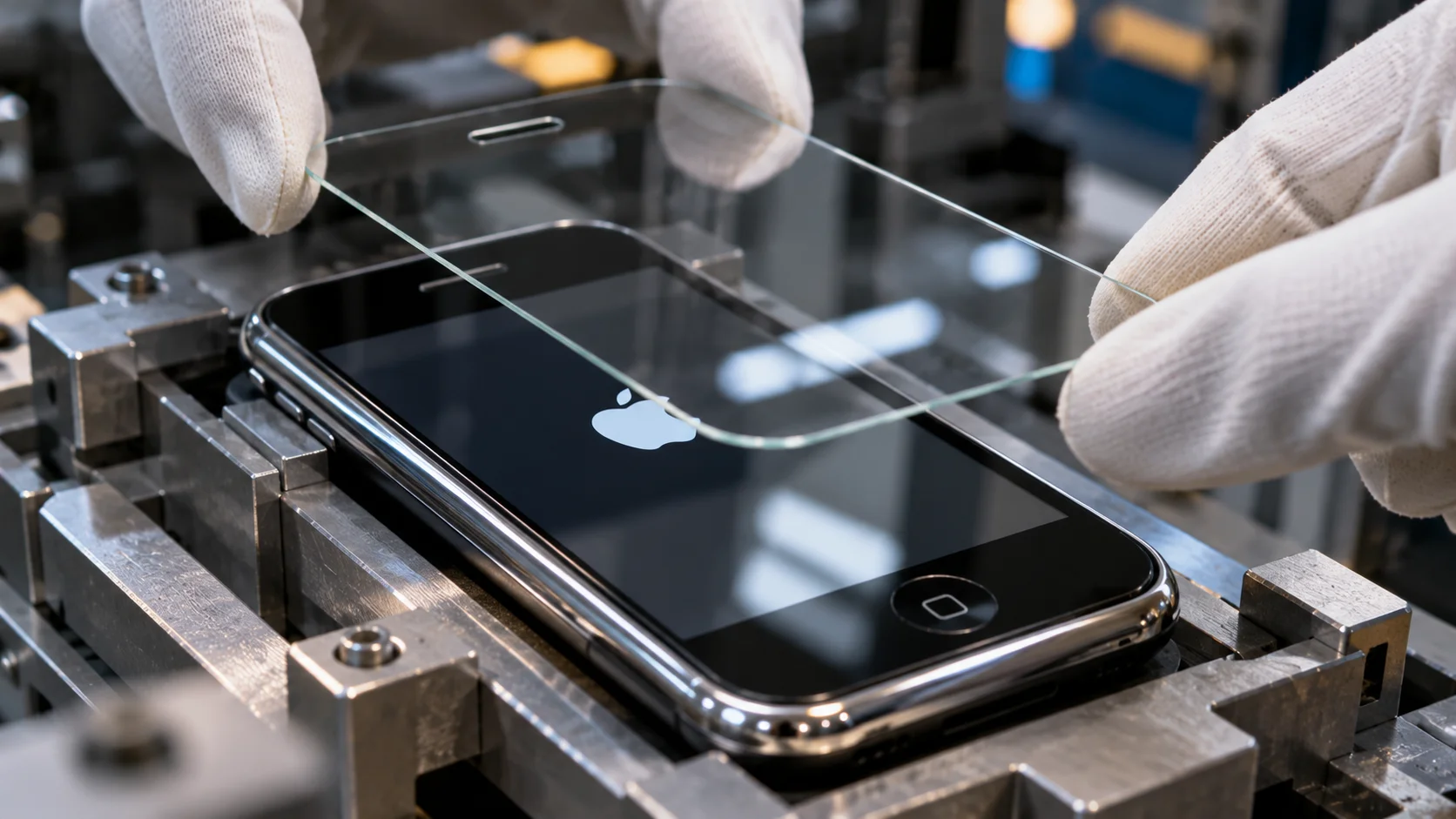
Two shocks that both worked in her favor. The 1997 Asian financial crisis left many of her clients struggling, and she was able to buy their equipment. Then, in 2006, Apple began developing the first iPhone and turned to Lens for its glass screen. When the iPhone launched in 2007 with a glass face, Lens was already in place, and it went on to become the dominant player in the industry.
What showed that she was human after all?
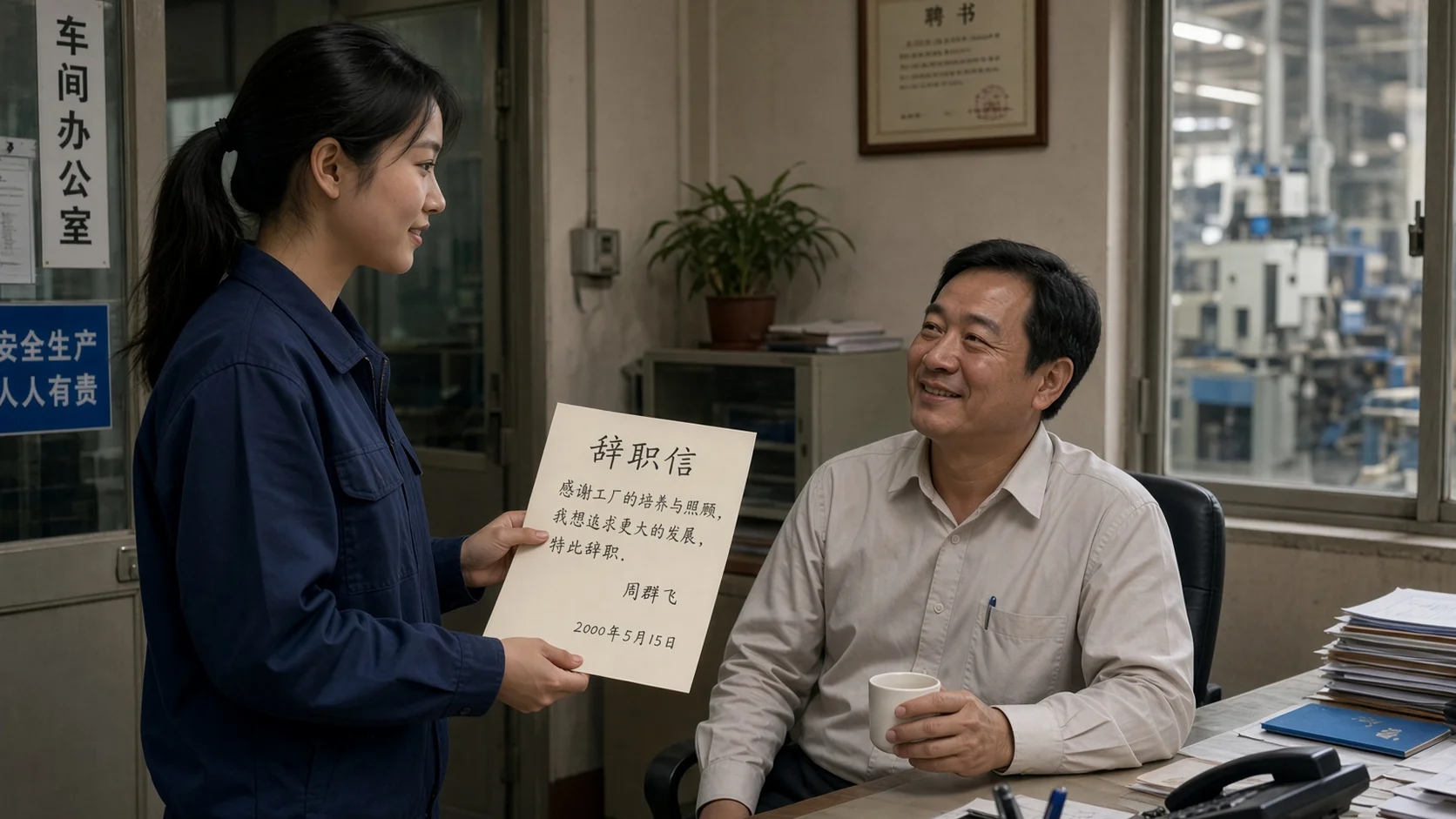
She tried to quit her first factory job, and it backfired. After about three months at a family-run watch-parts firm, she handed in her resignation. Her letter thanked the factory chief so warmly that he offered her a promotion instead6. She says work is her hobby, and when she does take time off, she likes mountain climbing and ping pong.
What was the change she brought about?
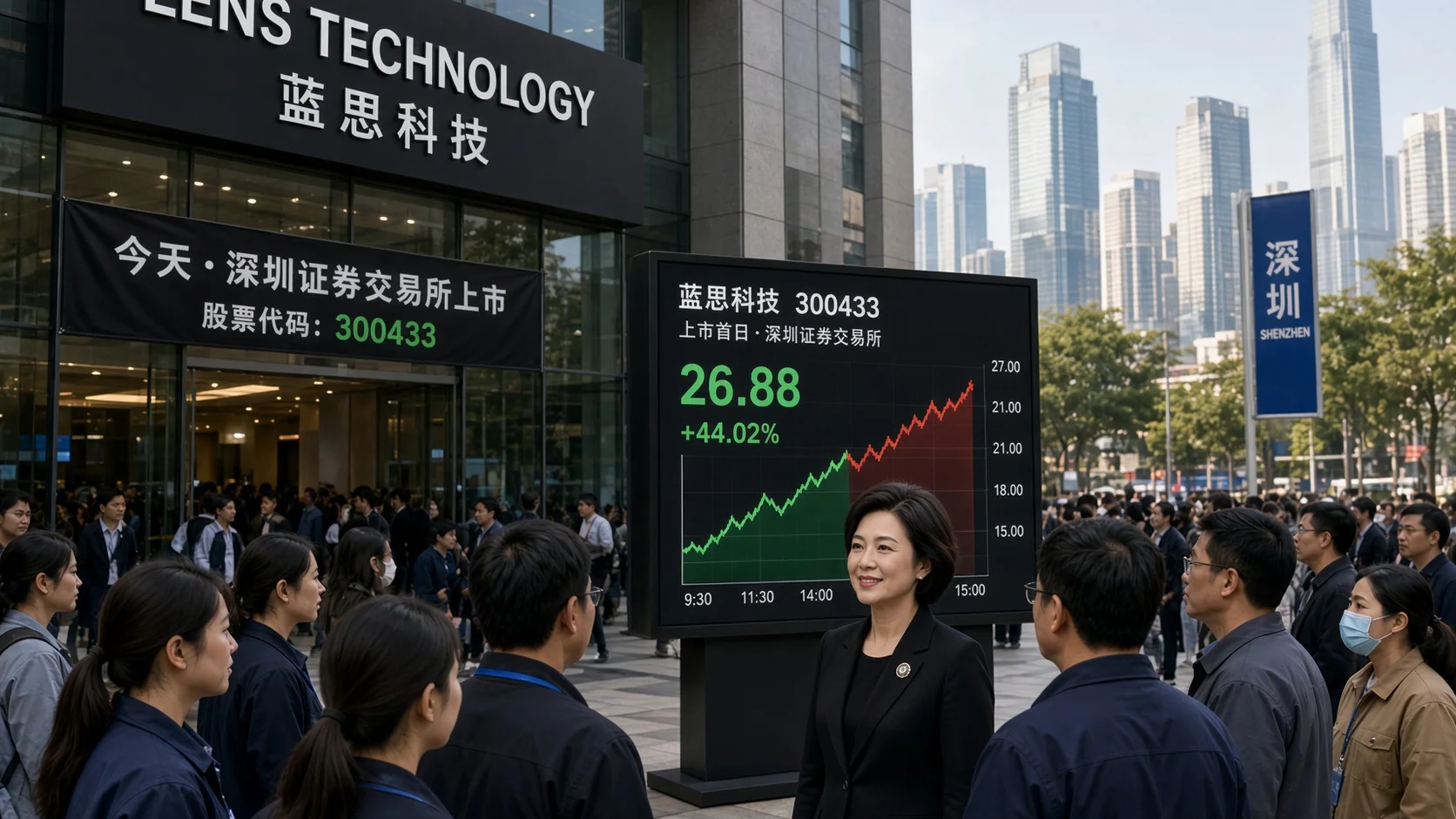
She helped make glass the face of the modern phone, and showed how far a migrant worker could go. Lens has worked on nearly every generation of the iPhone, iPad, Apple Watch and Mac. It listed on Shenzhen's ChiNext market on March 18, 2015, and the shares rose 44 percent on the first day, then 10 percent a day for 13 trading days. In July 2025 it added a second listing in Hong Kong7. In China her story is widely seen as an inspiration to the millions of migrant workers who left villages for factory jobs.
What did she believe that most reasonable people around her did not?
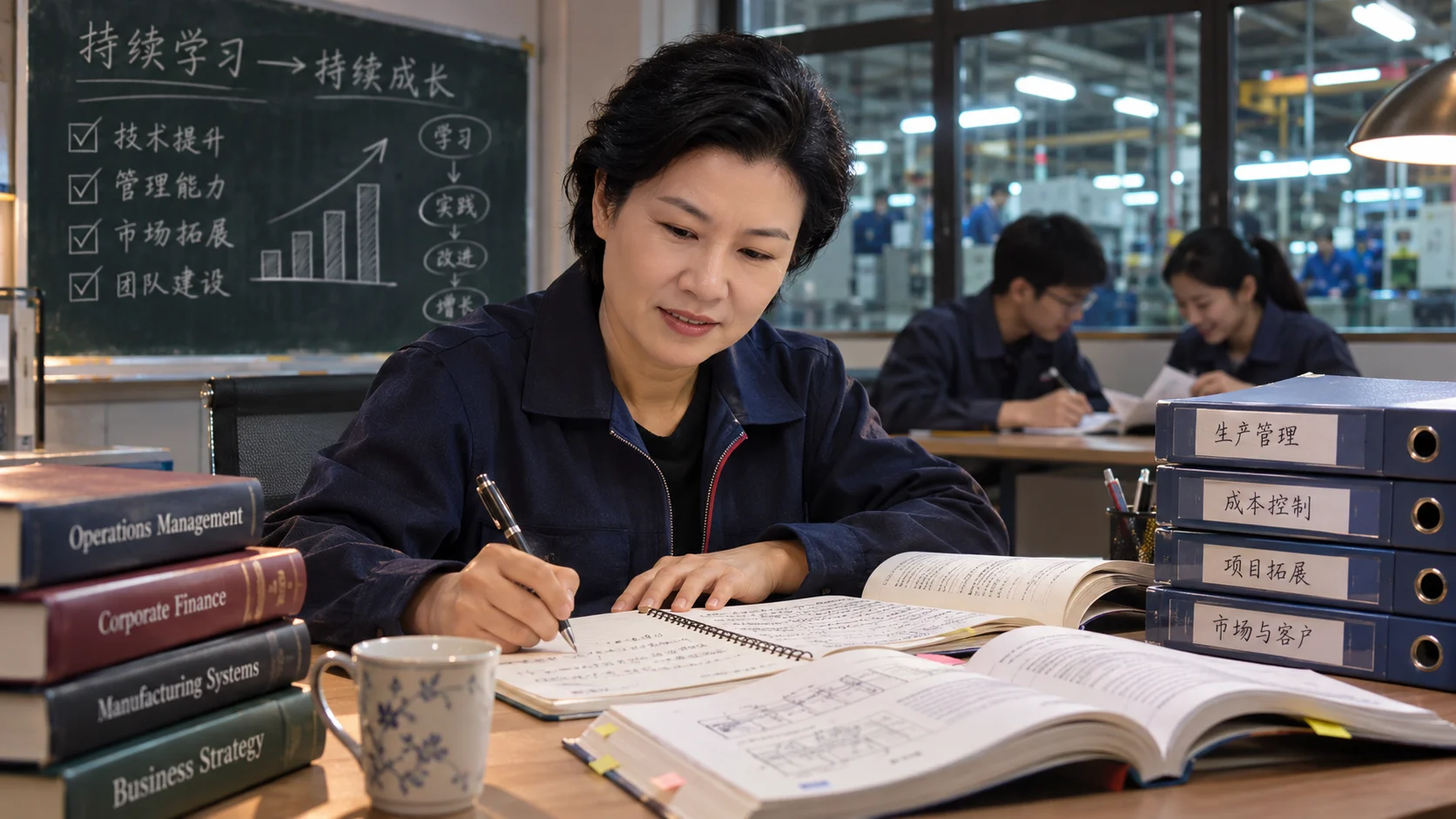
That learning matters more than where you start. She has said the secret of her success was "the desire to learn." She has also played down her own status: "I'm not qualified to be a high-profile person," she said in 2015. Without a diploma, she kept studying while she worked, and by her own count she has started 11 companies in all.
What did her trek cost her?
Years of her personal life, and close scrutiny of her company. She has worked up to 18 hours a day, and her office at the Changsha headquarters has a door leading to a small apartment. Her first marriage, to her former factory boss, produced a daughter and ended in divorce. In 2008 she married Zheng Junlong, a colleague from the factory who later joined the Lens board, and they have a son.
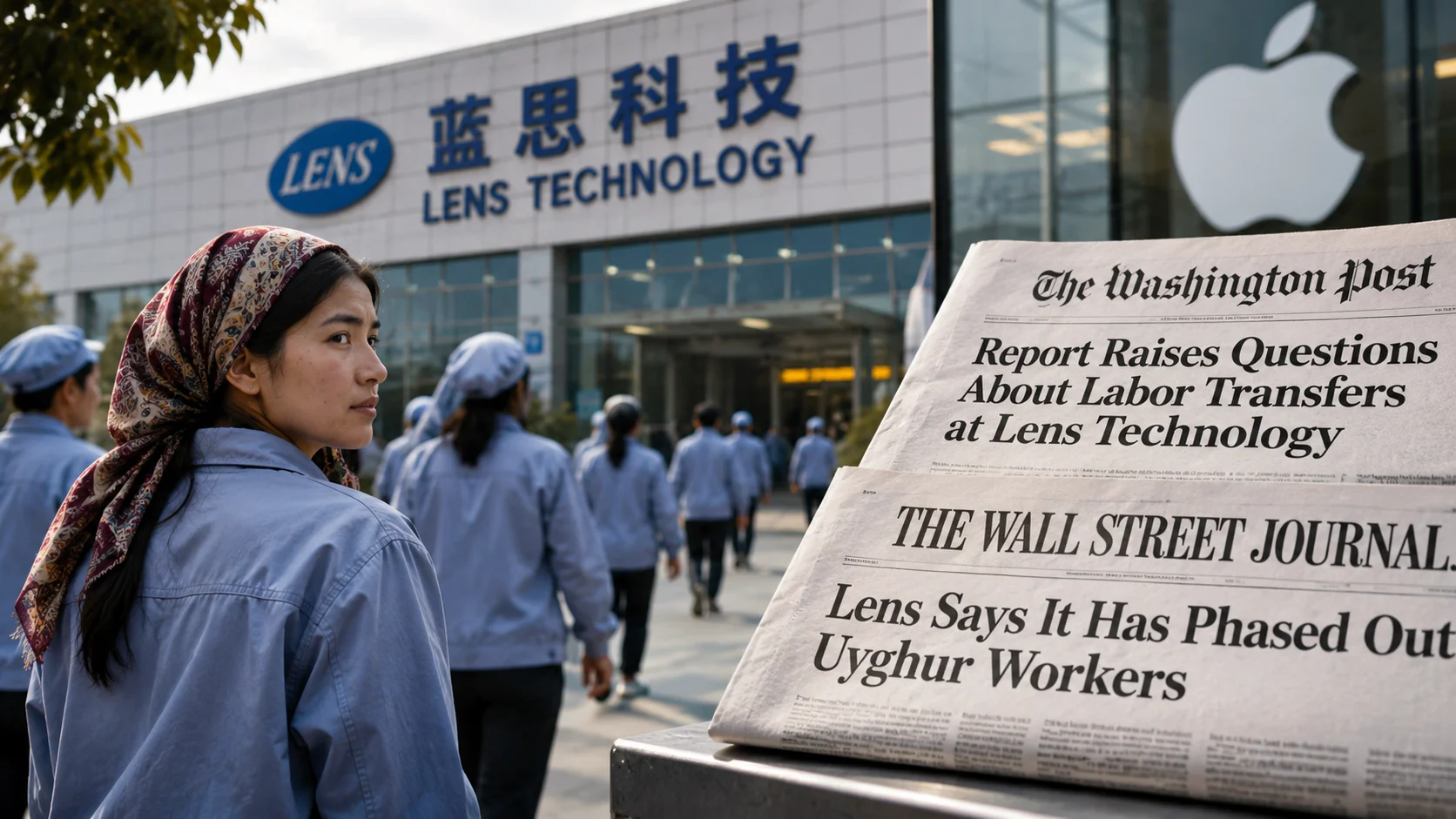
The scrutiny came in December 2020, when the Tech Transparency Project, a watchdog group, and The Washington Post reported on Chinese records showing that Lens had received thousands of Uyghur workers from Xinjiang through a state labor transfer program, including a 2018 plan by the city of Turpan to send 1,000 workers. Human rights groups say such transfers are often coerced. Apple said Lens had "not received any labor transfers of Uighur workers from Xinjiang." In July 2021 The Wall Street Journal reported that Lens had phased out Uyghur workers transferred through the program and stopped hiring them, adding that it couldn't determine whether those workers made parts for Apple products.

What's the takeaway?
Say yes to the work that stretches you, then do the learning to deliver it. Zhou left school at 16, kept studying through 16-hour shifts, and built the skills that let her answer yes when Motorola called. She stayed on the factory floor, put her own home on the line, and turned a three-bedroom workshop into the company that puts glass on many of the world's phones.
Timeline
-
1970—Born in Xiangxiang, Hunan province.
-
c. 1986—Leaves school at 16 and moves to Shenzhen to work in a watch-lens factory.
-
1993—Starts her own workshop with about HK$20,000 in savings.
-
2001—Wins a phone-screen contract from TCL.
-
2003—Motorola asks her to make a glass screen for the Razr V3; Lens Technology is founded.
-
2007—Lens supplies glass for Apple's first iPhone.
-
2008—Marries Zheng Junlong.
-
2015-03-18—Lens lists in Shenzhen; she becomes China's top-ranked woman by net worth.
-
2018—Lens shares fall 62 percent during the US-China trade war.
-
2020-12—The Tech Transparency Project and The Washington Post report on Uyghur labor transfers to Lens.
-
2021-07—The Wall Street Journal reports Lens has phased out Uyghur workers from Xinjiang.
-
2025-07-09—Lens begins trading in Hong Kong.
-
2026-10-28—Hurun ranks her first among China's women by net worth.
Side notes
-
Her father's lesson—Zhou has said that being raised by her father taught her to be meticulous, a habit she carried into her factories. Learn more ↩
-
Ba de man—In the Hunan dialect, her cousin said, women like her are called "ba de man." Learn more ↩
-
Beyond phones—Lens now makes parts for computers, smart wearables and electric vehicles as well as smartphones. Learn more ↩
-
Built for search—She chose the name Lens so the company would show up when buyers searched online for "lens." Learn more ↩
-
The Tesla connection—Lens also laminated display panels for Tesla, so its shares took another hit in 2018 when the SEC accused Elon Musk of misleading investors. Learn more ↩
-
Economy class—Colleagues say she shows up on time, eats in the company canteen and flies economy. In May 2026 she sat between Tim Cook and Elon Musk at a Beijing state banquet for President Trump. Learn more ↩
-
Big backers—The Hong Kong offering raised about $607 million, with Xiaomi, UBS Asset Management and Oaktree Capital among its cornerstone investors. Learn more ↩