- He funded a whole university campus in New York without putting his name on it.
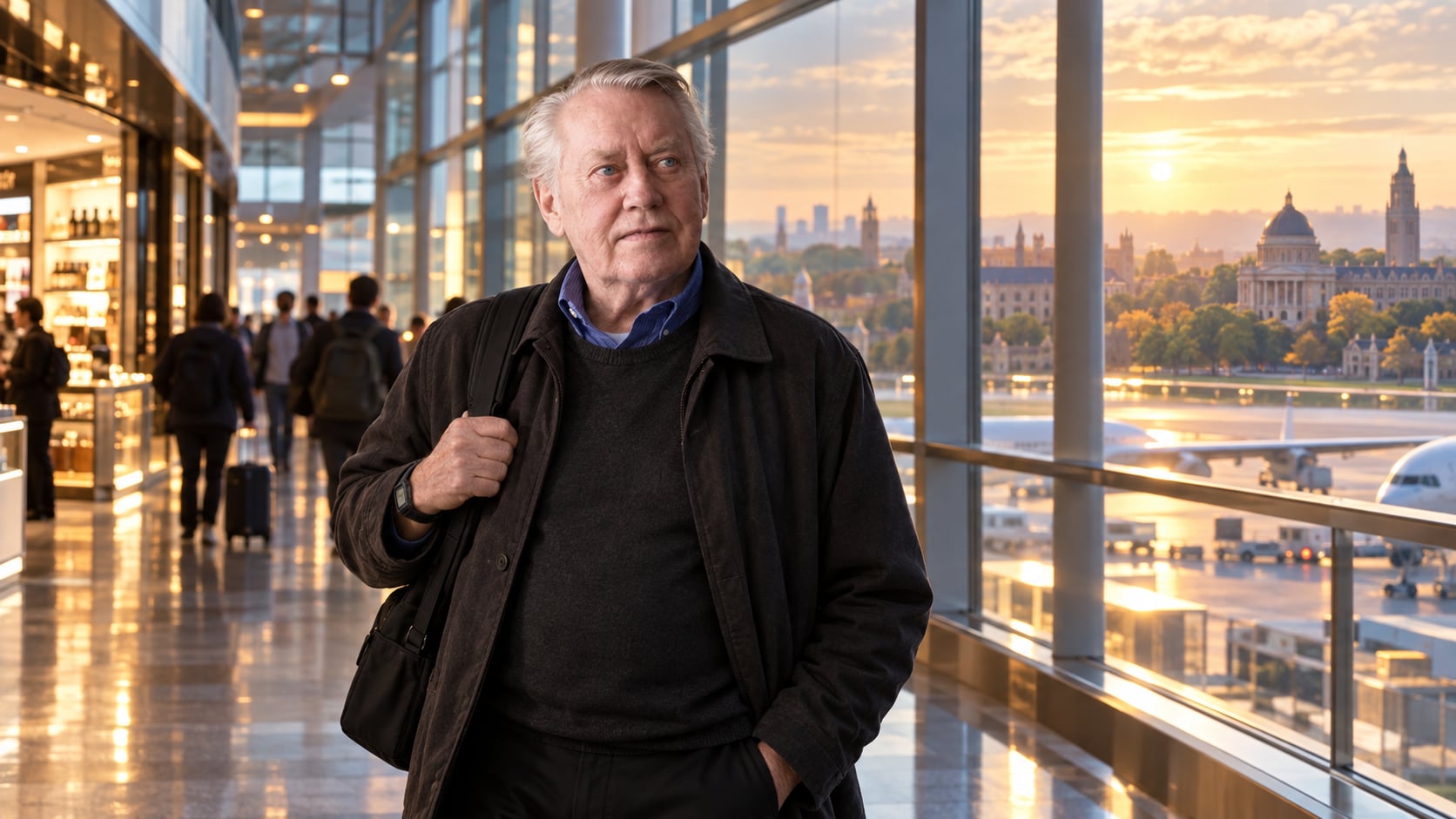
- He wore a $10 watch and flew coach well into his 70s, long after becoming a billionaire.
- He shut down the foundation himself in 2020, on purpose, once there was nothing left to give.

Who was he—and what was he like before everyone noticed?
Charles Francis Feeney was born April 23, 1931, in Elizabeth, New Jersey, to Irish-American parents—a nurse and an insurance underwriter, with roots in County Fermanagh. Before anyone had heard of him he was a boy selling Christmas cards door to door, caddying, and shoveling snow off driveways in the Depression's long tail. He served as a US Air Force radio operator in the Korean War and went to Cornell on the GI Bill.
What did his life look like before his trek began?
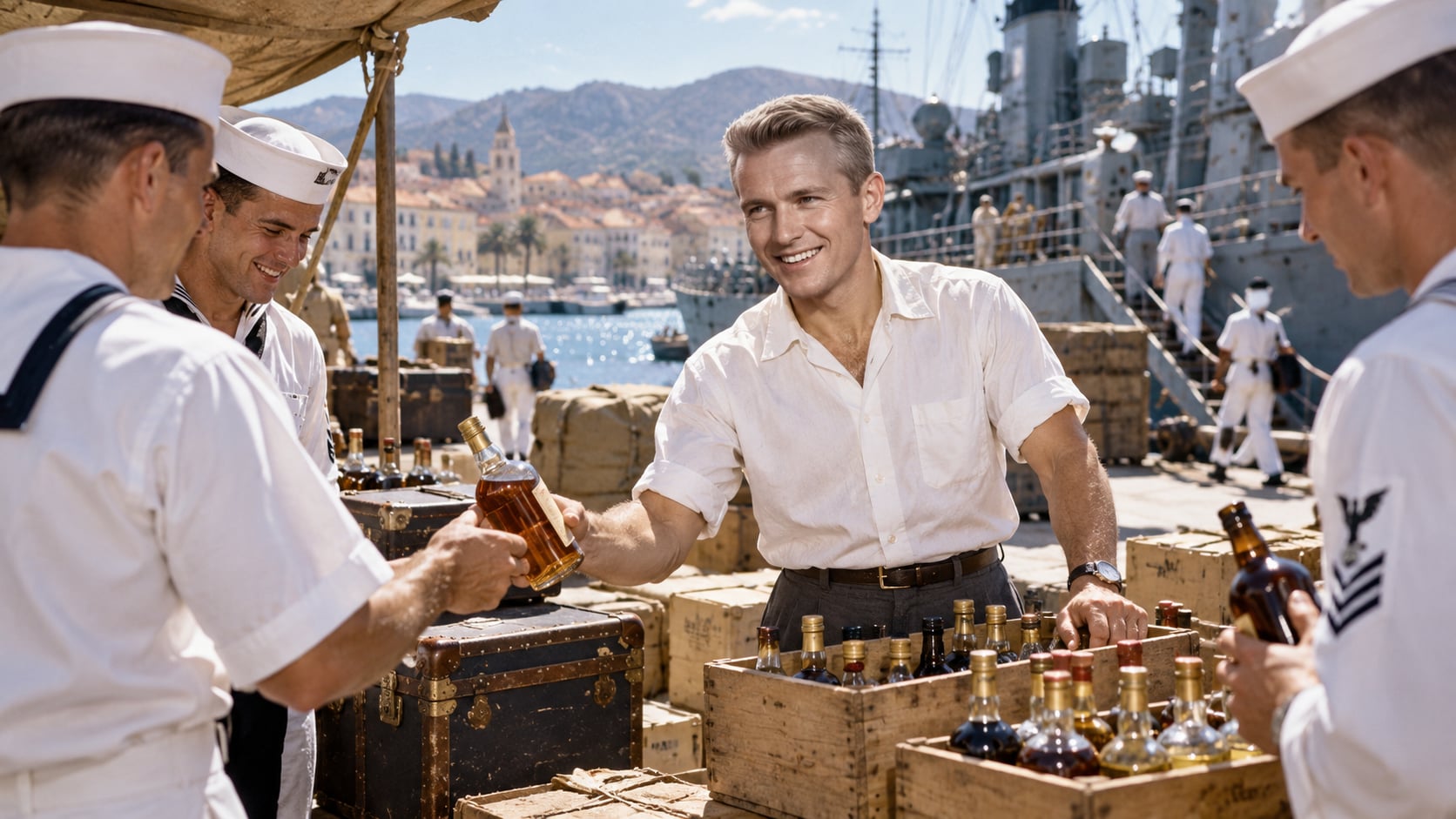
A hotel-school graduate with a talent for finding the edge of a rule. He graduated from the Cornell School of Hotel Administration in 1956, and in the 1950s was already selling duty-free liquor to US naval personnel in Mediterranean ports—a trade that barely existed yet, built on the fact that goods sold to people in transit are outside the tax system of everywhere they've been.
What did he see that other people didn't?
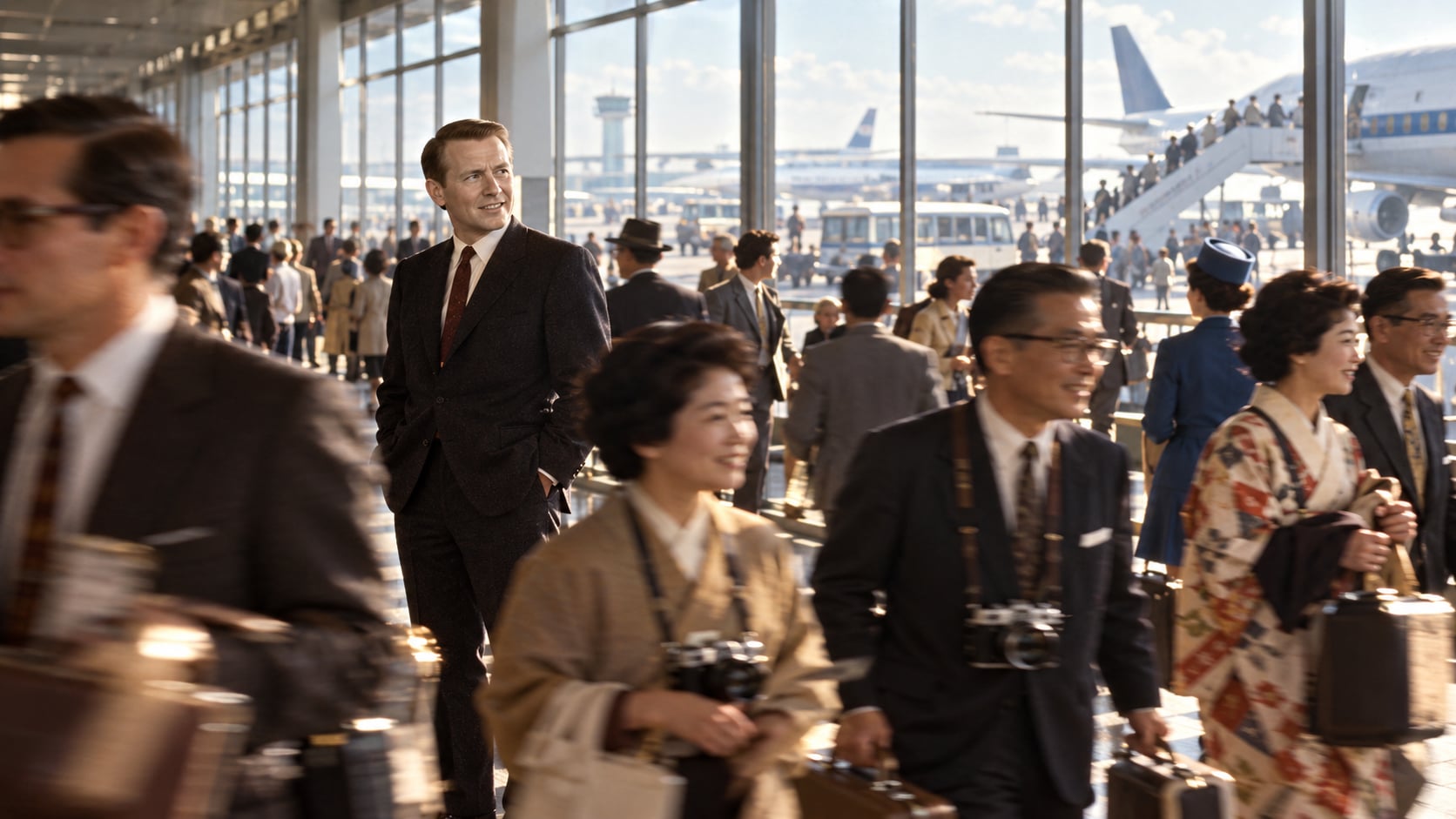
That the customer wasn't a country, it was a journey. Duty-free was being run as an airport convenience; Feeney read it as a business whose market was defined by movement rather than geography, and whose best customers would be whichever nation started travelling next. That turned out to be Japan.
What problem became his obsession?
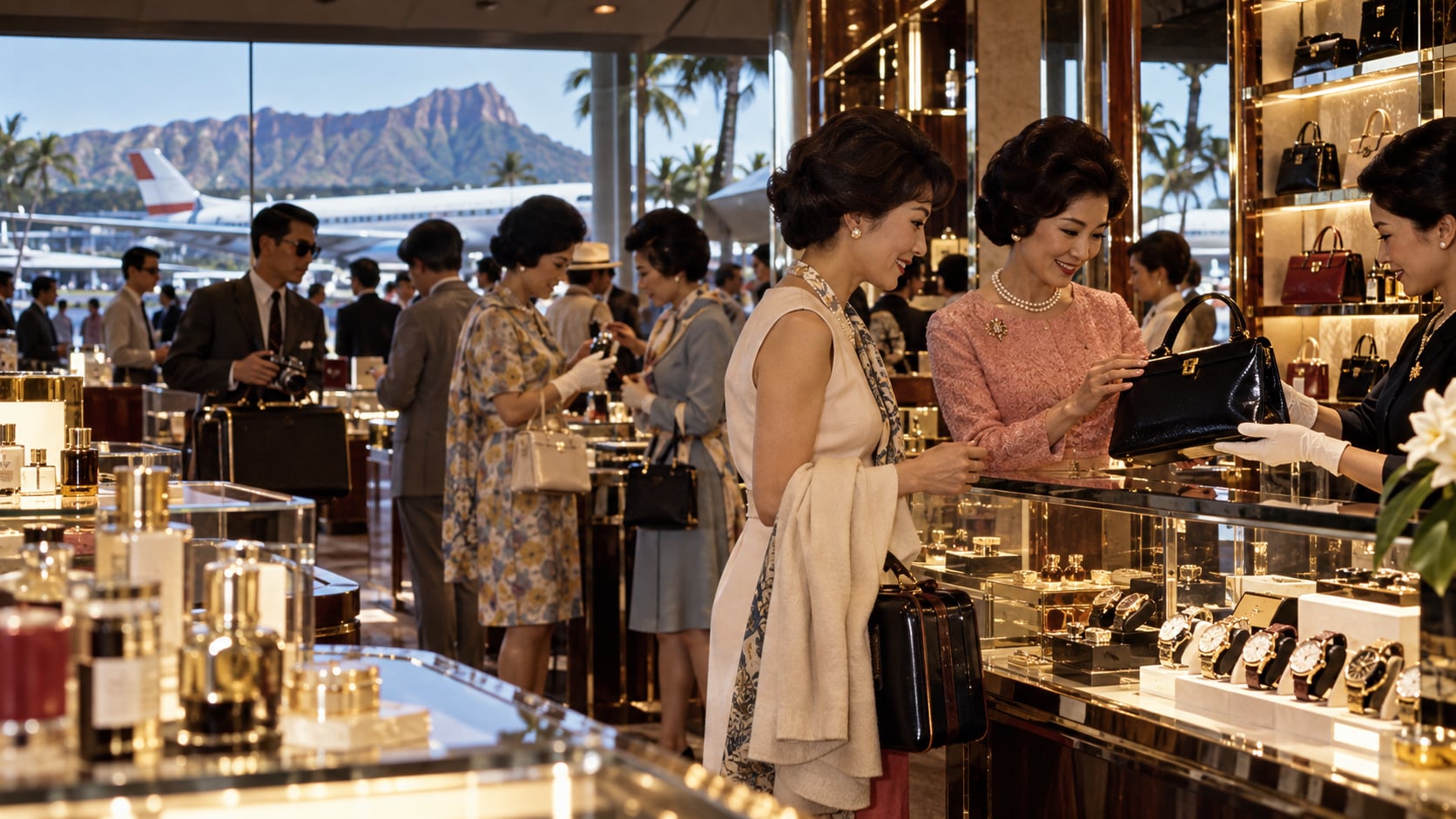
Luxury retail was tied to where wealthy people lived. It couldn't reach a newly affluent population that was travelling in volume but buying at home under high import duty. The gap between what a Japanese tourist would pay in Honolulu and what the same handbag cost through domestic channels was the entire opportunity, and it existed only in transit.
Why did this matter personally to him?
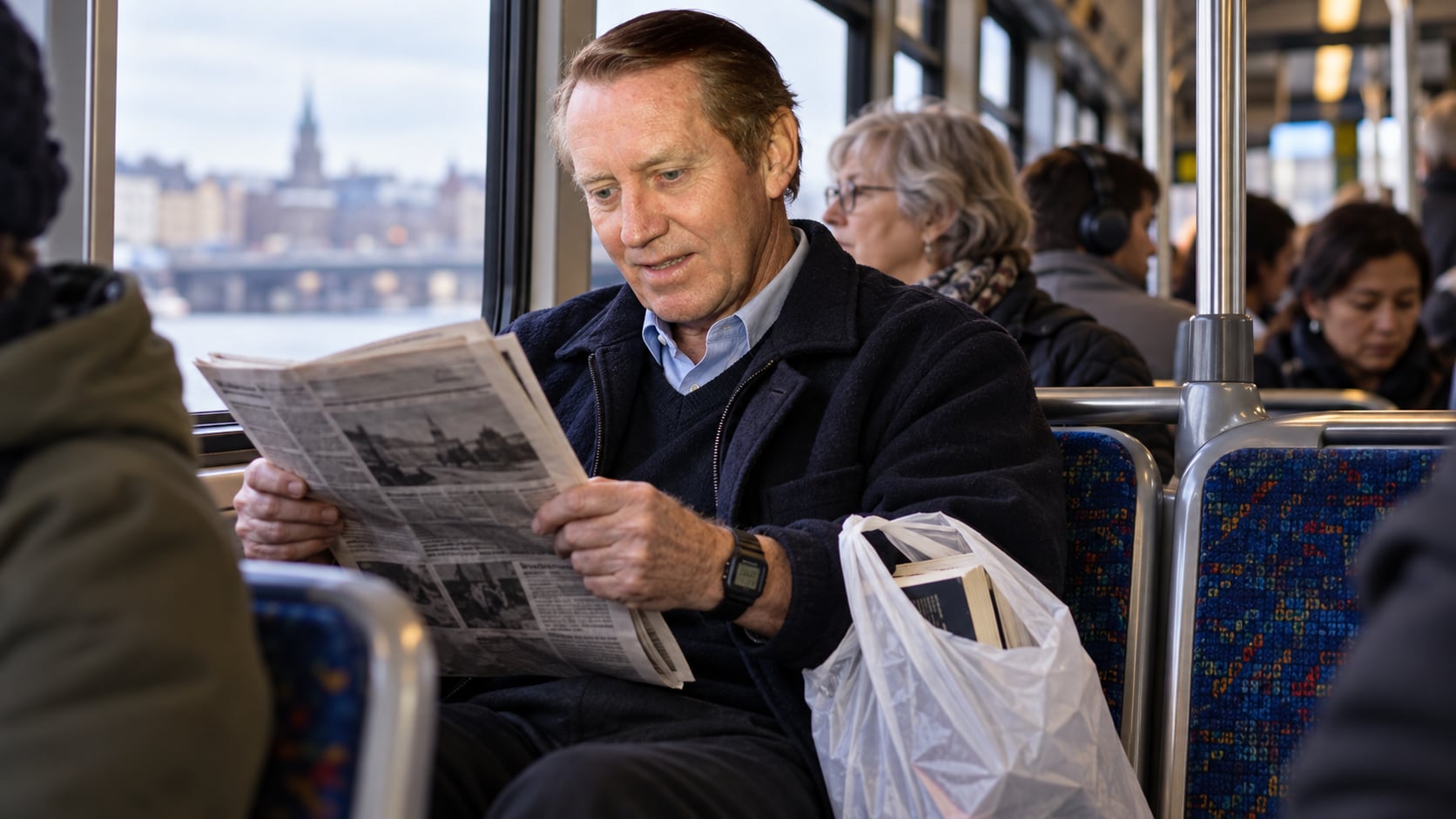
He was working-class Irish-American Catholic from Elizabeth, New Jersey, and credited his charitable instinct to his high school. He never developed the appetite that usually follows the money: he owned no house and no car, flew coach until he was 75, carried his reading in a plastic bag, and wore a Casio F-91W. The frugality wasn't a late correction. It was the same person throughout.
Where did the first money come from?
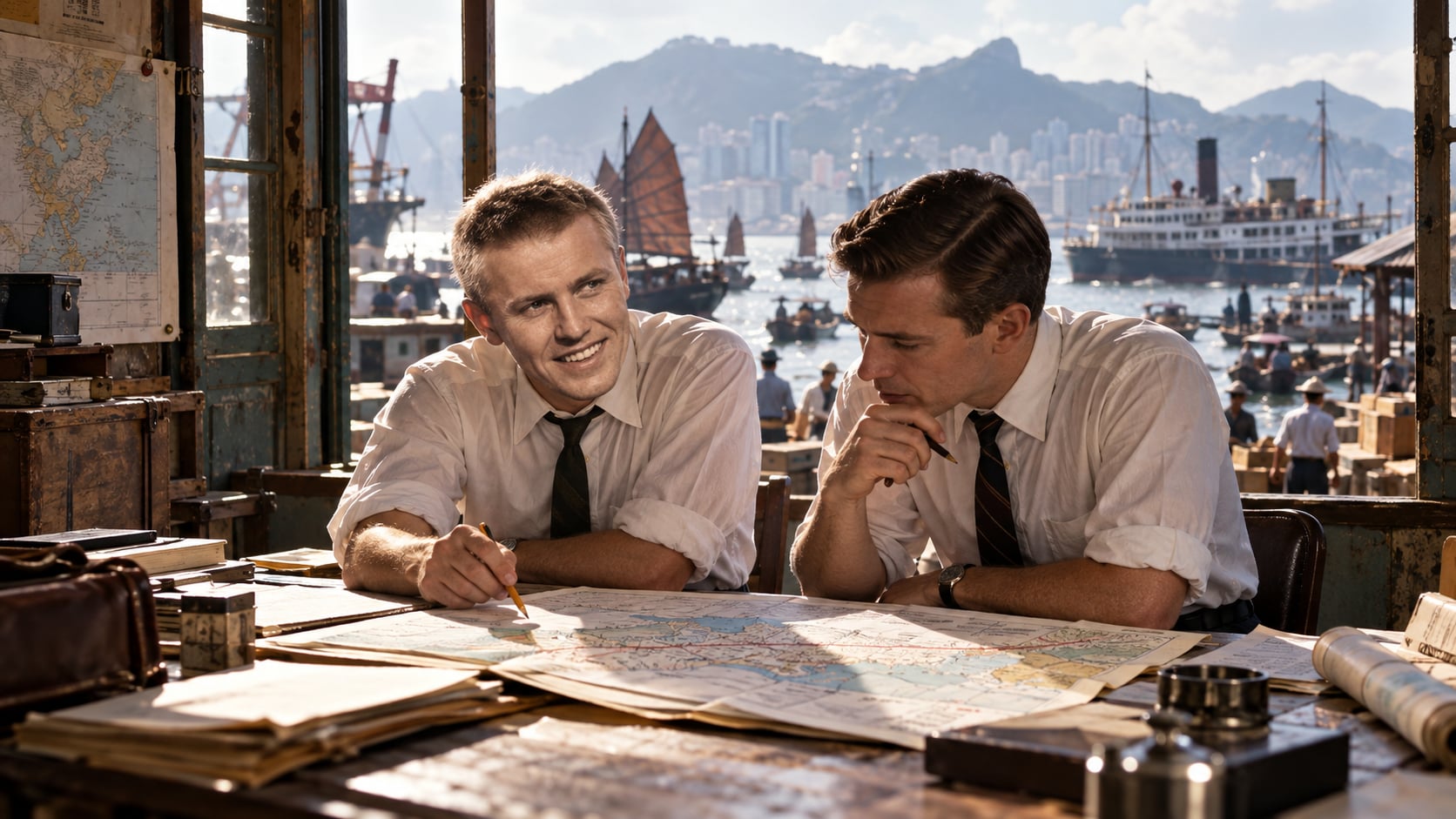
In 1960 he and his Cornell classmate Robert Warren Miller founded Duty Free Shoppers in Hong Kong, incorporated that June under the placeholder name Tourists International1—a trade with no established operators and no guarantee that concessions would be renewed. The whole model depended on winning government concessions and on other people's tourism policy, two things neither man controlled.
What made the economics work?
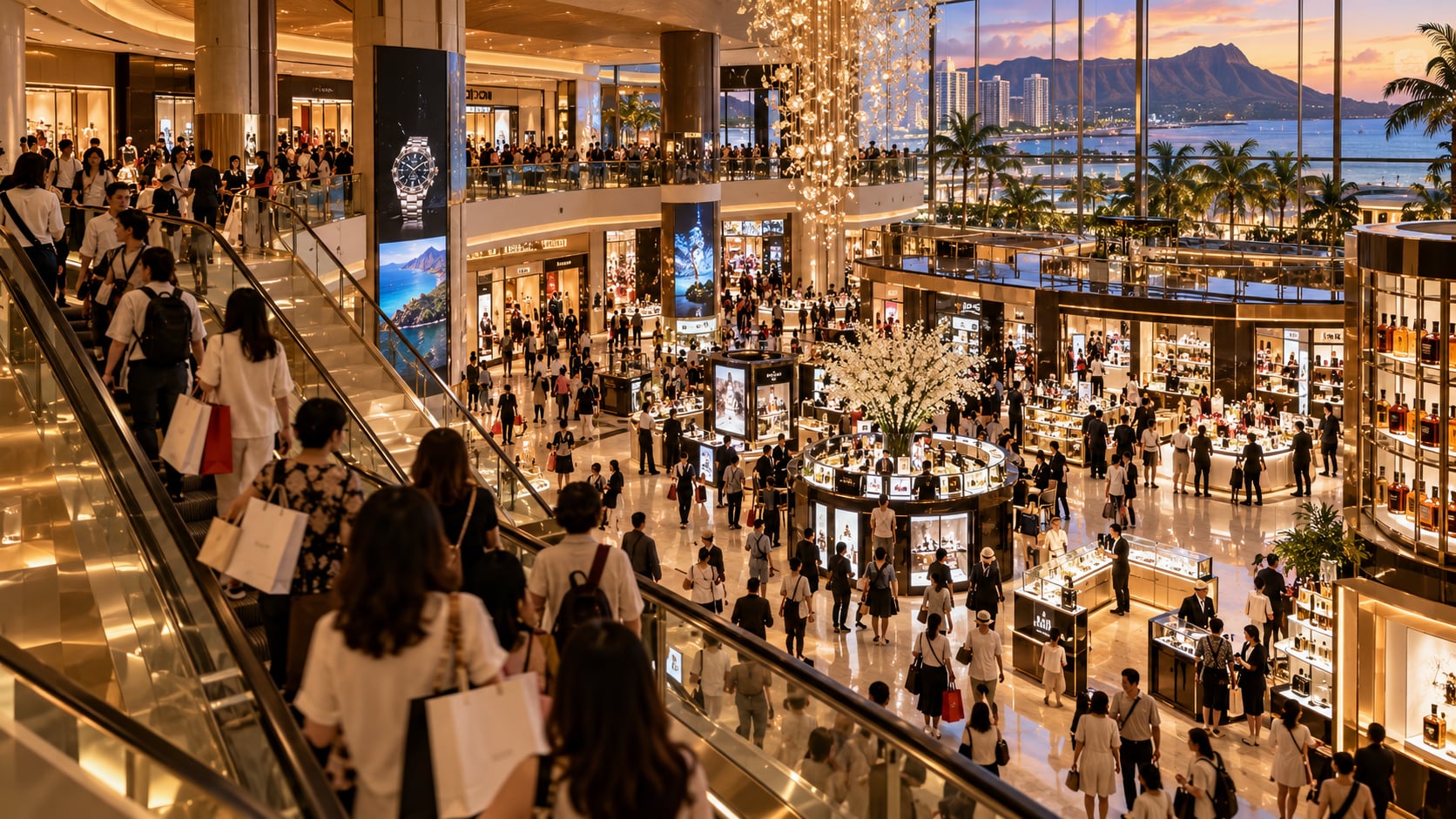
Concessions, and a margin that didn't exist at home. DFS won the duty-free concession in Hawaii in the early 1960s, putting it in the path of Japanese tourists at the exact moment that traffic began. In New York a retailer might price a handbag at 2.2 or 2.3 times wholesale; in Asia the standard was three times. DFS moved off-airport into large downtown Galleria stores and became the world's largest travel retailer, distributing up to $300m a year in profit among its four partners2 by the mid-1990s.
What was the decision or moment after which nothing was the same?
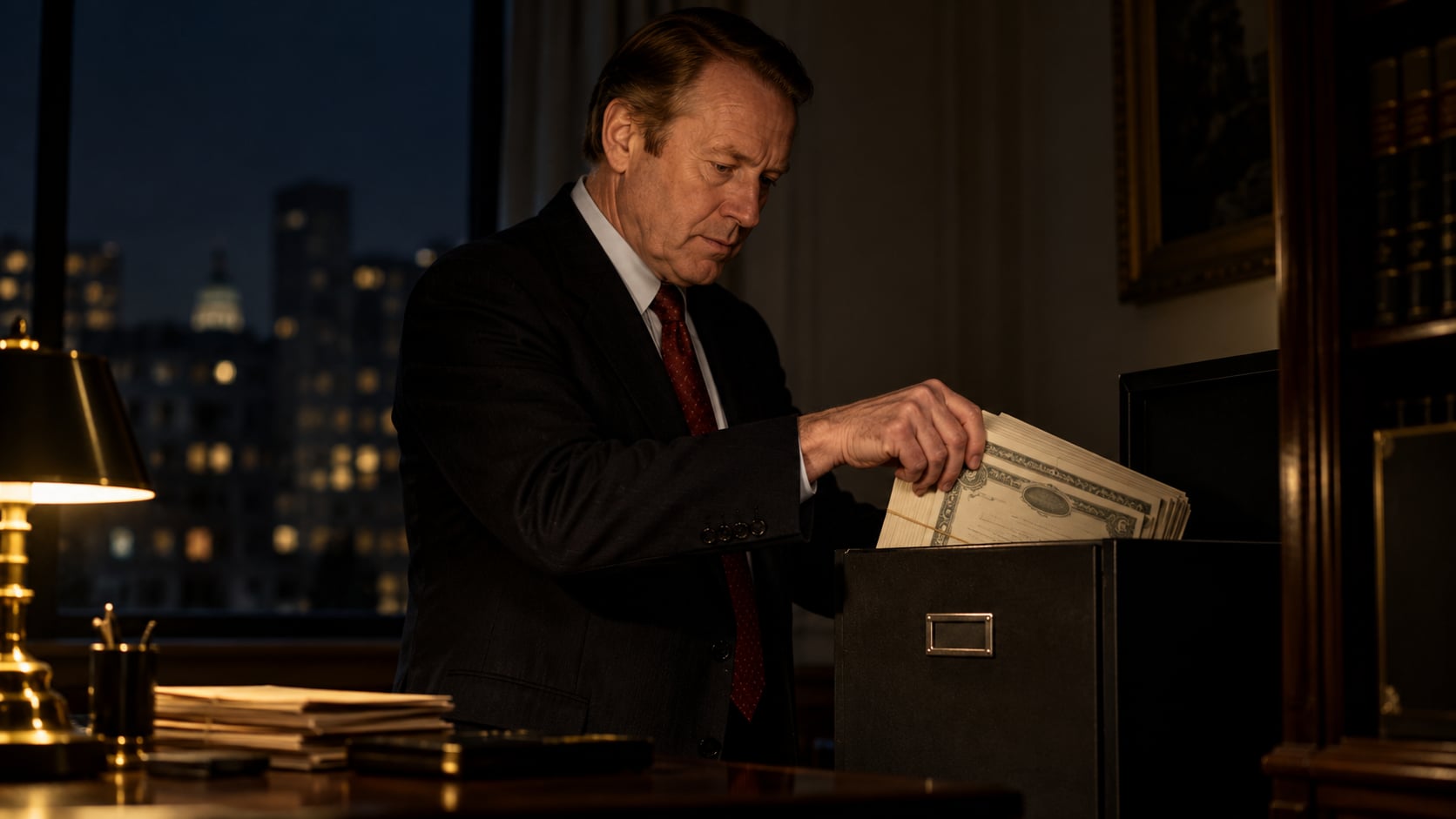
1984, and nobody noticed for over a decade. Having set up the Atlantic Philanthropies3 in 1982, Feeney secretly transferred his entire 38.75 per cent of DFS, worth roughly $500m, into the foundation. He didn't announce it, and his own business partners continued to believe he owned a share of the company he'd already given away.
What nearly killed it?
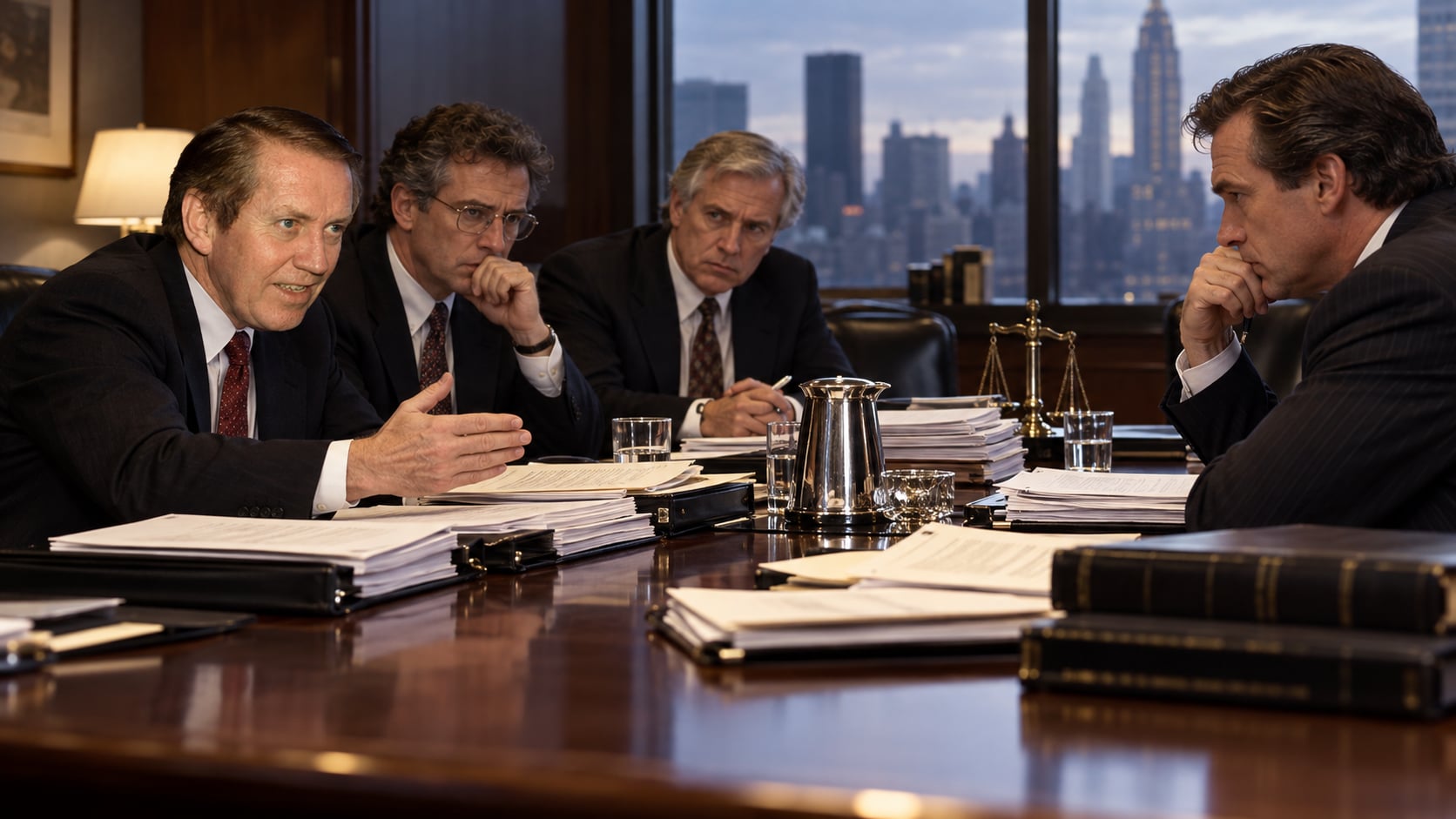
A lawsuit nearly told the story for him. In 1996 Feeney and two of his three partners, Alan Parker and Tony Pilaro, agreed to sell their combined DFS stakes to LVMH for $2.47bn; Miller4 opposed the deal and refused to sell his own share, and the dispute that followed threatened to expose in court that Feeney's stake hadn't been his to sell at all—it had belonged to Atlantic for 12 years already. He pre-empted the disclosure with a New York Times article in January 19975, going public on his own terms, 13 years late and one court filing early. Atlantic realized $1.63bn from the sale.
What happened that he couldn't have planned for?
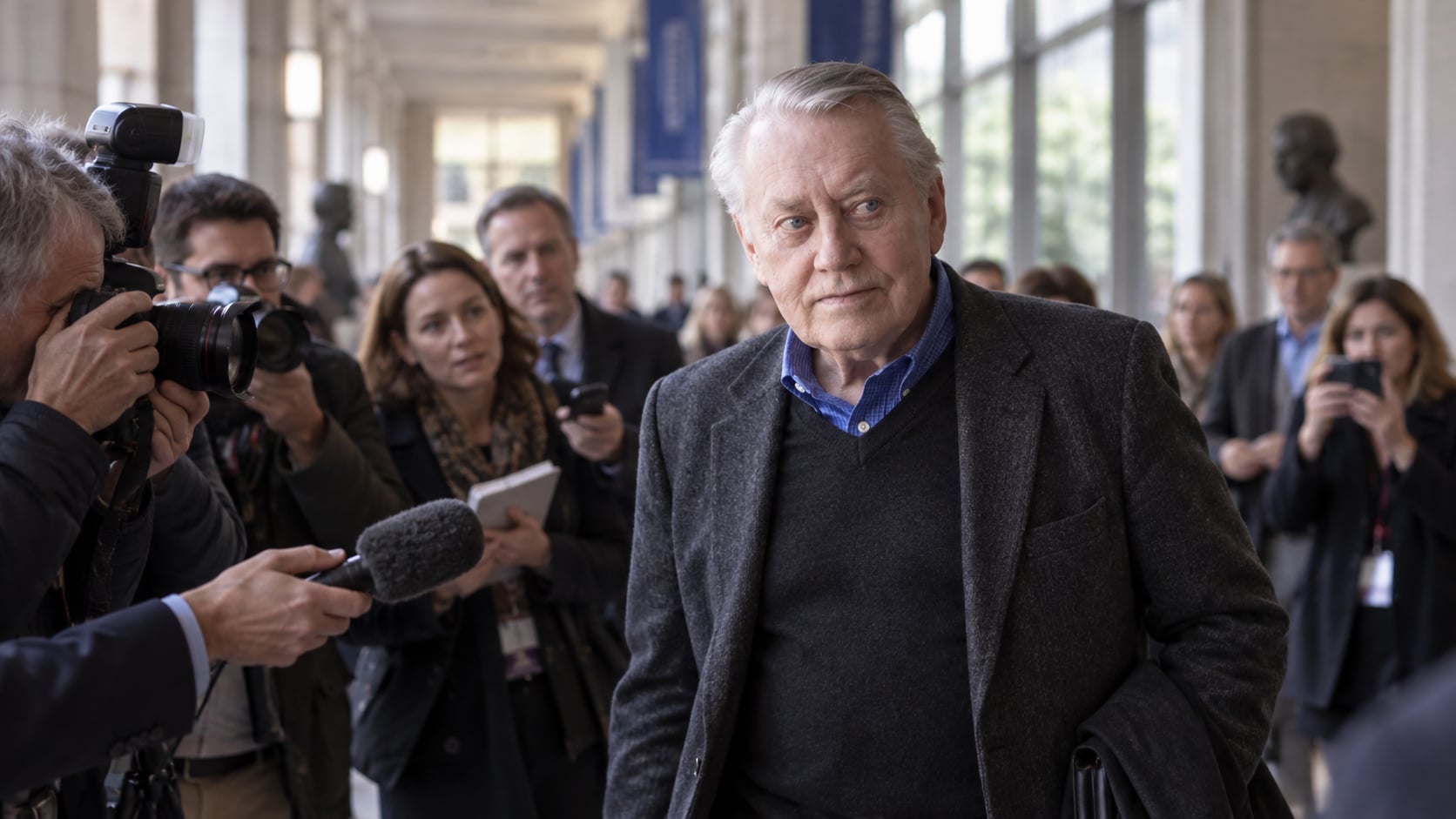
Being famous for it. The anonymity was the operating principle—Atlantic required recipients to keep gifts confidential, partly so a named donor might be recruited afterward for the naming rights. He ended up the most cited philanthropist of his generation anyway, with Warren Buffett saying in 2014 that Feeney was his hero and Bill Gates' hero and should be everybody's6.
What showed that he was human after all?
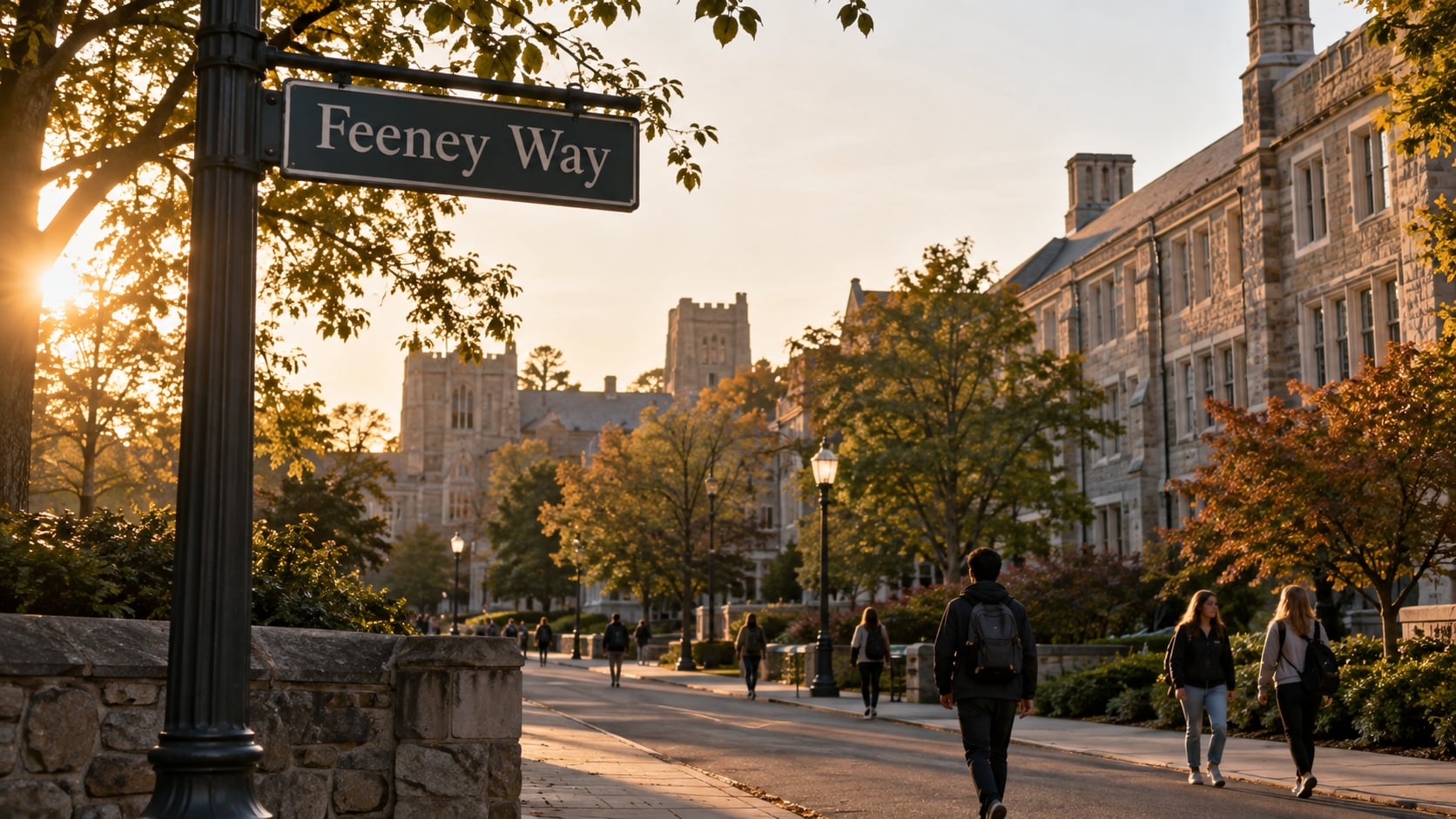
Of roughly a thousand buildings put up on five continents with his money, not one carries his name. The renamings that do exist are streets, not buildings: Feeney Way at Cornell in 2020, at Cornell Tech in 2023, at UCSF in 2023. All of them happened near the end of his life or after the giving was finished.
What was the change he brought about?
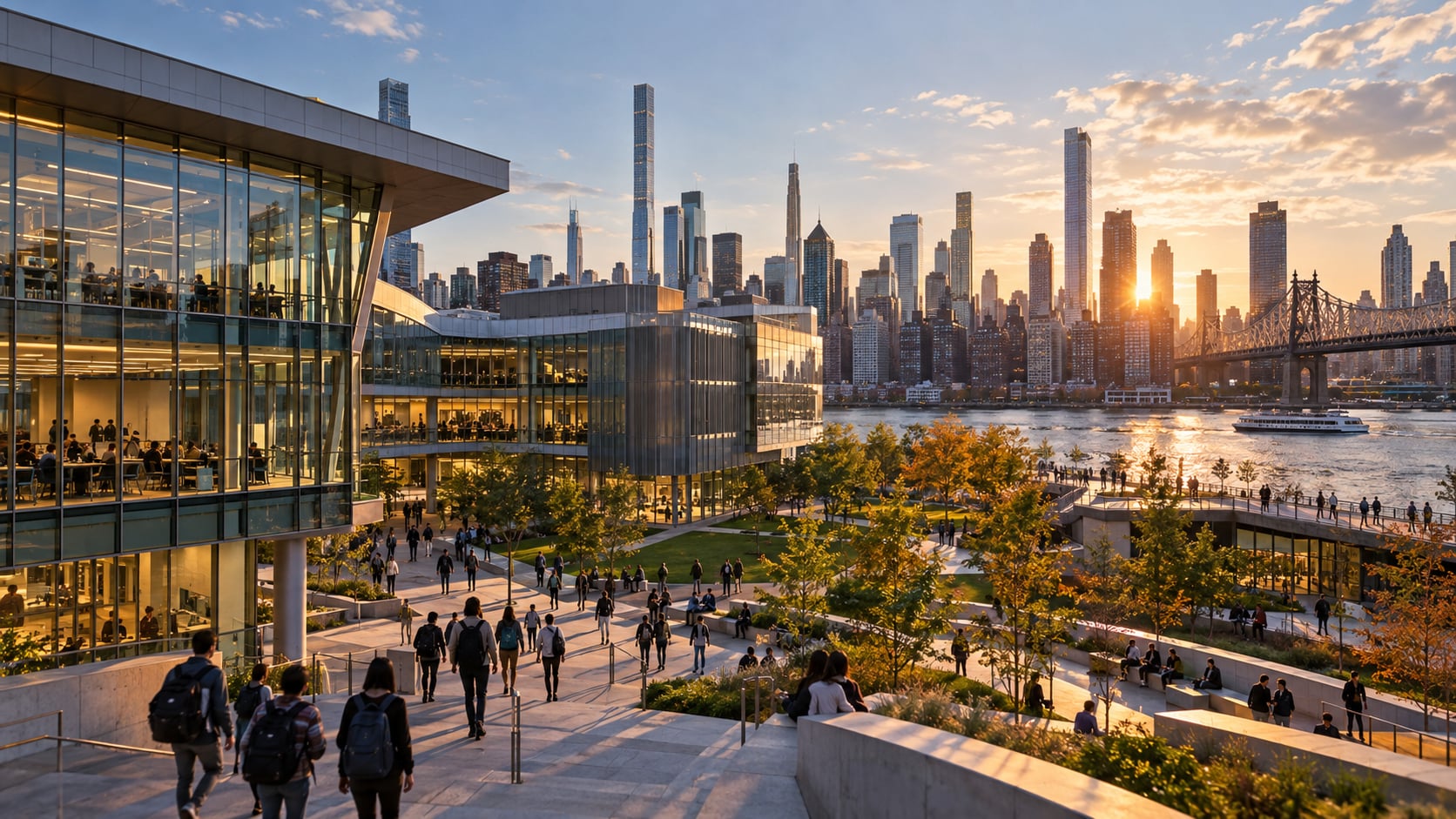
In December 2011, a single anonymous $350 million gift from Atlantic anchored Cornell's win in a fiercely contested citywide competition7 (seven proposals deep, with Stanford among the withdrawals) to build New York City's first dedicated graduate school of applied sciences. Cornell Tech opened on Roosevelt Island in 2017, and Cornell's own president later ranked Feeney as the university's third founder, behind only its two nineteenth-century namesakes. A gift nobody was allowed to know about had, within a generation, helped reshape how an entire city trained its engineers.
What did he believe that most reasonable people around him did not?
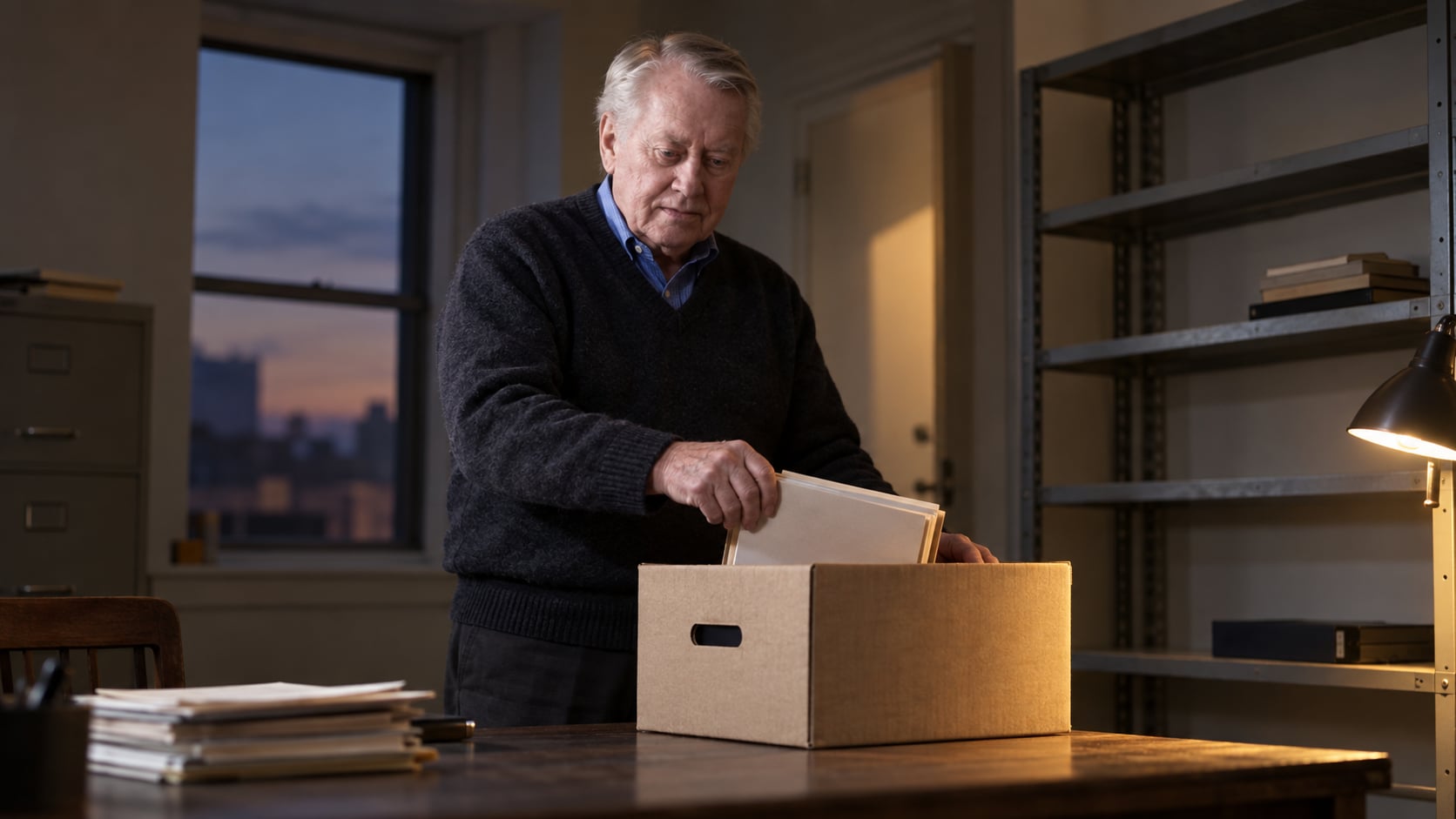
Giving while living, to zero. The convention is a perpetual foundation that spends its income and preserves its capital, which makes the donor immortal and the money slow. Feeney argued for urgency instead in his 2011 Giving Pledge letter8, and then did the thing nobody does: on 14 September 2020 he closed Atlantic Philanthropies9, everything spent.
What did his trek cost him?
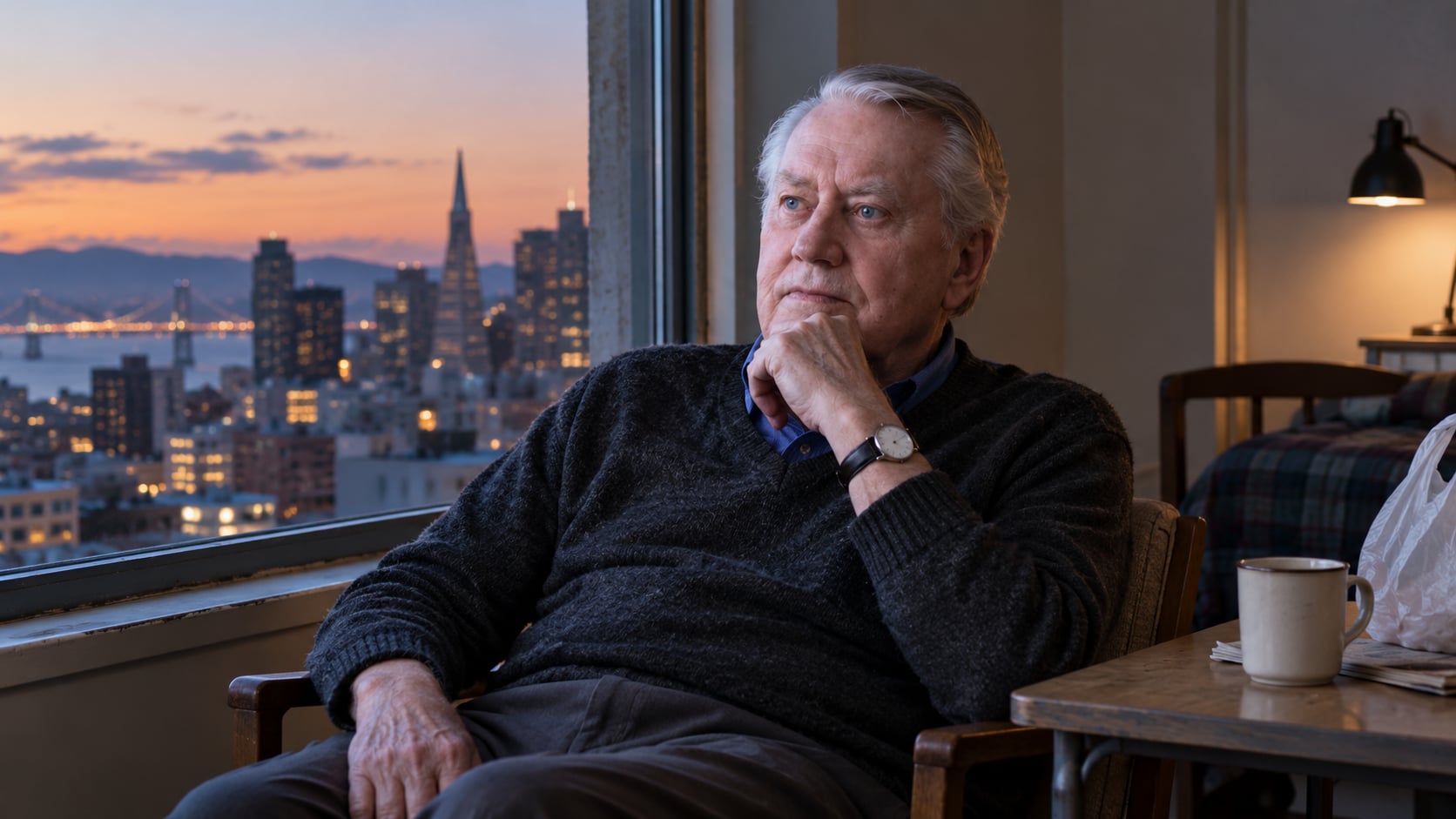
He gave away more than $8bn and finished with about $2m and a rented apartment in San Francisco. His 30-year marriage to Danielle, with whom he'd had five children, ended in divorce around 1990; he remarried in 1995. His giving wasn't uncontroversial either: he made substantial personal donations to Sinn Féin and funded its Washington office after the 1994 IRA ceasefire, alongside £8m in 1991 to Northern Ireland's Integrated Education Fund for Catholic-Protestant schooling.
What's the takeaway?
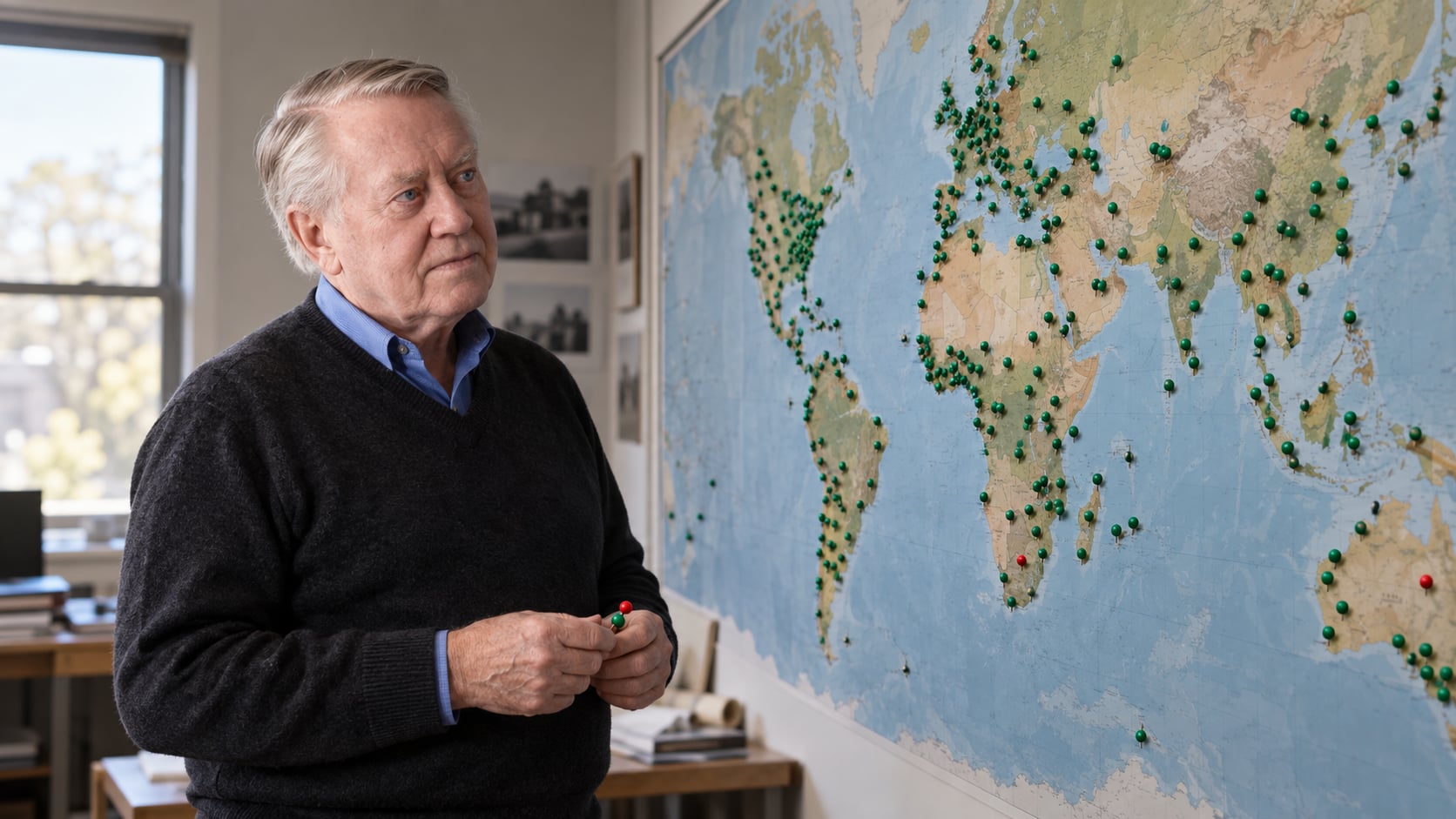
Set the terminal condition first. Feeney's decisions are unremarkable one at a time and only make sense against a defined end state—nothing left, in his lifetime. Deciding where the money stops is what makes every intermediate choice about speed rather than accumulation, and it's a decision that can be made on day one at no cost.
Timeline
-
1931-04-23—Born in Elizabeth, New Jersey, to Irish-American parents.
-
1949—Graduates from St Mary of the Assumption High School, Elizabeth.
-
1950s—Serves as a US Air Force radio operator in the Korean War.
-
1956—Graduates from the Cornell School of Hotel Administration on the GI Bill.
-
1950s—Sells duty-free liquor to US naval personnel at Mediterranean ports.
-
1959-10—Marries Danielle in Paris; they go on to have five children.
-
1960—Co-founds Duty Free Shoppers in Hong Kong with Robert Warren Miller.
-
1960s—DFS wins the Hawaii duty-free concession, putting it in the path of Japanese tourism.
-
1982—Founds the Atlantic Philanthropies.
-
1984—Secretly transfers his entire 38.75 per cent DFS stake, worth about $500m, to Atlantic. His partners don't know.
-
1990—Divorces Danielle after 30 years of marriage.
-
1991—Gives £8m to Northern Ireland's Integrated Education Fund for Catholic-Protestant schooling.
-
1994—After the IRA ceasefire, funds Sinn Féin's Washington office.
-
1995—Remarries, to Helga.
-
1996—He, Alan Parker, and Tony Pilaro sell their DFS stakes to LVMH for $2.47bn over Miller's opposition; Atlantic realizes $1.63bn.
-
1997-01—Discloses his philanthropy in the New York Times, pre-empting litigation that would have revealed it.
-
2007—Cooperates with Conor O'Clery's biography, The Billionaire Who Wasn't.
-
2011-02—Signs the Giving Pledge, arguing that support today beats support delayed.
-
2011-12—Wins New York City's competition to build Cornell Tech, anchored by a $350m Atlantic gift.
-
2017-09—Cornell Tech's campus opens on Roosevelt Island.
-
2017—Makes a final $7m gift to Cornell; lifetime giving passes $8bn.
-
2020-09-14—Closes the Atlantic Philanthropies, all assets distributed.
-
2020-12—Cornell renames East Avenue "Feeney Way."
-
2023-10-09—Dies in San Francisco, aged 92; buried at Glasnevin Cemetery, Dublin.
Side notes
-
Tourists International—The certificate of incorporation Feeney and Miller filed in Hong Kong on June 20, 1960, registered the business under this placeholder name; it was trading as Duty Free Shoppers within two years, once it opened its first airport stores in Hong Kong and Honolulu. Learn more ↩
-
The other two partners—Alan Parker, an accountant, and Tony Pilaro, a tax lawyer, were brought in during the 1960s to run the business Feeney and Miller had bootstrapped, turning a two-man trade into the four-way ownership that later split over the LVMH sale. Learn more ↩
-
Why "Atlantic"—Duty Free Shoppers is a name that states exactly what the business does; Atlantic Philanthropies does the opposite, naming a body of water between Ireland and America rather than a person or a product. Feeney chose the one form of naming that couldn't be about him. Learn more ↩
-
Robert Miller's half—Miller kept the 38 per cent of DFS he refused to sell in 1996; he remained a shareholder alongside LVMH for years afterward, built Search Investment Group into the family office later renamed SAIL Advisors, and shut its investment team down entirely in 2024. Learn more ↩
-
The headline—The New York Times broke the story on January 23, 1997, under the headline "He Gave Away $600 Million and No One Knew," a running total of Atlantic's giving to that point, distinct from the $500m DFS stake or the $1.63bn the LVMH sale later realized. Learn more ↩
-
The book he didn't want written—Feeney resisted a biography for years before cooperating with journalist Conor O'Clery on The Billionaire Who Wasn't, published in 2007, 10 years after the secret was already out. Learn more ↩
-
The competition—Cornell's winning bid emerged from seven proposals submitted by 17 institutions, including a Stanford-led plan that withdrew in December 2011; the pitch promised the city up to 8,000 permanent jobs, plus up to 30,000 more from spin-off companies, and more than $23bn in economic activity over three decades. Learn more ↩
-
The Giving Pledge letter—Feeney's own words to Gates and Buffett, in February 2011: "I cannot think of a more personally rewarding and appropriate use of wealth than to give while one is living: to personally devote oneself to meaningful efforts to improve the human condition." Learn more ↩
-
General Atlantic—The gains that let Atlantic give away $8bn didn't come from DFS alone: Feeney founded General Atlantic in the spring of 1980 as his own direct-investment arm, and remained its sole investor for more than a decade before the firm began managing outside money too. Learn more ↩