- He co-designed a bicycle seat that now sits in MoMA's permanent collection.
- Buying out his own co-founder alone nearly bankrupted him instead.
- 22 years later, he sold Clif Bar to Mondelez for $2.9 billion.
Who is he—and what was he like before anyone cared?
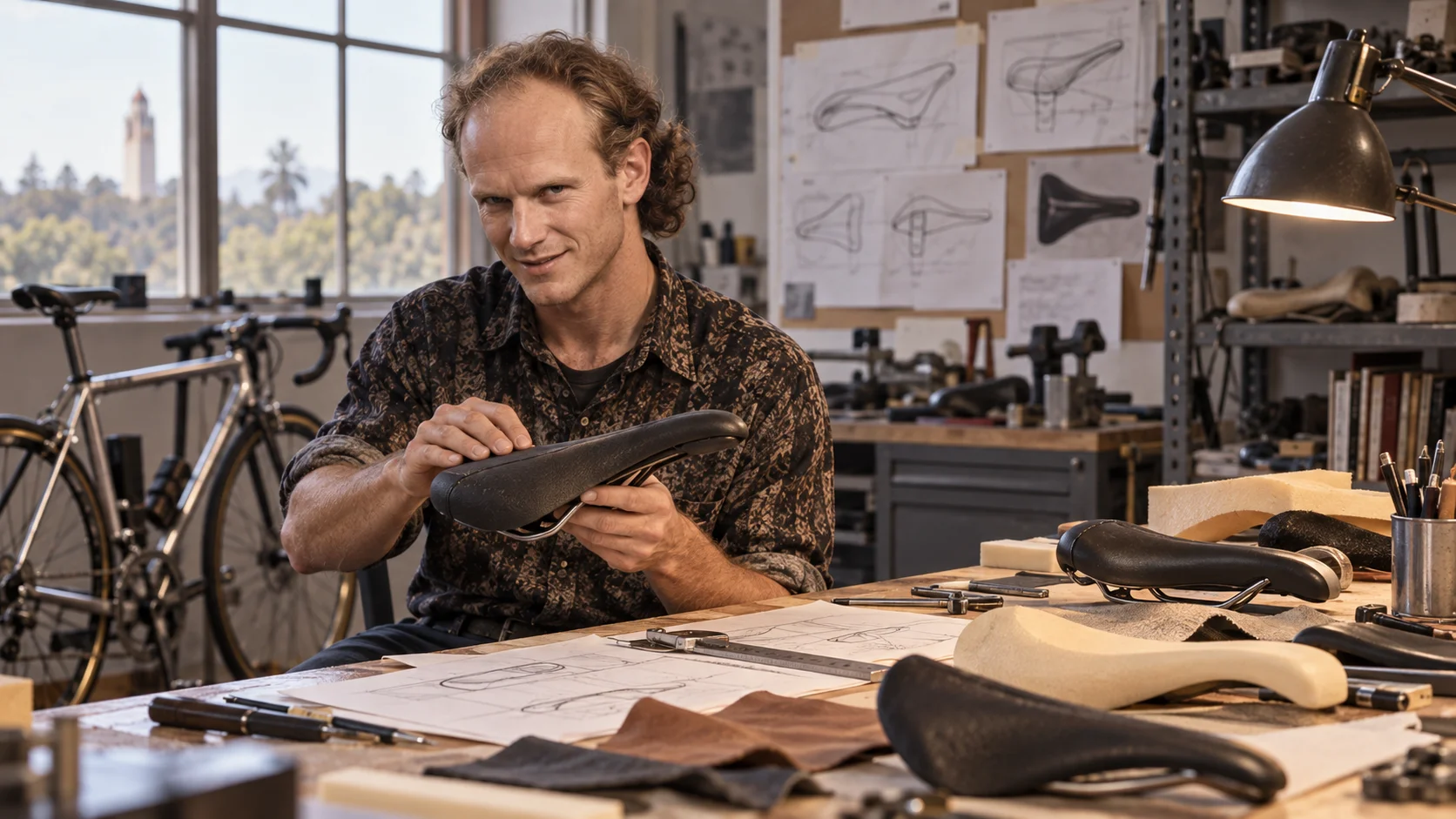
Gary Erickson spent years designing bicycle saddles at Avocet, a Palo Alto bike-parts maker; he's co-credited with the O2 AirGel saddle1, now part of MoMA's permanent collection. He later ran his own bakery in Berkeley, years before anyone thought to call him a food-company founder.
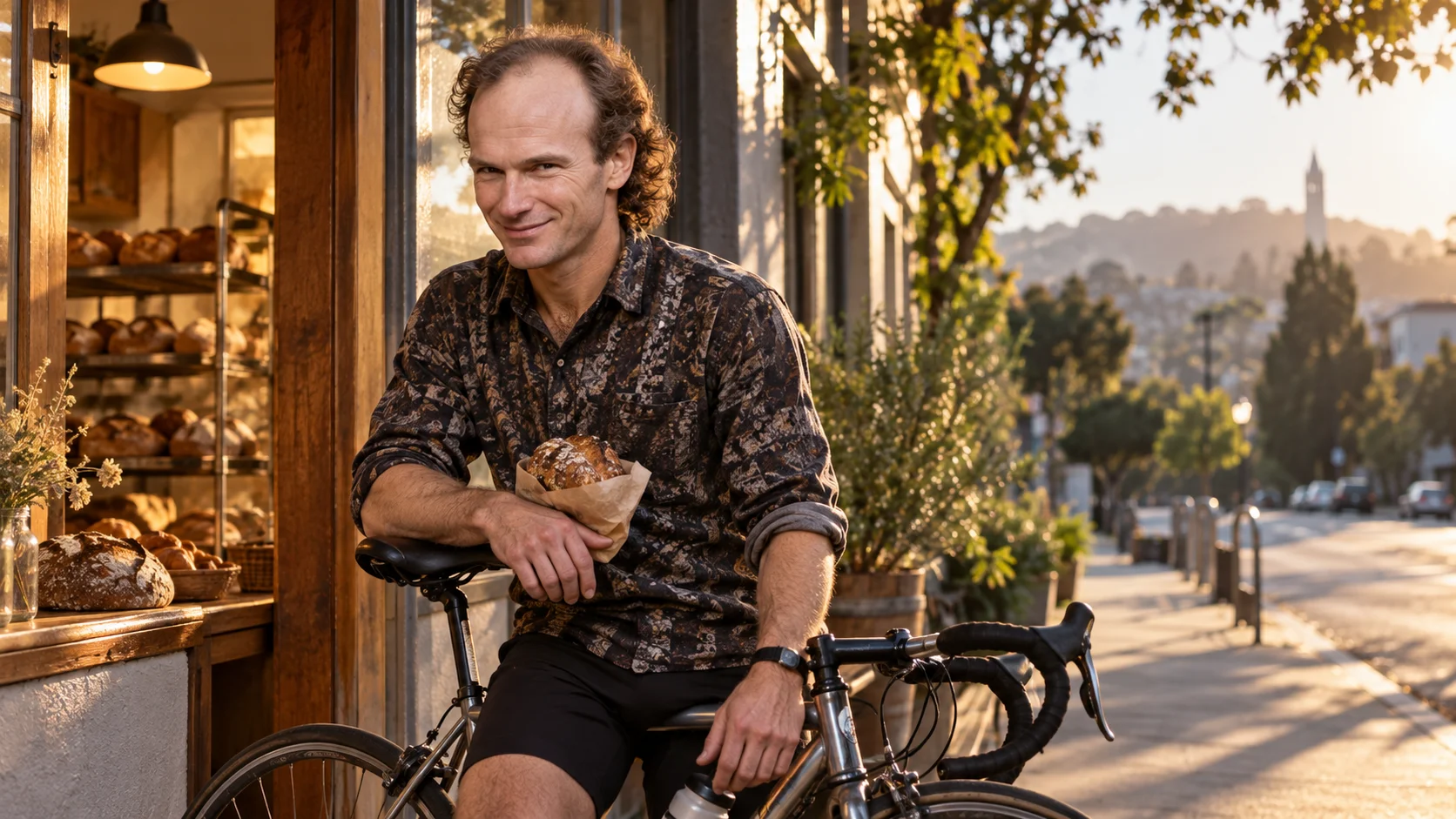
What did his life look like before his trek began?
Riding, and baking, on his own terms. His father, Clifford, had taken him into the wilderness as a boy and taught him that the point of a day was where it went, not what it earned. Leaving saddle design for a bakery, and later a bakery for an energy bar, were both moves toward more time on a bike, not toward a career plan.
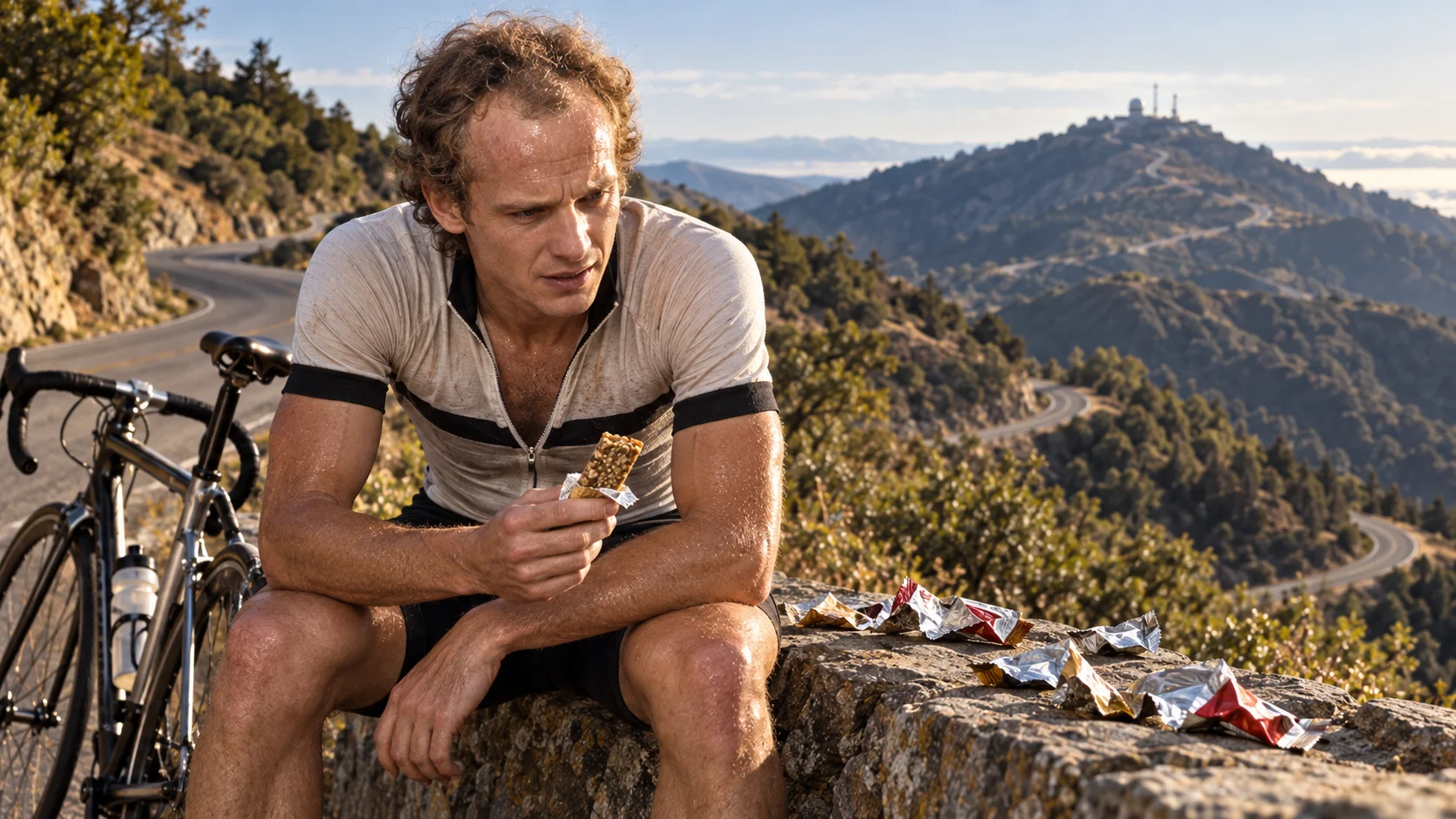
What did he see that other people didn't?
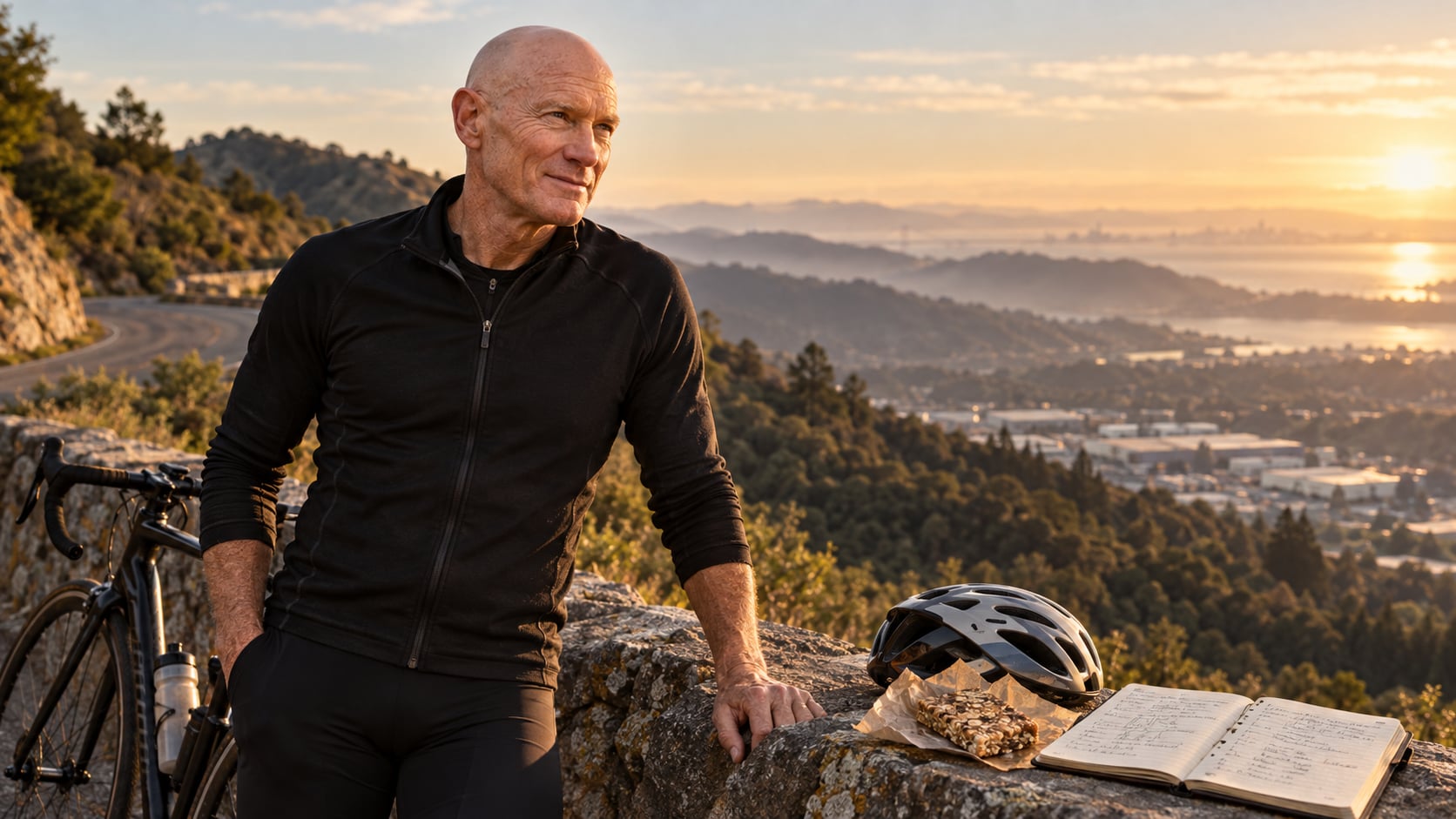
That the product everybody tolerated was tolerated, not liked. He was six bars into a 175-mile ride up Mount Hamilton2 in 1990, with a seventh in his pocket, and couldn't make himself eat it. The market read that as demand. He read it as a bar nobody enjoyed, bought because it was the only one.
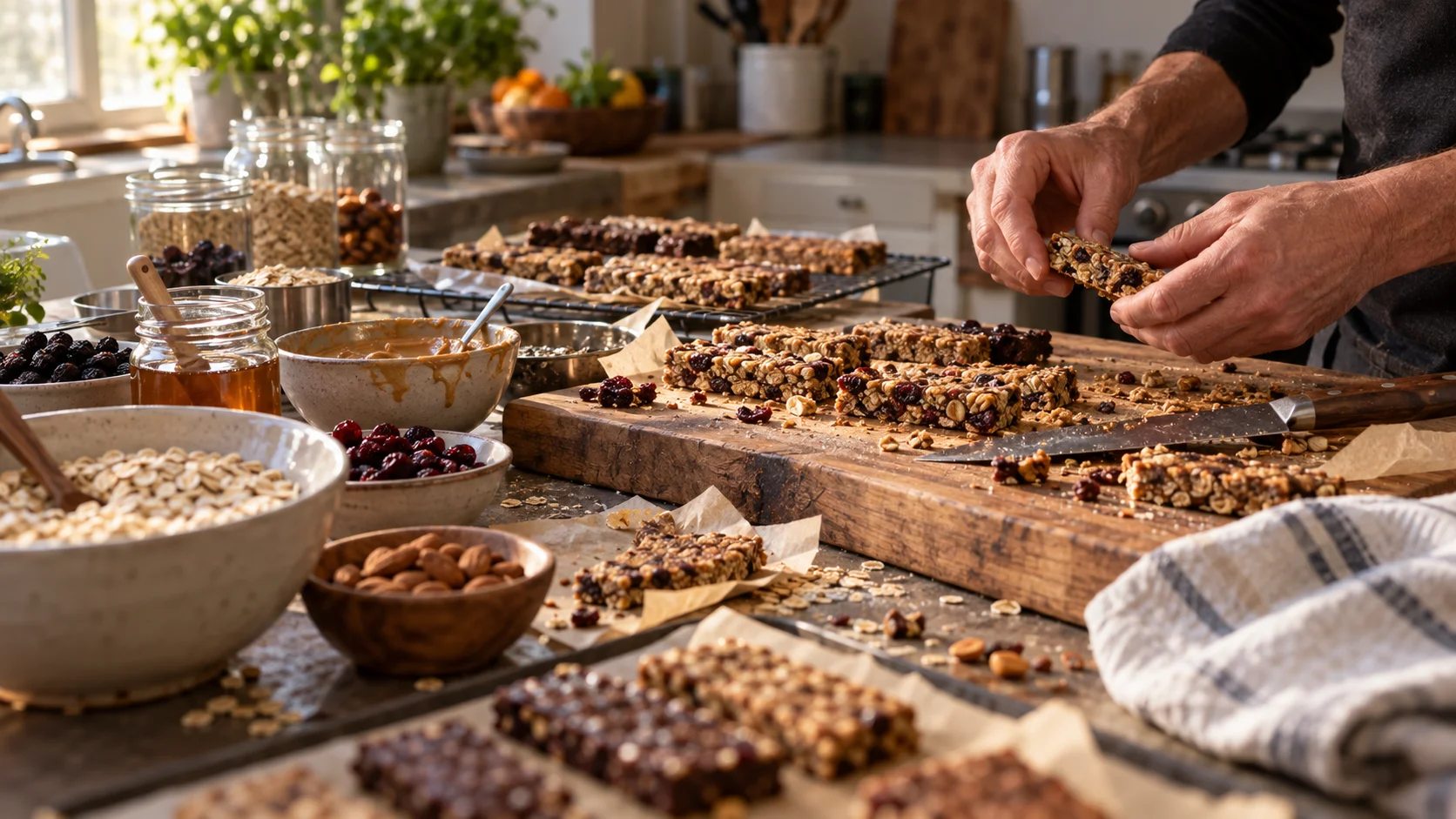
What problem was he obsessed enough to solve?
Make one a rider would actually want at mile 120. That's a baking problem, not a nutrition problem, which is why the next two years happened in a kitchen instead of a lab.
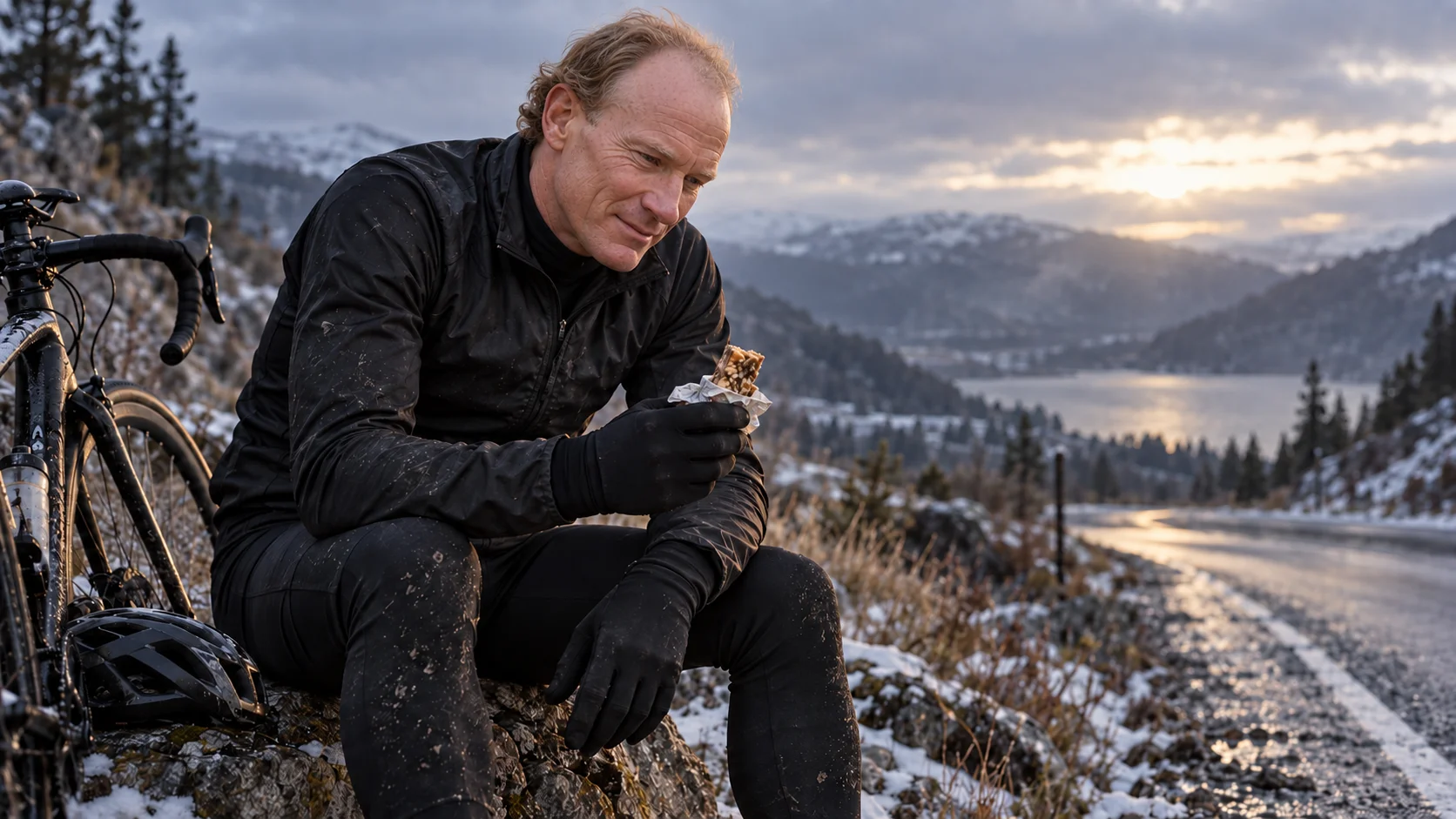
Why did this matter personally to him?
He'd eaten the alternative for years, on the bike, in the cold, at the exact point where food stops being fuel and becomes a decision you have to make. He'd lived the complaint himself, for years, before he ever tried to fix it.
What did he risk—and where did the first money come from?
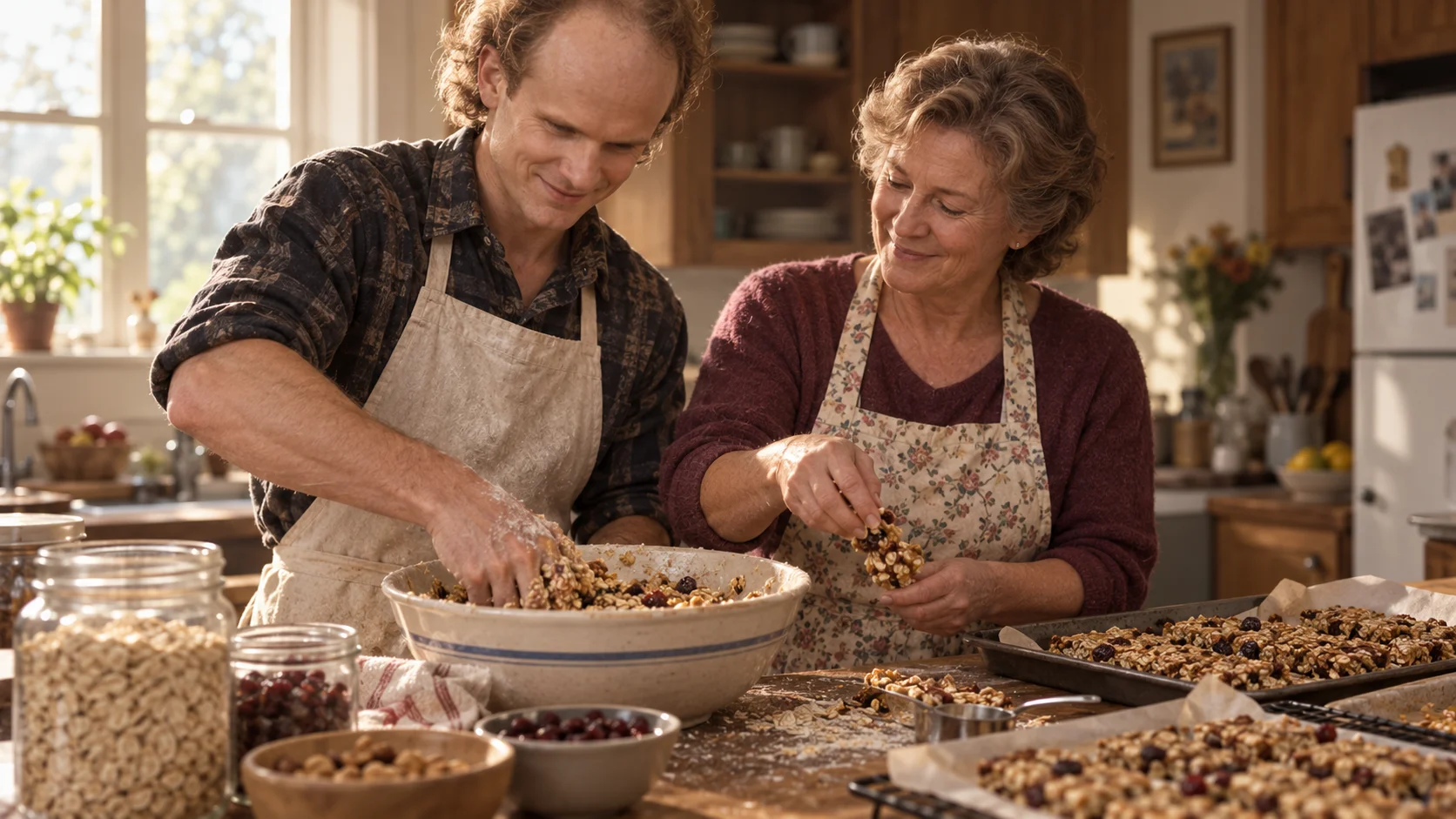
His mother's kitchen, and two years of it. Mary Erickson was the best baker he knew, so they worked out the recipe together: mixing, baking, and throwing out everything that wasn't good enough. There was no outside money, and no plan that required any.
What made the idea economically work?
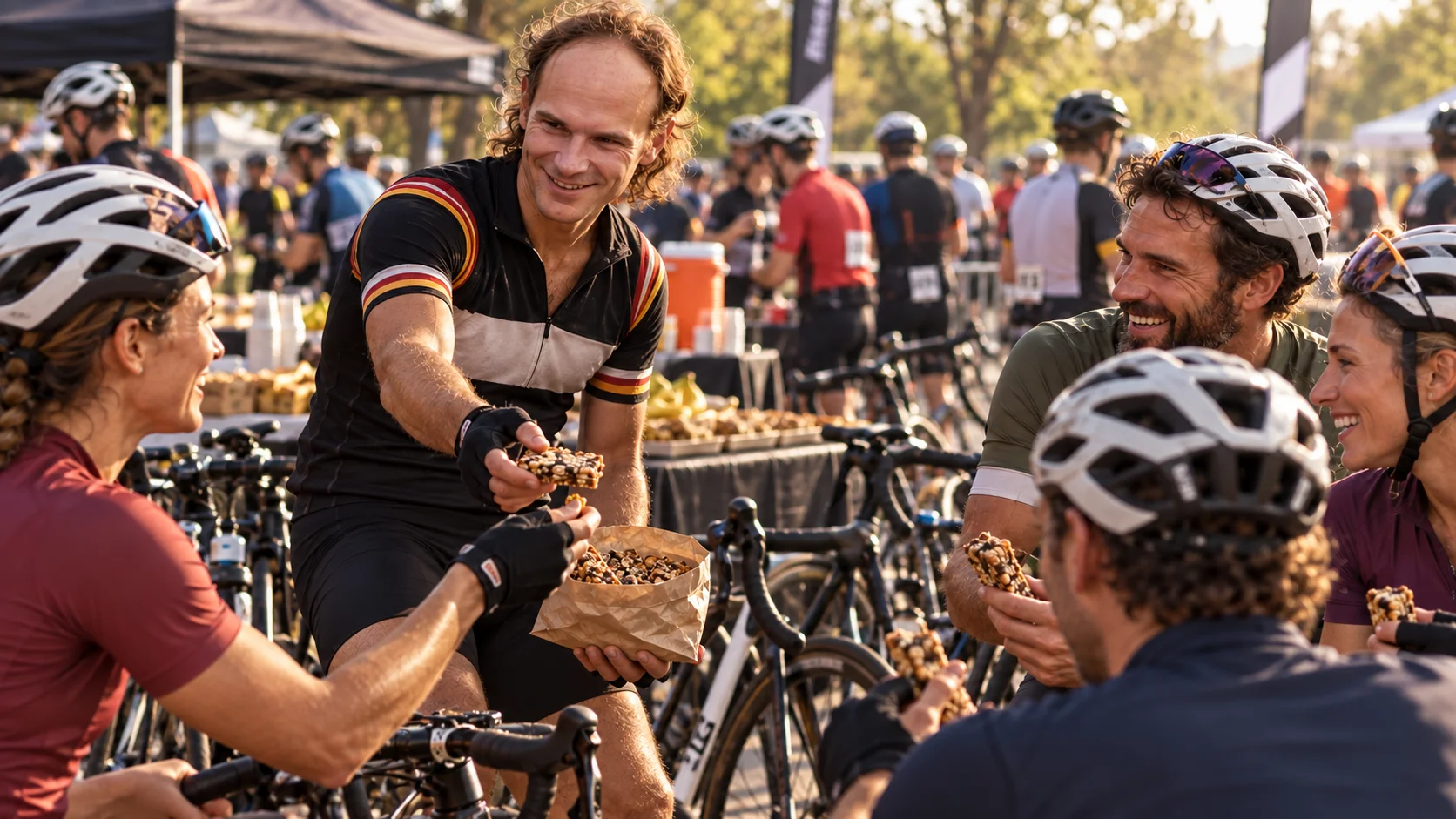
It worked because the bar was the marketing. Riders passed them around, and the product spread through the sport it was built for instead of through a category buyer—the kind of distribution that's only available to something people actually like.
What was the decision or moment after which nothing was the same?
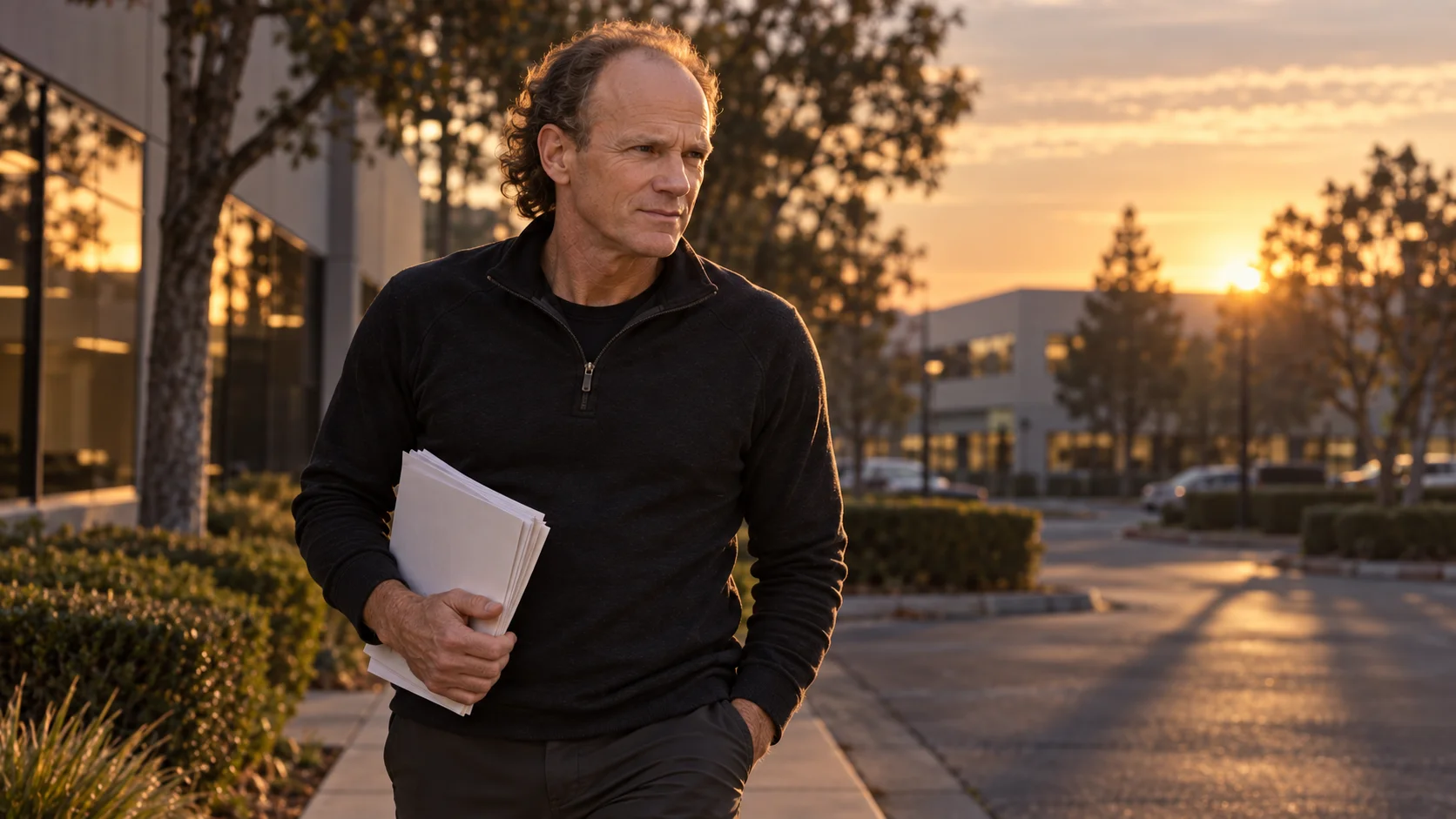
April 2000. Quaker Oats3 had offered $120 million, the papers were nearly ready to sign, and Erickson told Kit Crawford he needed to take a walk. He circled the block once and came back with an answer: no. In his own words: "I had a moment of clarity, and said, this is not the time, this is not right."
What nearly killed it?
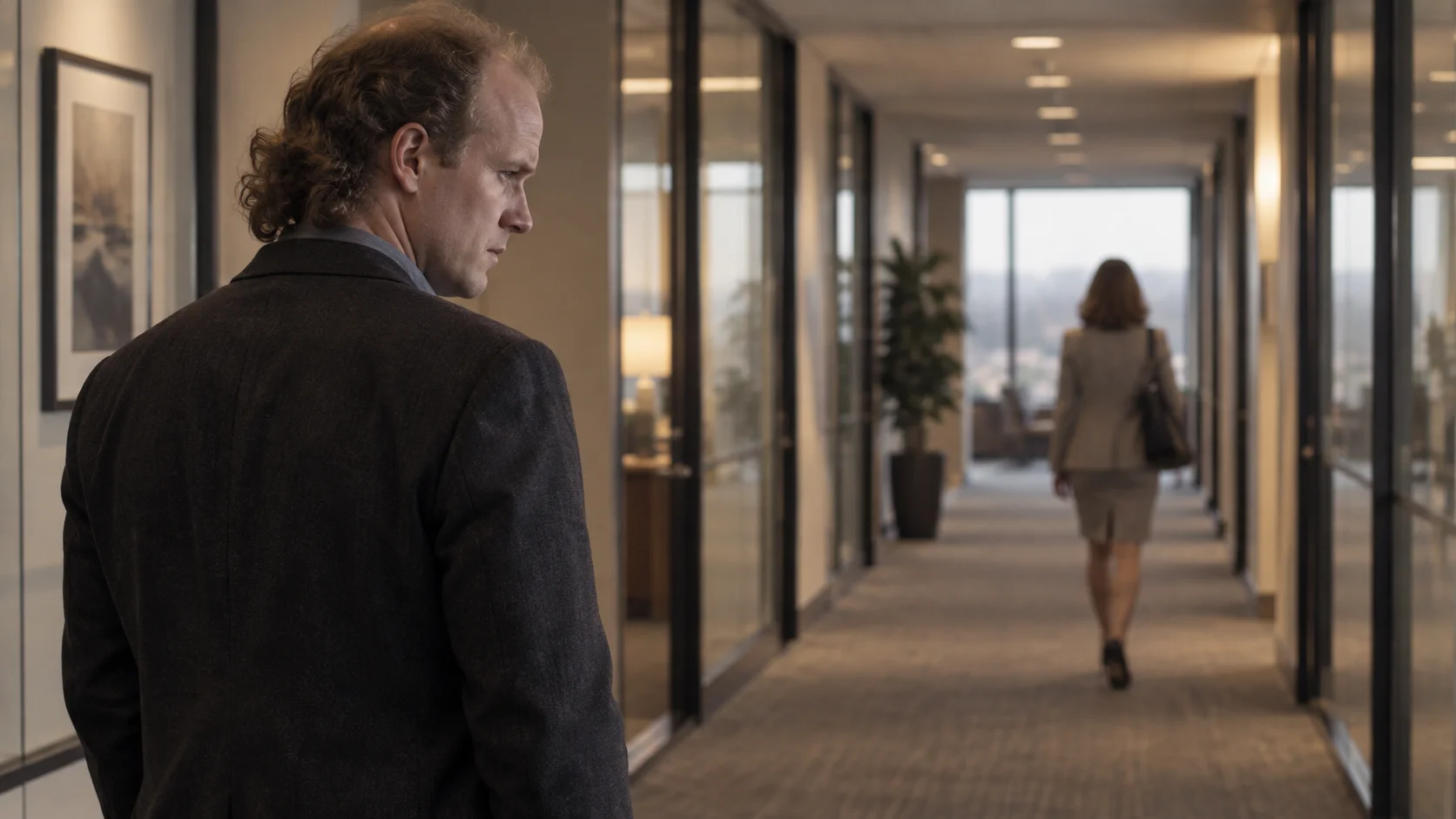
The refusal nearly killed it. His fifty-fifty partner, Lisa Thomas4, wanted the sale, and when it didn't happen, she left. Buying her out meant matching the price Quaker had just set: $60 million, which he didn't have. He called it "the gamble of the century." The company he'd just refused to sell was now carrying the debt of refusing.
What happened that he couldn't have planned for?
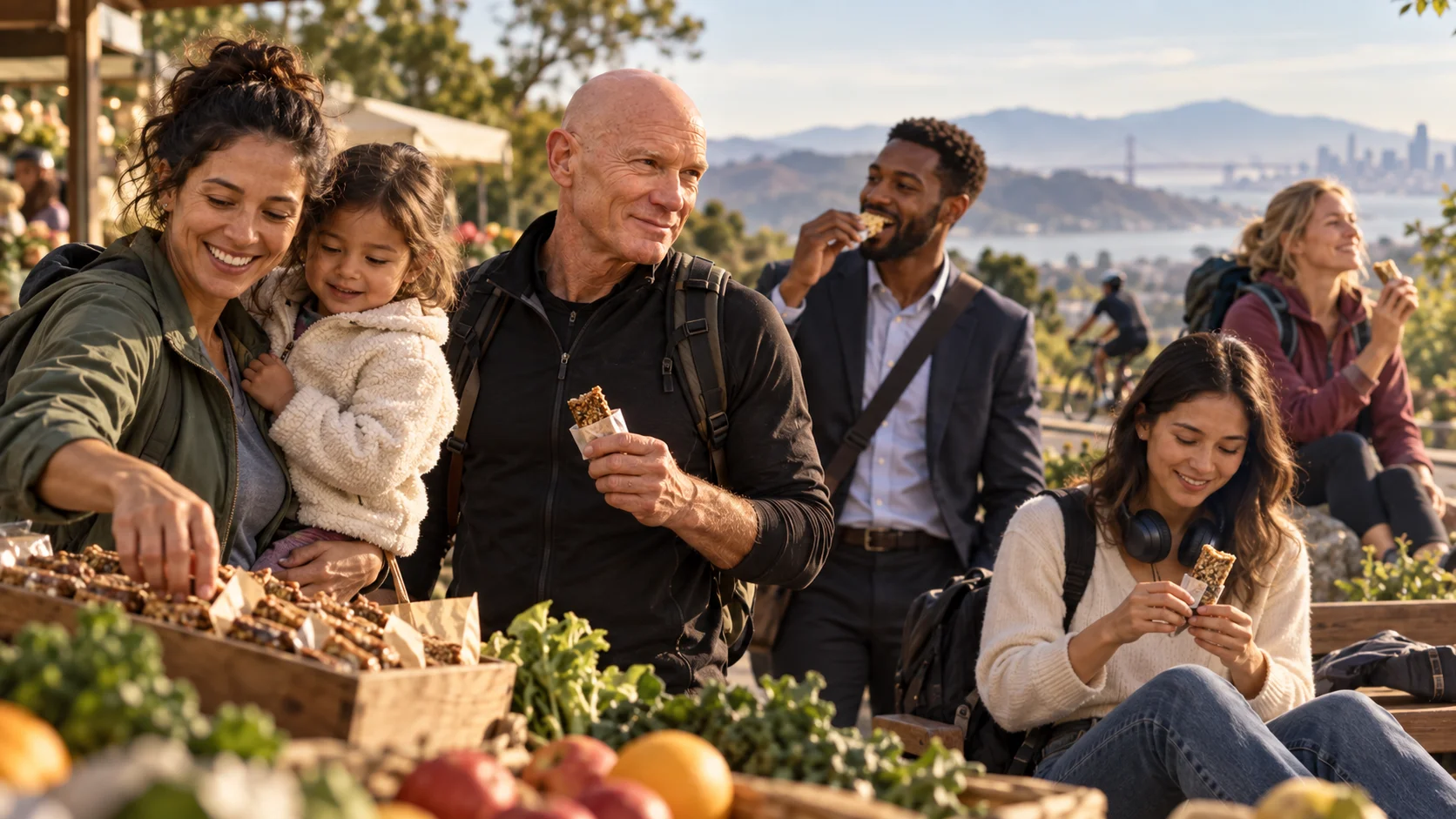
The bar found an audience nobody planned for. Made for cyclists by a cyclist, it left the sport entirely, which is exactly what made it worth $120 million to Quaker in the first place, and what made saying no expensive rather than merely principled.
What's the detail that makes this person suddenly human?
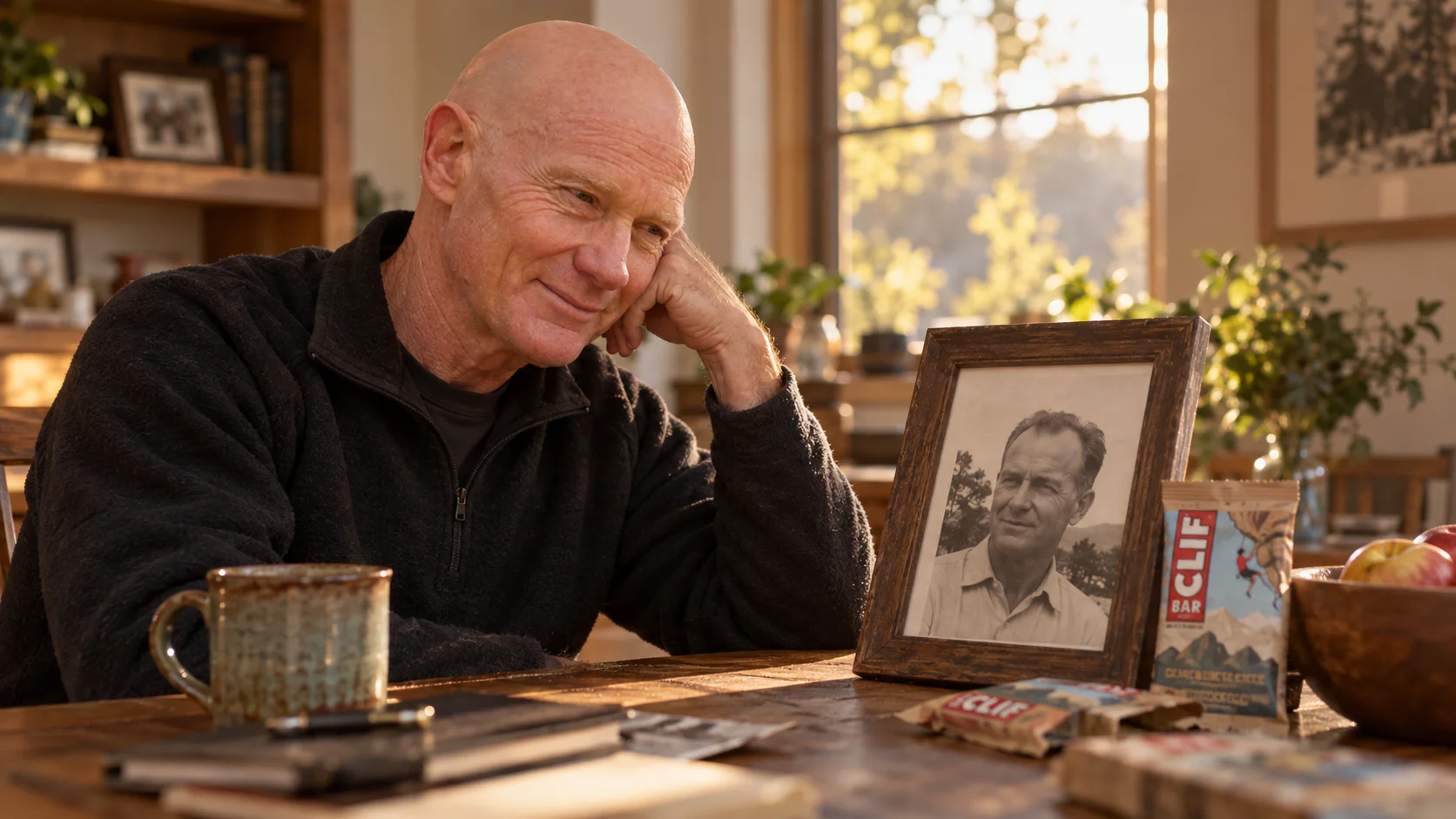
He named it after his father, Clifford, who'd taken him into the mountains as a child. The bar carries his first name: a thank-you note that ended up on a billion wrappers.
What did he ultimately build or change?
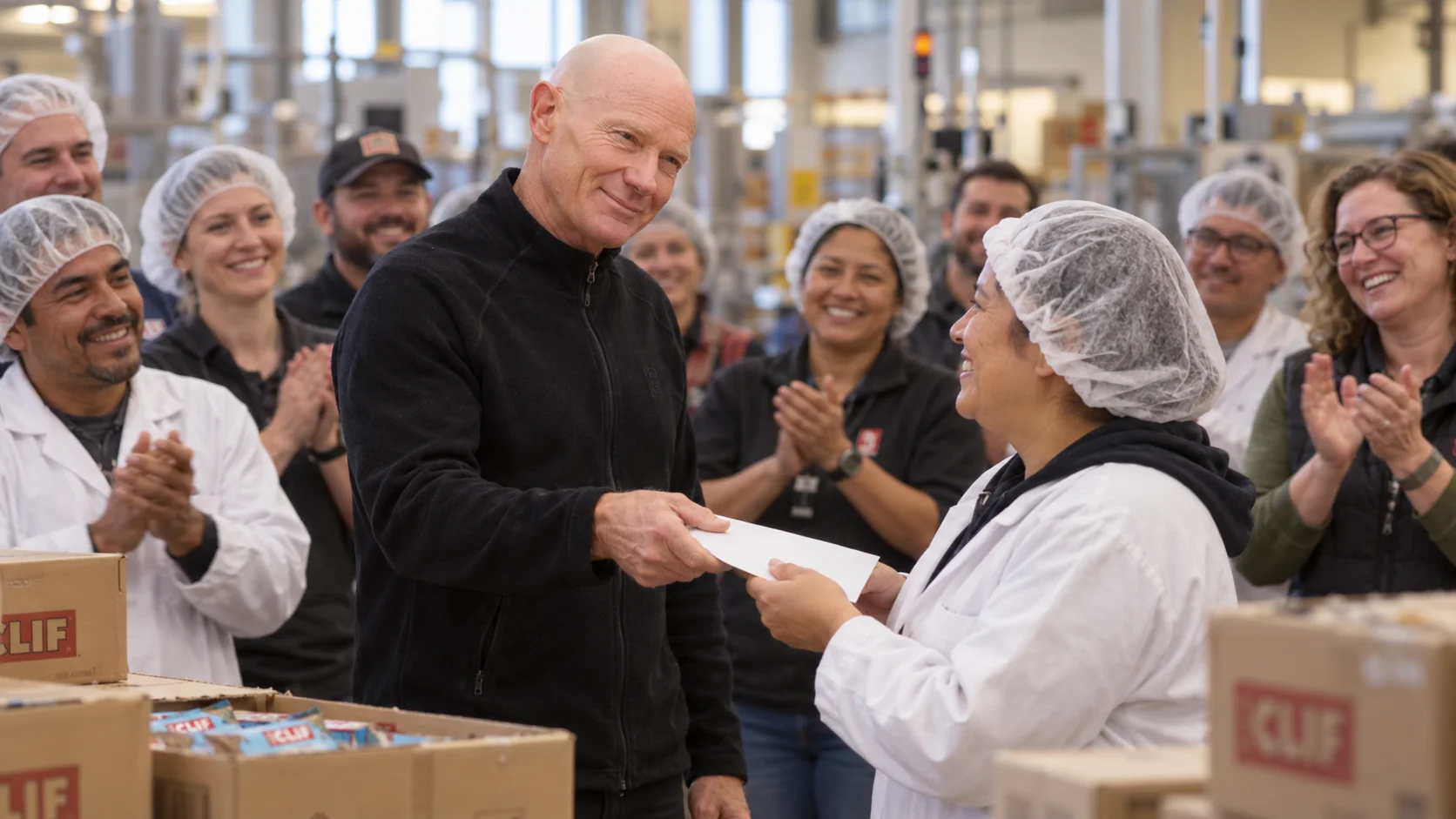
Clif Bar & Company, kept private for 22 more years, and in 2010 a fifth of it handed to the employees who worked there through an employee stock ownership plan5, with Crawford and Erickson keeping the other 80 percent.
What did he believe that most reasonable people around him did not?
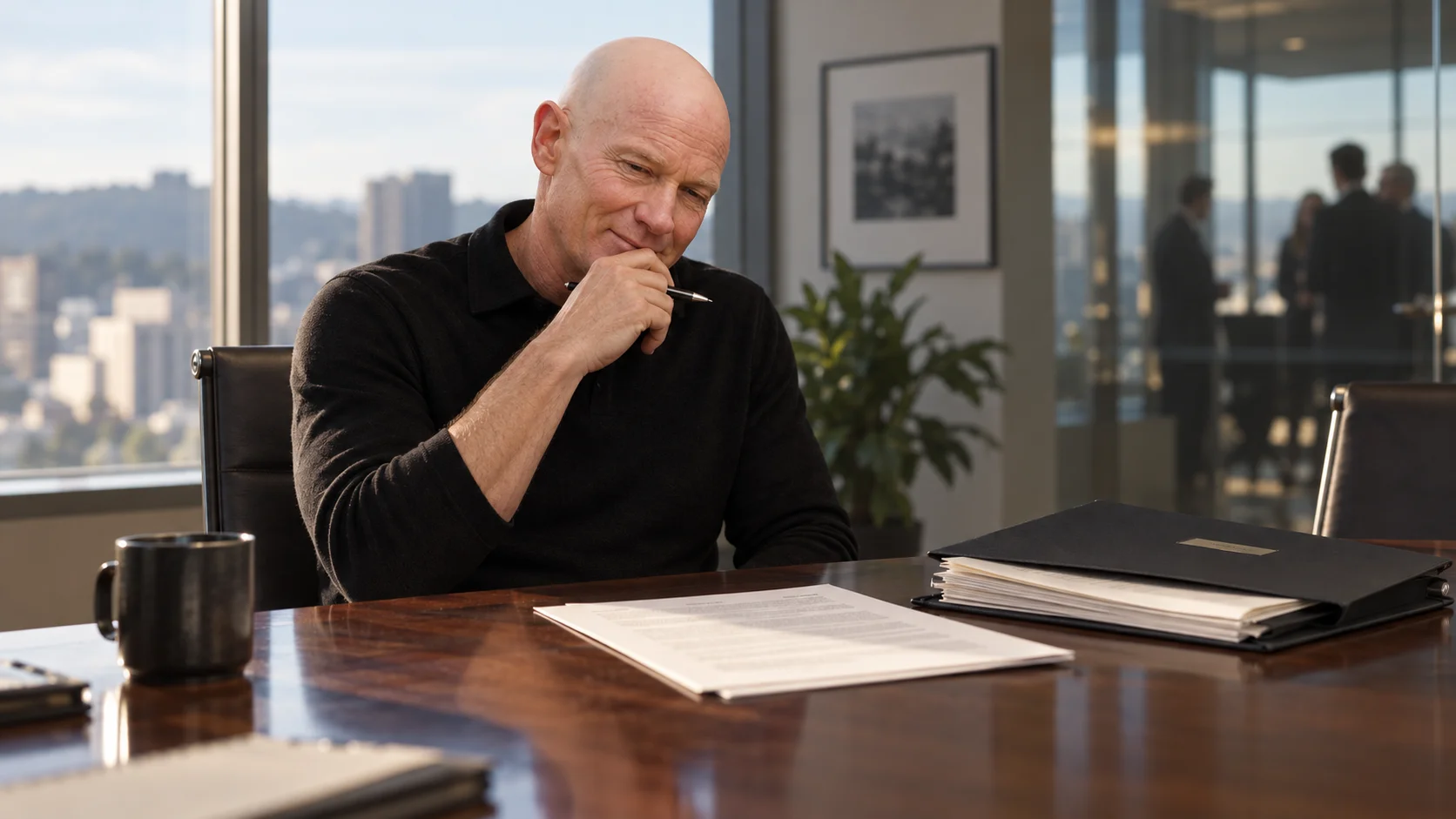
That the offer on the table is information about the buyer, not an instruction to the seller. Everyone around him read $120 million as the answer to a question. He read it as somebody else's estimate of what the thing would be worth later, and decided he'd rather find out for himself.
What did his trek cost him?
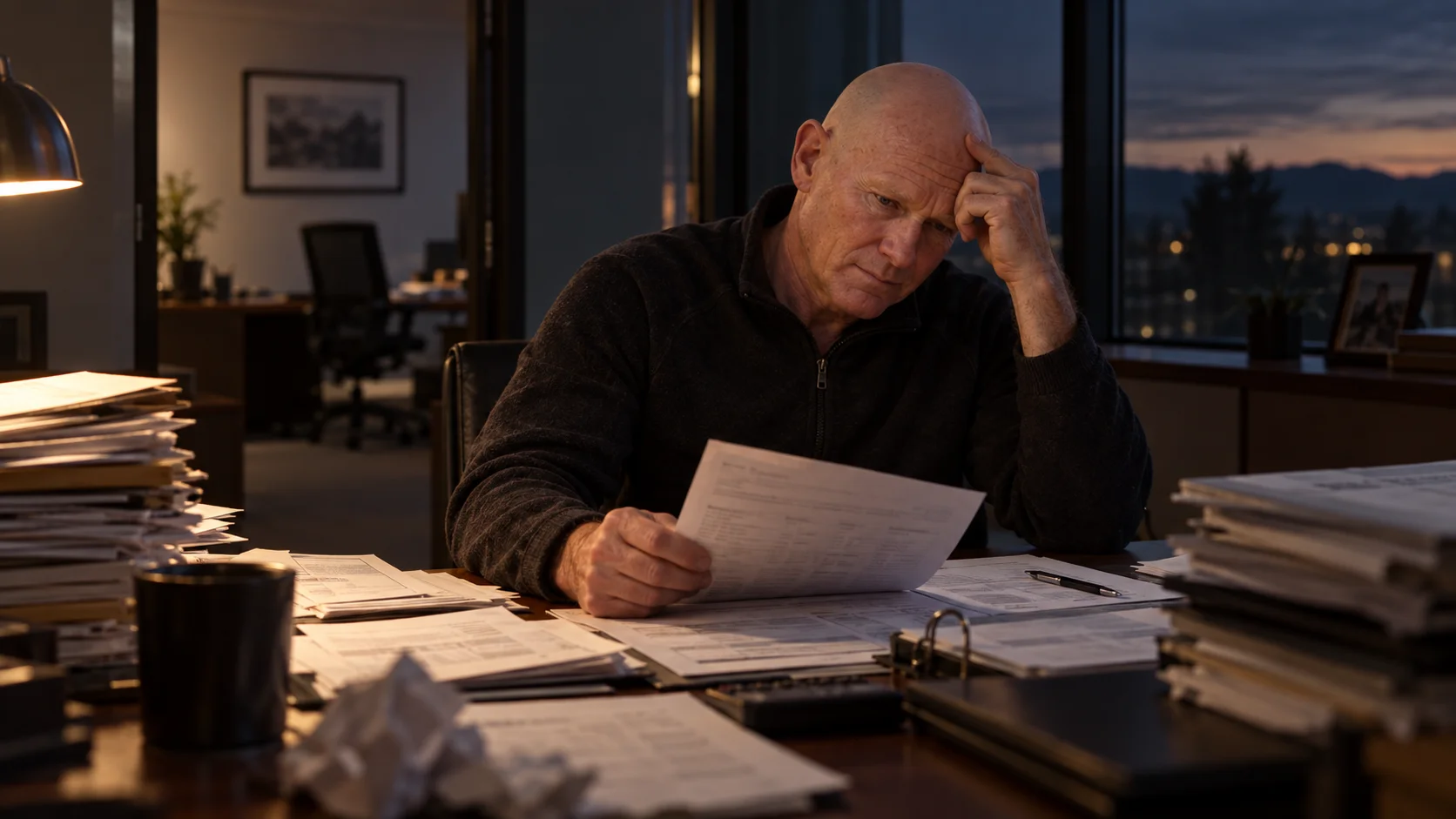
The partnership, and years of debt. Lisa Thomas, a friend and half-owner, left, and he financed her exit at the valuation the refused deal had just set. Whatever the walk around the block cost him, it wasn't only his to pay.
What can an ambitious person steal from this story?
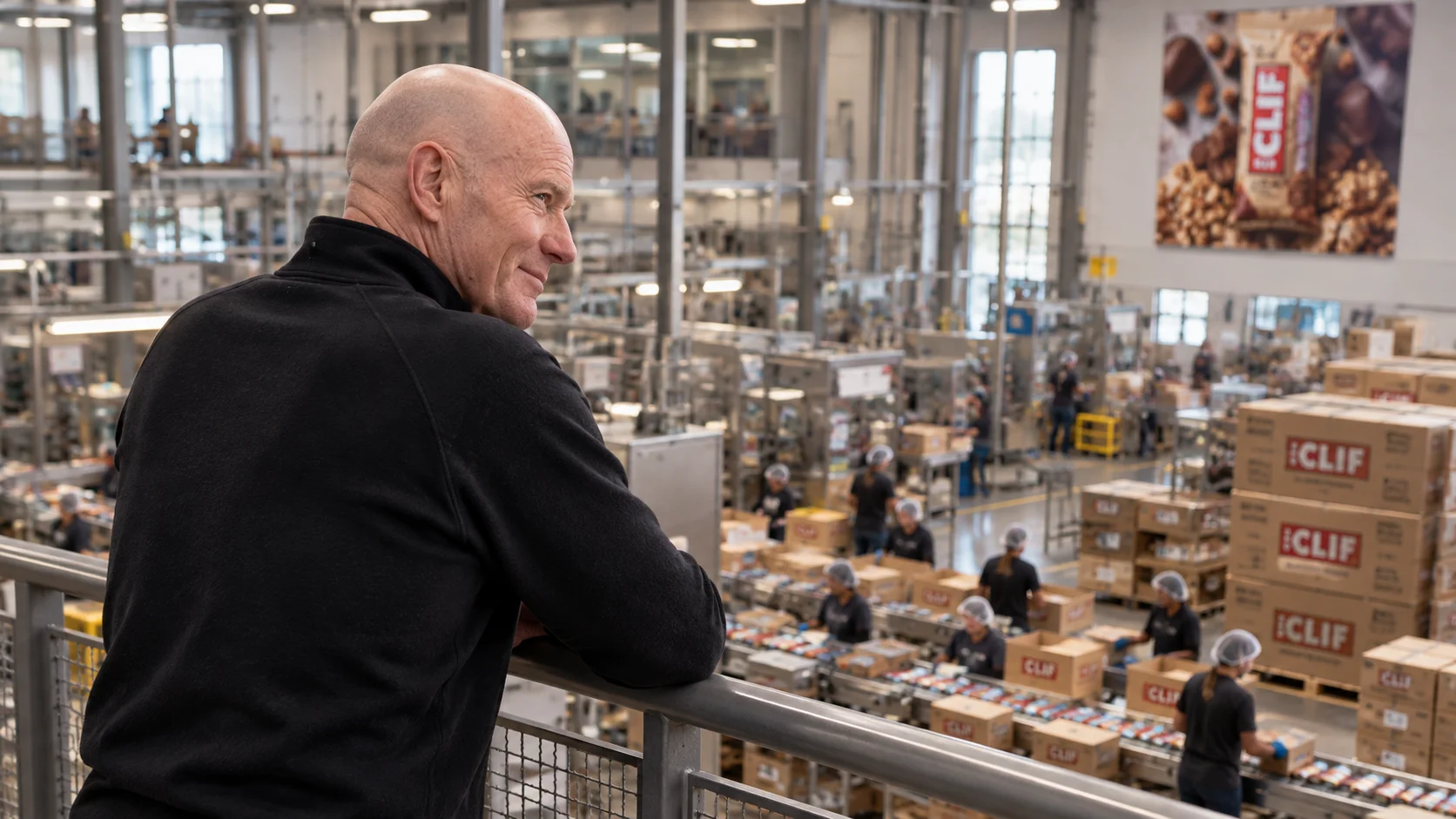
He treated a number as a data point, not a verdict. The $120 million offer told him what a company thought the bar might be worth someday; it didn't tell him what he thought, and he acted on the second number instead of the first. 22 years later, on his own terms, Clif Bar sold to Mondelez6 for $2.9 billion—proof he'd read the situation correctly the whole time.
Timeline
-
1957—Born.
-
c. 1986—Leaves saddle design to open his own bakery in Berkeley.
-
1990—On a 175-mile ride up Mount Hamilton, can't stomach another bite of the only energy bar on the market.
-
1991–92—Co-designs the O2 AirGel bicycle saddle at Avocet, later acquired by MoMA for its permanent design collection.
-
1992—Formally launches Clif Bar, the recipe developed with his mother, Mary, in her kitchen.
-
1999—Launches Luna Bar, the company's energy bar built specifically for women.
-
2000-04—Quaker Oats offers $120 million for the company; Erickson takes a walk around the block and comes back having said no.
-
2000—Buys out co-founder Lisa Thomas for $60 million, borrowing to do it.
-
2010-06—Transfers 20 percent of the company to employees through an ESOP.
-
2020—Sally Grimes becomes CEO.
-
2022-06—Sells Clif Bar to Mondelez for $2.9 billion, staying independent for 22 years after first refusing to sell.
Side notes
-
The O2 AirGel saddle—MoMA's own 1995 exhibition records credit Erickson, alongside designer Marty Holloway, for the Avocet bicycle saddle now held in the museum's permanent design collection. Learn more ↩
-
Mount Hamilton—Erickson's 175-mile "epiphany ride" climbed a mountain southeast of San Jose via a 36-mile, 4,750-foot ascent built for mule traffic to the Lick Observatory, still a classic Bay Area test piece for endurance cyclists. Learn more ↩
-
Quaker Oats—The breakfast-food giant that offered $120 million for Clif Bar in 2000 was itself bought by PepsiCo just eight months later, for $13.4 billion in stock. Learn more ↩
-
Lisa Thomas—Erickson's original fifty-fifty partner in the business, who wanted to accept the Quaker Oats offer and left the company when he refused it, prompting the $60 million buyout. Learn more ↩
-
The ESOP—An employee stock ownership plan holds shares in trust on behalf of a company's workforce; Clif Bar's, adopted in 2010, pays employees annual dividends on their stake. Learn more ↩
-
Mondelez International—The snack-food giant behind Oreo and Ritz bought Clif, Luna, and Clif Kid from Erickson and Crawford in 2022, keeping the brands' headquarters in Emeryville, California. Learn more ↩