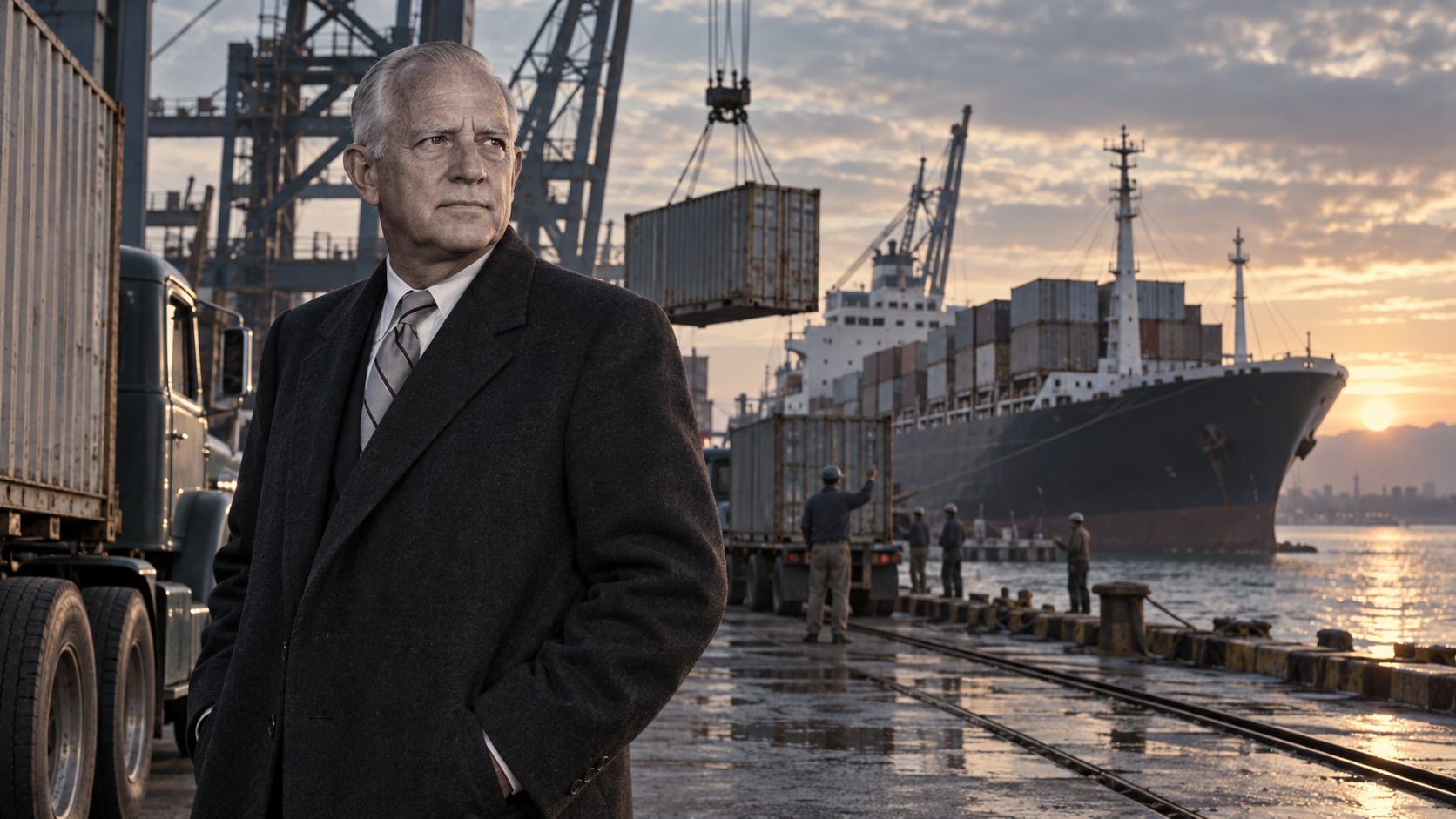
- He sold a thriving trucking company just to be allowed into shipping.
- United States Lines collapsed on a bet that oil would stay expensive.
- The shipping industry later crowned him its Man of the Century.

Who was he—and what was he like before anyone cared?
Malcom McLean was born November 14, 1913, in Maxton, North Carolina, took a filling-station job out of high school, then bought one secondhand truck in 1934. He was a trucker, not a shipping man, and never became one: he couldn't read a ship's blueprint, and said so. What he could read was a cost sheet.
What did his life look like before his trek began?
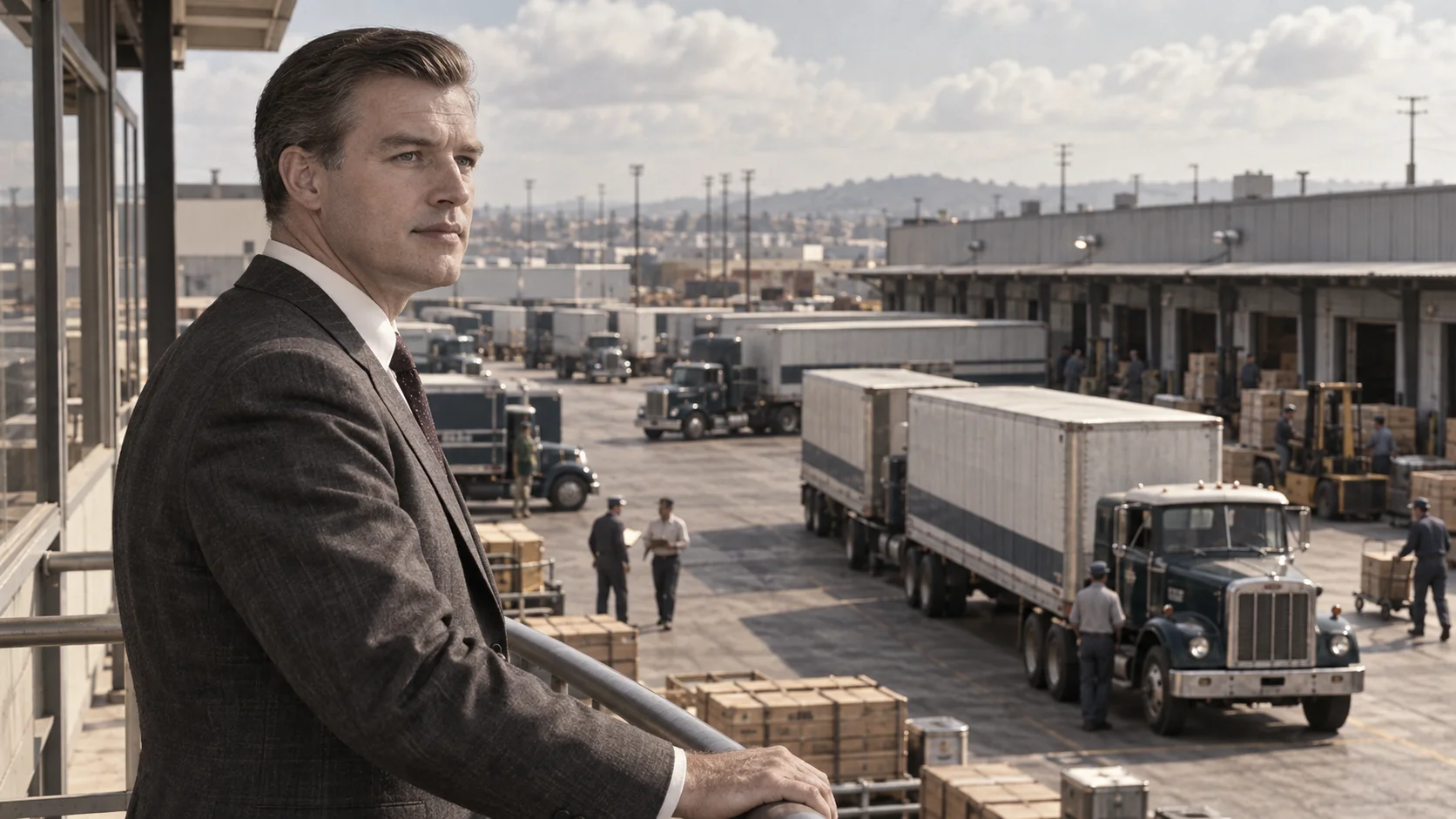
20 years of hauling freight built McLean Trucking1 into one of the largest fleets in the United States, teaching him the same lesson every year: freight profits live in the loading and the waiting, not the driving. He was successful, respected, and about to sell all of it.
What did he see that other people didn't?
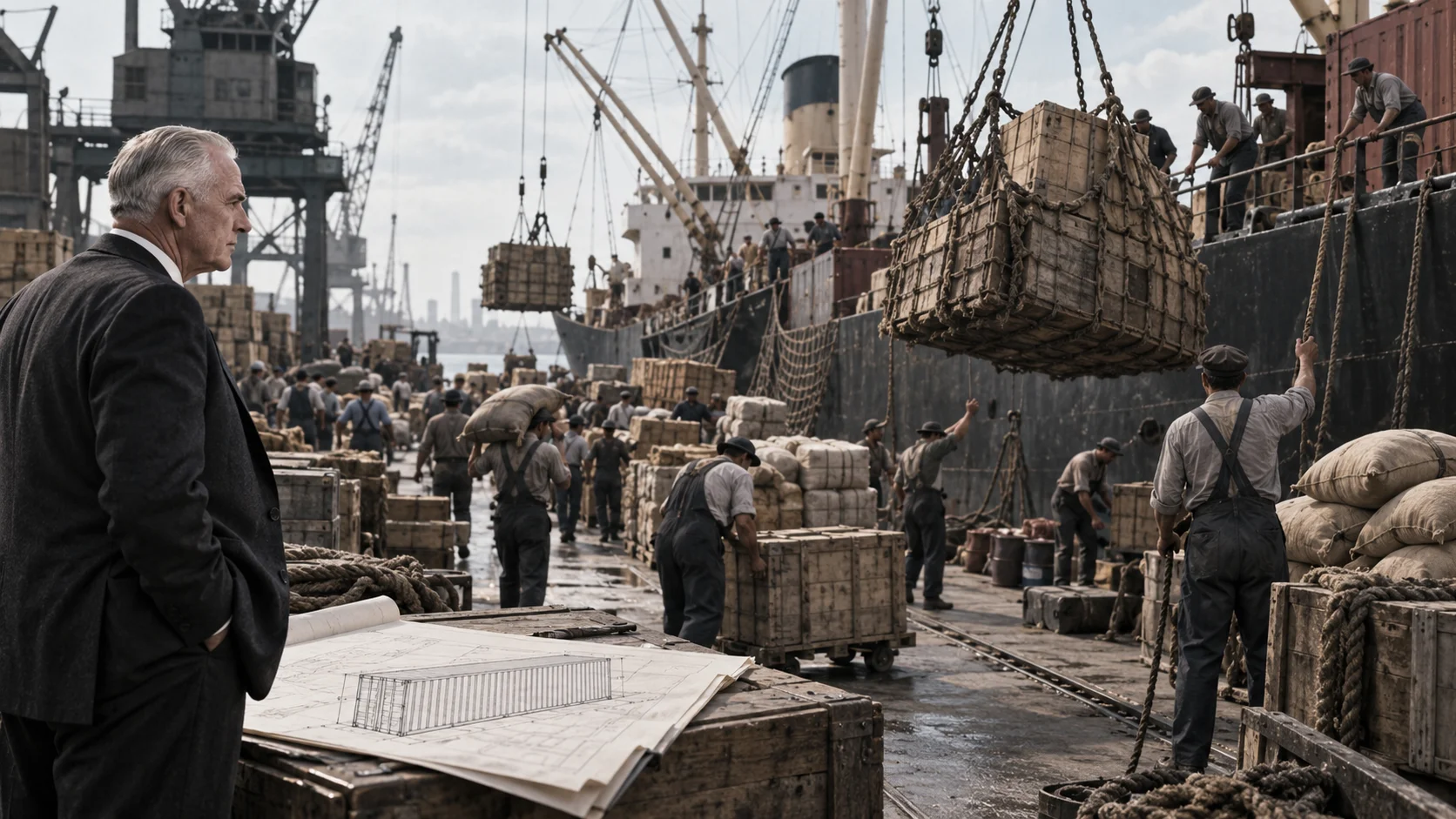
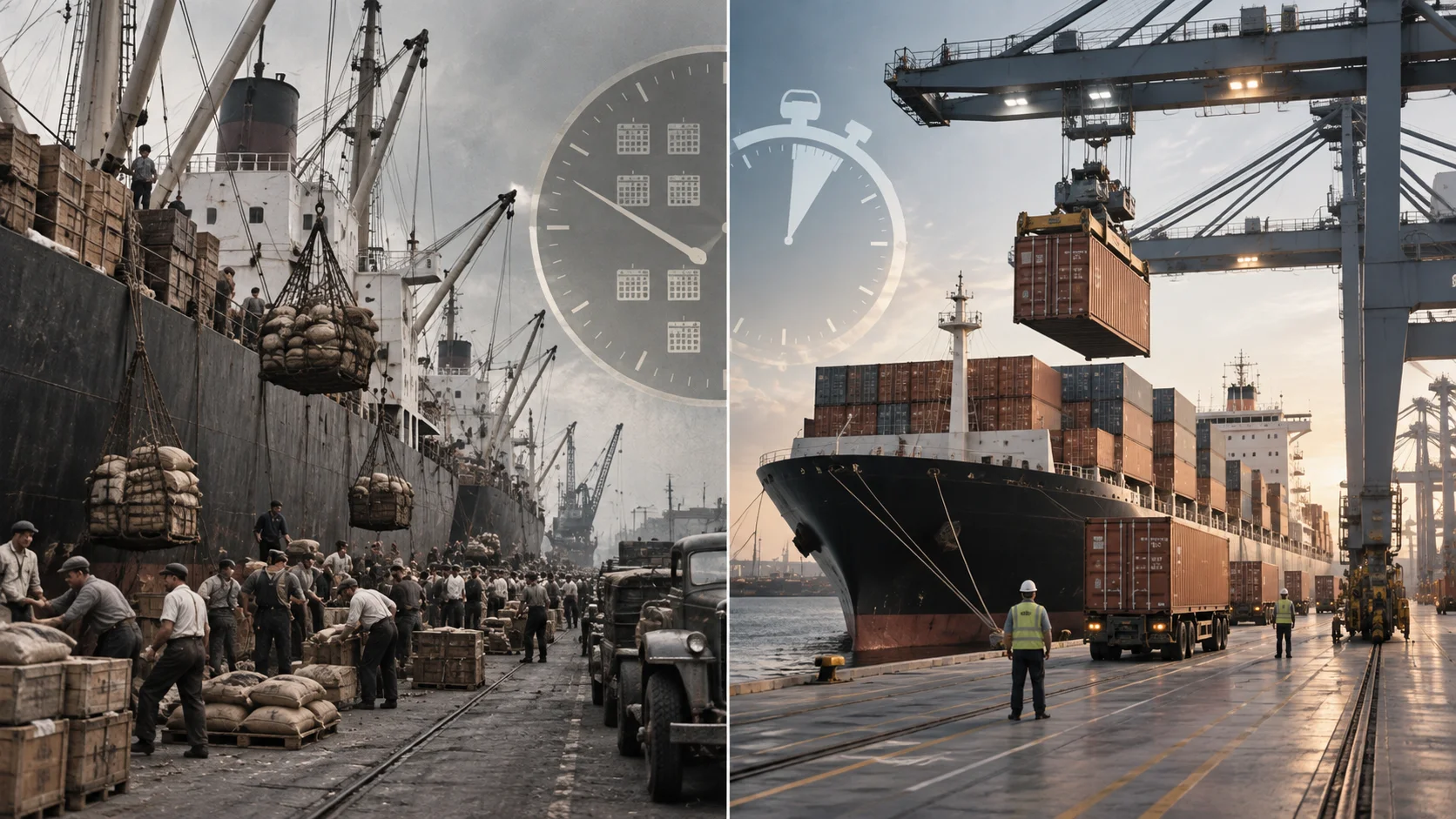
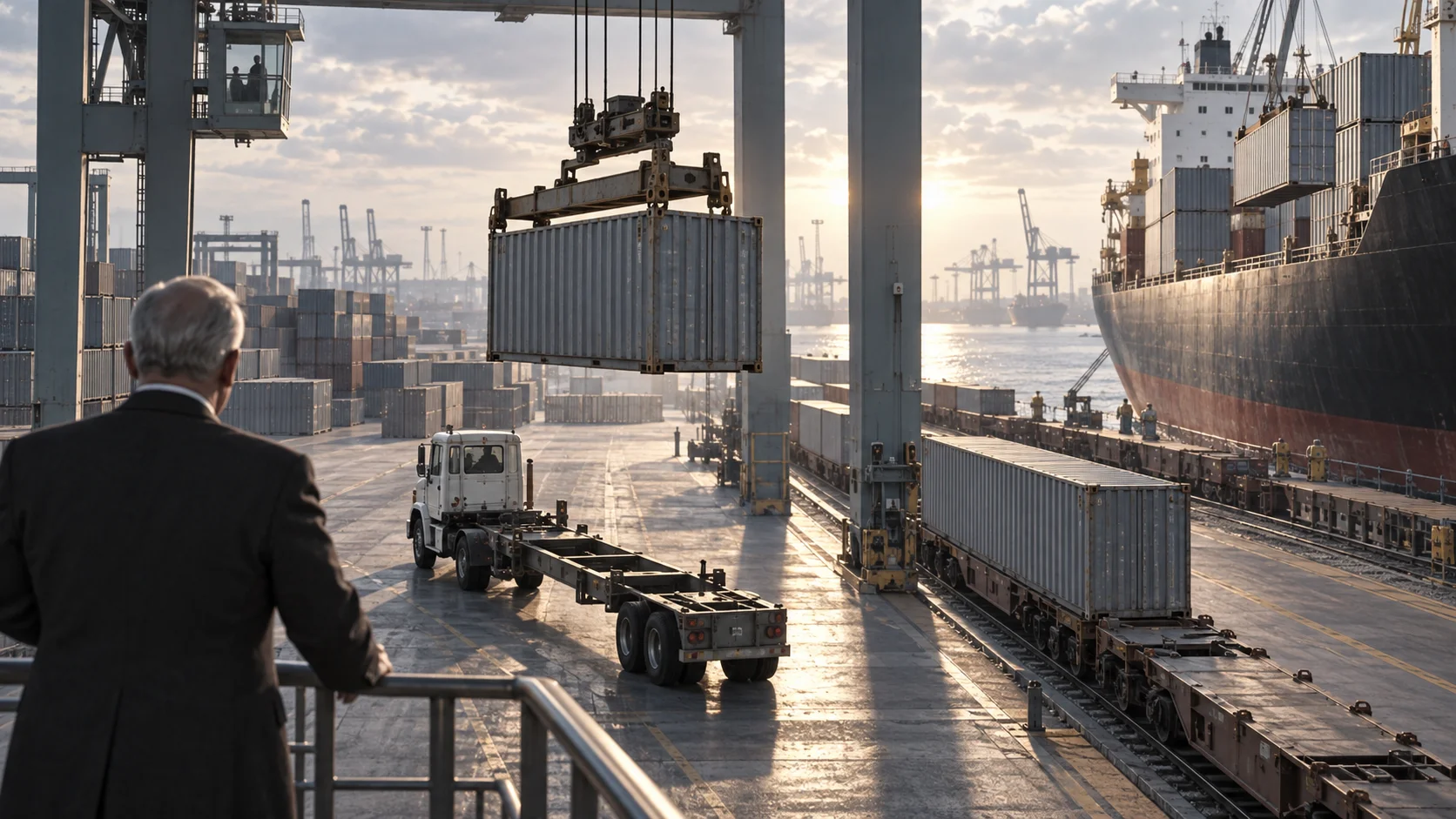
The industry had spent a century optimizing the ship and none of it on the interface. Cargo moved as break-bulk2: sacks, crates, and bales carried aboard piece by piece by hand, so a ship spent most of its life tied to a dock, earning nothing. Loading it the old way cost $5.86 a ton in 1956; by container, 16 cents.
What problem was he obsessed enough to solve?
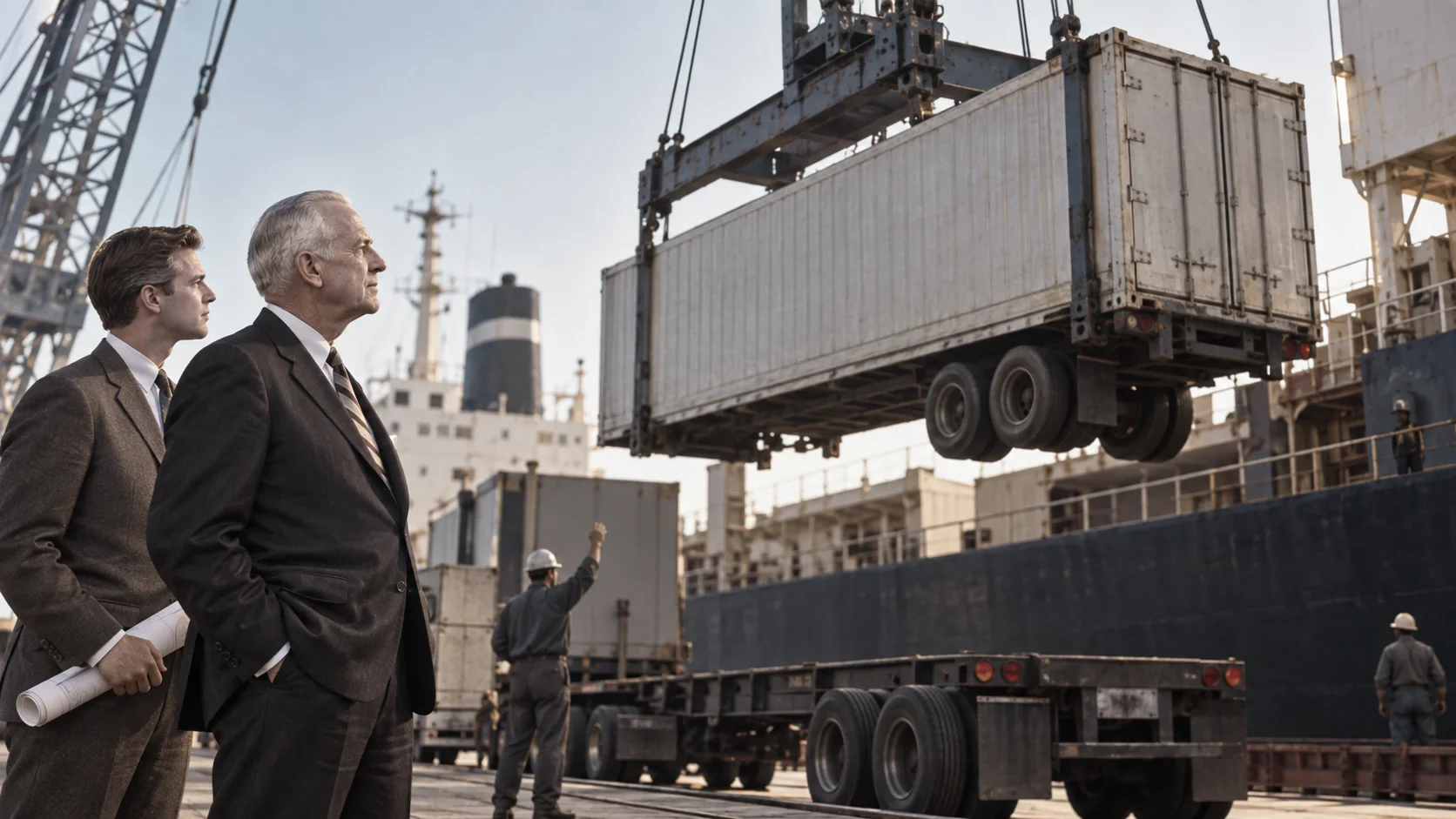
How to move the box, not the goods. If a trailer could be lifted off its wheels, set on a ship, and lifted onto another chassis at the far end, nobody would touch the contents between factory and shop, which meant nobody could drop them, steal them, or spend four days doing it.

Why did this matter personally to him?
He'd sat and watched it happen. In 1937, delivering cotton bales to New York Harbor, he waited days while longshoremen loaded his cargo by hand: a young man paid by the trip, watching other men move his freight slower than he'd driven it. That boredom, with a cost attached, is where the idea came from.
What did he risk—and where did the first money come from?
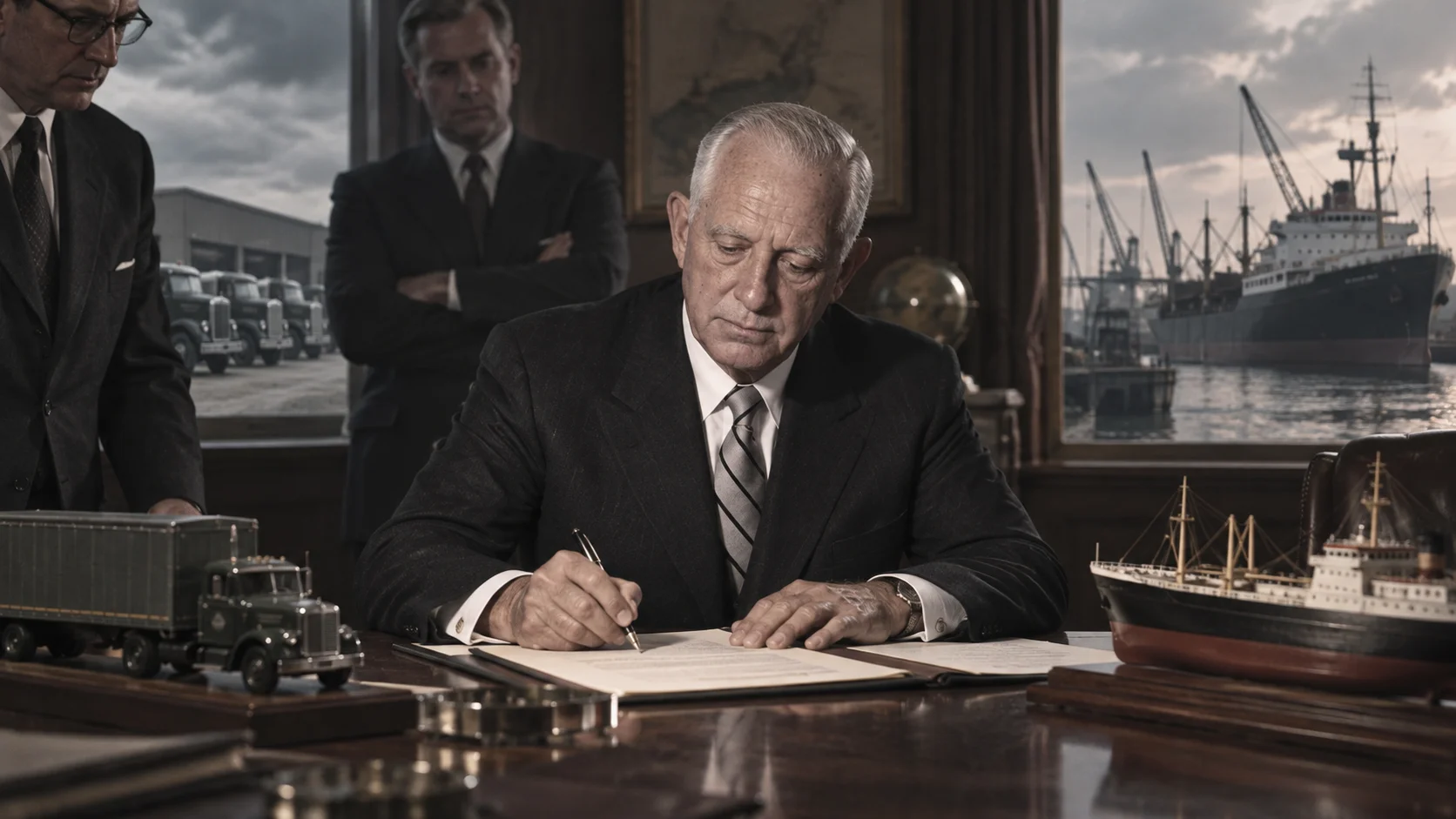
Everything, then his own company. He sold McLean Trucking in 1955 to buy Pan-Atlantic Steamship, not by choice: the Interstate Commerce Commission3 barred one man from owning a trucking line and a shipping line at once, so entering the second meant liquidating the first. He traded a thriving business for an unproven one.
What made the idea economically work?
It worked because of what stopped happening: wharf labor no longer paid, pilferage that stopped, insurance that shrank, and above all the days a ship no longer spent idle at the dock instead of at sea. The arithmetic was stark: a vessel that turns around in hours rather than a week is a fundamentally different asset.
What was the decision or moment after which nothing was the same?
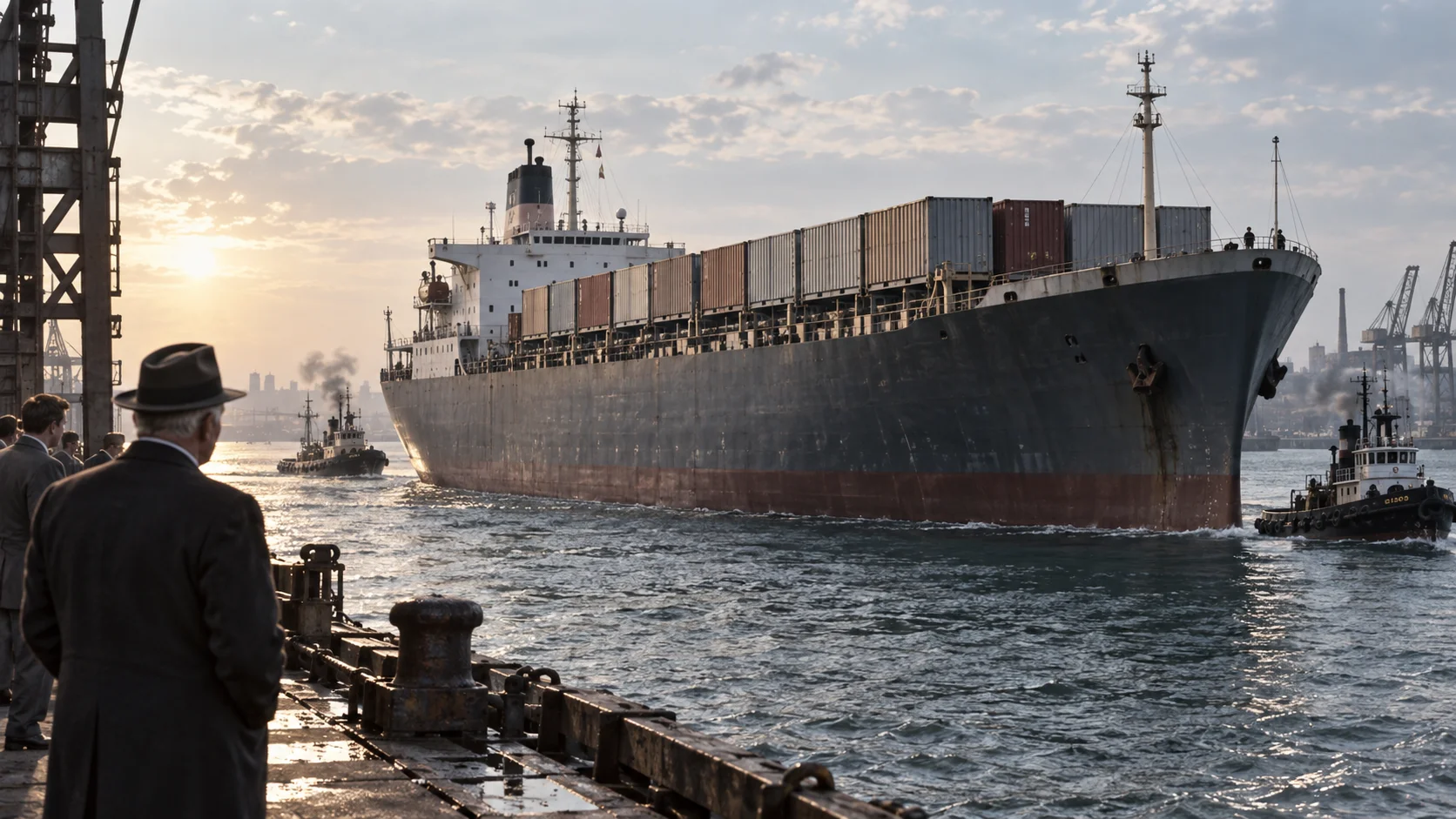
April 26, 1956. The Ideal X4, a surplus wartime tanker with a steel platform welded over her deck, sailed from Newark to Houston with 58 containers on deck and petroleum below. It was the same tanker, carrying the same cargo, with only the interface changed.
What nearly killed it?
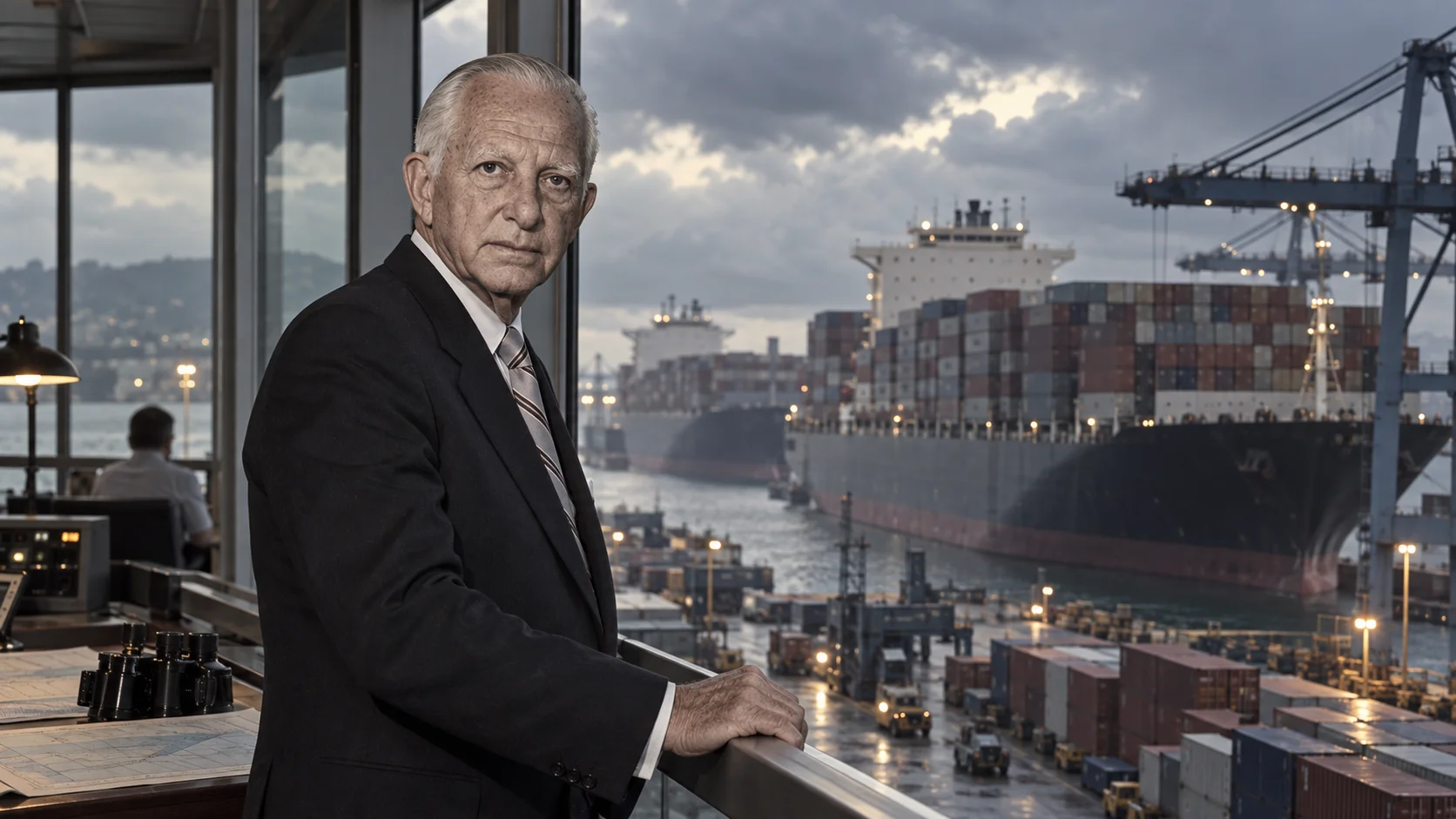
30 years later, the same instinct nearly finished him. In 1978 he bought United States Lines and ordered 12 Econships5: over 2,000 40-foot containers each, deliberately slow at 16 knots since slow burns less fuel. The bet was that oil stayed expensive; in 1986 the price collapsed, and United States Lines filed for bankruptcy that November.
What happened that he couldn't have planned for?
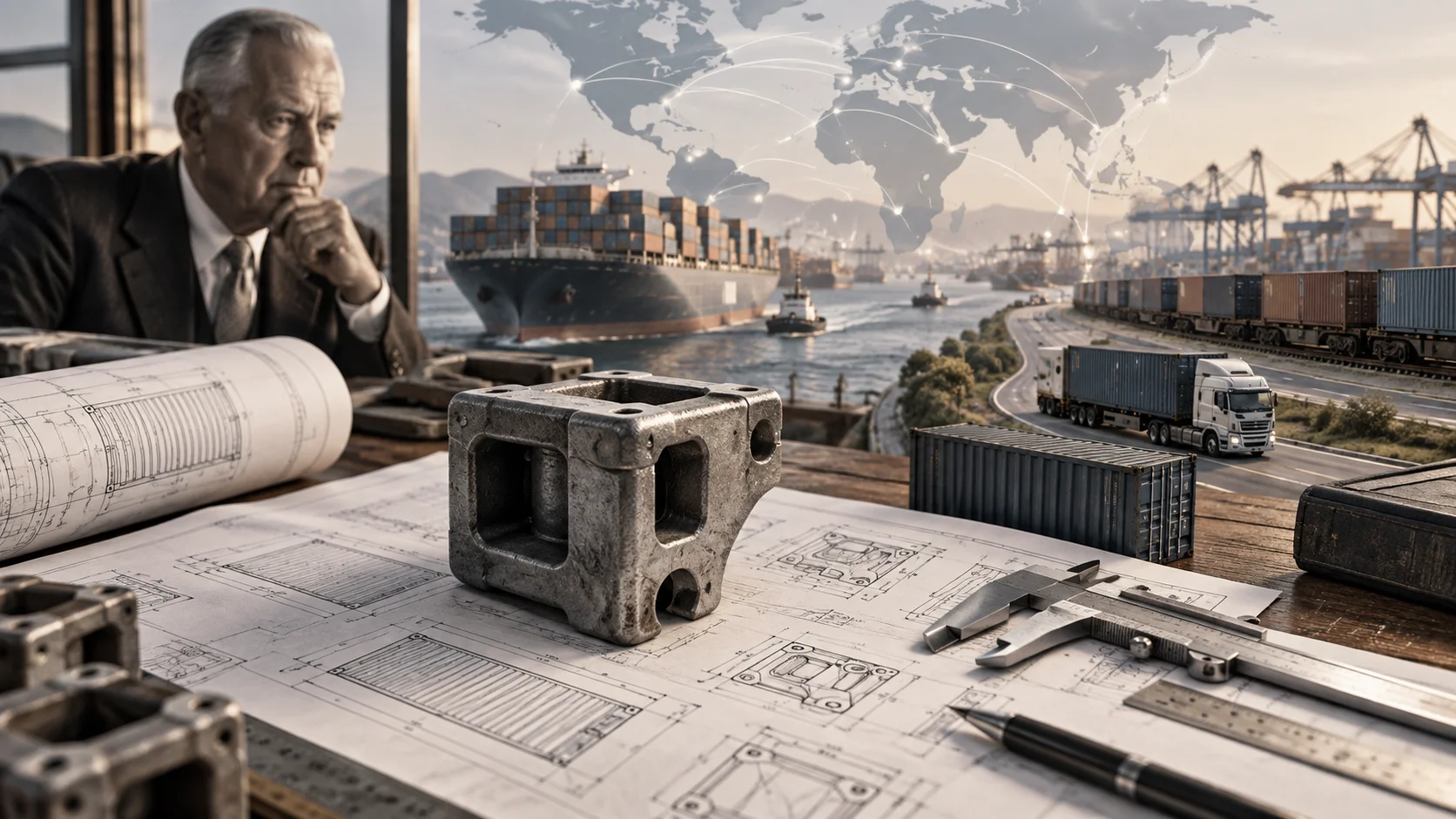
Giving away the standard, never part of any plan, made him. Once containers existed, the question became whose corner fittings the industry would use, and a proprietary answer would have produced a dozen incompatible fleets. McLean's patents went into the ISO6 process free of charge. He gave up a monopoly and got an entire industry instead.
What's the detail that makes this person suddenly human?
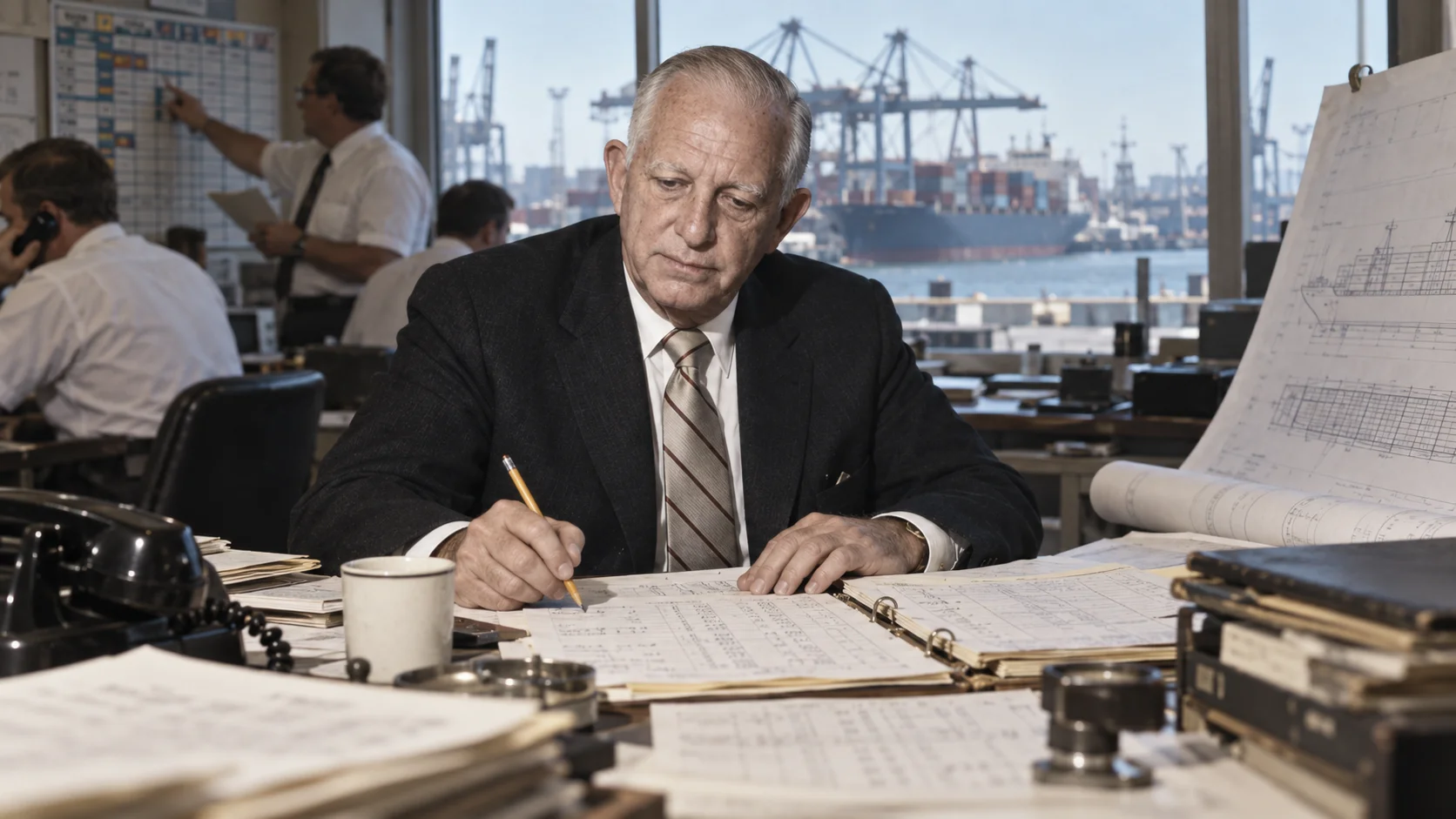
He couldn't read a ship's blueprint, and he ran a shipping line for 30 years anyway. The man who reorganized world trade around a steel box was a Carolina trucker who'd never worked a day at sea, and never pretended otherwise.
What did he ultimately build or change?
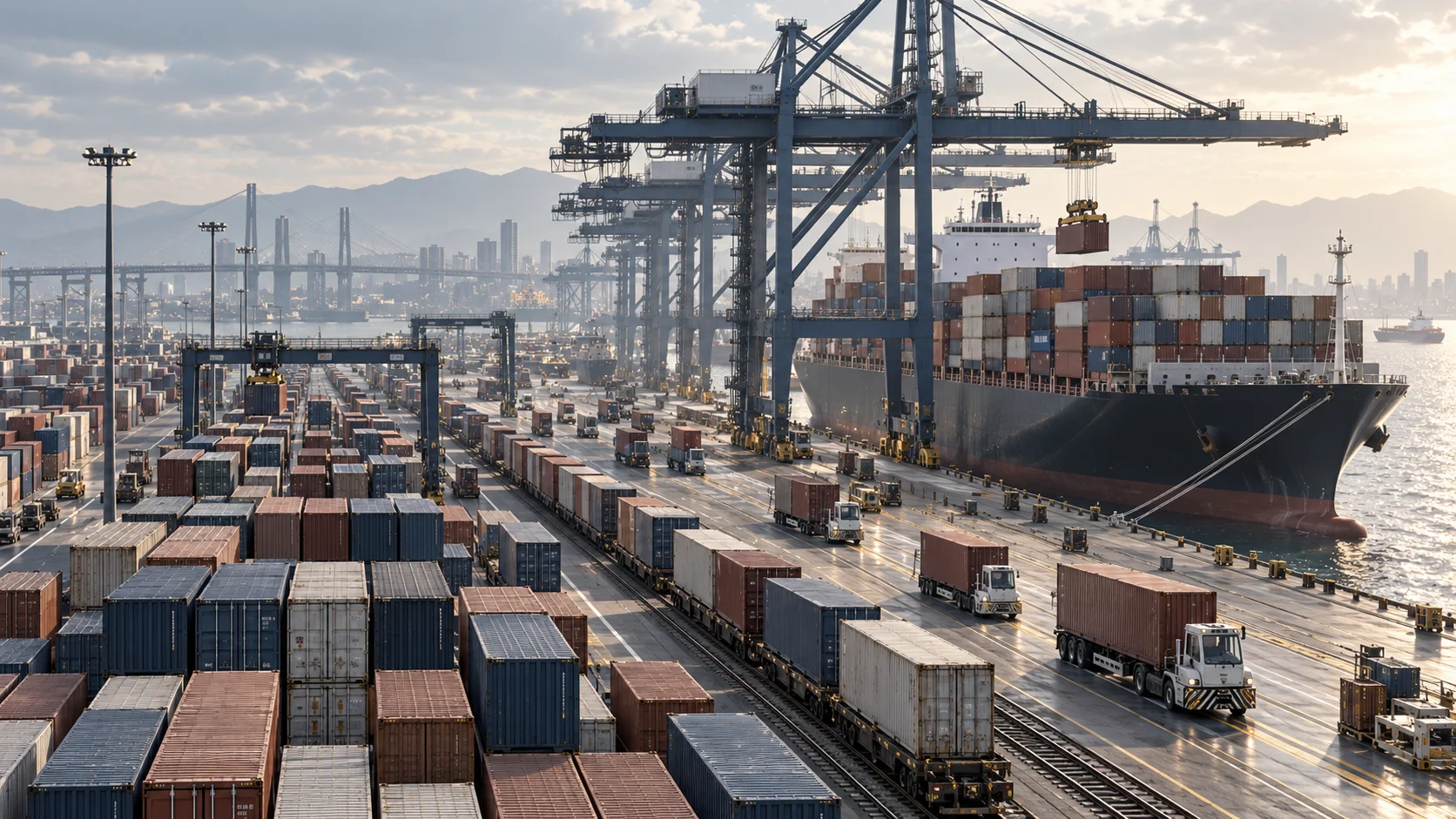
Sea-Land, Pan-Atlantic renamed in April 1960, and through it, the physical layer of globalization. Ports changed shape, ships grew to fit boxes instead of the reverse, and shipping got cheap enough that where a thing gets made stopped depending on where it gets sold.
What did he believe that most reasonable people around him did not?
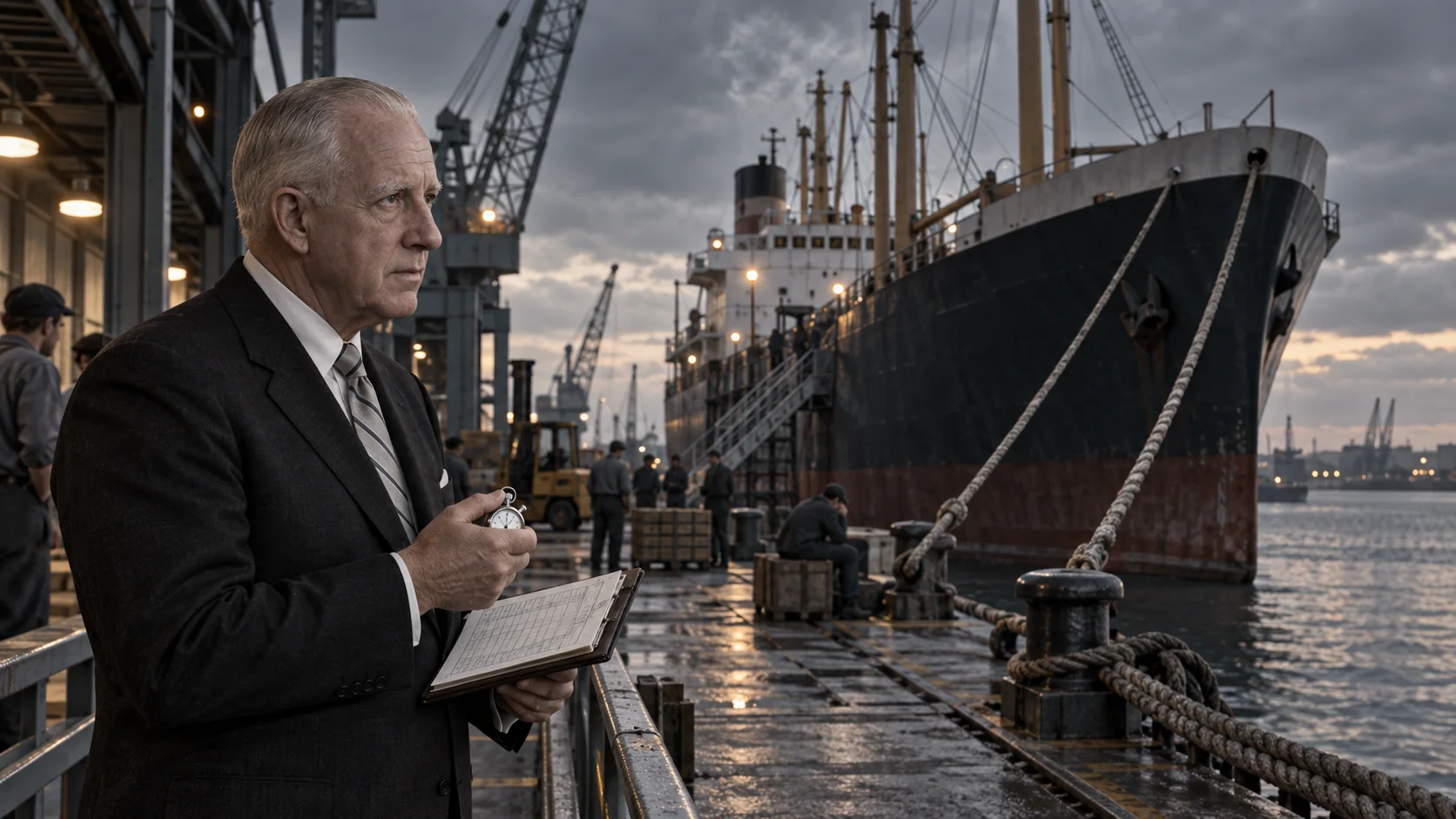
That a shipping company's real business was keeping ships from sitting still, not moving them. Everyone else measured tonnage and speed; he measured the hours a hull spent idle. Stated plainly, it sounds obvious, which is the tell: it took 20 years on the other side of the dock to see it, invisible to everyone who'd spent theirs on this one. Economic historians didn't fully explain why until decades later.
What did his trek cost him?
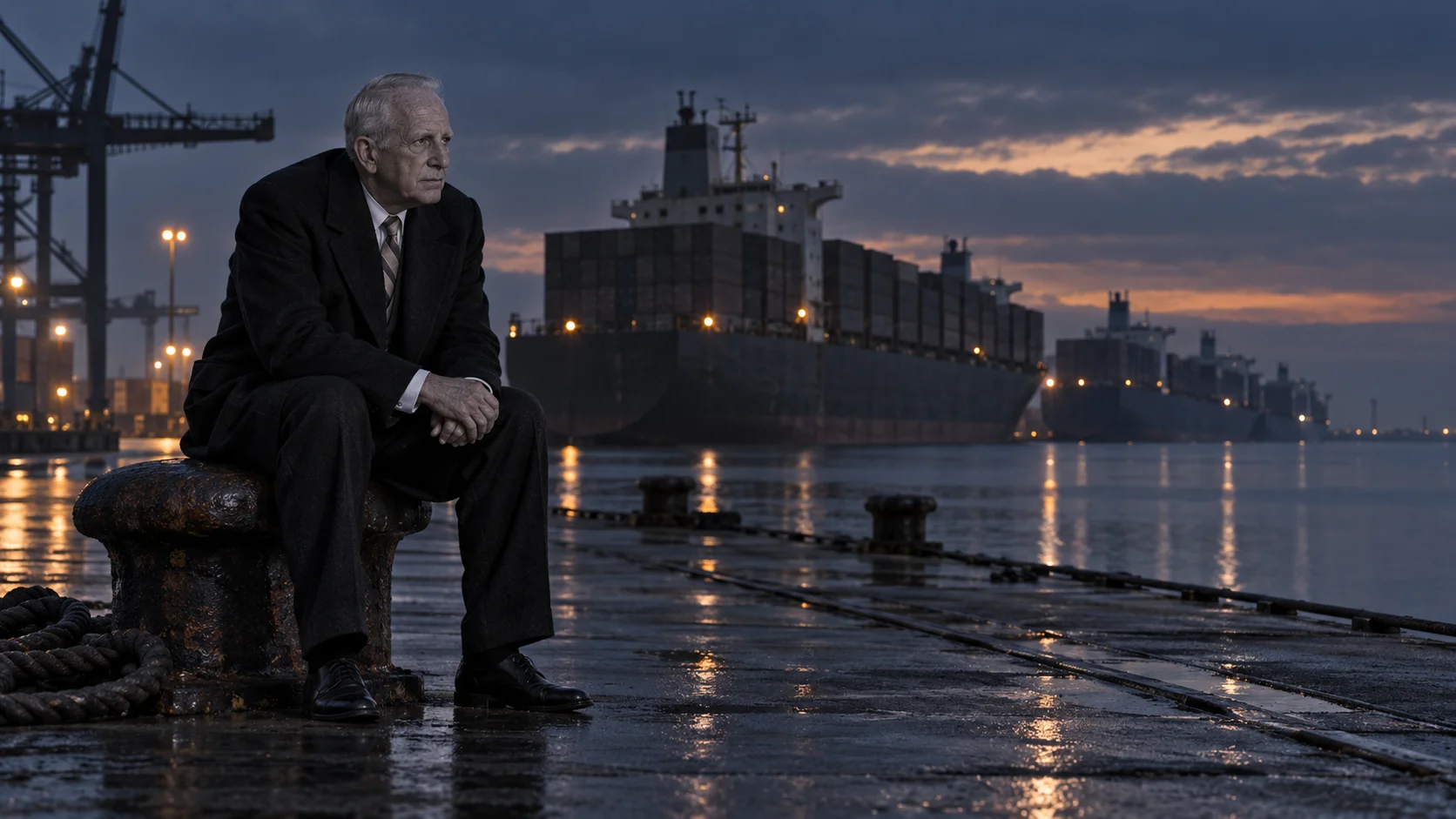
The trucking company he'd built from one truck, sold just to be allowed to start. Then United States Lines filed Chapter 11 in November 1986 and the Econships were sold off. He was 73, right about the box, wrong about the price of oil, and the second mistake cost him the whole company.
What can an ambitious person steal from this story?
20 years of hauling freight had taught him the real cost of moving cargo lived in every handoff. So instead of a faster ship or a better crane, he made the handover disappear, and the industry reorganized itself around the gap he removed. The bet that made him broke him 30 years later: commit hard to one variable, and you're exposed to it both ways.
Timeline
-
1913-11-14—Born in Maxton, North Carolina.
-
1934—Buys his first secondhand truck and starts hauling freight.
-
1937—Waits days watching longshoremen load cotton bales by hand in New York Harbor, the wait that plants the idea.
-
1955—Sells McLean Trucking to buy Pan-Atlantic Steamship, forced by the ICC to give up one business to enter the other.
-
1956-04-26—The Ideal X sails from Newark to Houston carrying 58 containers, the first container voyage.
-
1960-04—Pan-Atlantic is renamed Sea-Land Service.
-
1969-01—Sells Sea-Land to R.J. Reynolds for $530 million in cash and stock; McLean personally nets about $160 million.
-
1978—Buys United States Lines and orders 12 Econships.
-
1986-11—United States Lines files for Chapter 11 after the price of oil collapses.
-
1991-04 (age 77)—Founds Trailer Bridge; its first sailing, Jacksonville to San Juan, follows in February 1992.
-
2000-05—Named "Man of the Century" by the International Maritime Hall of Fame.
-
2001-05-25—Dies in New York City of heart failure, at 87.
Side notes
-
McLean Trucking—The company McLean built from a single secondhand truck grew into one of the largest freight carriers in the United States before he sold it in 1955 to enter shipping. Learn more ↩
-
Break-bulk cargo—The old method of shipping: goods loaded piece by piece, sack by sack, directly into a vessel's hold, which is exactly the labor and time the container was built to eliminate. Learn more ↩
-
The Interstate Commerce Commission—The federal regulator whose rules on common carriers forced McLean's hand, ruling that owning both a trucking line and a shipping line at once fell outside what one operator could hold. Learn more ↩
-
The Ideal X—Originally a 1945 tanker named the Potrero Hills, it made its historic 1956 voyage after conversion, was sold in 1959 and renamed the Elemir, and was eventually scrapped in Japan in 1964. Learn more ↩
-
The Econships—McLean's 1980s bet: 12 vessels built for fuel efficiency over speed, each able to carry more than 2,000 40-foot containers, the largest container ships afloat at the time. Learn more ↩
-
The ISO standard—The corner-casting and container-size specifications McLean's engineers helped work out became ISO 668, adopted worldwide and still the basis for how a shipping container is built and handled today. Learn more ↩