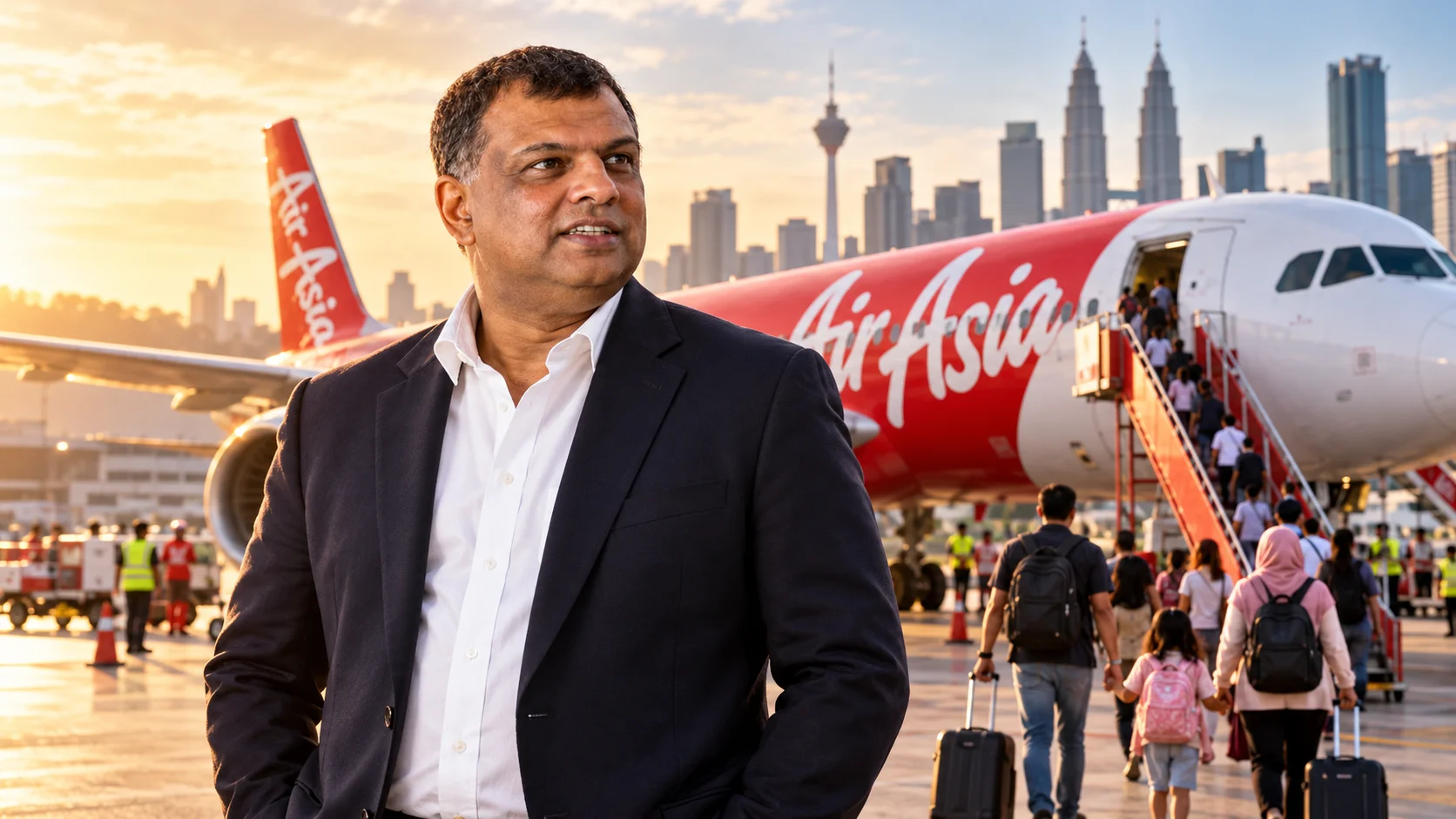
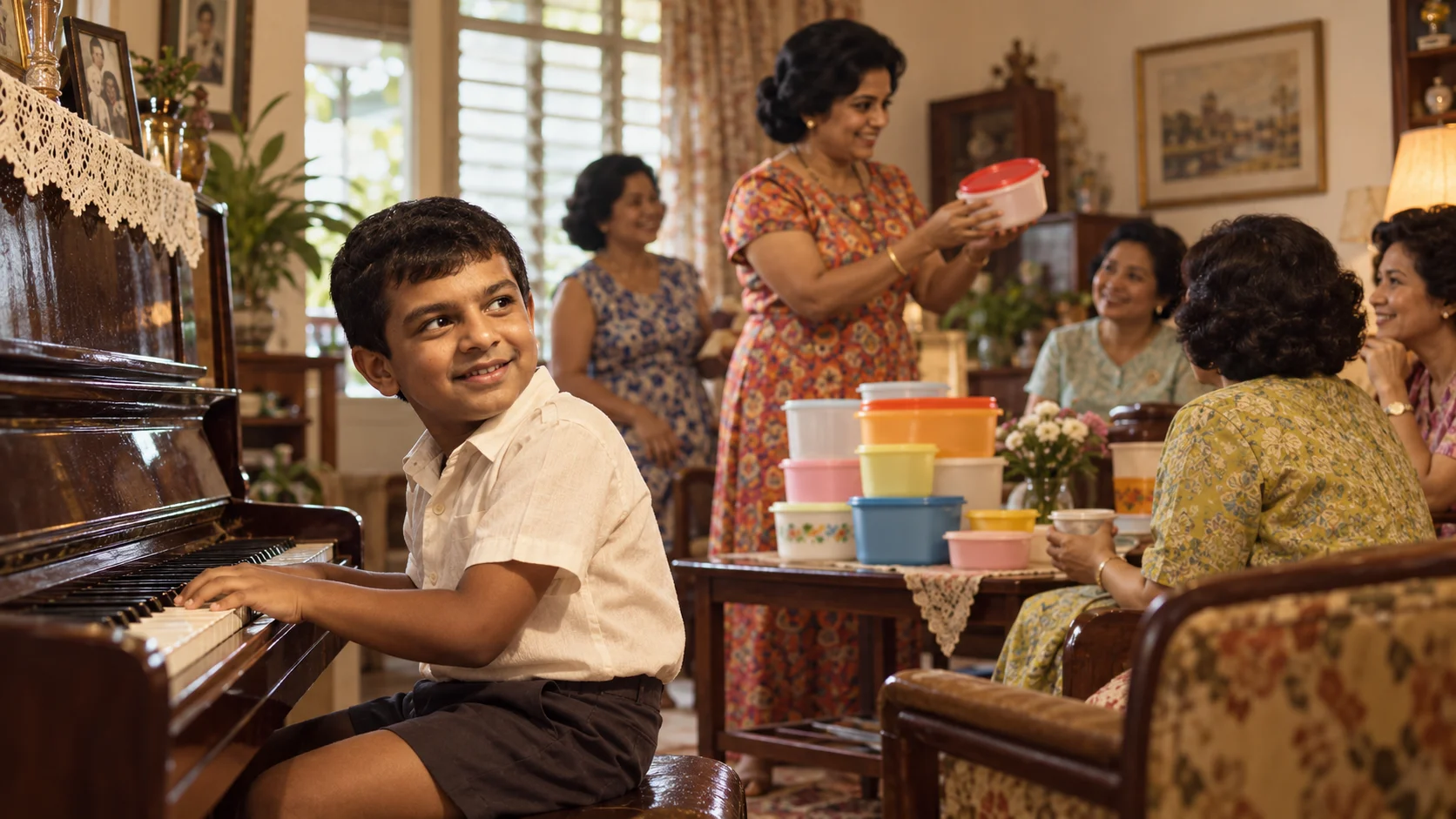
- At six he played piano at his mother's Tupperware parties in Kuala Lumpur.
- Richard Branson lost a racing bet and had to crew his rival's flight.
- His company's first flight had no food until he bought sandwiches at Carrefour.
Who is he—and what was he like before everyone noticed?
Anthony Francis Fernandes was born on April 30, 1964, in Kuala Lumpur. His father was a doctor from Goa, in India, and his mother, who had Malayali and Kristang roots, grew up in Malacca and built a business selling Tupperware. Before anyone had heard of him he was a six-year-old playing the piano for the guests at her sales parties, watching her sell to her neighbors in their own living rooms.
What did his life look like before his trek began?
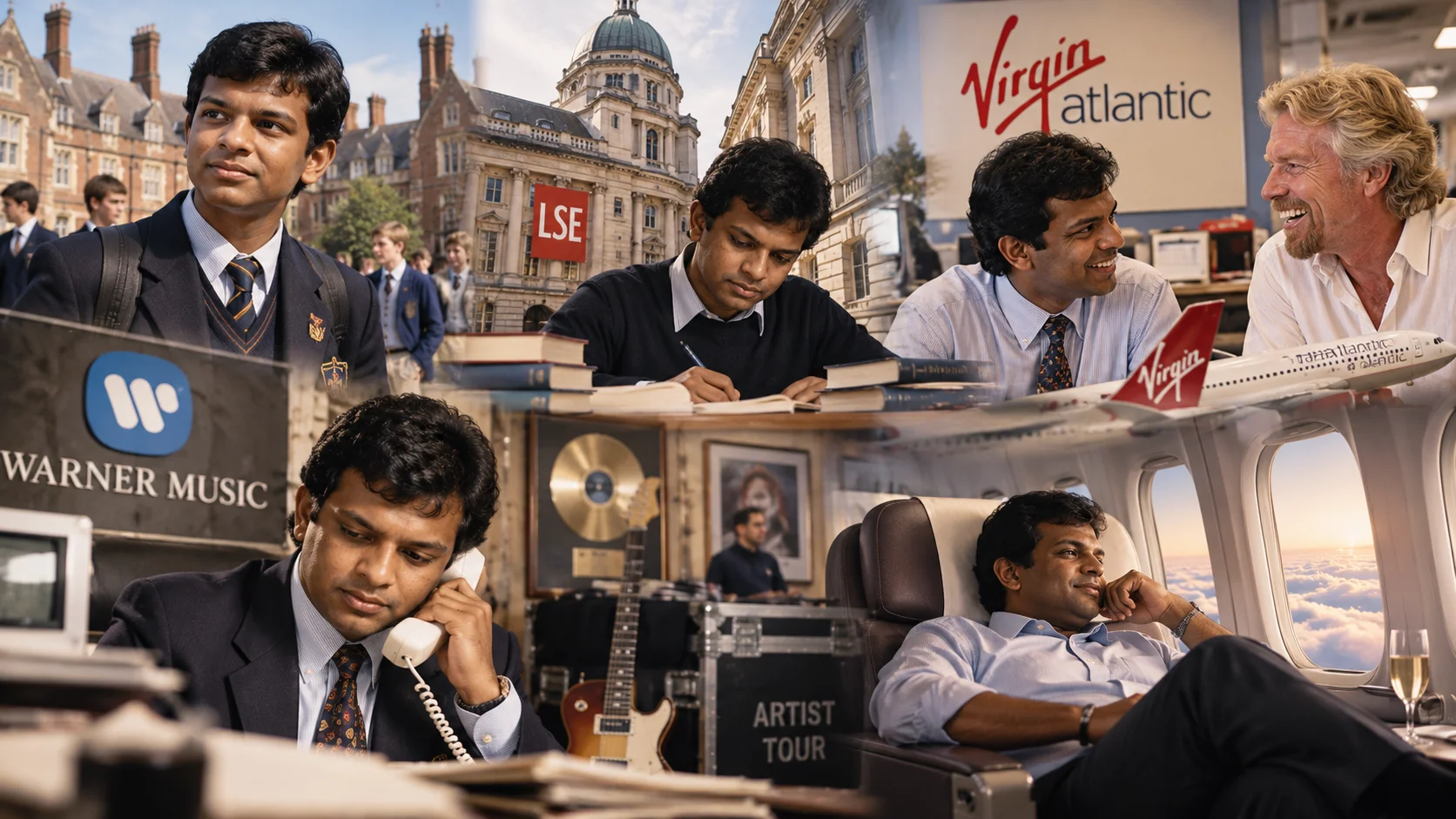
An accountant in the music business. He was sent to Epsom College in England at 12, studied accounting at the London School of Economics, and after a short stint auditing at Virgin Atlantic became financial controller of Richard Branson's1 Virgin Communications in 1987. He moved to Warner Music in 1989 and worked his way up to vice president for Southeast Asia. "The closest I came to the airline industry," he said later, "was kicking back in first en route to another artist signing."
What did he see that other people didn't?
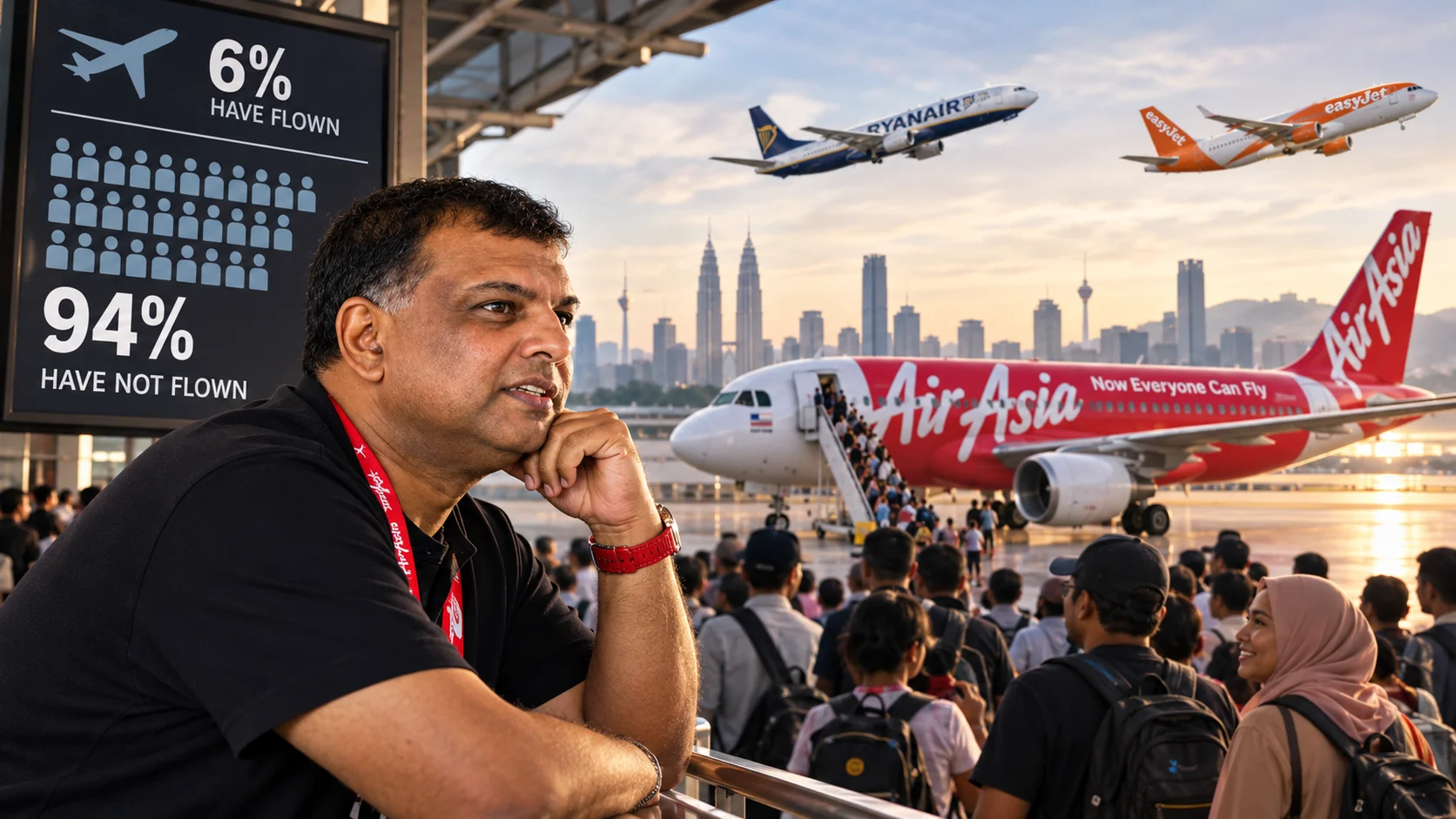
By his own estimate, only about 6 percent of Malaysians had ever been on a plane. He looked at the other 94 percent and saw the market. Europe already had the template in Ryanair and easyJet, and Fernandes saw no reason it wouldn't work in Asia: "If I could bring the low-fare product here to Asia, why not?"2
What problem became his obsession?
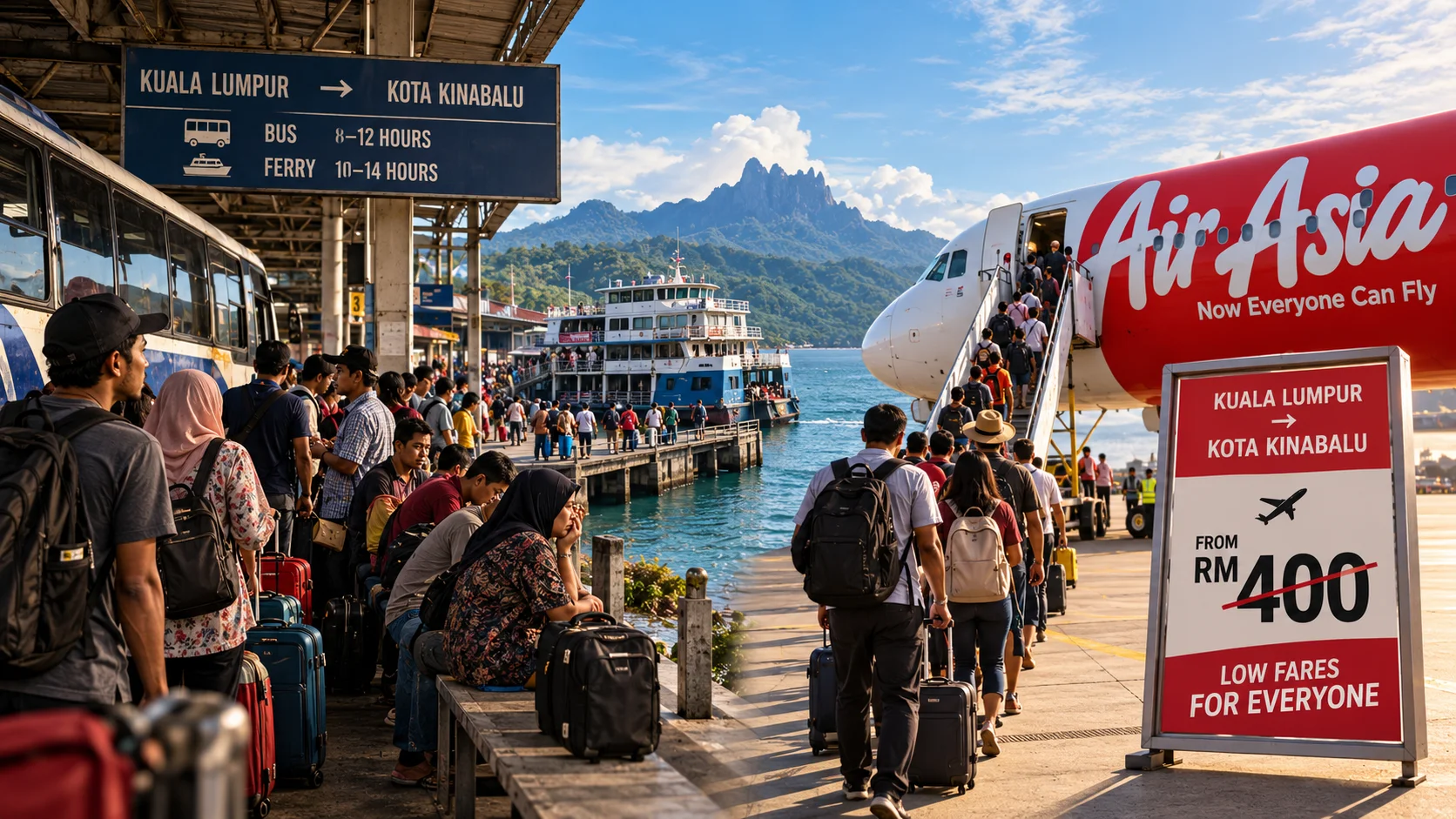
Flying cost too much for most of the region. A typical fare from Kuala Lumpur to Kota Kinabalu, on the island of Borneo, ran about 400 ringgit, so millions of people who could have flown took buses and ferries or didn't travel at all. "Aviation is for the common man," he said. "My goal is to enable everyone to fly."
Why did this matter personally to him?
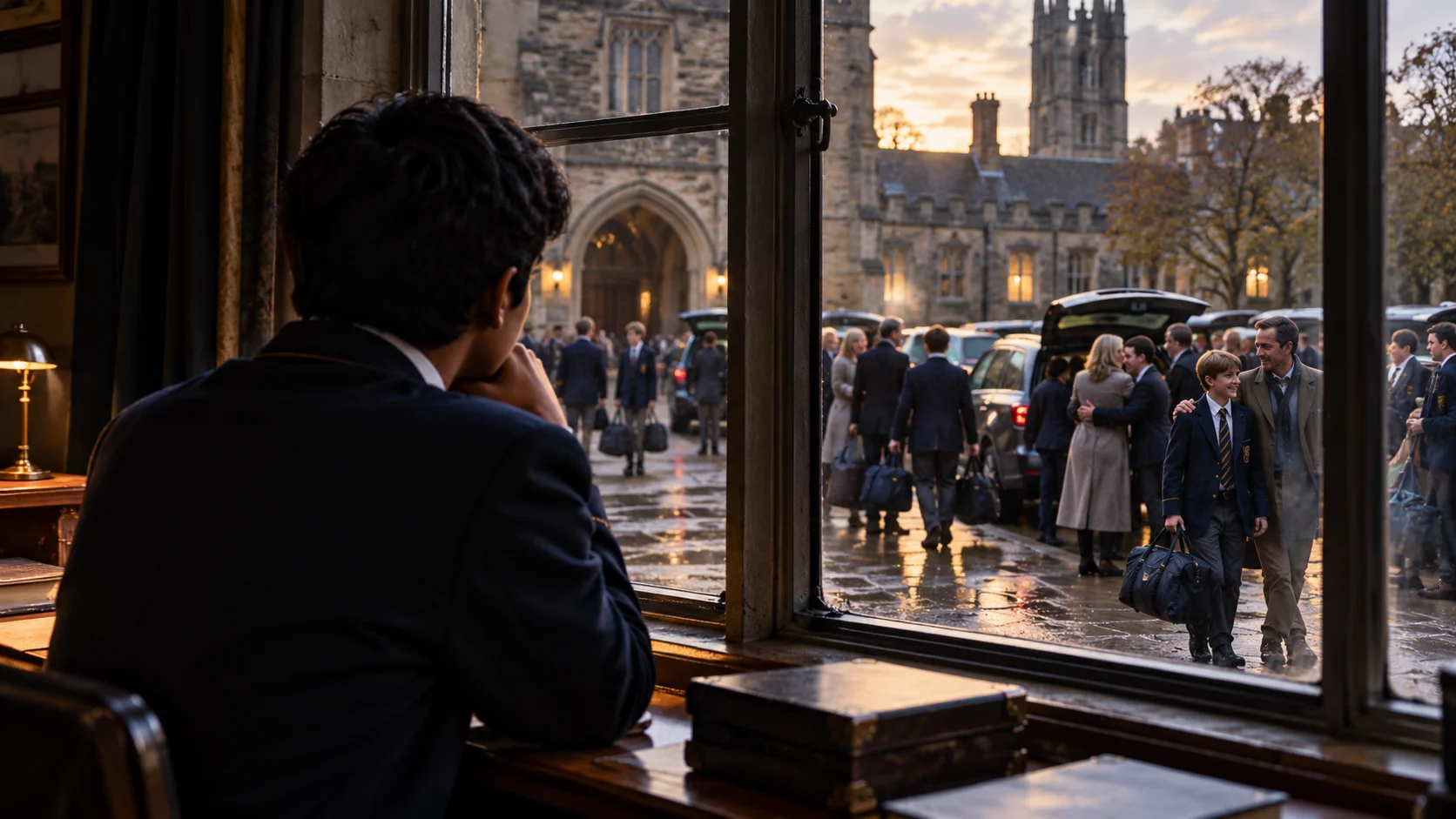
He'd felt the price of a plane ticket as a boy. At 13, homesick at boarding school in England, he wanted to fly home more often, and his parents wouldn't pay for the extra trips. He started thinking about what it would take to make flying cheap.
Where did the first money come from?
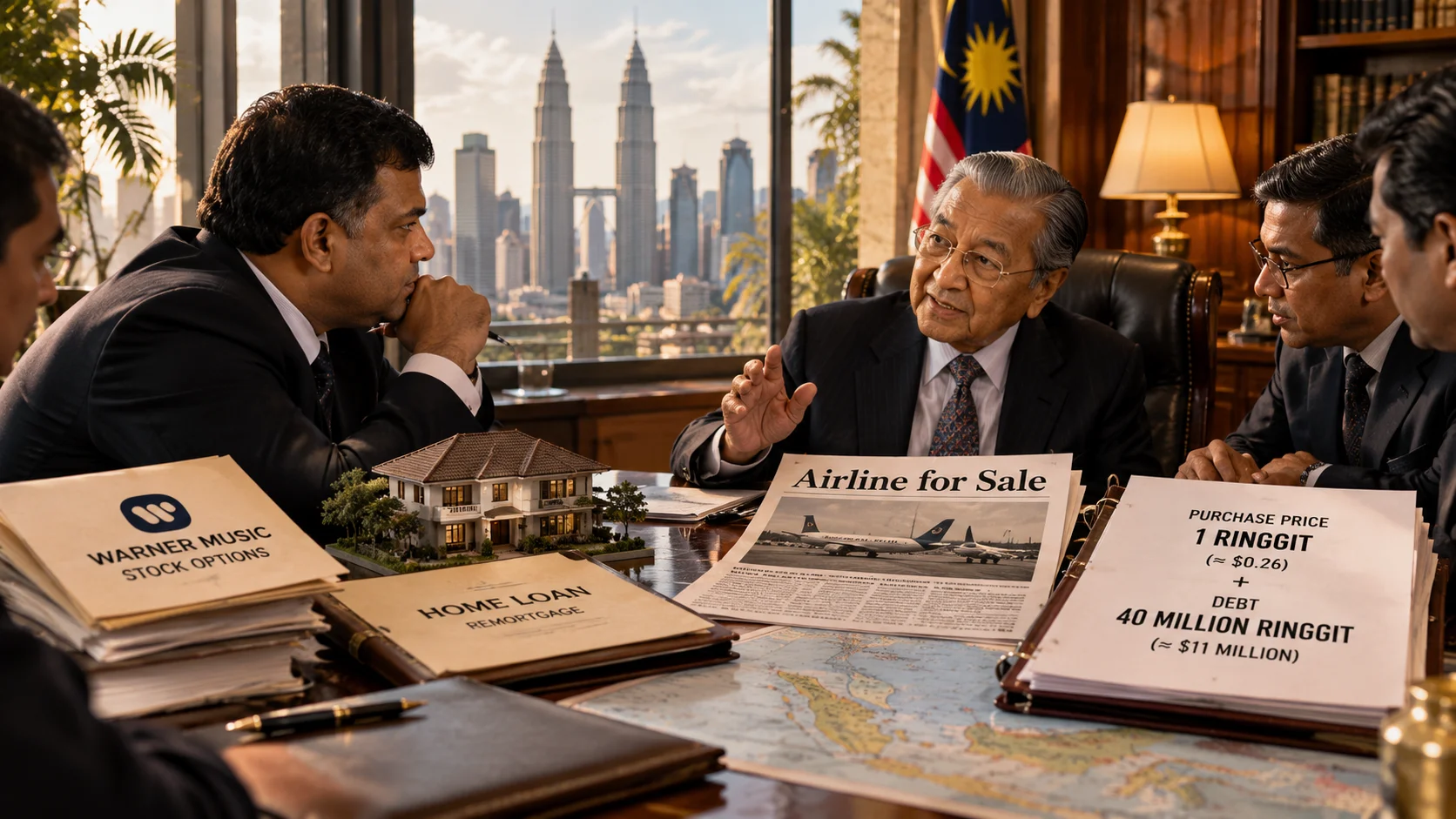
His own house, his own options, and three partners. Prime Minister Mahathir Mohamad liked the idea of a low-cost airline but told him, "I won't give you a licence to create a new one," and suggested he buy an existing carrier. The one for sale was AirAsia, a money-losing government-linked airline with two Boeing 737s. Fernandes cashed in about $250,000 of Warner stock options, remortgaged his home in Kuala Lumpur, and, with Kamarudin Meranun, Pahamin Rajab3, and Abdel Aziz Abu Bakar, agreed to buy it for one ringgit, about 26 cents, plus 40 million ringgit, roughly $11 million, of its debt.
What made the economics work?
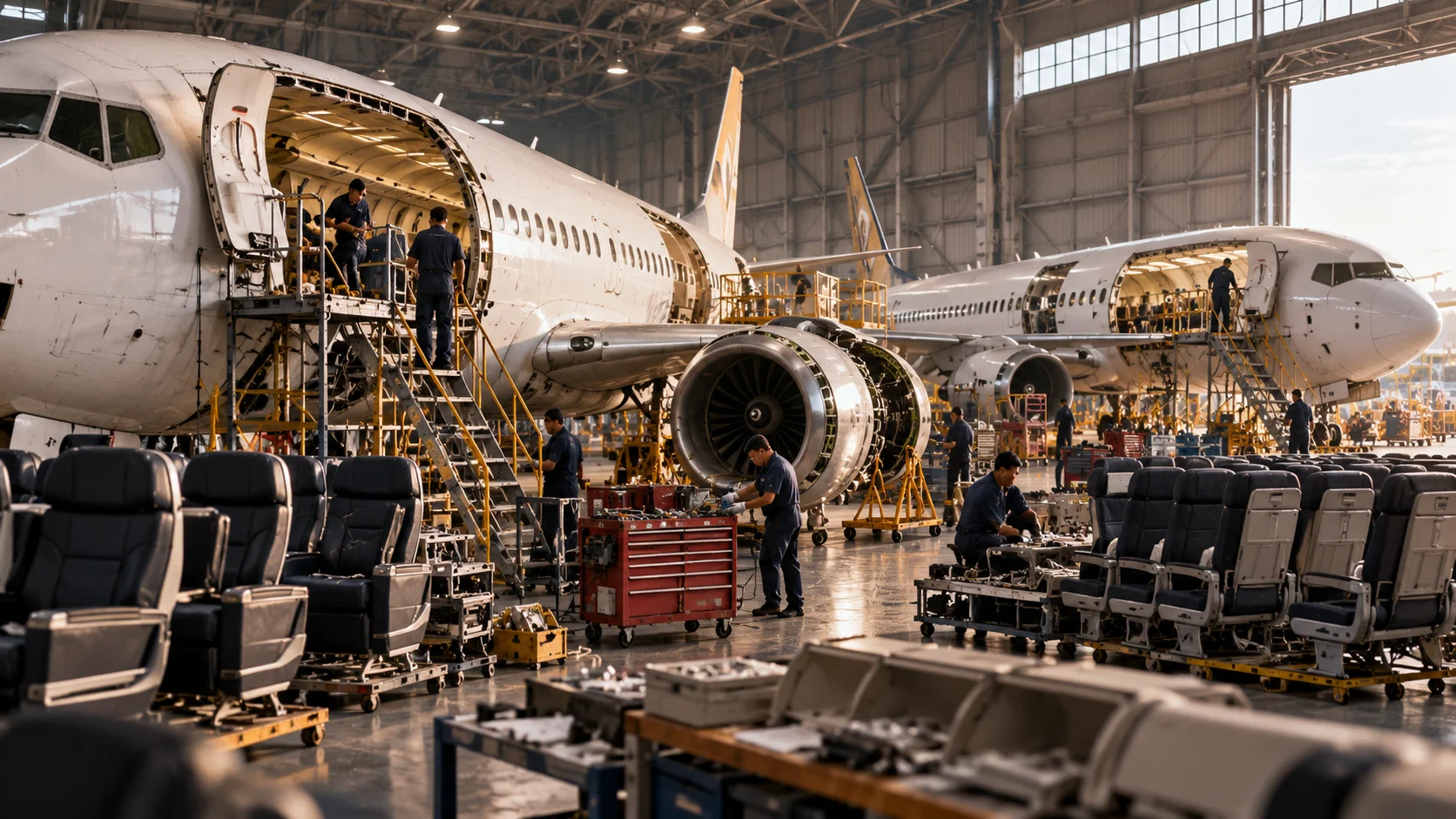
Stripping the airline down to the seat. The team pulled business class out of the two 737s, which took them from 124 seats to 148, charged for snacks and drinks, and sold tickets directly. Launch fares started as low as 9 ringgit, and a one-way flight from Kuala Lumpur to the resort island of Langkawi could cost about $3. The planes filled up, and within months the new owners had cleared their share of the debt4.
What was the decision or moment after which nothing was the same?
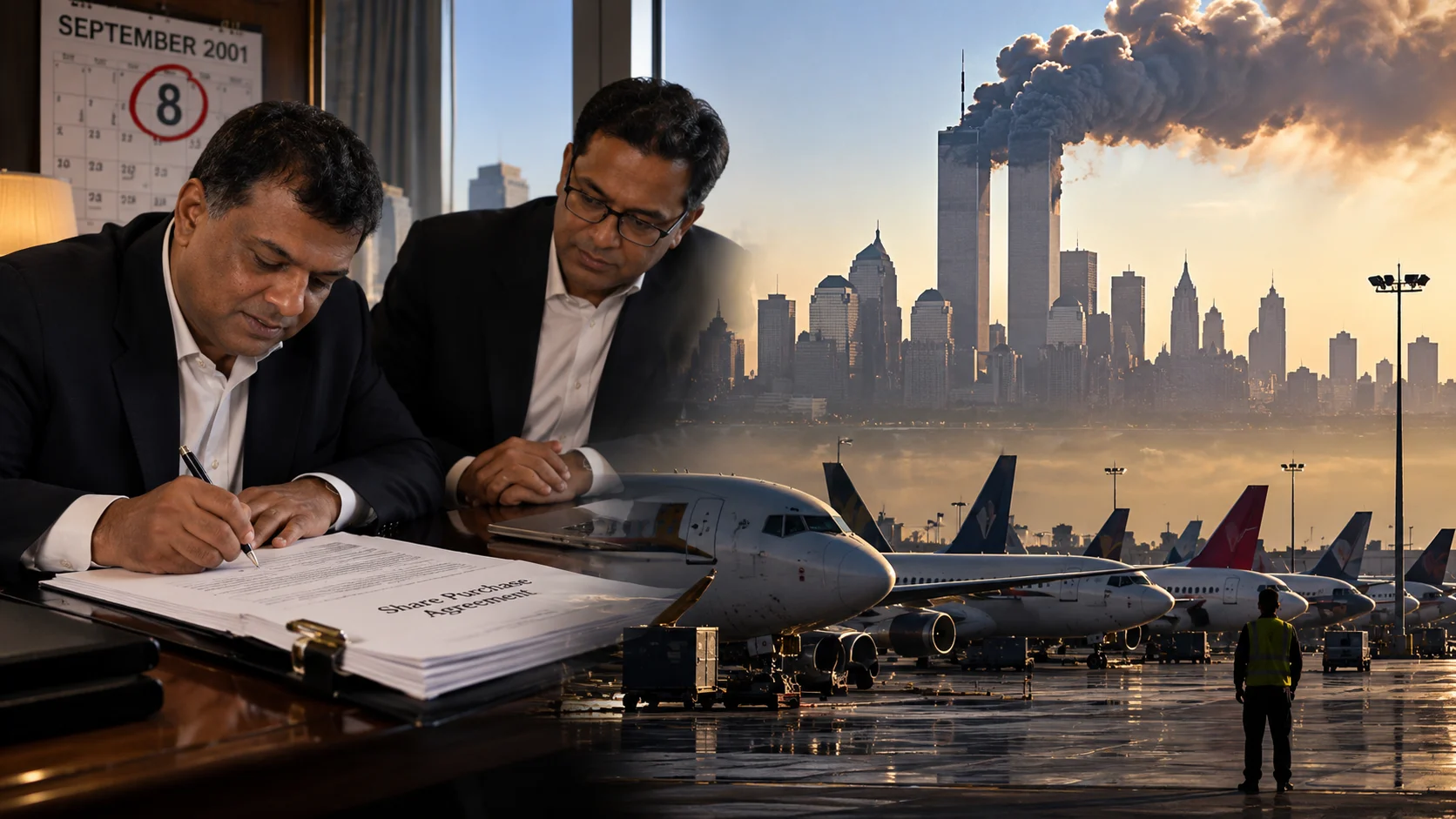
September 8, 2001, when Fernandes and Kamarudin5 signed the deal. Three days later, hijacked planes hit the World Trade Center and the Pentagon, and airlines around the world began laying off staff and parking jets. Kamarudin asked whether they should still go through with it. They did. Leasing a plane suddenly cost about 40 percent less, experienced crews were looking for work, and the takeover closed on December 8, 2001.
What nearly killed it?
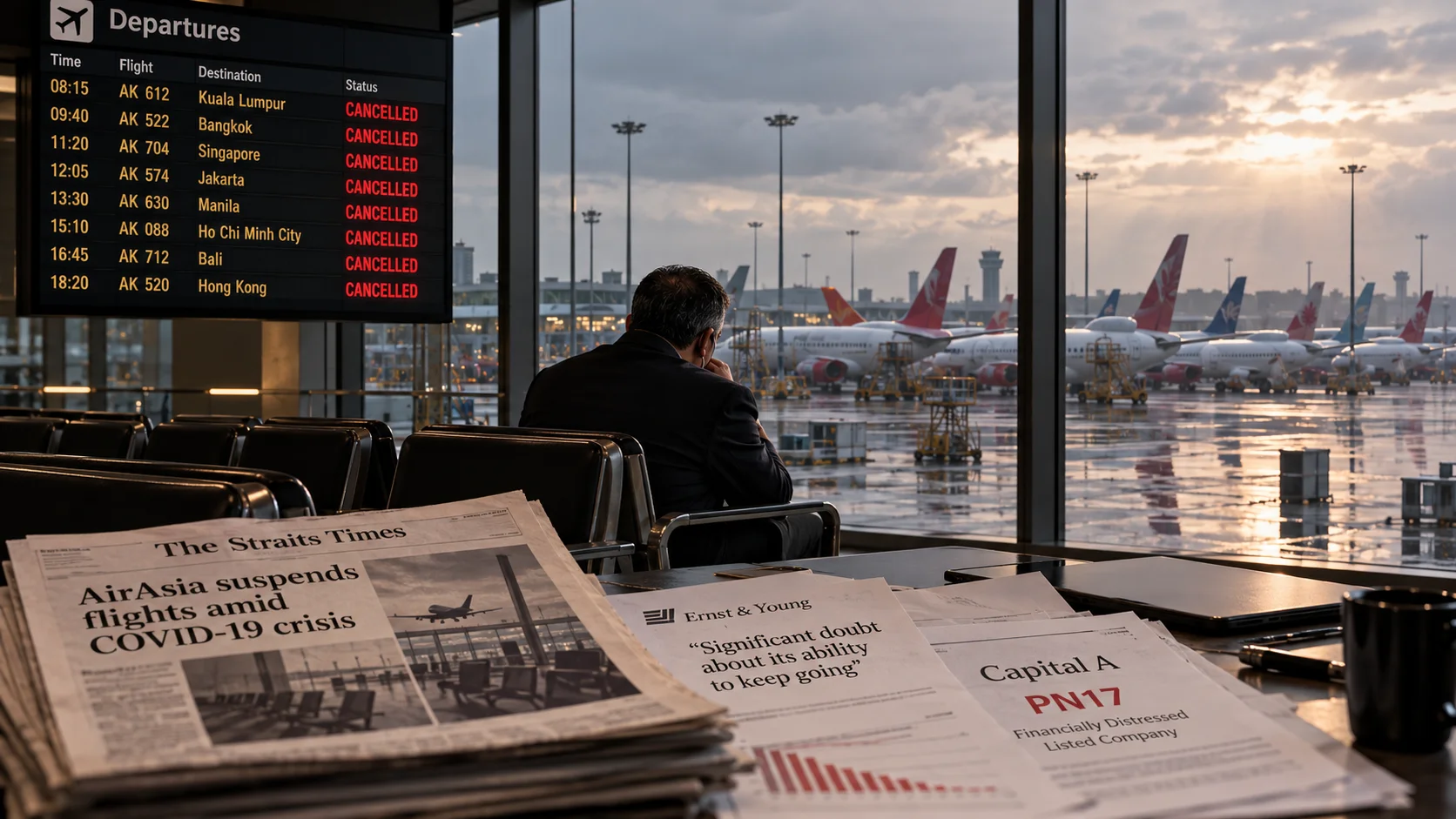
COVID-19. AirAsia suspended domestic flights for about a month in 2020, and in the second quarter its revenue fell 96 percent and it lost a record 992.9 million ringgit. Its auditor, Ernst & Young, warned there was "significant doubt" about its ability to keep going. The parent company, renamed Capital A, spent years under Malaysia's PN17 designation for financially distressed listed companies6. It finally sold its airlines to its long-haul sister, AirAsia X, in January 2026. "Giving up was not an option," Fernandes said, "and we chose to rebuild the right way."
What happened that he couldn't have planned for?
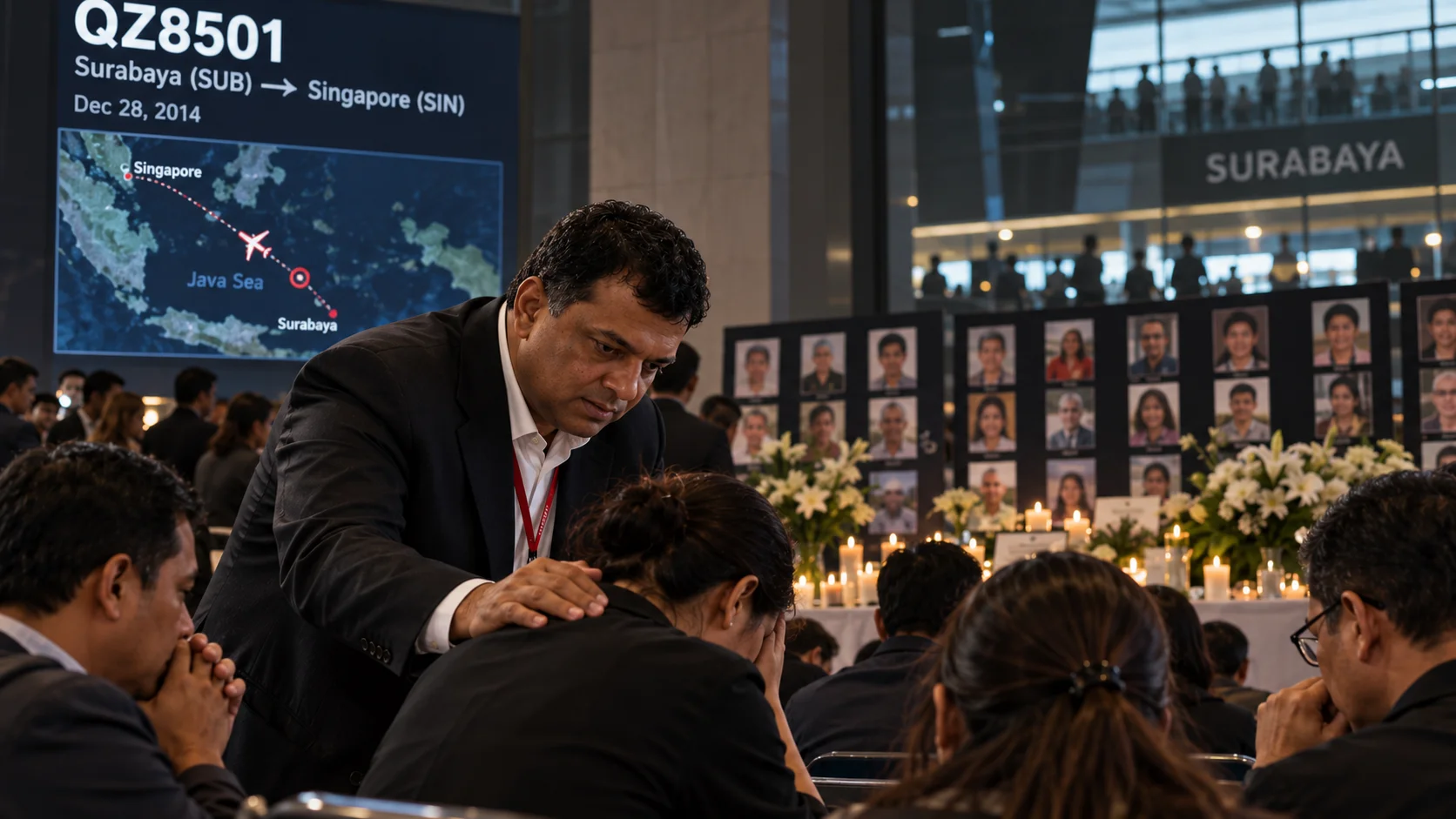
The crash of Flight QZ8501. On December 28, 2014, an Indonesia AirAsia Airbus A320 flying from Surabaya to Singapore went down in the Java Sea with 162 people aboard. "This is my worst nightmare," Fernandes posted that morning. The company turned its red logo gray, and he went to Surabaya to tell the families waiting at the airport that everything possible was being done.
What showed that he was human after all?
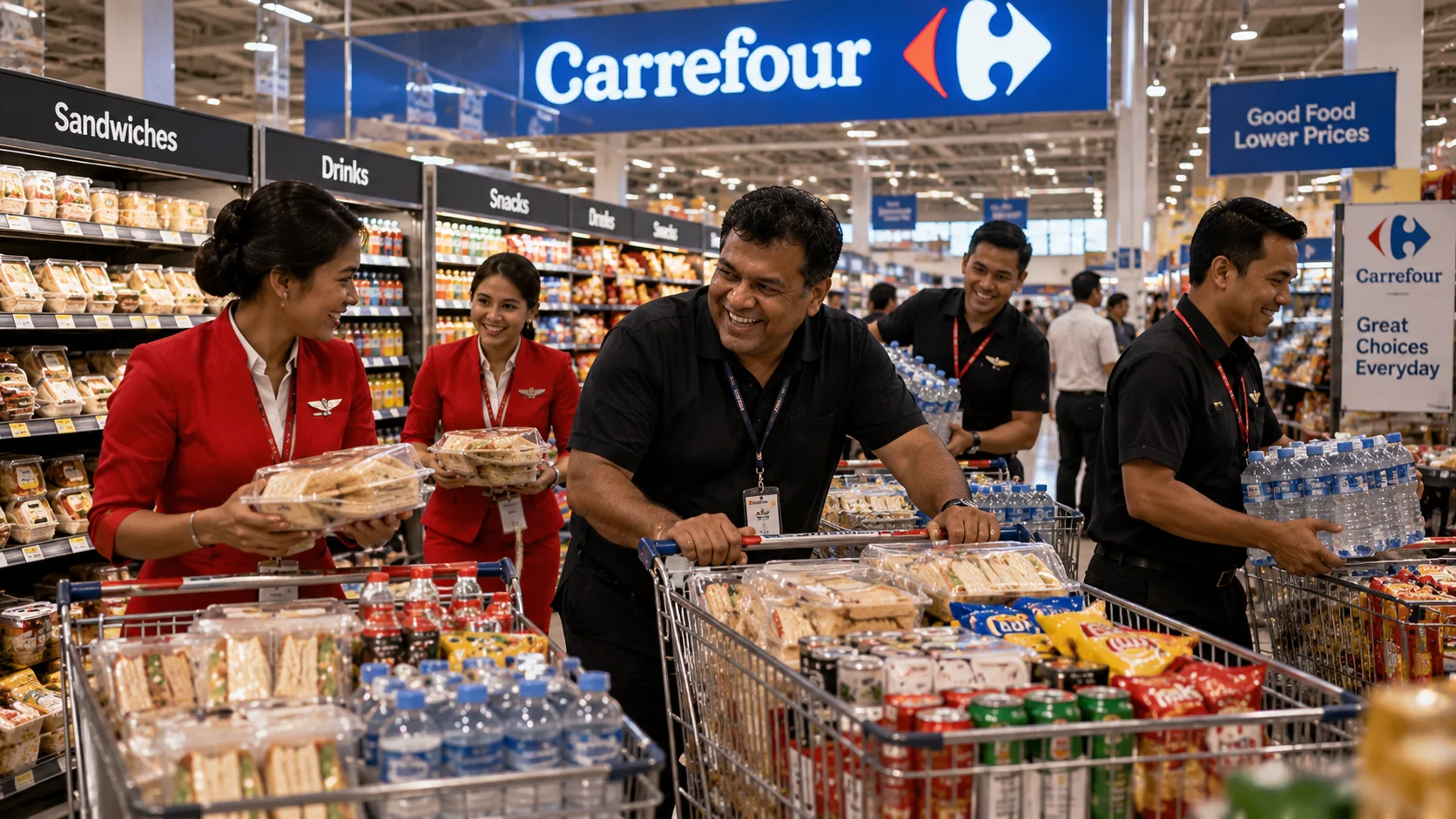
The groceries. Just before AirAsia's first flight in January 2002, he realized there was no food on board, so he took the crew to a Carrefour supermarket and bought about $2,000 worth of sandwiches and drinks. In the airline's early years he also pushed cabin trolleys and unloaded baggage himself, to hear what passengers thought.
What was the change he brought about?
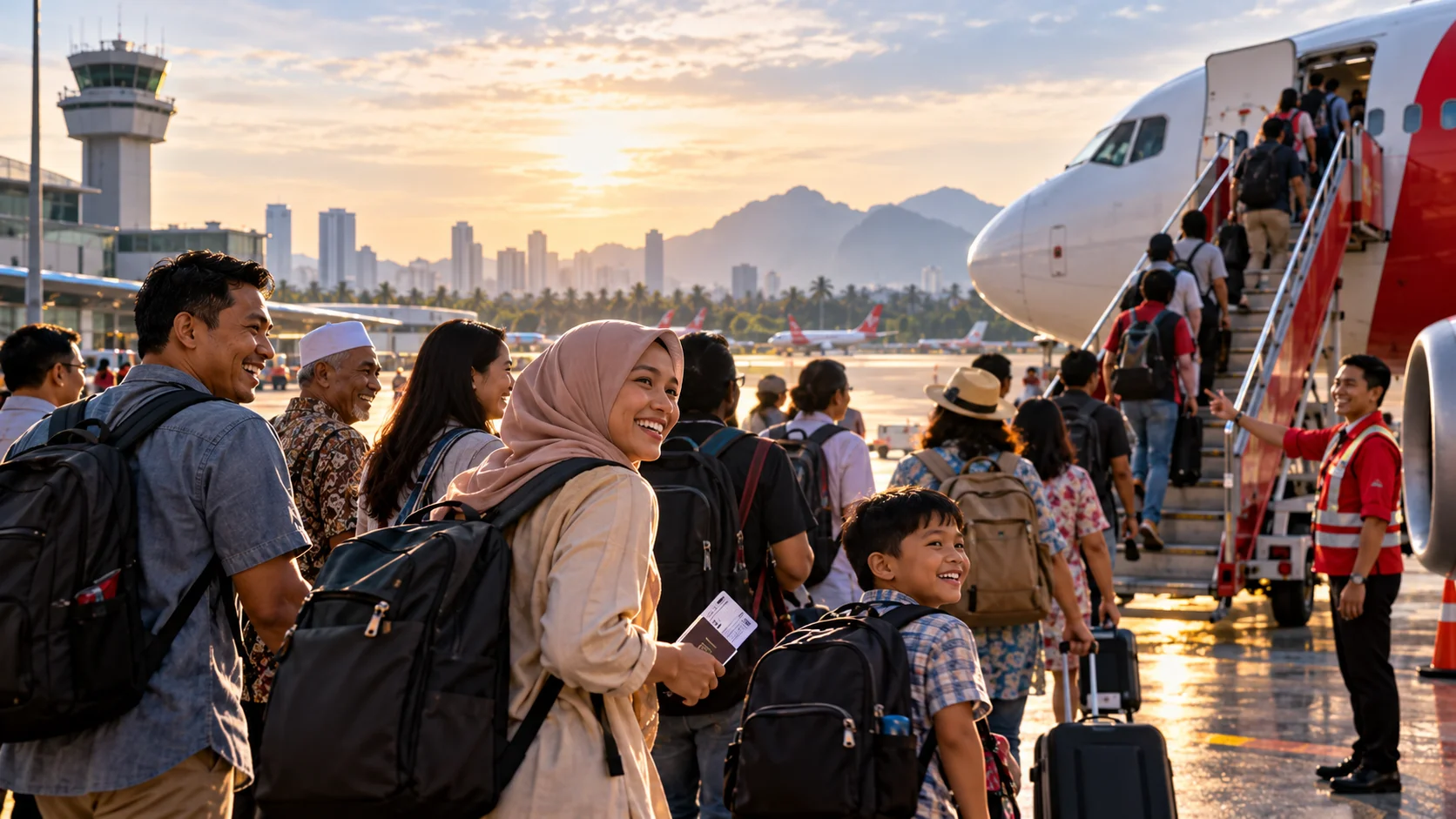
AirAsia's slogan was "Now Everyone Can Fly," and for a large share of its customers it was literally true. By March 2018 the airline had carried 500 million passengers7, and it said about 60 percent of them were flying for the first time. Low-cost carriers became an ordinary way to travel across Southeast Asia.
What did he believe that most reasonable people around him did not?
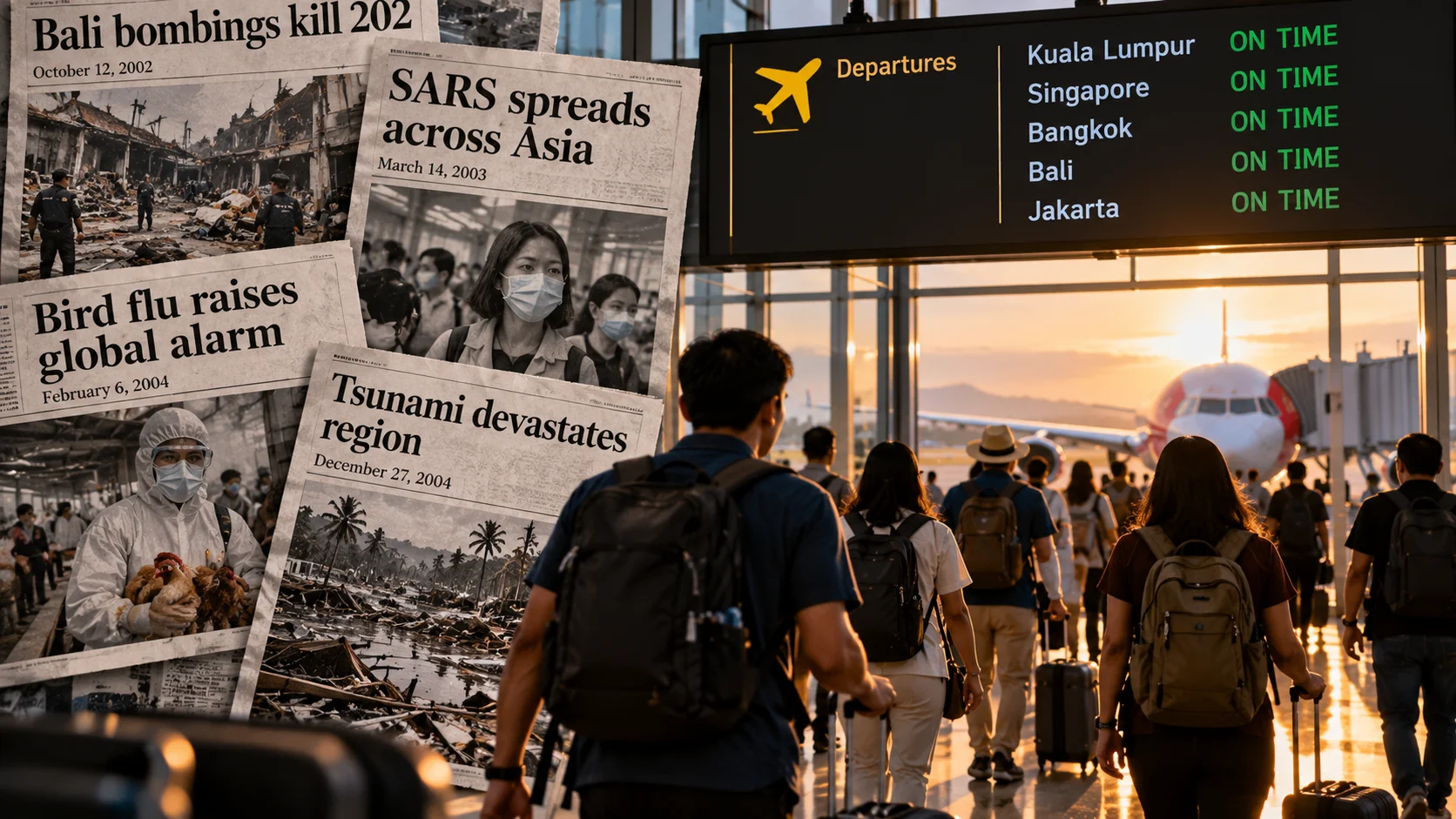
That people would keep flying through almost anything if the fare was low enough. AirAsia's early years ran straight into the 2002 Bali bombings, SARS, bird flu, and the 2004 tsunami. "Sars was the worst, because nobody wanted to fly," he said. "But I knew Malaysians well enough." In 2002, a year after the purchase, he was already predicting that "the tyranny of traditional airlines is about to end."
What did his trek cost him?
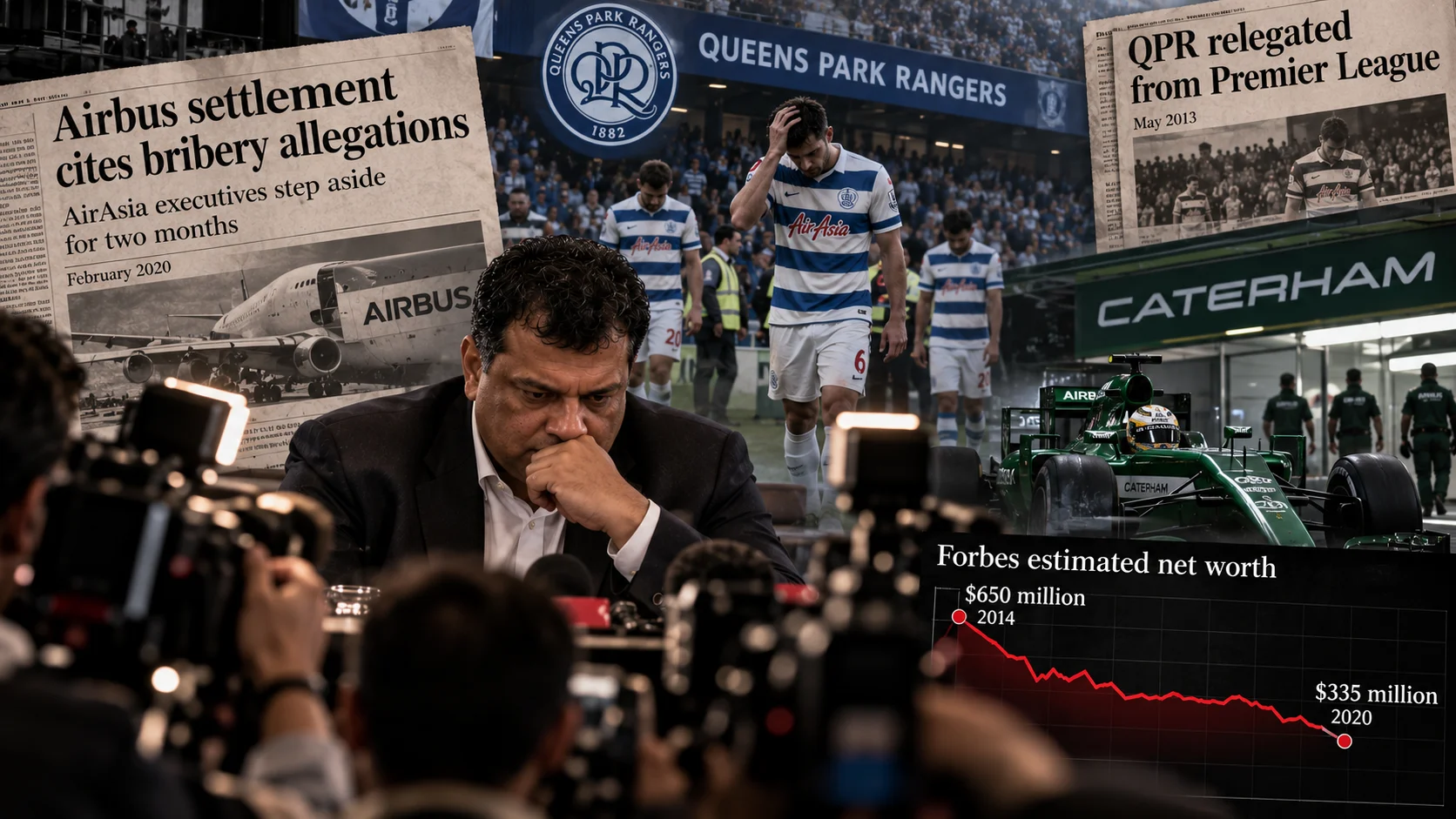
His reputation, for a time, and a good part of his fortune. In February 2020, Fernandes and Kamarudin stepped aside for two months while AirAsia investigated bribery allegations that surfaced in Airbus's settlement with British prosecutors8, and they were reinstated that March. His outside ventures cost him too. Queens Park Rangers, the London soccer club he bought in 2011, was relegated from the Premier League in 2013, and his Formula One team was sold in 2014. Forbes estimated his net worth at $650 million in 2014 and $335 million in 2020.
What's the takeaway?
Start with a problem you've felt yourself. At 13, Fernandes couldn't get his parents to pay for another flight home from school. About four decades later, his airline had carried 500 million passengers, and 60 percent of them were flying for the first time. The best markets often begin as one person's frustration, taken seriously enough to fix for everyone else.
Timeline
-
1964-04-30—Born in Kuala Lumpur.
-
1970—Plays piano at his mother's Tupperware parties at 6.
-
1976—Starts at Epsom College in England.
-
1987—Becomes financial controller at Virgin Communications in London.
-
1989—Joins Warner Music.
-
1999-12—Becomes Warner Music's vice president for Southeast Asia.
-
2001-07—Leaves Warner Music.
-
2001-09-08—Signs the deal to buy AirAsia with Kamarudin Meranun for one ringgit plus its debt.
-
2001-12-08—The takeover closes.
-
2002-01—AirAsia relaunches as a low-cost airline.
-
2004-02—Thai AirAsia begins flying.
-
2004-11—AirAsia lists on the Malaysian stock exchange; the offering is oversubscribed by 130 percent.
-
2004-12-08—Indonesia AirAsia relaunches as a low-cost carrier.
-
2008—Fuel hedges nearly wipe out AirAsia's cash after the financial crisis.
-
2010—His Formula One team, Lotus Racing, makes its debut.
-
2011-08-18—Becomes majority owner of Queens Park Rangers.
-
2013-04-28—QPR is relegated from the Premier League.
-
2013-05-13—Richard Branson works as a flight attendant on AirAsia after losing a Formula One bet.
-
2014-07-02—Sells his Formula One team.
-
2014-12-28—Indonesia AirAsia Flight QZ8501 crashes, killing all 162 people aboard.
-
2017—Publishes his memoir, Flying High.
-
2018-03—AirAsia carries its 500 millionth passenger.
-
2020-02—Steps aside for two months during the Airbus bribery inquiry; reinstated on March 20.
-
2020—AirAsia posts a record quarterly loss as COVID-19 grounds flights.
-
2023-07-10—Announces he no longer owns shares in QPR.
-
2026-01—Capital A completes the transfer of its airlines to AirAsia X and finishes its PN17 regularization plan.
Side notes
-
The Branson bet—Before the 2010 season, Fernandes and Branson agreed that whoever's Formula One team finished lower in its debut season would work as a flight attendant on the other's airline. Branson's Virgin team finished two places behind Fernandes's Lotus, and after a skiing injury delayed it, he served passengers on a Perth to Kuala Lumpur flight in a red skirt. Learn more ↩
-
"I can steal an airline concept"—Fernandes was open about borrowing the European model. In 2007 he told Entrepreneur, "We're going to be the largest carrier in Asia, maybe even the world." Learn more ↩
-
Pahamin Rajab—A career civil servant who ran Malaysia's Road Transport Department from 1974 to 1998, Pahamin arranged Fernandes's meeting with Mahathir. When Pahamin died in 2023, Fernandes said, "There would be no AirAsia without Datuk Pahamin." Learn more ↩
-
The Ryanair connection—Conor McCarthy, Ryanair's former head of group operations, advised the new owners and held 5 percent of the holding company. His main advice was to master short-haul flying before attempting long-haul. Learn more ↩
-
Kamarudin Meranun—A former portfolio manager at Arab-Malaysian Merchant Bank with an MBA from Central Michigan University, Kamarudin has been Fernandes's partner since the purchase and became executive chairman of Capital A in 2018. Learn more ↩
-
The 2008 scare—AirAsia had come close before. When oil prices collapsed in the financial crisis, its fuel hedges went badly wrong and cut its cash from about 1 billion ringgit to between 5 and 10 million. It rebuilt its reserves within two years. Learn more ↩
-
The 500 millionth passenger—Dr. Panut Oprasertsawat, flying from Phuket to Bangkok's Don Mueang airport. In its first year under Fernandes, AirAsia had two planes and about 200 staff and carried roughly 200,000 passengers. Learn more ↩
-
What the inquiry found—Court documents from the British Serious Fraud Office's Airbus case alleged that two unnamed AirAsia executives were rewarded through a sports-team sponsorship tied to an order for 180 aircraft. An independent review by BDO Governance Advisory found the sponsorship had board approval, showed demonstrable benefits, and wasn't linked to any purchase decision. Learn more ↩