- He had 18 months of formal schooling and was fluent in five languages by 17.
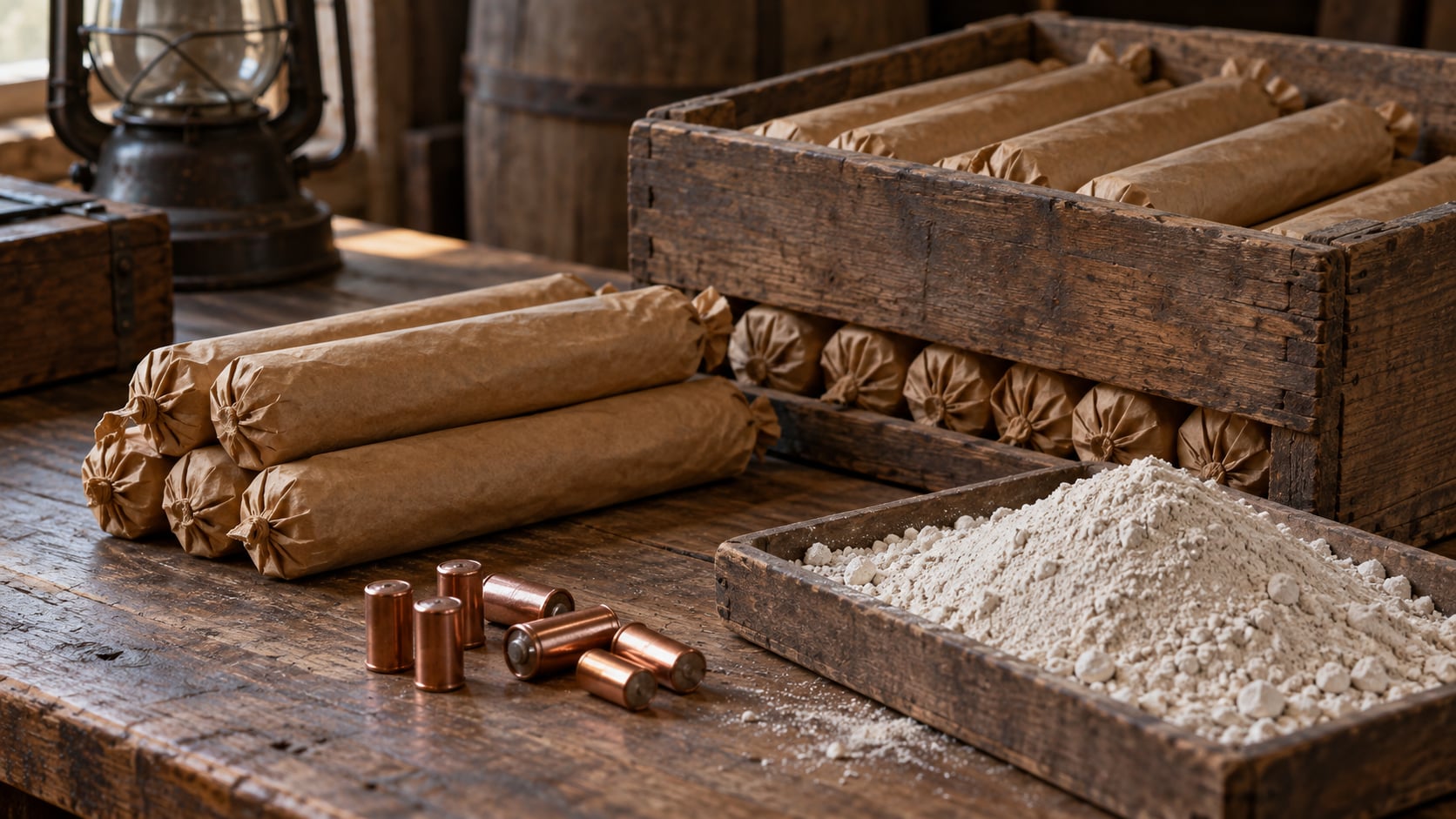
- Nitroglycerin mixed with diatomaceous earth turned into a paste that could be shipped safely.
- His secretary of eight days became a lifelong friend and won the 1905 Peace Prize.
Who was he—and what was he like before everyone noticed?
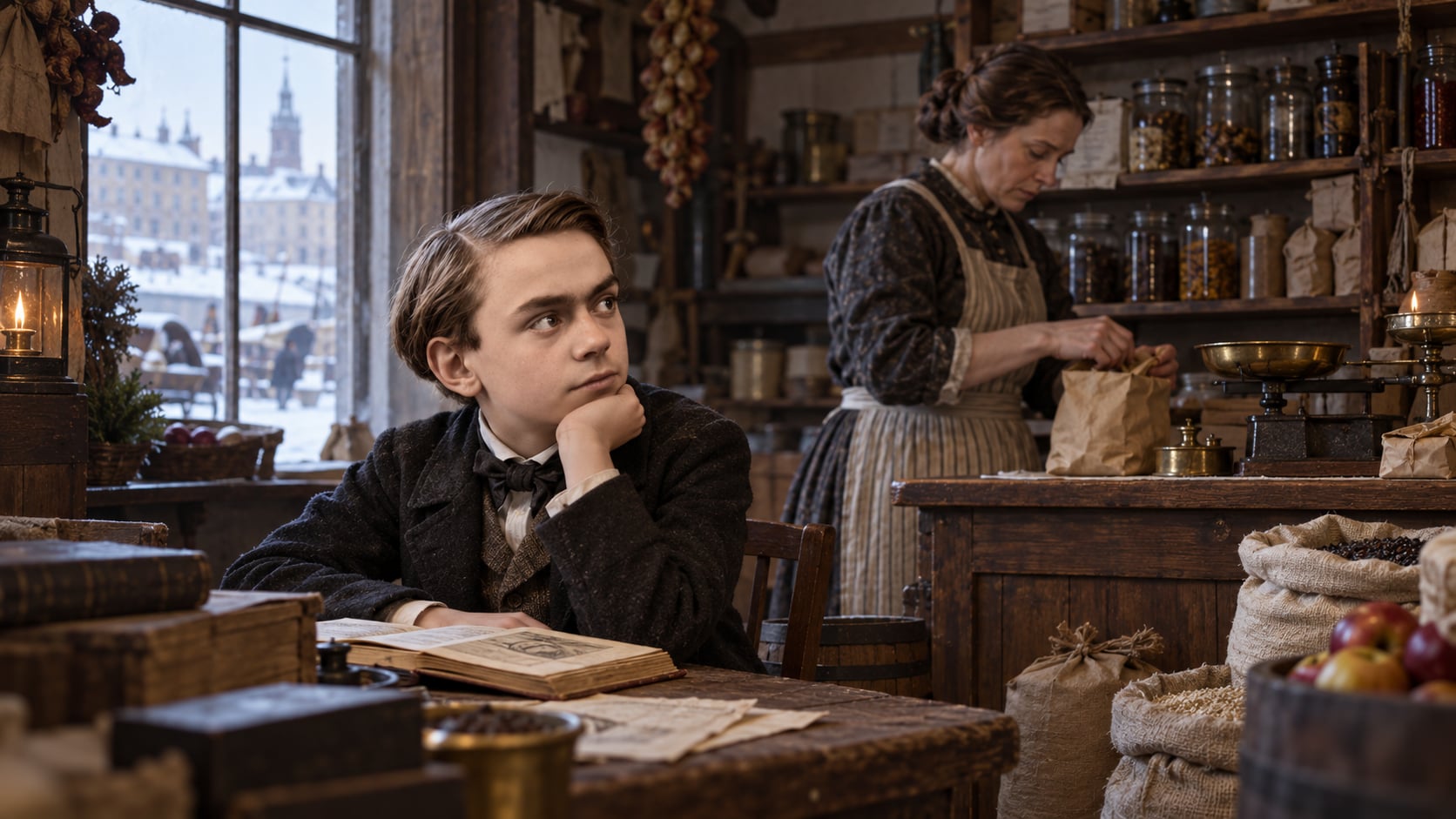
Alfred Bernhard Nobel was born on October 21, 1833, in Stockholm, to Immanuel Nobel, an engineer and inventor, and Andriette Ahlsell. Before anyone had heard of him he was a boy whose father went bankrupt the year he was born, after losing barges of building material. Immanuel left in 1837 to start over in Finland and Russia, and Andriette ran a grocery store to keep the family going until they joined him in Saint Petersburg in 1842.
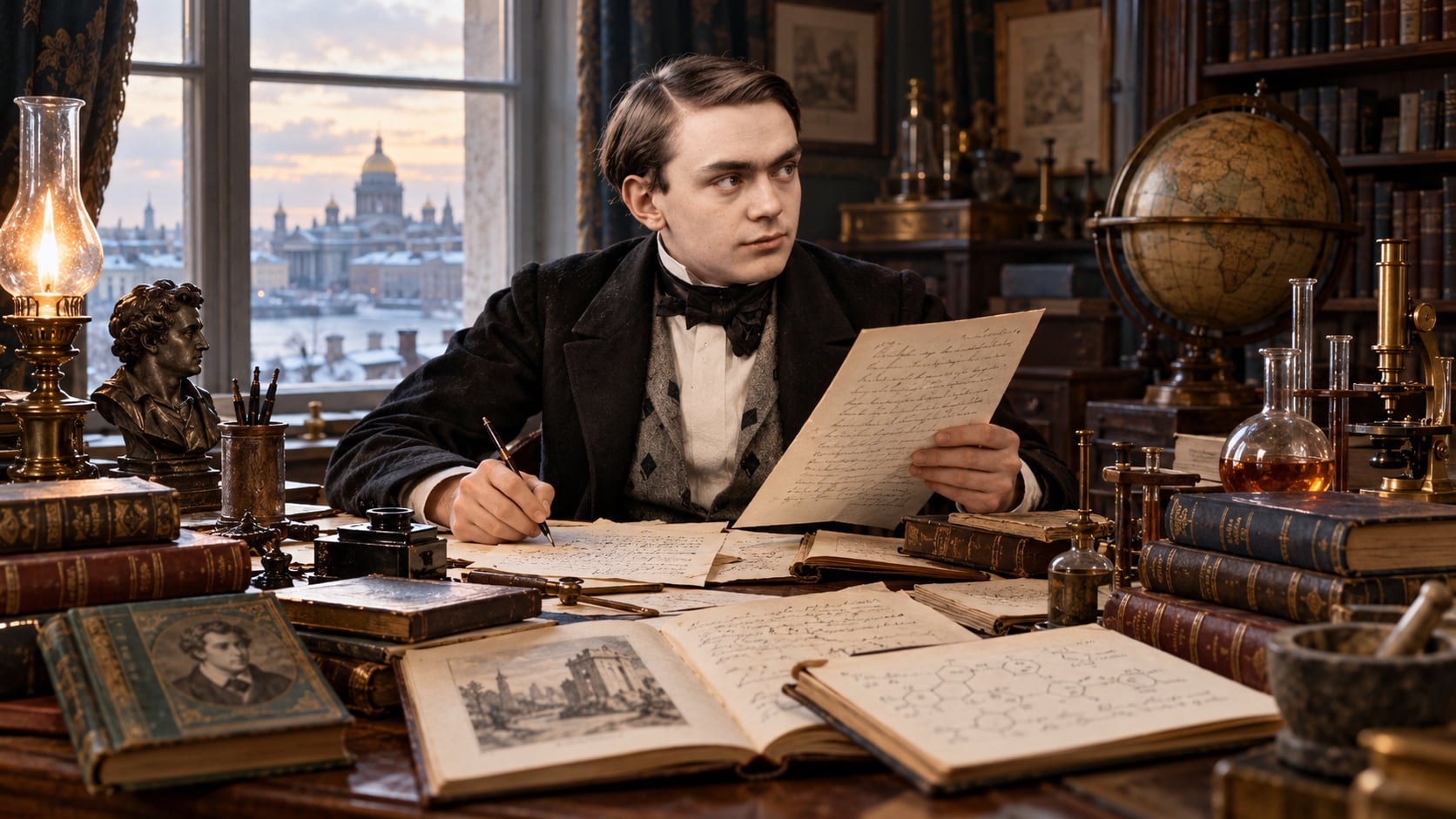
What did his life look like before his trek began?
An engineer's son who never went to university. He spent 18 months at the Jacobs Apologistic School in Stockholm, then learned from private tutors in Saint Petersburg and was fluent in five languages by 17. He read Byron and Shelley, and at 18 wrote an autobiographical poem in English1. Nikolai Zinin taught him chemistry and sent him to Jules Pélouze's laboratory in Paris; after a trip to the United States, where he met the engineer John Ericsson, he returned to the family firm in 1852.
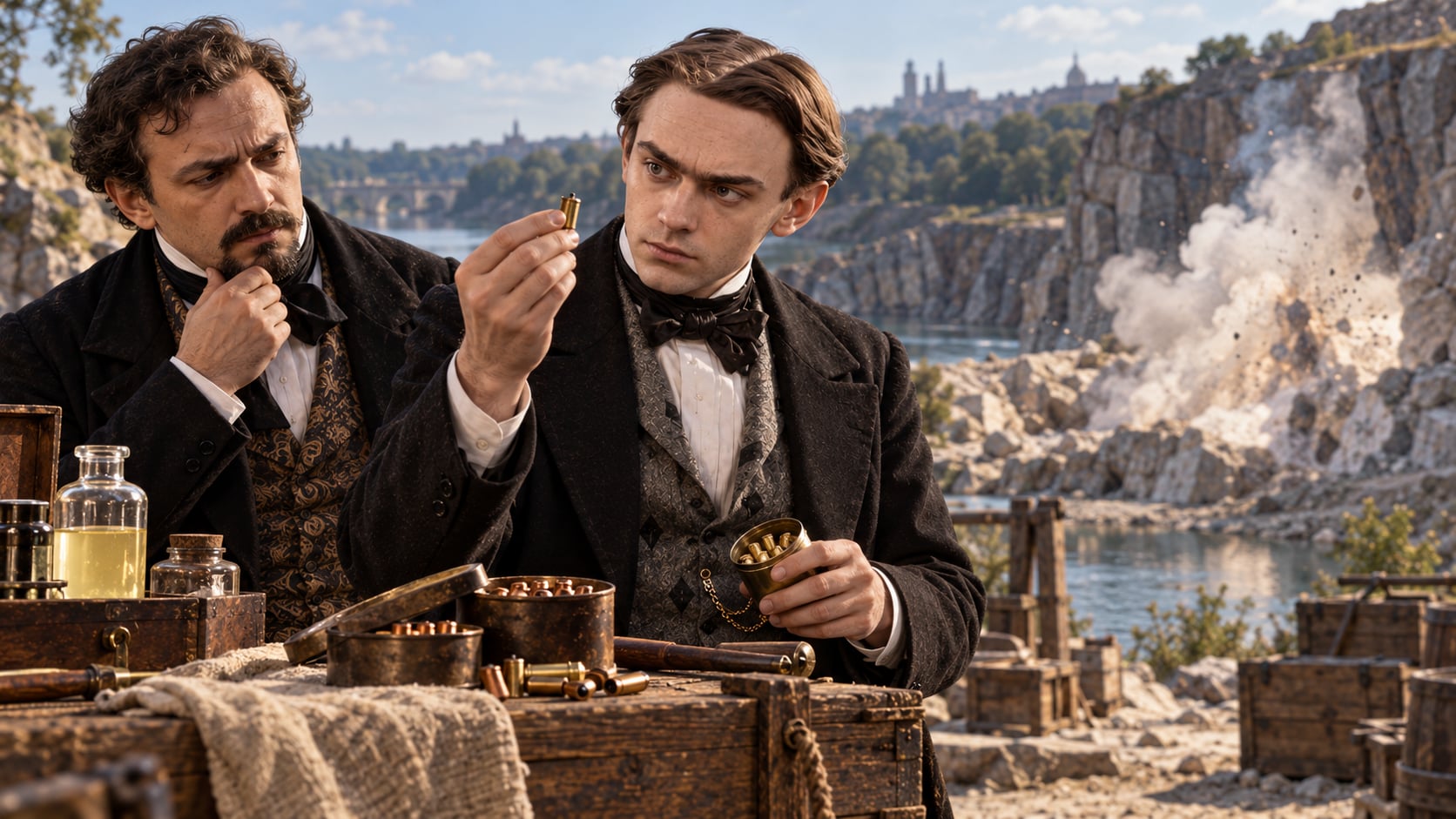
What did he see that other people didn't?
That nitroglycerin's problem was engineering. In Pélouze's laboratory he met Ascanio Sobrero2, who had made the first nitroglycerin in 1847 and considered it too dangerous for any practical use. Nobel looked at the same liquid and saw two faults to fix: it detonated unpredictably, and it went off under a knock. The blasting cap he invented answered the first.
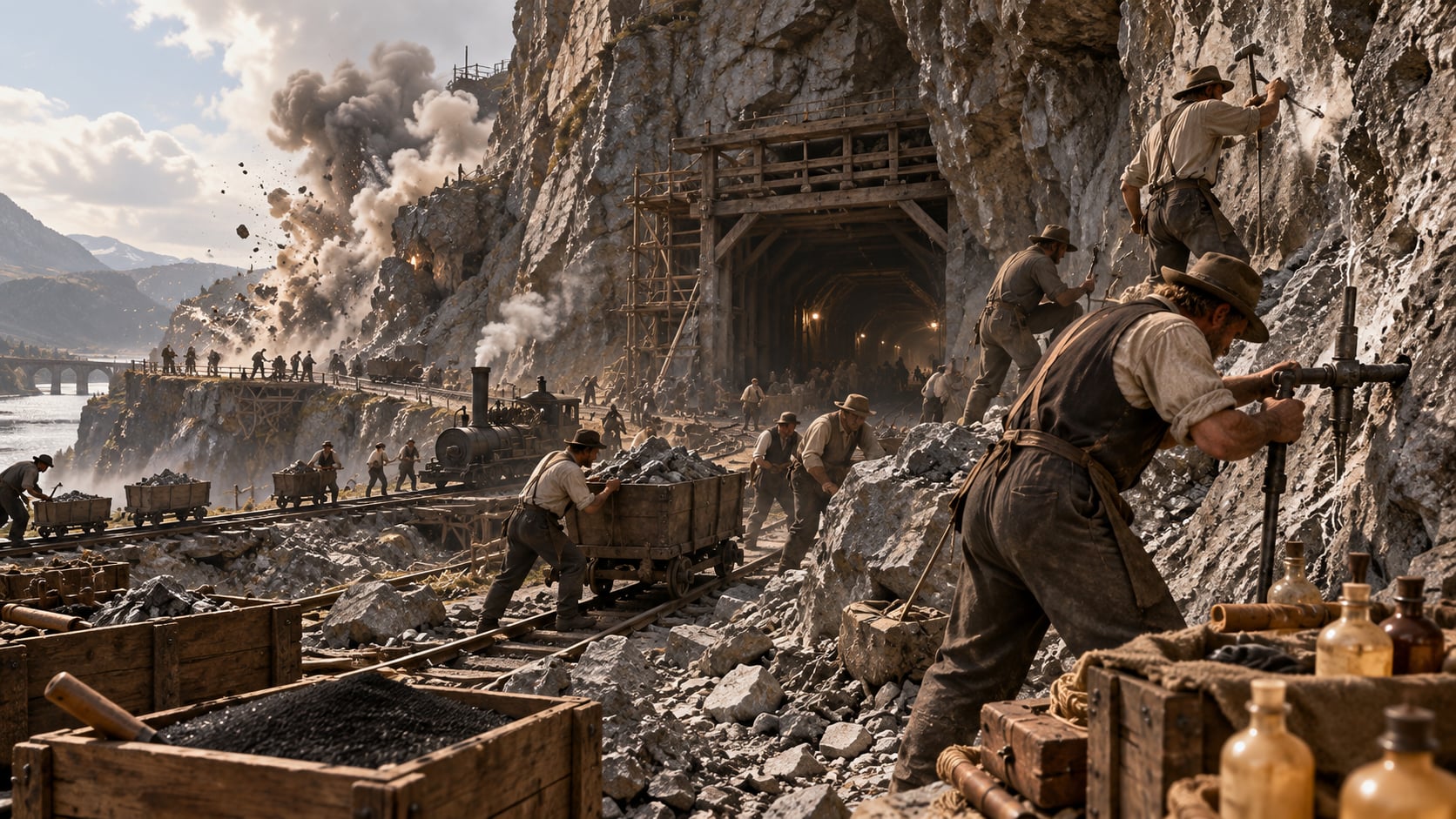
What problem became his obsession?
The nineteenth century needed to move a great deal of rock for railways, canals, mines, and tunnels. The tools available were black powder, which is weak, and nitroglycerin, which is far stronger. Between them sat a gap: nobody could deliver a large amount of energy to a precise place on demand.
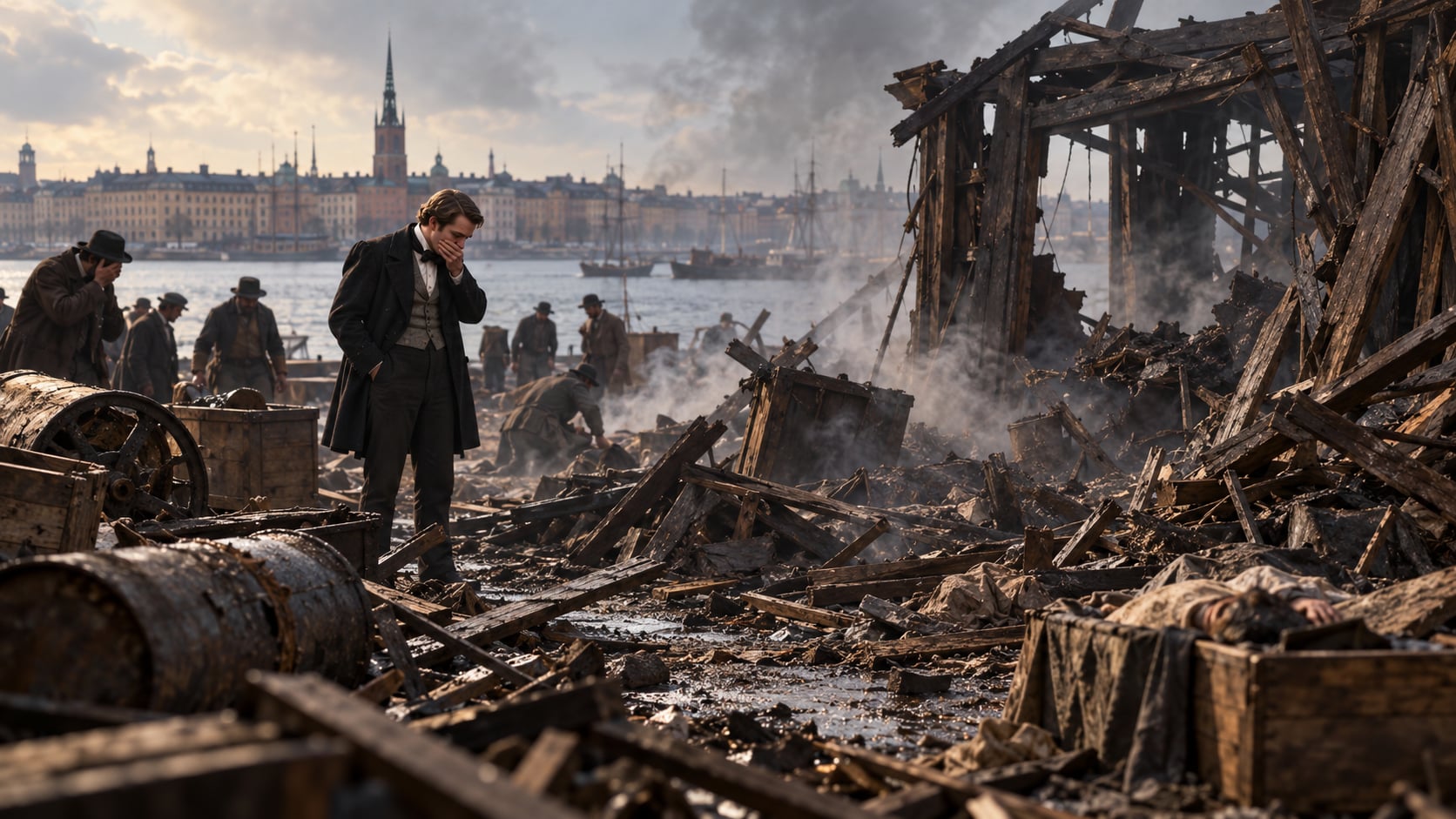
Why did this matter personally to him?
On September 3, 1864, a shed where nitroglycerin was prepared at Heleneborg, in Stockholm, exploded and killed five people, including his youngest brother, Emil. The city banned making nitroglycerin inside its limits. The safety work that produced dynamite came after it.
Where did the first money come from?
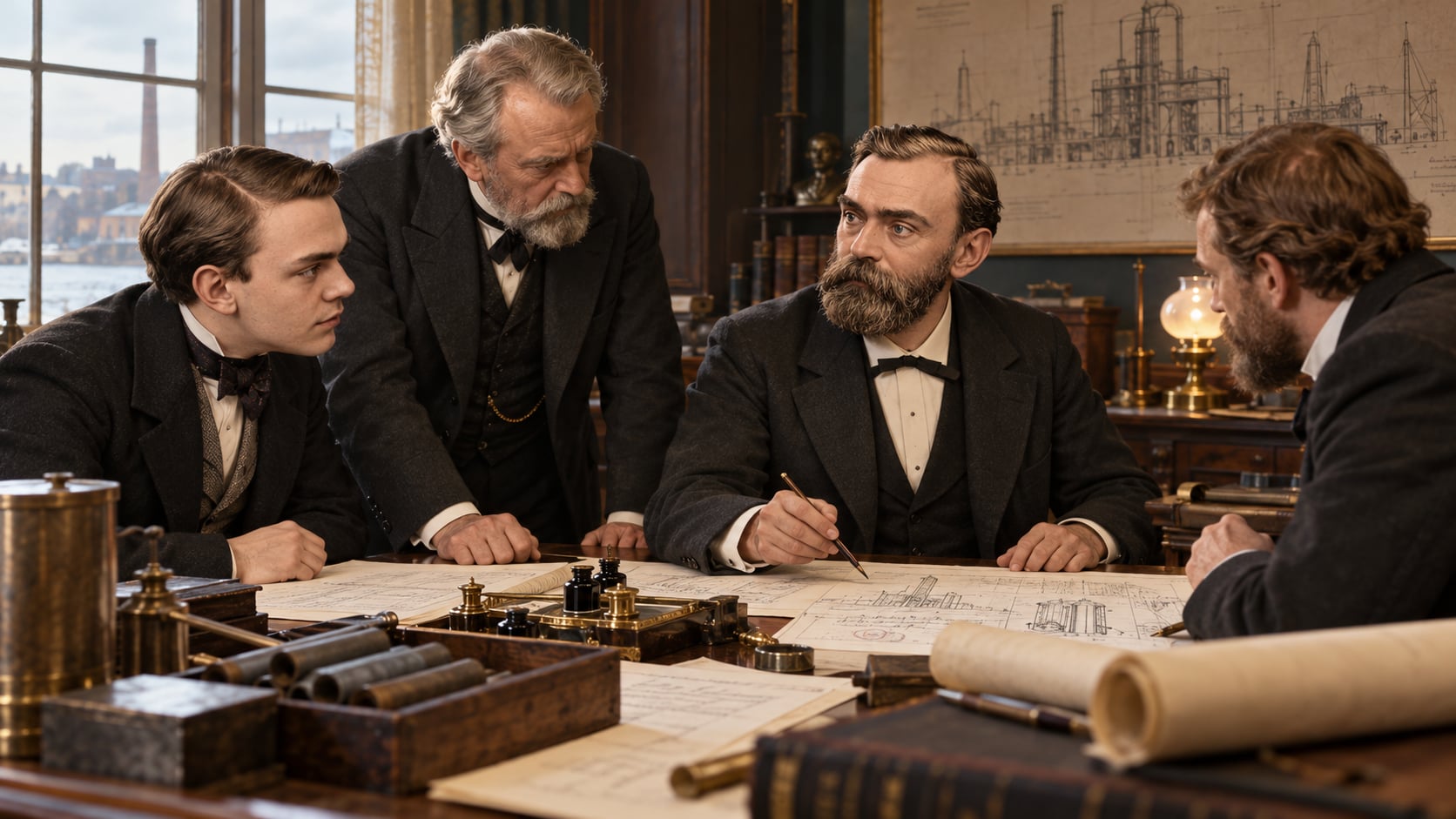
From partners, in a company formed less than three months after the explosion. Nitroglycerin Aktiebolaget3 was founded on November 28, 1864, with Alfred, his father, the Stockholm businessman J.W. Smitt, and the military engineer Carl Wennerström as shareholders. Alfred's contribution was the patent rights for making nitroglycerin.
What made the economics work?
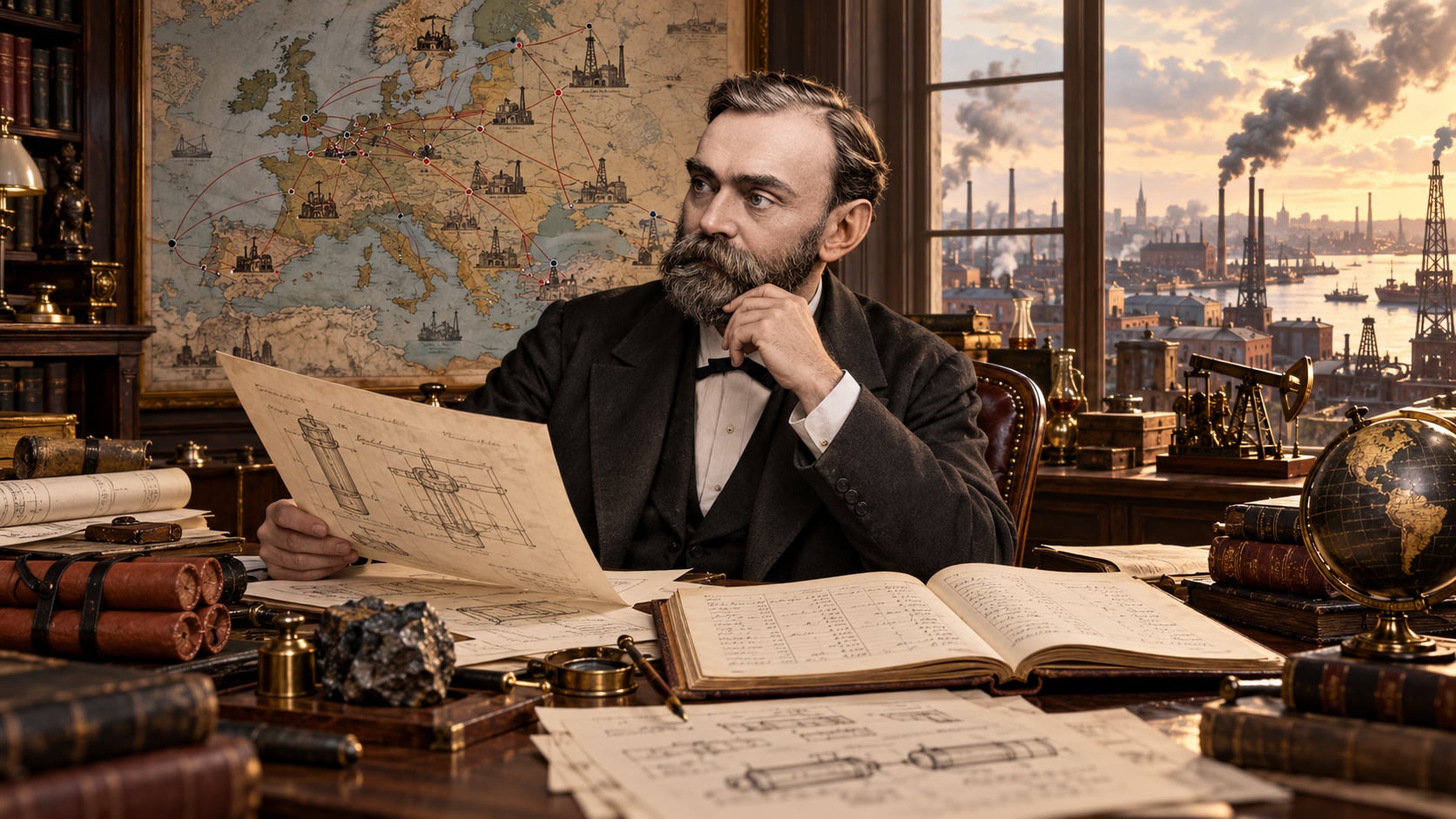
Patent first, then license, then build. Nobel held 355 patents by the end of his life, and his companies had set up more than 90 explosives and armaments factories4, so the invention stayed protected while manufacturing happened near each market. He also invested in Branobel, the Baku oil company founded by his brothers Ludvig and Robert, and made a great deal of money from it.
What was the decision or moment after which nothing was the same?
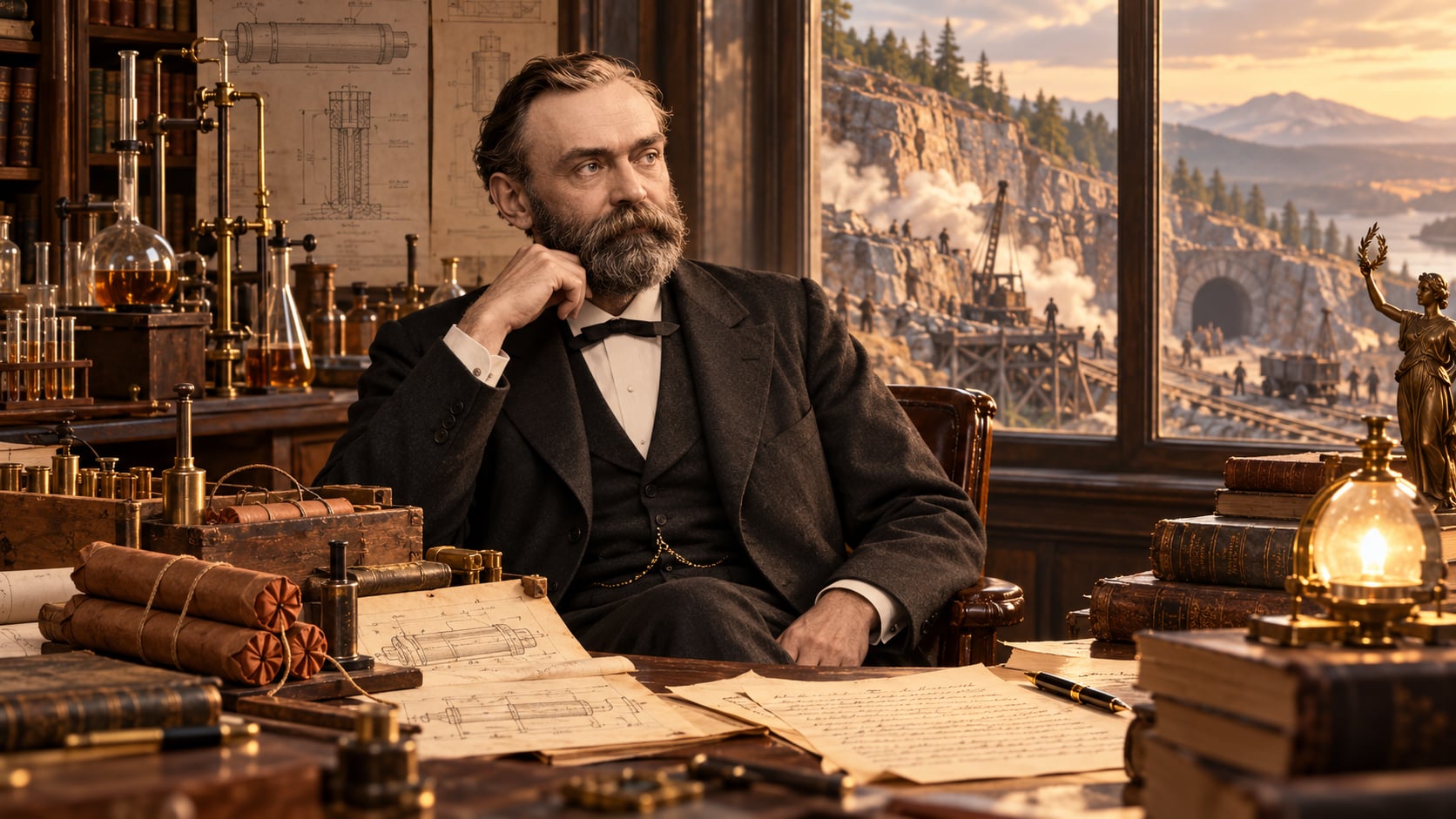
1867, and an absorbent. Mixing nitroglycerin with kieselguhr5, a diatomaceous earth, produced a soft paste that could be handled, shipped, and detonated on command. He patented it in Sweden as dynamite, from the Greek for power, and demonstrated it that year at a quarry in Redhill, Surrey.
What nearly killed it?
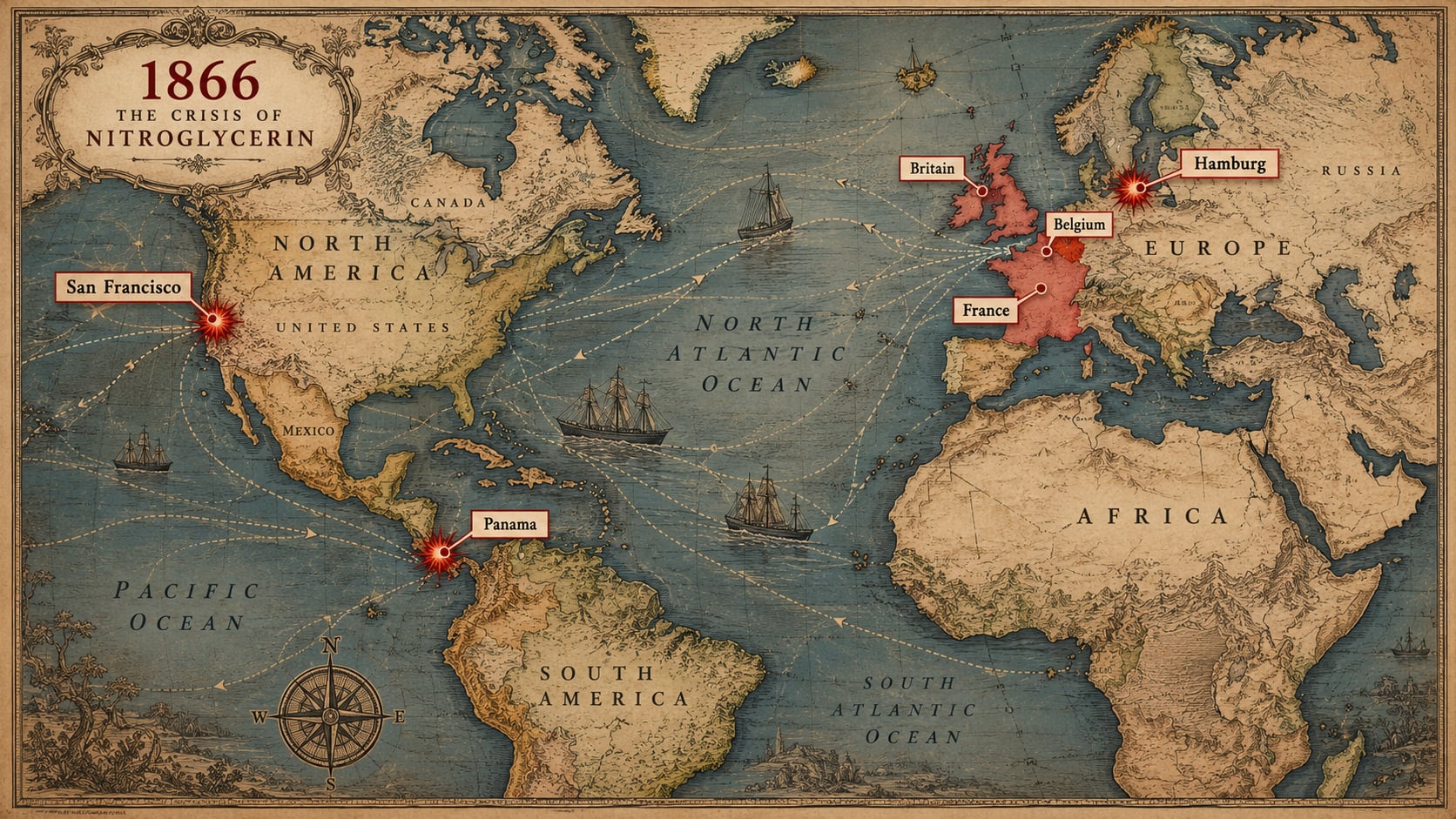
The year before dynamite. In April 1866 one shipment of nitroglycerin exploded in Panama, killing dozens of people, and another destroyed a Wells Fargo office in San Francisco; while Nobel was trying to salvage his business, his own factory near Hamburg blew up. Railroads and steamship lines refused to carry the liquid, and possession was close to outlawed in Britain, France, and Belgium.
What happened that he couldn't have planned for?
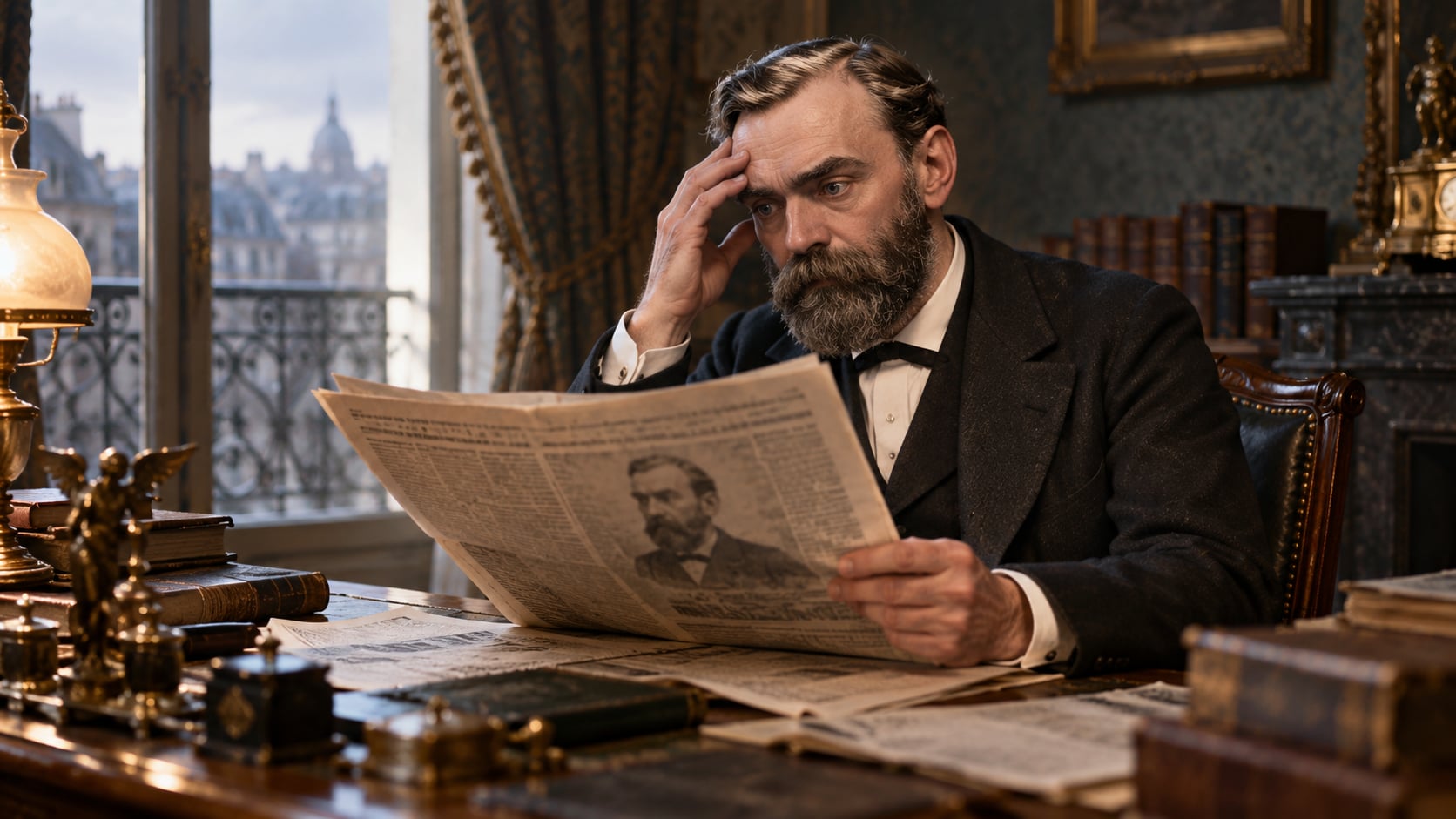
That a newspaper would bury him early. After his brother Ludvig died in France in 1888, Le Figaro mistook Alfred for him and printed an obituary on April 15, then retracted it the next day. Historians dispute whether that notice6 had any effect on his will.
What showed that he was human after all?
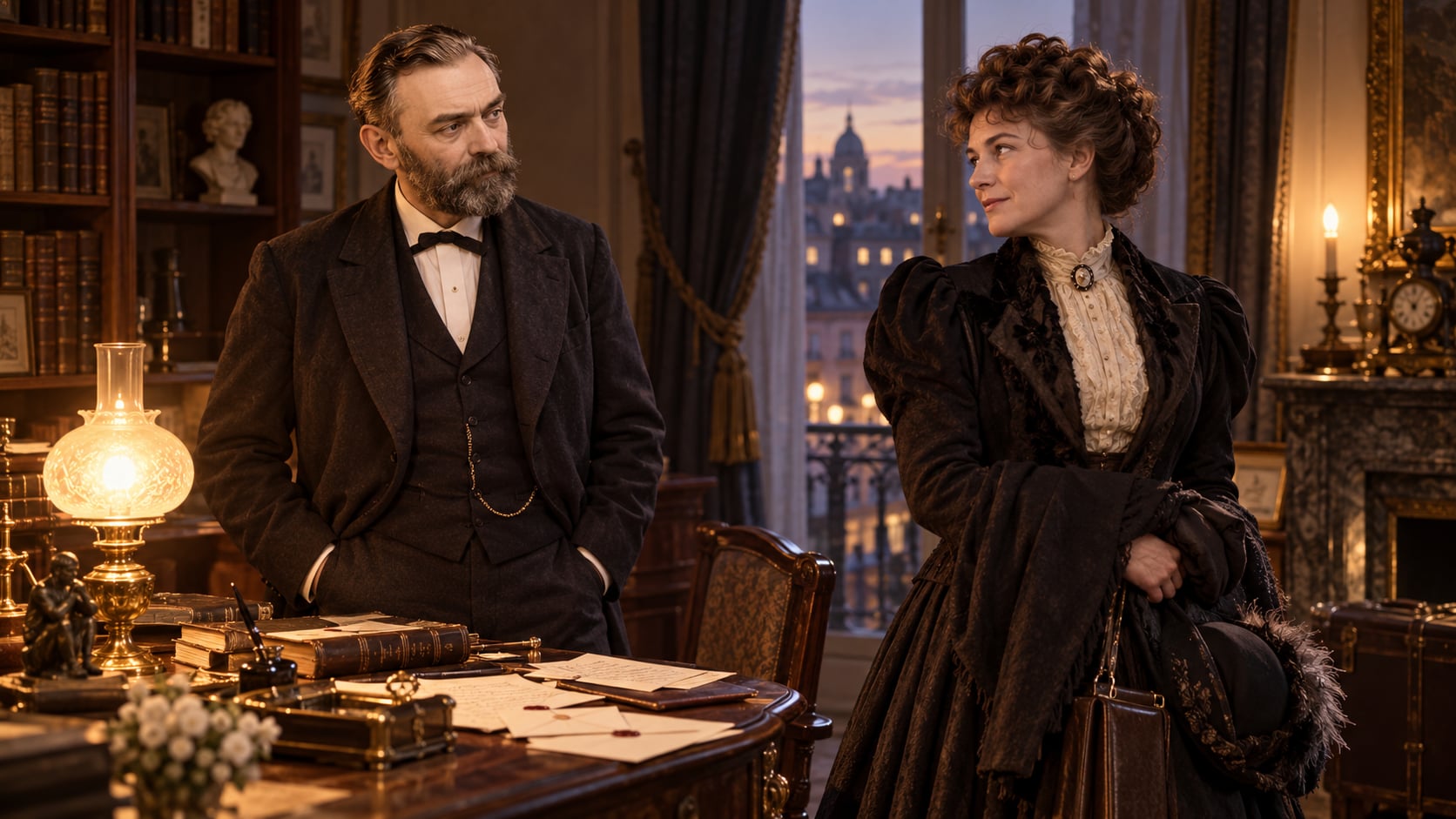
The secretary who left almost at once. In 1876 he advertised in Paris for a multilingual secretary and household manager, and the woman who took the job, Bertha von Suttner7, quit after eight days to marry Arthur von Suttner. The two wrote to each other until Nobel's death, and she is widely credited with turning him toward the peace movement. She won the Nobel Peace Prize in 1905.
What was the change he brought about?
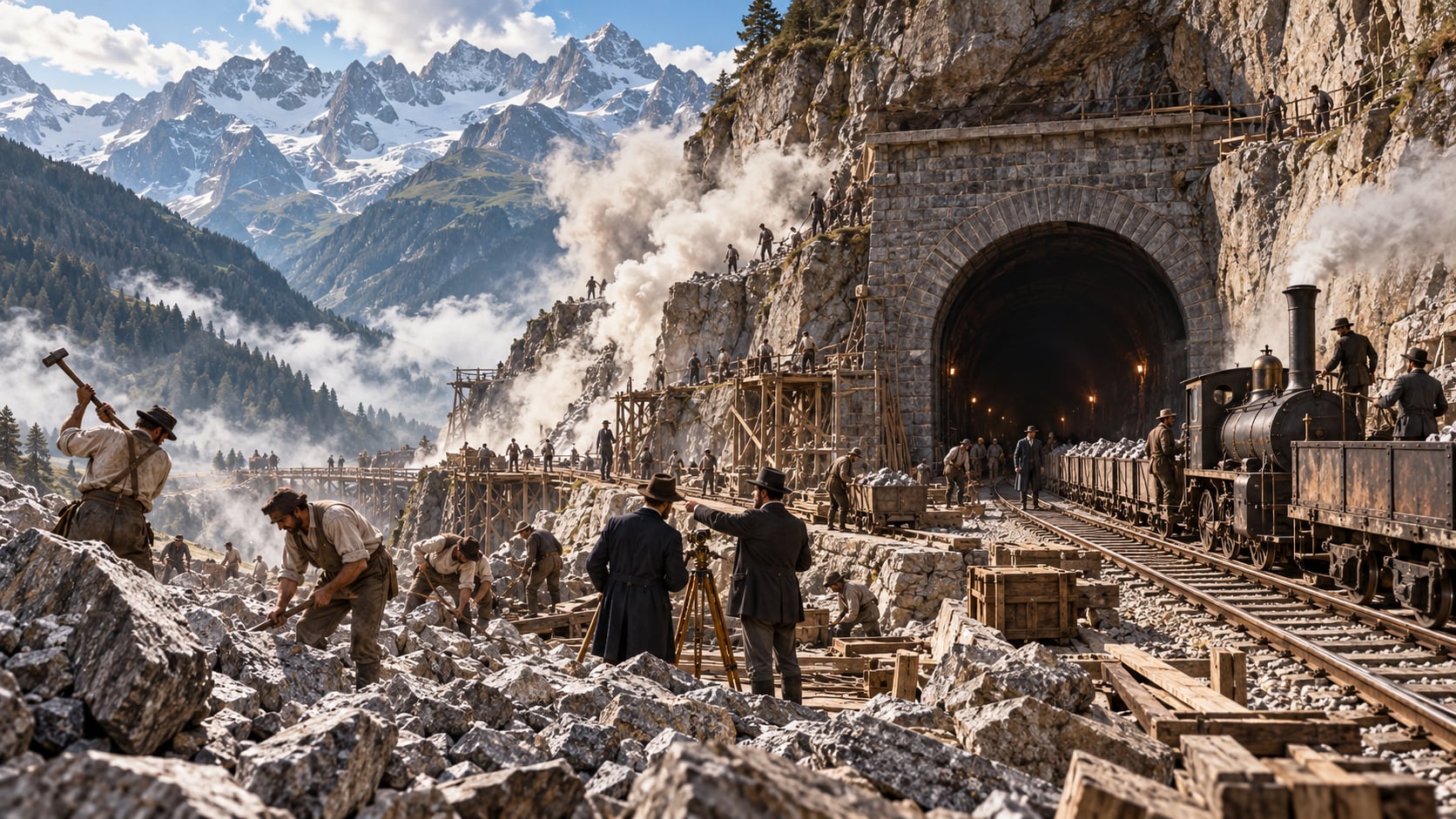
Dynamite gave engineers a way to move rock on demand, and the 15-kilometer Gotthard Rail Tunnel under the Alps, opened in 1882, was its first large-scale use8. Since 1901 the prizes created by his will have gone to more than 1,000 laureates.
What did he believe that most reasonable people around him did not?
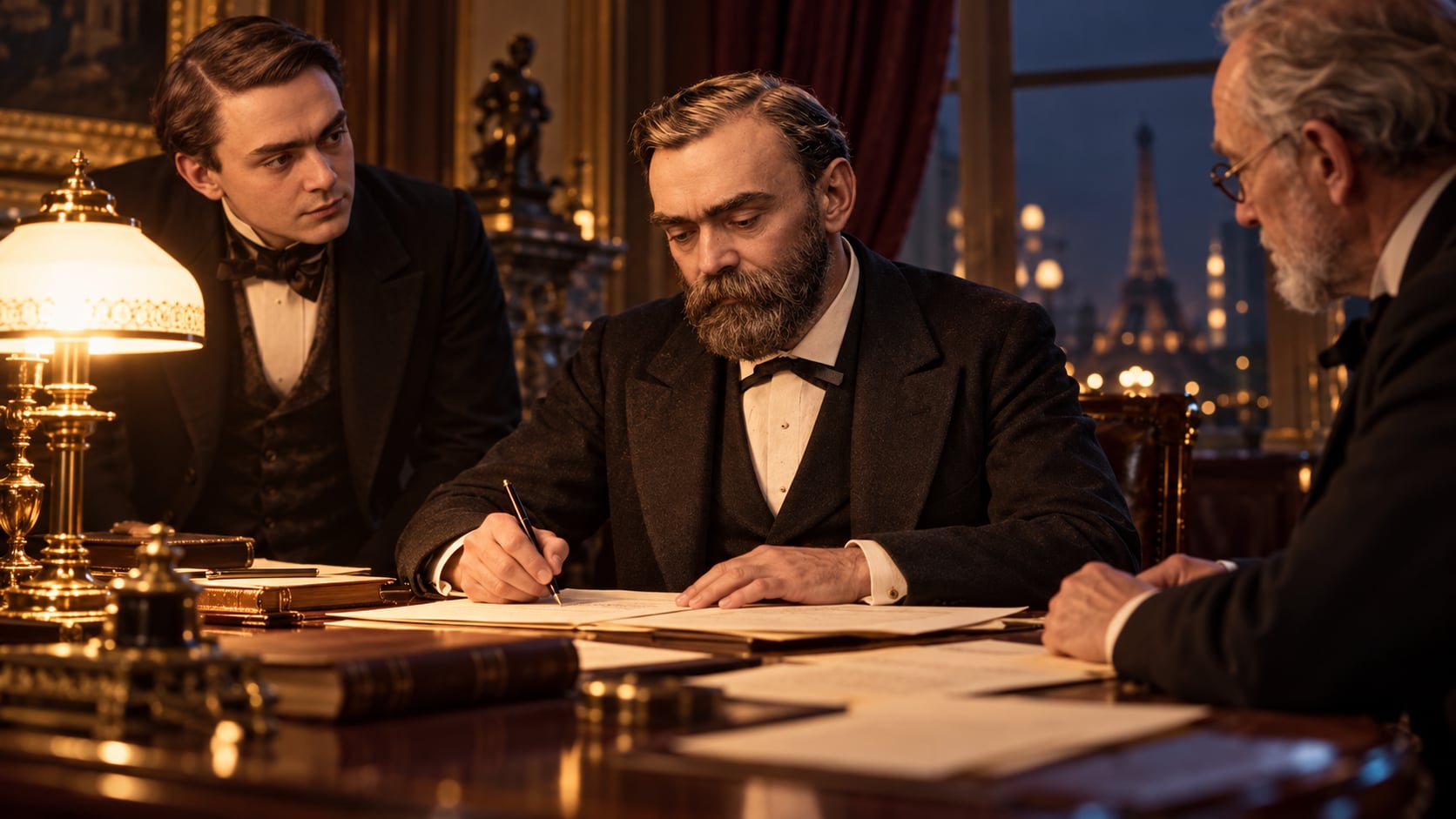
That the money should go to people he'd never met. Fortunes of his era passed to heirs; Nobel's will set up annual prizes in five fields, with the institutions he named choosing the winners and "no consideration" given to nationality. Relatives tried to have the will declared invalid, and King Oscar II initially took their side. The first prizes were awarded on December 10, 1901, five years after his death.
What did his trek cost him?
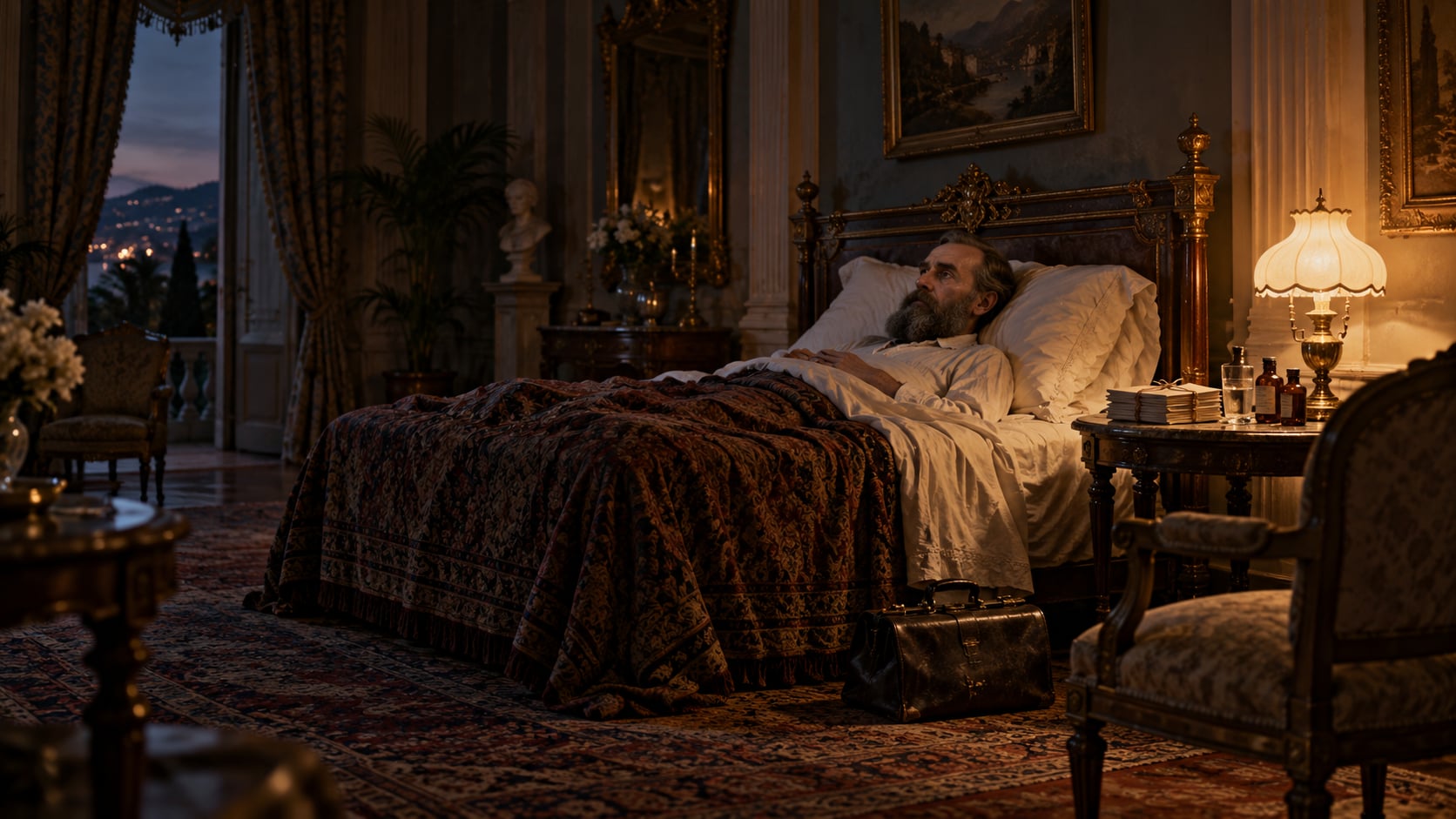
He never married. His 18-year relationship with Sofija Hess is documented in 221 letters and ended when she became pregnant by another man; he kept supporting her until she married the child's father. His health was poor for most of his life, with indigestion, headaches, occasional depression, and weeks at health resorts from 1854, and in his last years he had angina9. He suffered a stroke and died in San Remo at 2 a.m. on December 10, 1896, aged 63.

What's the takeaway?
When everyone agrees something is too dangerous to use, ask exactly what makes it dangerous. Sobrero called nitroglycerin unusable; Nobel listed its faults, treated each one as a specification, and engineered around them until a product existed that people would ship and buy. Then he made a second decision, near the end of his life, about what the money was for. His will sent most of the fortune into annual prizes in physics, chemistry, medicine, literature, and peace, and the awards that carry his name now reach well beyond the industry that paid for them. The takeaway is to make the thing everyone fears safe enough to use, and to decide while you still can what the fortune it creates will serve.
Timeline
-
1833-10-21—Born in Stockholm to Immanuel Nobel and Andriette Ahlsell.
-
1833—Immanuel Nobel is forced into bankruptcy after losing barges of building material.
-
1837—Immanuel leaves Stockholm to start over in Finland and Russia.
-
1841—Begins 18 months of schooling at the Jacobs Apologistic School.
-
1842—The family joins Immanuel in Saint Petersburg.
-
1850—At 17, works in Jules Pélouze's Paris laboratory and meets Ascanio Sobrero.
-
1852—Returns to the family firm in Saint Petersburg after training abroad.
-
1857—Files his first patent, for a gas meter.
-
1864-09-03—The Heleneborg shed explodes, killing five people including his brother Emil.
-
1864-11-28—Nitroglycerin Aktiebolaget is founded.
-
1865—The company receives permission to build a factory at Vinterviken.
-
1866-04—Nitroglycerin shipments explode in Panama and San Francisco.
-
1867—Patents dynamite in Sweden and demonstrates it at a quarry in Redhill, Surrey.
-
1876—Patents blasting gelatin and hires a secretary, Bertha von Suttner, who leaves after eight days.
-
1882—The Gotthard Rail Tunnel, built with dynamite, opens.
-
1887—Patents ballistite.
-
1888-04-15—Le Figaro prints a premature obituary and retracts it the next day.
-
1894—Acquires Bofors-Gullspång and Björkborn Manor.
-
1895-11-27—Signs his final will at the Swedish-Norwegian Club in Paris.
-
1896-12-10—Dies of a stroke in San Remo, aged 63.
-
1900-06-29—King Oscar II approves the statutes of the Nobel Foundation.
-
1901-12-10—The first Nobel Prizes are awarded.
-
1905—Bertha von Suttner wins the Nobel Peace Prize.
Side notes
-
The play he left behind—Late in life Nobel printed Nemesis, a tragedy about Beatrice Cenci; according to Sveriges Radio, relatives who found its violence and sex scandalous destroyed most copies, though a few survived. Learn more ↩
-
Sobrero's regret—Sobrero said he was "almost ashamed to admit to be its discoverer," and he was distressed when the Nobel family began selling it commercially. Nobel openly credited him as the inventor. Learn more ↩
-
A barge on Lake Mälaren—Production began provisionally on an old barge on Lake Mälaren. In 1865 the company received official permission to move to Vinterviken, an isolated inlet opposite Stora Essingen. Learn more ↩
-
How fast it grew—Dynamite production reached 11 tons in its first year, 185 tons three years later, and more than 3,000 tons a year by 1874. In the United States, the Giant Powder Company licensed Nobel's American rights. Learn more ↩
-
What failed first—Before kieselguhr, Nobel tried black powder, charcoal powder, wood flour, sawdust, and cement as absorbents, and none was acceptable. He sold dynamite in two grades, No. 1 with 75 percent nitroglycerin and No. 2 with 64 percent. Learn more ↩
-
The origin story—Historians haven't found an original copy of the notice, so the widely repeated "merchant of death" wording is unverified. Biographer Kenne Fant argues Nobel grew preoccupied with his posthumous reputation, while the Nobel Foundation says the science prizes may trace to an 1868 award from the Royal Swedish Academy of Sciences. Learn more ↩
-
"Inform me, convince me"—Nobel was skeptical of peace societies and wrote to Suttner: "Inform me, convince me, and then I shall do something great for the movement." She was nominated every year from 1901 and became the first woman to receive the prize. Learn more ↩
-
Where the dynamite came from—A plant at Ascona, founded in 1873 and licensed to make Nobel's dynamite, produced about half a million kilograms of explosives, mostly for the Gotthard works. A December 1874 explosion there killed a 23-year-old worker. Learn more ↩
-
"The irony of fate"—His doctors recommended nitroglycerin for his heart disease in 1890, and he declined. In October 1896 he wrote to Ragnar Sohlman: "Isn't it the irony of fate that I have been prescribed N/G 1, to be taken internally!" Learn more ↩