- He missed university during the Cultural Revolution and earned an MBA at 46.
- Sichuan farmers washing sweet potatoes in their machines got a washer built for vegetables.
- In 2021 he stepped down and declined any role in nominating new directors.
Who is he—and what was he like before everyone noticed?
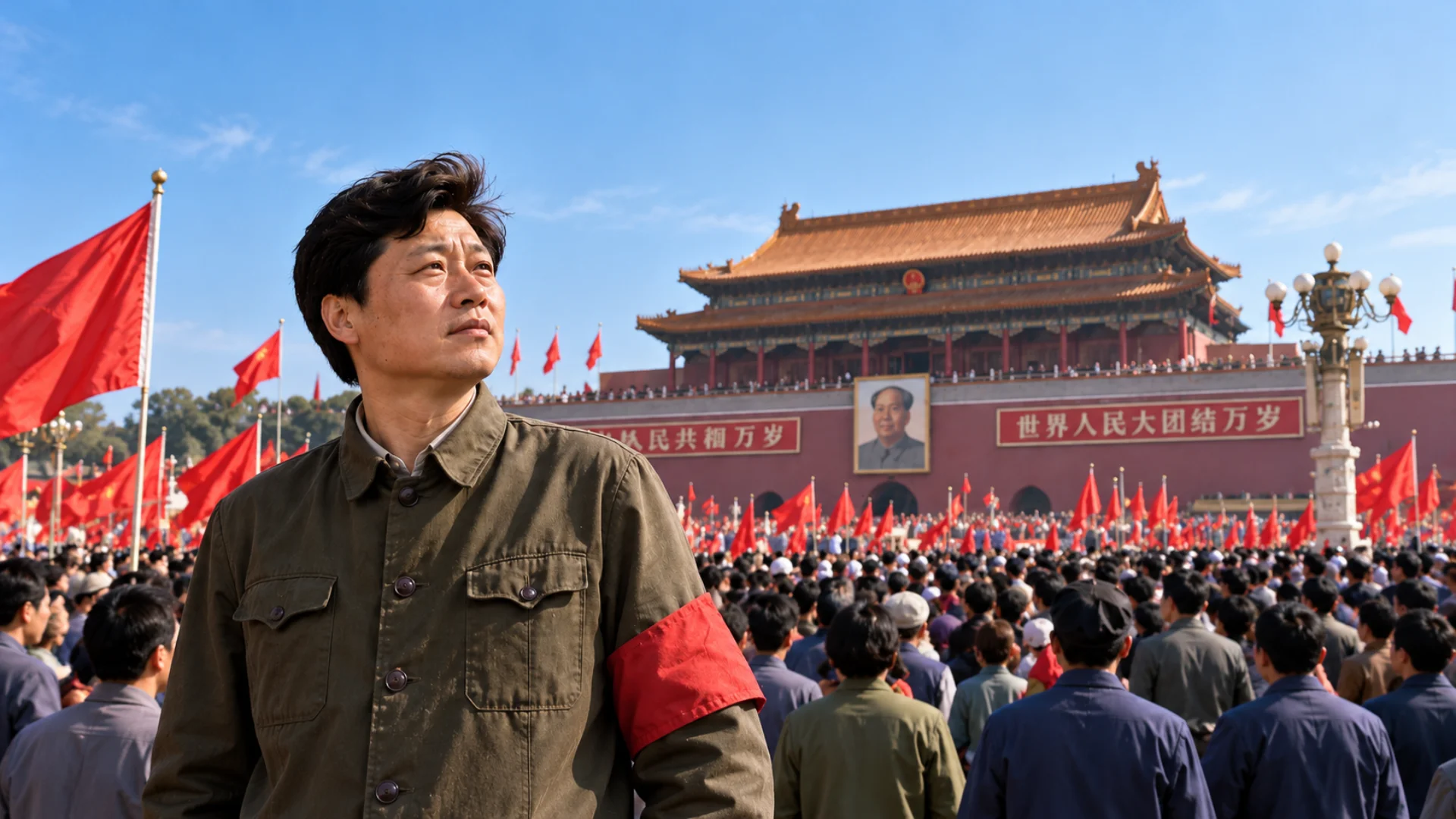
Zhang Ruimin was born on January 5, 1949, in Laizhou, Shandong, the year the People's Republic was founded, to parents who worked in a garment factory. Before anyone had heard of him he was a teenage Red Guard who traveled to Mao's birthplace and went to the rallies in Beijing. The Cultural Revolution cost him the chance to go to university, though he avoided being sent down to the countryside.
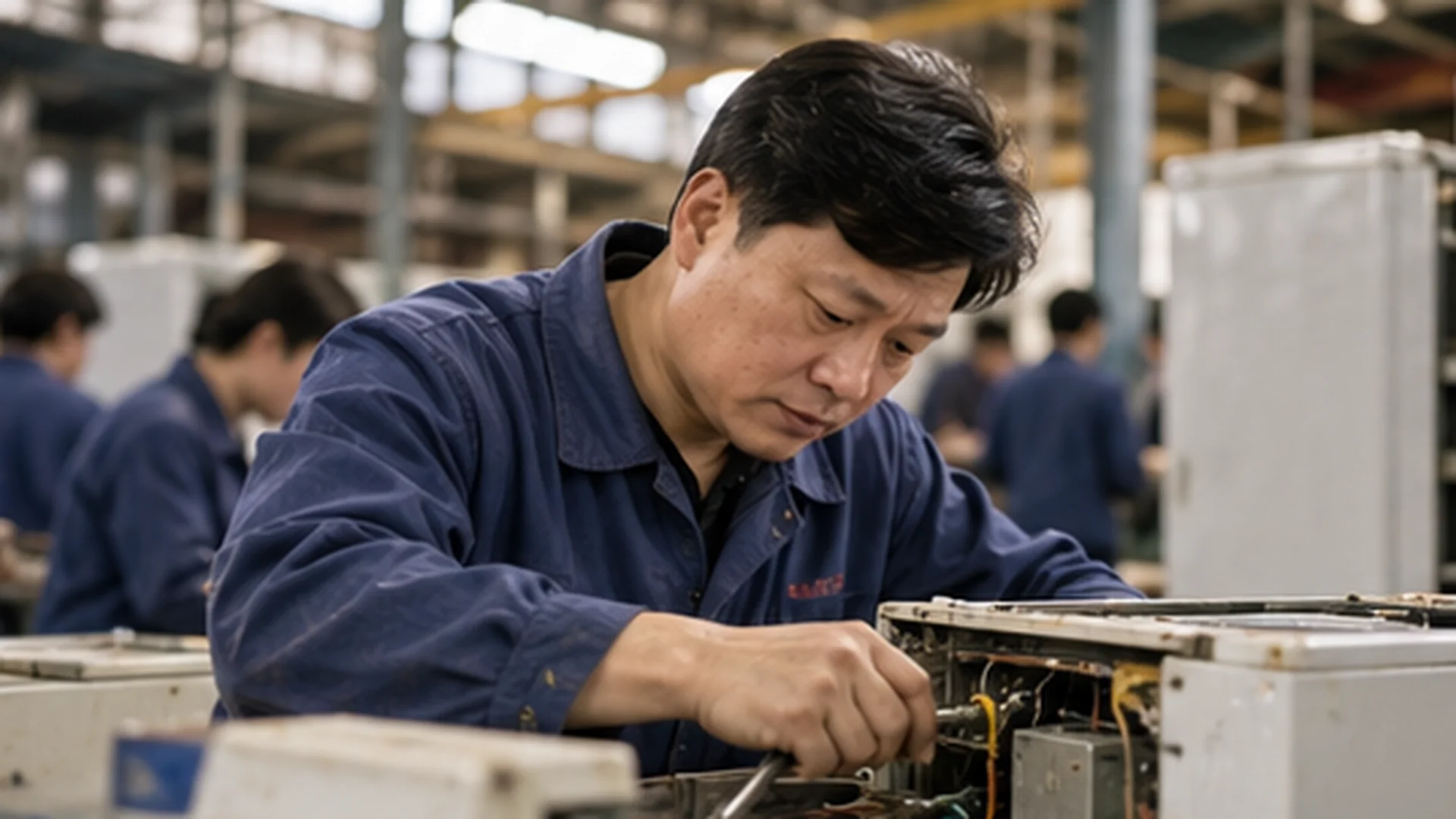
What did his life look like before his trek began?
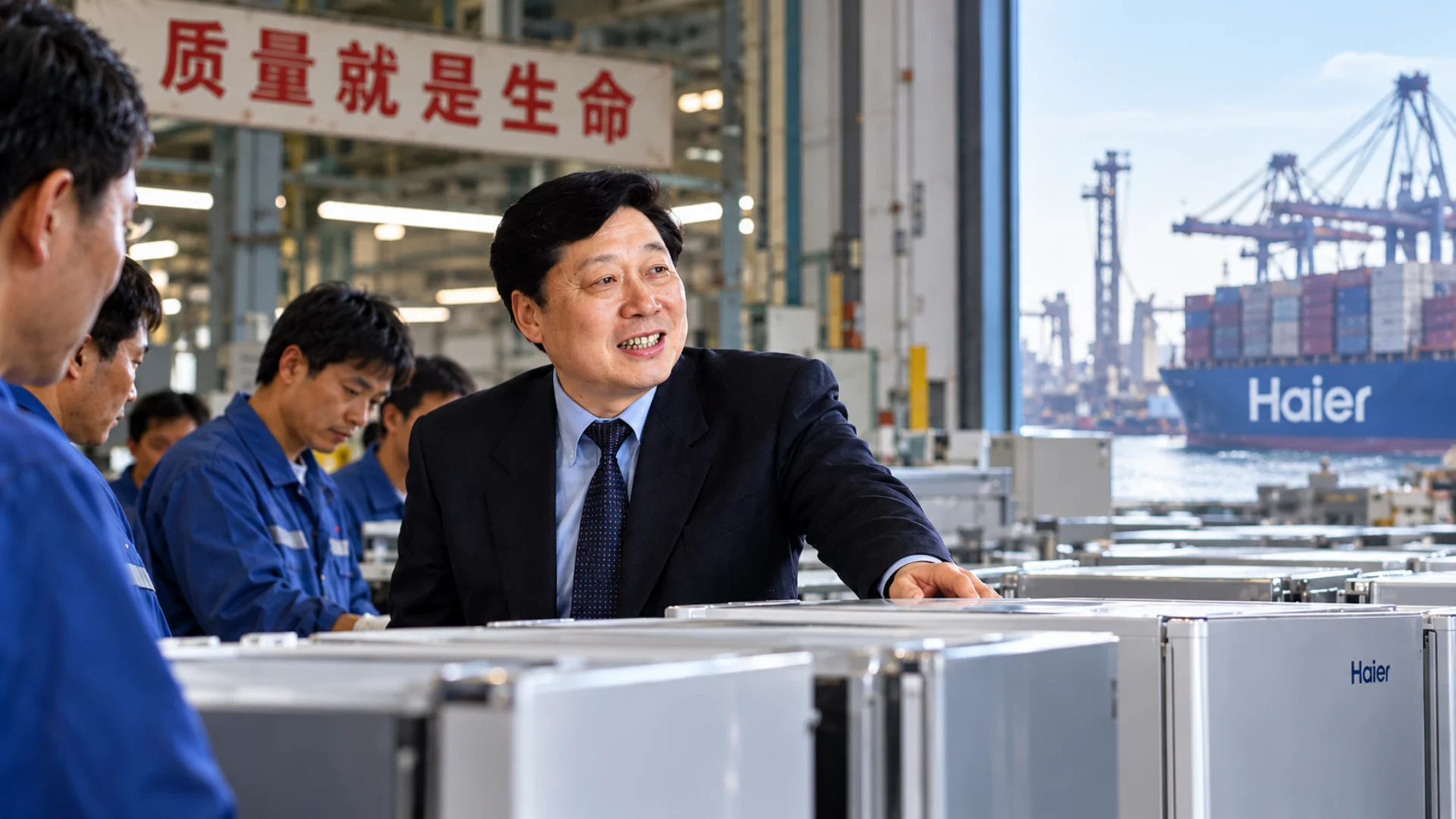
Factory life in Qingdao, for 16 years. He started as a worker in 1968, joined the Communist Party in 1976, ran his plant's Youth League committee, and by 1980 was the plant's vice-chairman. In March 1984 the city made him deputy general manager of its household appliance company, where he led a project to import foreign refrigerator technology and won the last state-approved slot for a production line from Liebherr1 in Germany.
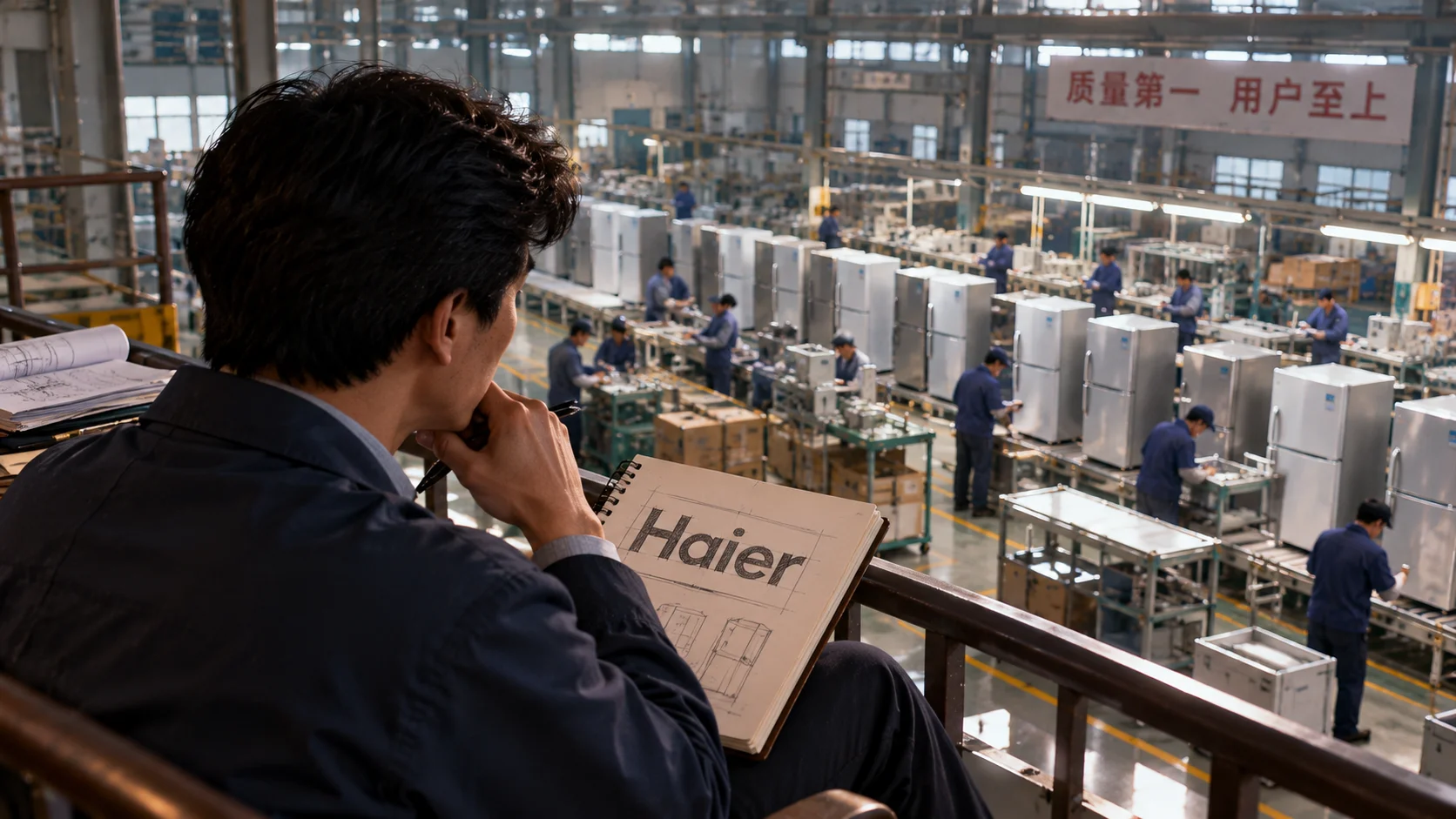
What did he see that other people didn't?
That a factory without its own name would always be someone else's supplier. When he took over the refrigerator plant, his first strategy was a brand-name strategy, and by 1991 it was exporting under its own label. "It's very difficult to set up a name brand," he told Fortune in 2002, and without one, he said, "you will always work for others."
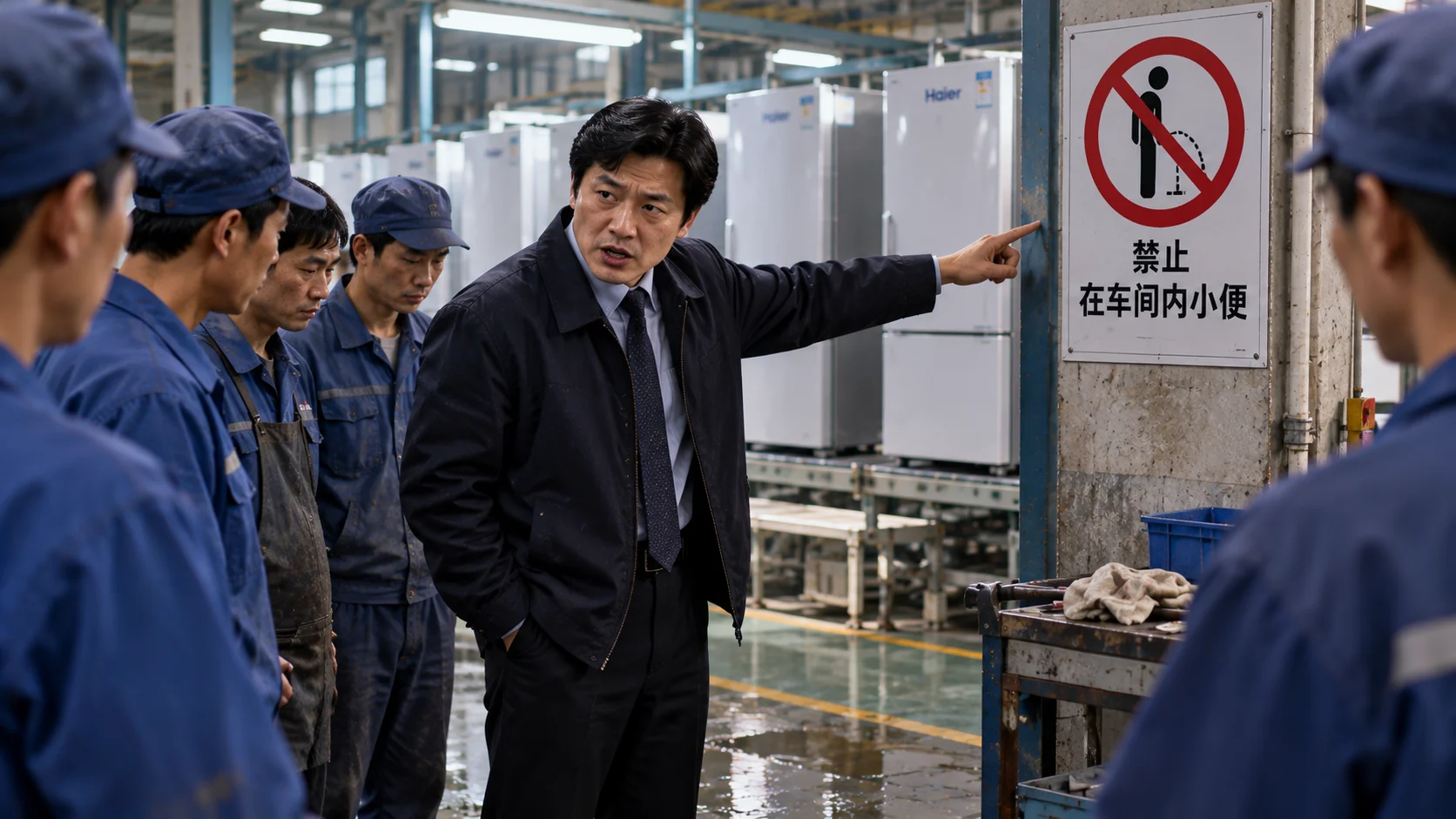
What problem became his obsession?
Quality, in a plant where nobody had a reason to care. Workers couldn't be fired, and putting them on two years' probation, he said, "didn't mean all that much in practice." His first rule at the factory was that no one could urinate on the floor.
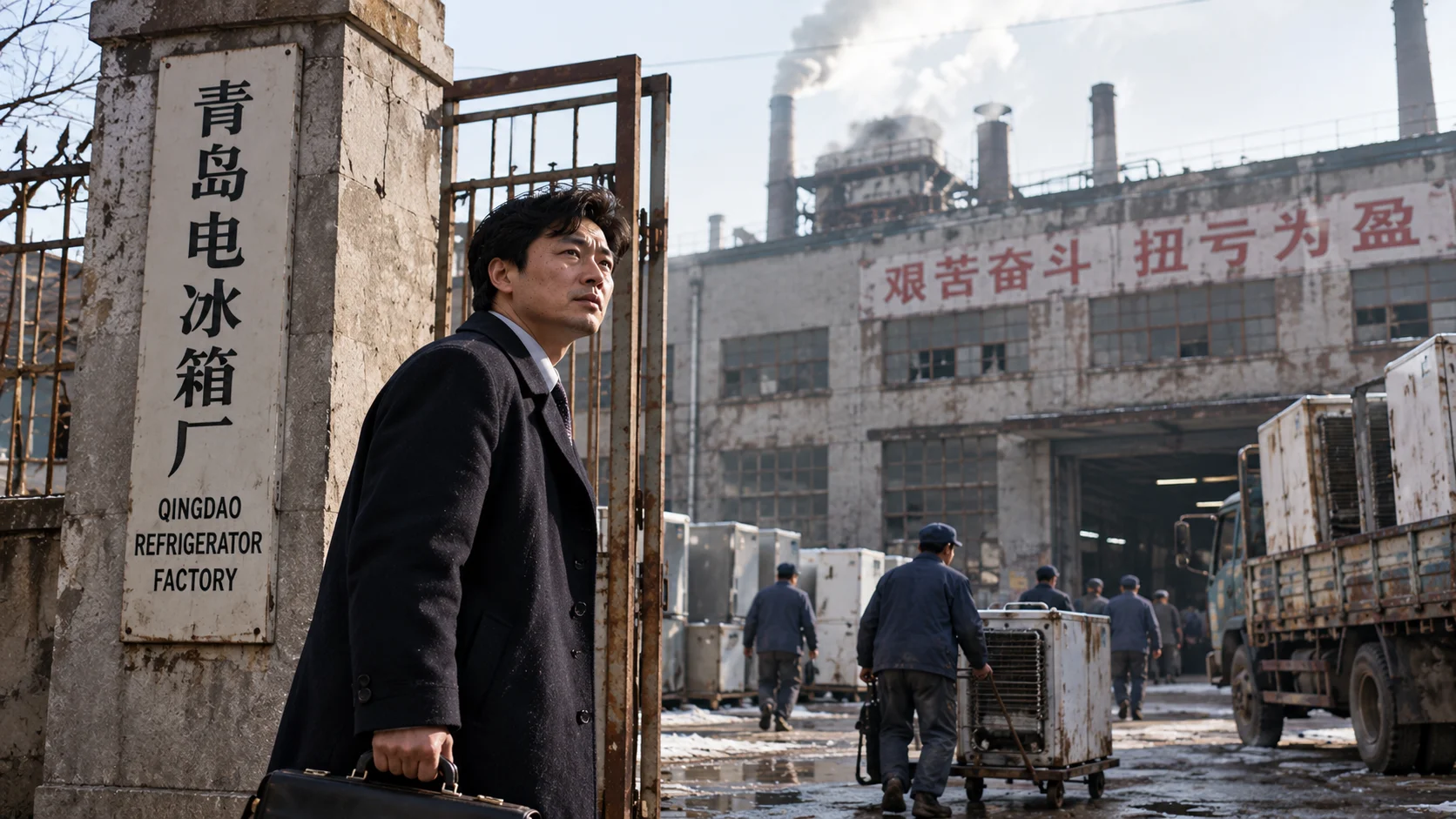
Why did this matter personally to him?
He was the one the city sent. On December 26, 1984, at 35, he became director of the Qingdao Refrigerator Factory, a plant he later described this way: "The factory was suffering great losses. It seemed an impossible task."
Where did the first money come from?
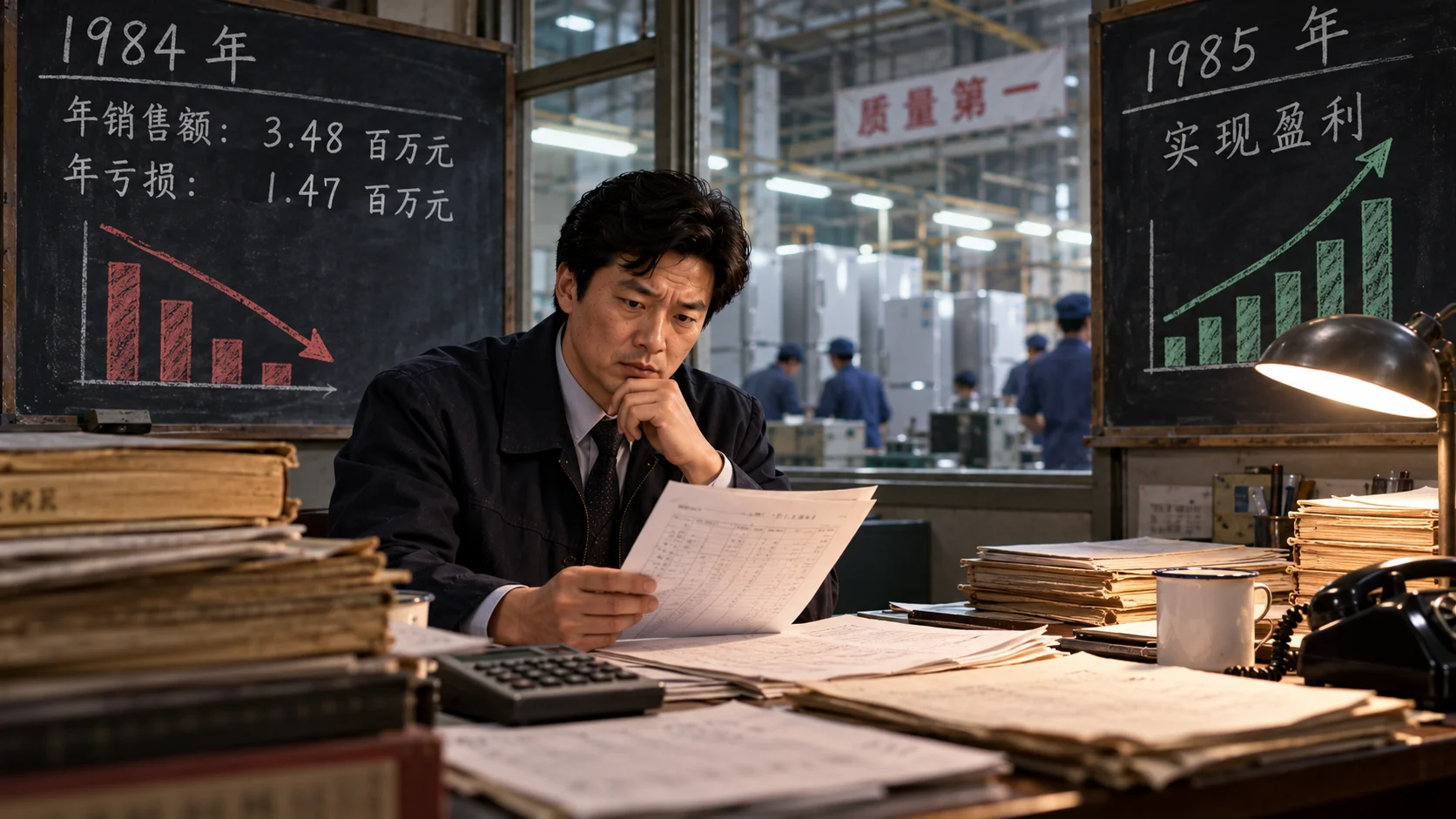
From a business that was losing it. In 1984 the factory had annual sales of 3.48 million yuan and lost 1.47 million yuan2. Within a year of his arrival it was turning a profit.
What made the economics work?
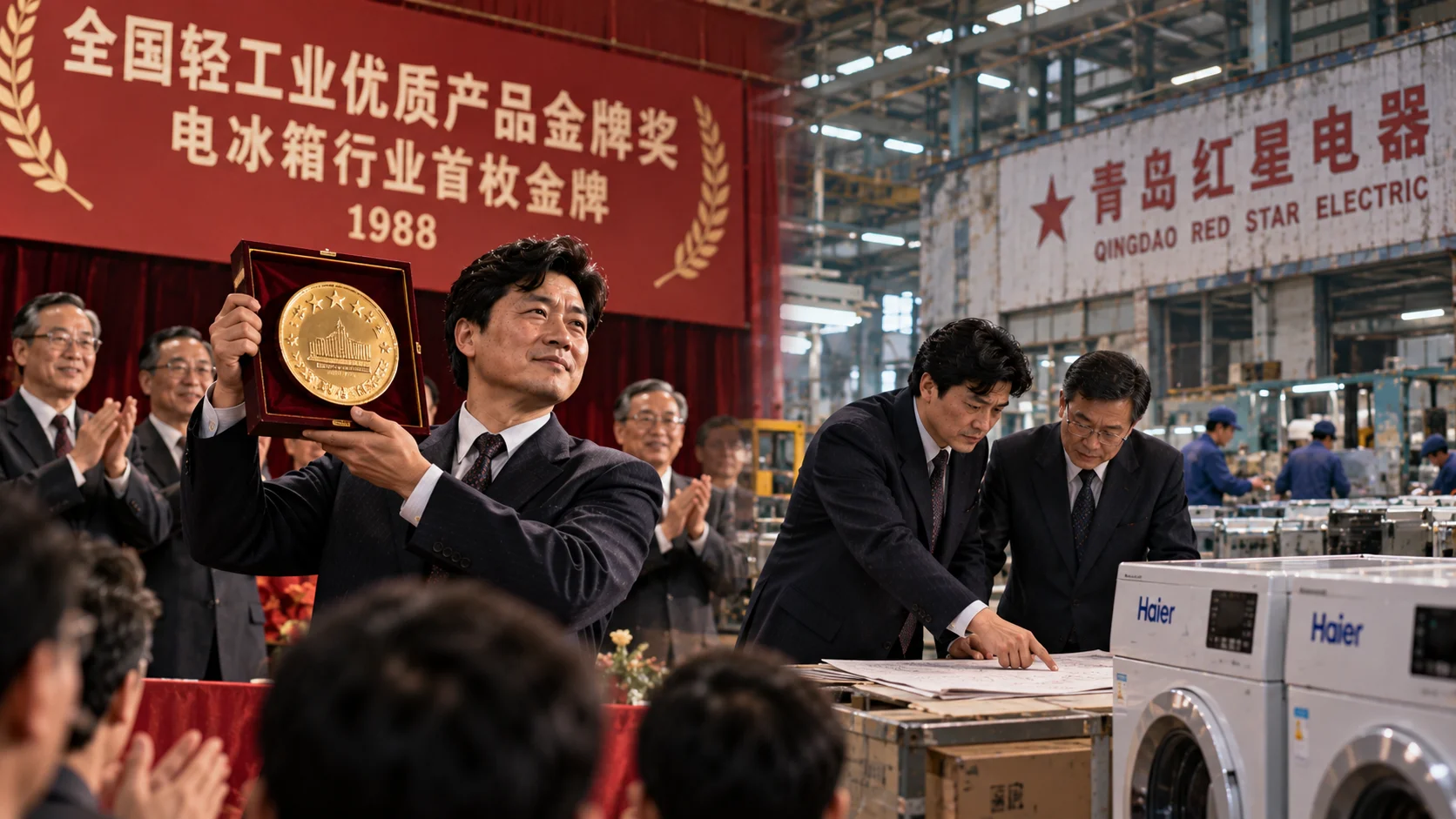
A reputation for quality, then companies to spend it on. In December 1988 the factory won the first national gold medal for quality in the history of China's refrigerator industry. Zhang then bought struggling manufacturers he called "stunned fish," businesses with working plants and failing management, starting with Qingdao Red Star Electric in July 1995, which became Haier's washing machine company3.
What was the decision or moment after which nothing was the same?
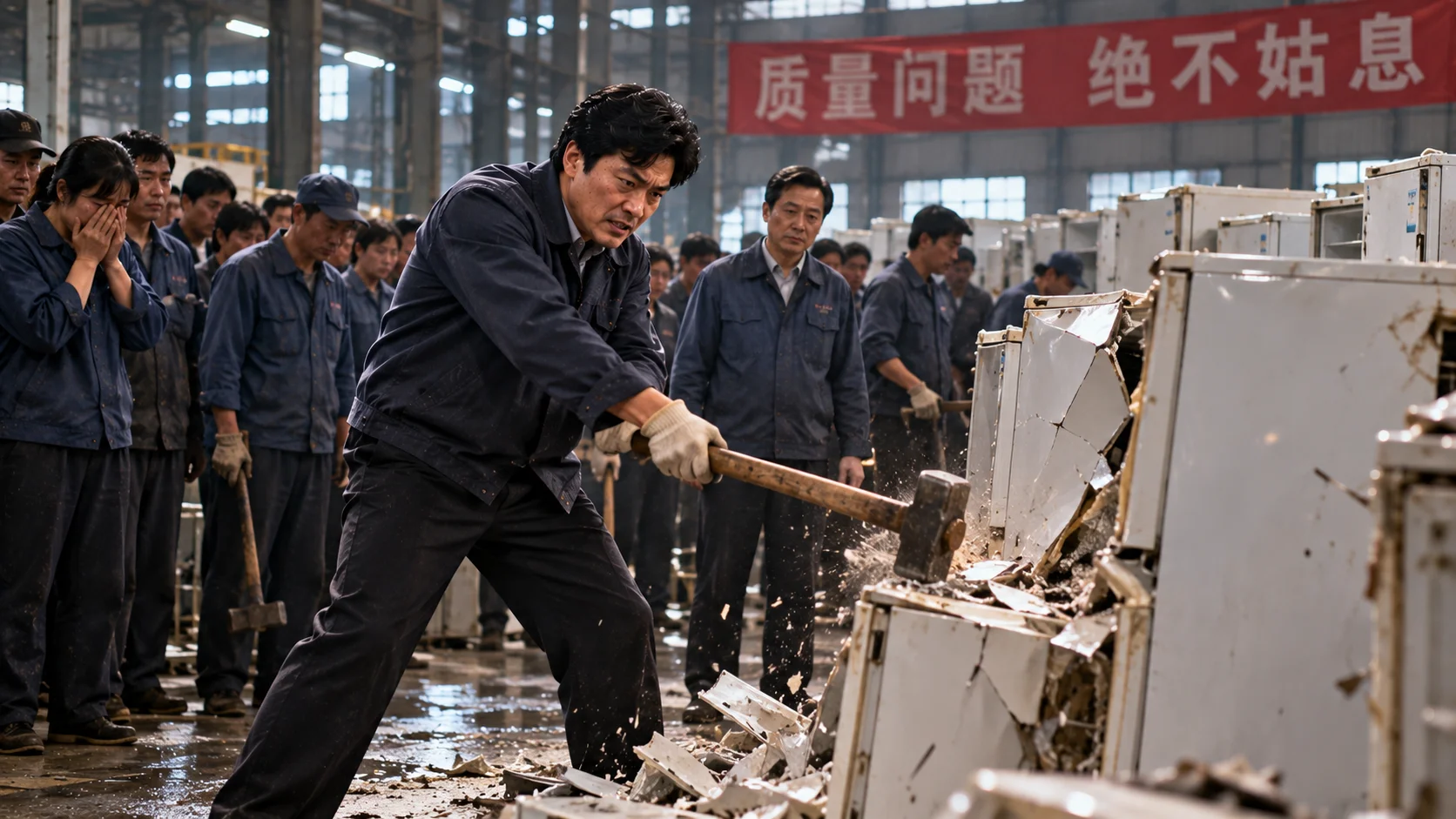
1985, and 76 refrigerators. After a customer complaint, Zhang and his deputy, Yang Mianmian, searched the warehouse and found 76 defective units, each selling for about two years of a worker's income. The rule was that whoever had built a bad fridge would smash it. Zhang handed out sledgehammers, shouted "Destroy them!" and took the first swing himself4. Some of the workers cried.
What nearly killed it?
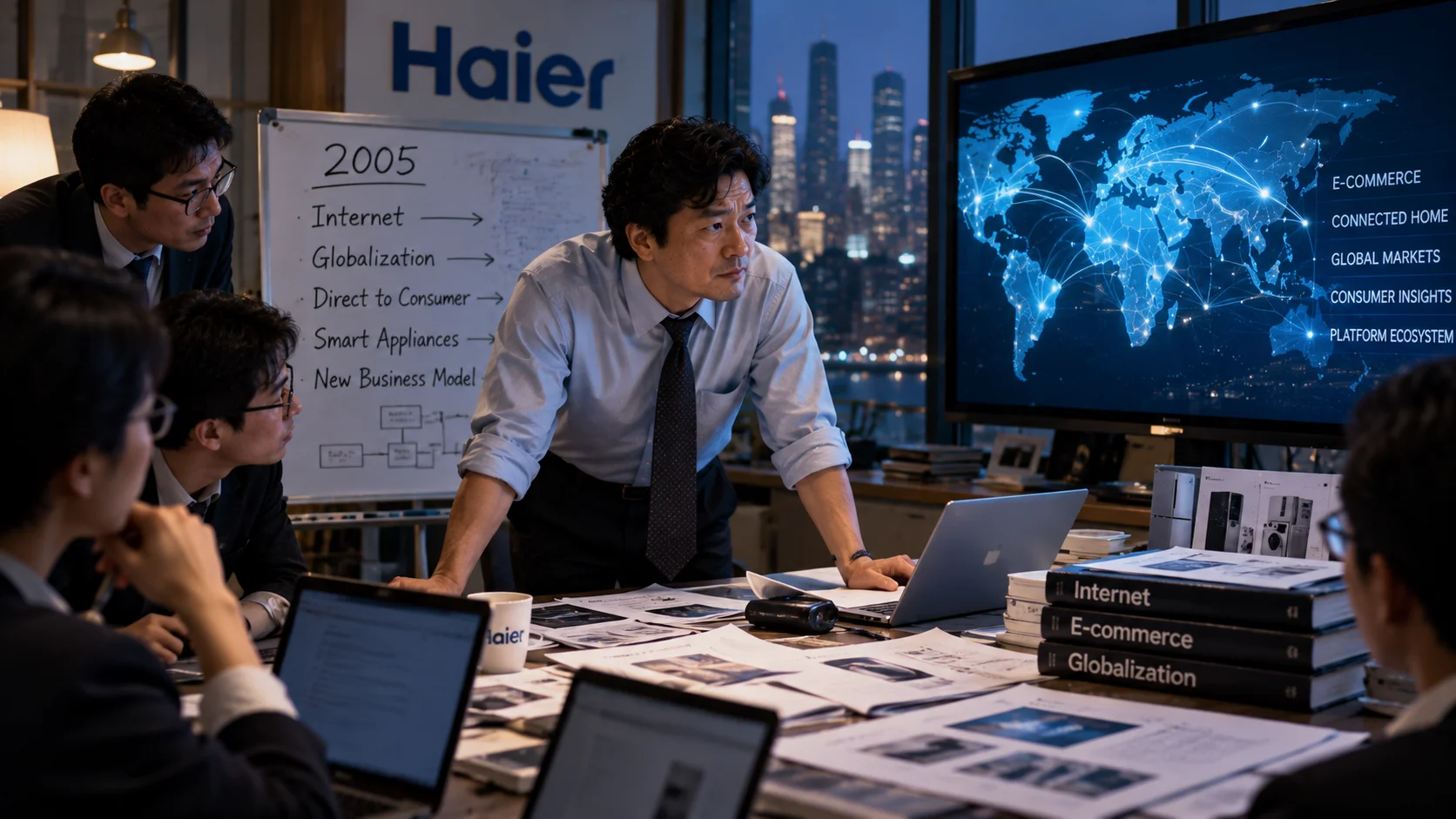
The internet, as he saw it, before it could. In 2005 he started rebuilding Haier around the assumption that traditional manufacturers would lose to it. "The Internet will eventually win anyway," he said in 2015, "so we have to face it and grasp the opportunities it presents5."
What happened that he couldn't have planned for?
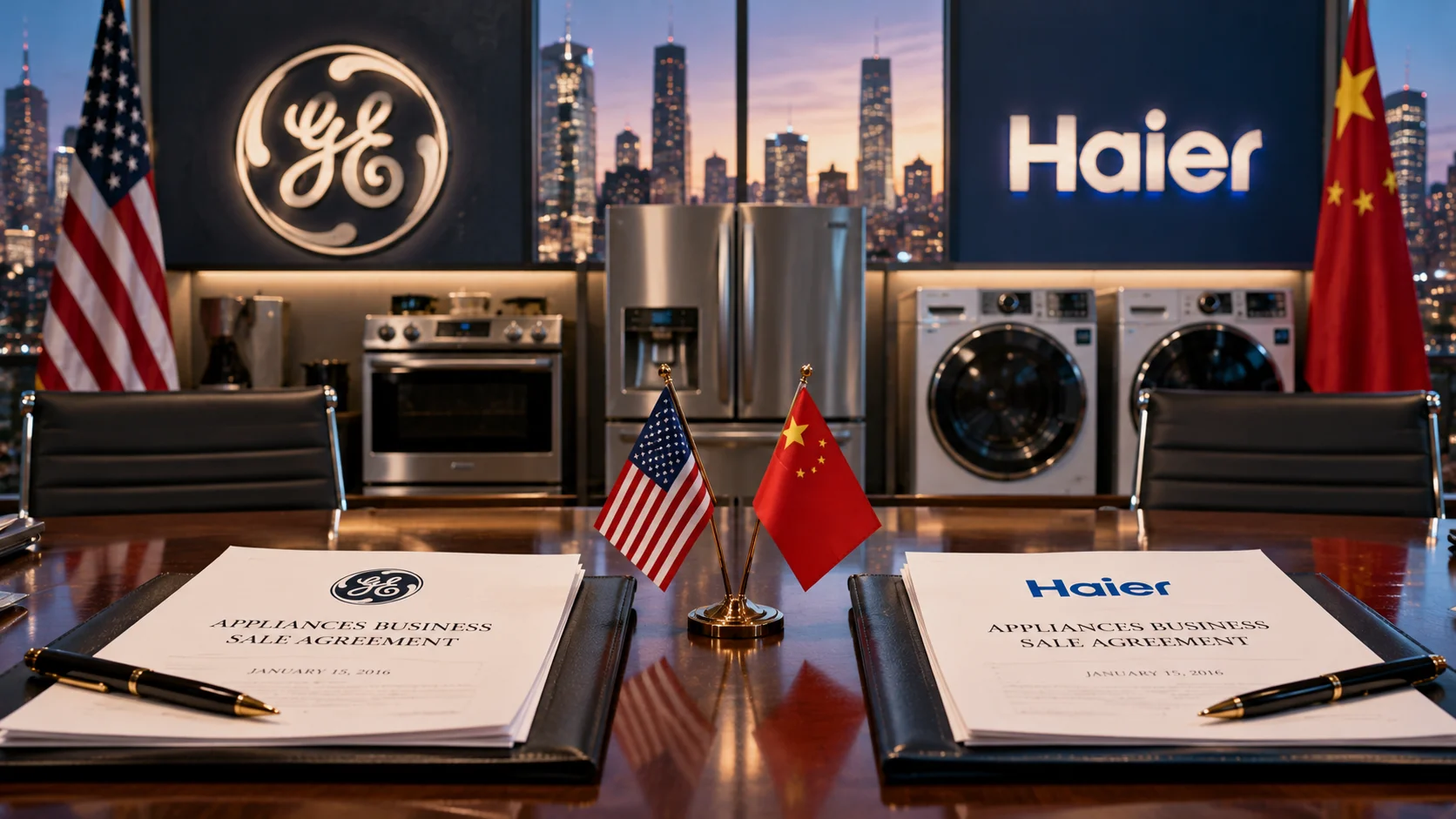
That an American icon would come up for sale. On January 15, 2016, General Electric agreed to sell its appliances business to Haier for $5.4 billion6, and the deal closed that June.
What showed that he was human after all?
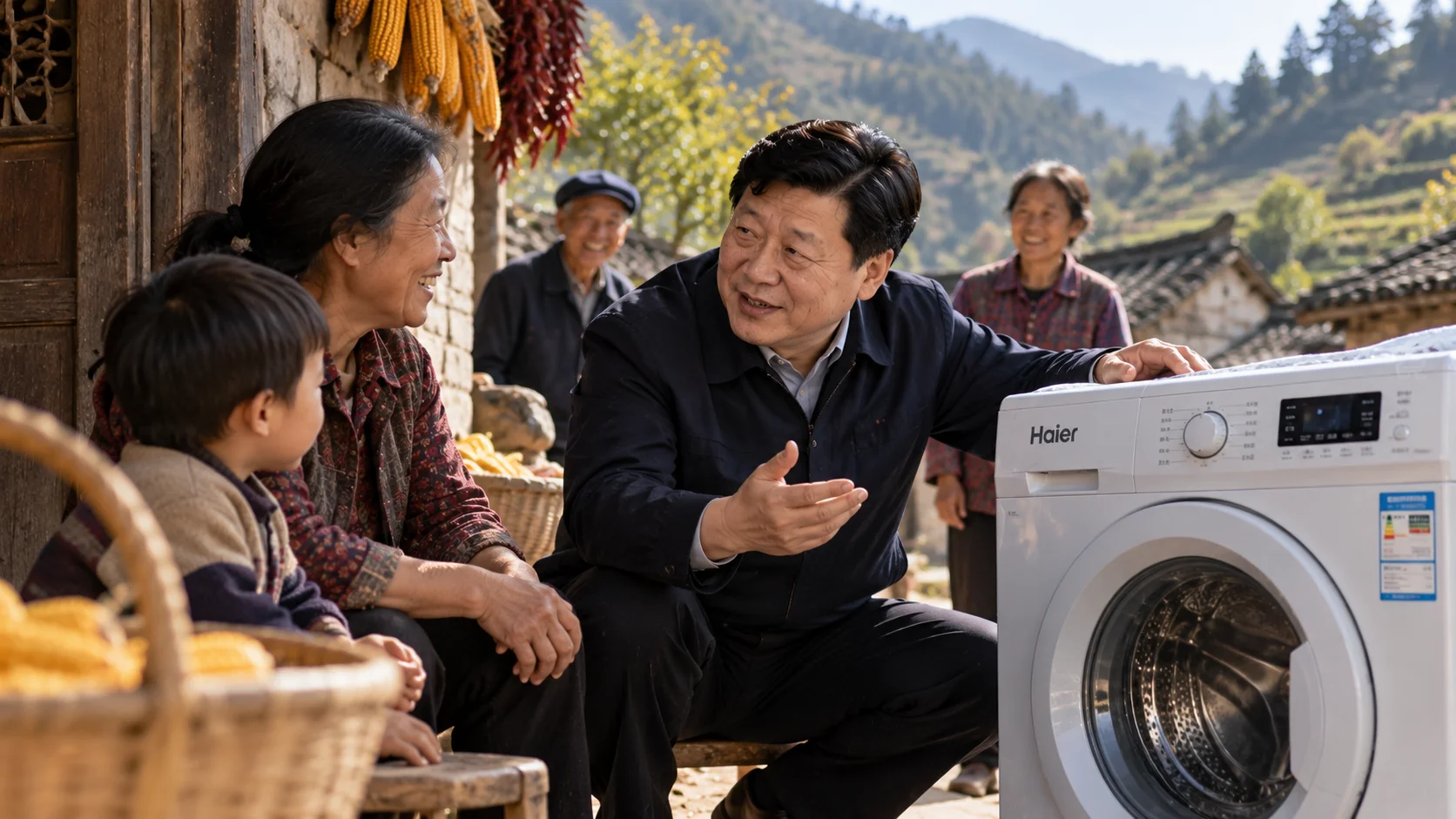
He listened to the farmers who were using his product wrong. In 1996 Haier learned that people in rural Sichuan were washing sweet potatoes in its washing machines and clogging the drains. Haier redesigned the machines with wider drain pipes and drums that could handle vegetables.
What was the change he brought about?
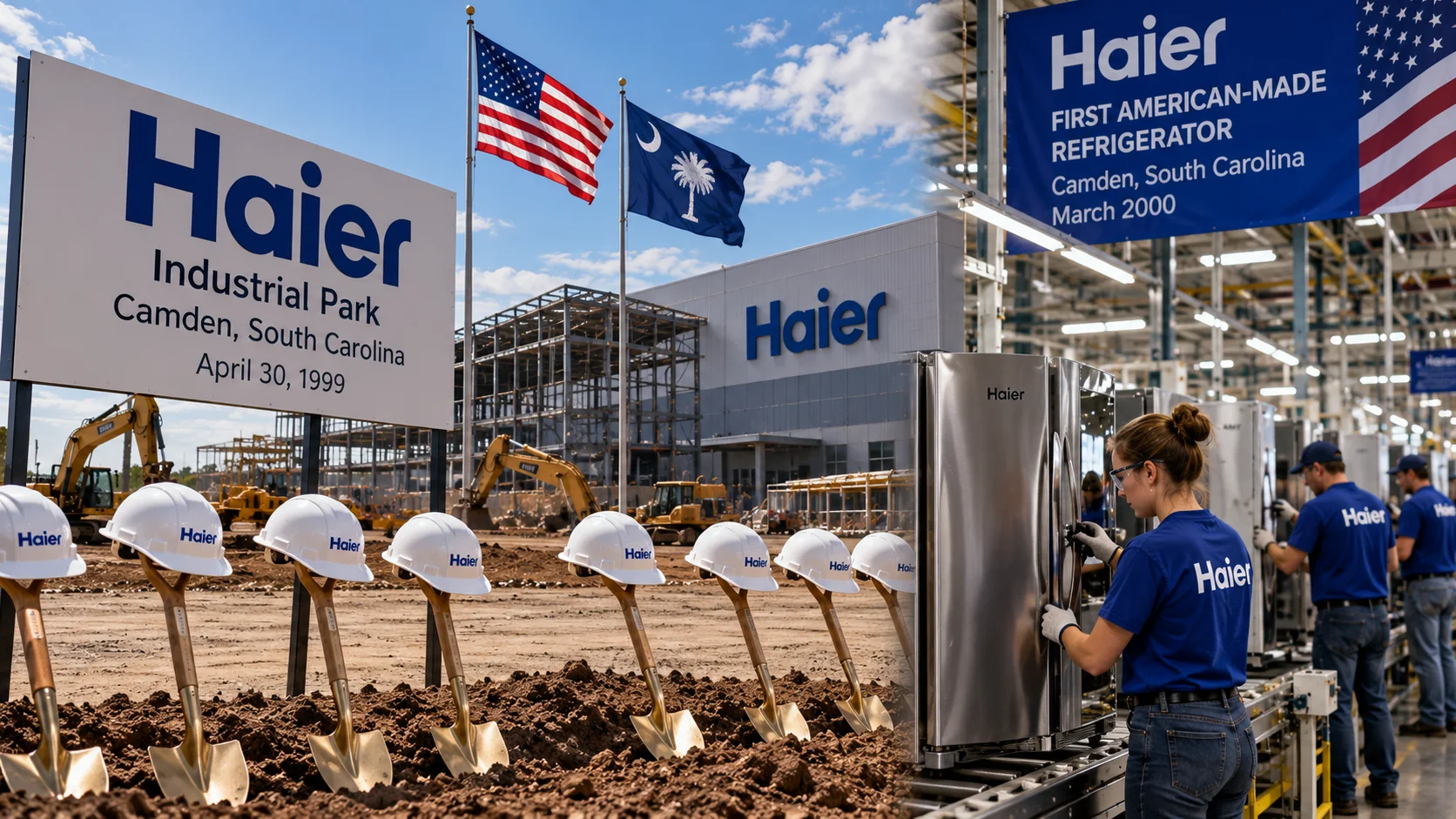
He showed that a Chinese manufacturer could build its own brand, and its own factories, far from home. Haier broke ground on an industrial park in South Carolina on April 30, 1999, and in March 2000 its first American-made refrigerator came off the line in Camden7, at the first factory a Chinese company had opened in the United States. In 2015 the Thinkers50 gave him its Ideas into Practice Award.
What did he believe that most reasonable people around him did not?
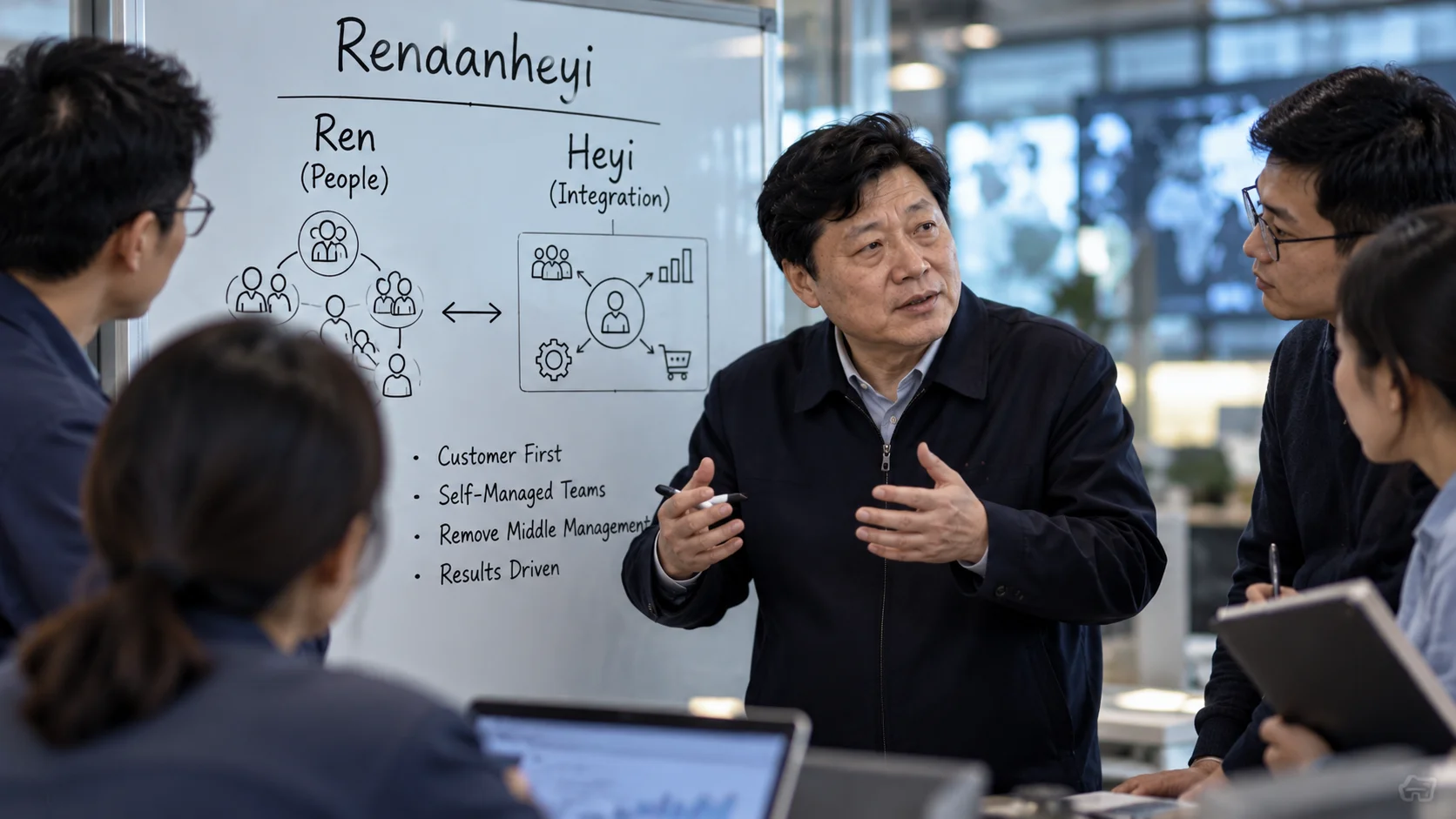
That a giant company should run like thousands of small ones. He called the model rendanheyi: ren means people, and heyi means integration. Under it, by Zhang's count, Haier removed more than 12,000 middle-management positions as teams took over their own customers and results8. With the bureaucracy gone, he said, the organization stopped being hierarchical.
What did his trek cost him?
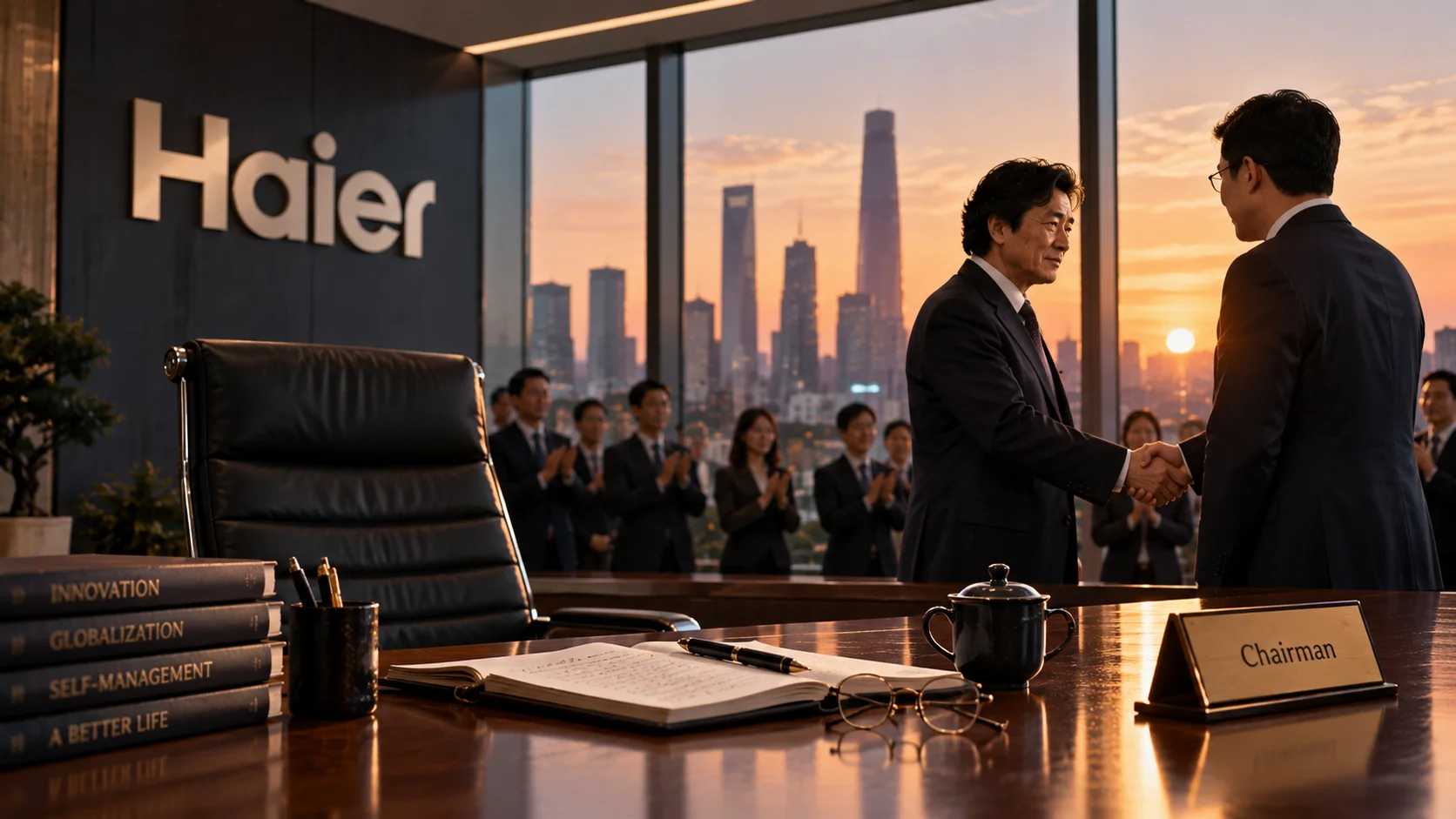
The top job, which he'd designed his way out of. A company run by thousands of self-managing units leaves little for a chairman to hold, and on November 5, 2021, after 37 years in charge, he stepped down to become honorary chairman. Zhou Yunjie9 became chairman and chief executive.

What's the takeaway?
When people can't feel what bad work costs, make the cost impossible to miss. Zhang couldn't fire anyone and couldn't argue his workers into caring, so he put the price of their mistakes in front of them and had them destroy it with their own hands. He spent the next 36 years building structures that kept the customer that close to everyone at Haier.
Timeline
-
1949-01-05—Born in Laizhou, Shandong.
-
1968—Starts work at a factory in Qingdao.
-
1976—Joins the Communist Party of China.
-
1984-03—Becomes deputy general manager of Qingdao's household appliance company.
-
1984-12-26—Becomes director of the Qingdao Refrigerator Factory.
-
1985—Has 76 defective refrigerators smashed; the factory turns a profit by year-end.
-
1988-12—Wins China's first national gold medal for refrigerator quality.
-
1991—The company becomes Qingdao Haier Group and begins exporting under its own brand.
-
1995-07—Acquires Qingdao Red Star Electric; Zhang earns an MBA from the University of Science and Technology of China.
-
1996—Redesigns washing machines after Sichuan farmers use them for sweet potatoes.
-
1998—Becomes the first Chinese entrepreneur to lecture at Harvard.
-
1999-04-30—Breaks ground on an industrial park in South Carolina.
-
2000-03—The first American-made Haier refrigerator comes off the line in Camden.
-
2005—Introduces the rendanheyi model.
-
2012-01—Completes the purchase of Sanyo's home appliance business and launches the AQUA brand.
-
2012-11—Takes a controlling stake of at least 90 percent in Fisher & Paykel Appliances.
-
2015—Receives the Thinkers50 Ideas into Practice Award.
-
2016-01-15—Agrees to buy GE Appliances for $5.4 billion.
-
2016-06—Completes the GE Appliances acquisition.
-
2021-11-05—Steps down as chairman and becomes honorary chairman.
Side notes
-
Where the name came from—Haier's own history says Liebherr, the German company willing to export its refrigerator technology, also gave Haier its name. The Chinese transliteration of Liebherr ends in "Haier." Learn more ↩
-
Then and now—Haier reported global revenue of 426.8 billion yuan for 2025, with 146,000 employees worldwide. Learn more ↩
-
The Harvard case—Harvard Business School added a case on how Haier's culture revived a "stunned fish" to its library, and in 1998 Zhang became the first Chinese entrepreneur to lecture at Harvard. Learn more ↩
-
Two hammers—The sledgehammer Zhang used is on display at Haier's headquarters in Qingdao. Another hammer from the factory is in the permanent collection of the National Museum of China. Learn more ↩
-
The payoff—Haier said its 2014 profits were 12 times what they had been before the transformation began, a compound annual growth rate of about 28 percent. Learn more ↩
-
The terms—GE valued the business at 10 times its earnings before interest, taxes, depreciation, and amortization over the previous 12 months. Haier agreed to keep the headquarters in Louisville and to go on using the GE Appliances brand under a long-term license. Learn more ↩
-
The Camden plant—Fortune reported in 2002 that the factory cost about $40 million and made 200,000 family-sized refrigerators a year, while Haier held about half the US market for compact refrigerators. Learn more ↩
-
How small the pieces got—Zhang told McKinsey in 2021 that Haier had about 4,000 microenterprises, grouped into about 300 ecosystem micro-communities, of which more than 100 were start-ups and four had gone public. Learn more ↩
-
The successor—Zhou Yunjie was born in Laizhou, Zhang's hometown, in 1966. He joined the Qingdao Refrigerator Factory straight out of university in July 1988 and worked his way up through sales, quality, and plant management. Learn more ↩