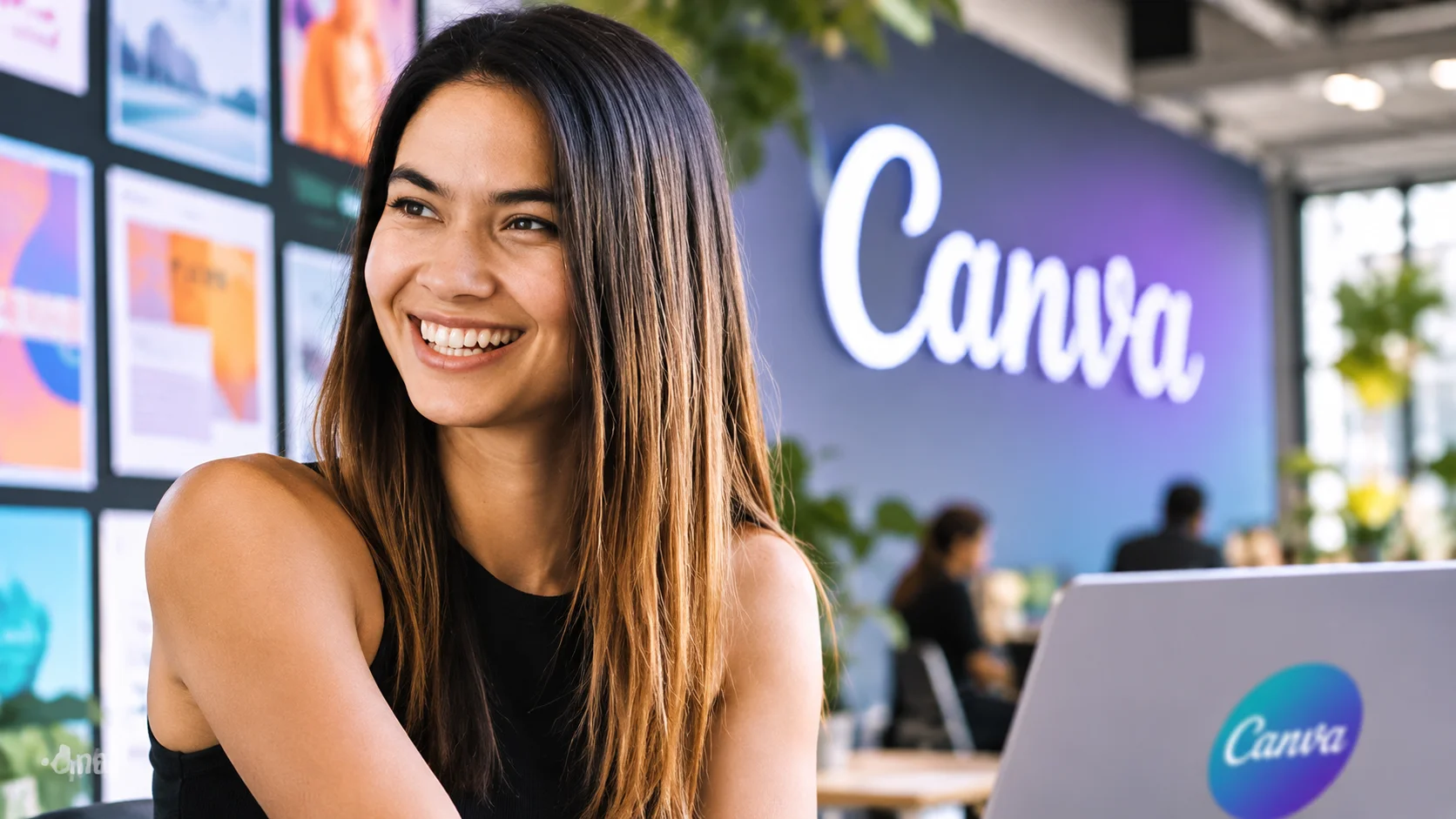
- As a teenager she sold handmade scarves and trained seriously as a figure skater.
- Her co-founder nominated her as CEO after an early backer said they needed one leader.
- She and Cliff Obrecht pledged to give away most of their fortune.

Who is she—and what was she like before everyone noticed?
Melanie Perkins was born in 1987 in Perth, Western Australia, to an Australian-born mother who worked as a teacher and a Malaysian-born engineer father of Filipino and Sri Lankan heritage. Before anyone had heard of her she was a student at Sacred Heart College in northern Perth who trained seriously as a figure skater and ran a small business selling scarves she made herself.
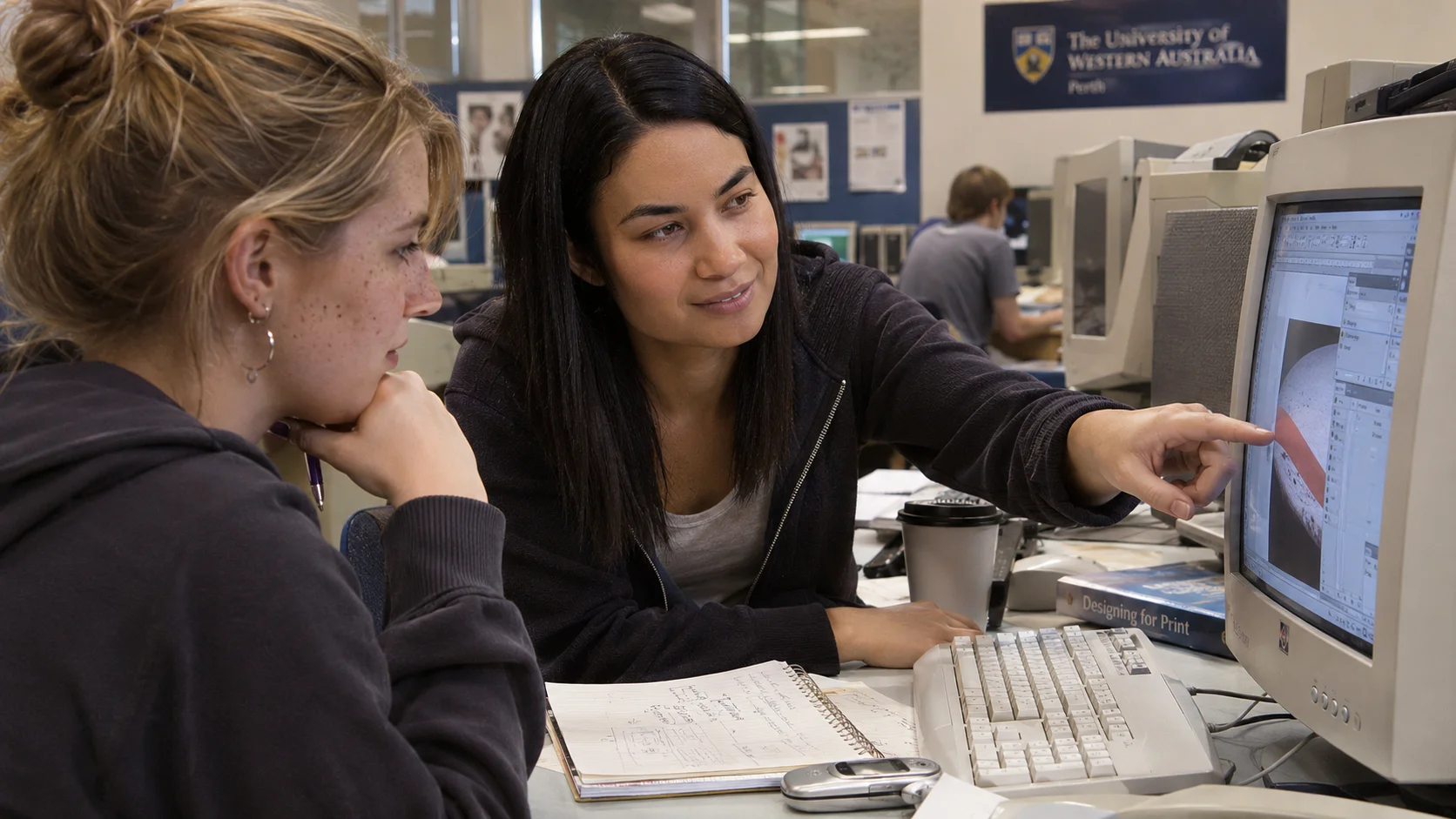
What did her life look like before her trek began?
A university student who taught other students how to use design software. At the University of Western Australia she studied communications, psychology, and commerce, and she earned money on the side as a private tutor for the programs design students had to learn1.

What did she see that other people didn't?
That design was moving online, and that a simple tool in a web browser could let almost anyone make something that looked professional. The programs she taught were built for experts. A drag-and-drop editor with ready-made templates could give everyone else a place to start.

What problem became her obsession?
How hard it was to make anything look good. "It would take a whole semester for people just to learn where the buttons were," she said of the software she tutored. Most people who needed a poster, a flyer, or a presentation would never spend that semester.
Why did this matter personally to her?
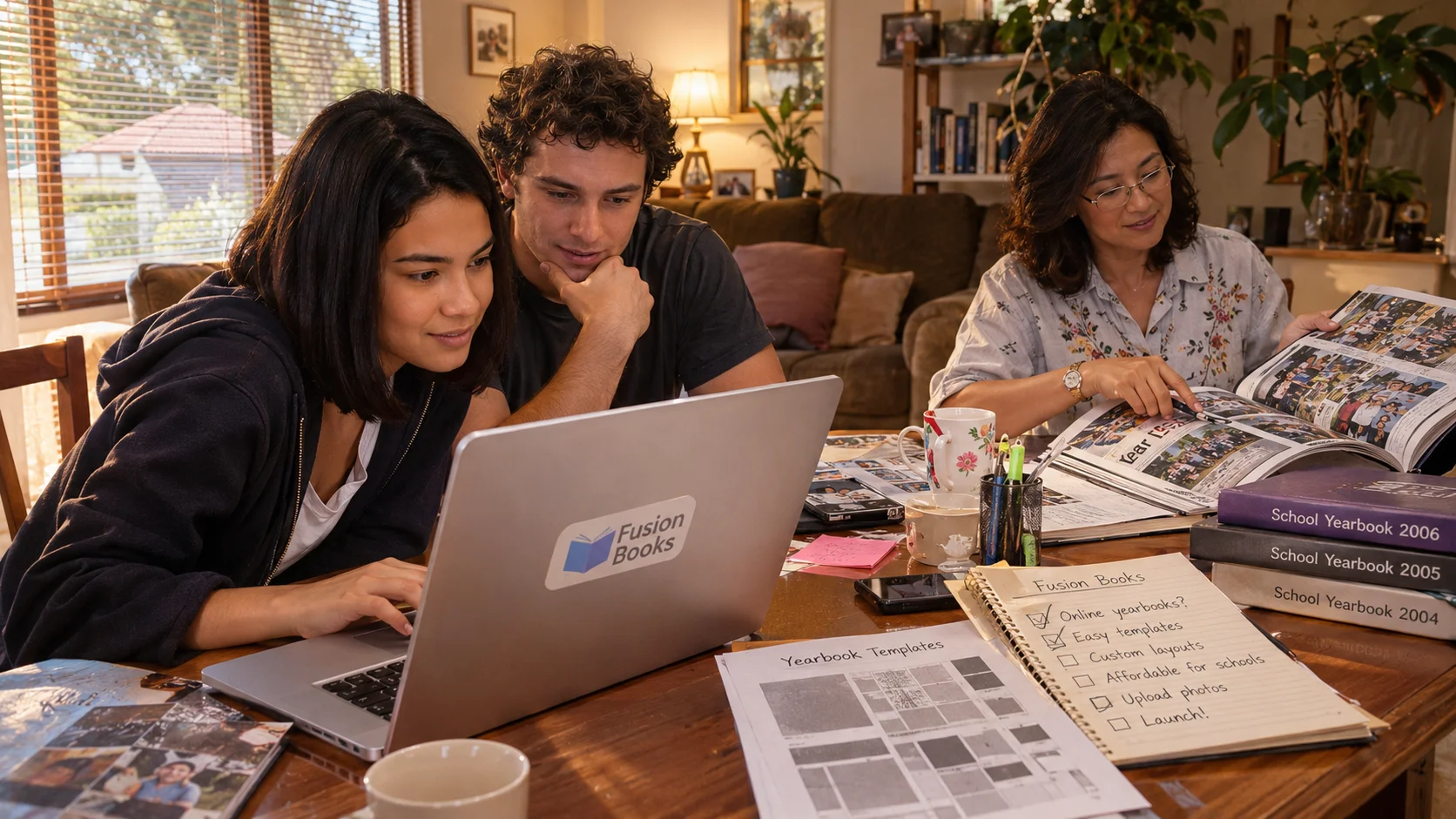
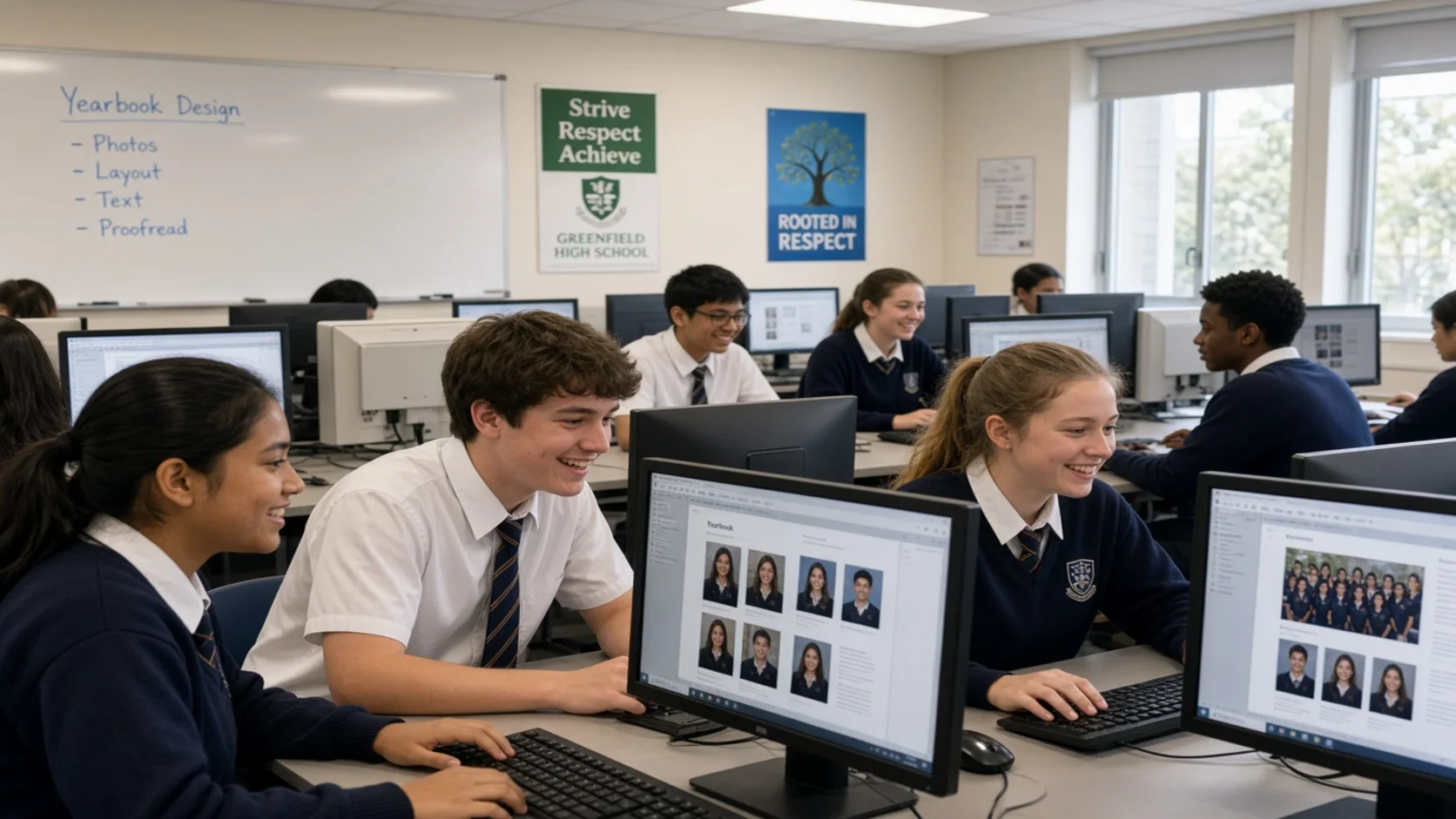
She'd watched her own mother go through it. Her mother, a teacher, spent hundreds of hours putting together her school's yearbook. In 2007, at 19, Perkins left university and started Fusion Books with her boyfriend, Cliff Obrecht, in her mother's living room. It was an online yearbook editor that let students and teachers design their own books from templates.
Where did the first money come from?
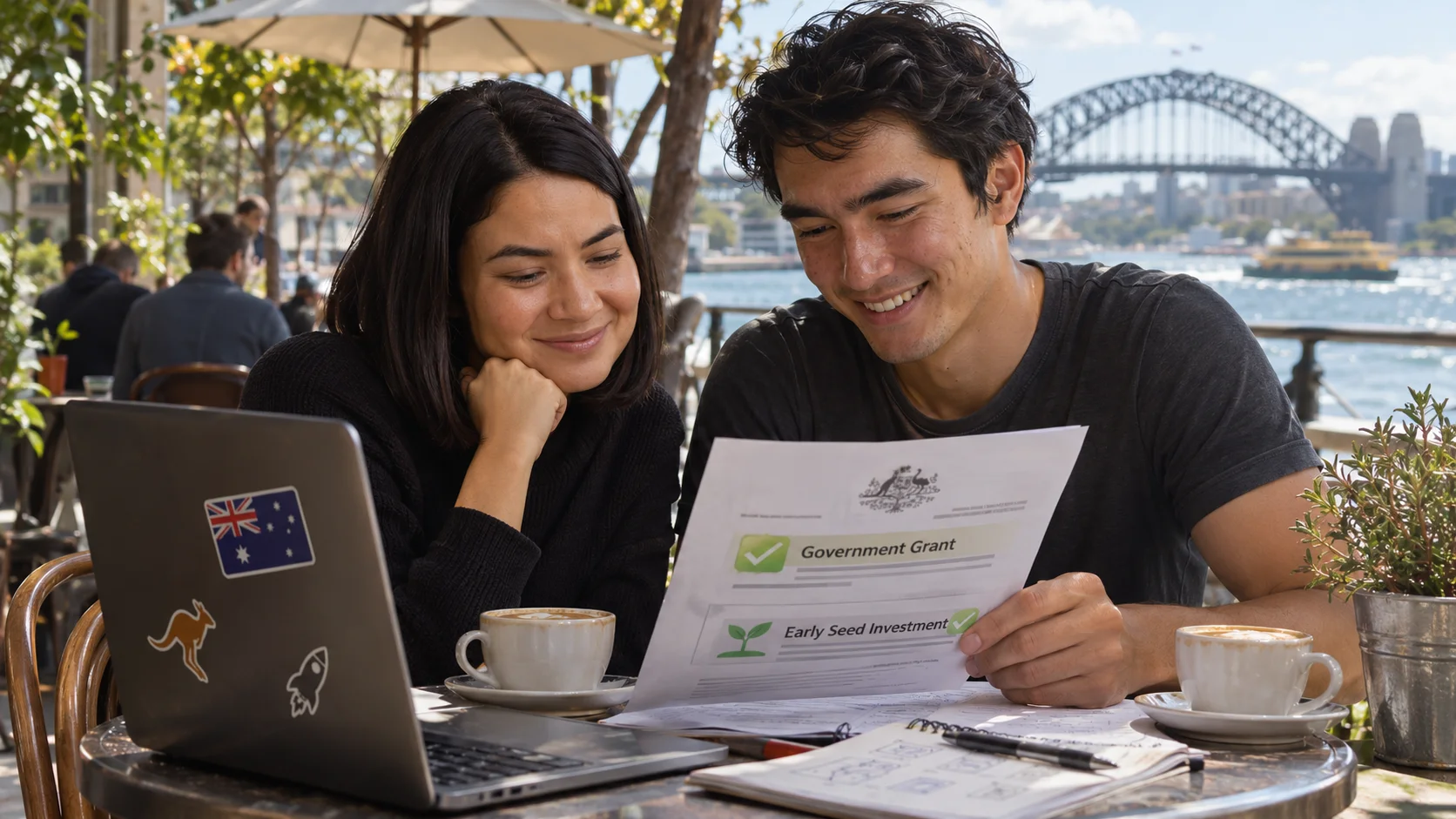
Partly from the Australian government. When Perkins and Obrecht set out to raise money for a much bigger idea, the most important early check came from a program called Commercialisation Australia, which provided up to $2 million. "It wasn't capital that needed to be repaid," she said, and it let the company stay in Australia. In March 2013 the company announced a $3 million seed round2, backed by Silicon Valley investors and by Blackbird Ventures, then a new Australian fund.
What made the economics work?
Proving the idea in a small market first. Fusion Books sold to schools, which needed a yearbook every year, and its customers were mostly people with no design training. The drag-and-drop editor worked for them. By 2013 it was being used by more than 10 percent of Australian high schools3 and had expanded to New Zealand and France. That gave Perkins evidence that ordinary people would design things themselves if the tool was simple enough.
What was the decision or moment after which nothing was the same?
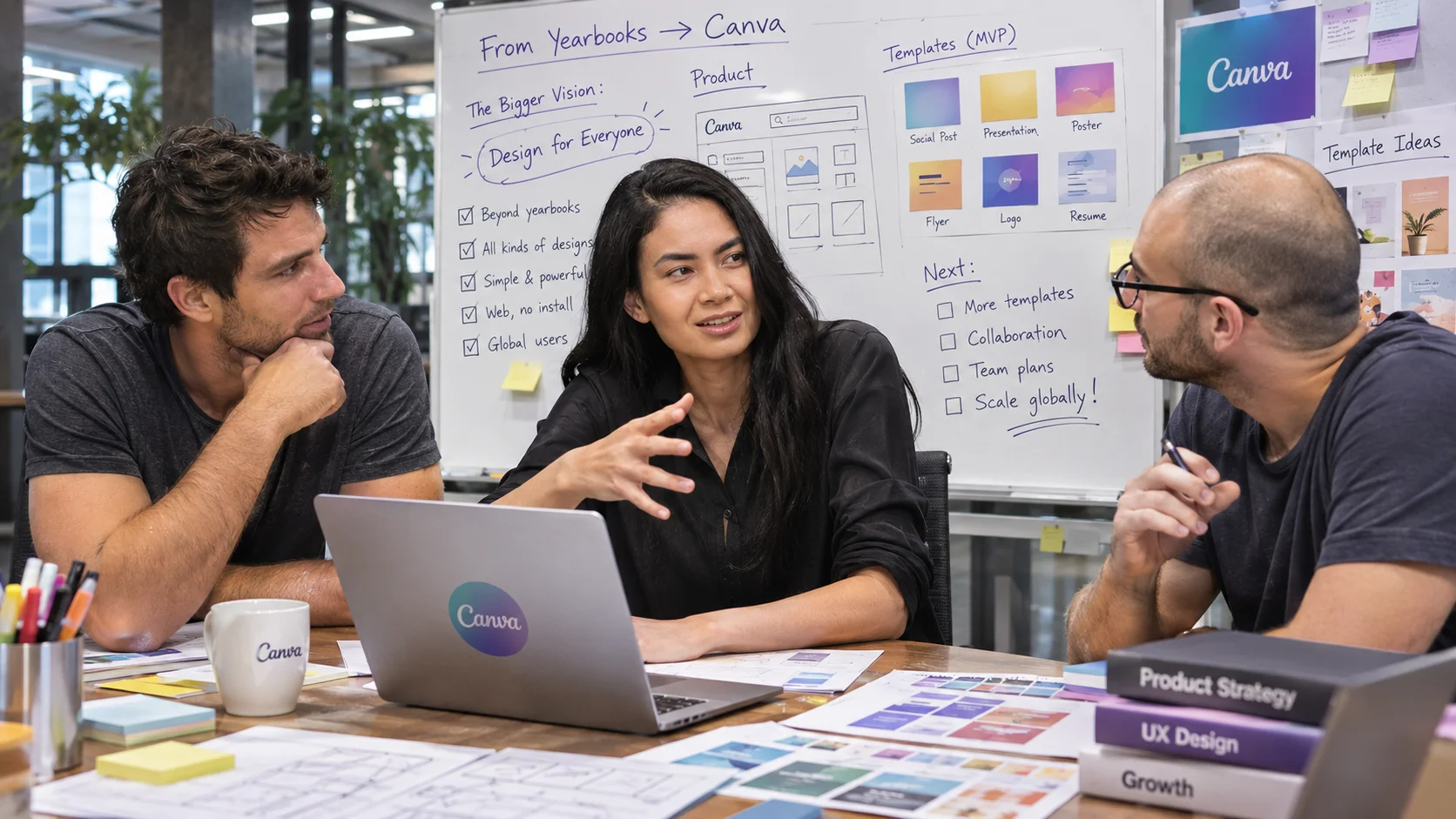
Building the version for everyone. In 2012 Perkins and Obrecht set out to turn Fusion Books' approach into a design tool for any purpose, and they brought in Cameron Adams4, a former Google designer, as the third co-founder and chief product officer. When an early investor told them the company needed a single leader, Obrecht nominated Perkins as chief executive. They named the new company Canva.
What nearly killed it?
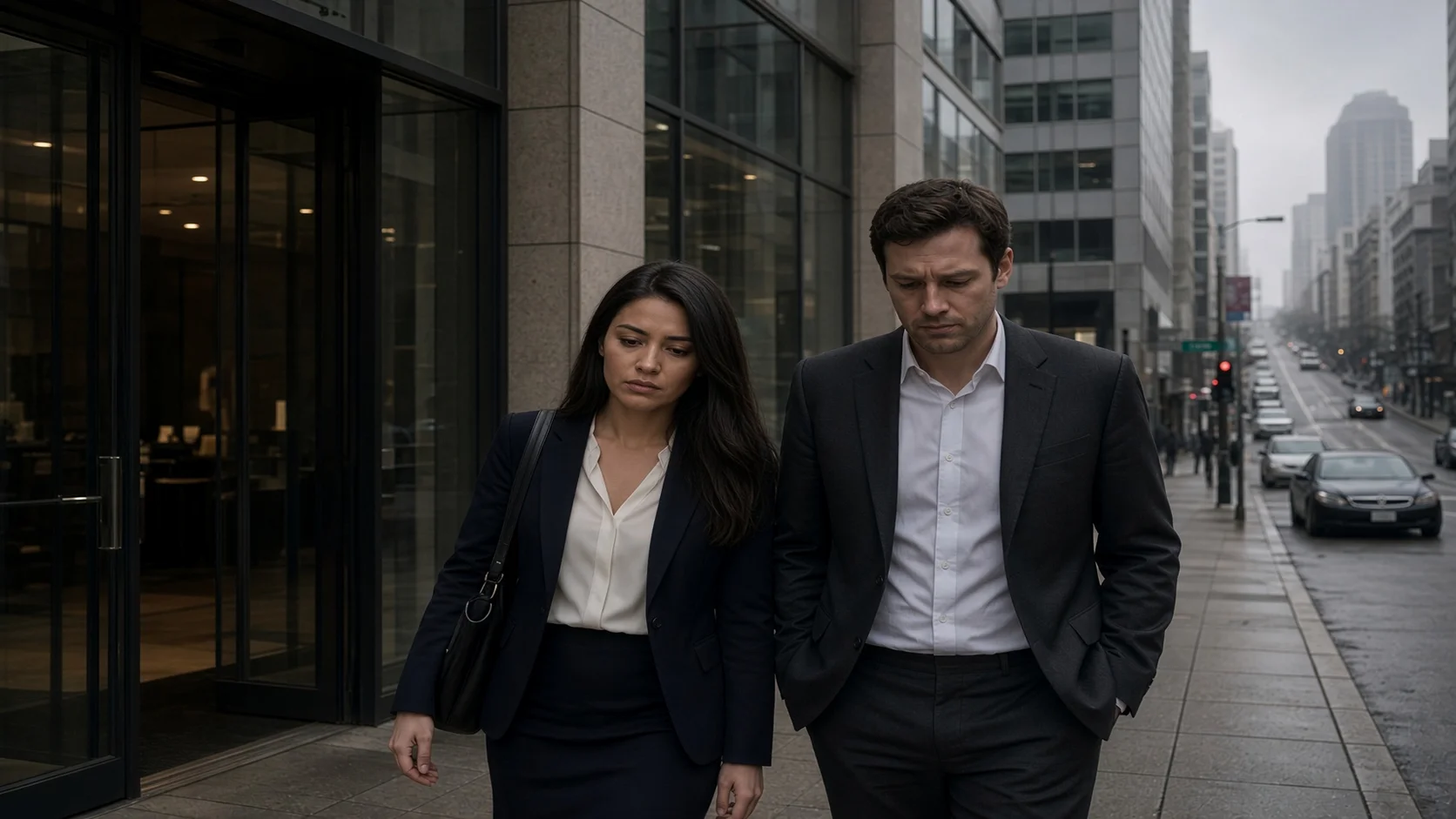
Running out of people willing to fund it. Perkins and Obrecht spent months in San Francisco pitching investors and were turned down more than 100 times5. "We went to Silicon Valley thinking it would be amazing," she said, "but we came back without a single investor." After each rejection she reworked the pitch to answer the concern she'd just heard.

What happened that she couldn't have planned for?
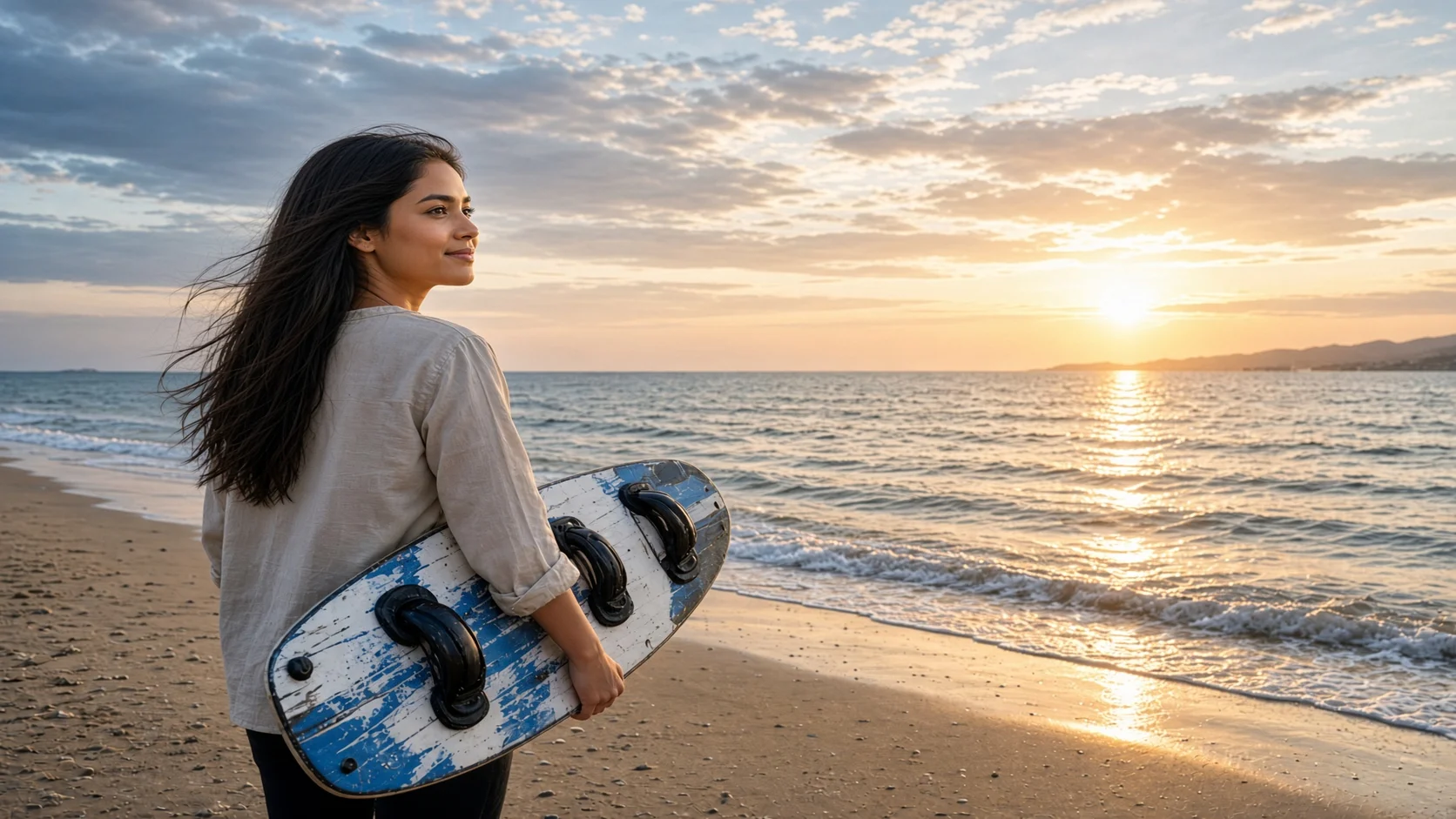
A kite camp. The American venture capitalist Bill Tai invited Perkins, then 24, to MaiTai6, a retreat in Hawaii where investors and founders spend their days kitesurfing together. She didn't know the sport and later called it "terribly dangerous," but she learned it anyway, because the people on the water were the people she needed to meet. Tai became a lead investor in Canva's seed round.

What showed that she was human after all?
She's open about how much the early years hurt. "Rejection always hurts," she said. "A lot." Her way through it was to treat each no as feedback on the pitch and keep going: "We never considered failure to be an option." Her personal life stayed modest, too. When Obrecht proposed on a trip to Turkey, he did it with an engagement ring that cost about $30. They married in January 2021 on Rottnest Island, off the coast of Perth, and still run Canva together, with Obrecht as chief operating officer.

What was the change she brought about?
Design became something almost anyone could do. Canva opened to the public on August 26, 2013, with a library of stock images, hundreds of fonts, and step-by-step lessons for beginners7. Four years later it had more than 10 million users in 179 countries. By August 2025 about 240 million people were using it every month, from students making class projects to companies building their marketing materials.
What did she believe that most reasonable people around her did not?
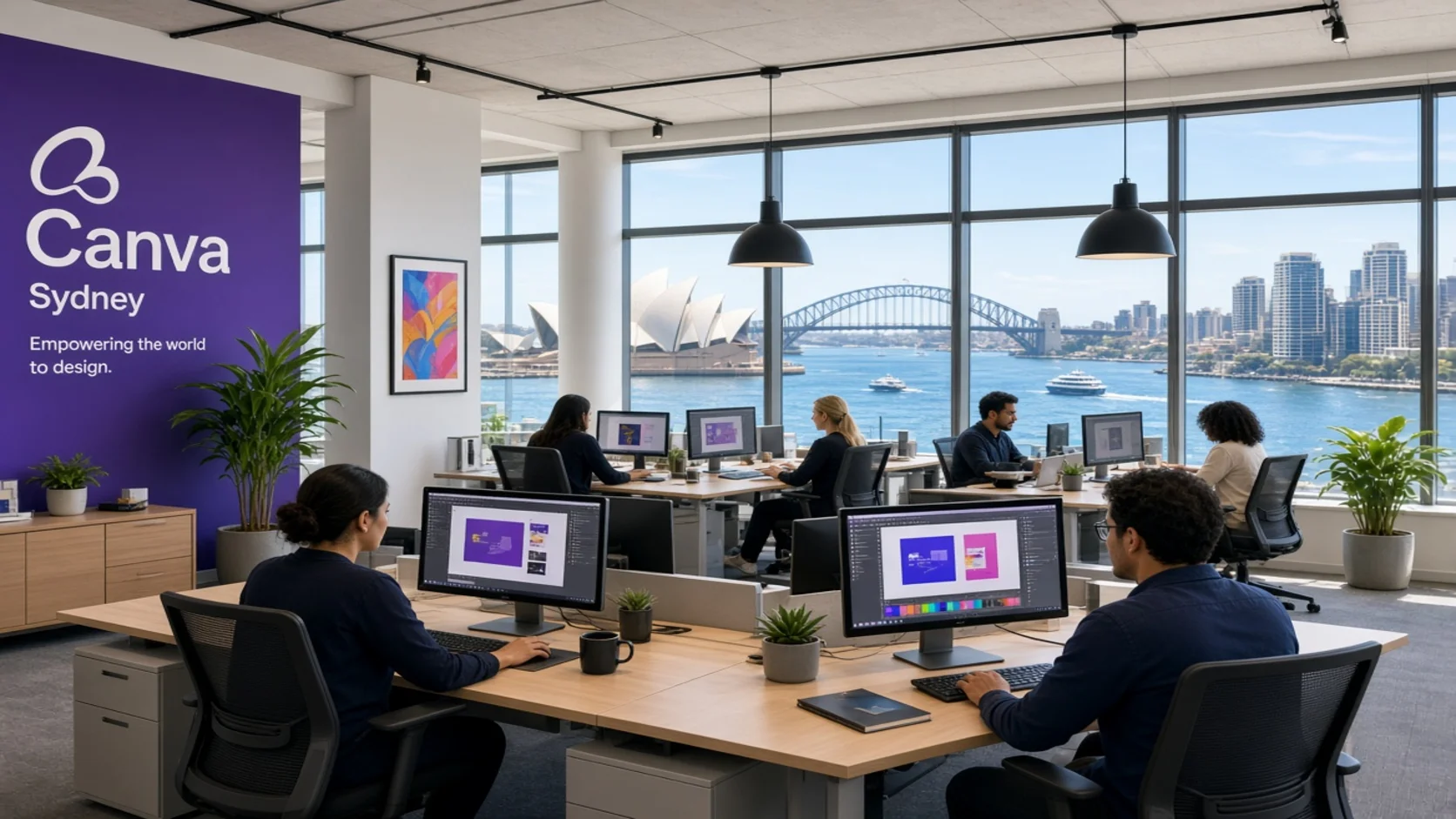
That a global software company could be built from Australia and pay its own way. The founders moved from Perth to Sydney to find engineers, kept their headquarters there, and gave most of the product away for free while charging teams and businesses for more. Canva has reported positive free cash flow every year since 2017, while its valuation climbed to $42 billion by 20258.
What did her trek cost her?
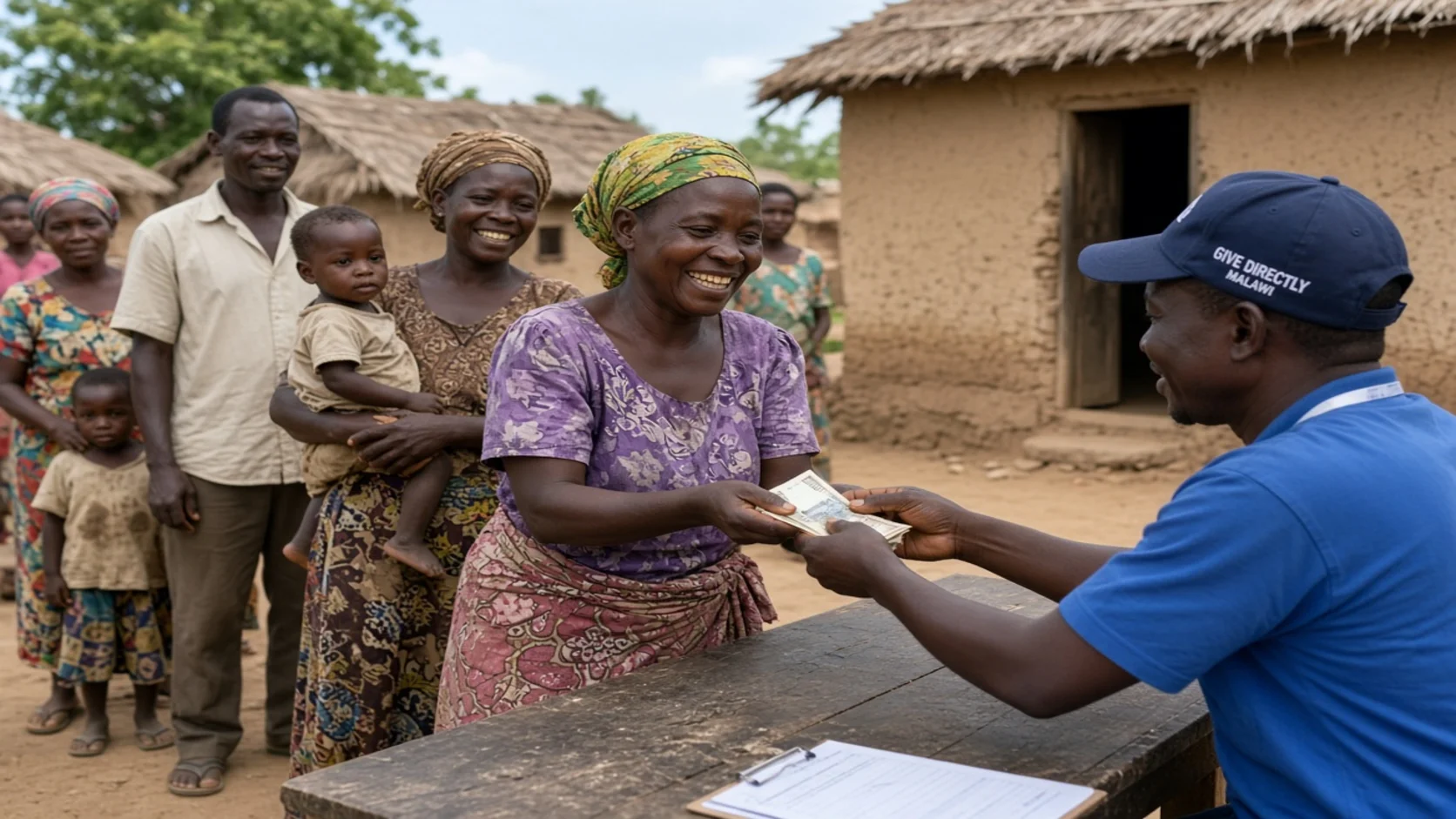
Most of what it earned her, by choice. In 2021 Perkins and Obrecht signed the Giving Pledge, promising to give away most of their money through the Canva Foundation. They've said they intend eventually to give away a 30 percent stake in Canva. In July 2026, Forbes estimated each of their stakes, about 18 percent of the company, at $7.6 billion, and the foundation had committed $150 million to direct cash transfers for people living in extreme poverty in Malawi9.
What's the takeaway?
Prove your idea somewhere small enough to win, then take it everywhere. Perkins started with school yearbooks, learned what non-designers needed, and only then built a tool for everyone. When more than 100 investors turned her down, she already had evidence that ordinary people would design things themselves. She just needed to find the people who would listen, even if that meant learning to kitesurf.
Timeline
-
1987—Born in Perth, Western Australia.
-
2007—Leaves university at 19 and co-founds Fusion Books with Cliff Obrecht in her mother's living room.
-
2011—Attends Bill Tai's MaiTai retreat in Hawaii and learns to kitesurf.
-
2012—Cameron Adams joins as the third co-founder of Canva.
-
2013-03—Canva announces a $3 million seed round, alongside government funding from Commercialisation Australia.
-
2013-08-26—Canva opens to the public.
-
2016—Named to Forbes 30 Under 30 Asia.
-
2017—Canva passes 10 million users and begins reporting positive free cash flow every year.
-
2021-01—Marries Cliff Obrecht on Rottnest Island.
-
2021—Signs the Giving Pledge with Obrecht.
-
2021-09—Canva raises $200 million at a $40 billion valuation.
-
2024—Canva acquires Affinity and Leonardo.Ai.
-
2025-08—Canva reaches about 240 million monthly users and a $42 billion valuation.
-
2026-07—The Canva Foundation's commitment to cash transfers in Malawi reaches $150 million.
Side notes
-
The programs she taught—Perkins tutored students in Dreamweaver, Flash, Photoshop, and InDesign, the professional tools that design courses expected students to master. Learn more ↩
-
Who else invested—The 2013 seed round also included Matrix Partners, InterWest Partners, 500 Startups, Google Maps co-creator Lars Rasmussen, and former Yahoo chief financial officer Ken Goldman. It took almost a year to close, and Perkins credited a boost from trending on the startup platform AngelList. Learn more ↩
-
Australia's biggest—Fusion Books grew into the largest publisher of its kind in Australia. Learn more ↩
-
The co-founder who said no—Lars Rasmussen introduced Perkins to Adams, who had built a product called Fluent. Adams turned down the first invitation to join. "He said no, actually," Perkins recalled. "And then eventually, he said yes." Learn more ↩
-
A hundred decks—By Perkins's account, the first round took a year of investor meetings, including six months in San Francisco, and about 100 revisions of the pitch deck. Learn more ↩
-
MaiTai—Tai founded the retreat with the kiteboarder Susi Mai. Perkins said it helped people "bond in a way you can't do in a boardroom." Learn more ↩
-
The $1 photo—At launch, Canva offered a library of about a million images. Using the editor was free, and a premium stock photo cost $1, charged only when a user published a design that included one. Learn more ↩
-
The climb—Canva was valued at $40 billion after a $200 million round in September 2021, fell to about $26 billion in 2022 as tech valuations dropped, and reached $42 billion in August 2025, when it was reporting $3.3 billion in annual recurring revenue. Learn more ↩
-
Cash to Malawi—By July 2026 the foundation had sent more than $50 million through the charity GiveDirectly, reaching more than 130,000 people. Learn more ↩