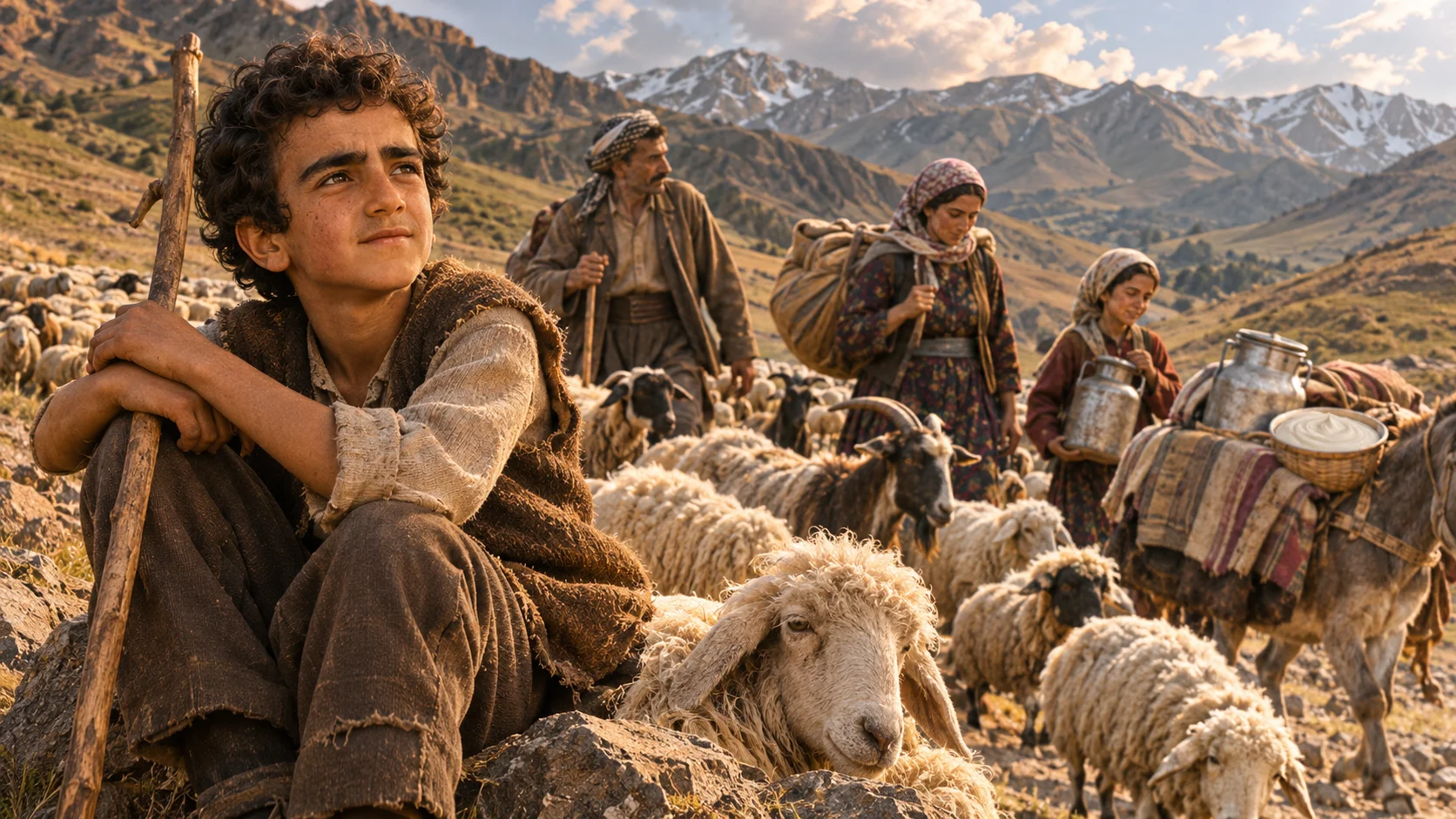
- His birth date is a guess because his family was moving through the mountains.
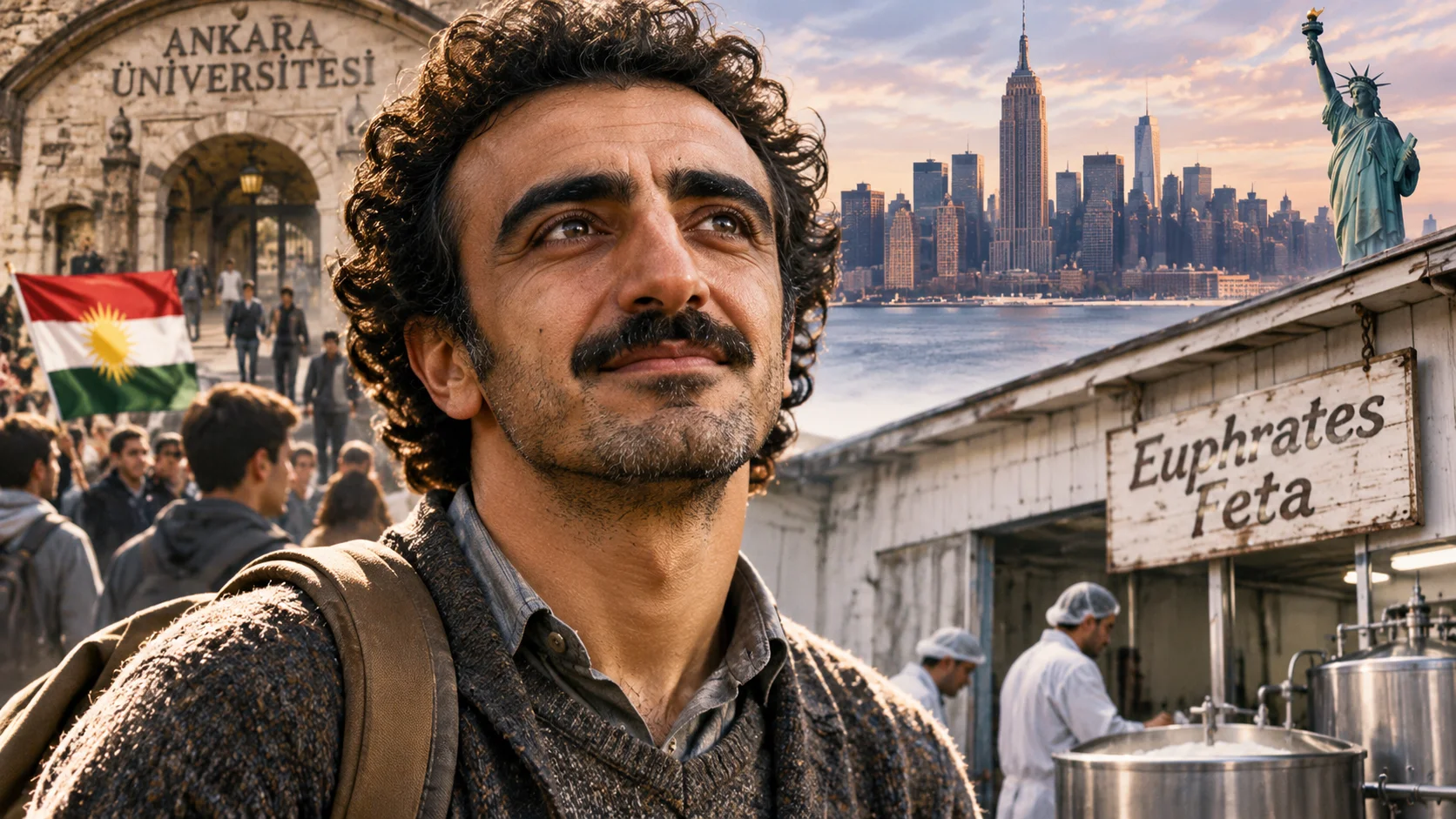
- He arrived in New York with $3,000 and only a few words of English.
- In 2016 he gave his 2,000 employees a 10 percent stake in the company.
Who is he—and what was he like before everyone noticed?
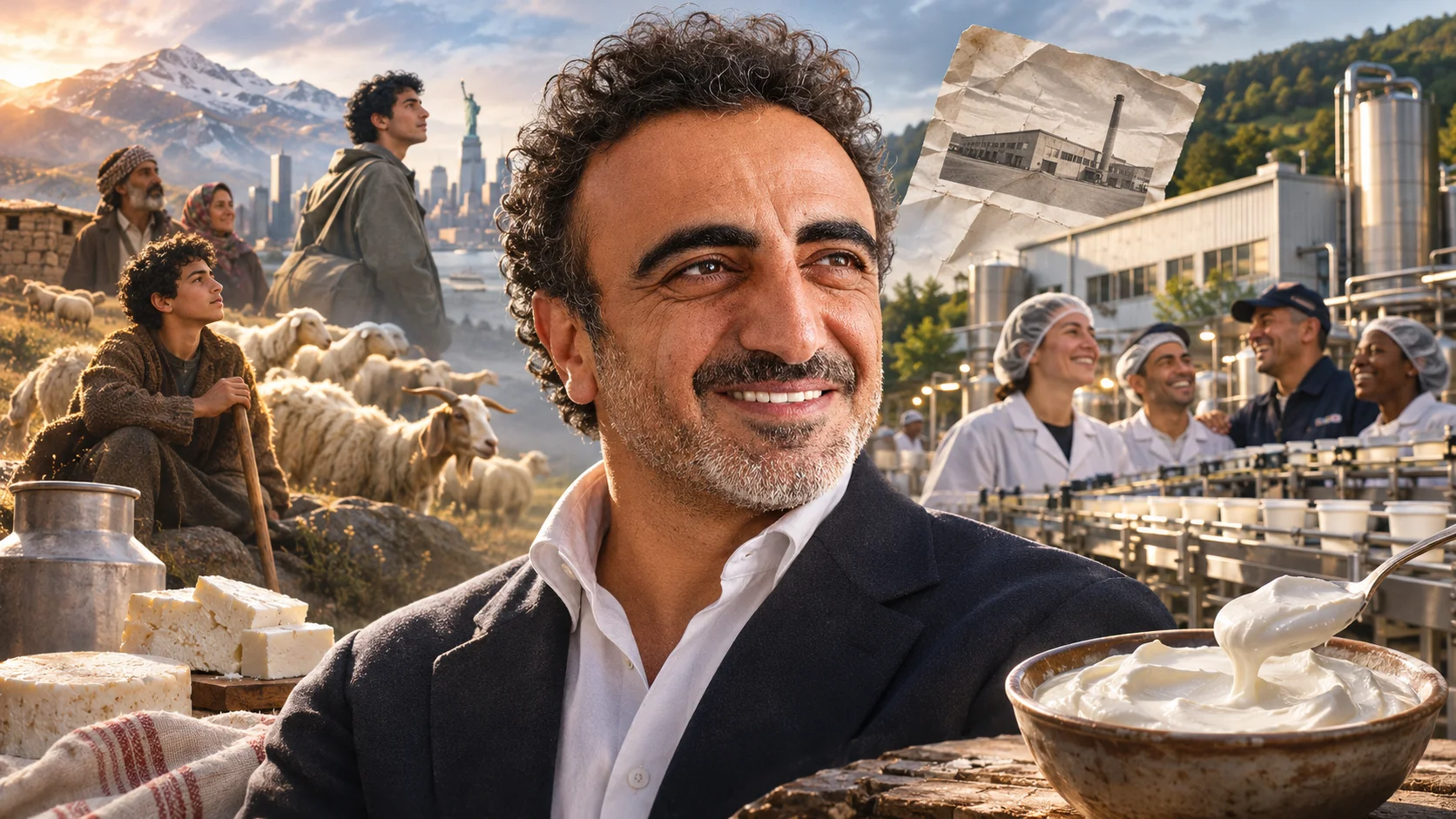
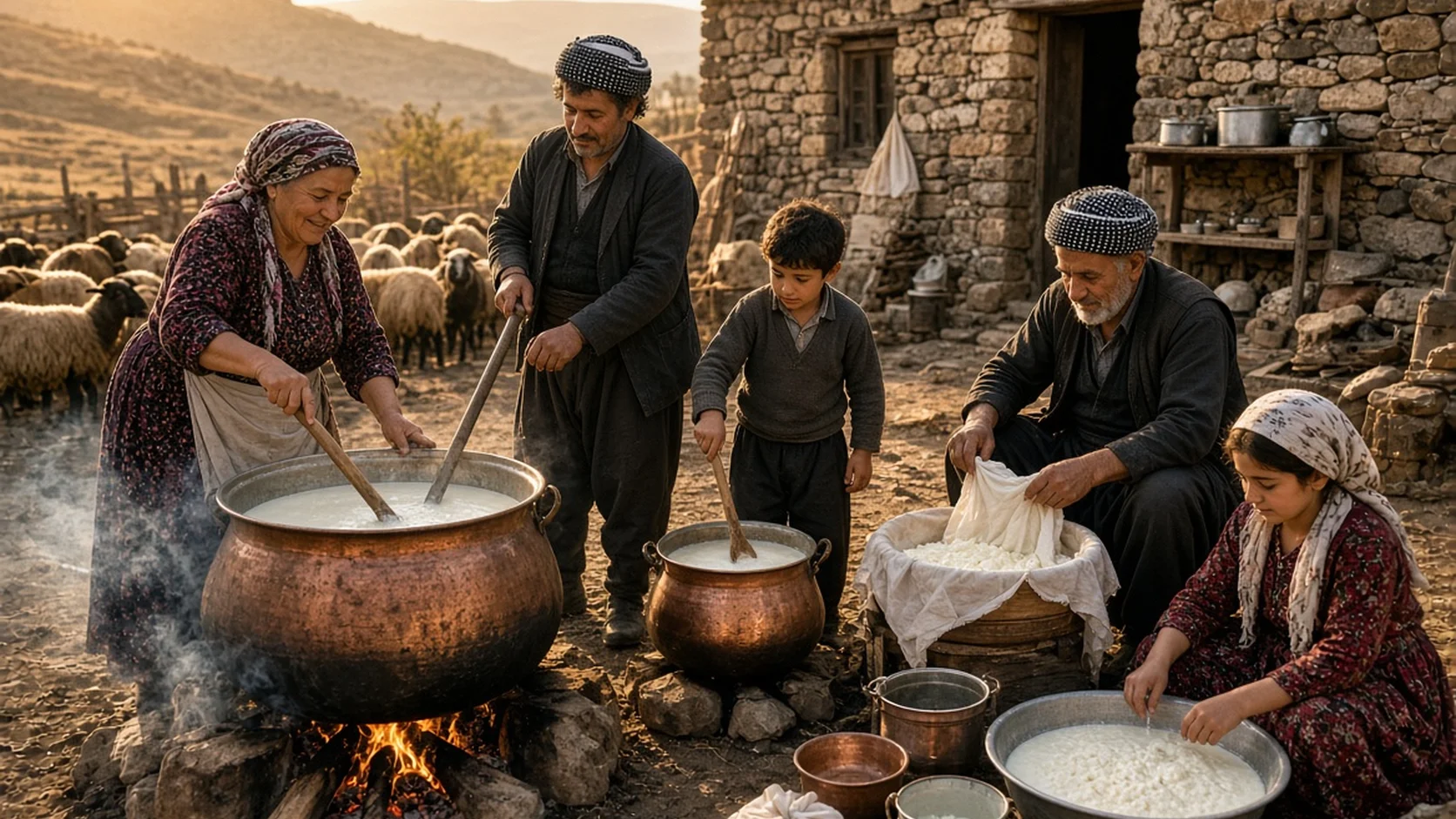
Hamdi Ulukaya was born in 1972 in İliç, in Turkey's eastern Erzincan province, into a Kurdish family that raised sheep and goats and made cheese and yogurt from their milk. Nobody is certain of his exact birthday, because he arrived while the family was moving through the mountains with its herds, and October 26 is the date that stuck. Before anyone had heard of him he was a shepherd's son in a place where, as he later put it, being well off "just means that you have more sheep."
What did his life look like before his trek began?
A student who barely spoke the language. He studied political science at Ankara University and got involved in the Kurdish-rights movement, and in 1994, partly because of how Turkey treated its Kurds, he left for New York. He came to study English at Adelphi University on Long Island with $3,000 to live on and an English vocabulary that ran to "I. Am. Hamdi. I. Am. From. Turkey."1 In 2002, at his father's urging, he opened a small feta plant called Euphrates in Johnstown, New York. It took two years just to break even. "It was two years of the most challenging days of my life," he said.
What did he see that other people didn't?
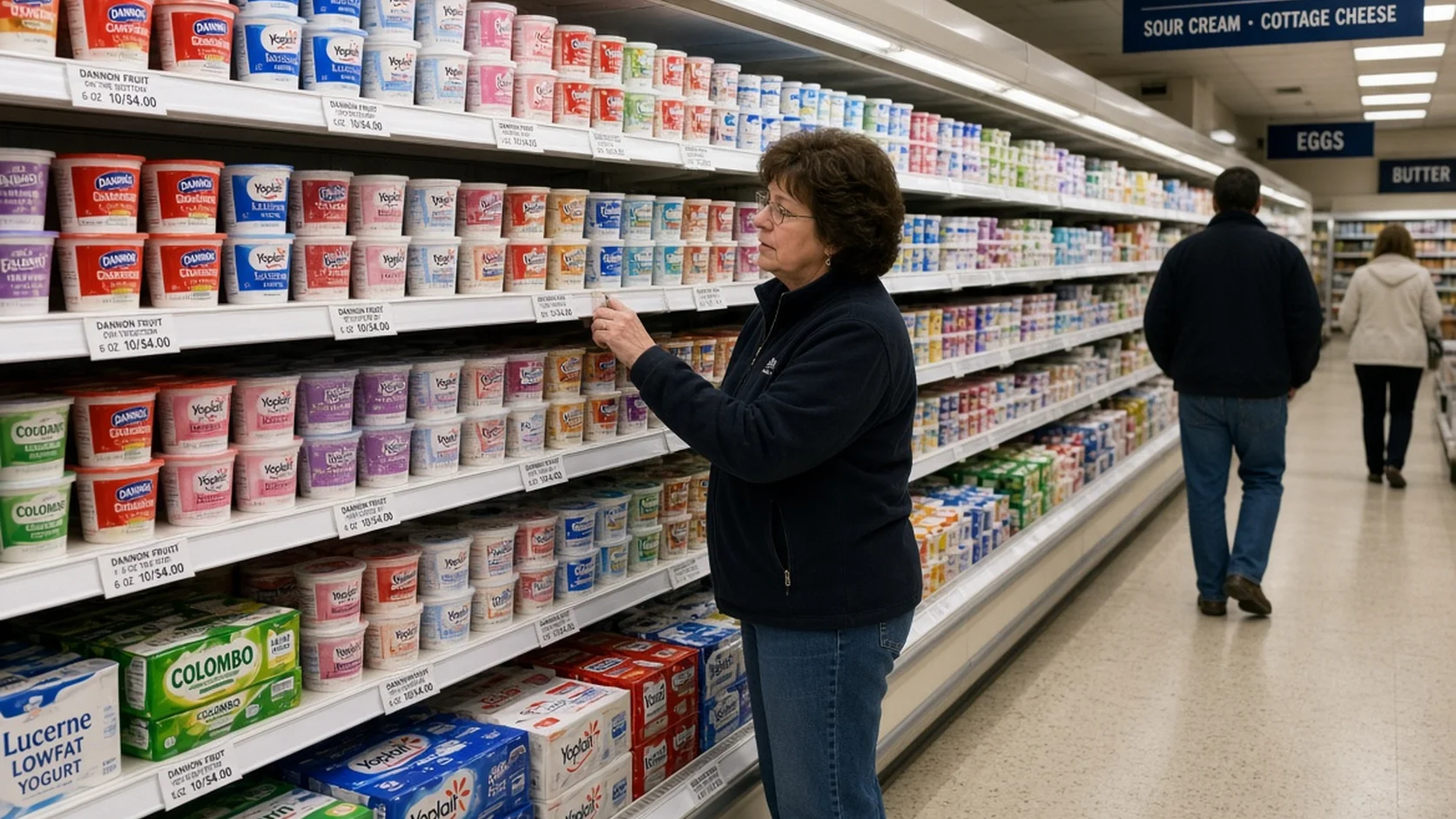
That Americans had never really tasted strained yogurt. The thick, tangy kind he grew up with was everyday food in Turkey and Greece, and in American supermarkets it barely existed. In 2007, Greek yogurt made up about 1 percent of the yogurt Americans bought.
What problem became his obsession?
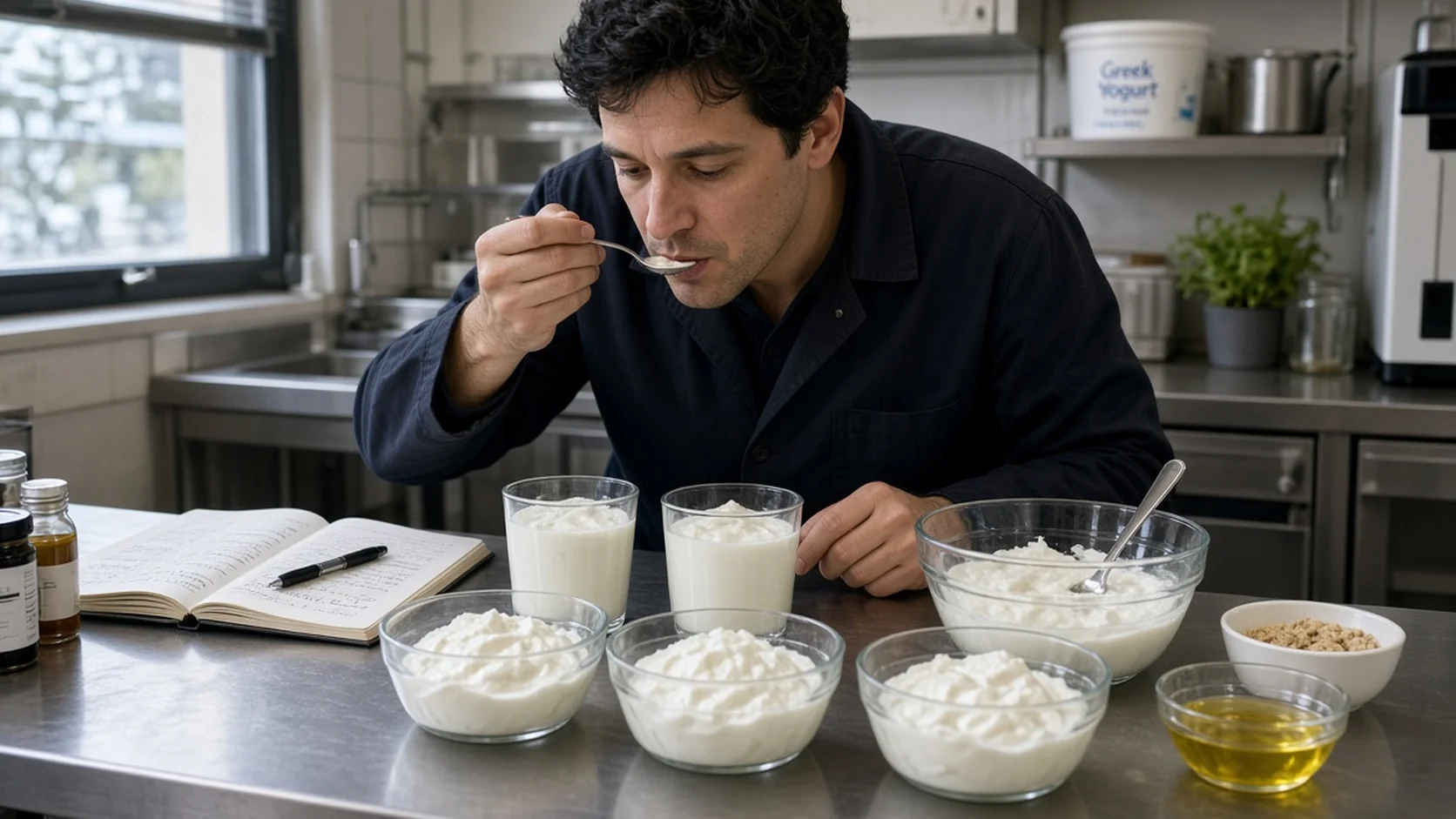
Making that yogurt in a country that didn't make it, at a price people would pay every week. He wanted, in his words, "a yogurt here that Americans have never seen and never tasted before," and he spent about two years working on the recipe and the process before the first cup went out.
Why did this matter personally to him?
It was his family's food. He grew up on the yogurt and cheese his family made from their own animals' milk, and he knew what it was supposed to taste like. The name he chose for the company, Chobani, comes from the Turkish word for shepherd.
Where did the first money come from?
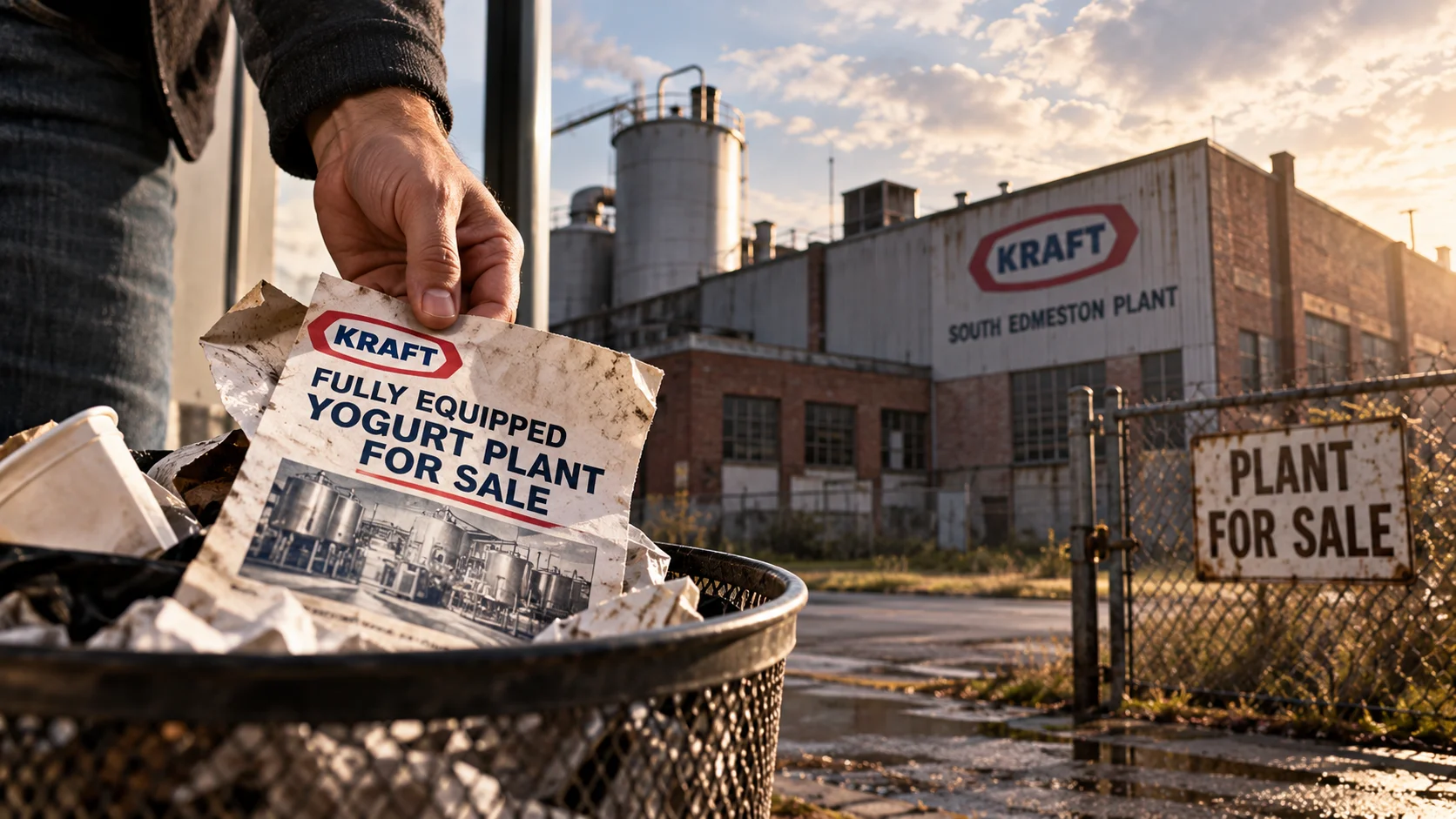
From a loan, a few grants, and a piece of junk mail. In 2005 a flier arrived in his mail: "Fully equipped yogurt plant for sale." Kraft was closing an 85-year-old factory in South Edmeston, New York. "I threw it in the garbage can," he said. "And 20 minutes later, I picked it up and called the number." The asking price was so low he thought someone had left a zero off. Against the advice of his lawyer, family, and friends, he bought it within five months with a Small Business Administration loan and local business grants.
What made the economics work?
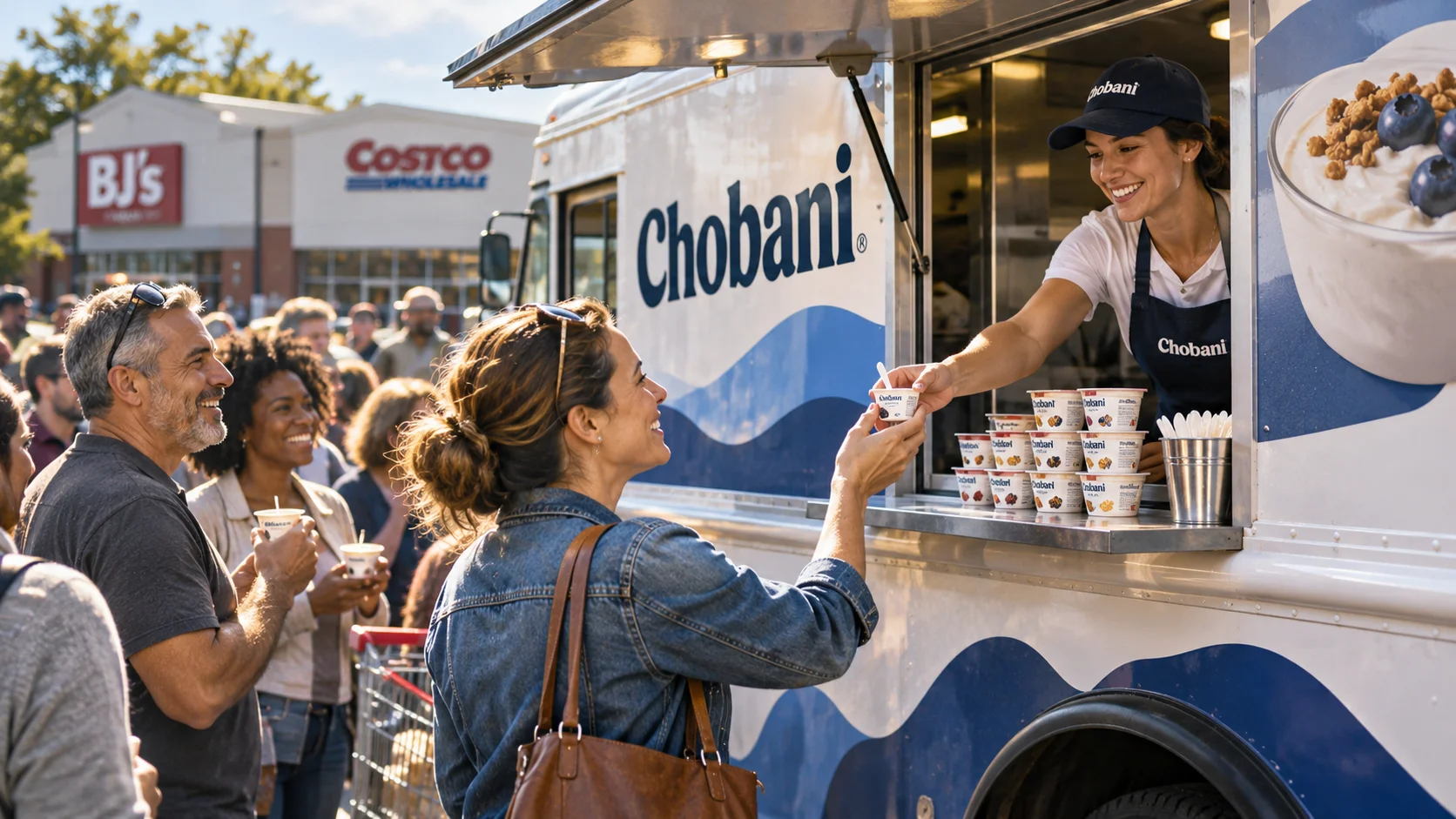
A plant, a few skilled people, and samples. The factory came with 55 workers whose last job was shutting it down, and Ulukaya hired four of them back2 to start over. In October 2007 Chobani shipped its first few hundred cases to a grocery store on Long Island, which reordered the next week. In 2009 the big supermarket chains and then BJ's and Costco started carrying it, and by mid-2009 Chobani was selling 200,000 cases a week. From there sales doubled every year through 2013, helped by a sampling truck3 that handed out free cups wherever it parked.
What was the decision or moment after which nothing was the same?
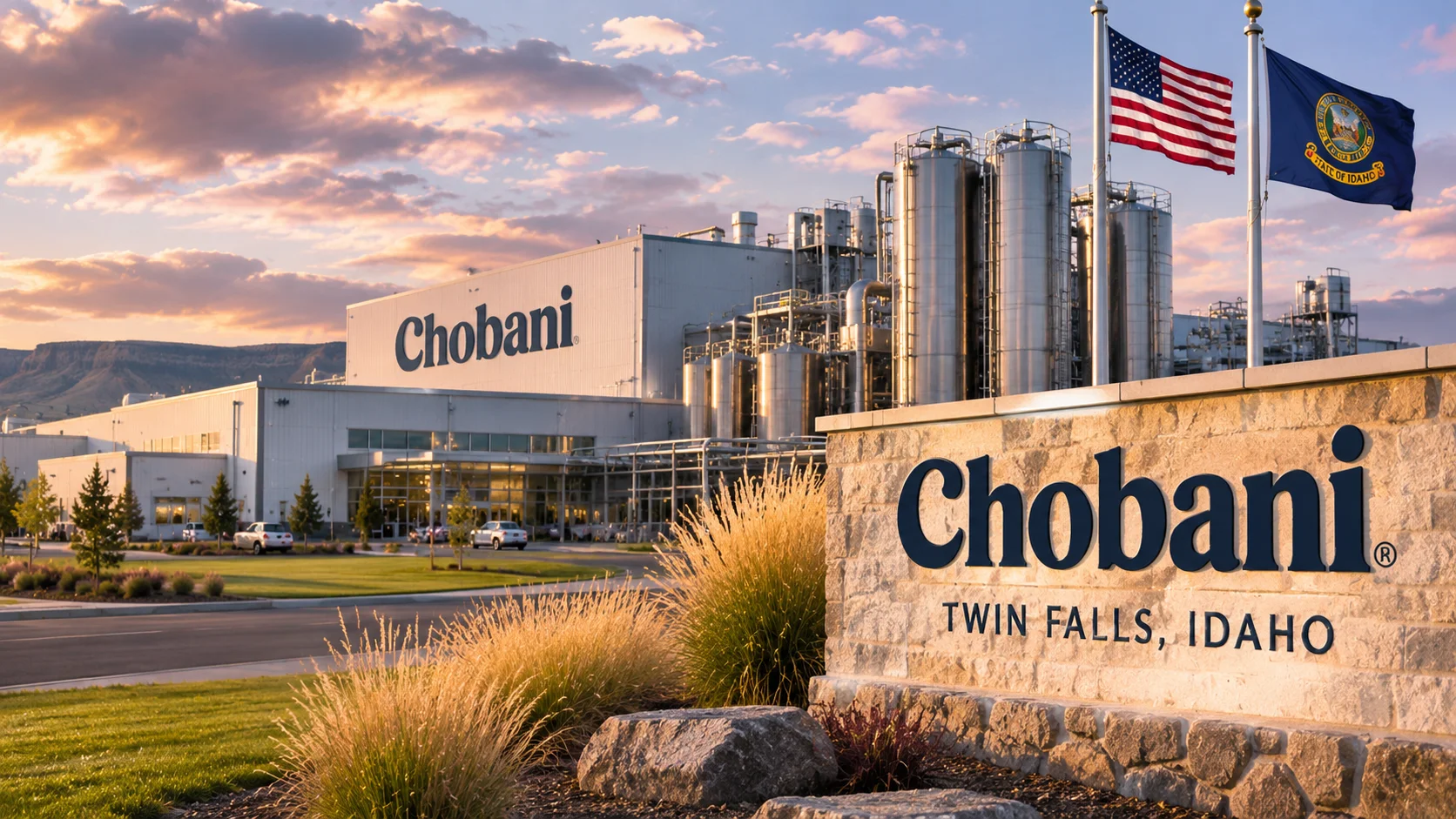
Building in Idaho. Chobani needed a second plant, and Ulukaya chose Twin Falls, a farm town he said was "on nobody's radar screen." He skipped the usual site analysis ("I don't need to see financial studies"), partnered with the College of Southern Idaho to train workers, and in December 2012 opened a $450 million factory that the company called the largest yogurt plant in the world.
What nearly killed it?
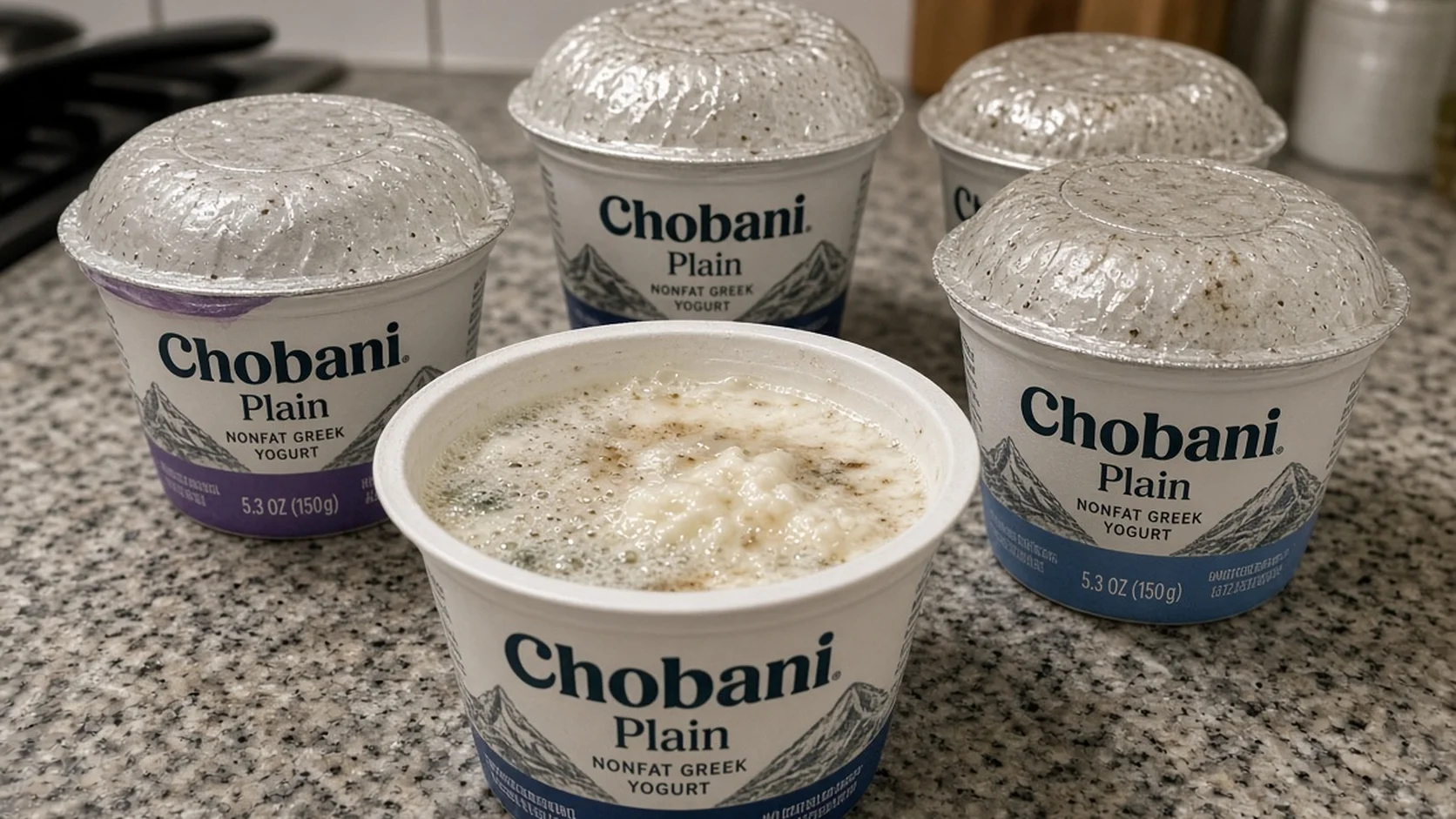
A mold in that new plant. In late August 2013, customers started complaining that their yogurt looked runny and tasted fizzy, and some said it made them sick. The cause was a mold common in dairy plants, traced to Twin Falls, and by early September Chobani had issued a voluntary recall. The FDA said about 89 people had apparently fallen ill4. Ulukaya posted an apology on the company's website: "I'm sorry we let you down."
What happened that he couldn't have planned for?
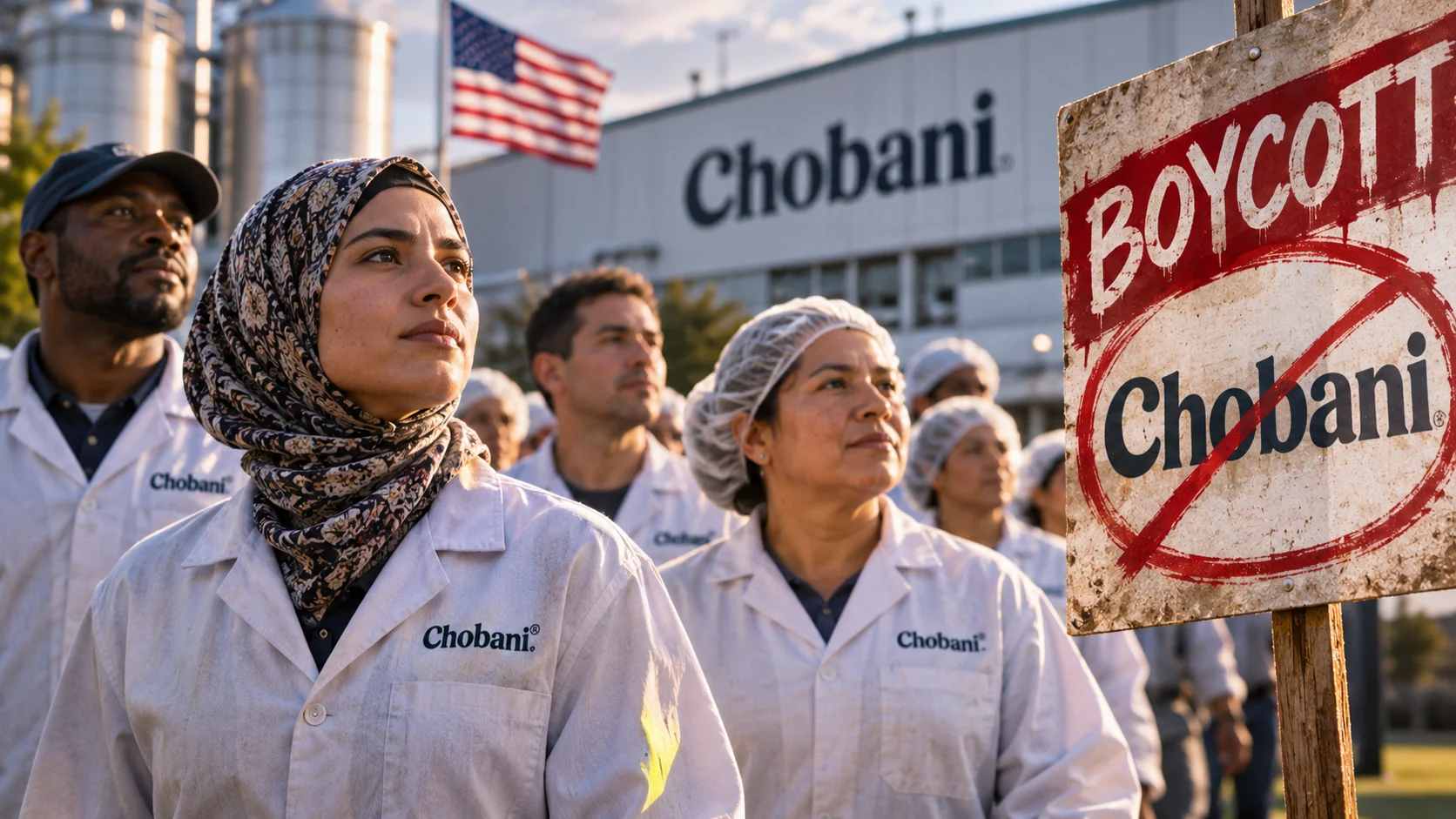
That hiring refugees would make him a target. In one rural community, about 30 percent of Chobani's workers were immigrants and refugees. In 2016, as that became widely known, Chobani faced boycott calls, and Ulukaya received death threats. In April 2017 the radio host Alex Jones published claims tying Chobani's refugee workers in Twin Falls to crime and disease. Chobani sued him for defamation, and within weeks Jones retracted the claims and apologized5.
What showed that he was human after all?
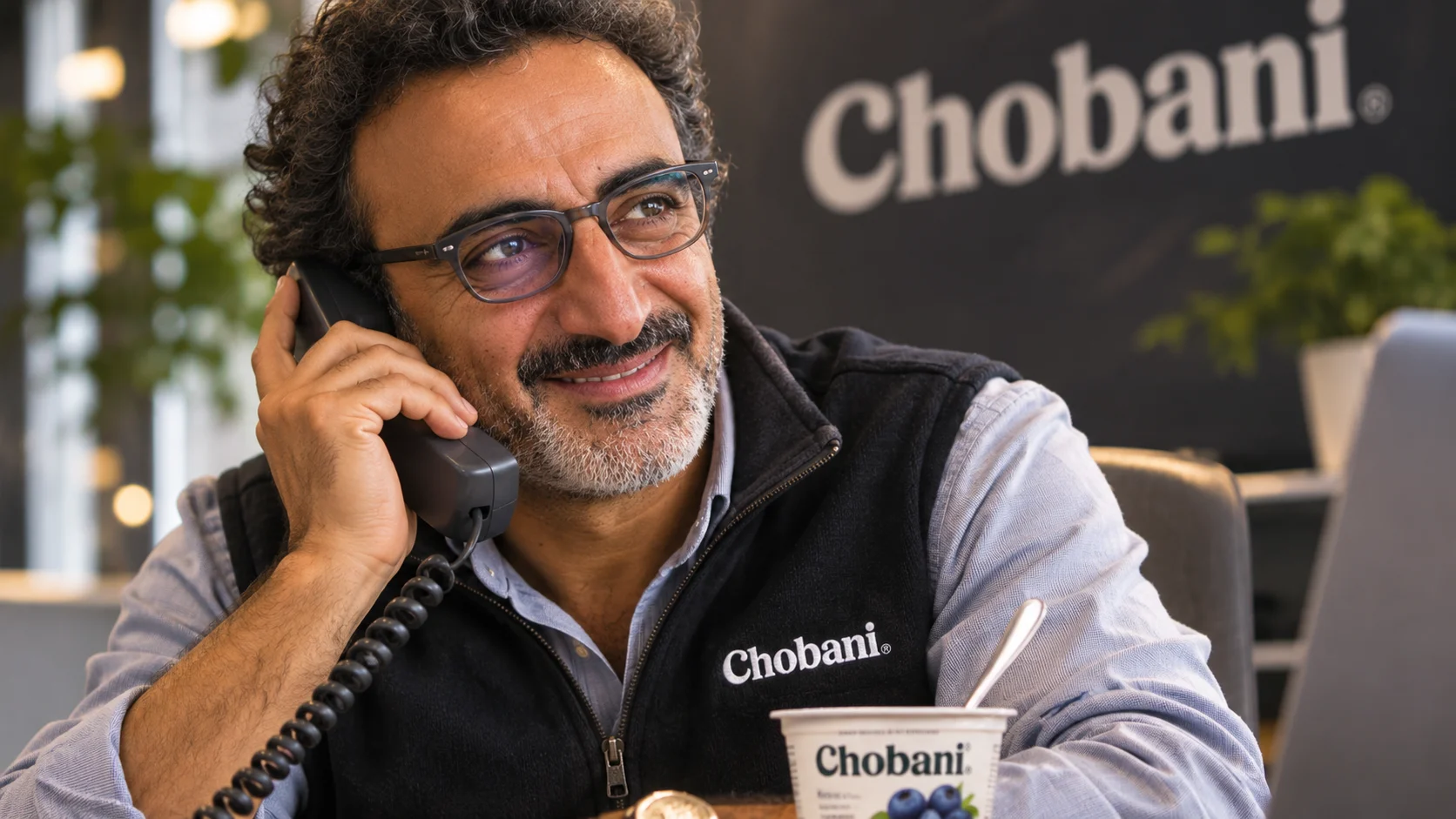
He answered the phone himself. Every cup of Chobani carries a 1-800 number for customers, and Ulukaya has said he once answered it personally, because in his view a chief executive reports to the people who buy the product more than to any board.
What was the change he brought about?
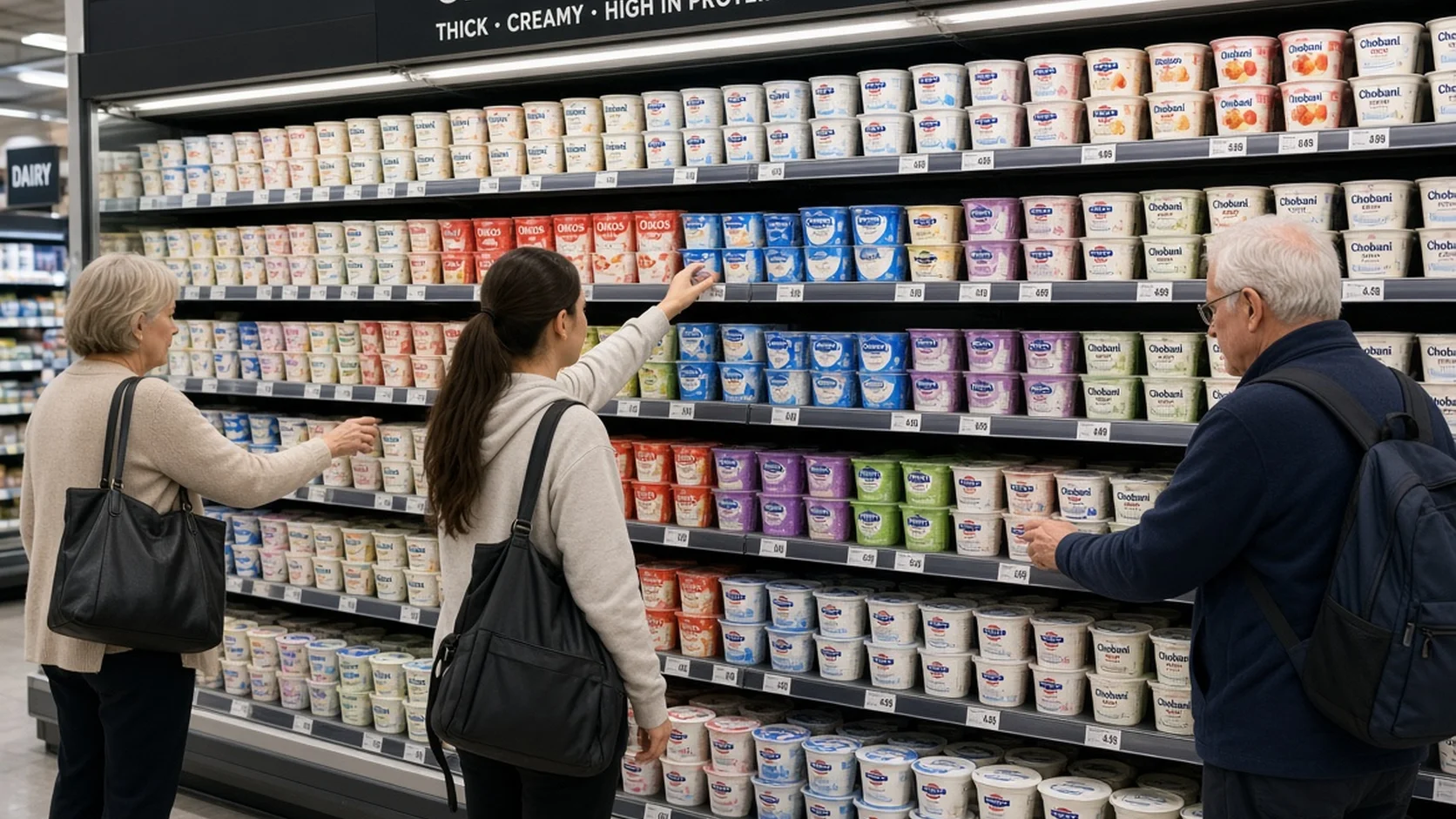
He helped turn a niche food into an American staple. Greek yogurt went from about 1 percent of US yogurt sales in 2007 to about 44 percent in 2013, with Chobani leading the way. He also pushed other companies to follow his lead on refugees. The Tent Partnership for Refugees, which he founded in 2016, grew to more than 300 member companies by 20226.
What did he believe that most reasonable people around him did not?
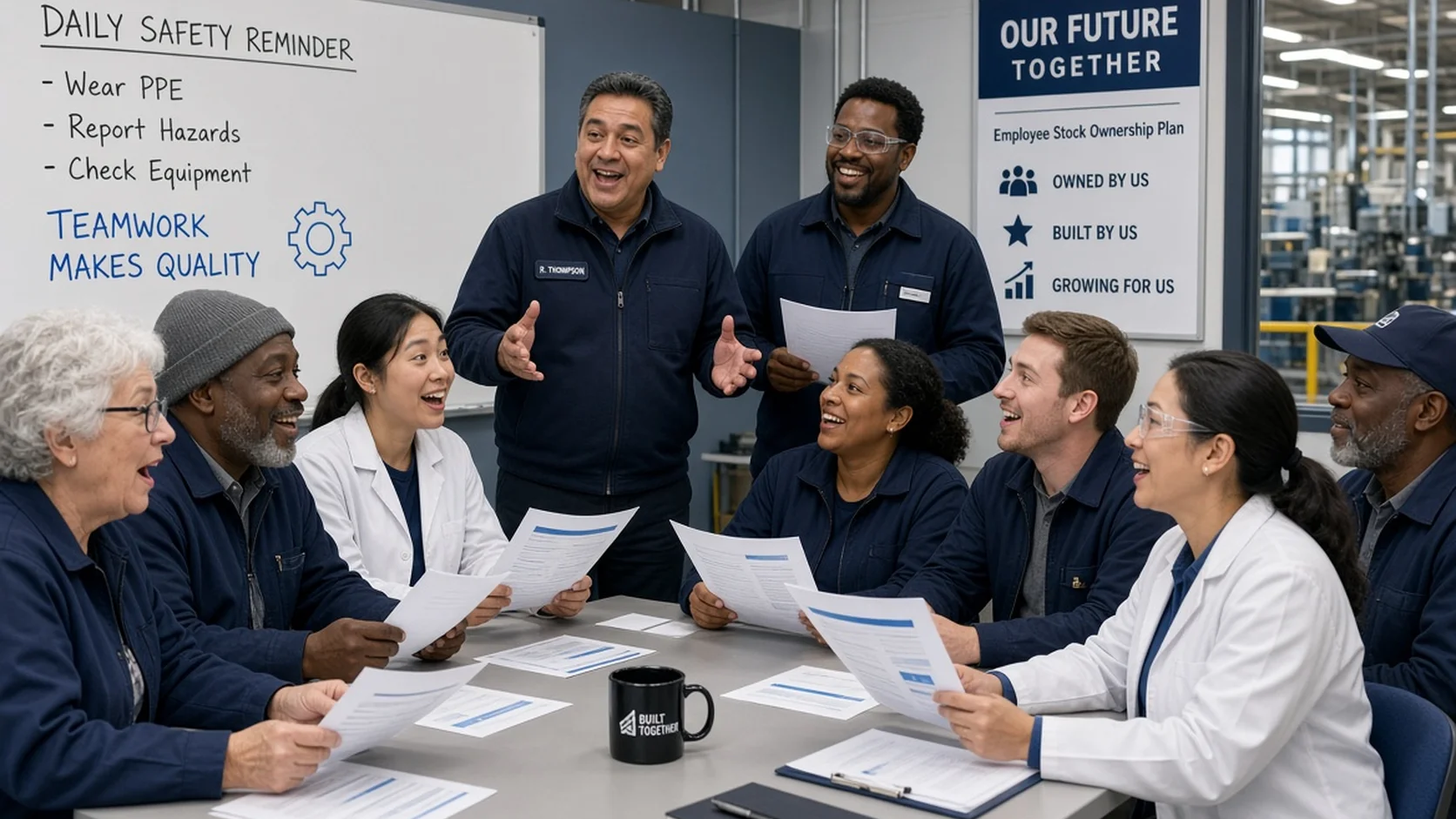
That the people who build a company should own part of it. On April 26, 2016, he told Chobani's 2,000 full-time employees they would receive shares worth up to 10 percent of the company7. "It's not a gift," he said. "They earned it with their talent and with their hard work."
What did his trek cost him?
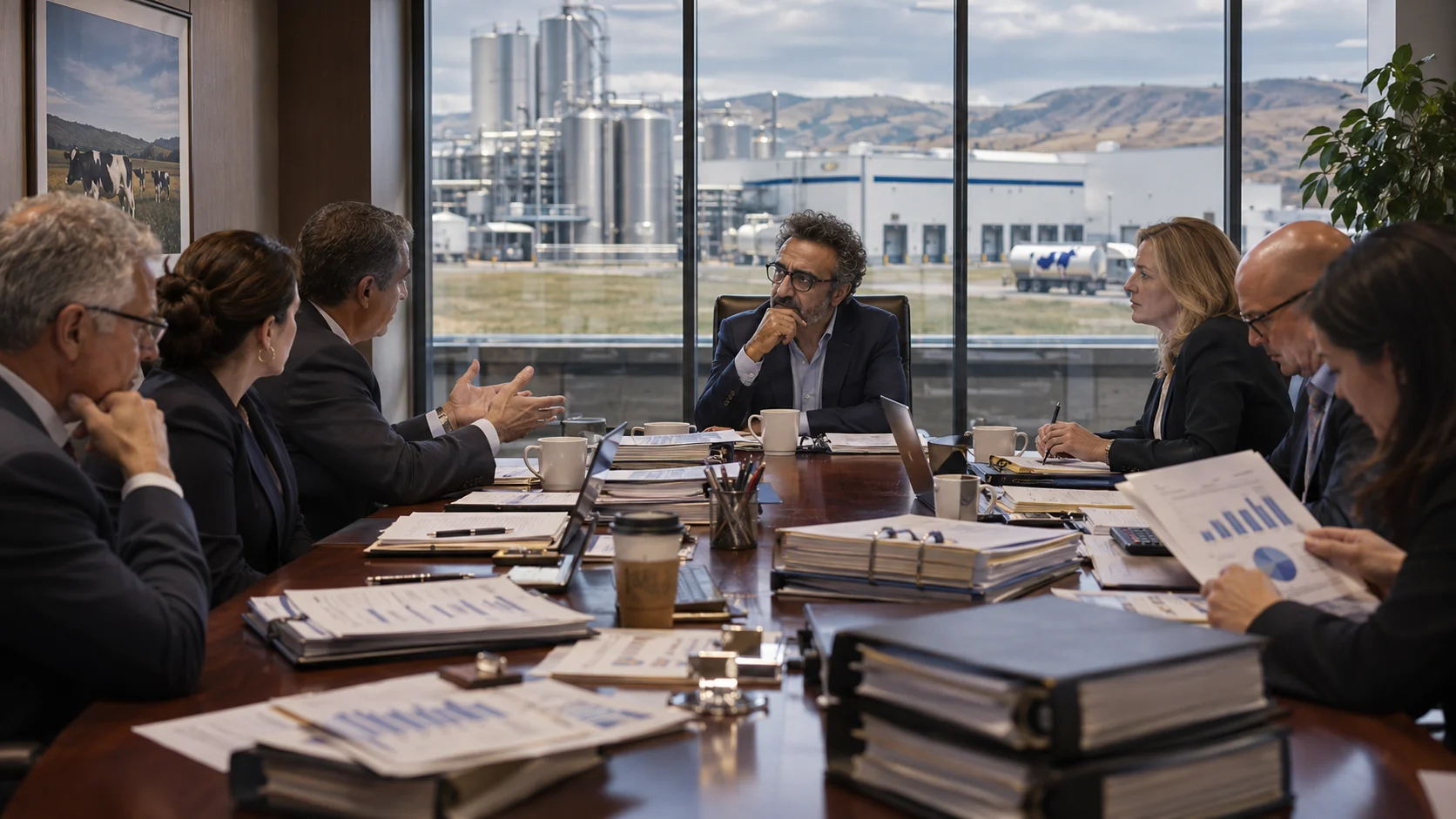
Very nearly, control of his own company. Growth and the Idaho plant ate through cash, and in 2014 Chobani borrowed $750 million from the private-equity firm TPG. The loan came with warrants that could have turned into a 25 to 35 percent stake, and with interest the debt grew to about $900 million in two years. Chobani spent the next few years paying it off at a steep price, and in 2018 it brought in a pension fund as a minority investor to buy out TPG's remaining warrants8. "It's about long-term thinking, having a long-term partner and getting more control back," Ulukaya said.
What's the takeaway?
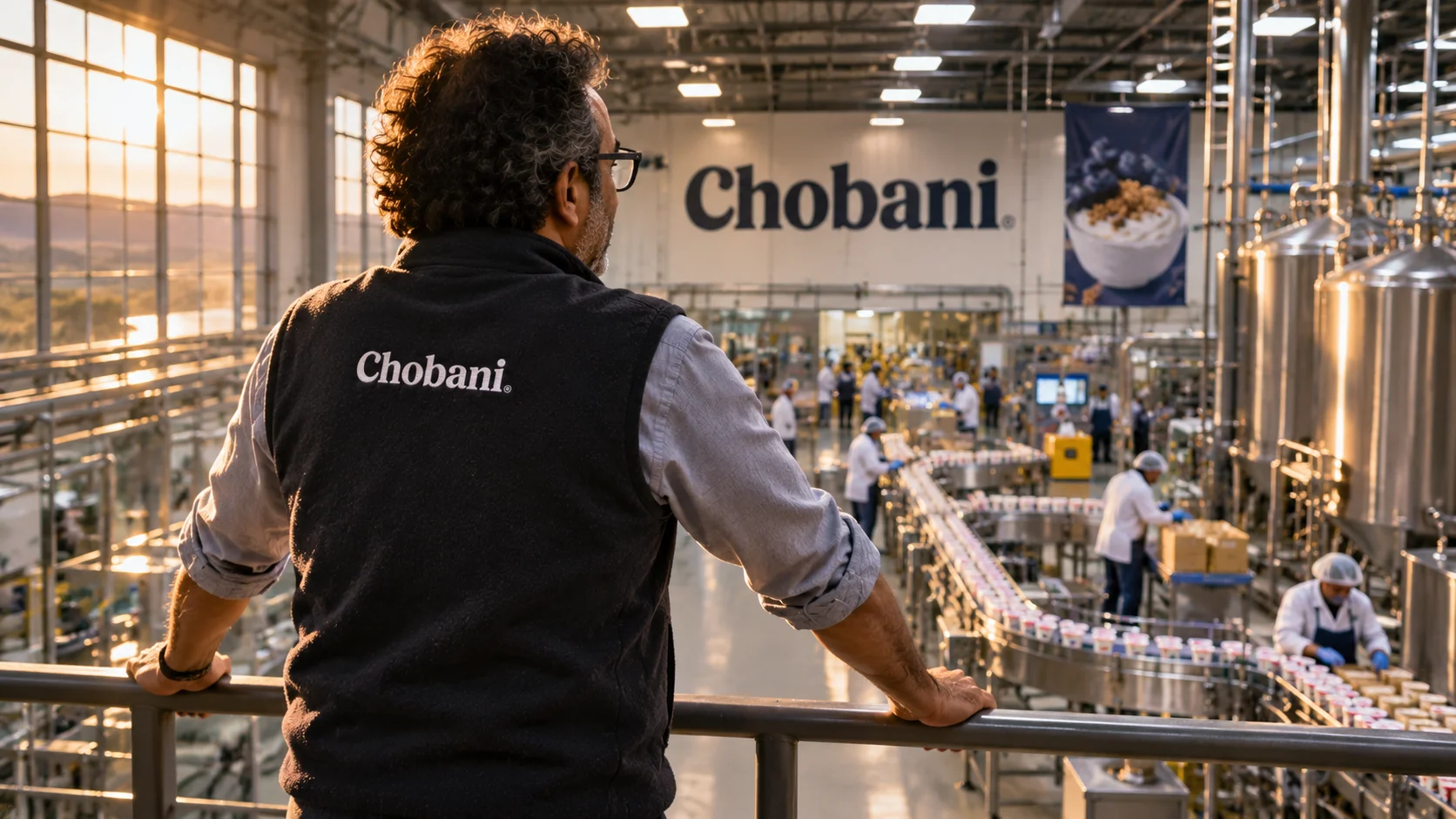
Some of the best opportunities arrive looking like junk mail. A closing factory, a shrinking town, and 55 people waiting to lock the doors looked like the end of something to Kraft. To a shepherd's son who knew what yogurt could taste like, they were everything he needed to start. "Spreadsheets don't tell you about people, they don't tell you about communities," he said. Look closely at what everyone else is throwing away.
Timeline
-
1972-10-26—Born in İliç, Erzincan, Turkey, to a Kurdish dairy family.
-
1994—Moves to New York to study English at Adelphi University.
-
1997—Transfers to the University at Albany, where he takes business courses.
-
2002—Opens Euphrates, a feta plant in Johnstown, New York.
-
2005—Buys Kraft's closing yogurt plant in South Edmeston, New York, and hires back four of its workers.
-
2007-10—Ships the first Chobani yogurt to a Long Island grocer.
-
2009—Supermarket chains, BJ's, and Costco begin carrying Chobani.
-
2011—Expands to Australia.
-
2012-12—Opens the Twin Falls, Idaho, plant, a $450 million investment.
-
2013—Named Ernst & Young World Entrepreneur of the Year.
-
2013-09—Recalls yogurt from Twin Falls after mold contamination.
-
2014—Borrows $750 million from TPG; pledges $2 million to the UN refugee agency.
-
2015—Visits refugees on the Greek island of Lesbos and launches the Tent Foundation.
-
2016-04-26—Announces shares for employees worth up to 10 percent of Chobani.
-
2016—Launches the Tent Partnership for Refugees; faces boycott calls and death threats over refugee hiring.
-
2017-04-24—Chobani sues Alex Jones, who retracts his claims the next month.
-
2017—Named one of Time's 100 most influential people.
-
2018—A pension fund takes a minority stake, ending TPG's ties to the company.
-
2021—Raises Chobani's starting wage to at least $15 an hour; files for an IPO.
-
2022—Withdraws the IPO, citing market conditions.
-
2023-12—Buys La Colombe Coffee Roasters for $900 million.
-
2025-10—Raises $650 million at a reported $20 billion valuation.
Side notes
-
Paying his way—While he studied, he worked for a rug merchant and at a gas station in Brooklyn to cover his costs. Learn more ↩
-
Maria, Frank, Mike, and Rich—The four rehired workers ran the office, the wastewater system, maintenance, and production. Ulukaya said the only idea he had at their first meeting was to paint the walls white. Learn more ↩
-
The CHOmobile—Chobani's sampling truck launched in 2010 and gave away 150,000 cups in its first year. Learn more ↩
-
What the scientists found—Researchers at Duke University later identified the mold as Mucor circinelloides, a subspecies associated with human infections, and the FDA counted more than 400 unconfirmed illness reports over the following year. Chobani disputed that the strain caused illness. Learn more ↩
-
The retraction—Jones said the statements he'd made the week of April 10, 2017, were ones he "now understand[s] to be wrong," and that the tweets and video had been taken down for good. Learn more ↩
-
A hiring pledge—At Tent's first US business summit, 45 major companies committed to hiring more than 20,000 refugees in the United States by the end of 2025. Learn more ↩
-
What the shares were worth—With Chobani conservatively valued at about $3 billion, the average employee's stake came to about $150,000, and some long-serving workers stood to receive $1 million or more. Learn more ↩
-
Then and now—Chobani filed for an IPO in 2021 and withdrew it in 2022. In October 2025 it raised $650 million at a reported $20 billion valuation, a deal that put Ulukaya's net worth above $11 billion, according to Bloomberg. Learn more ↩