- His formal education ended in fourth grade; candymaking came from an apprenticeship.
- He paid a deposit on the Titanic and sailed home on an earlier ship.
- In the Depression, he kept about 600 people working on new buildings in town.
Who was he—and what was he like before everyone noticed?
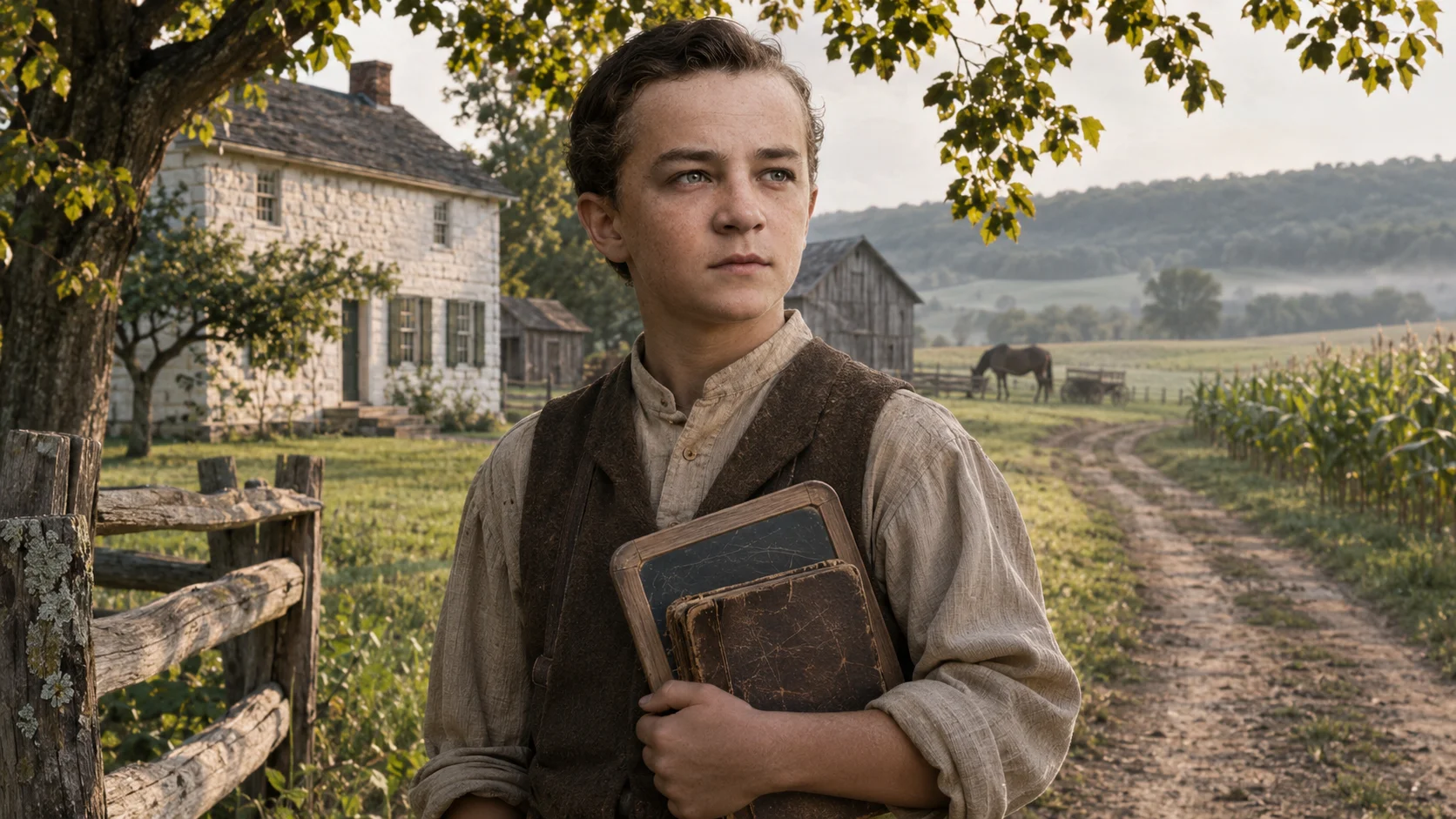
Milton Snavely Hershey was born on September 13, 1857, in Derry Township, Pennsylvania, into a Mennonite farming family. His father, Henry, tried one venture after another. Before anyone had heard of him he was a boy who left school in 1871 after the fourth grade, which was the end of his formal education.
What did his life look like before his trek began?
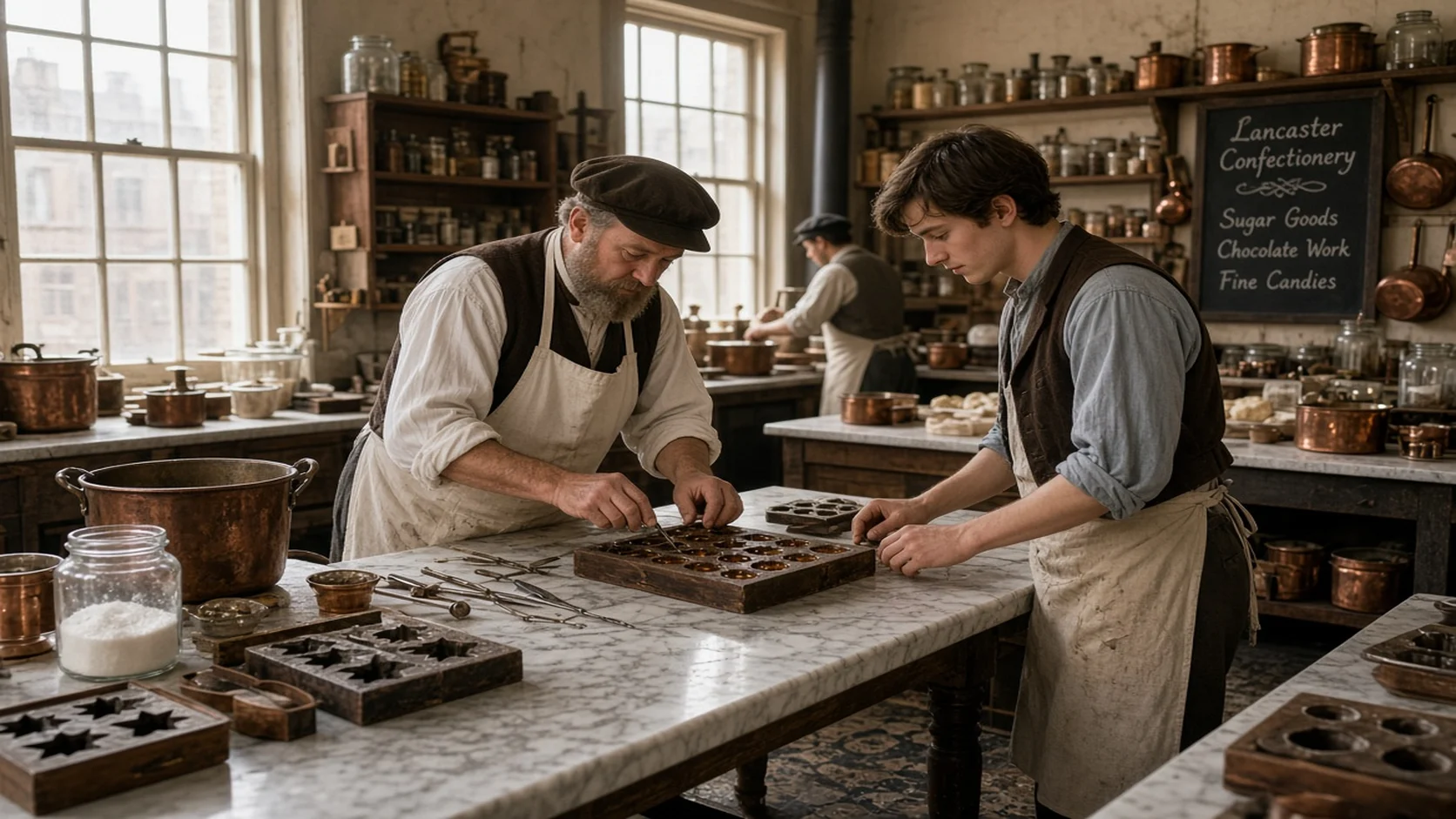
An apprentice, twice. He started with a local printer, Sam Ernst, who published a German-English newspaper, and soon lost the job. On his family's advice he turned to candy, and at 14 his mother arranged an apprenticeship with Joseph Royer, a confectioner in Lancaster. He spent four years learning the trade.
What did he see that other people didn't?
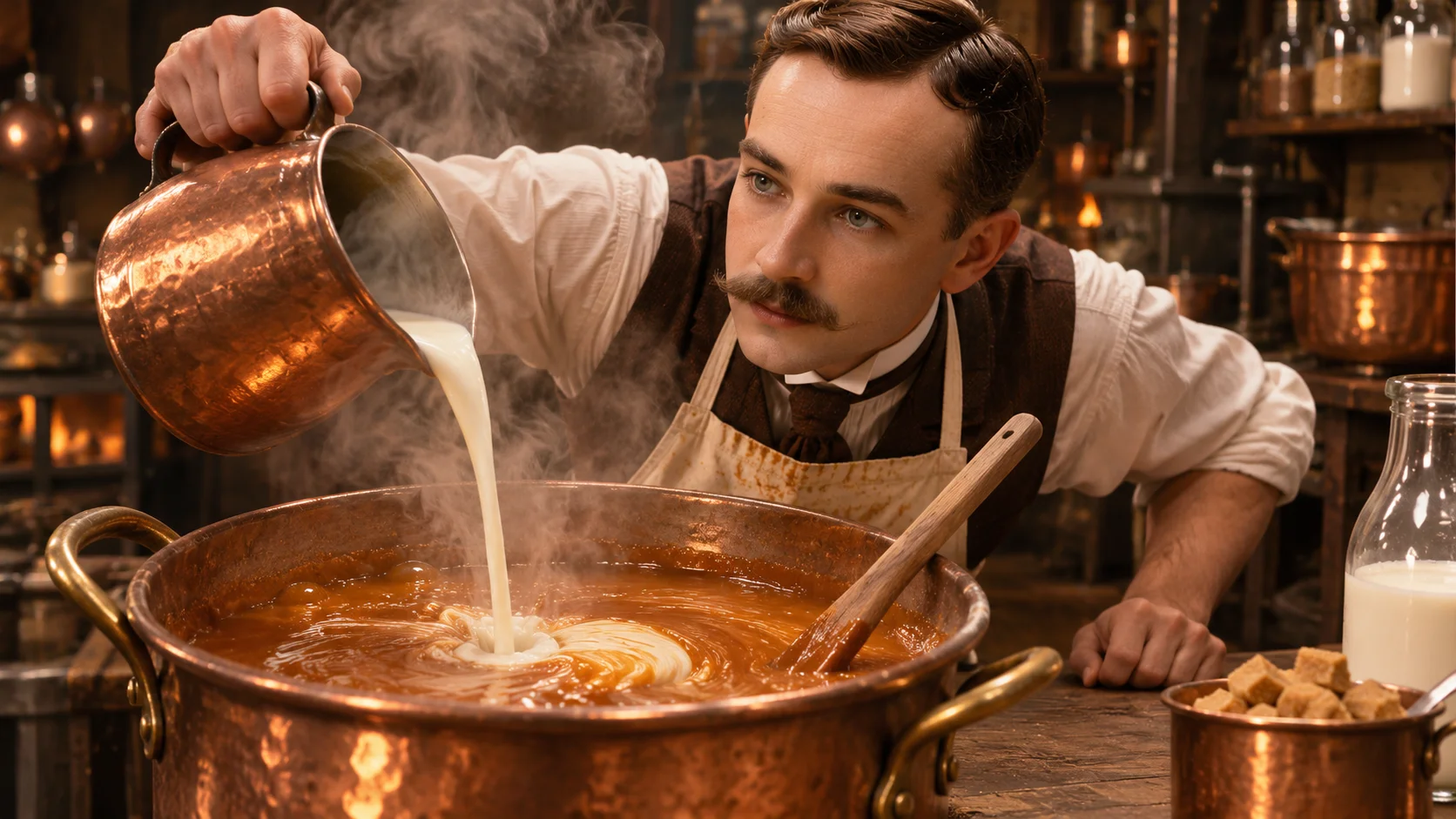
What fresh milk could do. Working for a confectioner in Denver, he learned to make caramels with fresh milk. That lesson became the basis of his first real success, and later of his chocolate.
What problem became his obsession?
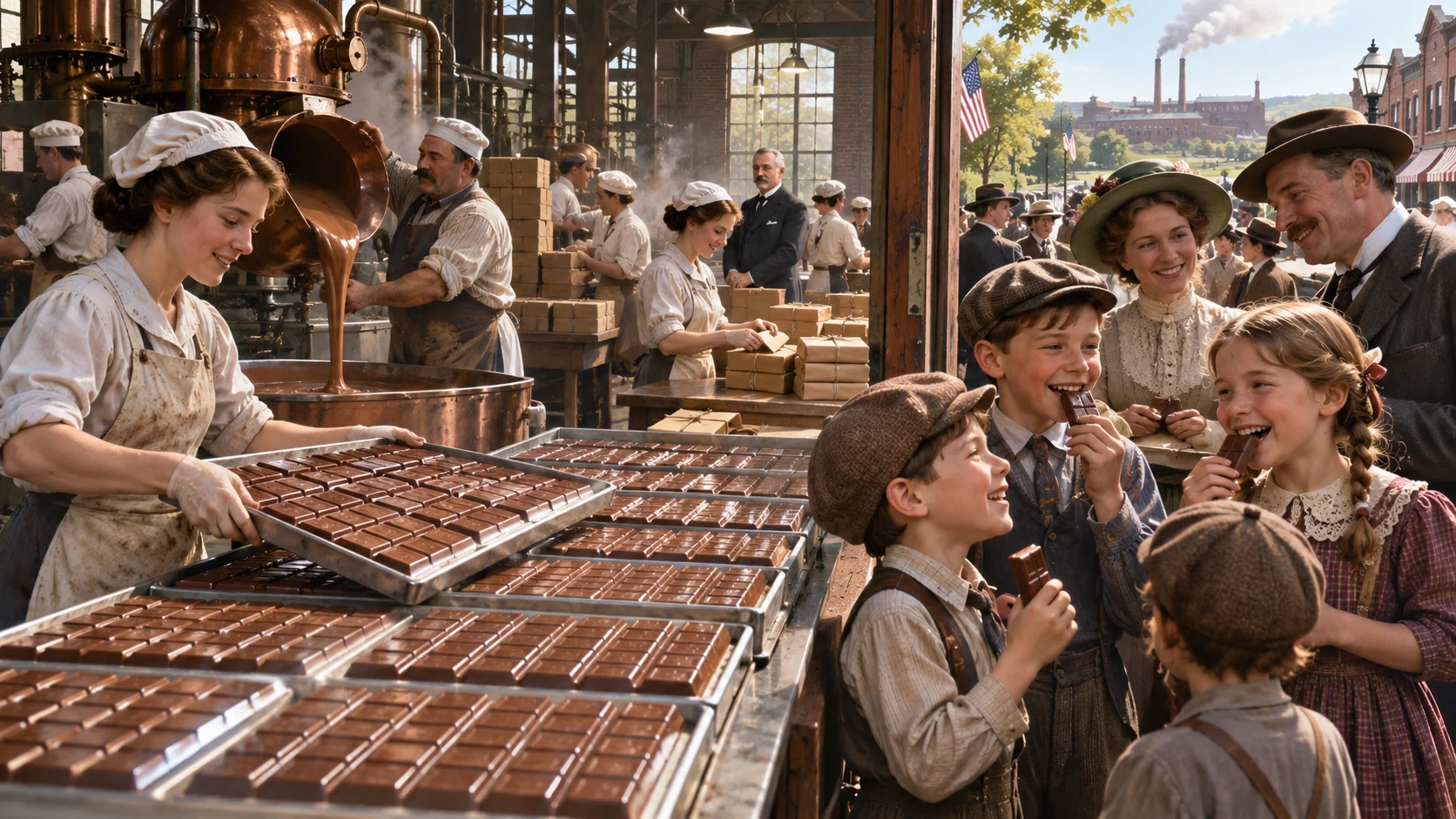
Making milk chocolate for ordinary Americans. Around the turn of the century, milk chocolate was mostly a European product, sold in America as a treat. Hershey wanted a bar he could make in huge quantities and sell cheaply enough for almost anyone.
Why did this matter personally to him?
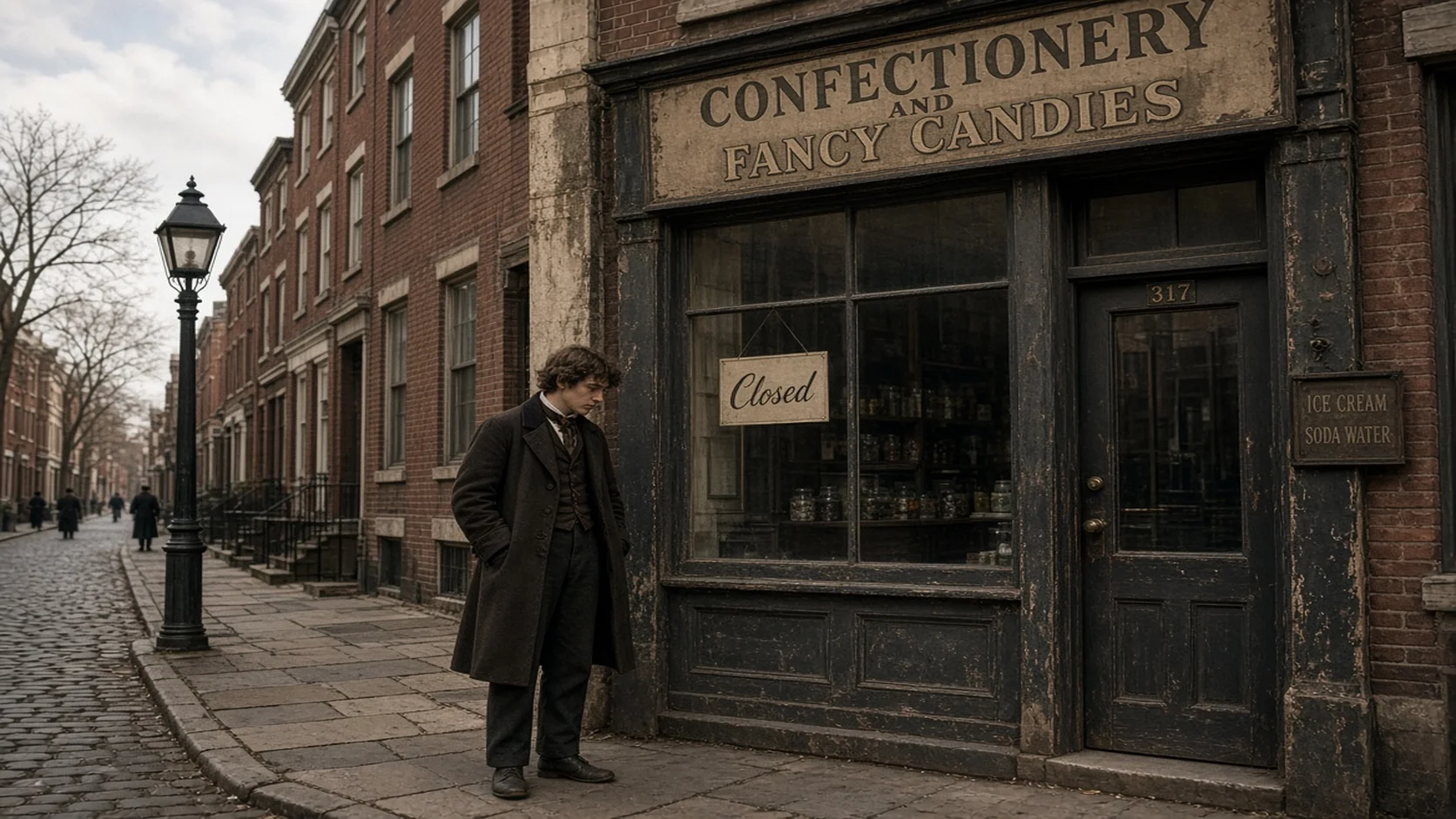
He'd already failed at candy twice. At 18 he opened his first shop in Philadelphia in 1876, and the crowds visiting the Centennial Exposition helped it get started. By 1880 it was faltering, and in the spring of 1882 he closed it after six years1. He moved to New York in 1883 and tried again, and that business closed in 1886. He was nearly 30 and had nothing left to show for a decade of work.
Where did the first money come from?
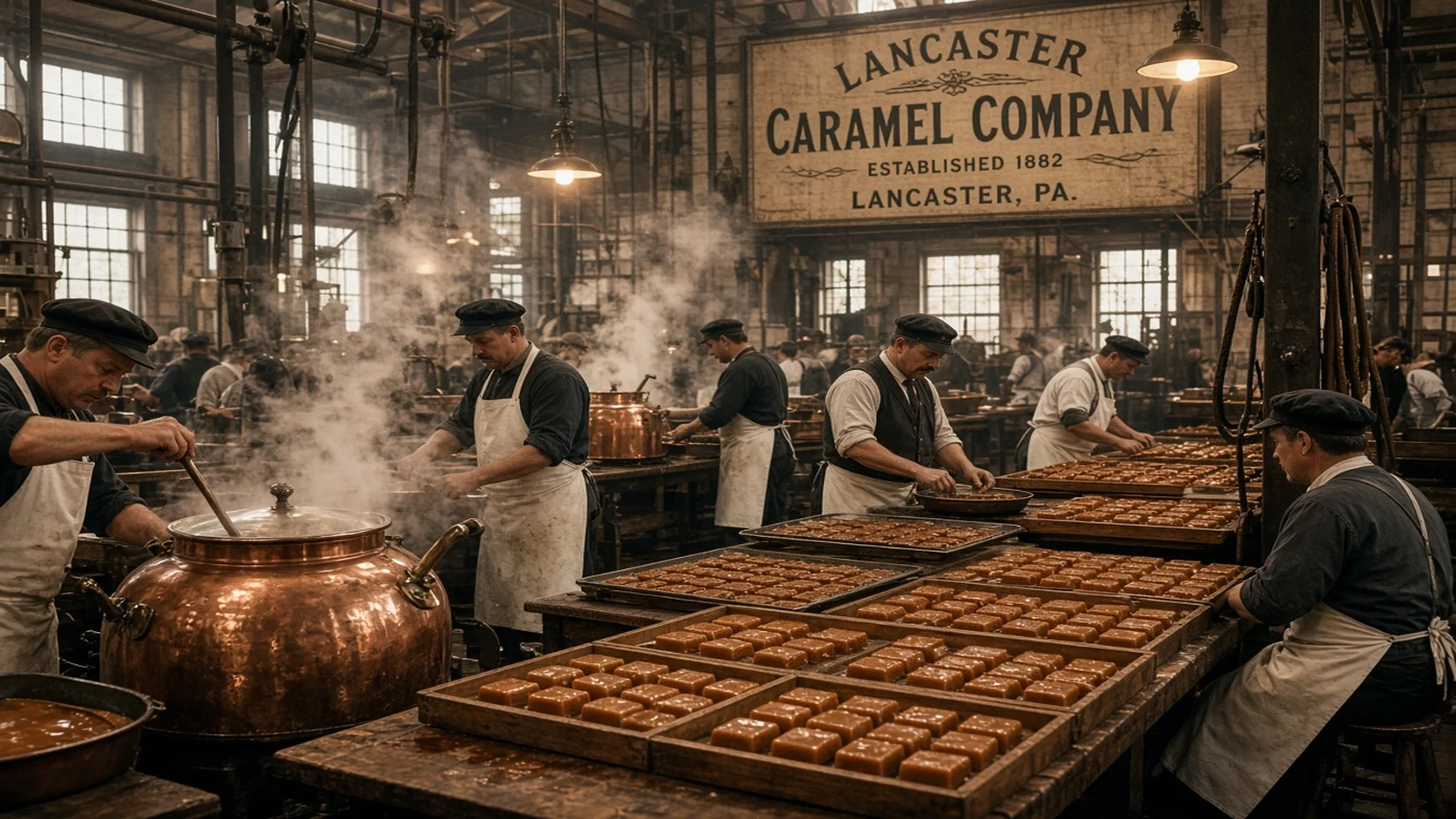
From caramel. Back in Lancaster in 1886, he started the Lancaster Caramel Company, making caramels with fresh milk the way he'd learned in Denver, and this time it worked. By 1894 the company employed about 1,400 people across four factories2. On August 10, 1900, he sold it to the American Caramel Company for $1 million and kept only the rights to his chocolate business.
What made the economics work?
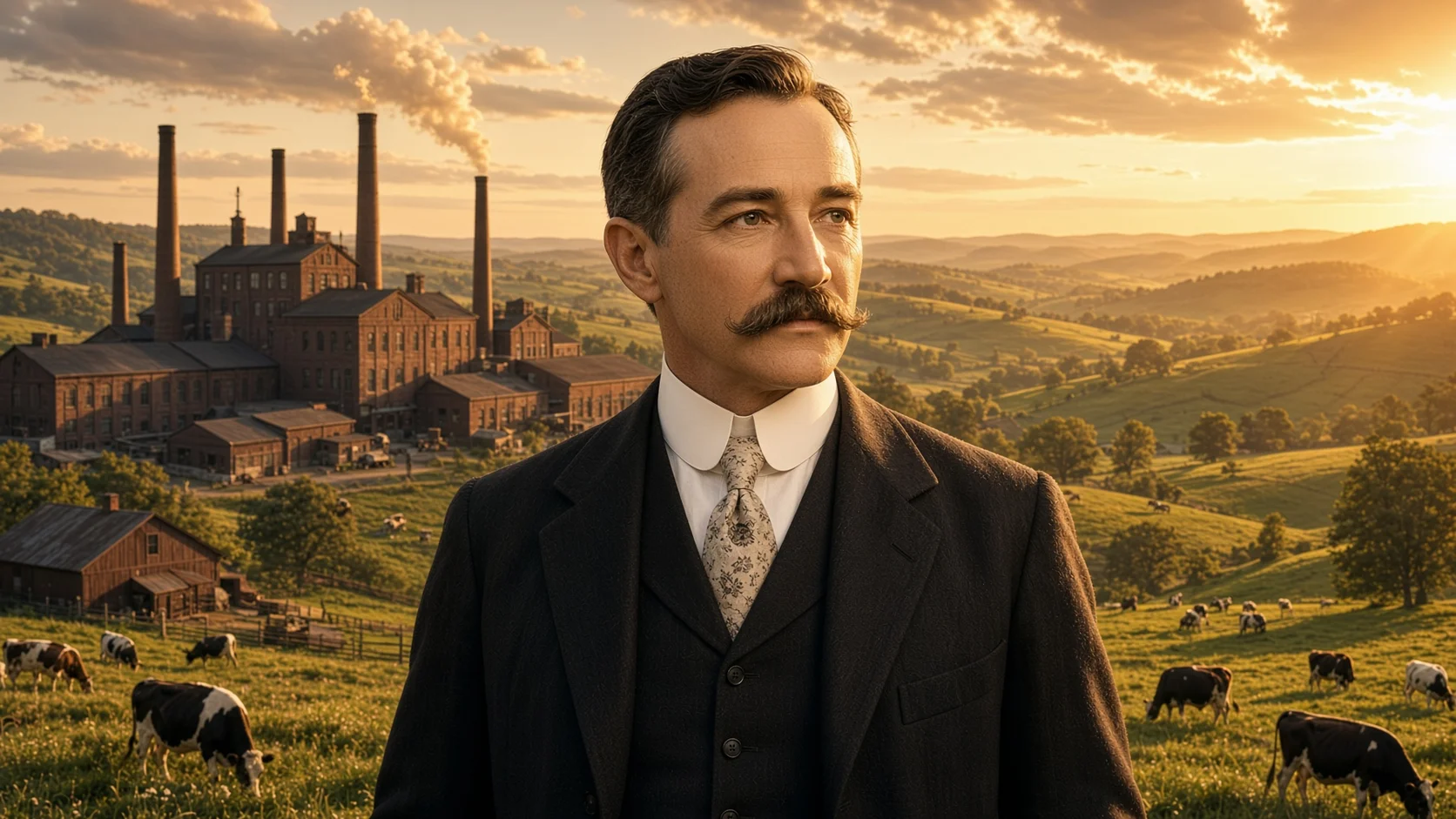
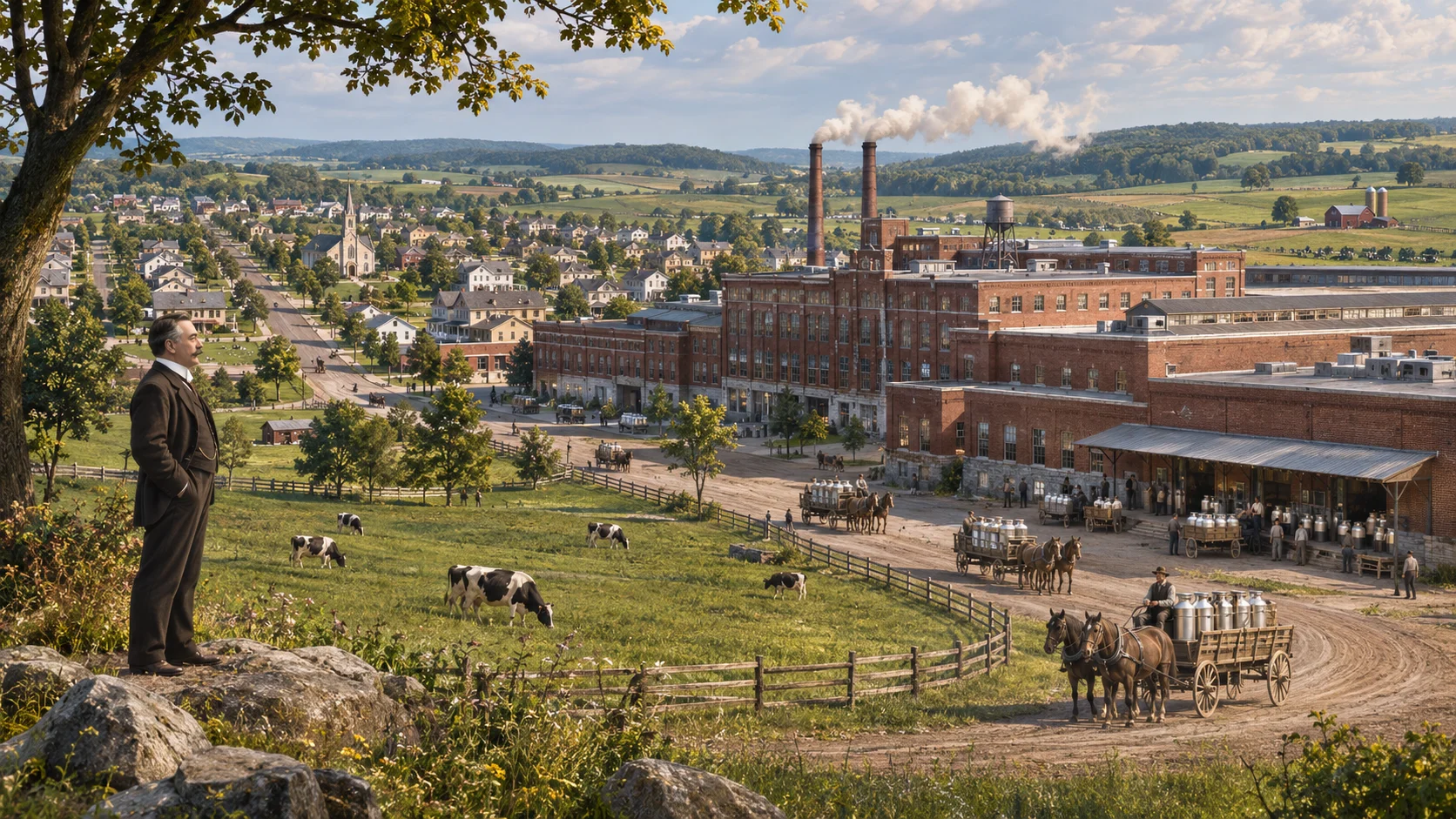
Building the factory where the milk was. He bought farmland about 30 miles northwest of Lancaster, near his birthplace in dairy country, and built a plant big enough to make chocolate in volume. He later bought his own sugar plantations3 to secure the other main ingredient. The Hershey bar came in 1900, Kisses in 1907, and the almond bar in 1908. Around the factory he built houses, churches, stores, schools, and transportation for his workers, and the place became the town of Hershey, Pennsylvania.
What was the decision or moment after which nothing was the same?
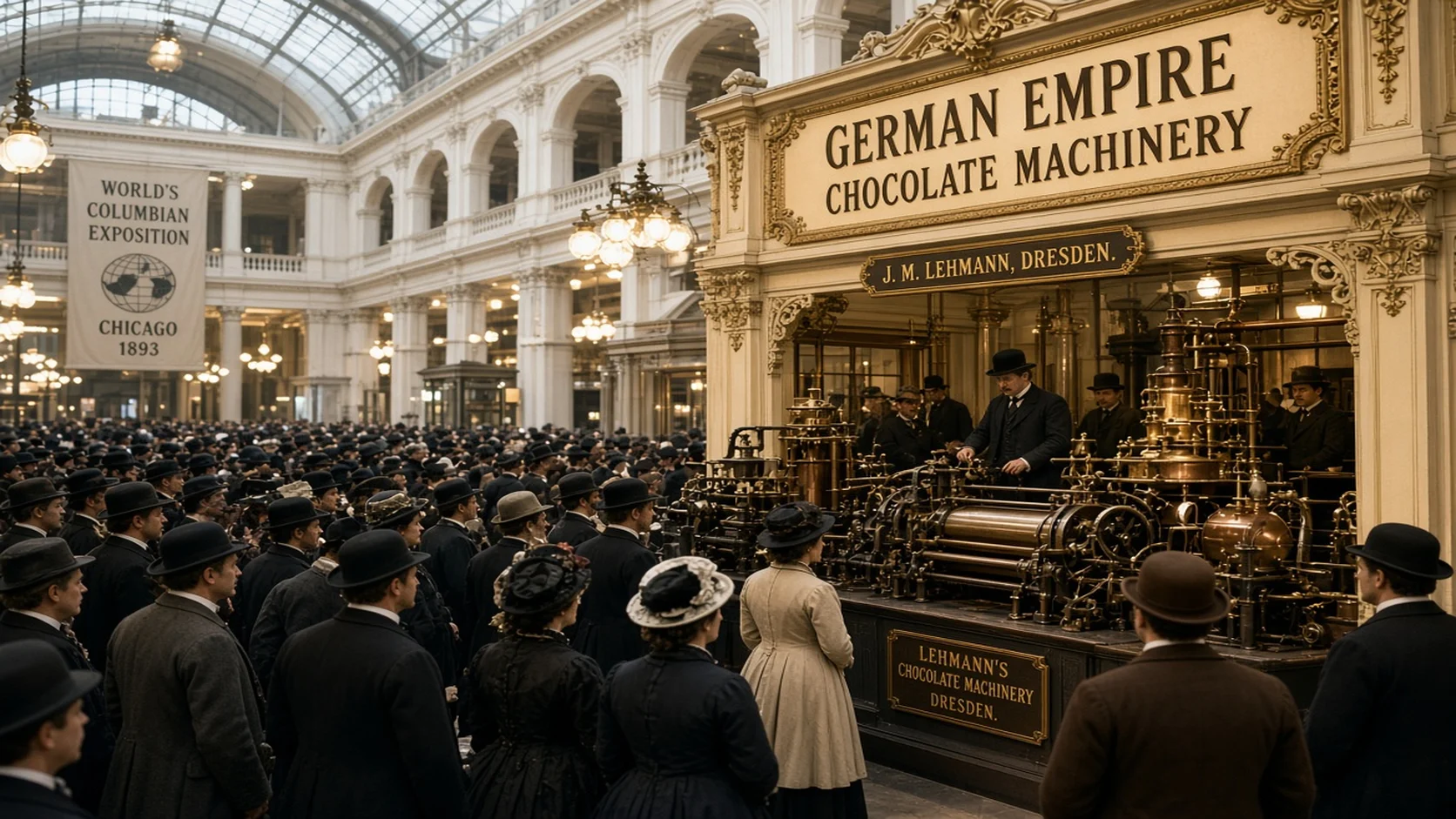
The 1893 World's Columbian Exposition in Chicago. At the fair he watched German chocolate-making machinery at work, bought it, and began making chocolate in Lancaster alongside his caramels.
What nearly killed it?
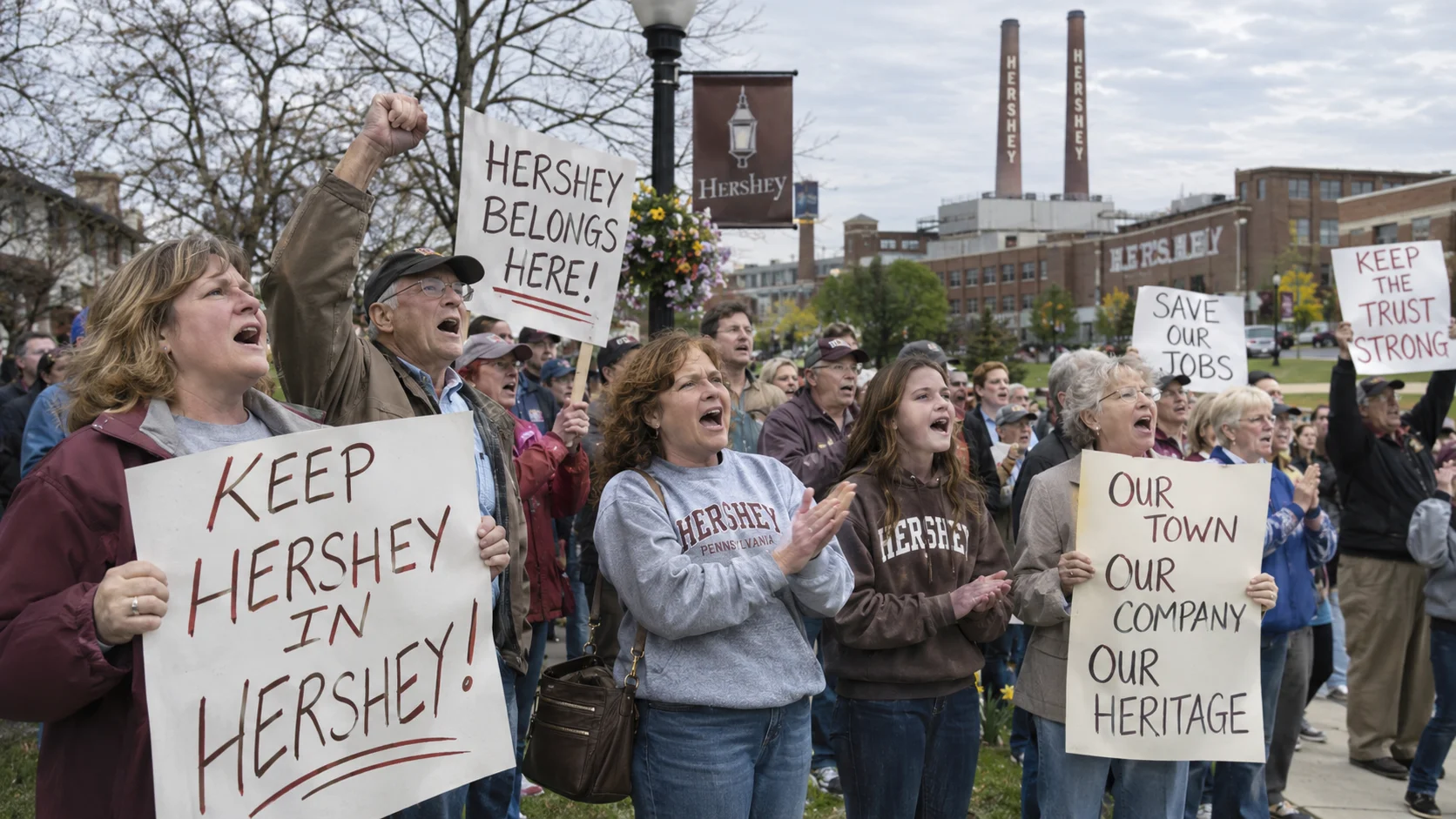
His own trust. In July 2002, the Hershey Trust, which managed the school's fortune, announced it would seek bids for the company it controlled. The chewing-gum maker Wrigley offered $12.5 billion4. The town fought back with petitions, rallies, and lawn signs. Pennsylvania's attorney general asked a judge to require court approval for any sale, and a judge blocked one while the case was appealed. In September, the trust's board voted 10 to 7 to abandon the sale.
What happened that he couldn't have planned for?
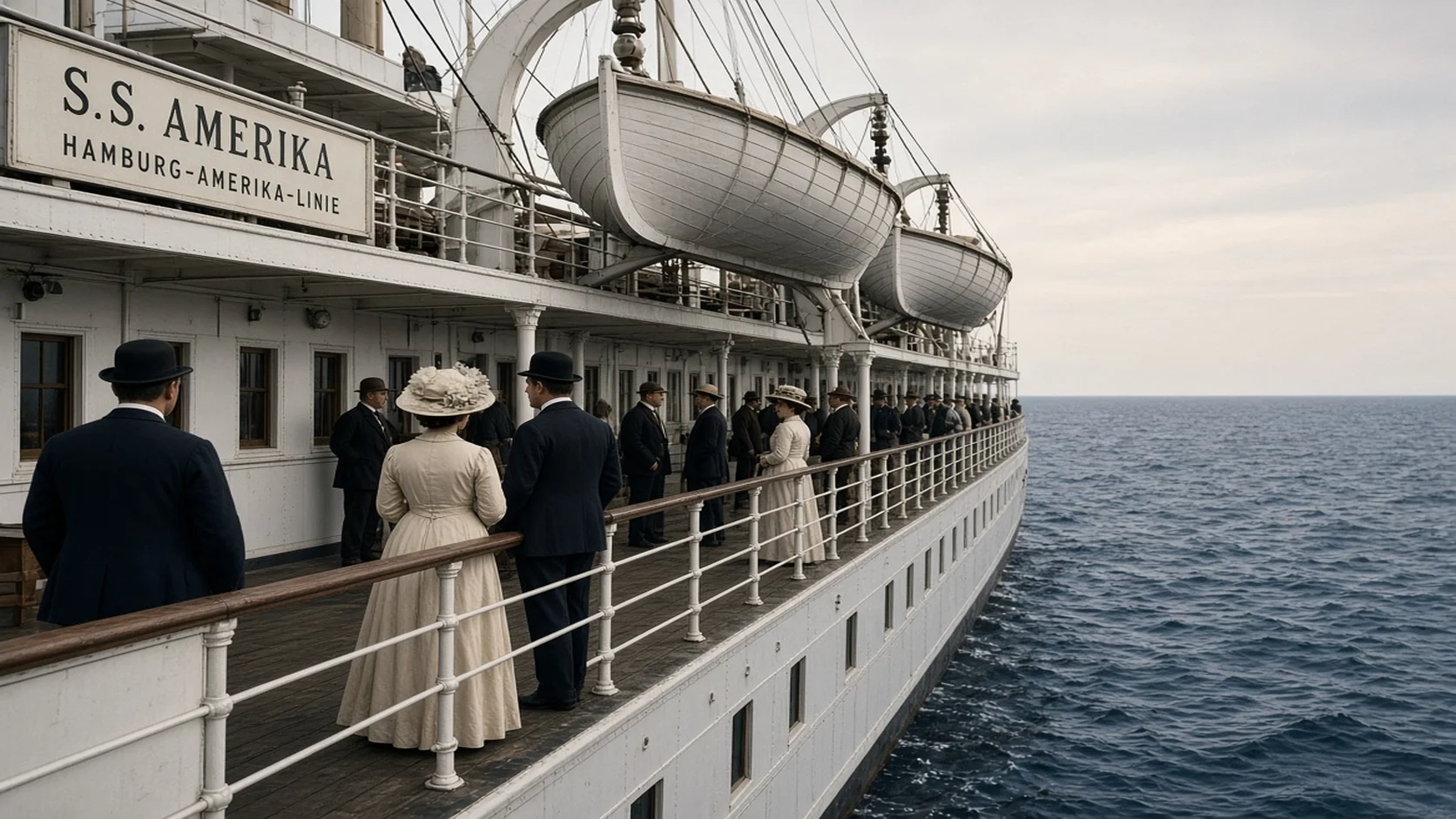
He was booked on the Titanic. In December 1911, while he and his wife were in Europe, he wrote a $300 check to the White Star Line as a deposit on a first-class stateroom for its maiden voyage5. Business called him home earlier, so he sailed on a German liner, the Amerika, and reached New York on April 6, 1912. Four days later the Titanic left Southampton.
What showed that he was human after all?
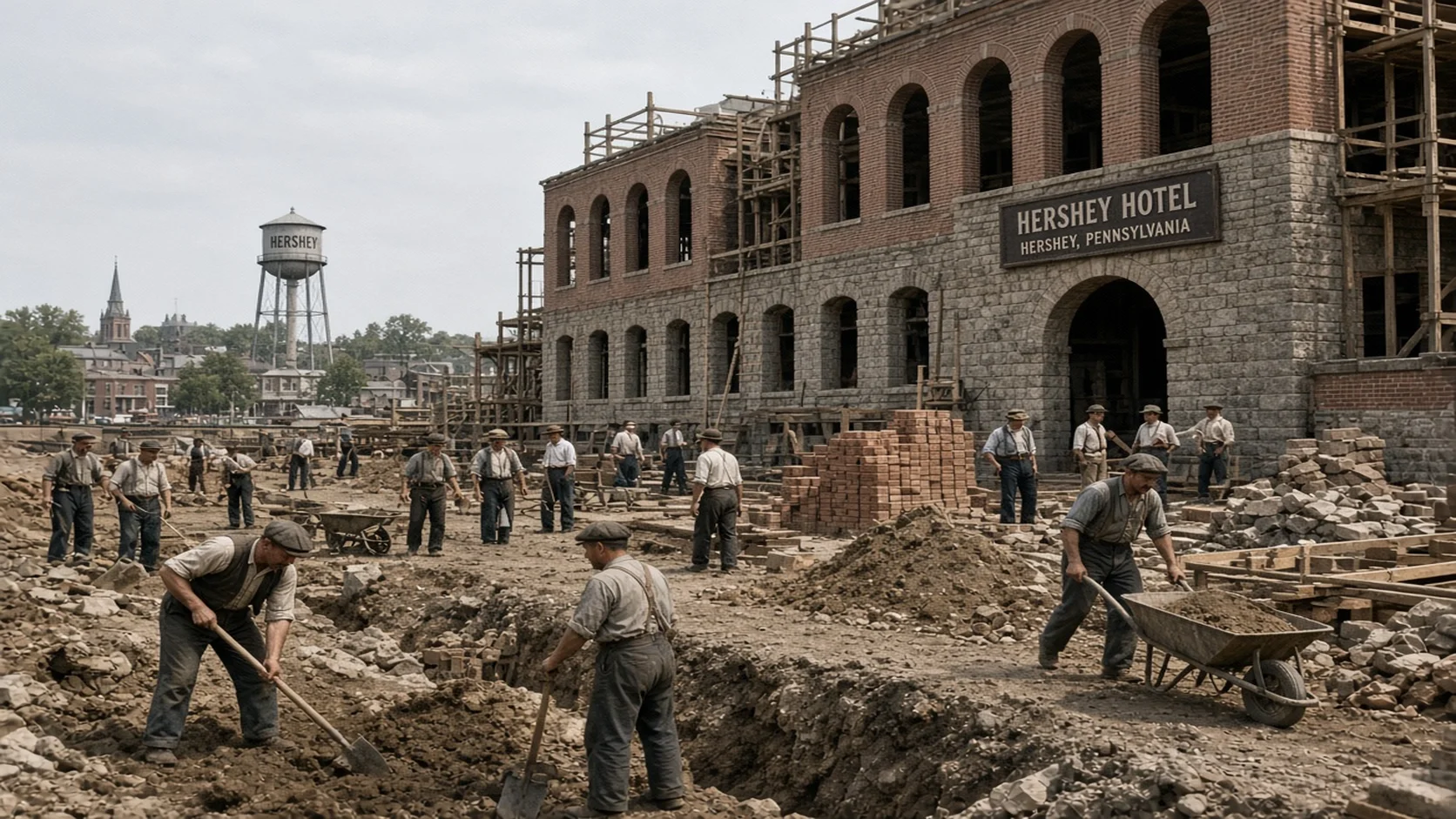
He kept people working through the Depression. He launched what became known as the Great Building Campaign and kept about 600 construction workers employed on new projects, including a hotel, a community building, and a sports arena. The best-known story6 comes from the hotel's excavation. When a foreman told him two steam shovels could do the work of 40 men, Hershey is said to have replied, "Take them off. Hire 40 men."
What was the change he brought about?
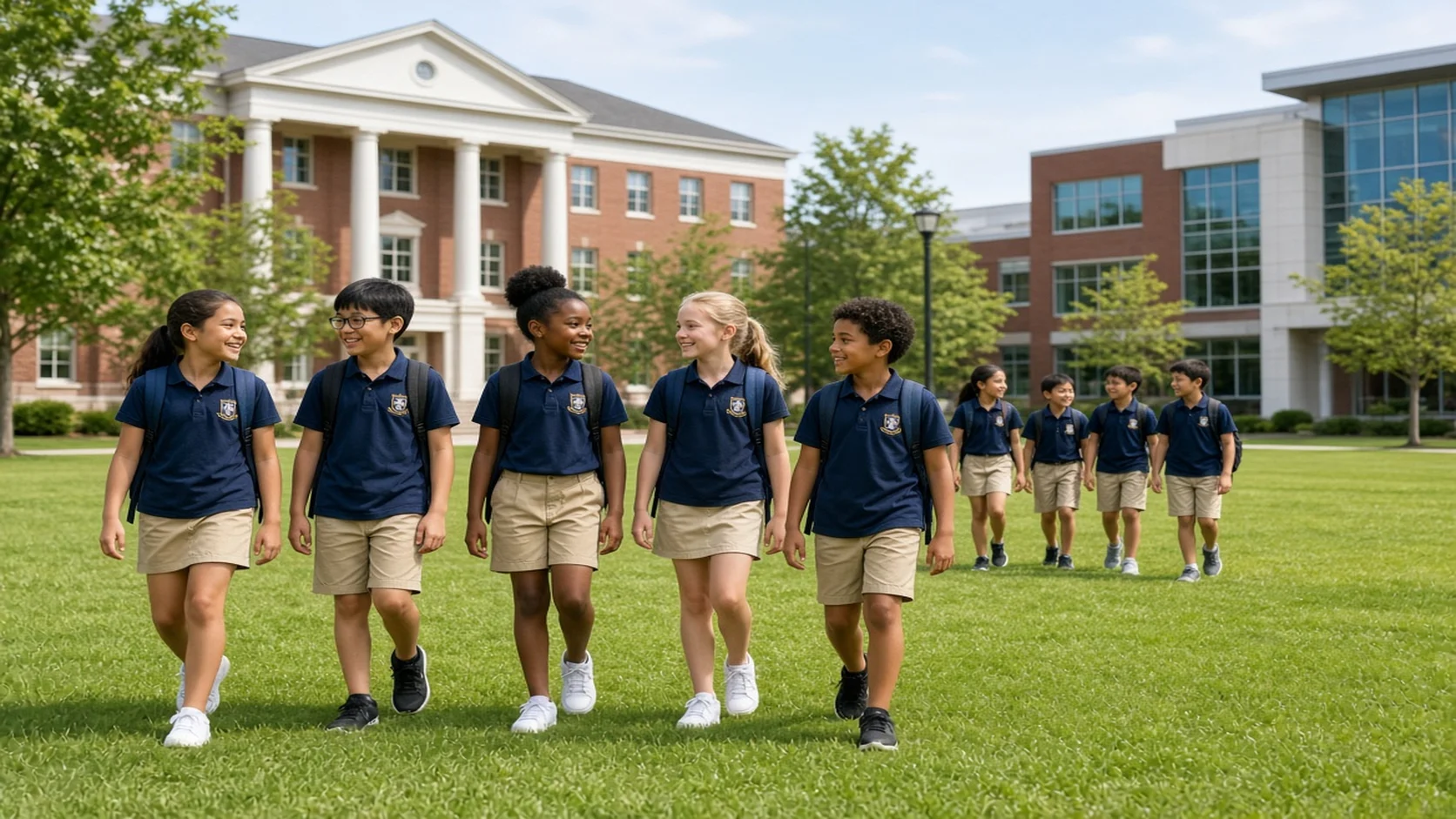
He tied a major company to a school for more than a century. Milton Hershey School now enrolls more than 2,100 students from low-income families, from pre-K through 12th grade, and covers everything from housing and meals to medical care at no cost to them7. It has more than 11,800 alumni, and its trust, worth roughly $15 billion, still holds a controlling stake in The Hershey Company.
What did he believe that most reasonable people around him did not?
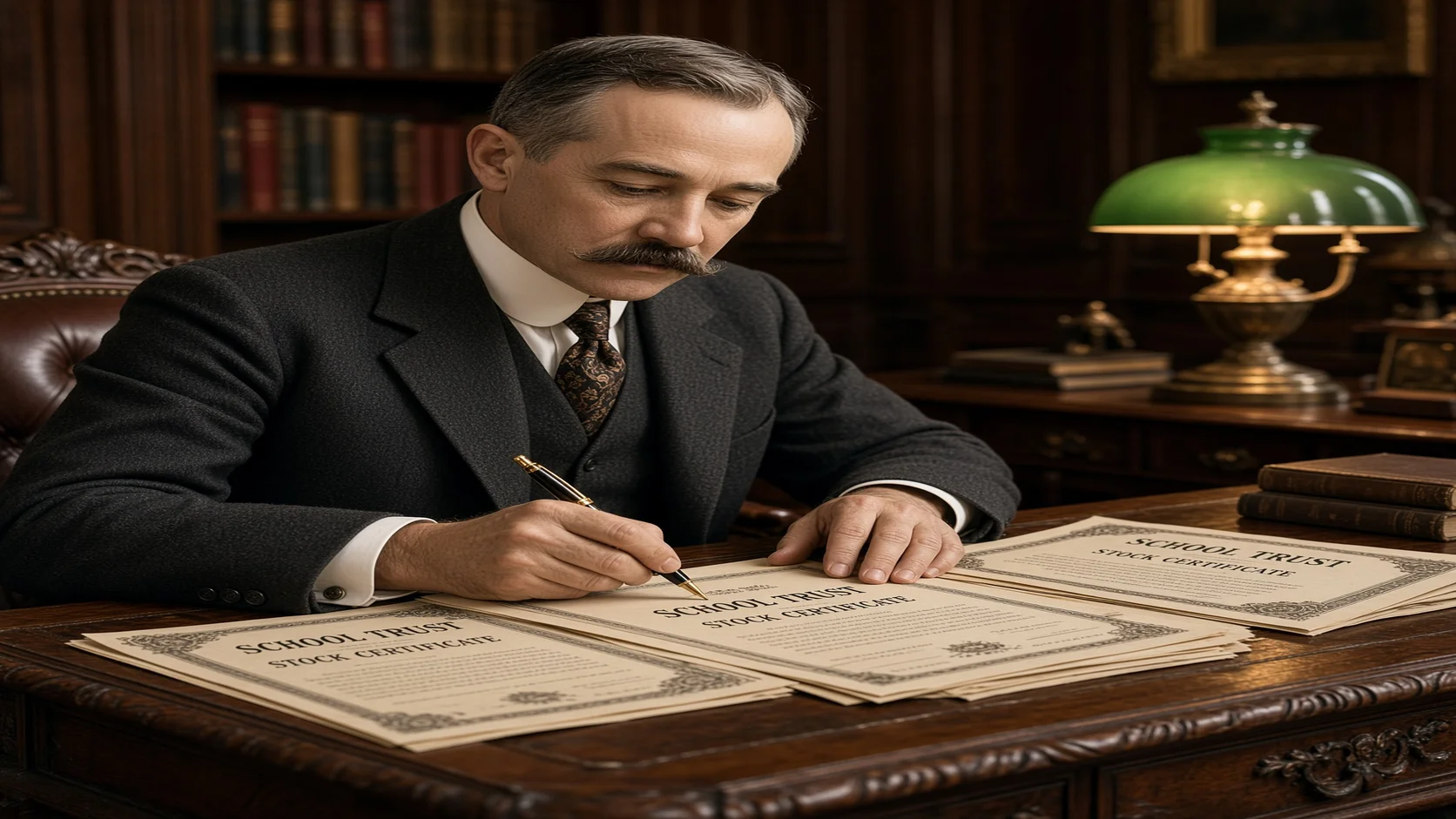
That children he'd never met should inherit his fortune. On November 13, 1918, without announcement, he transferred 5,000 shares of Hershey Chocolate Company stock, the bulk of his fortune, to the trust for the school8. When the gift became public in 1923, he explained it simply: "The only unusual thing I have done is to carry out the terms of my will while I am still alive."
What did his trek cost him?
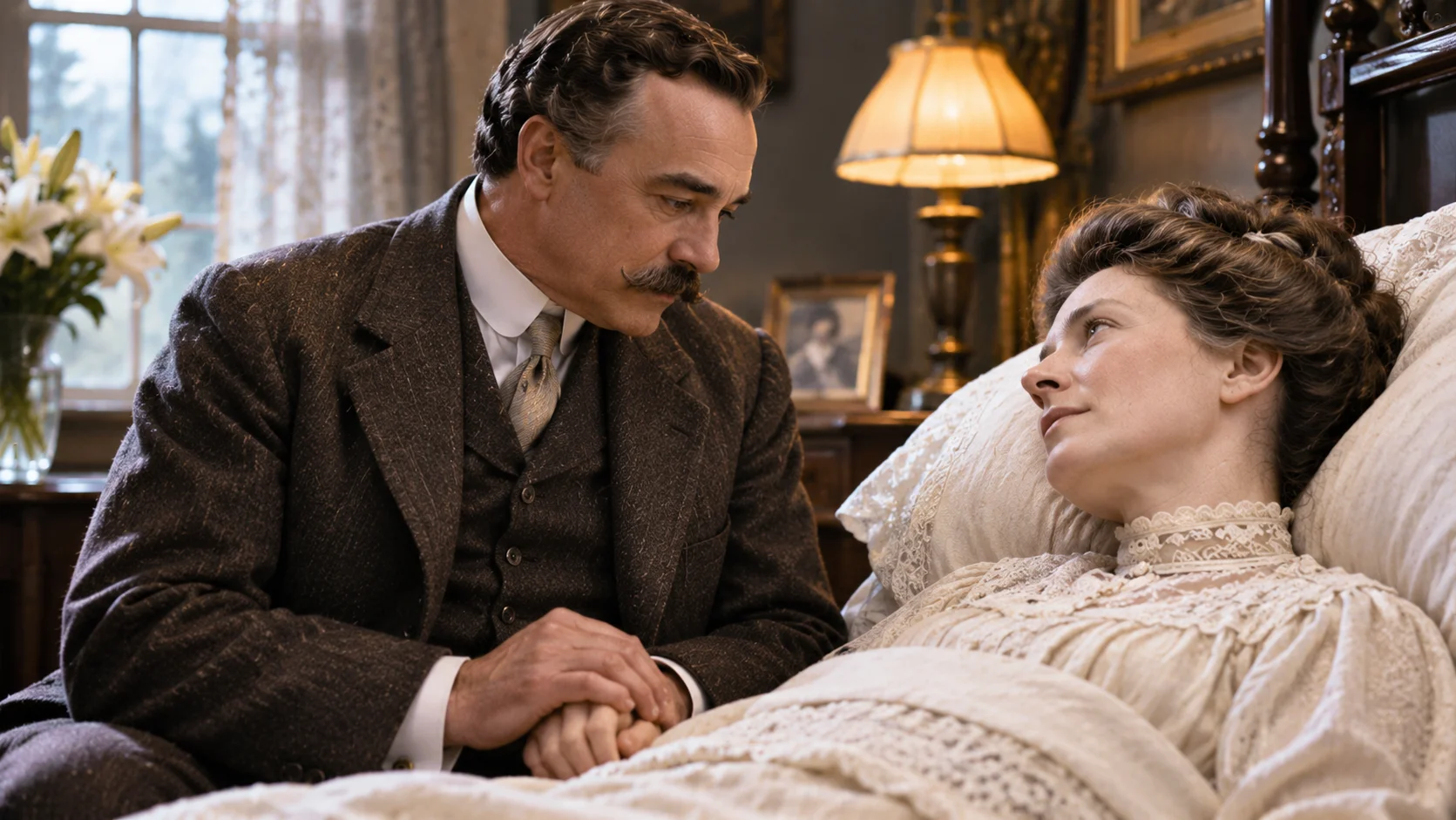
His wife, and the family they never had. He married Catherine Sweeney in New York on May 25, 1898. She developed a disease of the nervous system that affected her balance and her ability to feel heat and cold, and she died of pneumonia on March 25, 1915, at about 43. They had no children. He said the idea for the school had been hers9, and the school they founded together in 1909 became the family he left behind. He died of pneumonia on October 13, 1945, at 88, in the hospital he had built in his town.
What's the takeaway?
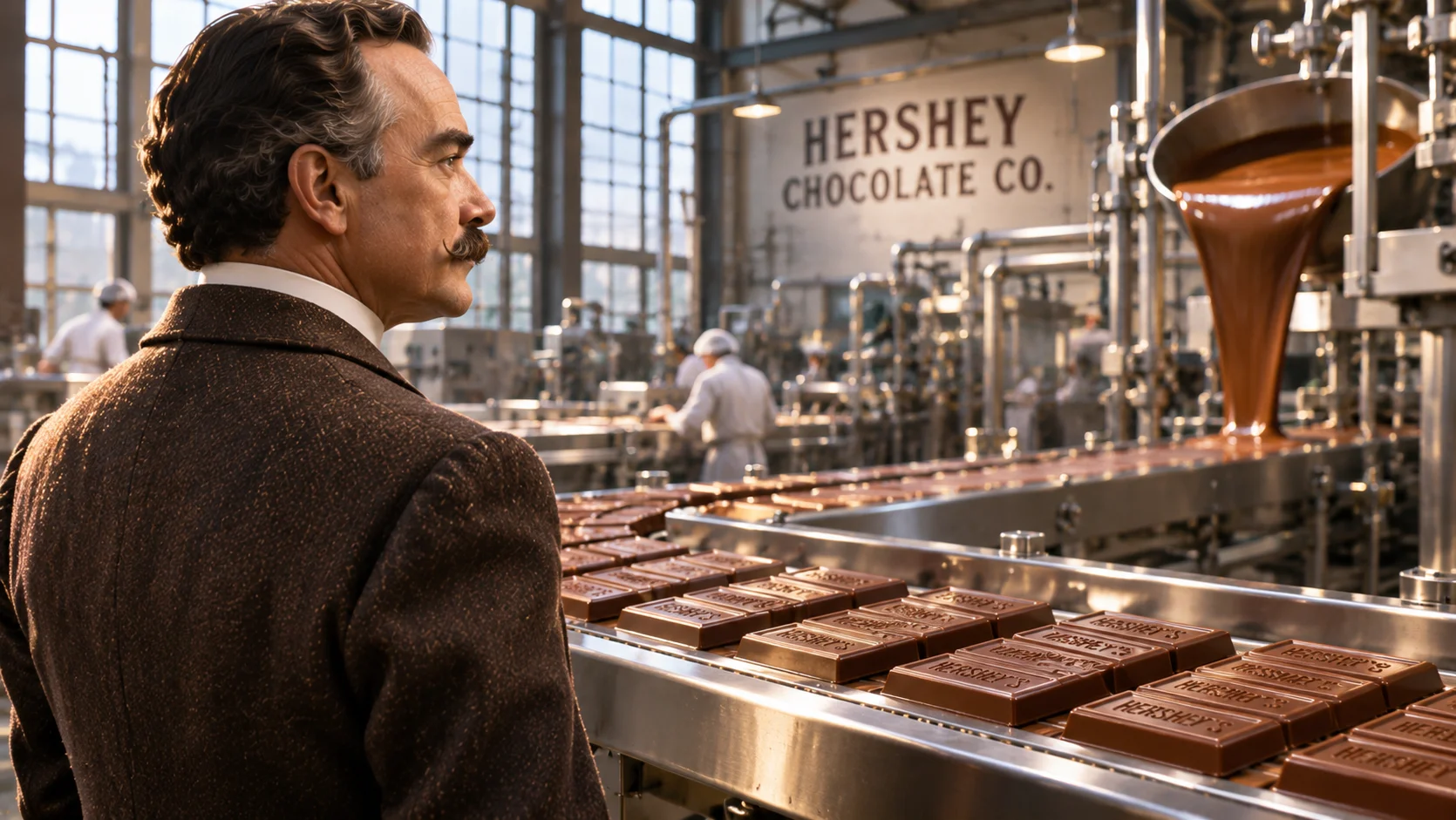
Don't let your first success become your ceiling. Hershey failed twice, then built a caramel company that employed hundreds of people, and he sold it to bet everything on a product he hadn't yet learned to make. The lessons from his failures went with him: limit the product line, watch the cash, put the factory next to the supply. And when the bet paid off, he decided early who it was ultimately for.
Timeline
-
1857-09-13—Born in Derry Township, Pennsylvania.
-
1871—Leaves school after the fourth grade and apprentices with a printer, then with Lancaster confectioner Joseph Royer.
-
1876—Opens his first candy business in Philadelphia.
-
1882—Closes the Philadelphia business.
-
1883—Moves to New York and starts a second candy business, which closes in 1886.
-
1886—Founds the Lancaster Caramel Company.
-
1893—Buys German chocolate machinery at the World's Columbian Exposition in Chicago.
-
1898-05-25—Marries Catherine Sweeney.
-
1900-08-10—Sells the Lancaster Caramel Company for $1 million; the first Hershey bar appears that year.
-
1907—Introduces Hershey's Kisses.
-
1909-11-15—He and Catherine sign the deed of trust founding the Hershey Industrial School.
-
1911-12-18—Pays a $300 deposit on the Titanic.
-
1915-03-25—Catherine dies.
-
1916—Begins buying sugar operations in Cuba.
-
1918-11-13—Transfers the bulk of his fortune to the school's trust.
-
1923-11—The gift becomes public.
-
1930s—The Great Building Campaign employs about 600 construction workers.
-
1937—Hershey develops the Ration D bar for the US Army.
-
1945-10-13—Dies at 88.
-
1951—The school is renamed Milton Hershey School.
-
2002-09—The trust's board votes 10 to 7 to abandon a sale of The Hershey Company.
Side notes
-
The cabinet that finished it—In his last months in Philadelphia, Hershey wrote repeatedly to his uncle Abraham Snavely asking for loans. When his father arrived to help and built an elaborate candy display cabinet, paying for it was the final blow to the business. Learn more ↩
-
Four factories—An 1894 county history counted about 800 workers in Lancaster, 400 in Chicago, 100 in Mount Joy, Pennsylvania, and 100 in Geneva, Illinois. Learn more ↩
-
Hershey, Cuba—Starting in 1916, Hershey built five sugar mills, a refinery, company towns, and an electric railway in Cuba, the country's first. The company sold the Cuban operation in 1946, the year after his death. Learn more ↩
-
The numbers in 2002—The trust, then worth about $5.9 billion, controlled 77 percent of the company's shareholder votes. Wrigley's offer worked out to $89 a share in cash and stock. Learn more ↩
-
The deposit—The $300 check was about 10 percent of the cost of a first-class stateroom. Catherine stayed behind in Europe when he sailed home. Learn more ↩
-
Story or fact?—Even the Hershey Community Archives introduces the "40 men" exchange with "It's said that." Hershey is also reported to have said he would rather give the town's construction workers jobs than feed them. Learn more ↩
-
Who gets in—The school began with four orphan boys in 1910. It admitted its first girls in 1977, and today it enrolls students from families with incomes below twice the federal poverty level. Learn more ↩
-
"$60,000,000 Gift Confirmed"—That was the Harrisburg Evening News headline on November 8, 1923. The New York Times followed the next day. The $60 million figure was assigned to the shares when the gift became public. Learn more ↩
-
Catherine's school—She co-signed the 1909 deed of trust, and her charity work in Lancaster likely shaped the school's approach. She also insisted that students not wear "distinctive dress." Learn more ↩